From College Park to Arthur Ashe: JTCC and Frances Tiafoe
 Tommy
Tommy
A kid who grew up beside the courts
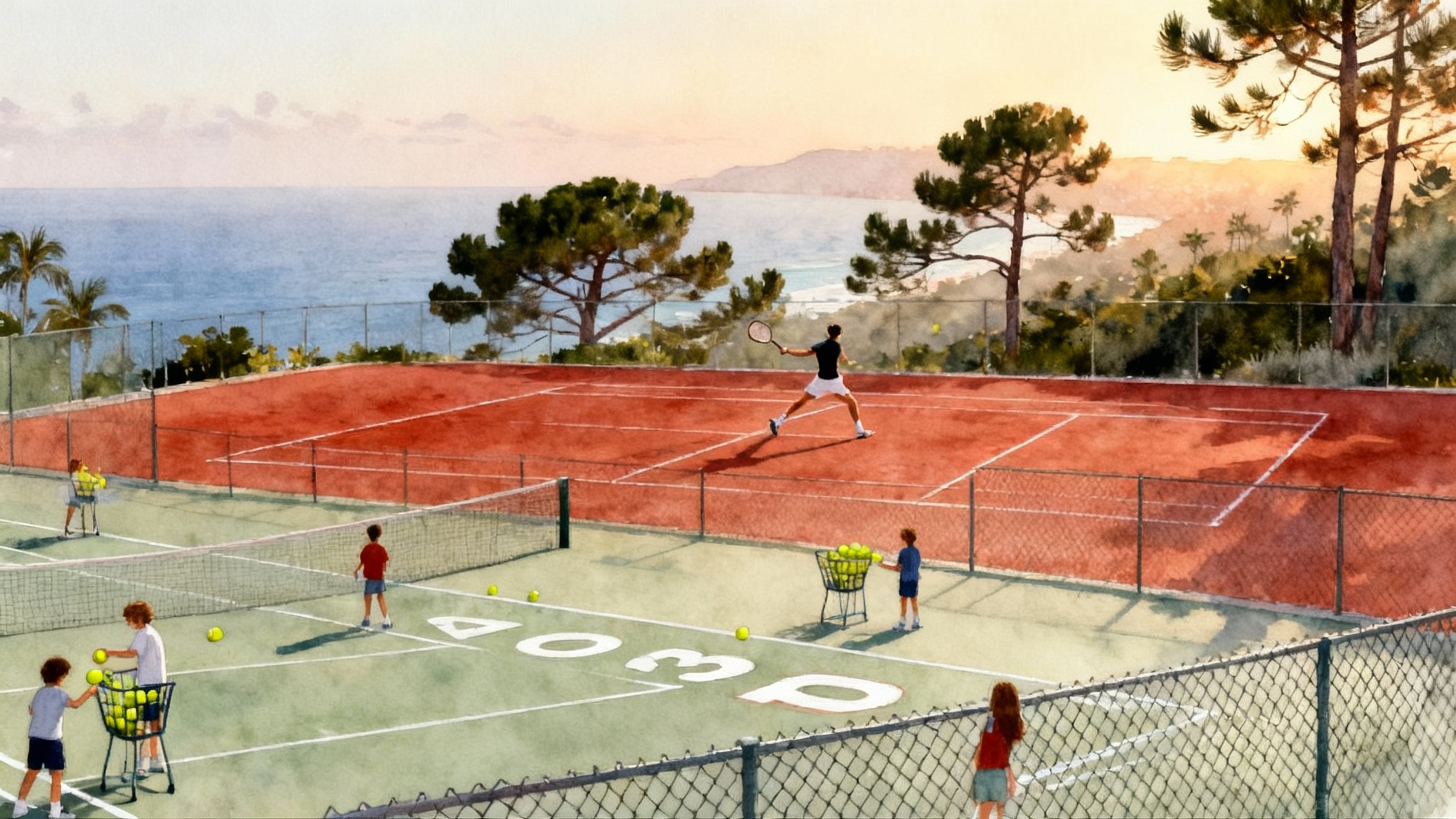
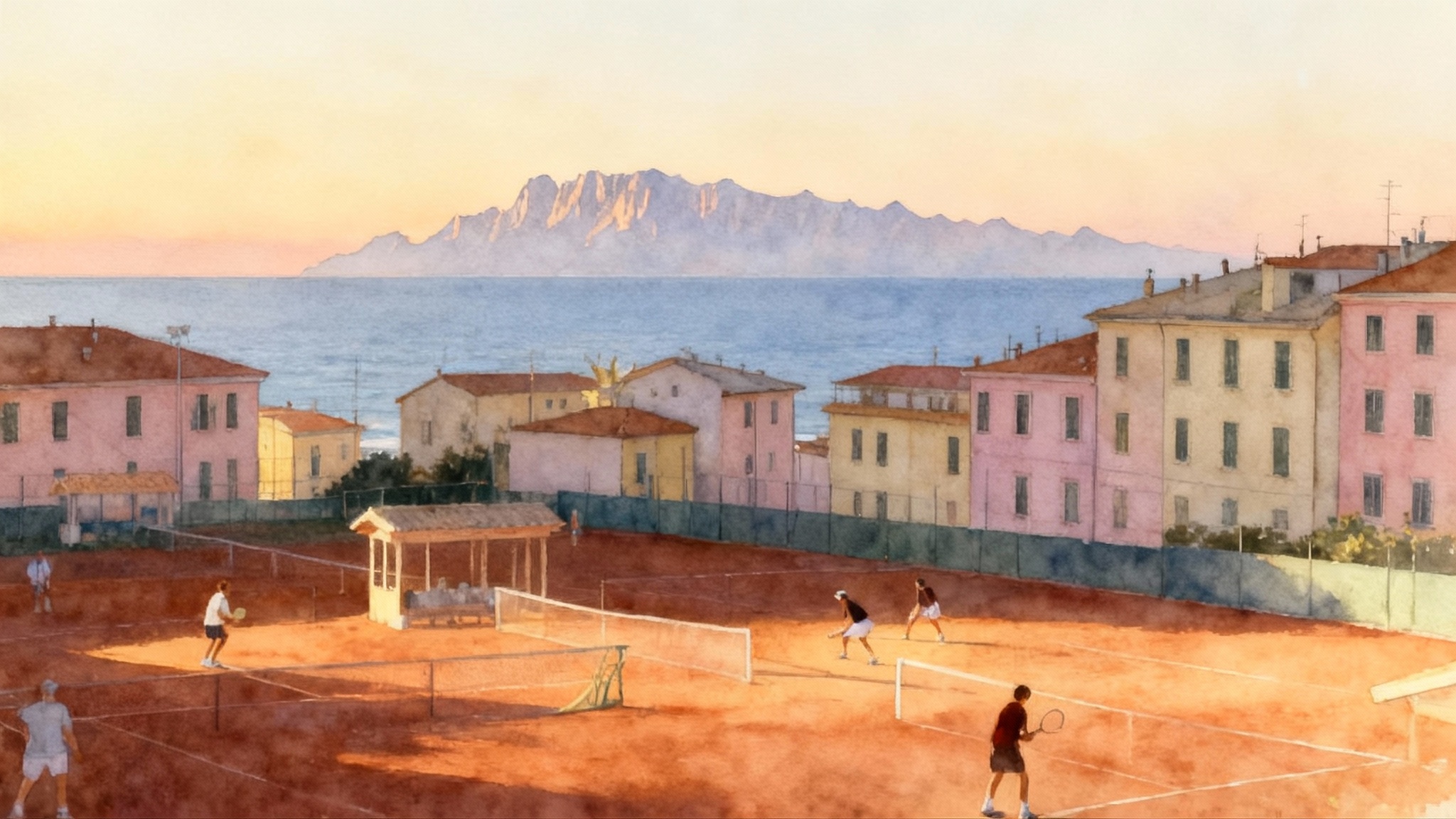
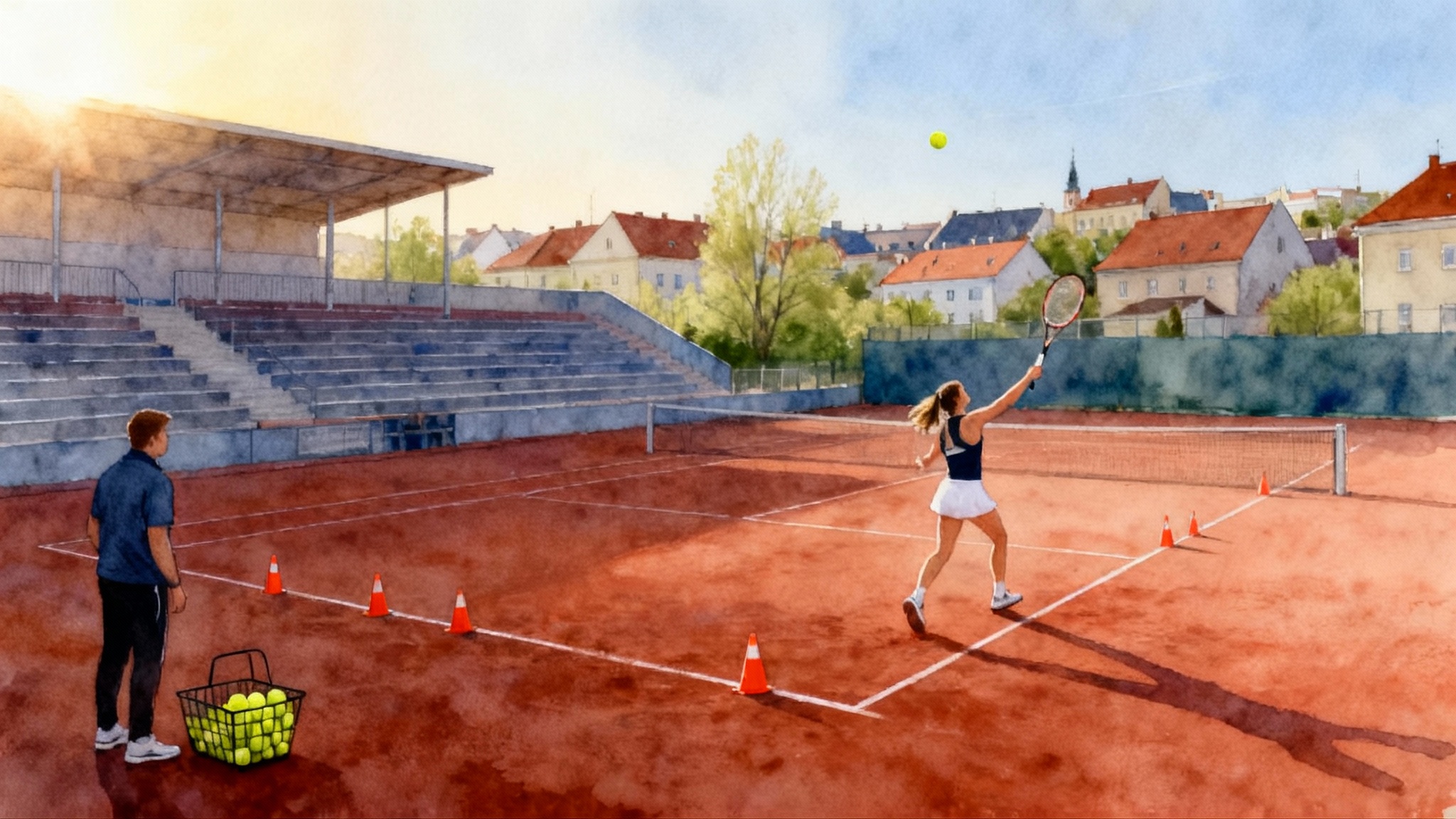
If you ask people in College Park what makes the Junior Tennis Champions Center different, they rarely start with forehands. They talk about a place that felt open, neighborly, and relentless about development. Frances Tiafoe did not just train there. He grew up around the courts as his father worked at the facility. Tennis was the soundtrack of everyday life, not an occasional lesson. The center blended community access with performance habits, then connected its best juniors to the national pathway. That same blend shows up in other modern blueprints, from the IMG blueprint for Korda to our Mouratoglou built Gauff analysis.
That blend is the through line from College Park to Arthur Ashe Stadium. The center’s formula is plain but powerful: early immersion around courts, heavy and frequent match play, long‑haul mentorship, and a smooth handoff into the United States Tennis Association system. JTCC was recognized as the first United States Tennis Association Regional Training Center, which made the handoff even cleaner for families who could not afford a maze of separate programs and travel arrangements.
What JTCC actually did
1) Early immersion around courts
Immersion beats occasional intensity. Tiafoe’s introduction to tennis did not rely on a once‑a‑week lesson. He saw players train, strung together hours picking up balls, and absorbed the rhythm of sessions. Imagine growing up next to a kitchen instead of only attending a cooking class. You begin to smell timing and technique. Early exposure built his comfort with long practice blocks and gave him an eye for how better players managed their days and their nerves.
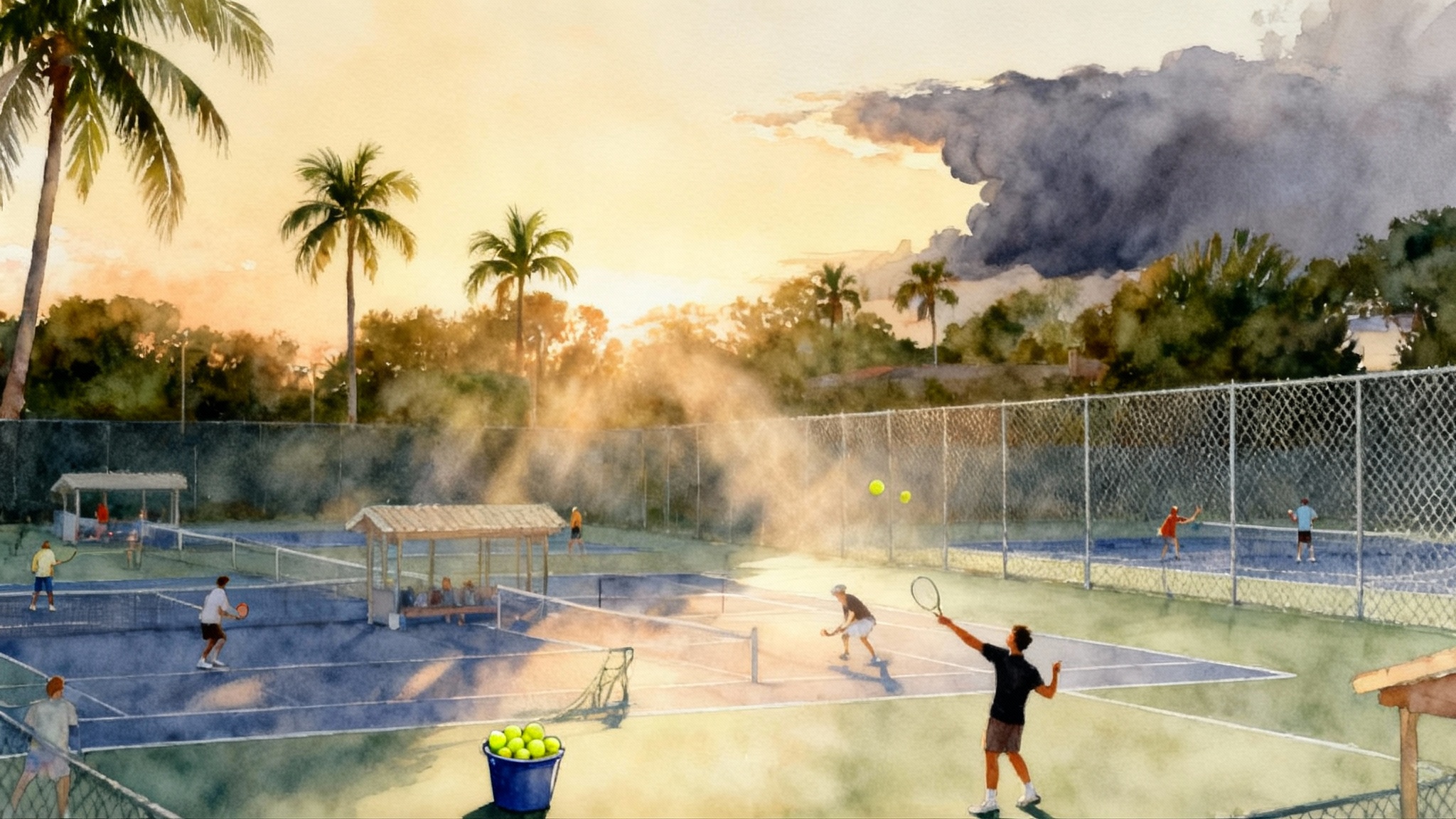
Parents often ask whether you need the fanciest technology to create that immersion. The honest answer is that proximity matters more. A club that welcomes kids to linger, hit against a backboard, and watch older players can outperform a boutique lesson that is expensive but isolated. Community‑rooted models like the Milwaukee NJTL pathway show how access and repetition can scale.
2) Heavy match play
JTCC treated competitive reps as a core class, not an elective. Training blocks prepared players for real scorekeeping, but the calendar was organized so that matches kept returning. Tiafoe’s junior breakthrough, becoming the youngest boys’ champion at the Orange Bowl at 15, was not a surprise to those who watched him sharpen through constant match pressure. Heavy match play develops decision making under stress. It reveals which patterns hold up when your legs shake and your mind races. Volume matters, but so does how the matches are spaced. JTCC made sure players did not go six weeks without a scoreboard in front of them.
3) Mentorship that travels with the player
The center did more than assign a coach. It wrapped the player with a mentor who understood the child’s story, not just the player’s ranking. That meant rides to tournaments, honest conversations after bad weeks, and a plan that looked beyond the next weekend. When a coach knows how a player learns and what a family can manage, they can steer decisions about surfaces, opponents, and goals without wasting money or burning out enthusiasm.
4) Seamless United States Tennis Association integration
A private center can feel like an island. JTCC built a bridge. As a designated partner in the national system, it aligned language and planning with United States Tennis Association Player Development. That made transitions smoother when a player graduated from local events to bigger stages. Tiafoe’s pathway included work with a JTCC coach in his early years in College Park, then time at the association’s training centers in Florida as his results scaled. The United States Tennis Association has written about how he started at JTCC at age four and later trained in Boca Raton and Orlando in its started at four, then USTA centers feature.
College Park to Arthur Ashe, in one line
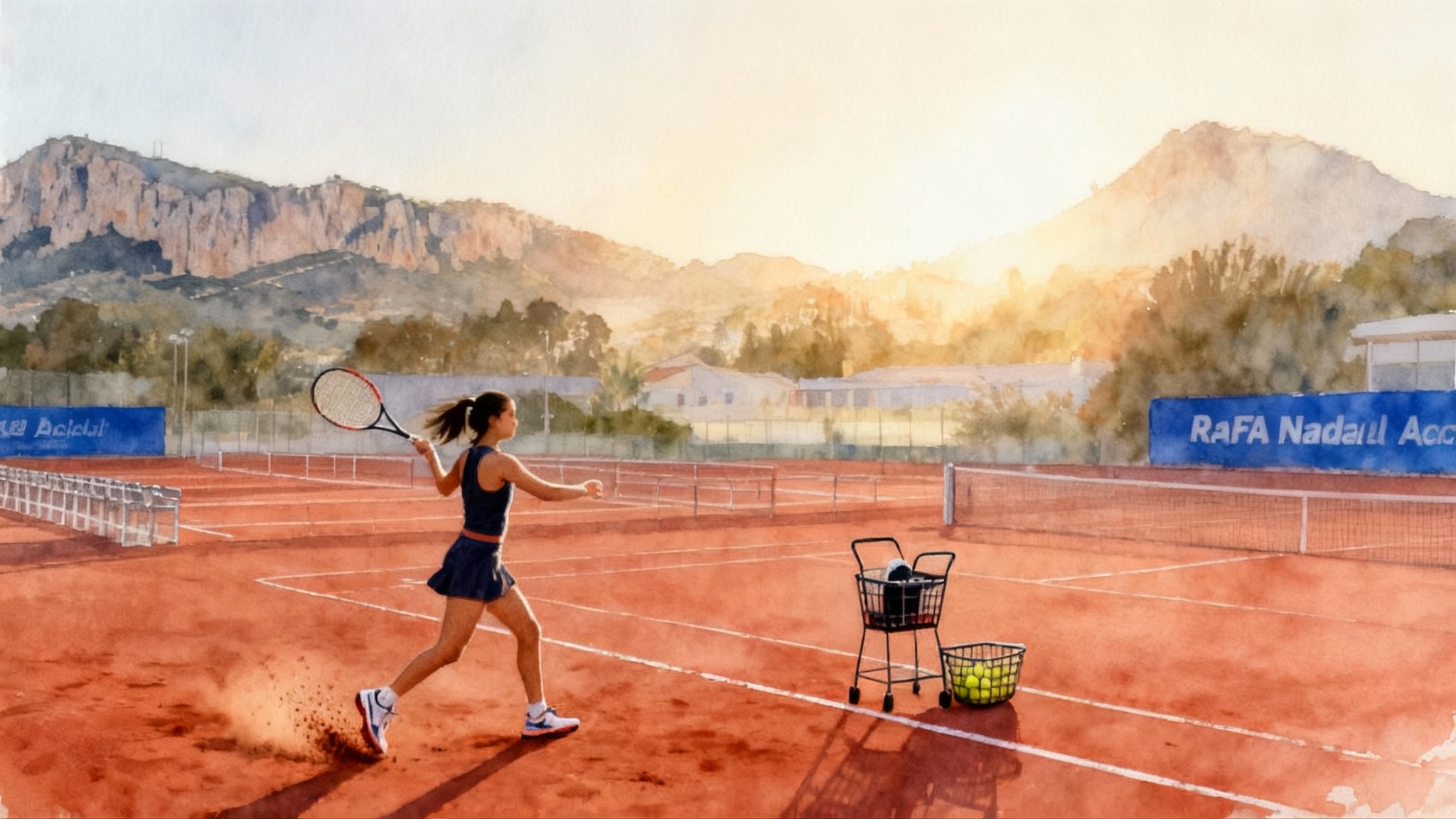
If you want the arc in a sentence, it is this: a kid comfortable around courts learned to win real matches, stuck with a mentor who knew him, then stepped onto the biggest stage already feeling at home. When Tiafoe upset Rafael Nadal at the 2022 United States Open on Arthur Ashe Stadium, it was not a bolt from the blue. It was years of normalizing pressure in smaller arenas, captured by the tournament’s official Nadal upset match report.
Turn the blueprint into your family’s checklist
Below is a practical, copyable plan. It assumes a family is working from a typical American city with access to at least one public facility or club. Adapt it to your region and budget.
A. Access models that work in real life
Goal: build weekly proximity to courts without breaking the bank.
- Public park plus people: Identify two local public courts where a regular group already hits. Ask to join two nights per week. Offer to bring balls. Community keeps repetition cheap.
- Club with a mission: Look for nonprofit clubs or National Junior Tennis and Learning chapters that publish sliding scale pricing or community hours. Ask about volunteer options that exchange court time for time at check‑in desks or with youth clinics.
- Backboard and wall time: Reserve three weekly 20‑minute blocks of solo hitting on a wall. Alone time builds rhythm when courts are busy.
- Build a micro‑hub: Rotate between a public court, an indoor bubble for bad weather, and one backboard location. Keep all within a 20‑minute drive so the routine survives school demands.
Checklist questions for any facility:
- Can my child linger and watch older sessions without being shooed away?
- Are there structured match play blocks each week, not just drills?
- Is there a coach willing to be a primary mentor, not a rotating cast of instructors?
- Does the program speak the same language as United States Tennis Association junior competition, so rankings and levels translate?
B. Weekly schedule template
This is a template for ages 11 to 16 that balances school and development.
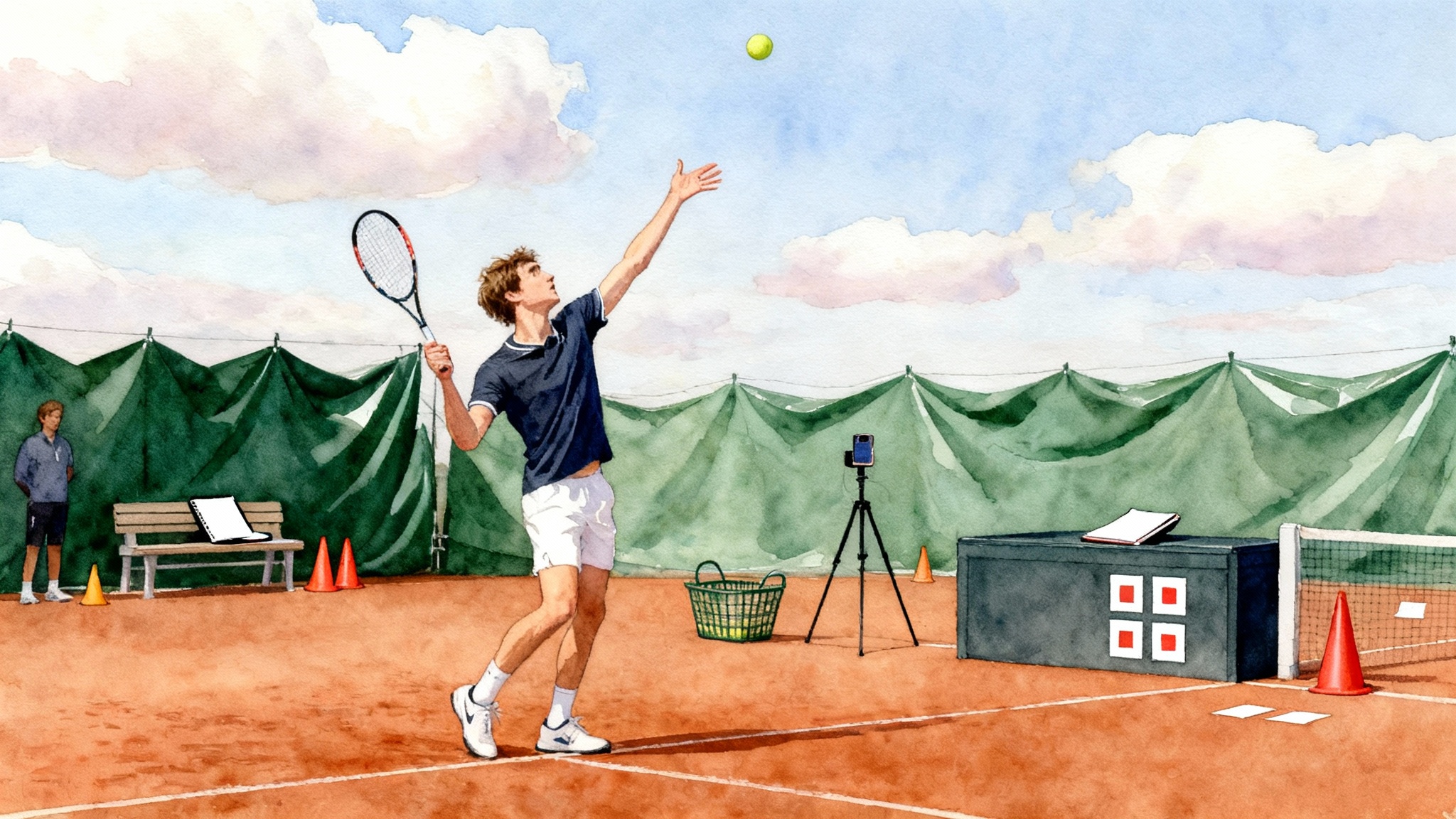
- Monday: one hour technical session. Ten minutes serves, fifteen minutes returns, thirty minutes groundstroke spacing and height control, five minutes notes and video clips.
- Tuesday: match play set to four games with tiebreak. Two sets plus a ten‑minute points game starting with second serves only.
- Wednesday: physical session. Forty minutes speed, agility, and footwork. Ten minutes shoulder care and band work. Fifteen minutes mobility.
- Thursday: live ball patterns. Crosscourt consistency to ten in a row, then pattern play serve plus one, return plus one.
- Friday: match play again. Two sets to six, tiebreakers at six all.
- Saturday: optional tournament or two hours of points with rotating partners.
- Sunday: rest, review video, set next week’s goals. Ten minutes of visualization before bed.
The goal is not the total hours. It is that the mix includes at least two scoreboard days every week and at least one hour of serve and return.
C. How to schedule matches like a development program
Think in twelve‑week blocks. The target is meaningful volume without burnout.
- Ages 10 to 12: local events every three to four weeks. Aim for 24 to 36 singles matches and 12 to 18 doubles matches across a year. Use local Level 7 and Level 6 events so travel stays cheap. Double down on back‑to‑back weekends only during school breaks.
- Ages 13 to 14: keep the cadence but nudge difficulty. Add one Level 5 or sectional event per block. Keep most events within a four‑hour drive. Add one surface change per season if your region allows it, such as clay in spring and hard courts in fall.
- Ages 15 to 16: anchor the calendar with two or three higher‑level events, then fill the rest with local or sectional tournaments that ensure reps. The purpose is to avoid long gaps. If you miss in a big event, insert a local tournament the next week to restore rhythm.
Game‑day habits that matter:
- Arrive ninety minutes early. Thirty minutes movement, twenty minutes hand feeds, twenty minutes serves and returns, twenty minutes rhythm rallies.
- Between matches, eat simple and hydrate early. Walk for ten minutes instead of sitting for an hour. Light movement prevents the second match slump.
D. Build a real relationship with a coach
Treat the player, parent, and coach as a triangle that shares information and roles.
- Choose a head coach, then stick long enough to build shared language. Ask for a short written plan each quarter. It should have one technical focus, one tactical theme, and two measurable match goals.
- Keep a thirty‑minute film session every two weeks. One set of match film viewed together beats three extra lessons with no review.
- Agree on who speaks during tournaments. Parents handle logistics and nutrition. Coach handles on‑court feedback and between‑match planning. Player leads the post‑match debrief with two things they did well and one adjustment for next time.
- Use text wisely. Send short match notes and a clip once per week. Do not turn every point into a post‑mortem.
What good mentorship feels like:
- The coach anticipates your child’s next hurdle and arranges the right sparring partner.
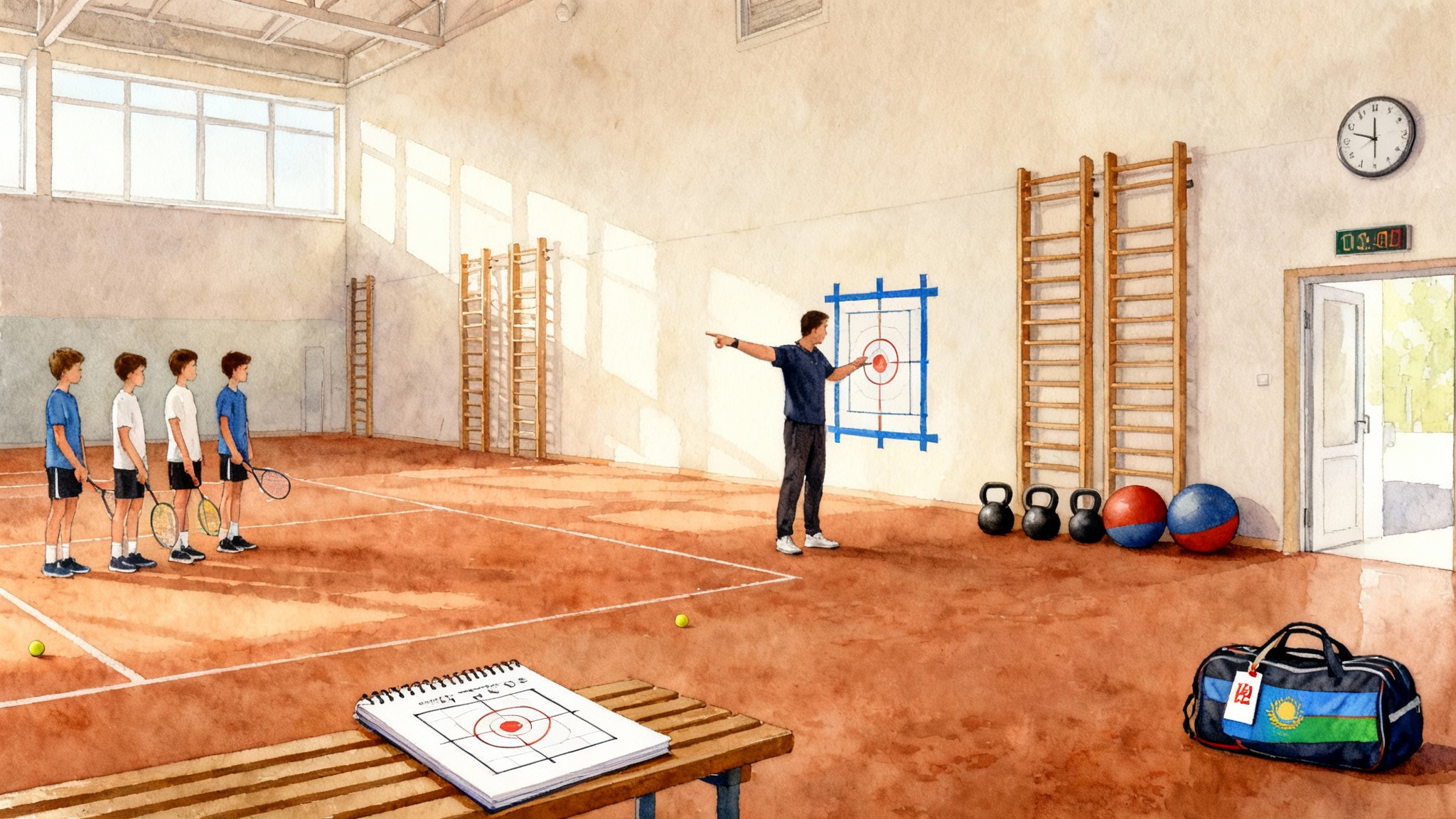
- They give constraints that teach feel, such as playing a set where every first ball after the serve must be a forehand to a specific target.
- They know when to step back so that the player solves problems on their own.
E. Funding and travel tactics without drama
Keeping costs down keeps the player in the game long enough to improve.
- Cluster events. Choose three tournaments in the same region over five weeks. Share rides and hotel rooms with one other family. Book refundable options and cancel the last week if school gets heavy.
- Drive first, fly rarely. Set a rule that flights are only for events where the player is seeded or where the draw guarantees three matches. Most development reps can be earned within a four‑hour drive.
- Ask for aid. Many nonprofits and National Junior Tennis and Learning chapters offer financial assistance for tournament fees or travel stipends. Several clubs provide fee waivers for juniors who help with beginner clinics or ball pickup for community days.
- Buy balls in bulk and re‑pressurize. A modest re‑pressurizer pays for itself in two months and keeps practice quality high.
- Create a small donor circle. A short email to family and friends that explains one specific goal, such as eight tournaments, and a budget spreadsheet invites small, recurring contributions without awkwardness. Update donors after each block with results and a thank you note from your child.
F. Milestones to track without obsessing
Use checkpoints as dashboards, not verdicts.
- By age 12: serves land in targets eight of ten in practice. Player can hold serve twice in a six‑game set. Rally twenty balls crosscourt on both sides.
- By age 14: sectional results include at least two wins over ranked opponents. Player knows two patterns that fit their identity, for example forehand‑first on short balls and backhand line change when pinched.
- By age 16: national events are in the mix. Player has logged 70 to 100 competitive sets per year across tournaments, flex leagues, and practice sets that are scored and recorded. Video library includes at least ten full sets for review.
These are reference points. They keep the work honest without chasing a single number.
Why this pathway works
- Environment beats willpower. When courts, mentors, and match opportunities are nearby and expected, players do not need to summon motivation every day.
- Pressure becomes normal. Frequent matches make problem solving automatic. A player who is often under the clock learns to manage score pressure like a pilot learns checklists.
- Institutions collaborate. When a local center and the national body share language and calendars, families get a guided escalator rather than a set of disconnected ladders. That saves money and reduces the chance of burnout.
Common pitfalls JTCC avoided
- Over‑drilling without testing. A month with no scored sets is a month of fragile gains. Insert frequent match days to harden skills.
- Chasing prestige early. Flying to national events before a player can hold serve consistently in local finals wastes funds and confidence. Earn the right to travel by proving durability in your section first.
- Siloed coaching. A rotating cast of lesson givers creates mixed messages. Pick a head voice and align other specialists around a shared plan.
- Ignoring school and life rhythms. Big tournament blocks during exam weeks add stress with little upside. Align calendars so that school peaks are training weeks, and tournament peaks follow lighter academic windows.
A simple action plan you can start this month
Week 1
- Pick your three‑venue micro‑hub. One public court, one club with indoor options, one backboard.
- Identify one mentor coach and ask for a quarterly plan.
- Schedule two match play blocks with a local group. Offer to host one.
Week 2
- Film a set. Record serves from behind the baseline for ten minutes.
- Create a tournament list for the next twelve weeks. Choose two local events and one stretch event. Book refundable hotels.
Week 3
- Build a travel budget and a simple donor email. Ask two relatives and one family friend for small monthly support. Offer results updates every four weeks.
- Buy a case of balls and a marker. Date each can so you rotate and reuse smartly.
Week 4
- Play your first event with routines in place. Debrief using a two‑plus‑one format: two positives, one adjustment.
- Confirm next month’s match play dates before the calendar fills with other commitments.
The College Park lesson
Frances Tiafoe’s rise is not a mystery once you map his environment. It looked like a real neighborhood wrapped around a high performance plan. Courts were close, matches were frequent, mentors stayed, and the national pathway was not a leap of faith. That is a template a family can copy without betting the house. Start by getting physically closer to the game. Add steady match play. Choose one mentor who will ride along for the bumpy parts. Align your calendar with the association’s ecosystem. Do those things and your player will not just be chasing a result. They will be building a runway that, one day, makes a massive arena feel like a court they have seen before.