From El Palmar to Villena: JC Ferrero’s Equelite and Alcaraz
How a 15-year-old from Murcia chose a mentor-first path at the JC Ferrero Equelite Academy and turned smart training blocks, a Spain-centric schedule, and targeted wild cards into a sprint from juniors to ATP titles and Slams.
 Tommy
Tommy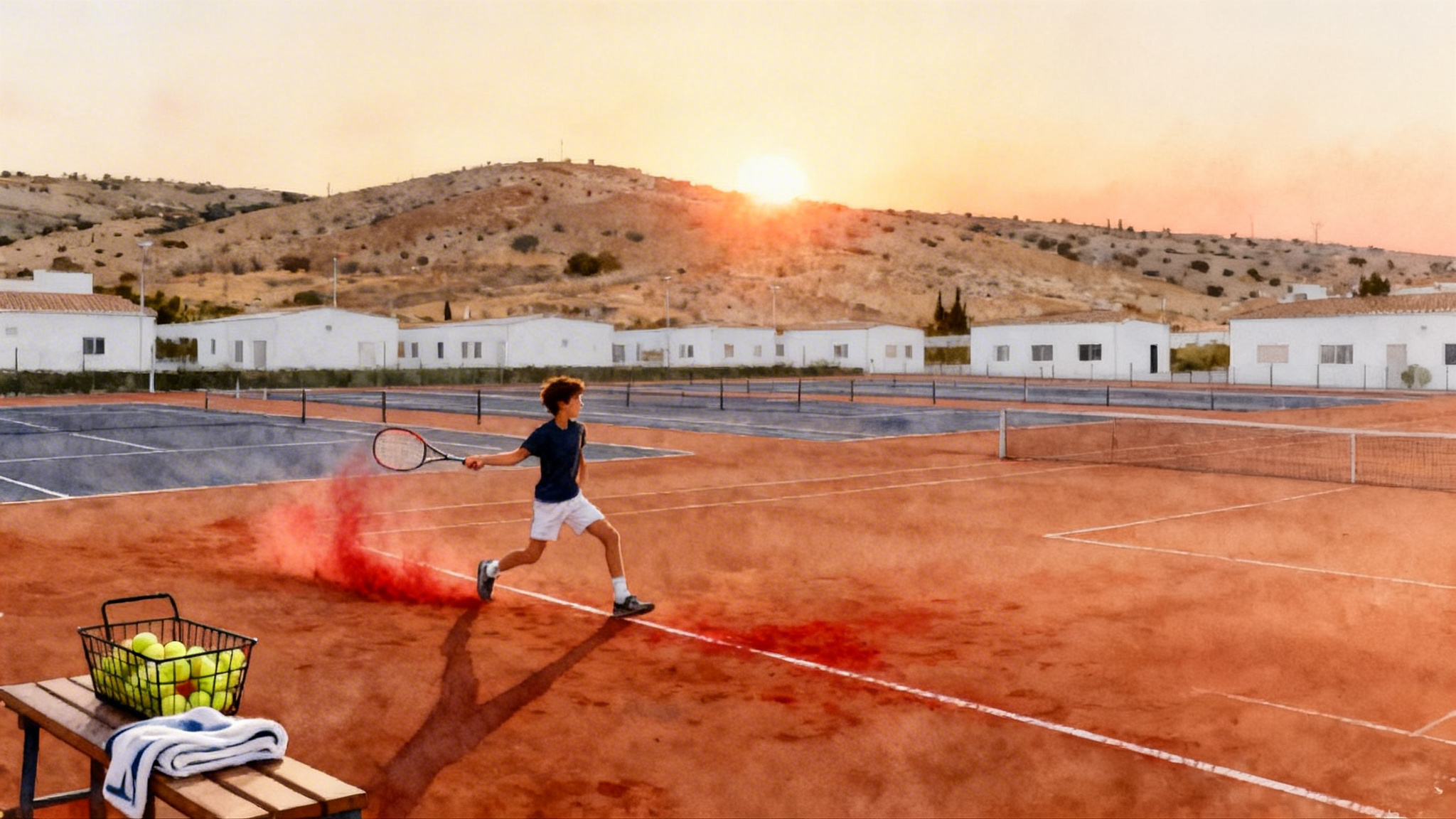
Two addresses, one decision
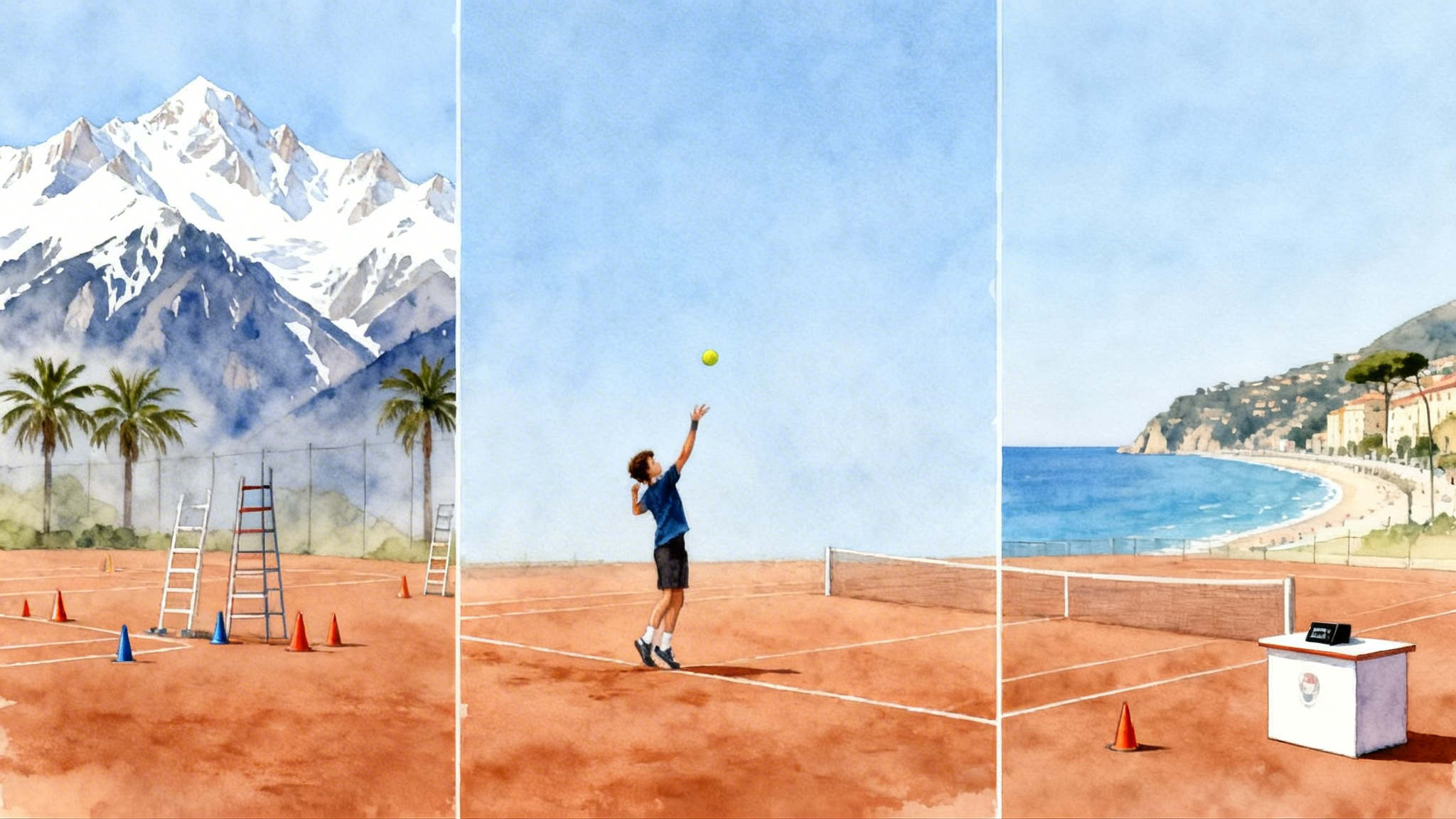
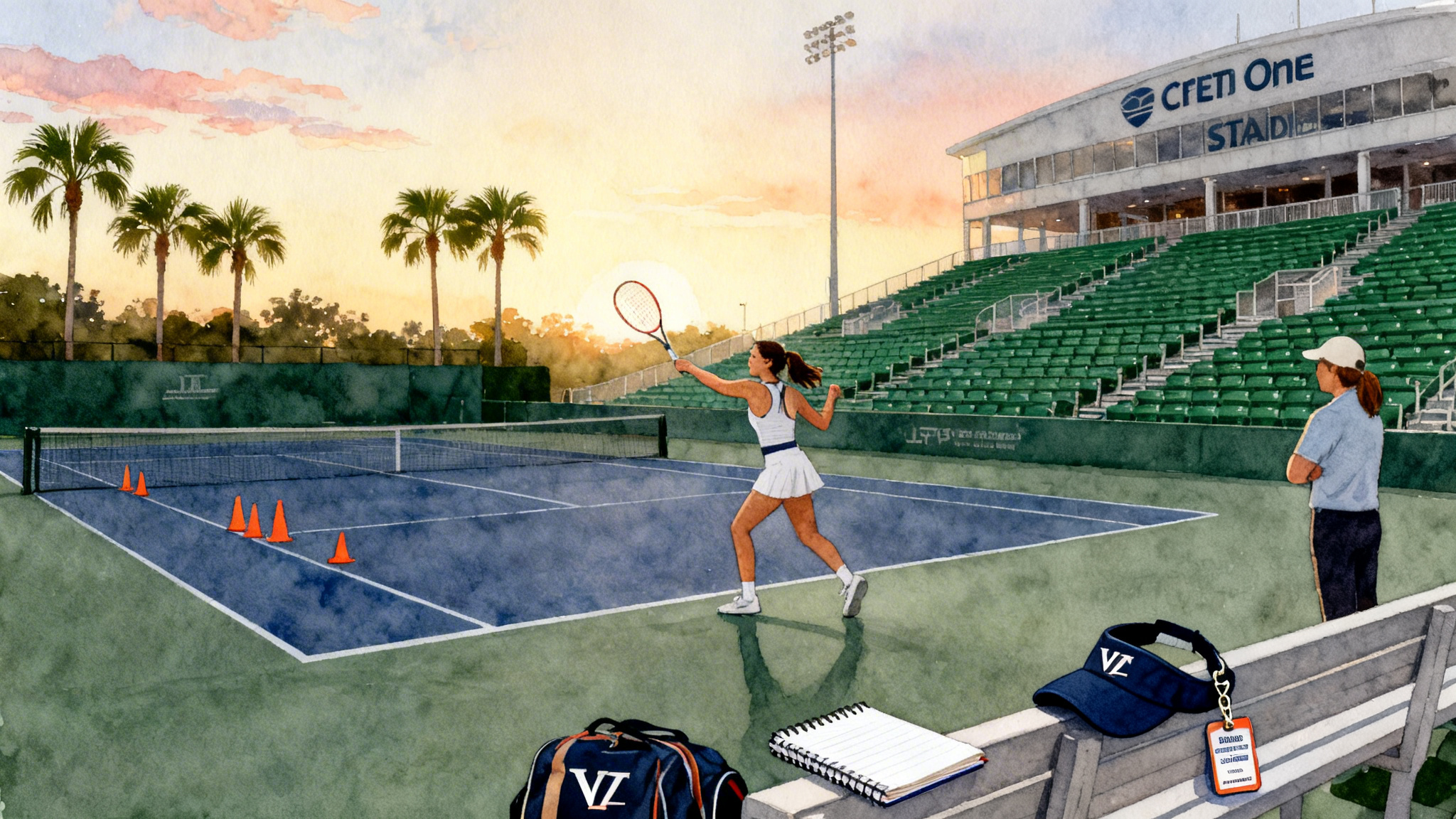
On a map, El Palmar and Villena are a short drive apart. In tennis terms, that trip turned a gifted junior into a player who would win majors before the age of twenty. In late 2018, a 15-year-old Carlos Alcaraz left his family home in El Palmar, Murcia, and relocated to Villena to train at Juan Carlos Ferrero’s Equelite Academy. The choice was not about bigger buildings or a shinier brochure. It was about a small working group, daily touches from a mentor who had been world number one, and a training calendar built to compress development without breaking a teenager’s body or spirit.
This article follows that path from El Palmar to Villena, then translates the choices behind it into practical steps for parents and players who are weighing when to relocate, how to pick an academy, how to schedule competition, and how to use data, sparring, and recovery to manage rapid growth and pressure. For a parallel blueprint, compare the Sinner’s Piatti pathway.
Why Alcaraz chose a mentor, not a machine
Big academies can feel like airports. There is a lot of energy, a lot of talent, and a lot of movement, yet it is easy to feel anonymous. Ferrero’s Equelite offers the opposite dynamic. The head coach is on court, the founding team lives on site, and the daily loop between technical work, fitness, and therapy is tight. For a teenager, that intimacy matters more than a sparkling weight room.
Alcaraz and his family wanted a coach who could shape a style, not just manage a schedule. Ferrero’s own career gave him authority on clay patterns and transition offense, and his court presence made feedback immediate. The academy limited group sizes, protected individual plans, and kept the message simple: work like a pro, learn like a junior. That combination let a 15-year-old play with controlled ambition instead of trying to copy the training volume of a grown professional.
The small-team model in practice
Parents often ask what a mentor-driven program actually looks like. Strip away the slogans and it comes down to three habits.
-
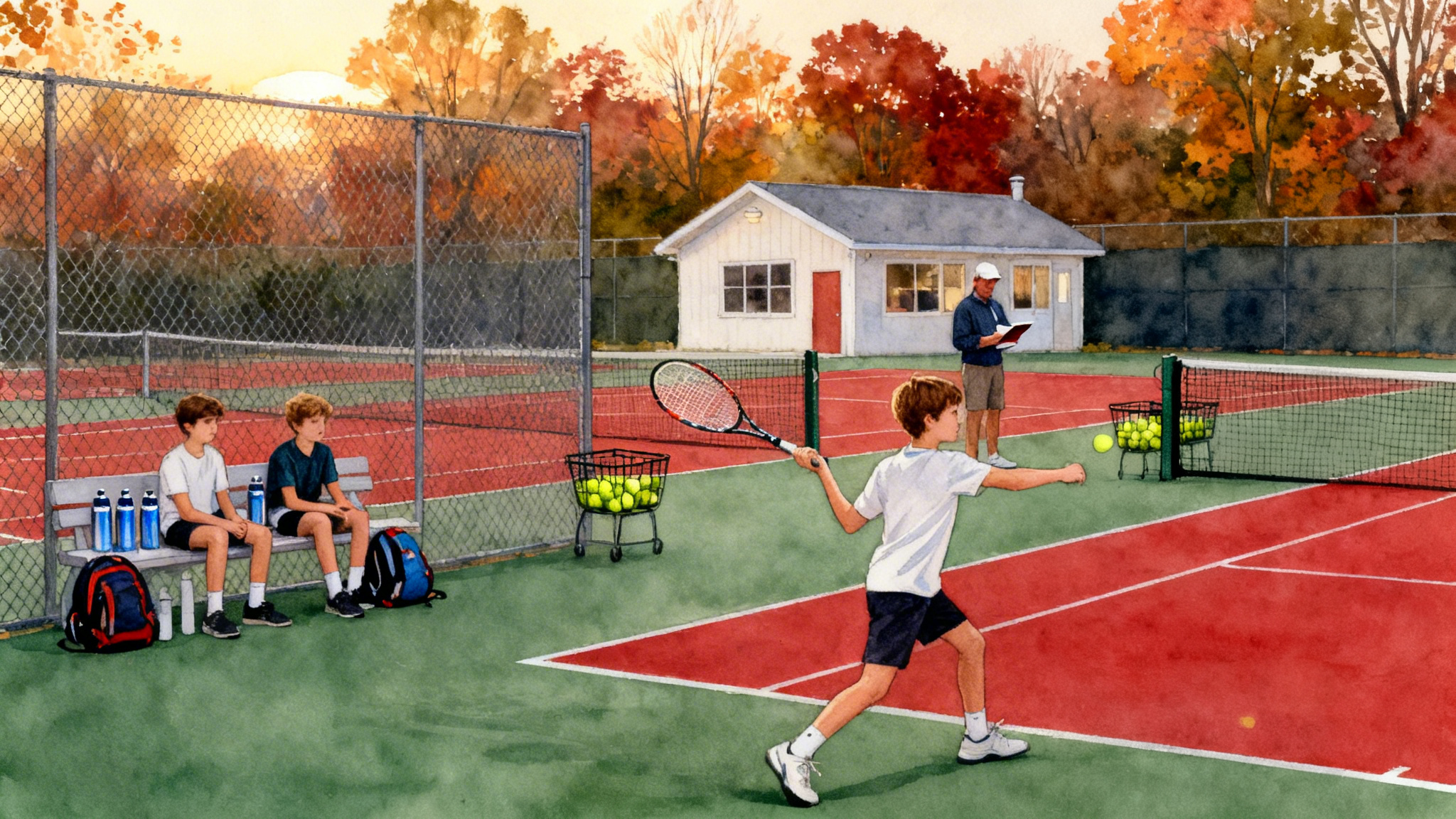
Ownership at the top. Ferrero and co-founder Antonio Martínez Cascales set the plan and stay close to the court. Equelite even publishes a four players per coach policy for its Summer Stage, with written evaluations that highlight strengths and priorities for improvement. That kind of constraint keeps feedback personal and prevents a teenager from disappearing into a crowd.
-
One message per session. The staff repeats one or two cues until they are automatic. Think of it like learning a foreign language. You do not read a dictionary in one night; you repeat the same phrases until they become fluent. Alcaraz’s sessions often revolved around first-strike patterns, body serves, and the drop shot as a tempo change, then tested those ideas at speed against older hitters. For reaction habits that support this focus, see our split step reaction guide.
-
A daily triangle: coach, fitness, physio. Training blocks feed directly into strength work and back into recovery. If the morning theme is defending down the line and sprinting forward, the lift includes eccentric hamstrings and ankle stability; the physio slot then adds hip mobility and soft tissue for the adductors. The loop is small enough that each department knows what the others just did.
Mixed-surface blocks, by design
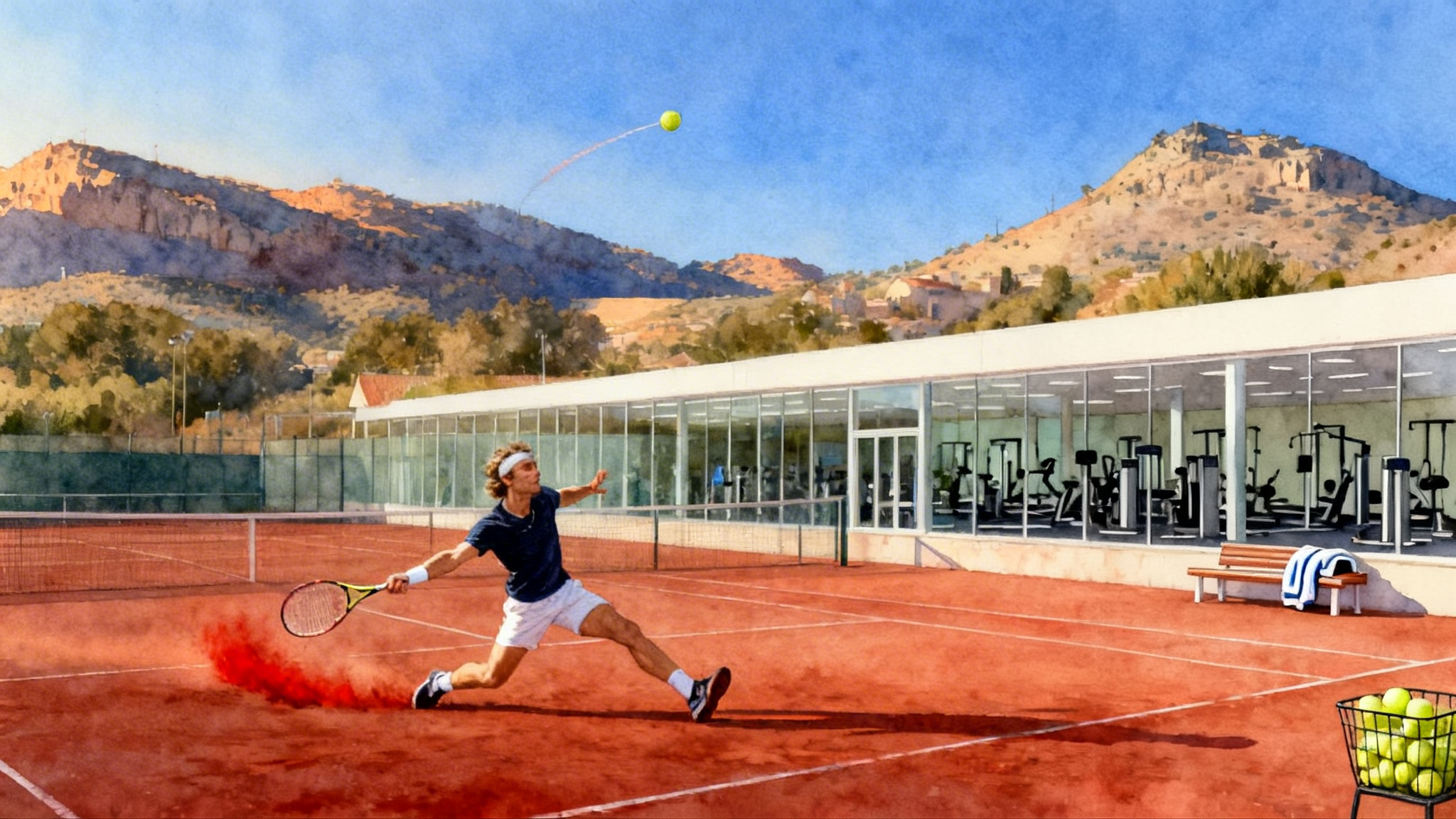
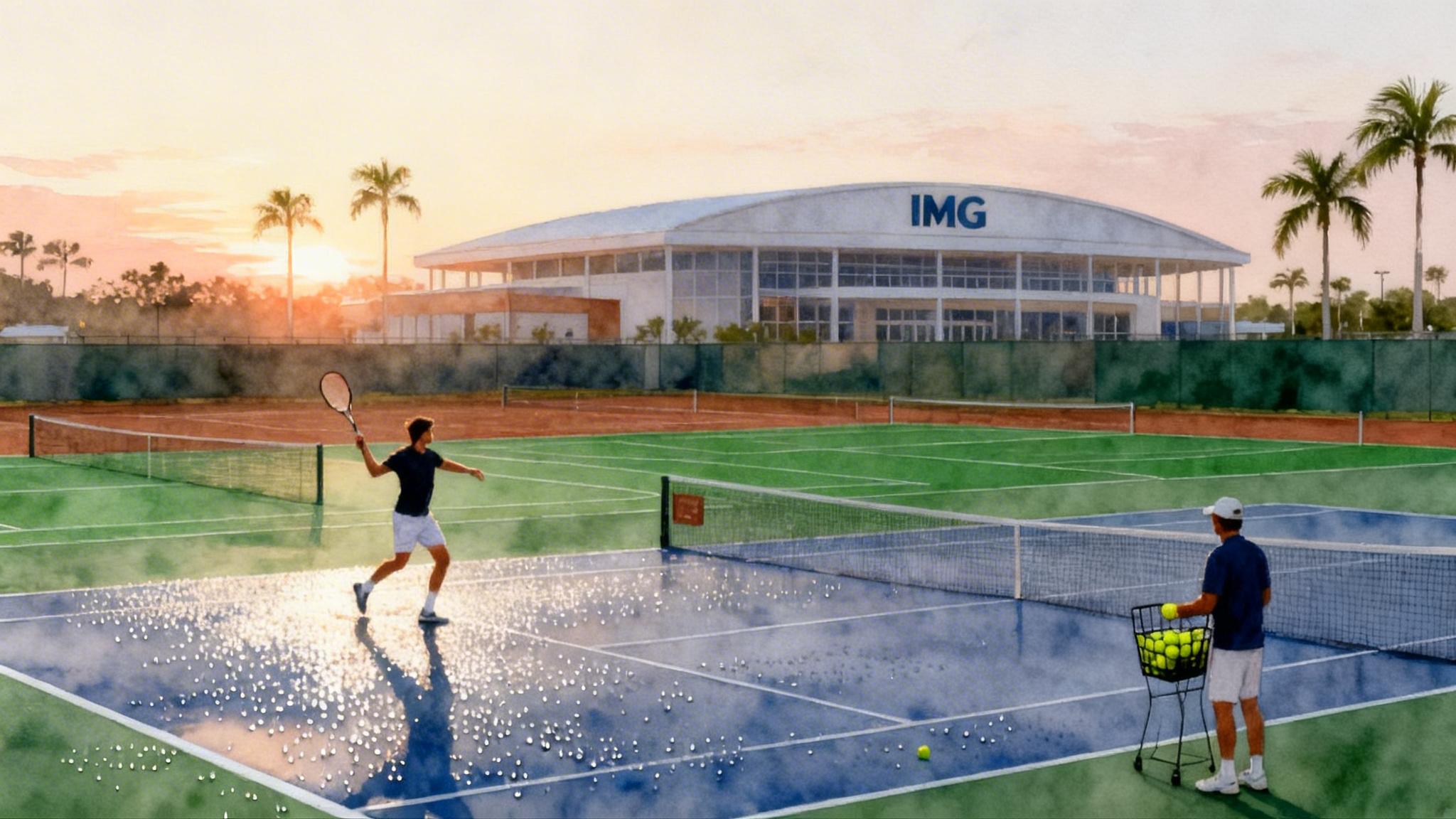
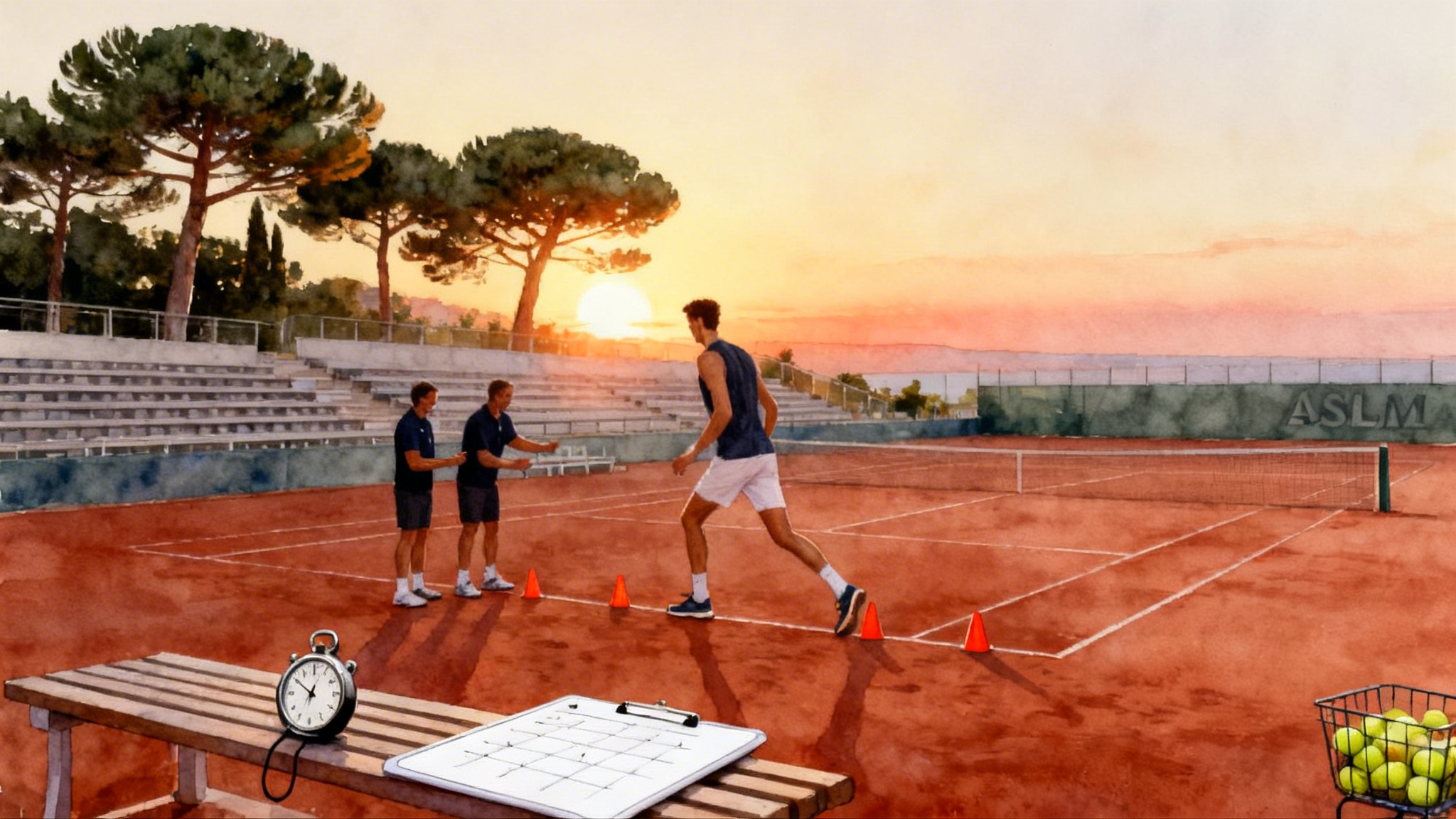
Equelite plans surfaces in blocks rather than reacting to whatever tournament is next. In practice, that means a two-to-three week clay block focused on sliding, endurance, and point construction, followed by a shorter hard-court block for serve patterns and first-ball speed. The clay block makes a teenager comfortable in long, physical rallies. The hard-court block teaches how to end those rallies on your terms.
Why does this matter for a player like Alcaraz? Because his identity blends heavy, elastic defense with sudden acceleration. Clay builds the patience and balance that make the acceleration safe. Hard courts harden the serve and return weapons that let those accelerations decide points. The academy’s campus layout and climate make this rotation easy. Courts are close, so a player can finish a tough clay set, eat, lift, and later switch to hard for serves without a long commute. Those saved minutes become extra quality reps.
For another Spain-based model built on clear blocks and mentorship, read our Nadal Academy case study.
A Spain-centric calendar with a global moment
Relocation is only half the story. The other half is where you compete. Alcaraz’s schedule from 2019 to 2020 shows a clear pattern: maximize tournaments in Spain and nearby countries, then take selective shots when the upside justifies the travel.
- In 2019, he cut his teeth in Spanish International Tennis Federation events and won his first pro title in Denia. The goal was volume, not glamour. He learned to manage different altitudes and balls without leaving the Iberian Peninsula for long stretches.
- January 2020 brought back-to-back wins at Manacor on Mallorca’s indoor hard courts, a useful contrast to the clay work in Villena. Those titles banked confidence ahead of the biggest break.
- On February 17, 2020, a tournament wildcard put a 16-year-old Alcaraz into the Rio Open main draw. He won his debut at 3 a.m. after three hours and thirty-seven minutes, becoming the youngest ATP 500 match winner in series history; see the ATP Rio 2020 match recap.
- The pandemic pause reshuffled everyone’s plans, but Alcaraz returned with purpose. He won a Challenger in Trieste in August. In October 2020 he lifted the trophy at the JC Ferrero Challenger Open on the academy’s own courts in Villena. The lesson for families is not that home court guarantees results. It is that a hub-and-spoke schedule anchored around your base conserves energy and keeps the training message coherent between events.
Data, sparring, and recovery under pressure
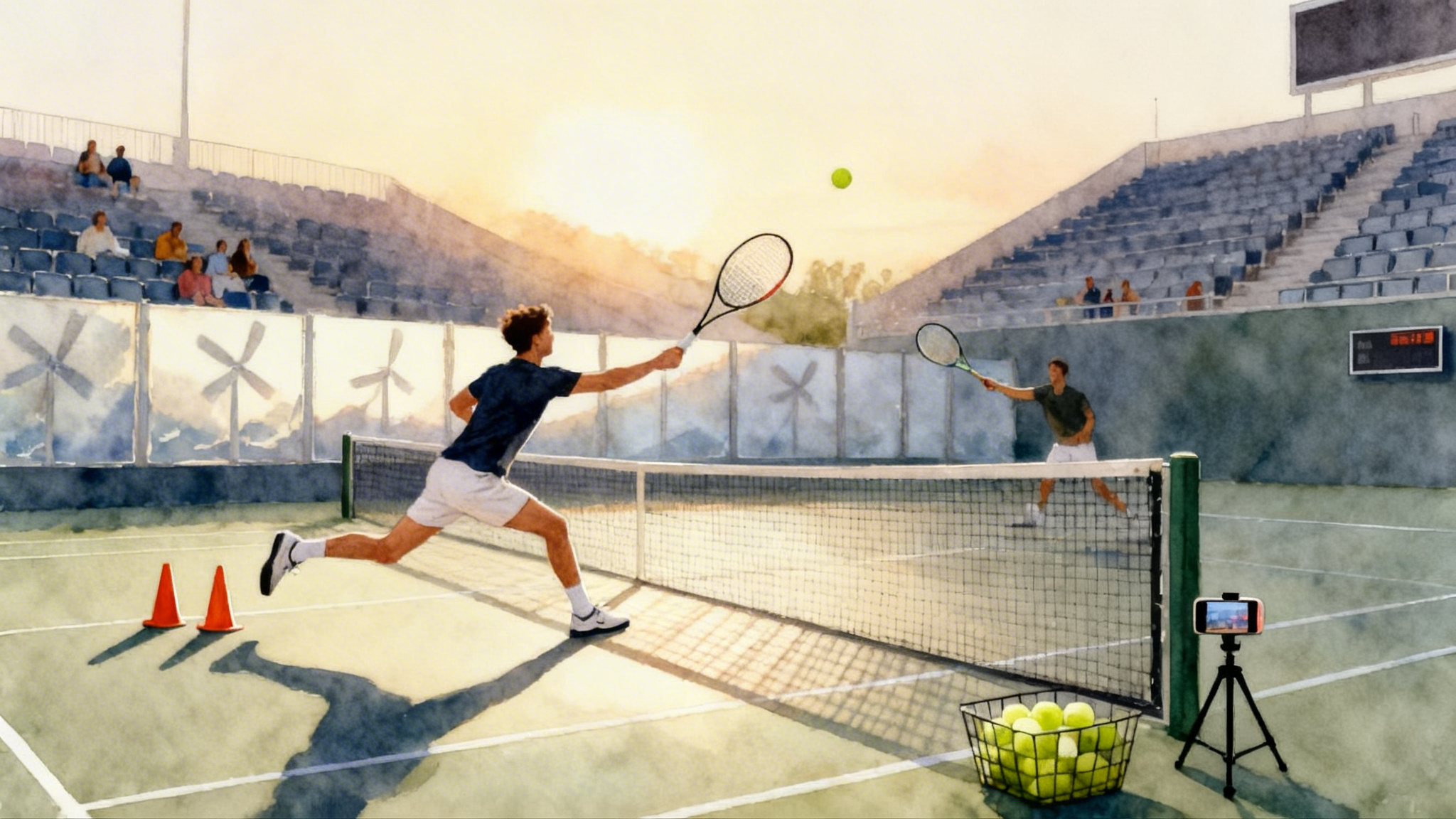
Data does not need to mean a server rack and a team of analysts. At a mentor-driven academy, data starts with the camera and a simple chart. Two examples from the Equelite playbook show how to keep it useful for teenagers.
- Micro-scouting with one metric at a time. Track the percentage of points that start with a forehand off a first serve to the body. If the number sags, adjust the target or the disguise. For return games, count how often a short backhand is recognized early and attacked down the line. These are the levers that actually shape a young player’s identity.
- Simple load tracking. Instead of obsessing over every step, note session minutes, perceived exertion, sleep, and soreness. A colored matrix works: green means normal, yellow means adjust volume, red means pull back and add mobility or treatment. Match that to heart rate patterns you see in high-intensity drills. When you spot a mismatch between perceived effort and heart rate, talk before you add or subtract work.
High-level sparring is the accelerator. At Villena, session partners often include older pros who force teenagers to make decisions under stress. That matters more than any drill. You learn how to hold serve after a double fault, how to defend the body serve without leaning, and how to keep the drop shot honest against quick movers.
Recovery closes the loop. A teenager who grows four centimeters in a year needs more than ice. Mobility for the ankles and hips, soft tissue for adductors and hip flexors, and eccentric work for hamstrings reduce the risk that growth plate tenderness turns into a layoff. The small-team format makes this practical, because the same physio and strength coach see the player most days and can adjust after one bad night of sleep or a sudden spike in school stress.
When to relocate: four signals and one red flag
Relocating for tennis is a family decision, not a rite of passage. Use these signals to decide when the move makes sense.
- The local ceiling is too low. Your player is training mostly with younger or less committed partners, and arranging high-level sparring now requires constant travel.
- A mentor invites a trial block. Not a tour of facilities, a real two-week block with court time, fitness, and a written evaluation. That is the moment to test chemistry, not to haggle about prices.
- School flexibility exists. If the academy can coordinate with schooling on site or online without sacrificing quality, the move is less disruptive. The best setups let the player study near the courts to keep days compact.
- The body is ready. A growth spurt is not the time to add two extra hours each day. If the player’s mobility screens are stable and the strength coach clears the plan, relocation can add volume safely.
Red flag: the academy sells a dream but cannot show a calendar, a sample week, or player-to-coach ratios. If it is vague on how training, fitness, and recovery fit together Monday to Friday, keep looking.
Mentor-driven academy vs. big program: a decision framework
Use this side-by-side lens when you visit academies.
- Coaching attention. Ask who will be on court with your player three days a week for the next six months. Names matter. At a mentor-driven place, the head coach or their deputy will know your player’s themes by memory and can draw last week’s plan on a whiteboard.
- Player-to-coach ratio. Four players per coach is a practical ceiling for teenagers learning complex patterns at full speed. Equelite’s published cap for seasonal stages is a strong signal of day-to-day care.
- Integrated services. Look for daily coordination with physiotherapy and strength. If departments only meet at the end of a month, details will fall through the cracks.
- Sparring network. Large programs attract volume; mentor-led programs curate fit. You want the place that can quickly find two players who mimic next week’s opponent, not the place that brags about having a hundred players on campus.
- Exit ramp. If the fit is wrong, how easy is it to pause or leave without burning six months of fees or schooling? Clear terms are a sign of confidence.
Designing a Spain-centric competition calendar
Spain is an ideal development lab. Distances are drivable, climates vary, and clay and hard events run almost year round. Here is a template that echoes the Alcaraz path without trying to clone it.
- Start local for rhythms. Use January to play two or three International Tennis Federation events within a few hours of your base. Mix surfaces on purpose. The goal is not points; it is learning the weekly cadence of train, travel, compete, recover.
- Anchor around hubs. Pick two hubs for spring and fall. In the southeast, Alicante and Murcia cover a dense run of events. In Catalonia, Barcelona and Girona offer similar density. The academy can keep a training day or two between events without draining the tank.
- Use selective leaps. Rio 2020 was a selective leap for Alcaraz. Your version might be a Challenger qualifier or a main draw wild card if the federation trusts the trajectory. The key is to leap when the training themes already match the surface and the field.
- Add one international run for contrast. Two to three weeks in Italy or France on clay can reset the senses and test independence. Keep the coach in the loop with match video and a daily debrief, even if they cannot travel.
- Keep a recovery week after a peak. If your player rides a hot streak to a final, let the next week be about sleep, movement quality, and light serves. Bank the confidence rather than chasing more points when the body is whispering no.
Using data, sparring, and recovery to manage fast progress
- Data. Pick two match metrics that express your player’s game identity. For example, first-serve body percentage and forehand baseline depth on balls three and five. Update after every tournament, then design one drill per metric every week. Keep the stack small so it gets done.
- Sparring. Schedule two weekly sets against players who have a weapon your player needs to solve. If next month includes a lefty with a kick serve, spend three Tuesdays returning that exact ball. Specificity reduces anxiety when the match arrives.
- Recovery. Build a three-item daily checklist that a teenager will actually do. One ankle routine, one hip sequence, one spine mobility flow, fifteen minutes total. Tie it to phone time if needed. The simplest program that gets finished is better than the perfect one that gets skipped.
- Communication. Use a single shared note between coach, fitness, physio, and parent. Write the session theme, the lift focus, and any red flags. The note becomes the running log that keeps growth organized instead of chaotic.
What parents and players can do this month
- Book a two-week trial at a mentor-driven academy. Demand a written evaluation at the end that includes two technical priorities, one physical priority, and a competition plan for the next eight weeks.
- Build a mini Spain calendar. Pick two events within driving distance of your base, pencil a recovery week between them, and mark one selective leap where the upside is worth the travel.
- Create a one-page identity sheet. Write the serve targets, first-ball patterns, and pressure plays that suit your player. Tape it in the bag. Training partners and coaches should know it by heart.
- Set the four-player rule. In any group setting, if you see more than four players per coach on your player’s court for more than half the session, ask how and when they will rotate to get individual time.
- Protect sleep like a sponsor deal. Growth plus travel is a tax. Agree on a hard cutoff for screens, pack a sleep mask, and keep a simple breath routine for hotel nights before matches.
The throughline from El Palmar to Villena
Alcaraz’s rise was not mysterious. A family foundation in El Palmar gave him love of the game and a place to play. The move to Villena put him in a small, serious environment led by a mentor who knew exactly what kind of player he could become. Mixed-surface blocks built balance. A Spain-centric calendar kept work and competition in sync. A single bold wildcard in February 2020 proved that the plan traveled.
Parents and players do not need to copy his biography to borrow his blueprint. Choose a mentor over a machine. Keep the team small, the feedback simple, and the surfaces varied. Build a calendar that respects your base and save your leaps for the weeks when the training sings. If you can hold those lines, the road from your El Palmar to your Villena will feel shorter than it looks on a map, and the next door that opens at 3 a.m. will be one you are ready to walk through.