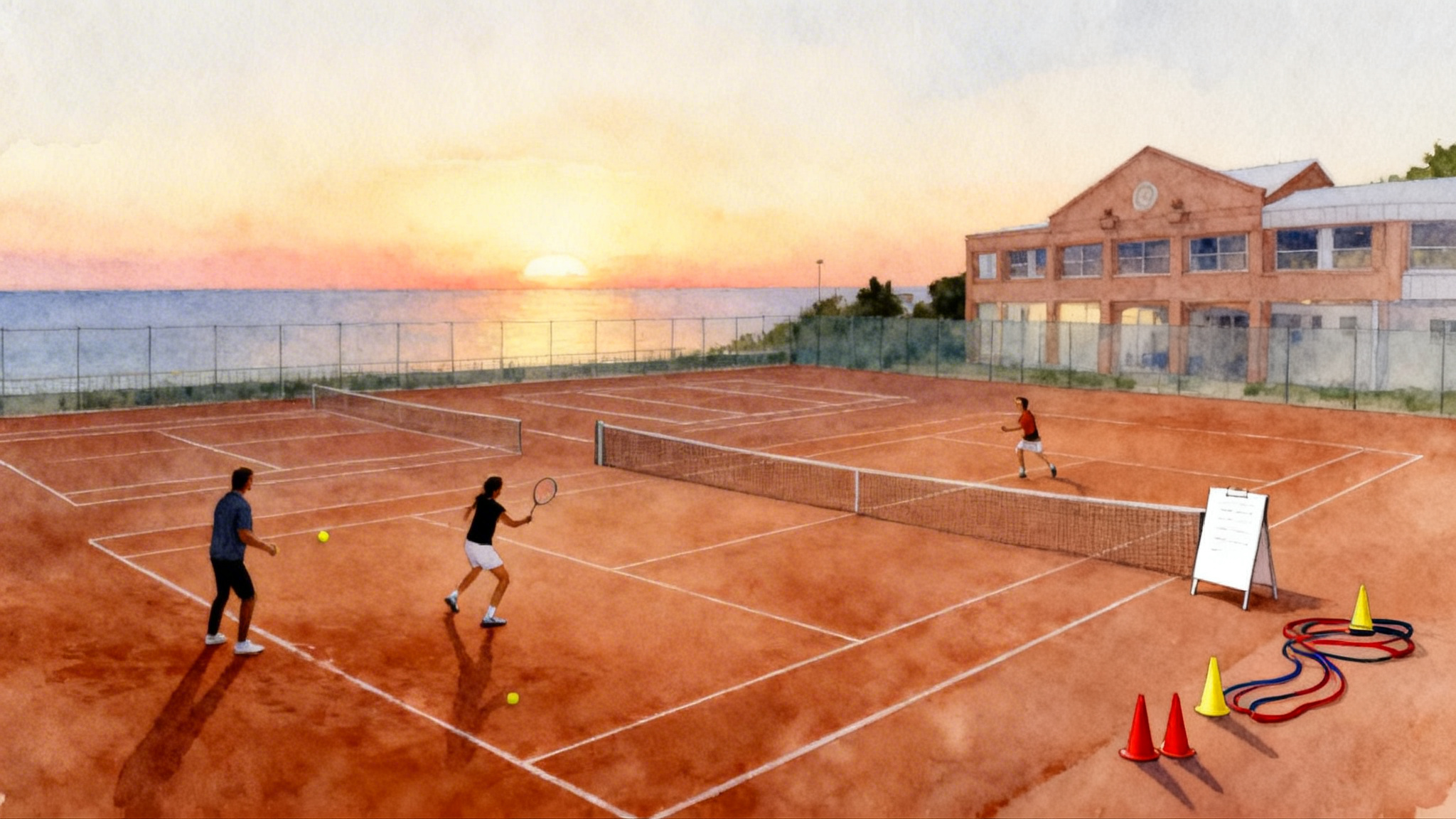
From Delray to Côte d’Azur: Champ’seed, Mouratoglou and Gauff
Coco Gauff’s road from Delray Beach with coach Gerard Loglo to the Mouratoglou Academy on the Côte d’Azur shows a clear, repeatable pathway. Scholarships, clay-court blocks, and elite sparring sped up her junior rise and eased her jump to majors.
 Tommy
Tommy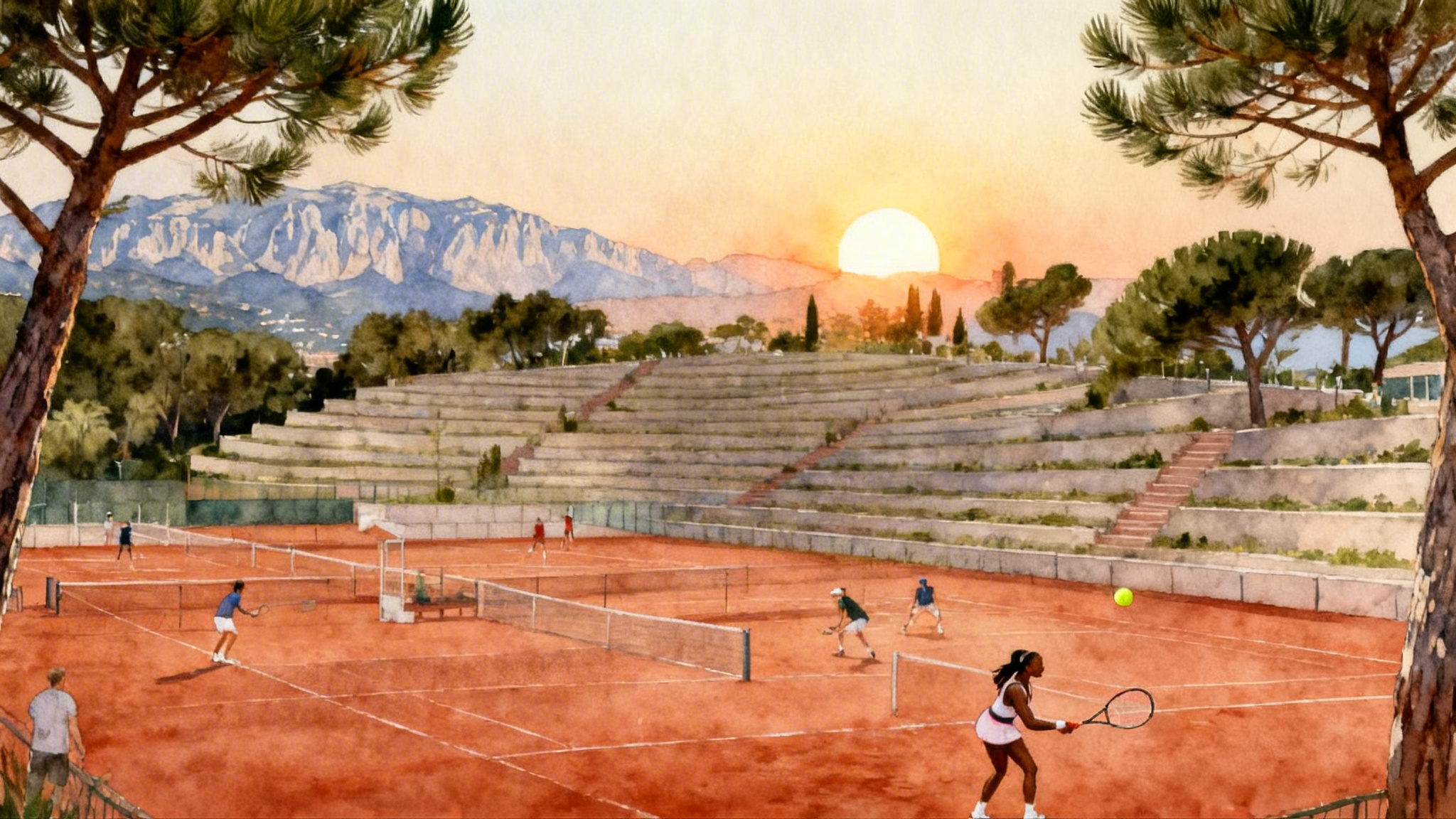
The pathway at a glance
Every family hunting for a real development model asks one question first: what did the great ones actually do, step by step, beyond the highlight reels. Coco Gauff’s journey offers a rare, verifiable map. It begins in Delray Beach, Florida, with hands-on daily work at New Generation Tennis Academy under coach Gerard Loglo. It widens to Europe through selection into Patrick Mouratoglou’s Champ’seed program and recurring training blocks on the clay at the Mouratoglou Academy on the Côte d’Azur. That two-base approach built the skills, schedule, and confidence that carried her from junior breakthroughs in Paris to major titles as a pro.
Think of it as getting two addresses on the tennis map. One home base for day-to-day mastery. One away base for targeted exposure to clay, tougher draws, and heavier ball pace. The combination matters more than any single drill.
Delray Beach fundamentals: Gerard Loglo and a grounded home base
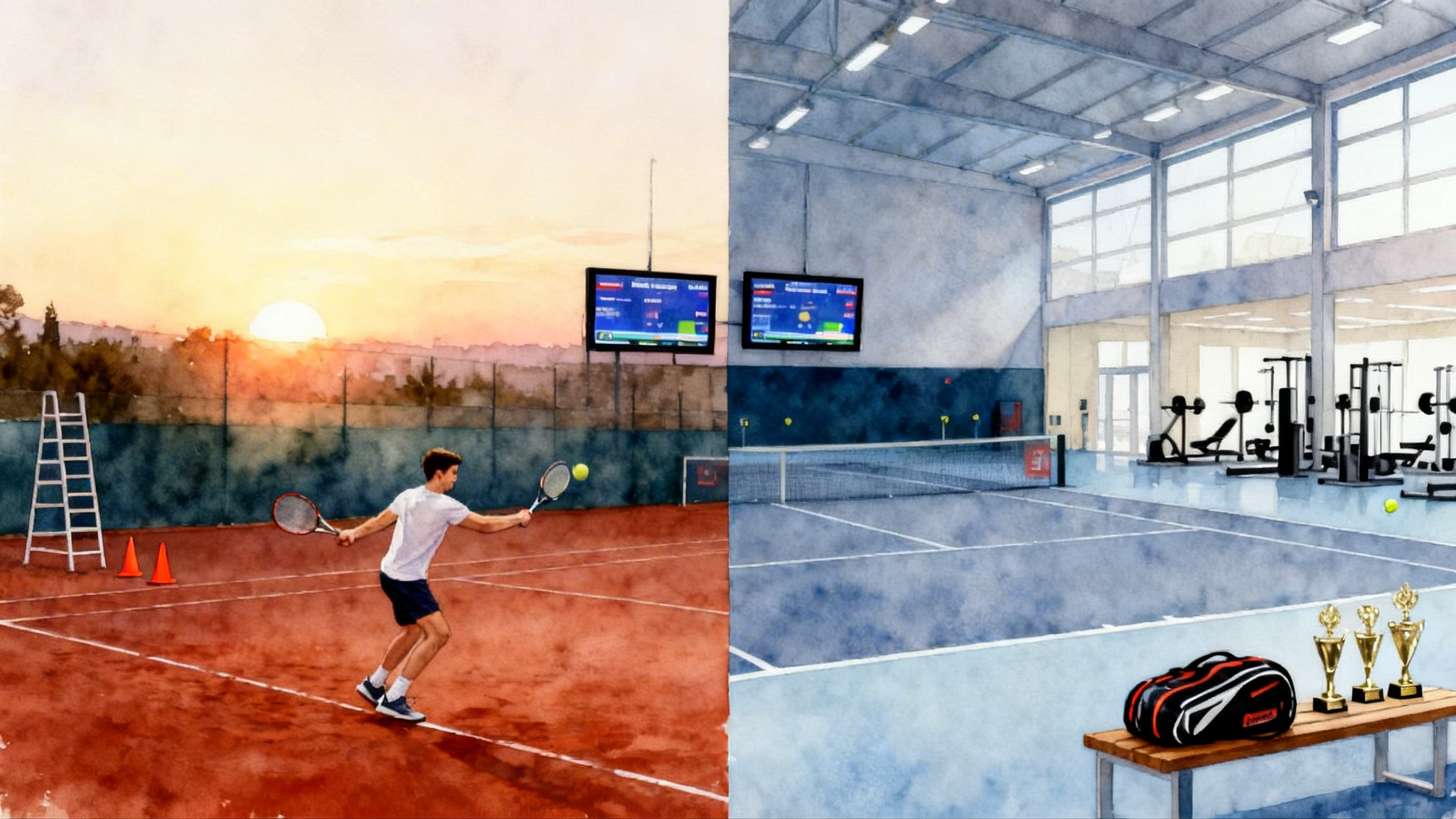
Great pathways start with basics done expertly and repeatedly. In Delray Beach, Gauff’s foundation took shape early with Gerard Loglo at New Generation Tennis Academy. The emphasis was not on early hype but on repeatable mechanics, physical literacy, and the habits that survive long weeks on tour. South Florida’s climate offered year-round court time. The local match ecosystem, from sectional events to competitive practice sets, supplied constant reps against a wide range of styles.
Families often ask what a strong home base really provides. In practice, it delivers three durable advantages:
- A coach who watches you often enough to notice small drifts in footwork and spacing before they become habits.
- A training rhythm that fits school, recovery, and tournament cycles so the player can be fresh for the right weeks.
- A familiar environment that calms the noise when results wobble, which they always do during growth spurts.
In Gauff’s case, that meant a coach and a community who kept the focus on progression metrics rather than rankings. Clean contact through the hitting zone. First step acceleration. A serve that could be shaped, not just hit. These are the bricks that later allow spikes in form when the stage gets bigger.
The Champ’seed decision: why selection mattered
Champ’seed, launched by Patrick Mouratoglou, exists to give high-potential juniors the resources and structure that are hard to assemble alone. Selection did two things for Gauff. It removed part of the financial friction that slows travel and coaching decisions, and it opened a door to a world-class training center that acts like a performance lab.
Families sometimes misunderstand scholarships as only about money. They are also about information. A good foundation or scholarship makes the training calendar smarter. It places the right tournaments in the right windows and surrounds the player with experts who can adjust the plan quickly when results or health suggest a change.
At age ten, Gauff earned that opportunity and began regular stints in the south of France, where the academy system could model and measure the work. The connection between Gauff and the academy is documented in the Mouratoglou Academy profile of Gauff. Those blocks in Europe were not a luxury trip. They were a purposeful layer on top of Delray Beach fundamentals.
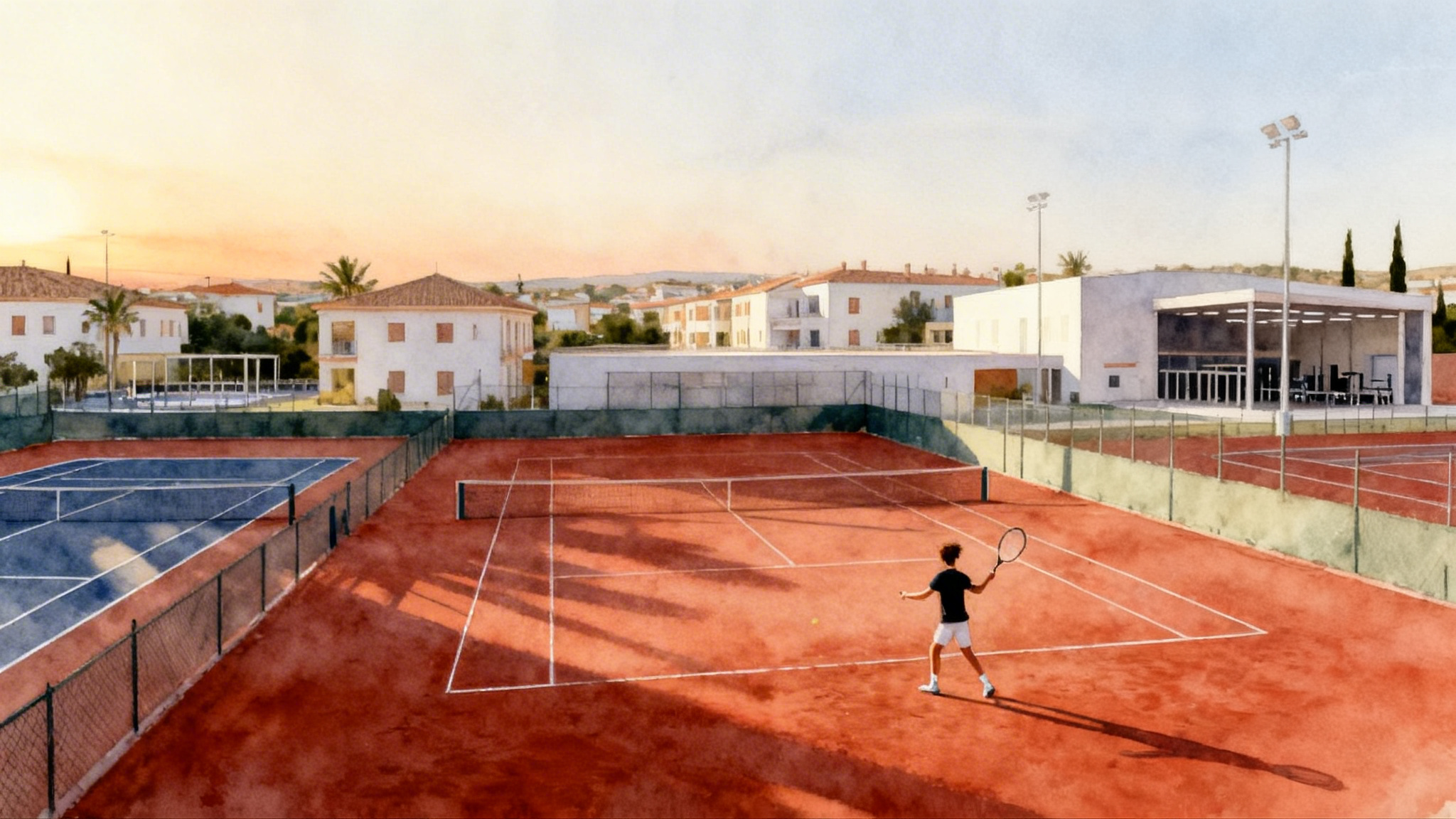
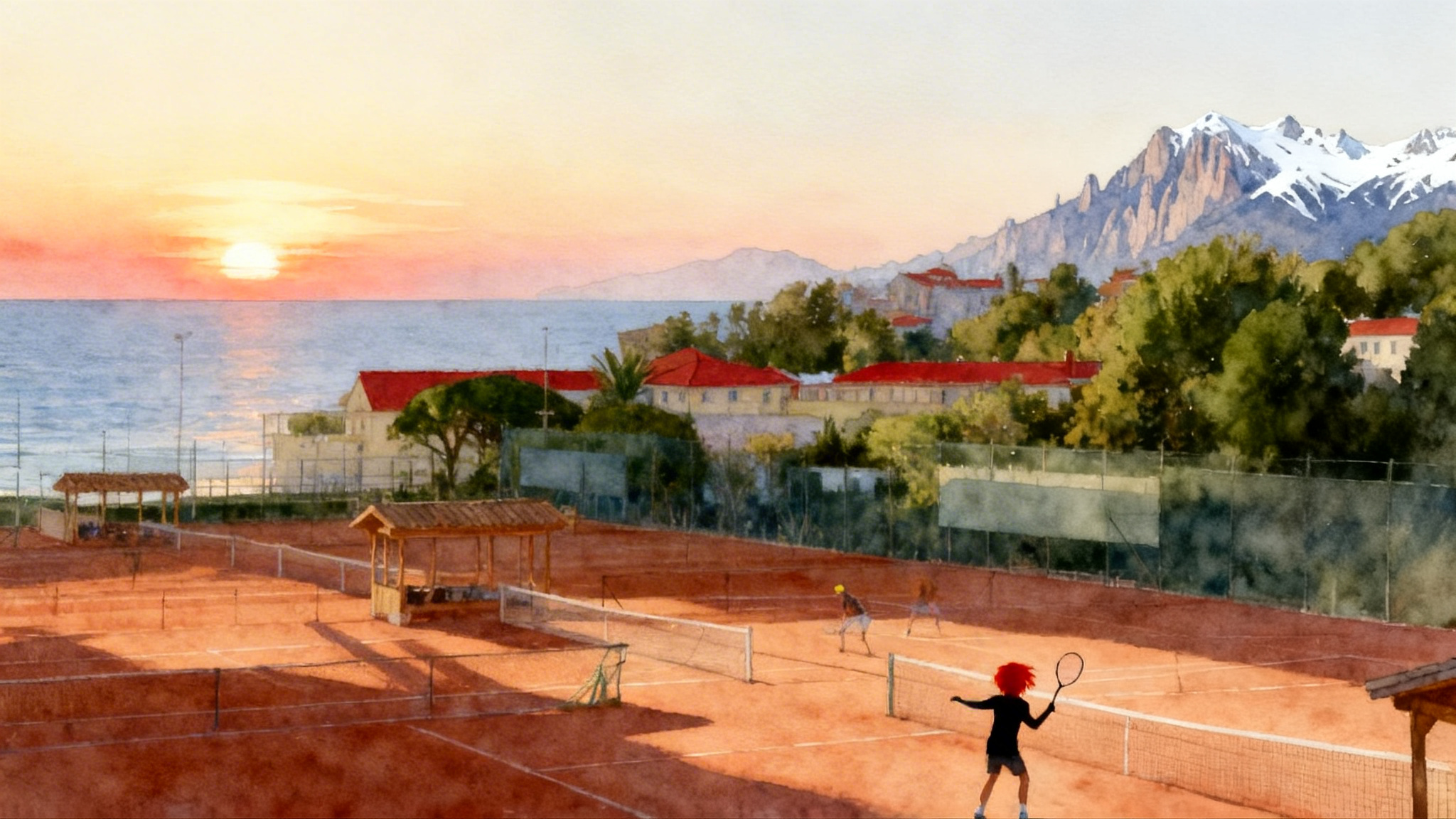
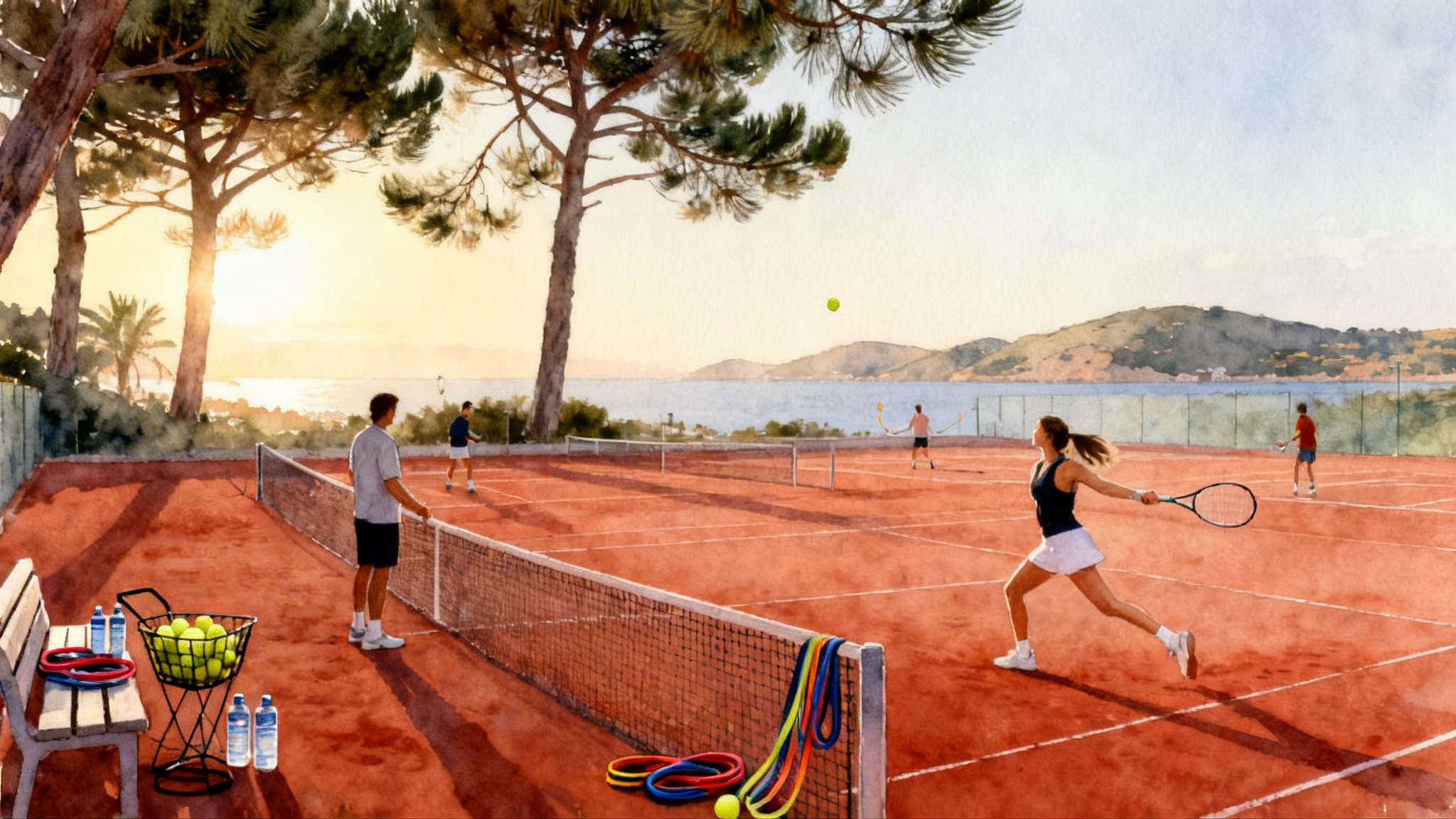
Côte d’Azur training blocks: clay, control, and competition
Clay teaches patience, geometry, and body control under load. A classic Florida hard-court education develops pace and first-strike instincts. Marry the two and you get a player who can win long, messy rallies without losing the ambition to finish.
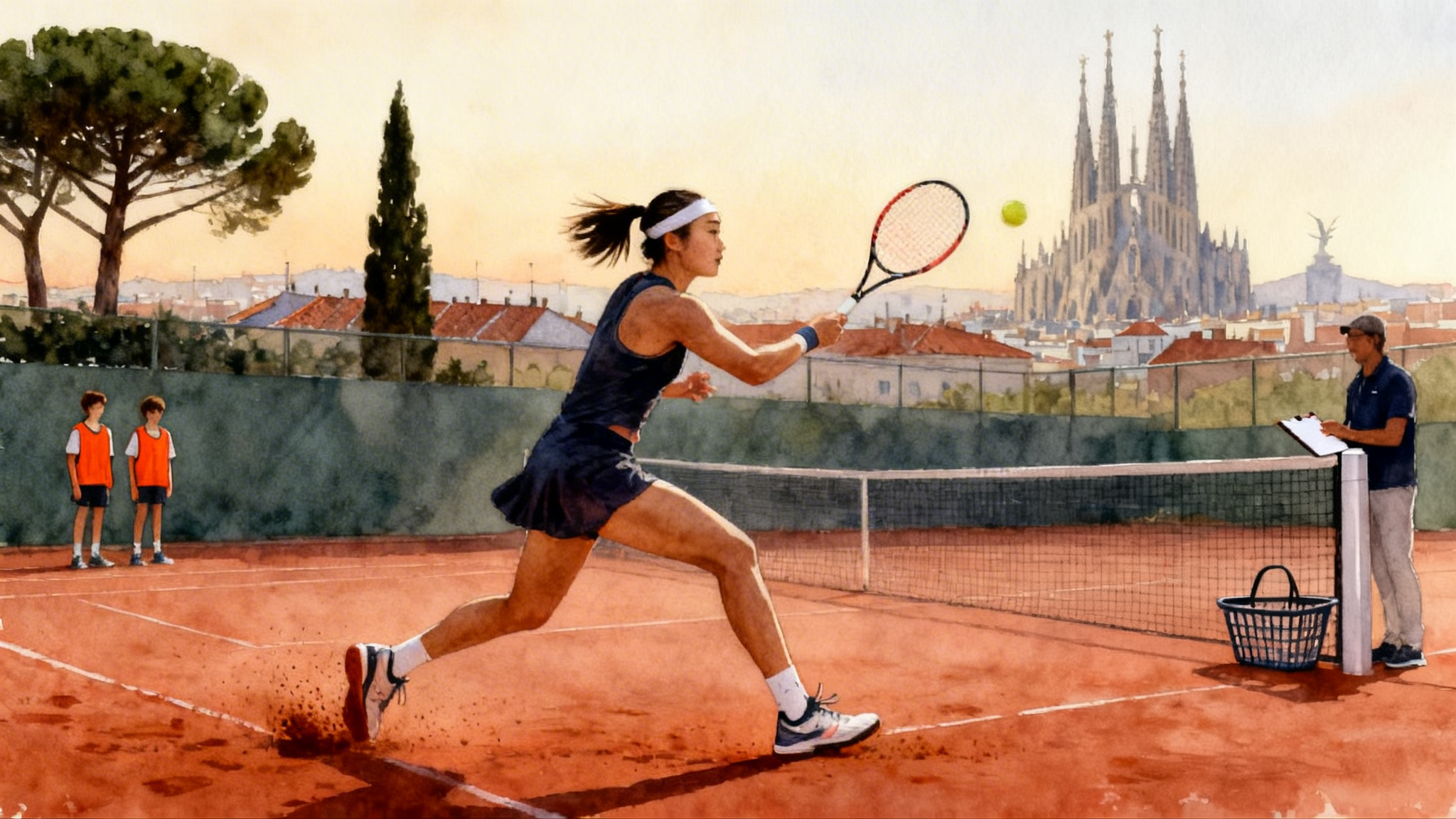
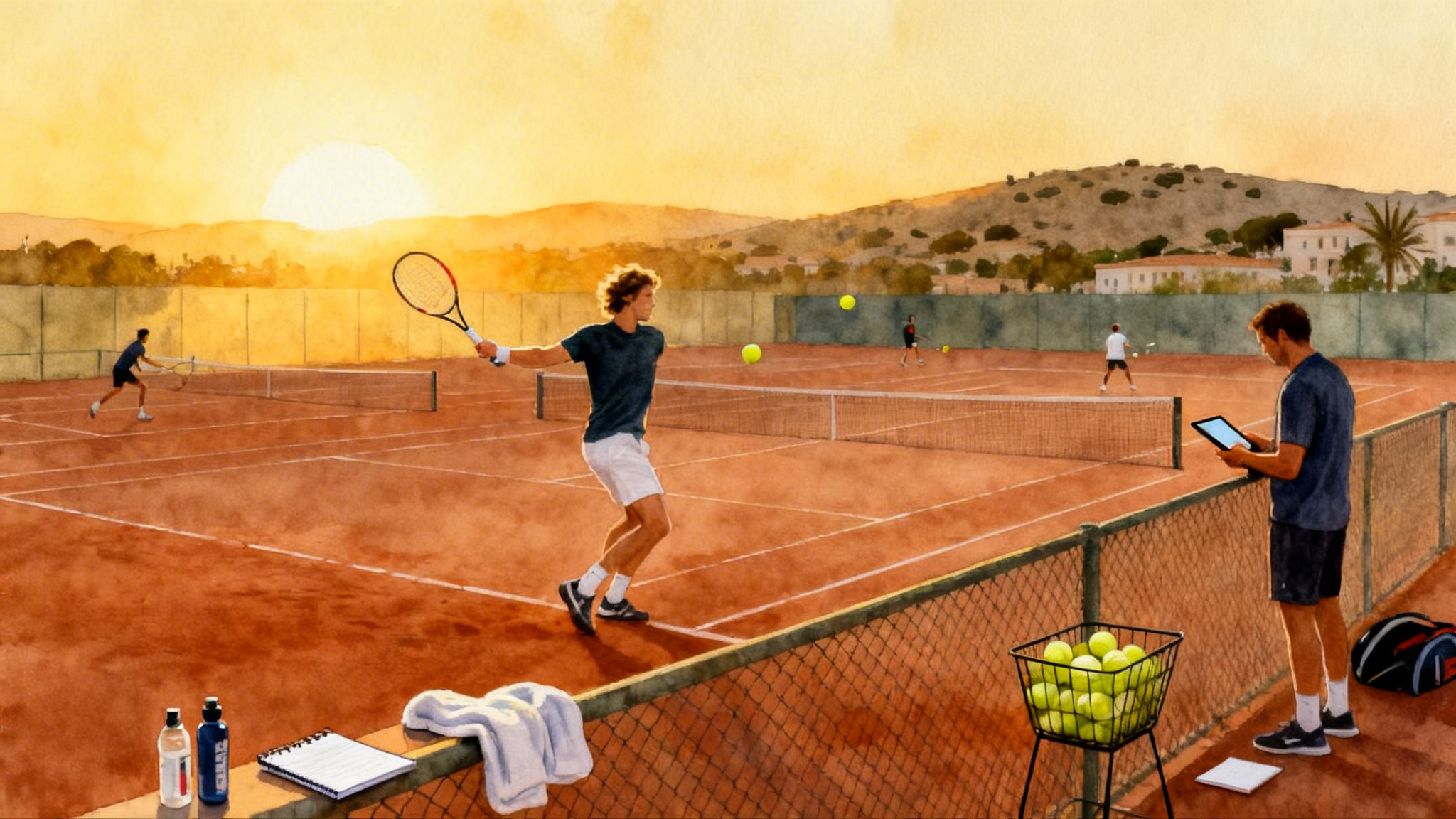
What a typical block at the Mouratoglou Academy looked like in practice:
- Surface immersion: daily sessions on European red clay to learn how depth and spin control rallies. The goal is not just to slide but to build points with a heavier, higher-percentage ball.
- Elite sparring: sets against top European juniors and visiting pros that raise the average ball quality the player sees every day. Sparring on clay magnifies small tactical errors, which speeds learning.
- Film and feedback: regular video breakdowns that link footwork patterns to shot outcomes. On clay, the wrong recovery step costs meters, not inches; video shows it clearly.
- Strength and movement: movement circuits that teach braking, re-acceleration, and hip control after extended slides. Fitness staff can micro-dose load so players arrive at tournaments sharp instead of drained.
Families often worry that a foreign block will interrupt school and life. The smarter way to view it is as a temporary, focused internship. Three to six weeks, two or three times a year, with specific goals: serve patterns on slow courts, backhand height management, and return depth after long rallies. You are not moving overseas. You are visiting a different classroom to learn the language of clay.
Proof in the results: from junior No. 1 to pro majors
Results never tell the whole story, but they do test the story. In June 2018, at just 14, Gauff won the Roland Garros girls’ singles title after a rugged three-set final. The official Roland Garros 2018 junior recap details how the match turned and why her resilience mattered in Paris that week. That junior crown was the public proof of a skill set sharpened by clay and elite competition.
From there, the transitions followed a logical arc. She captured a first WTA singles title in Linz at 15. She matured through the routine pro grind, built bigger weapons, and learned to manage match momentum on heavy days. The larger milestones came next: the United States Open singles title in 2023 and the French Open women’s singles title in 2025. The pathway did not skip steps. It compressed them.
A practical note: people like to credit a single change for leaps in performance. In reality, it is often accumulated advantages showing up at once. Thousands of points constructed on clay that make second-week decisions feel automatic. Dozens of sets against stronger hitters that teach how to survive bad patches. A home coach who keeps the delivery serviceable on tight days so that the plan still works under pressure.
What families can learn and apply
The power of Gauff’s pathway is that much of it can be adapted by families with different budgets and locations. For additional case studies of academy-built champions, explore how the Ferrero Academy built Alcaraz and how Piatti forged Jannik Sinner.
- Anchor a durable home base
- Pick a coach who will be present at least three days a week, not just for technical sessions but also for live sets and post-match debriefs. If your player is U12 to U14, ask for a written development plan that covers technical targets, movement competencies, and a check-in every six weeks.
- Make the home base multi-surface if possible. If not, schedule at least one micro-block per month on a secondary surface within driving distance.
- Use scholarships to bridge the resource gap
- Foundations similar to Champ’seed typically ask for match footage, national or international results, and references. Prepare a concise dossier: two minutes of point-play highlights, one minute of serves from both sides, and a one-page coach letter explaining current goals.
- If you do not win a full scholarship, partial aid still helps. Use it to subsidize the most expensive calendar items: transatlantic flights and coach travel days when a junior needs match-side help.
- Plan seasonal away blocks with a thesis
- Block length: three to six weeks is the sweet spot. Shorter fails to imprint skills. Longer taxes travel and school routines.
- Timing: spring into early summer for clay, late summer for hard-court tune-ups. If your player peaks late in cycles, build the block so that tournament week three is the target event.
- Budgeting: round-trip flights to Europe often range from 700 to 1,200 United States dollars if booked early. Academy housing or nearby apartments vary widely, so model costs at 80 to 150 euros per night and reduce with shared housing. Reserve at least one rest day per week and protect it.
- If you want a French Riviera example of facilities and campus life, review the All In Academy facilities to benchmark needs before you book.
- Engineer elite sparring without star-chasing
- Quality beats celebrity. Ask the academy director for two to three regular spar partners who are one level above your player in pace or consistency. Rotate forehand-to-forehand, backhand-to-backhand, serve-plus-one, and return-plus-one patterns.
- Measure sessions. A simple target works: first-serve points won above 60 percent, return depth beyond the service line on 7 of 10 neutral returns, and at least one pattern change attempted per game in practice sets.
- Build travel that respects development, not just ranking points
- Choose tournaments within a three-hour radius of the away base to reduce fatigue. Stack two events, then return to training for a mini-reset before a third. The point is to learn, not to live out of a suitcase for eight straight weeks.
- Alternate surfaces in the annual plan so a player does not neglect their base game. If the player is naturally aggressive, ensure clay blocks preserve finishing patterns instead of turning them into a pure retriever.
- Protect the person, not just the player
- Set limits. Two monitored strength sessions per week are enough during tournament fortnights. Sleep targets matter. Hydration and post-session fueling are not optional.
- Preserve academics and social time. A player who still loves the sport at 18 has an advantage you cannot buy.
A sample year for a two-base plan
This is an example for a rising 14-year-old who, like Gauff, splits time between a strong home base and targeted away blocks. Adjust the volume down for U12 and up for U16.
- January to March: home base skill block. Technical rebuilds and fitness base. Two regional events to apply changes. Weekly video review for one key stroke.
- April to early May: three-week clay block abroad. Serve patterns on deuce court, return stance experiments, and sliding mechanics. Two tournaments in weeks two and three.
- June: home reset. Strength maintenance and speed. One national event on hard courts.
- July: mixed-surface month at home. One doubles-heavy event to sharpen returns and transition skills.
- Late July to August: second away block. If European, anchor at a trusted academy and add two events within a train ride. If domestic, pick a high-traffic summer circuit with strong draws.
- September: off-week, then a targeted event. Keep coaches aligned with a 30-minute three-way call to lock the fall plan.
- October to November: home base polishing. Small technical edits only. Prioritize health. One last event keyed to confidence, not ranking.
- December: short shutdown week, then a light ramp to protect the first quarter.
This kind of cadence prevents the common trap of chasing points for 40 straight weeks. It gives the brain space to learn and the body time to adapt.
Mistakes to avoid
- Random travel: scattering events across continents without a training thesis makes players tired and confused. Always know what the block is teaching.
- One-surface identity: a Florida-only or Europe-only pathway tends to harden habits. Mix surfaces so patterns are portable.
- Coach whiplash: new voice every month means no compounding. If you must change, coordinate a handoff where the previous coach documents cues that actually worked.
- Over-scouting peers: watching the next hot junior on social media does not change your contact point. Spend that time on your split step.
Why this pathway worked for Gauff
Two complementary bases created a flywheel. Delray Beach supplied daily craft, continuity, and a coach who knew her rhythms. The Côte d’Azur supplied different physics, longer points, and higher average ball speed. Champ’seed support removed friction and aligned expertise. Those elements compressed learning curves. They also created emotional memory. Winning big matches in Paris as a junior mattered later in Paris as a pro because the court felt familiar, the bounces felt honest, and the point-building math felt like home.
Conclusion: two homes, one trajectory
Coco Gauff’s rise was not an accident or a single lucky week. It was the product of a clear structure. A grounded home base with Gerard Loglo in Delray Beach. A selective scholarship through Champ’seed. Focused clay blocks and elite sparring at the Mouratoglou Academy. Families can replicate the architecture even if the addresses change. Build a base. Add a stretch environment. Secure support that makes travel purposeful. Then let time, measurement, and good habits do the quiet work that turns promise into proof.