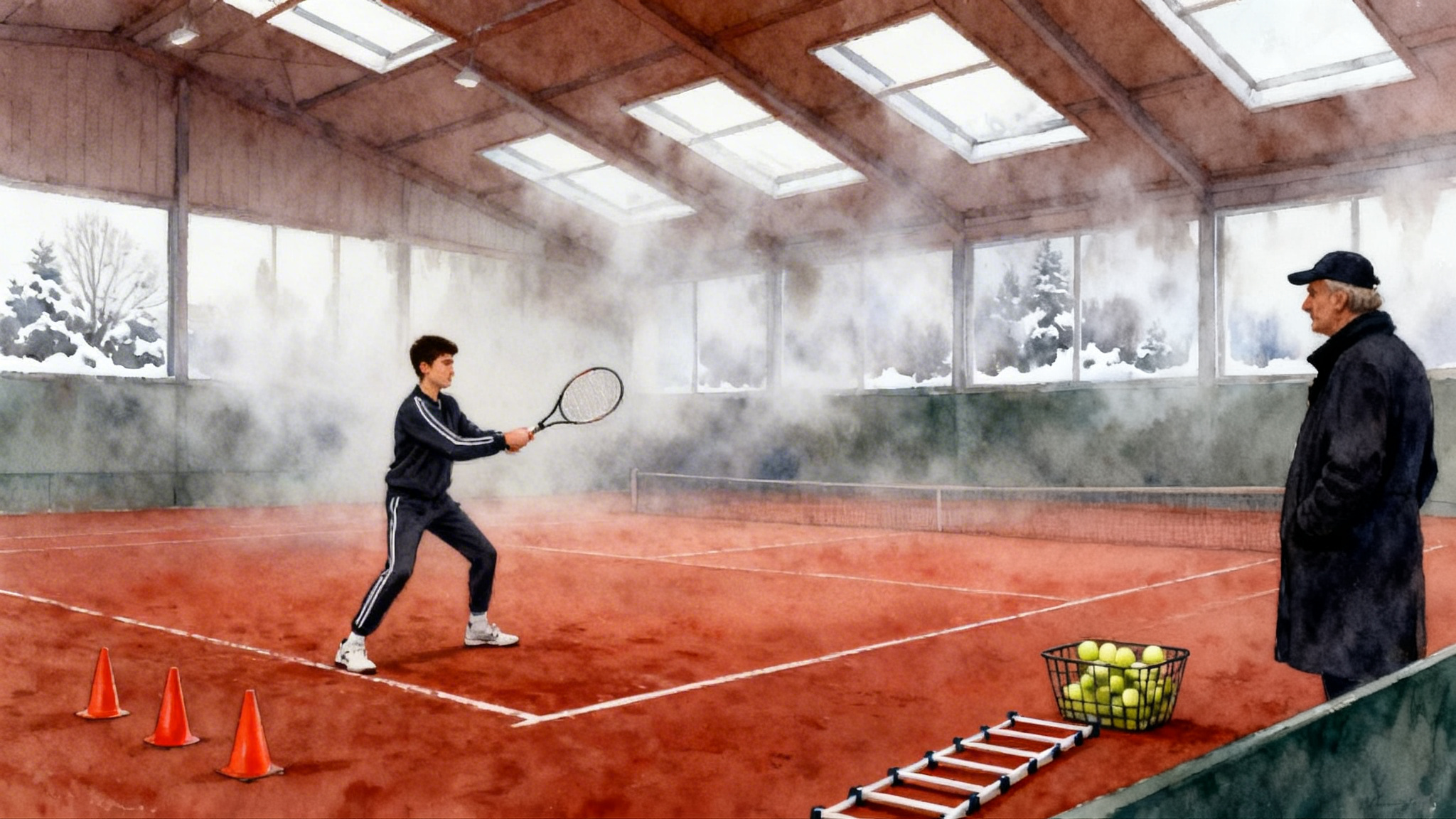
Sebastian Korda’s IMG Path: From Bradenton to ATP Top 20
Sebastian Korda grew up training at IMG Academy in Bradenton and rose into the Association of Tennis Professionals top 20. Here is the evidence-based blueprint behind that climb, from junior wins to pro titles and smart mentorship.
 Tommy
Tommy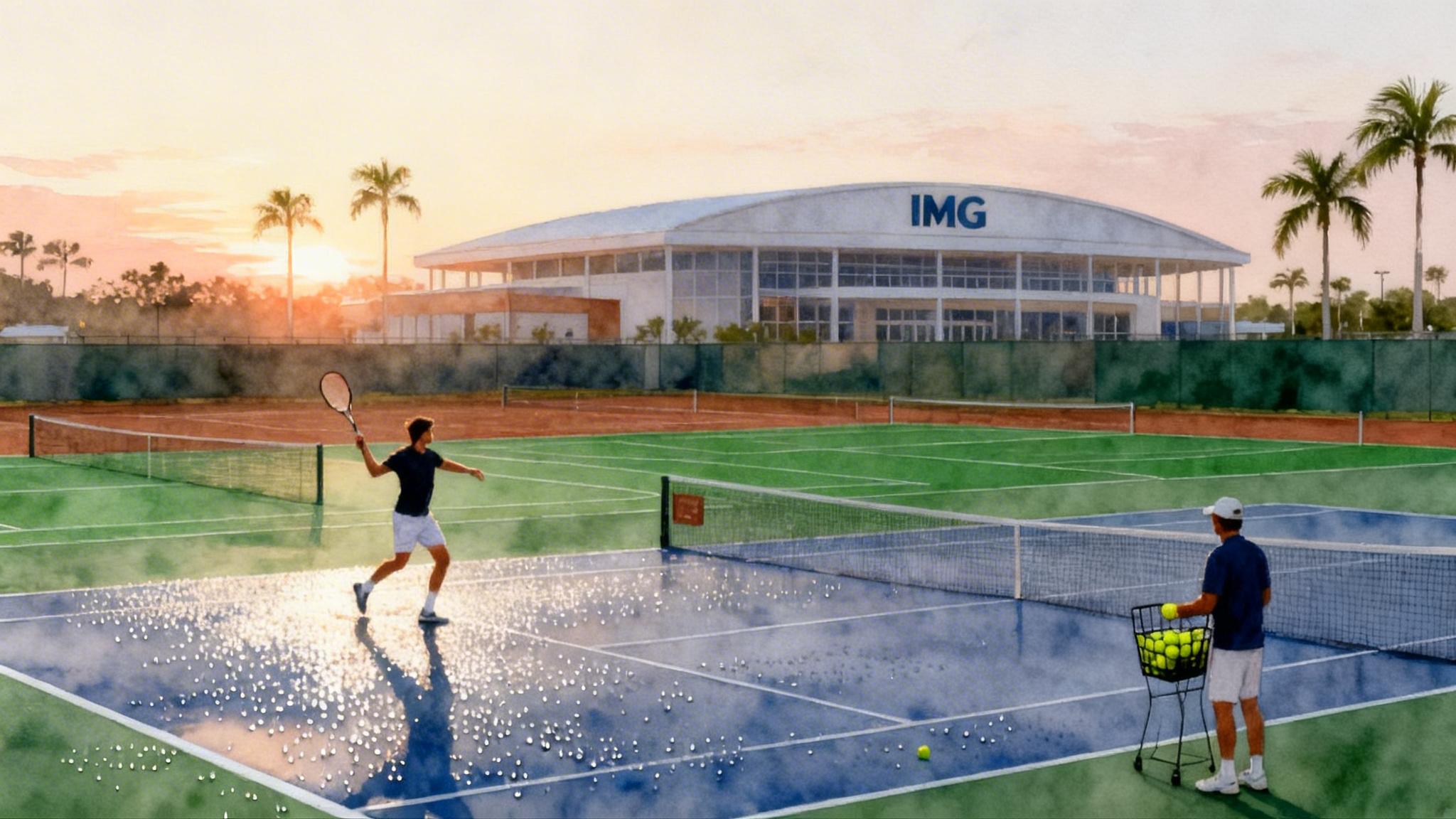
The Bradenton blueprint that became a top‑20 career
Every academy promises a pathway. Sebastian Korda’s pathway is unusually traceable. He grew up in Bradenton, trained for years at IMG Academy, and built a family‑centered coaching model that stayed close to home base. The outcomes are public: the 2018 Australian Open boys’ title, a first tour trophy in Parma in 2021, a Washington title in 2024, and a move into the ATP top 20 that same summer. Those milestones and the role of targeted mentorship with Andre Agassi and Steffi Graf are documented on his ATP Tour bio and milestones. The interesting question is not whether he succeeded, but how the IMG ecosystem and specific choices by his camp translated into concrete professional breakthroughs.
The development spine: an academy ecosystem plus a family engine
Three pillars defined Korda’s teenage and early pro years in Bradenton, each of them repeatable for other players with the right planning. The multi‑surface emphasis mirrors what powered the Ferrero Academy built Alcaraz and the structured exposure to elite tempo seen in the JTCC shaped Tiafoe case study.
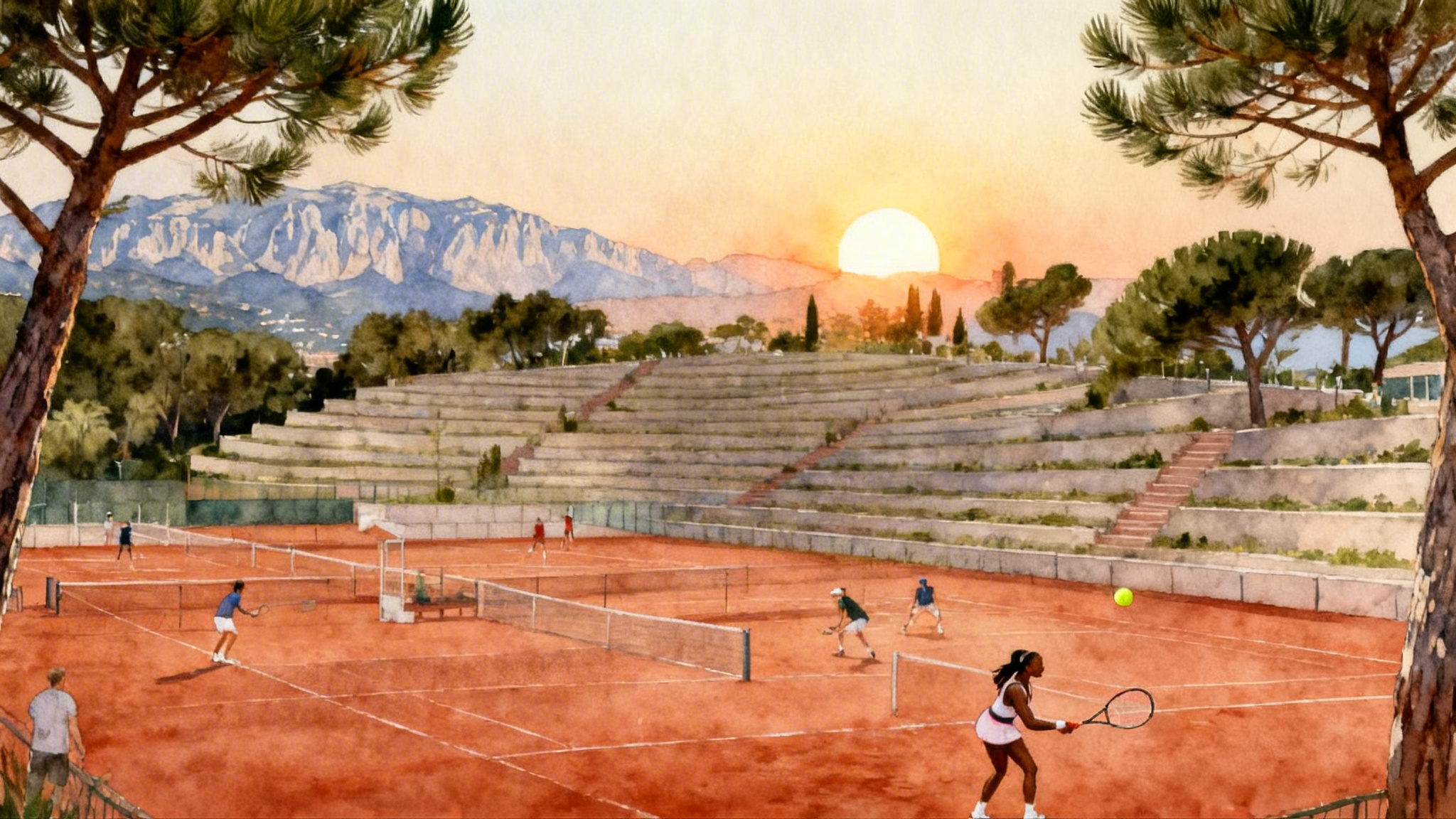
- Mixed‑surface reps that made adaptability normal. IMG’s campus schedules practice blocks across hard and multiple types of clay. Players learn to change balance, height, and shot selection rather than lock into a single bounce profile. That matters for young athletes who will face wildly different conditions week to week.
- Daily contact with touring pros. The Bradenton environment constantly rotates professional players through the courts. Even when the gap is obvious, juniors absorb pro tempo, point structure, and the seriousness of routine. The first time you see a top‑50 backhand take the ball on the rise, your targets on the practice court move in by half a meter.
- Sports science and rehab access on campus. Strength timelines, return‑to‑play progressions, and monitoring become part of the weekly vocabulary rather than a special project after an injury. IMG schools athletes on this early, which reduces guesswork when the first real setback arrives. A public snapshot of these capabilities sits in IMG’s Performance and Sports Science Center.
At home, Korda had a coach who knew exactly what the highest level demands. His father, Petr, a former world No. 2, created a tight circle that added outside expertise when it helped and said no when it did not. The Kordas kept the hub in Bradenton, then sent the spokes outward in short, deliberate bursts.
A timeline you can verify
- 2018: Australian Open boys’ singles champion. The result did more than decorate a résumé. It set a calendar anchor for his camp, which began to map pro‑level weeks around a proven peak in January and June.
- 2020: Fourth round as a qualifier in Paris on clay. The result hinted at a versatility that a Florida‑raised player does not always develop. Mixed‑surface training was paying off.
- 2021: First ATP Tour title in Parma on clay, without dropping a set. If you want a case study in surface agility, a Bradenton‑based American winning his first trophy on European clay is a persuasive one.
- 2023: A statement January that included an Australian Open quarterfinal, followed by a right wrist issue that forced time away. The setback stress‑tested the family‑academy model, which responded with a measured return rather than a frantic chase for points.
- 2024: A title in Washington and a career‑high ranking of No. 15 later that summer, milestones confirmed by ATP records. Those jumps tracked with an accumulation of tour‑level patterns mastered over the previous four seasons, not a single hot week.
The pattern is consistent: stable base, targeted additions, and no detours that compromise the training spine.
What IMG specifically gave Korda
Think of a player’s development like a language. If your child learns to speak in only one dialect, the first foreign conversation feels overwhelming. IMG’s tennis setup exposes athletes to several “dialects” of the sport every week, which reduces the translation shock when the pro tour demands fast adaptations. It is the same principle behind the Mouratoglou and Gauff pathway.
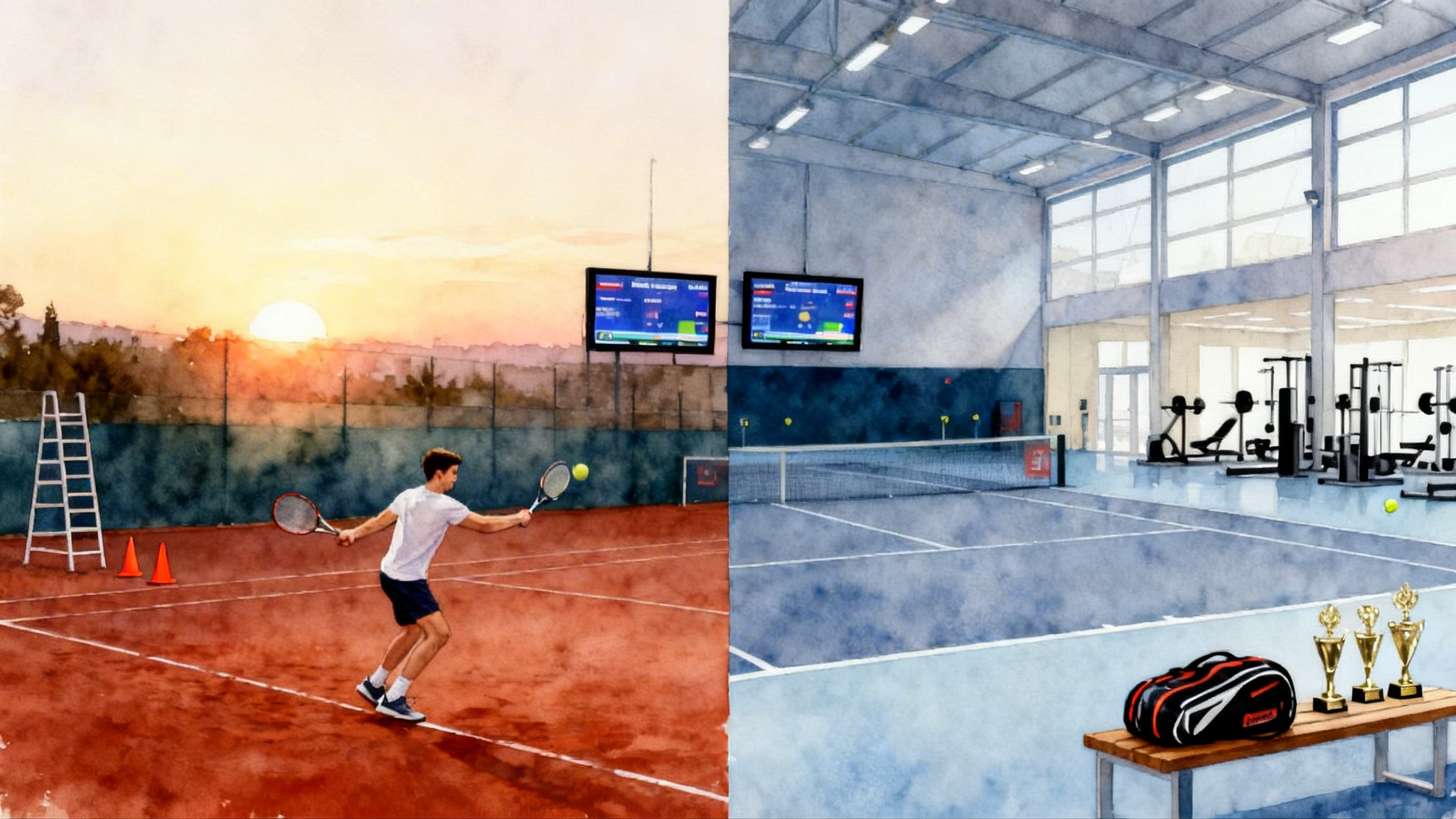
- Surfaces as a curriculum, not a novelty. Hard courts develop front‑foot offense and depth control; green and red clay teach point patience, height, and sliding; indoor courts add first‑strike urgency and serve precision. Korda’s Parma title did not come out of nowhere; it came out of thousands of reps that made clay choices automatic.
- The pro‑tempo apprenticeship. Real‑time hits with touring pros teach juniors how fast crosscourt patterns close and how narrowly they must clear the net to threaten space. In that environment, a young player stops being impressed by pace and starts asking better questions about contact points and recovery steps.
- Integrated sports science. IMG bakes in strength periodization, video, and cognitive training tools. When the body signals red or yellow, rehab and return‑to‑play protocols are not invented on the fly. That is a competitive edge during injury windows, when many players lose months guessing how much is too much.
How the Kordas used outside mentors without losing the center
There is a difference between adding star power and adding structure. Korda’s camp pursued the latter. Short, specific mentorship blocks with Andre Agassi and Steffi Graf began before the 2021 season, a collaboration the ATP has documented. The key was intent. The ask was not “fix everything,” it was “pressure test a few patterns and mindsets,” then fold selected ideas back into daily work in Bradenton.
Here is what that looked like in practice:
- A shared vocabulary. Agassi’s clarity about directionals, height windows, and decision speeds gave Korda labels he could use with his home coaches. Labels speed learning.
- Feedback loops, not wholesale change. Instead of remodeling the swing, the mentor sessions targeted point construction and between‑point resets. That made the work compatible with the family’s day‑to‑day training at IMG rather than in conflict with it.
- Occasional checkpoints. Because the relationship was collaborative, debriefs happened by message or during short in‑person windows. The hub, again, remained Bradenton.
Managing injury layoffs with a plan, not wishful thinking
The wrist issue in 2023 forced Korda into the gray area between medical clearance and competitive readiness. His camp handled it like a phased project.
- Phase 1: baseline health. Restore range of motion, build tolerance for load, and track response the next day. No scoreboard, only data.
- Phase 2: skill re‑integration. Rebuild the contact window and footwork around the affected shots. Use smaller courts and constraint drills to control intensity.
- Phase 3: performance re‑entry. Add serve, return, and full pattern sets with precise volume caps. Test match play in controlled environments before jumping back into travel.
An academy infrastructure makes these phases faster and safer because the rooms are on the same campus. Strength coach, physio, and on‑court coaches talk daily, and the athlete’s schedule balances tissue load with skill load. This is how you avoid the whiplash of doing too much one day and nothing the next.
The Washington title and the top‑20 jump, unpacked
A first title establishes that you can close. A second title, three years later and on a different surface, says you built layers. Korda’s Washington run in 2024 came with tour‑level poise in breakers, smarter scoreline management at 30‑all, and a forehand that produced depth under pressure rather than only when ahead.
What changed between Parma and Washington?
- Returns that held the middle third. Instead of floating neutral balls that let servers reset, he drove more returns at body and hip height, which created shorter first rallies.
- Better first‑ball patterns after serve. The post‑serve forehand did not overhit as often because the target bands narrowed. That is a skill born of countless pattern rehearsals in Bradenton.
- A quieter between‑point routine. The time from last step to set position shortened. You could see decisions become faster because the routine removed noise.
Those are not celebrity tweaks. They are the signs of a player whose team chose repeatable habits over hacks.
What parents and juniors can copy, step by step
You do not need an identical budget to replicate the most powerful parts of this pathway. You need a plan and the discipline to protect it.
- Anchor your home base and defend your calendar
- Why: Players cannot learn adaptability without a stable place to measure progress. Constant travel scrambles feedback.
- How: Pick an academy that offers multiple surfaces and integrated support. Schedule two protected training blocks per quarter, each at least ten consecutive days with no competitive travel.
- Build a mixed‑surface curriculum
- Why: Versatility is not a trait, it is a training history. Korda’s clay competence came from regular clay weeks while living in Florida.
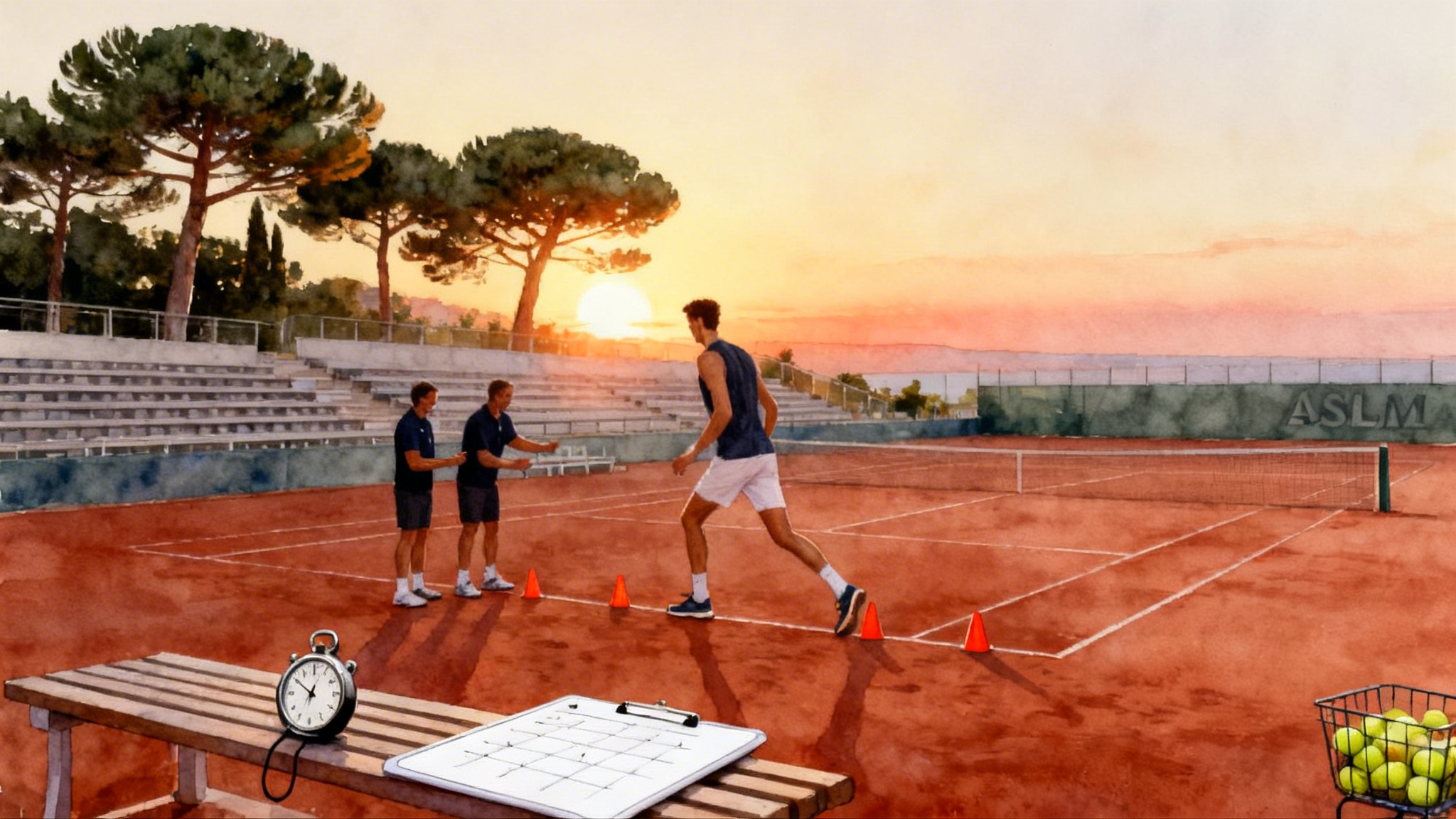
- How: Program two clay weeks every six weeks, even in a hard‑court season. Use target cones to change net clearance by surface. Keep a training log that tracks height, depth, and rally length goals.
- Create a pro‑tempo apprenticeship
- Why: Junior habits die fast the first time a player practices at pro speed. The earlier you normalize that tempo, the less shock you face in qualifying draws.
- How: Arrange weekly hits with stronger players. When that is not available, use ball machines or fed drills to compress time between contacts. Record how often the first two balls land within a meter of the baseline.
- Integrate sports science, even on a budget
- Why: The gap between cleared to practice and truly ready is where many seasons go wrong.
- How: Borrow the campus model. Track sleep, heart rate variability if available, and session rating of perceived exertion. Cap the first week back from injury at 70 percent of pre‑injury volume, then add 10 percent per week if recovery markers stay stable. Facilities like IMG’s Performance and Sports Science Center show what a full build looks like, but you can mirror the logic with a small team.
- Use mentors as accelerators, not architects
- Why: A famous name can open a door, but only a consistent daily system moves a ranking.
- How: Define three questions before any mentor block. For example, how to defend middle‑third balls, how to manage scoreboard pressure at 30‑all, and how to adjust backhand height on slick grass. Bring the answers home and bake them into your weekly plan.
- Protect recovery like a skill session
- Why: Recovery debt shows up as sloppy footwork and late contact, which looks like technical failure but is really planning failure.
- How: Put recovery on the written plan. One mobility block, one soft tissue session, and one zone‑two aerobic session live on the calendar just like serves and returns.
Common pitfalls Korda’s camp avoided
- Chasing novelty. The family did not hop from method to method. They added ideas to a consistent base and measured outcomes.
- Over‑scheduling. They used the academy phases to reset technique and health rather than sprint from event to event when results were flat.
- Surface fatigue. By scheduling clay responses into a Florida‑based calendar, they turned a potential weakness into a career lever.
A final word for academy leaders
Korda’s rise is not only a win for one player. It is a case study for how an academy can matter in 2026. Facilities are necessary but not sufficient. What matters is the operating system: mixed surfaces that force real decisions, daily exposure to professional tempo, and a sports science lane that turns setbacks into structured returns. When a family keeps that system intact, then invites the right mentors to stress test it, the pathway from elite junior to top‑20 professional stops looking mythical. It looks like a project plan.
The takeaway
If you are a parent or junior plotting a similar journey, copy the spine, not the headlines. Choose a home base with multiple surfaces and an integrated support team. Add mentor blocks with a clear agenda. Treat rehab as an engineering problem. Then be patient enough to let the work stack. Korda’s path from Bradenton to the top 20 shows that when an academy ecosystem meshes with a trusted inner circle, the jump from promise to proof is not luck. It is the natural byproduct of a system that compounds.