From Oslo to Manacor: How Nadal’s Academy Lifted Casper Ruud
{"text":"Casper Ruud left Oslo for Manacor to train inside the Rafa Nadal Academy’s clay-first, high-intensity system. We trace how mentorship, collaboration with his father-coach, and environment turned promise into Grand Slam finals."}
 Tommy
Tommy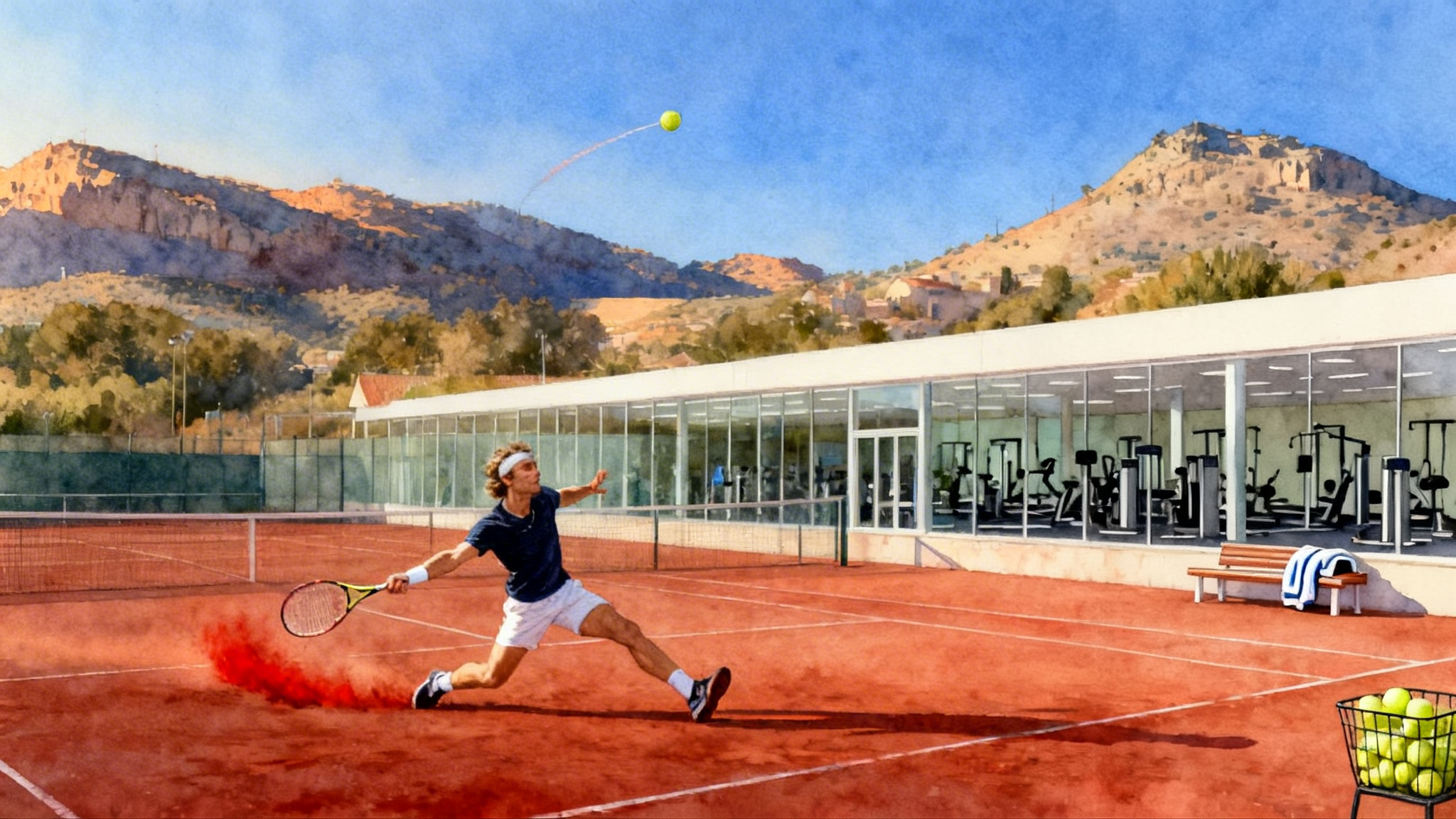
The choice that changed a career
Casper Ruud grew up in Norway with a racket in his hand and a coach at the kitchen table. His father, Christian Ruud, had been a top‑forty professional and knew the lonely grind of tour life. Yet the pair reached a point where Oslo’s winter, limited sparring options, and the realities of running elite sessions indoors could only take them so far. They needed a place that would stretch Casper’s game every hour of every day, without compromise.
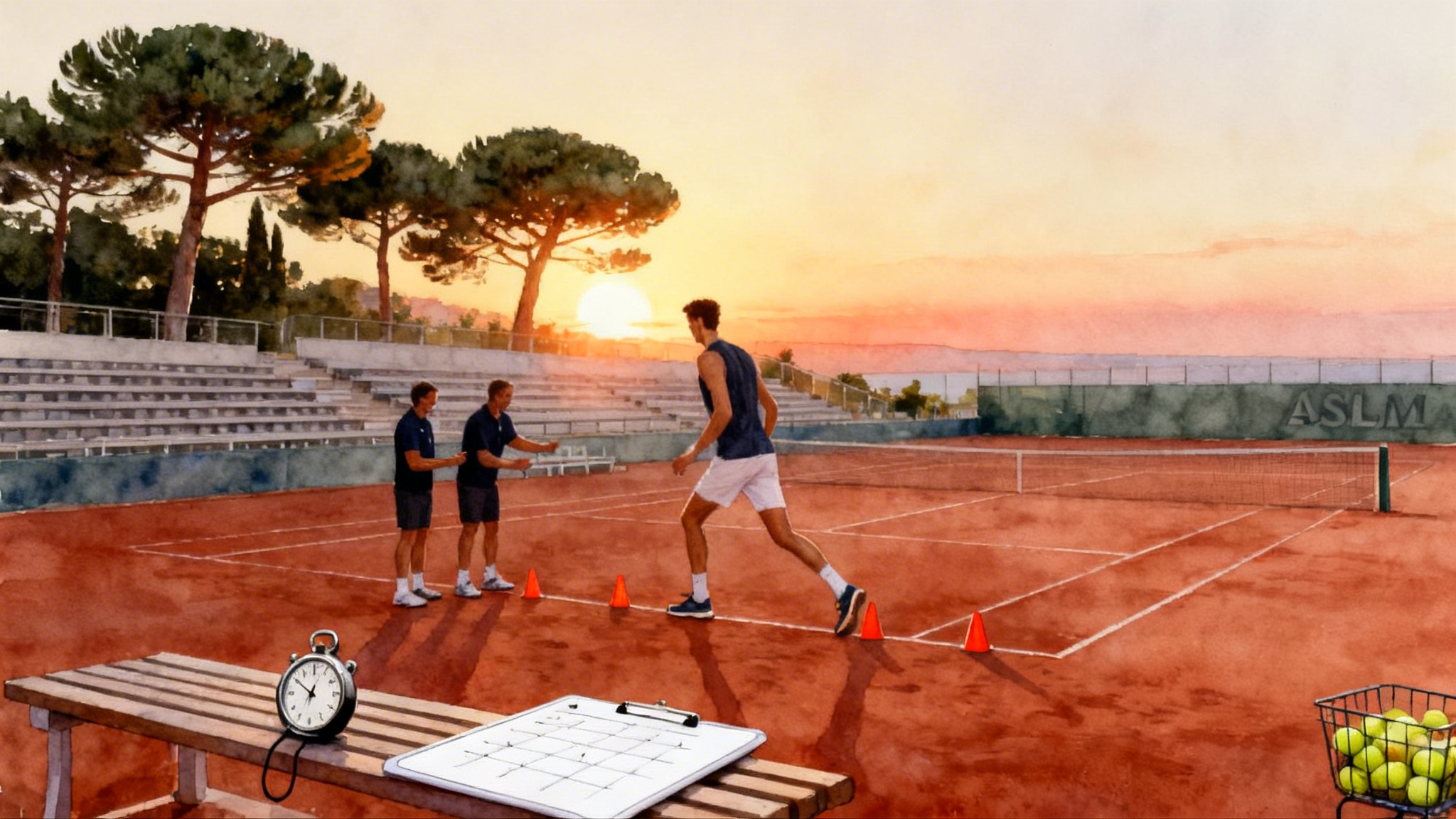
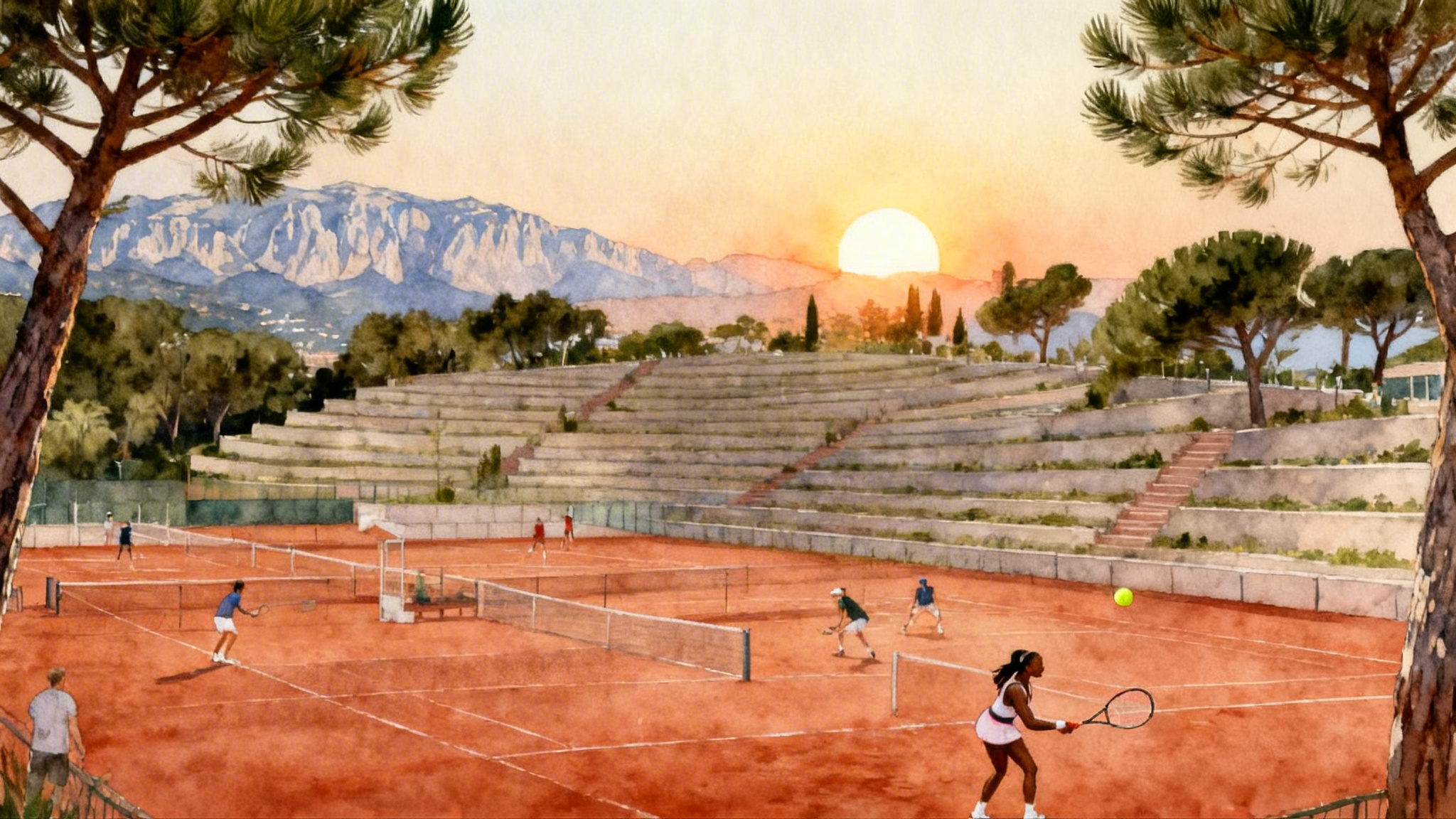
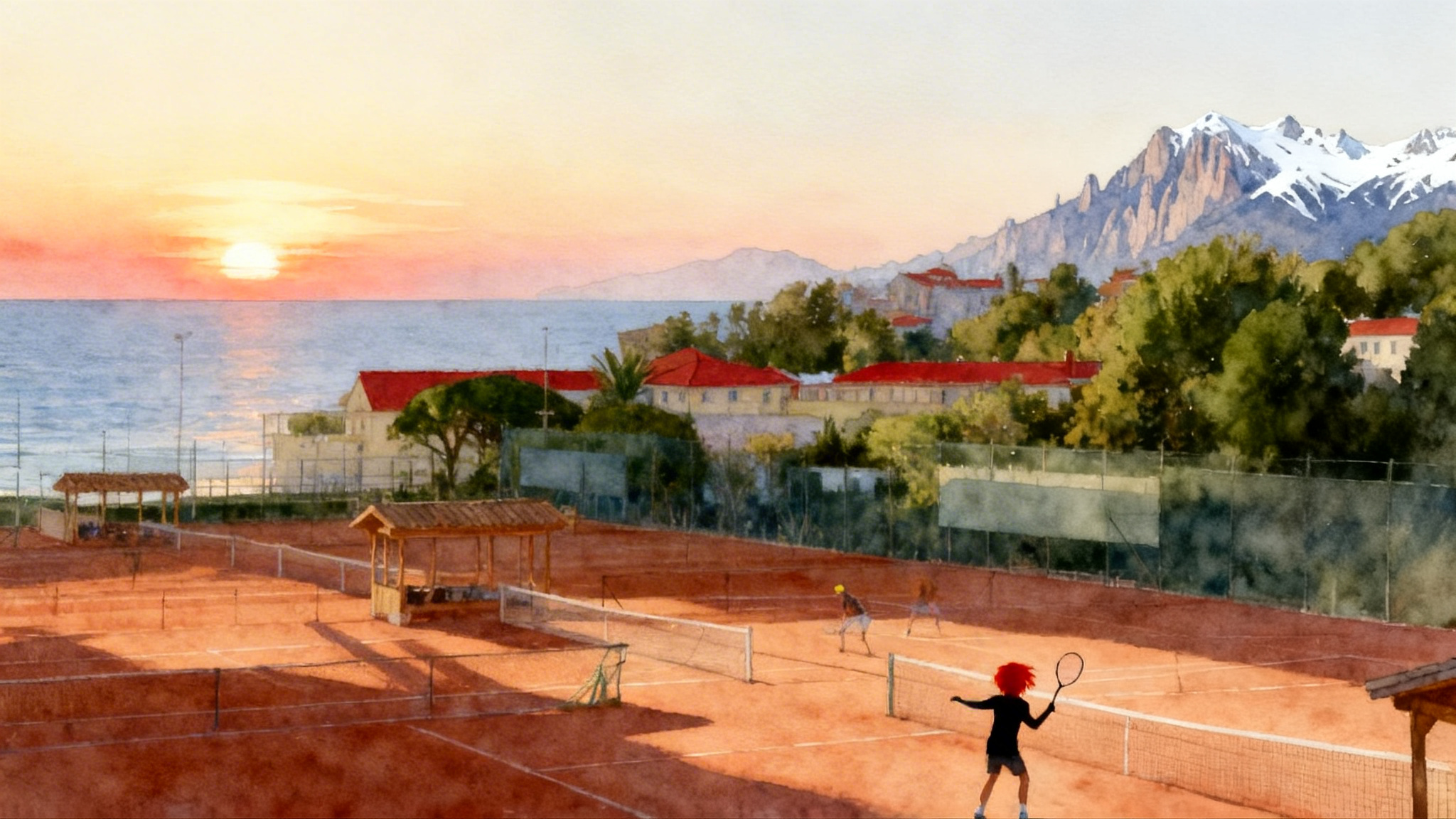
That place was Manacor. In 2018, Ruud began training at the Rafa Nadal Academy in Mallorca, a complex that feels less like a campus and more like a performance lab wrapped in Mediterranean light. The Academy notes his training there since 2018; see Ruud at Rafa Nadal Academy. The link between daily environment and results is the natural starting point for this story.
Why a clay‑first base matters for modern tennis
Parents and players often ask a simple question: if the Grand Slams include hard courts and grass, why lean into clay? Because clay court habits tend to generalize upward. On clay, the ball sits a touch longer, points extend, and players learn to create their own pace. This drives a few decisive adaptations:
- Rally tolerance becomes a core skill, not a bonus. You must hit one more heavy, high‑margin ball than the opponent, again and again.
- Forehand patterns crystallize under pressure, especially the crosscourt heavy ball that breaks a defender’s backhand shoulder and opens space for the inside‑in finish.
- Fitness is learned in rallies, not just on a track. Movement on clay teaches slow‑to‑fast acceleration, brake control into slides, and recovery into the next strike.
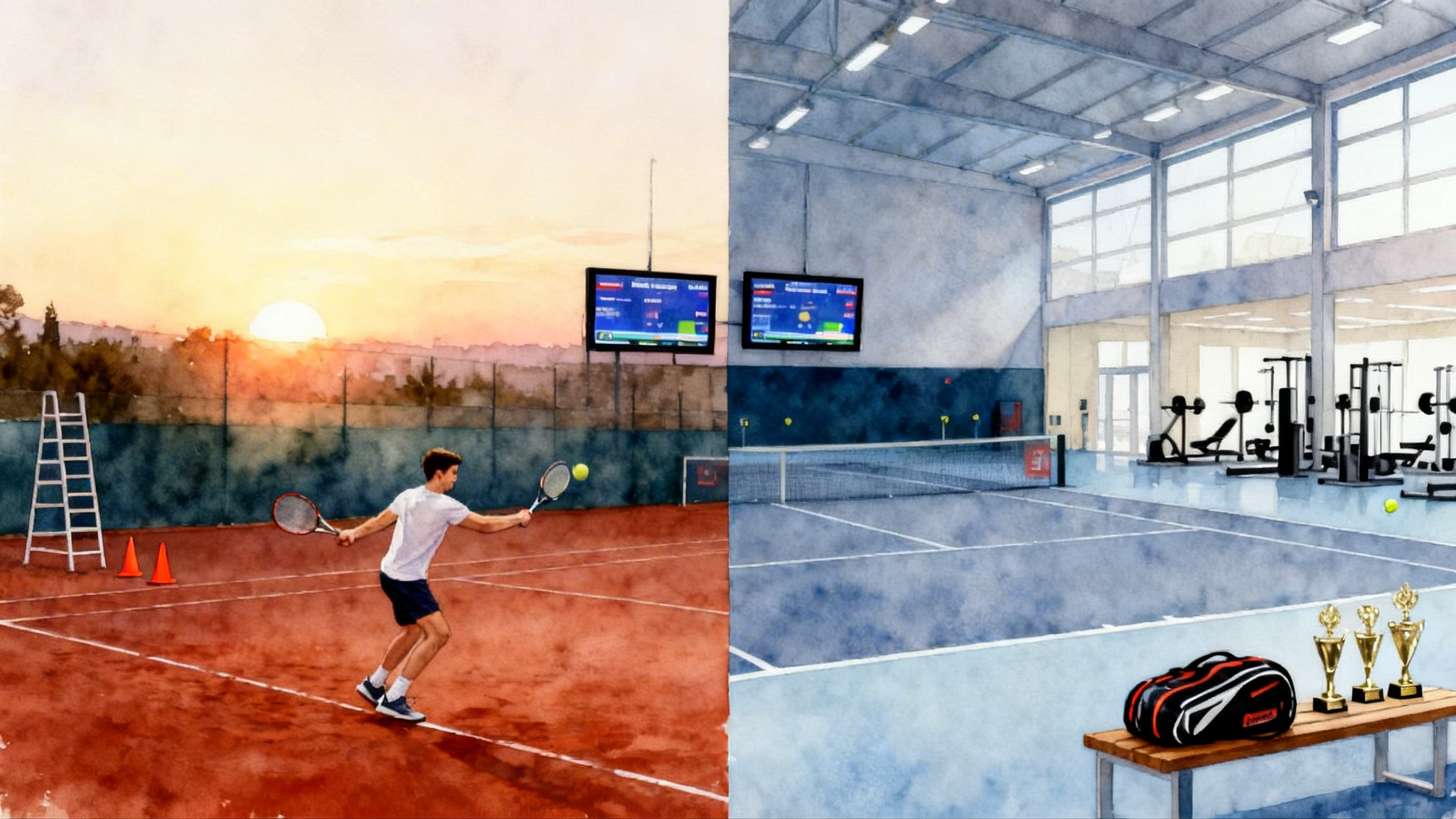
The Manacor program bakes these adaptations into everyday work. Courts are slow enough to demand height, spin, and patience. The daily intensity is high enough that patience never slips into passivity. This balance is what many juniors miss. In too many academies, drills are either soft and technical or frantic and chaotic. In Manacor the live‑ball load is heavy, but each rep still has a clear tactical purpose.
Culture and mentorship: learning from a winning ecosystem
A training base is not just courts and a gym. It is a culture that transmits habits. In Manacor that culture was built by Rafael Nadal and shepherded by longtime coaches and staff. The message is consistent: hit heavy, defend with your legs, make proactive choices under pressure, and repeat it tomorrow with the same energy. That rhythm has a gravitational pull on anyone who trains there long enough.
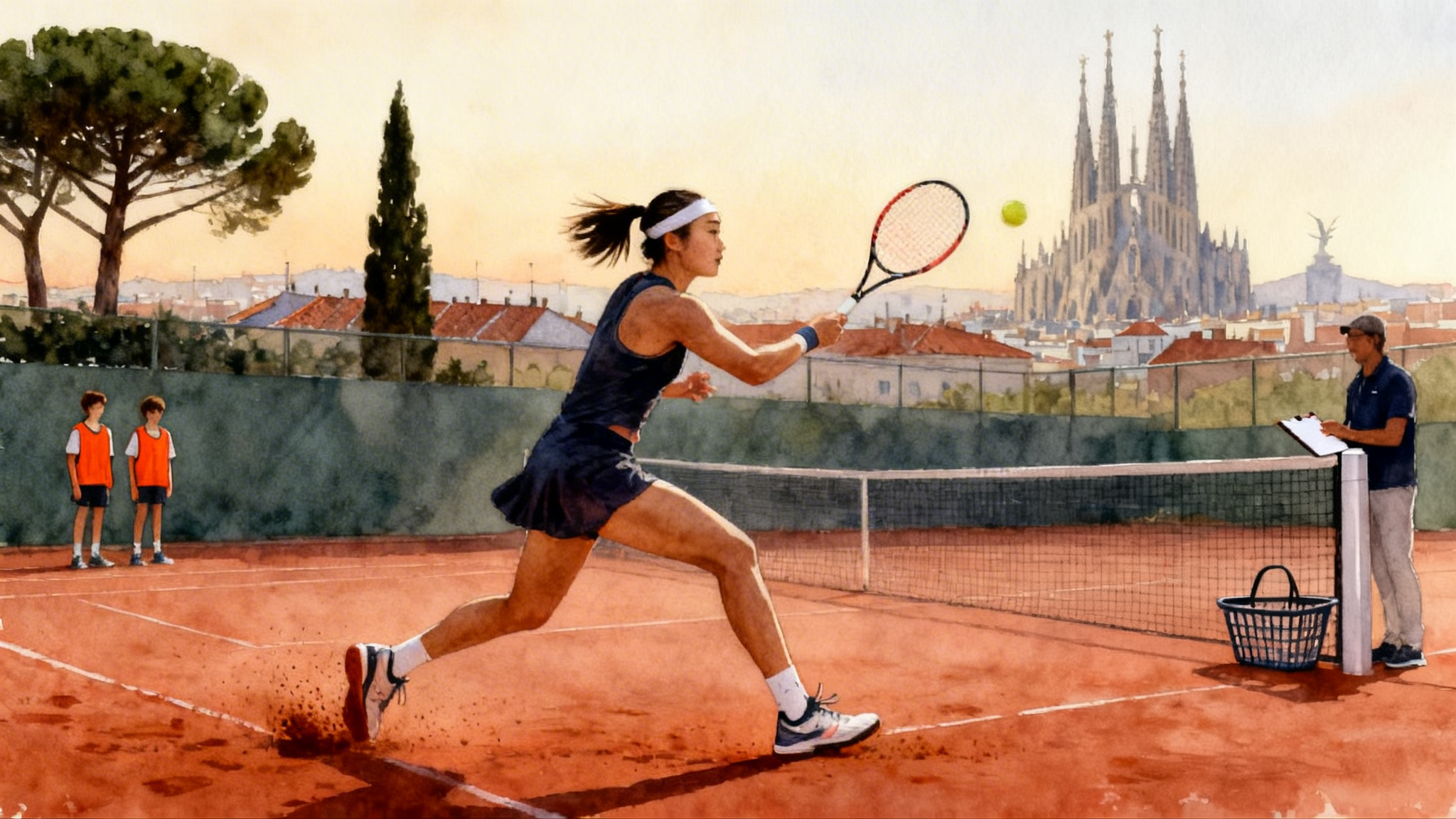
Mentorship shows up in small moments. A word on height when a player starts to flatten a backhand too soon. A reminder that controlling the middle third of the court wins more points than line painting. A calm debrief after an ugly practice set about why a conservative crosscourt forehand early in rallies can feel boring yet pay compounding dividends over ninety minutes.
We have seen similar culture transfers in other environments, including how the Ferrero Academy shaped Alcaraz and how JTCC shaped Tiafoe. Those case studies rhyme with Manacor’s emphasis on repeatable patterns and clear identity.
Importantly, this mentorship coexisted with Christian Ruud’s leadership. Christian remained the head coach, the person responsible for the long arc of Casper’s game. The Academy was a force multiplier, not a replacement. That clarity mattered. When a player hears one clear voice on identity and several supporting voices on execution, the mind stays quiet and the day‑to‑day work compounds.
The Manacor model in action: drills that build Ruud‑like weapons
Here are the kinds of sessions families can recognize from the Spanish model and adapt anywhere:
- Twenty‑ball live rally test: Crosscourt forehand against a partner’s backhand to a deep target. The rule is simple: finish the rally with the ball higher than net tape and land past the service line. Score how many twenty‑ball rallies you complete in ten minutes.
- Height cages on the backhand: Place a rope two racket lengths above the net with cones pinned deep crosscourt. Hit twenty backhands through the rope window before you are allowed to try a line change.
- Serve plus one to the ad corner: Deuce‑court serve down the T, recover, and hit the first forehand heavy and crosscourt to the opponent’s backhand. Only after three such patterns in a row can you go inside‑in into the open court.
- Red zone neutral game: From three feet behind the baseline only. You can win the point only after you have hit three balls to a safe deep target. This rewards depth and patience under fatigue.
These are not flashy. That is the point. The repetition of simple, hard tasks is what creates the forehand heaviness and rally tolerance that powered Ruud’s surge.
Integrating an academy with a parent‑coach
Parents who coach their kids face two tricky risks: losing objectivity and burning the athlete out. The Ruud path shows a third option that avoids both.
- Decision rights on paper: Christian Ruud stayed the final call on game identity and scheduling. The Academy supported day‑to‑day technical cues and diverse sparring. Write this down before joining any academy.
- One weekly case review: End every training week with a thirty‑minute three‑way. Parent‑coach, academy coach, and athlete. Review two good sessions, one weak session, one clear focus for next week. Keep it measurable.
- Neutral corner for emotion: During tournaments, assign a single academy coach as the player’s sounding board. Parent‑coach listens, but this extra layer reduces emotional spillover that can strain families.
This is how Ruud kept a tight inner circle while still harvesting the resources of a large program. Players need both continuity and fresh inputs. When blended with clarity, they can have both.
Results that confirm the method
The scoreboard does not tell every story, but a consistent trend line is hard to ignore. After embedding in the Manacor environment, Ruud stacked key milestones: tour titles on clay, his first Masters 1000 final in Miami in 2022, finals at Roland Garros in 2022 and 2023, and a run to the United States Open final in 2022. He also climbed to world number two in September 2022 after the United States Open final. See the ATP profile for Ruud.
What stands out is not any single win. It is the pattern. The more he trained in an environment that rewarded height, patience, and disciplined aggression, the more those traits showed up in the defining matches of his career. A player does not magically produce a heavy forehand at 5–5 in a tiebreak. He produces it because he has hit the same heavy ball thousands of times in practice with a rule set that left no easy exits.
The technical levers behind Ruud’s climb
Three pillars explain the on‑court change most clearly.
-
Rally tolerance measured, not assumed. Too many programs talk about consistency but never quantify it. Ruud’s training put numbers on it. Twenty‑ball live rallies. Error quotas in neutral phases. Targets that demanded depth and net clearance. When every drill has a scoreboard, the body normalizes long points and the mind treats them as opportunities, not threats.
-
Forehand as the pattern setter. On clay, the first goal is to push the opponent back with a heavy crosscourt forehand that jumps over the backhand shoulder. Once that shoulder is pinned, the court opens. Ruud’s forehand is not only fast, it is weighted. The spin rate and trajectory buy him time to recover court position while nudging the opponent off balance.
-
Backhand height tolerance and line timing. Early in his pro years, Ruud could get rushed on the backhand when the ball kicked above his strike zone. Work in Manacor targeted the legs and trunk rotation rather than just the arm. The goal was not a flashier backhand. It was a backhand that refused to break until the right ball arrived.
For another lens on building heavy patterns and measured aggression, see our look at the Medvedev academy blueprint.
Match toughness: manufactured, not inherited
Match toughness is often miscast as a personality trait. In practice it is a product of training design.
- Scoreboard pressure games: Start sets at 3–3 with no‑ad scoring and tiebreakers to ten.
- Squeeze points: At 30–30 and deuce, mandate a pattern based on the game plan. For example, serve to the backhand, first ball crosscourt heavy, no line change until ball three.
- Penalties for cheap errors: In neutral phases, a short ball or net miss costs a point and a shuttle run. This does not punish risk. It punishes low‑margin choices in the wrong phase of the rally.
Over months, these constraints produce the calm body language and steady decision making that you saw from Ruud in his deep runs at the biggest events.
Choosing a training base: a checklist for families
Where you train will shape how you compete. Here is a practical checklist families can use when evaluating an academy or club.
- Ball intensity and height: Watch live sessions. Are players consistently hitting above net tape with depth. Are coaches asking for height under fatigue.
- Live‑ball to basket ratio: At least half of the work should be live rally play with constraints. Basket work is useful, but it should reinforce patterns that show up in points.
- Clay access and pace variety: Even if you do not live near red clay, can the base slow conditions with court choice, ball type, or string setups to simulate longer rallies.
- Sparring density: How many players within two level bands of your athlete train there daily. Regular, meaningful sets matter more than name‑brand courts.
- Coaching integration: If a parent is the primary coach, does the academy welcome that partnership. Set decision rights and a weekly review rhythm before you sign.
- Data you can hold: Will they track rally length, unforced error rates by ball height, and serve‑plus‑one success. Qualitative feedback is fine, but numbers keep everyone honest.
If you want a printable version of this checklist, we have one available inside TennisAcademy.app for members.
Building a Manacor mindset without moving to Spain
Not every family can relocate. You can still copy the big levers.
- Slow the court: If clay is scarce, use a lower‑compression ball or rougher court shoes that promote controlled sliding on safe surfaces. String two pounds looser to raise net clearance and spin.
- Create live‑ball rules: In your home club, run one hour a week where all points begin crosscourt to the backhand and the first line change is illegal until ball five.
- Forehand pattern days: Dedicate one full practice per week to serve plus one. Track your percentage of heavy crosscourt first balls and your conversion rate when you finally go inside‑in.
- Sparring swaps: Organize a monthly round robin with nearby clubs. The goal is fresh looks and longer rallies, not trophies.
What coaches can borrow from the Ruud blueprint
- Keep the playbook short. Choose three patterns and spend all week on them.
- Praise boring discipline. Reward the athlete who hits a heavy neutral ball at 4–4 and 15–30.
- Coach the legs first. On high balls, cue knee flexion and hip rotation before you fix the wrist.
- Audit your last ten sessions. If you have not measured anything in a week, pick one metric and start today.
The takeaway
Ruud’s rise did not come from a single magical tweak. It came from a series of environment choices that made the hard things unavoidable. Clay‑first training forced patience. High‑intensity sessions made height and depth a daily habit. Mentorship from Nadal’s team reinforced simple, repeatable patterns. Integration with his father kept identity clear and noise low. The results followed, from finals at Roland Garros and the United States Open to a climb to number two in the world.
Families do not have to move to Mallorca to learn from Manacor. Commit to an environment that makes good choices inevitable. Choose a base that prizes rally tolerance and heavy forehands. Blend parent leadership with academy resources instead of pitting them against each other. Measure what matters and let the numbers nudge habits. That is the path from promise to proof.
If you do that, your player will not just survive long rallies. They will shape them. They will not just chase forehands. They will build them. They will not just talk about mental toughness. They will practice it, one honest, heavy ball at a time.