South Tyrol to Bordighera: Sinner’s Piatti pathway to ATP elite
How a ski prodigy from South Tyrol became an ATP force by moving to Riccardo Piatti’s academy at 13, embracing high‑repetition fundamentals and early ball‑taking, then choosing a new team in 2022. Practical takeaways for families inside.
 Tommy
Tommy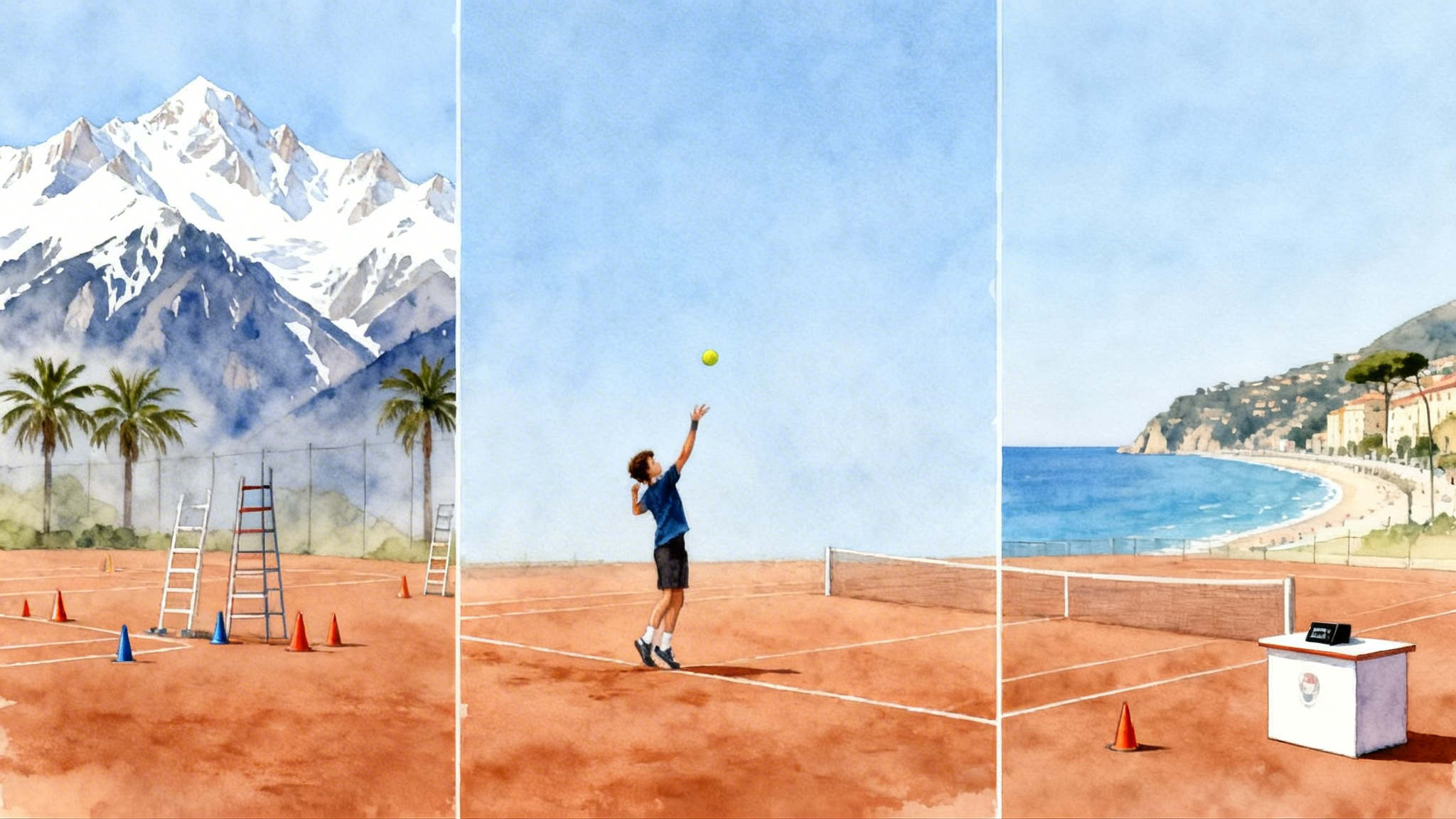
The alpine kid who chose a faster line
In San Candido, South Tyrol, Jannik Sinner spent his childhood reading snow. Ski racing sharpened his eyes and legs long before the tennis world knew his name. The mountain trained him to commit early, pick a line, and live with the consequences. That same instinct soon showed up on hard courts and clay, where Sinner’s signature is to take the ball early and rob time from opponents.
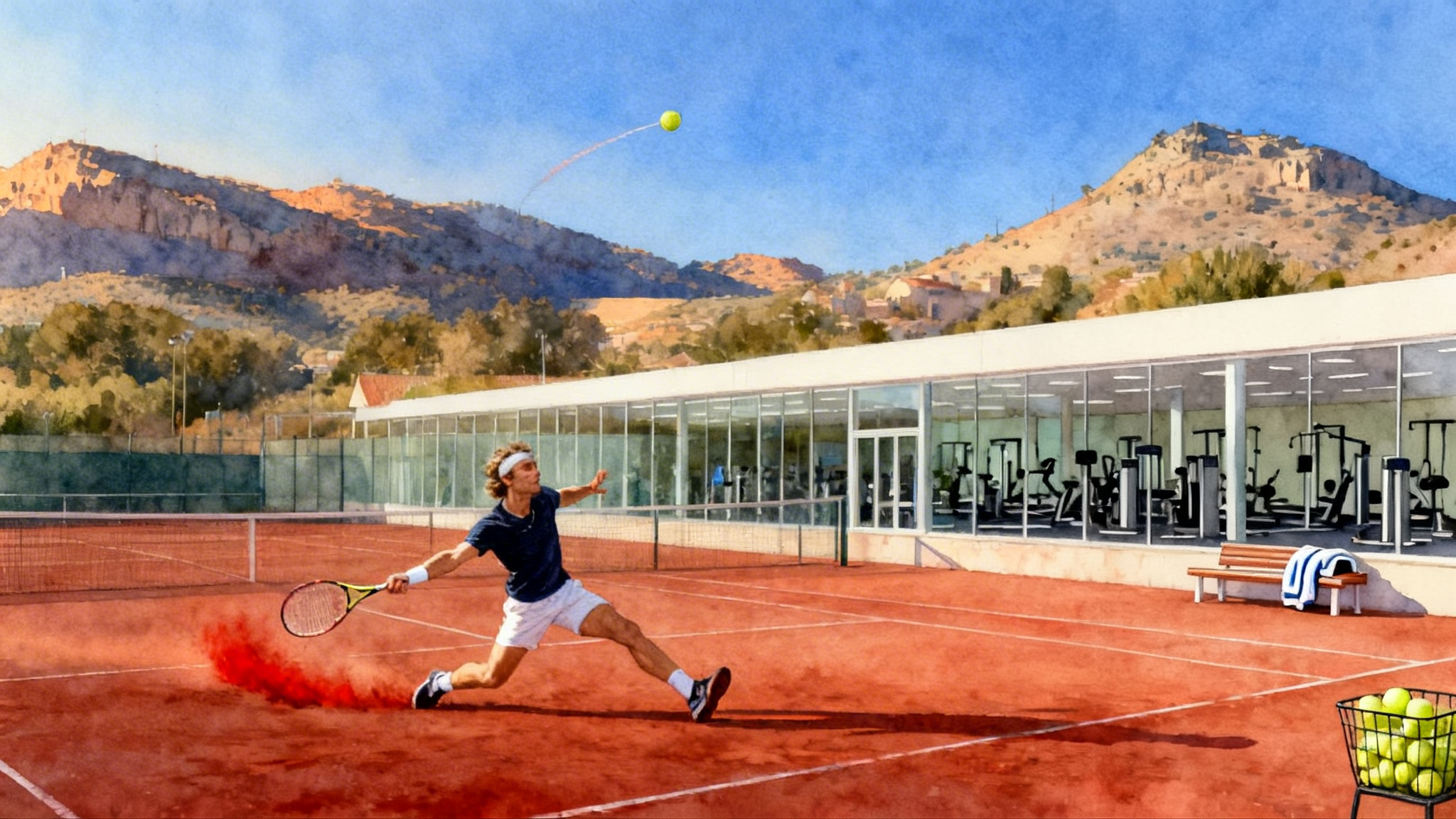
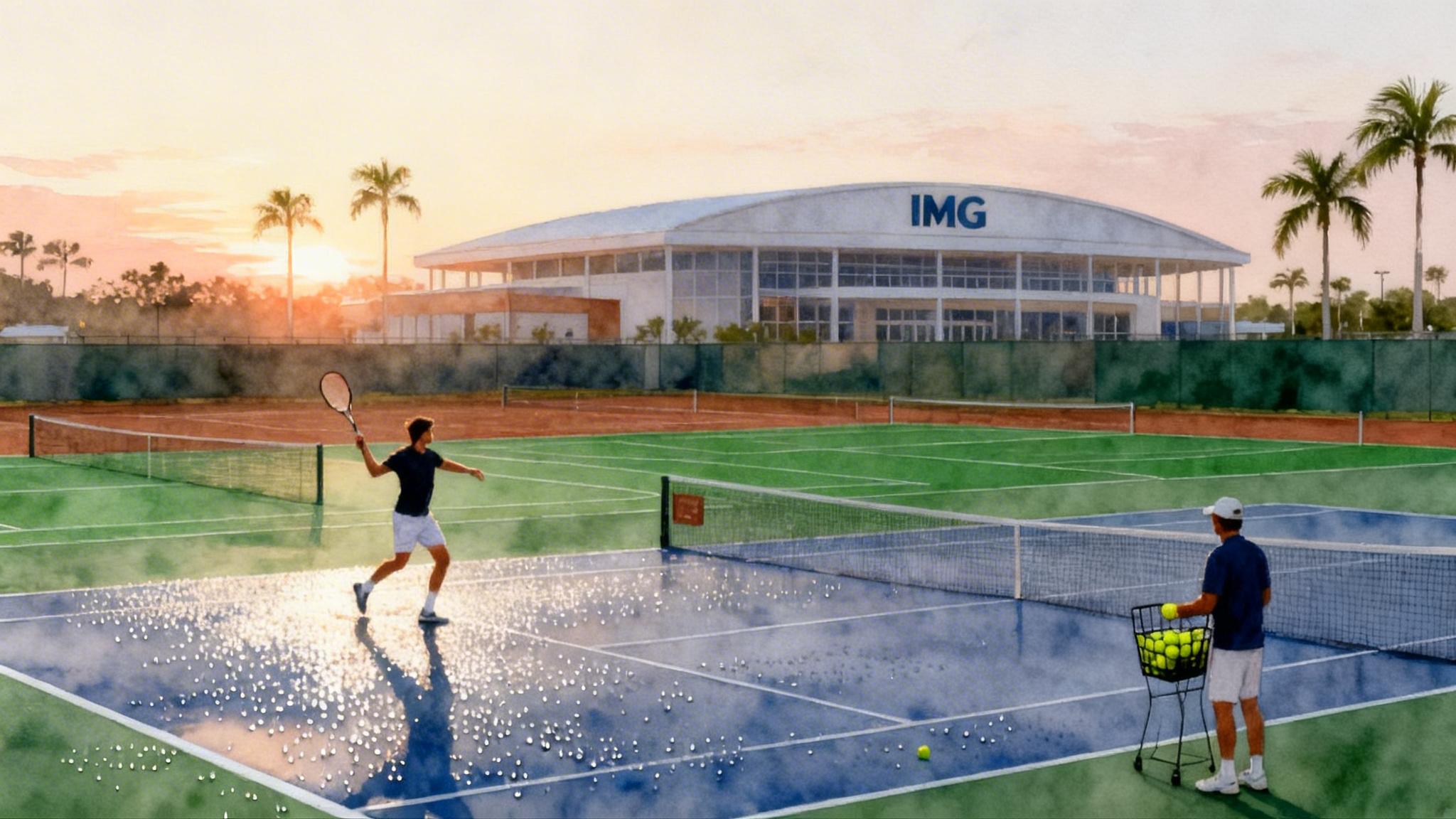
The shift from national level ski races to full time tennis did not happen overnight. Around age 13 to 14, Sinner and his family made a tough call: leave home comfort for a professional training environment. That decision led to Bordighera, a seaside town on the Ligurian coast, and to the doors of the Piatti Tennis Center. For a teenager, it was a move from alpine silence to the hum of a top development hub.
If you want a one paragraph origin story, it is this: a talented multi sport kid, a family that backed a bold relocation, and a school of coaching that prized clean foundations, early contact, and structured competition. The rest is the compounding effect of doing the right things a thousand times.
For a concise biography and timeline, the ATP player biography provides helpful context.
Why leave home at 13 or 14
Families often ask when a talented junior should relocate. The answer is not a birthday. It is a threshold. For Sinner, the threshold combined three signals:
- A clear ceiling locally: he had outgrown the available sparring and structure.
- A coaching philosophy match: Riccardo Piatti’s staff valued the same core that Sinner needed, namely repeatable technique and proactive court position.
- A support net beyond tennis: lodging, schooling, and a daily plan robust enough for an adolescent away from home.
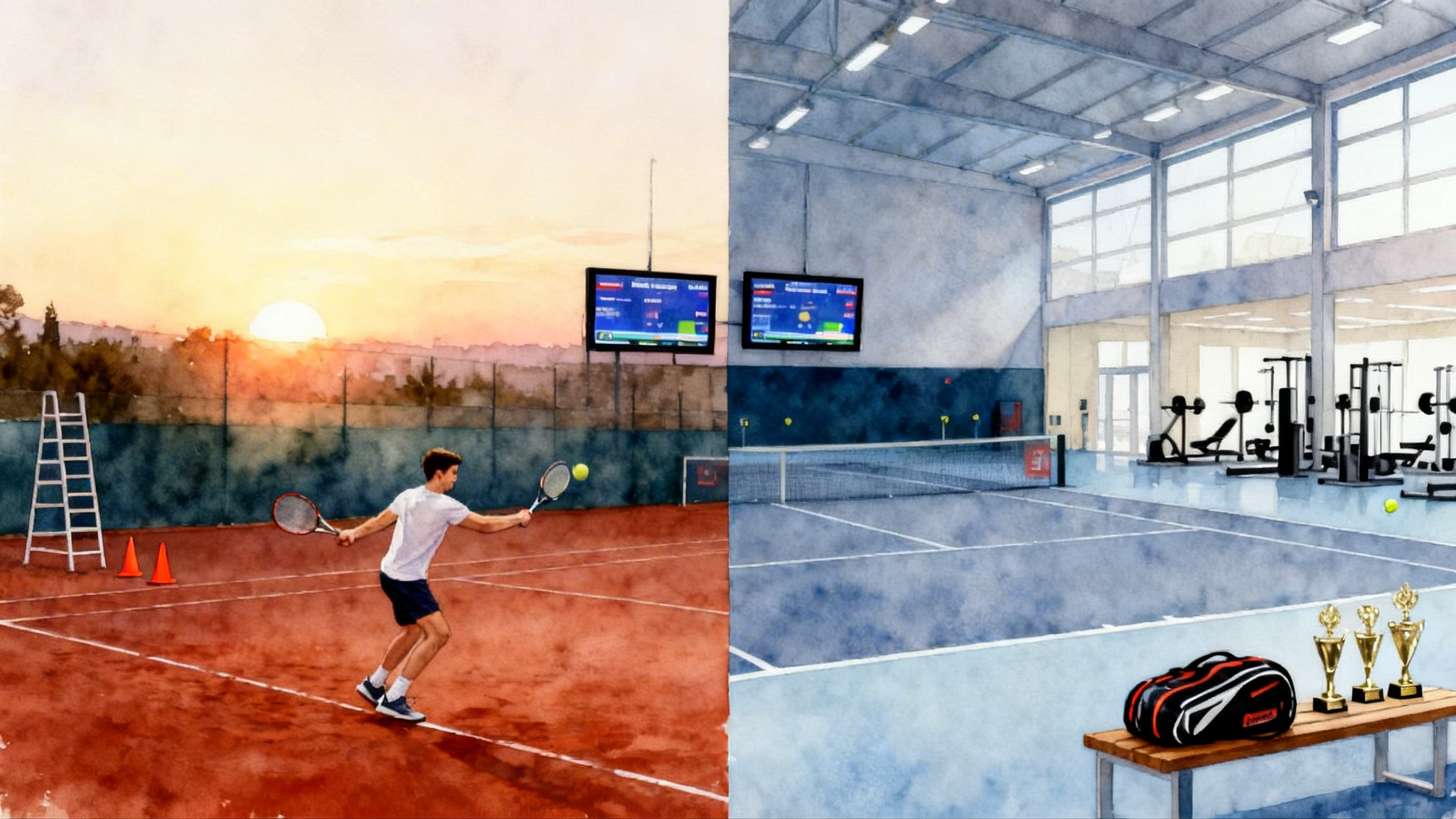
Relocation is not just more practice. It is a change of ecosystem. Sinner swapped ad hoc sessions for a system that programmed his load, built habits around recovery and nutrition, and scheduled tournaments as part of a plan, not as isolated trips.
Inside Bordighera: what the Piatti Academy actually did
The academy’s reputation is not mystery or magic. It is repetition, timing, and standards. Three pillars stood out.
1) High repetition fundamentals
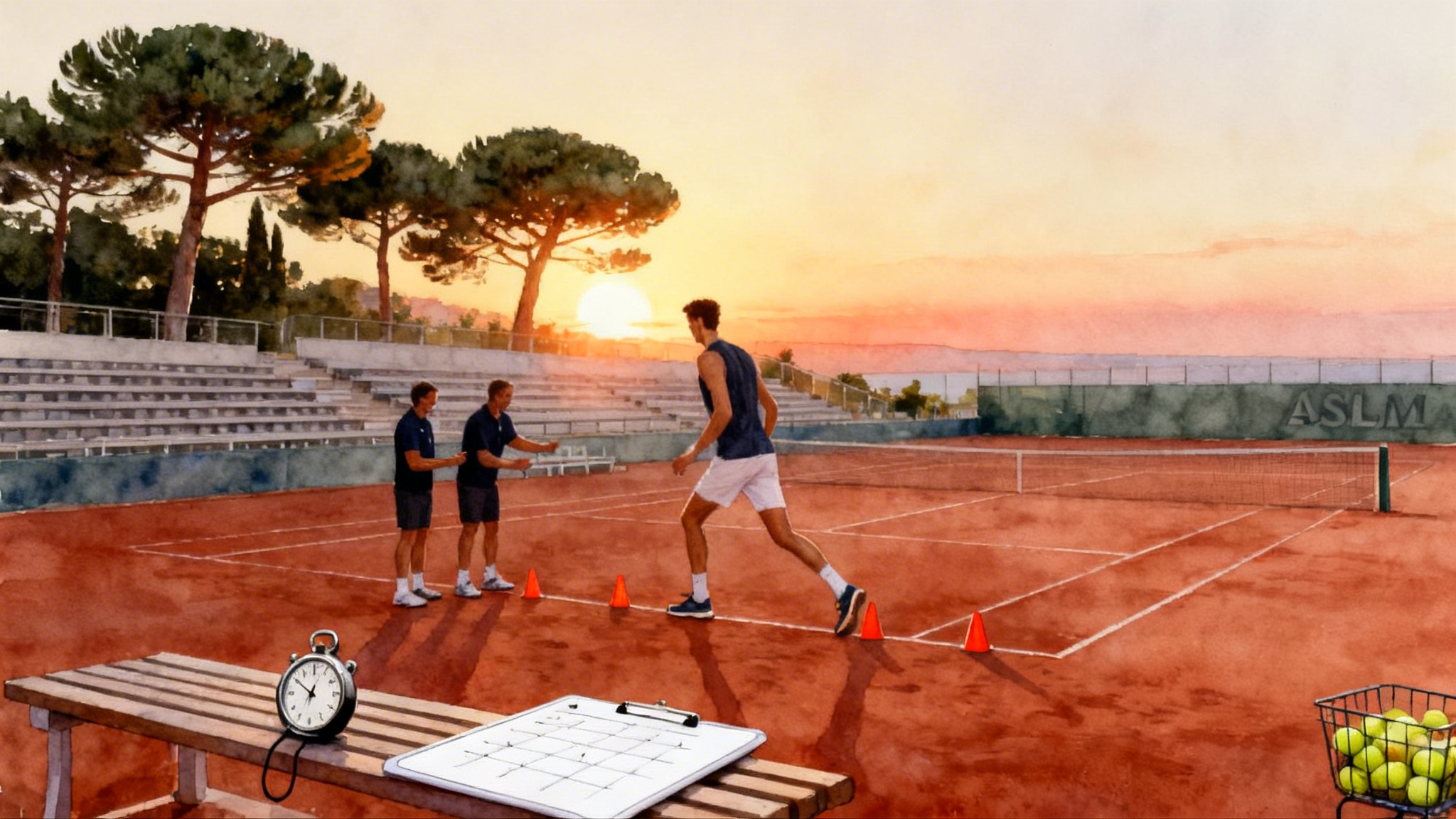
The staff grooved patterns more than pretty highlights. Footwork ladders fed into live hitting, then into constrained games that forced the same movement over and over. The idea was to make quality automatic, the way a pianist scales before a concerto. Balls fed to the same corner until spacing, height, and shape stabilized. Only then would they layer in speed.
2) Early ball taking and court position
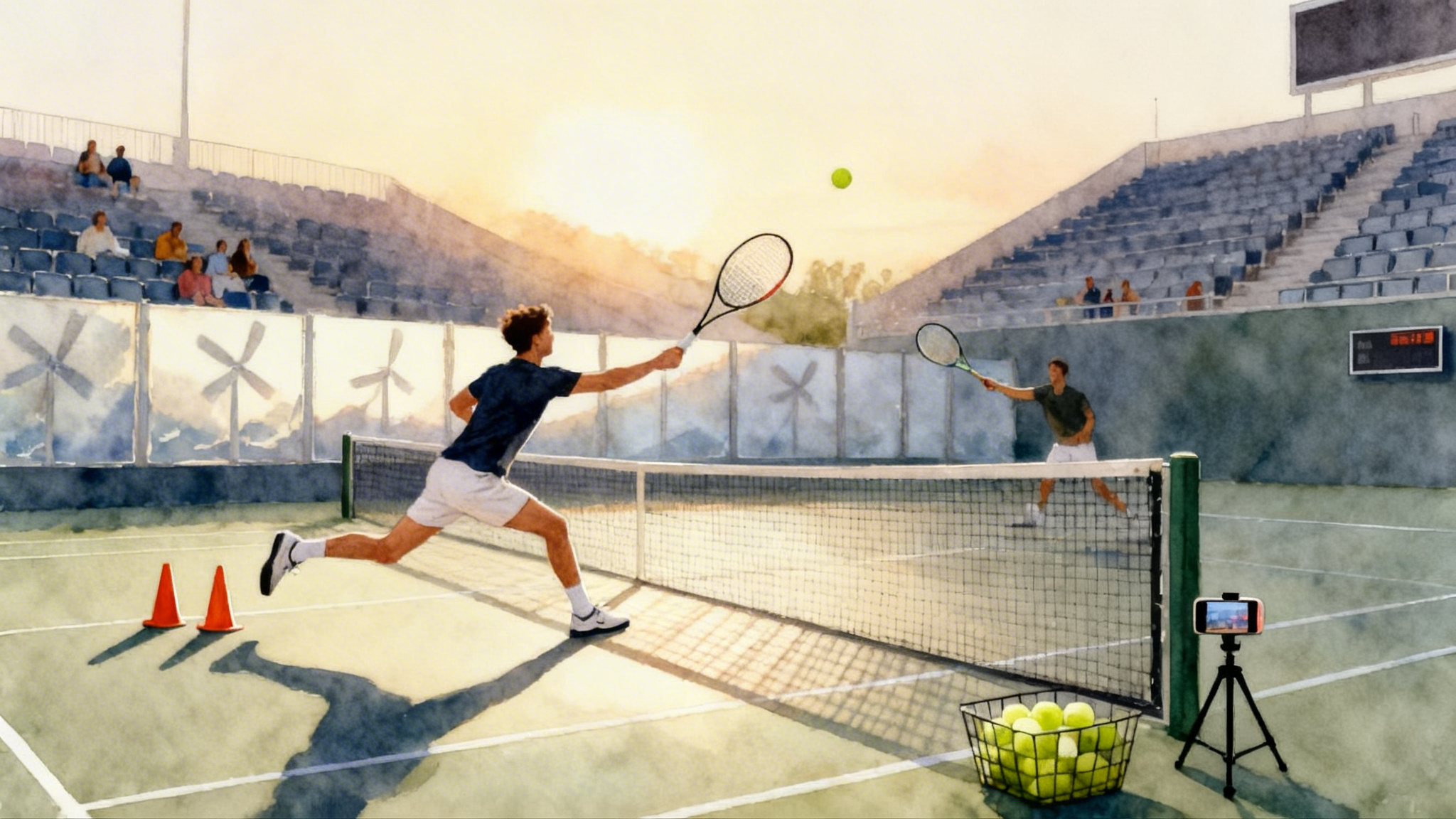
Sinner learned to play from inside the baseline. Taking the ball earlier is like skiing a tighter gate line. It shortens the course and multiplies the opponent’s decisions. The tradeoff is higher demand on balance and preparation. Bordighera practices used short feeds and time pressure drills to make early contact normal. Returns were stepped into, not blocked. Backhands used compact preparation to meet the ball rising. Forehands were organized around a clean unit turn and a simple, fast swing path that did not break down at pace.
3) Structured competition blocks
Instead of chasing points weekly, Sinner’s calendar ran in blocks. Training weeks built volume and precision. Competition windows tested patterns under stress. Then the staff reviewed and adjusted. This rhythm prevented the common junior trap of playing too often to feel busy while never solving underlying mechanics.
A typical block might look like this:
- Two weeks: technical consolidation with high ball volume, limited tournaments.
- One week: matchplay focus with specific goals, such as first strike patterns or return depth.
- One to two weeks: tournament run, with daily mini objectives that linked back to the drills.
Why this model accelerated Sinner
Sinner’s core advantages are leg speed, clean timing, and a backhand that stays stable at high pace. Early contact magnifies all three.
- Time theft: Meeting the ball on the rise subtracts milliseconds from the opponent. Points are shorter not because of reckless aggression, but because the opponent never breathes.
- Simpler decisions: Playing inside the court reduces the need for heavy spin bailouts. The geometry becomes flatter and clearer. Two or three high percentage lanes replace five or six speculative ones.
- Stress inoculation: Drills that squeeze time force better preparation. When real match rhythm feels slow compared to practice, confidence grows.
For a junior, these gains are not abstract. Early contact plus repetition builds a fluent stroke library. When pressure hits at 5 all, the library wins.
The 2022 pivot: leaving Piatti for a new team
In February 2022, Sinner chose to leave Riccardo Piatti’s team. Such a break is emotional and risky, especially after formative years. Yet the logic can be simple. A foundation built in one place can power the next stage somewhere else. Sinner hired Simone Vagnozzi as head coach, then added Darren Cahill later in 2022. The new staff did not discard his base. They upgraded around it.
What carried over from Bordighera:
- Early ball taking as identity. He continued to live on the baseline, especially on hard courts.
- Backhand reliability. The compact shape and calm contact point remained intact.
- Repetition culture. The daily volume and demand for clean execution did not soften.
What evolved with the new team:
- Serve variety and location. More mixing of body serves and wider shapes to open first ball forehands.
- Net finishing. A higher intention to move forward when the opponent is stretched, with cleaner first volleys.
- Point tolerance. Sinner showed more willingness to defend for two or three shots, trusting his legs to reset the rally before resuming aggression.
The results validated the handoff. On January 28, 2024, Sinner won the Australian Open singles title, the product of a long arc rather than a single leap. The base from South Tyrol and Bordighera travelled with him, and the refinements from Vagnozzi and Cahill met the moment.
What families can learn: a practical framework
Relocation and academy choice are among the hardest decisions in junior tennis. Here is a concrete checklist drawn from Sinner’s path, but built for your reality.
When to consider relocating
- Local ceiling reached: no consistent access to older, better sparring partners. If matchplay is routinely lopsided in your athlete’s favor, development will stall.
- Repeatable daily plan missing: if sessions are reactive, not programmed, and there is no strength and conditioning progression, you are likely under delivering.
- Tournament travel strain: if each event is a logistical fire drill and recovery is an afterthought, a centralized system may protect the athlete better. See how Nadal Academy lifted Ruud through a clear structure.
- Academic flexibility: the family and school can support a mixed learning model without sacrificing core education.
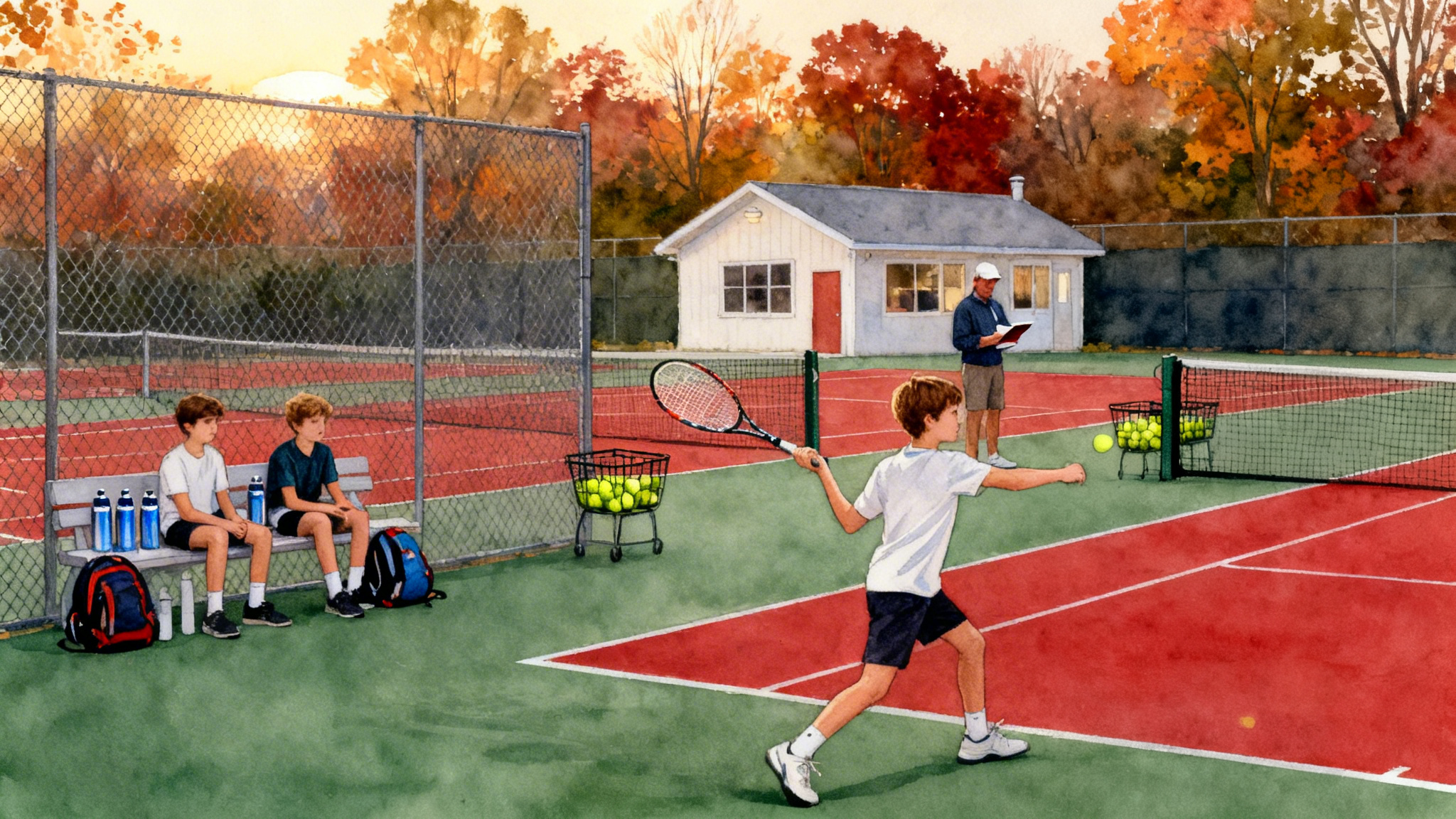
How to evaluate an academy fit
- Coaching ratio and eyes on court: ask for the average coach to player ratio during live hitting, not just feeding blocks. Observe three random sessions.
- Curriculum on paper: request the academy’s technical syllabus for each stroke, including common faults and cue words used to fix them. A good program explains how, not only that.
- Periodization calendar: look for written training and competition blocks across the next 6 to 12 months. Vague promises are red flags.
- Training density and constraints: count balls per hour and note drill design. Do players stand in lines or hit under useful constraints that shape decision making.
- Feedback loop: how often are stroke videos captured and reviewed with the player. Who owns the improvement plan and how is it documented.
- Support team: clarify the lead coach, the strength and conditioning coach, and the physio. Ask how they coordinate after tournaments.
- Character standards: watch how the staff enforces punctuality, warm up detail, and post session recovery. Culture shows up in small habits.
Red flags
- The star coach is rarely on court or is booked with visitors while juniors are delegated endlessly.
- Tournament entries appear ad hoc with no stated goals for each event.
- Nutrition, sleep, and school are treated as individual chores, not parts of one program.
- The academy sells outcomes, not processes, and avoids discussing failure modes.
Building blocks that travel with you
Sinner’s story proves that the right foundations survive a coaching change. Families can protect transferability by focusing on elements that age well. For a parallel case, study how the Ferrero Academy built Alcaraz on repeatable patterns and movement clarity.
- Clean contact and spacing: a player who understands how to find the ball consistently can adapt to any tactic.
- First step speed and recovery steps: movement mechanics survive coach turnover better than complex playbooks.
- Two or three reliable patterns per surface: for instance, backhand redirect line, forehand cross, and inside in forehand after a wide serve.
- A simple, shared language: cue words that travel from notebook to new coach without translation issues.
Recognizing it is time to change environments
Staying loyal is admirable, but loyalty should not cost development. Use these objective checks every four to six months.
- Plateau test: are key metrics improving. Track first serve percentage, return depth, approach success, and break points converted. If numbers flatline for two or three cycles while effort is high, zoom out.
- Injury patterns: recurrent niggles in the same chain, such as back or adductor, often signal programming gaps.
- Tactical blindness: if the player repeats the same match mistakes without timely adjustment, it may reflect a limited feedback system.
- Energy audit: if the athlete dreads training blocks or recovers poorly between events, the workload or environment may be mismatched.
If two or more flags persist after a transparent conversation with the staff and a clear corrective plan, explore other options. Exit with gratitude, own the decision, and take your technical files with you.
A sample eight week block for ambitious juniors
Below is a blueprint families can adapt. It borrows from the Bordighera structure without pretending to replicate it.
Weeks 1 to 2: Technical consolidation
- Strokes: forty five minutes per day of constrained repetitions per wing. Examples include backhand cross from inside the baseline with height target, forehand inside out on a short feed with a recovery step rule.
- Movement: daily pattern of split step, unit turn, contact, recover to a tethered cone to engrain geometry. For deeper cues, use our split step timing guide.
- Serve: two focused serve days per week, one on rhythm and balance, one on location and shape.
- Strength: three sessions per week, full body, with emphasis on ankle stiffness, hip rotation, and posterior chain.
- Video: one full technical review per week with clip notes and cue words.
Week 3: Matchplay emphasis
- Three match days with protected goals, such as two balls above net height to the big part of the court before changing direction.
- One pattern rehearsal day matching the goals.
- One recovery day with mobility and contrast therapy basics.
Weeks 4 to 5: Competition window
- Enter one tournament with a target of two to three matches per week.
- Daily debrief on serve patterns used, return position outcomes, and first strike percentage.
- Light technical tune ups between matches, not rebuilds.
Week 6: Recovery and audit
- Two days fully off court except for a light flush.
- One technical review session and one tactical meeting to set the next block.
Weeks 7 to 8: Build with intent
- Add a new layer, such as net finishing after a wide serve on the deuce side, or a second serve return step in.
- Maintain core reps on strengths to protect identity.
The role of parents in a relocation
Parents are not passive. They are performance architects. Three responsibilities matter most.
- Choose environments, not personalities: a single charismatic coach is less durable than a system with shared standards and documentation.
- Protect recovery: sleep schedule, nutrition planning, and school rhythm decide whether training converts into adaptation.
- Keep the long view: resist chasing weekly ranking bumps. Value added skill over added miles.
A note on early contact for coaches
Many coaches want their players to take the ball early but struggle to train it safely. Borrow two simple constraints from Sinner’s toolkit.
- Inside baseline start: place a foot marker half a shoe inside the baseline for backhand and forehand drills. The player must recover to the marker after every hit, which nudges court position forward.
- Time squeeze with height: feed lower and quicker, but demand a net height window of at least one ball over the tape. This builds earlier contact without inviting reckless, flat swings.
These constraints force adaptation. Players learn to shorten the swing, prepare earlier, and move their feet without conscious thought.
The lasting imprint of Bordighera
Piatti’s program left fingerprints that you can still see in Sinner today. Watch his return position creep forward on second serves. Notice the way his backhand meets the ball like it is reading the slope of a mountain. The technical clarity built in those teenage years made later upgrades possible. When he joined Simone Vagnozzi and Darren Cahill in 2022, the base held firm, and the new edges sharpened.
For families, the lesson is not to chase a famous name. It is to chase repeatable work inside a coherent plan. The location could be alpine or coastal. What matters is the standard, the calendar, and the daily density of quality touches.
Closing thought
Sinner’s journey runs from snow gates in South Tyrol to baseline lines in Bordighera, and on to Grand Slam courts. The constant is a commitment to a fast, clean line. If your player is hovering at the crossroads between home comfort and a bigger stage, copy the parts that do not age. Build a foundation that travels, choose an environment that teaches, and stay brave enough to change when the next stage demands it. The right line is the one that gets you on time, every time.