Year-Round Tennis in Vilnius and Warsaw: SEB and Kozerki
 Tommy
Tommy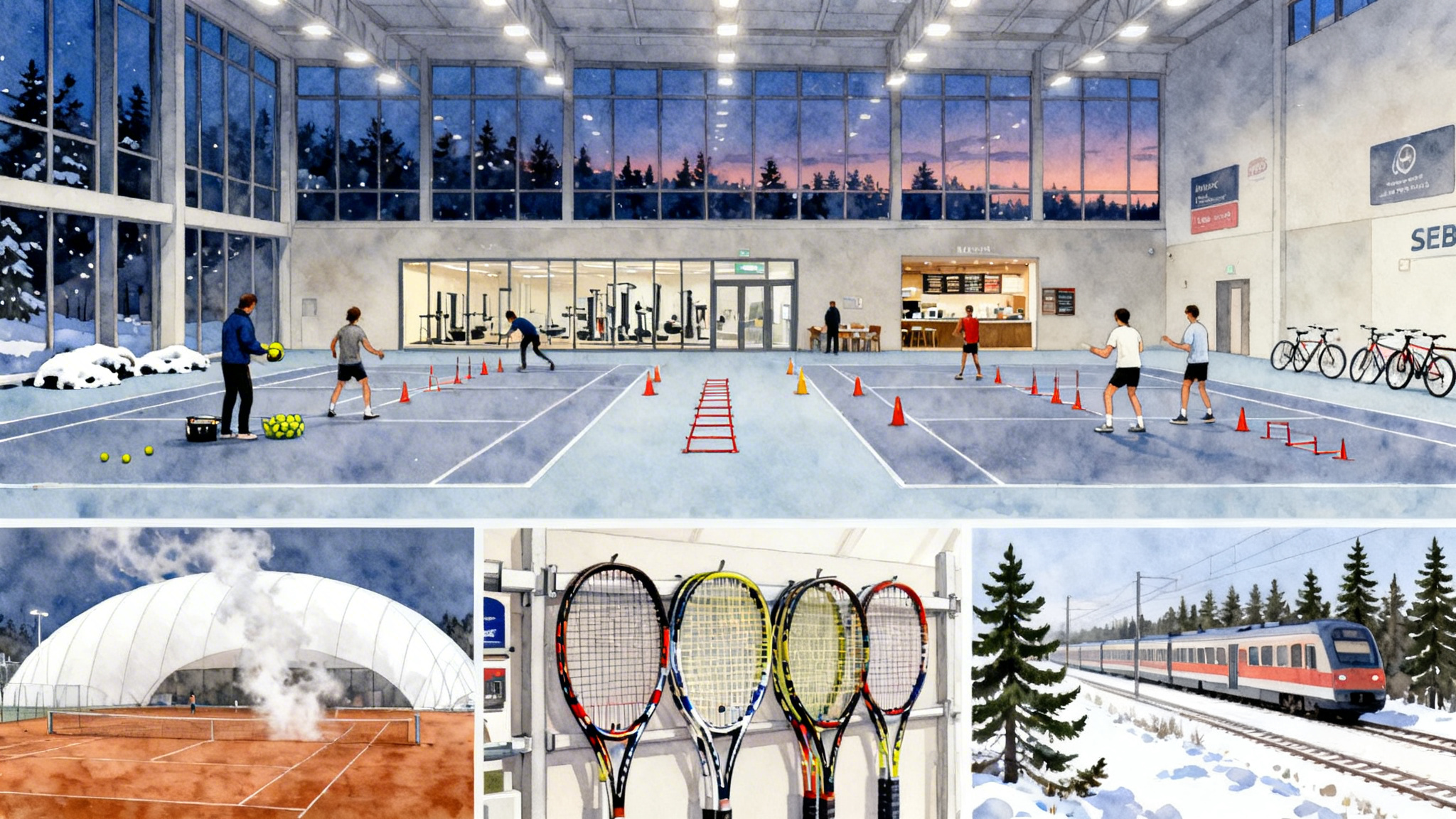
Why these indoor hubs solve the winter problem
If your tennis year stalls every time the temperature drops, Northern Europe has a practical fix. Vilnius and Warsaw have built indoor ecosystems that treat winter like a training advantage rather than a setback. The concept is simple: put dozens of courts under roofs with reliable lighting, stable temperatures, and consistent bounces, then run daily programs that continue whether it is blue skies or sleet outside. Athletes and coaches stop negotiating with the weather and start stacking predictable training blocks.
Climate proof in this context means more than a roof. It means stable scheduling, redundant court inventory so sessions do not collapse during maintenance, on-site fitness and recovery rooms so you do not lose time in transit, and an operations team that acts like an airline desk. When snow falls in January, a well run indoor hub can feel like a metronome. You get your hours, your reps, and your matches.
The anchors: SEB Arena in Vilnius and Tenis Kozerki near Warsaw
Two facilities stand out for North American players who want both structure and scale.
-
SEB Arena in Vilnius: A vast multi court complex with indoor hard and indoor clay options, full gym, café, pro shop, and performance programs for adults and juniors. It is the home base for Vilnius Tennis Academy and hosts national events. Explore programs at the Vilnius Tennis Academy at SEB Arena.
-
Tenis Kozerki near Warsaw: A modern training village on the edge of Grodzisk Mazowiecki with indoor halls, seasonal clay under bubbles in the colder months, outdoor clay for spring and summer, and integrated lodging on site or within a short drive. Review the campus profile for the Tenis Kozerki training campus.
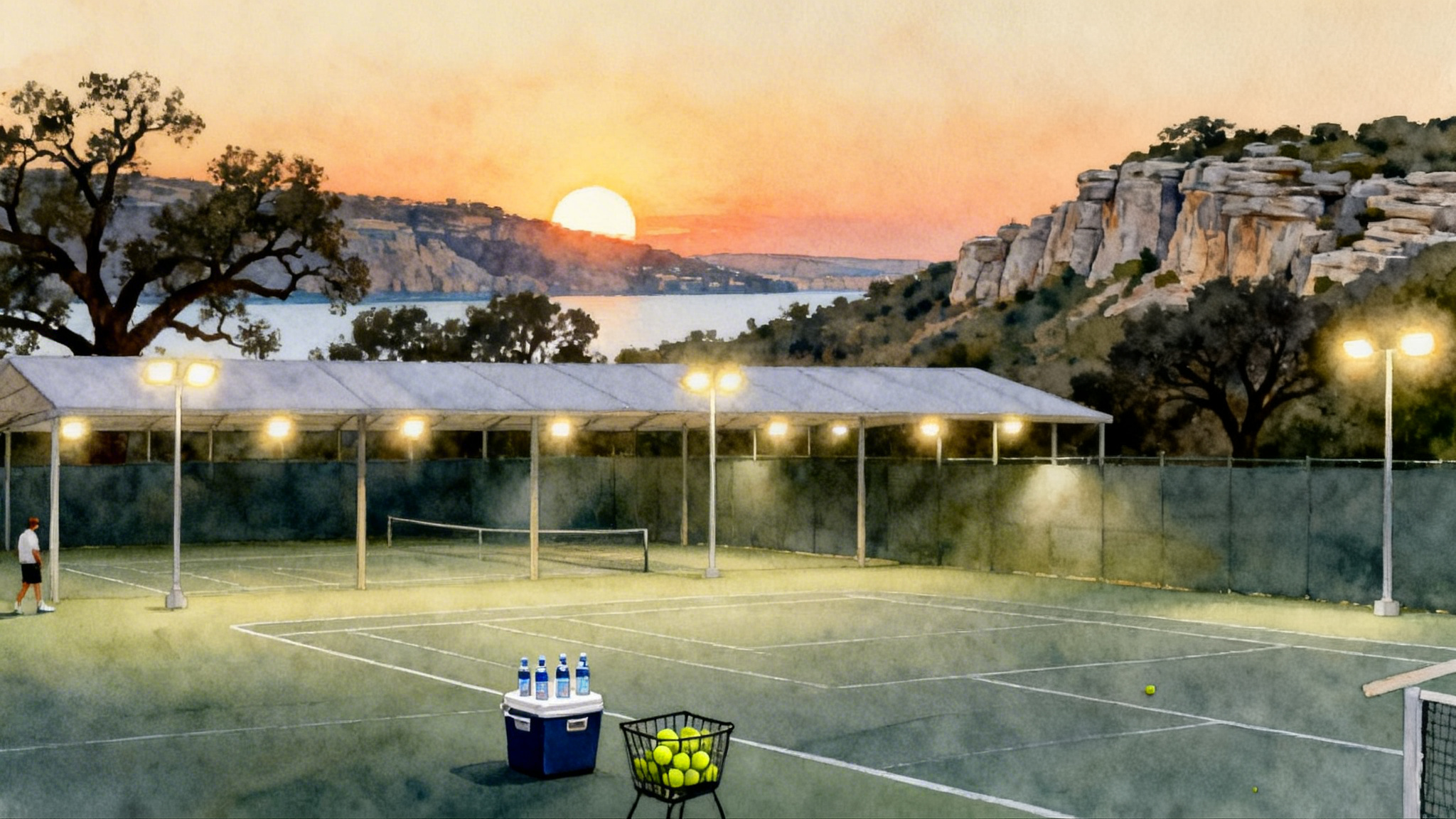
Both sites run like airports. Courts turn over on the hour, ball carts roll to the next drill, and staff coordinate fitness blocks around court time. This rhythm is what makes a training block feel like a block, not a set of scattered sessions.
Getting there from the United States
Flight patterns and time in transit
-
To Warsaw: Warsaw Chopin Airport sits on major transatlantic routes. From New York, Boston, or Chicago you can reach Warsaw on nonstop or one stop itineraries. Expect about eight to ten hours in the air eastbound and a bit longer westbound. From the airport, Kozerki is roughly 45 to 60 minutes by car depending on traffic.
-
To Vilnius: Vilnius International typically requires one connection from most United States gateways, often through Amsterdam, Frankfurt, or Warsaw. Door to door from the East Coast usually runs ten to twelve hours in the air plus transfer time. The arena sits within city limits and is reachable by taxi or ride share in 15 to 25 minutes.
If you plan to combine both hubs in one trip, Warsaw to Vilnius is an easy hop by air or a half day by road. Trains and coaches connect Warsaw to the Tricity coast as well, which helps if you add summer clay weeks in Sopot or Gdansk.
Time zones and your first session
- Warsaw is typically six hours ahead of Eastern Time.
- Vilnius is typically seven hours ahead of Eastern Time.
Land in the morning, nap two hours max, then hit a light one hour session with a technical focus and low heart rate. Save live ball and points for day two. The goal is to shift your body clock while protecting movement quality.
Typical costs and how to budget
Actual prices vary by season and by time of day, but these ranges will help you sketch a realistic plan.
- Indoor court rental: About 20 to 40 euros per hour off peak, 35 to 55 euros in prime evening hours. Indoor clay under a bubble may price slightly higher than hard courts when demand spikes in late winter.
- Adult group clinics: Ninety minute technical or live ball sessions typically fall in the 25 to 45 euros range per person, with four to eight players per court. Small group custom sessions with a named coach can be 40 to 60 euros per person.
- Private coaching: One to one instruction often runs 60 to 100 euros per hour, depending on coach pedigree and language needs. Video analysis or on court filming may add 10 to 20 euros if you want edited clips.
- Junior performance blocks: Weekly half day programs land in the 250 to 450 euros range. Full day options with fitness and match play can sit between 400 and 700 euros per week. Tournament coaching is usually an add on per match or per day.
- Balls and stringing: A pressurized can runs 5 to 8 euros. Same day stringing is about 15 to 25 euros plus string, more for natural gut or hybrid jobs.
- Housing: In Vilnius, serviced apartments near the city center and a short ride to the arena can be 50 to 90 euros per night in winter. In Kozerki, on site or nearby lodging budgets about 60 to 110 euros per night in winter, more in peak summer near Warsaw. Families can find better value week to week on longer stays.
- Local transport: Rides in Vilnius across town are often under 10 euros. A rental car at Kozerki simplifies early sessions and grocery runs. Factor 25 to 40 euros per day for a compact in winter with insurance.
The pattern is consistent. Winter is the value season for flights and accommodation. Court time is abundant on weekday mornings and early afternoons. Book prime evening slots and larger groups well ahead.
Surface mix and what your feet will feel
You will meet three common surfaces in these hubs.
- Indoor hard: Acrylic over cushion or concrete. The bounce is true, footwork feels snappy, and the ball comes through the court. Shoes with fresh outsoles and cushioning will save your knees during volume weeks.
- Indoor clay under a bubble: Clay plays a touch slower and rewards longer points. Movement requires sliding control. Bring clay specific shoes with a herringbone tread, and pack a small towel since humidity under the bubble can raise the moisture on balls during long drills.
- Outdoor clay for summer add ons: Once the bubbles come down in late spring, you can live on clay. Court speed varies with watering and sun. Build your serve patterns around higher first serve percentages and more body serves that set up the first forehand.
Switching between hard and clay in the same week is not a problem if you plan it. Put technical reps and serving on hard courts and make your live ball and point construction on clay. Your joints will thank you and your transition game will sharpen.
Program styles: adults and juniors
The two hubs share a similar backbone, but they speak to different needs.
Adults
- Technical mornings: A classic ninety minute block starts with a 15 minute warm up, then high ball and low ball forehand patterns, backhand depth drills, and a serve plus one sequence. The focus is on clean shapes and footwork ladders.
- Live ball afternoons: Two on two wave drills at neutral pace, then pressure games like 21 or king of the court. Finish with returns into cross court patterns.
- Fitness: Movement circuits in the gym or on a spare court. Expect resisted sprints, lateral hops, and trunk stability. You will finish with calf and hip mobility that makes the next day easier.
- Match play: One to two sessions per week with set play and coaching feedback between games. Baseline targets and serve placement charts are common.
Juniors
- Periodized weeks: Technical focus early week, volume in the middle, competition near the end. On court tracking covers first serve percentage, rally ball tolerance, and forehand depth.
- Integrated fitness: Strength for age, speed ladders, and landing mechanics. Coaches track jump counts and sprint meters to manage load.
- Competition: Practice sets daily and weekend match blocks. Many juniors pair the hub training with local tournaments when available.
Coaching language is rarely a barrier. English is common on staff, and the feedback is direct. Expect a measured style that favors decision rules over motivational slogans. You will hear phrases like play heavy cross until short, then attack line, not generic play aggressive.
Build a winter to summer plan
The sweet spot is to use Vilnius or Kozerki for a winter foundation, then slide into summer clay weeks across the Baltics and Poland. Here is a practical way to stack it.
Step 1: Lock the winter block
Pick a two to four week window between January and March. Fly to Warsaw or Vilnius. Choose the hub that fits your travel pattern.
- If you want more one stop flight options and a big city airport, base at Kozerki near Warsaw. You will have an easier time with rental cars and regional rail for weekend trips.
- If you value a compact city with short ride times and a large indoor complex in one location, pick Vilnius and SEB Arena.
Book court time or clinics plus two private sessions per week. Add two fitness blocks. Keep one evening free for recovery or light social hits.
Step 2: Layer technical targets
For adults, pick two shot families. A common pairing is forehand cross to inside out plus body serve patterns. For juniors, set metric targets. For example, first serve percentage at 60 percent or better and rally tolerance at eight neutral balls before a pattern change.
Step 3: Add a spring or summer clay circuit
From late May through August, clay blooms across the region. Good add on bases include:
- Vilnius and Kaunas: City clubs reopen outdoors. Morning clay with quiet courts before work hours is common.
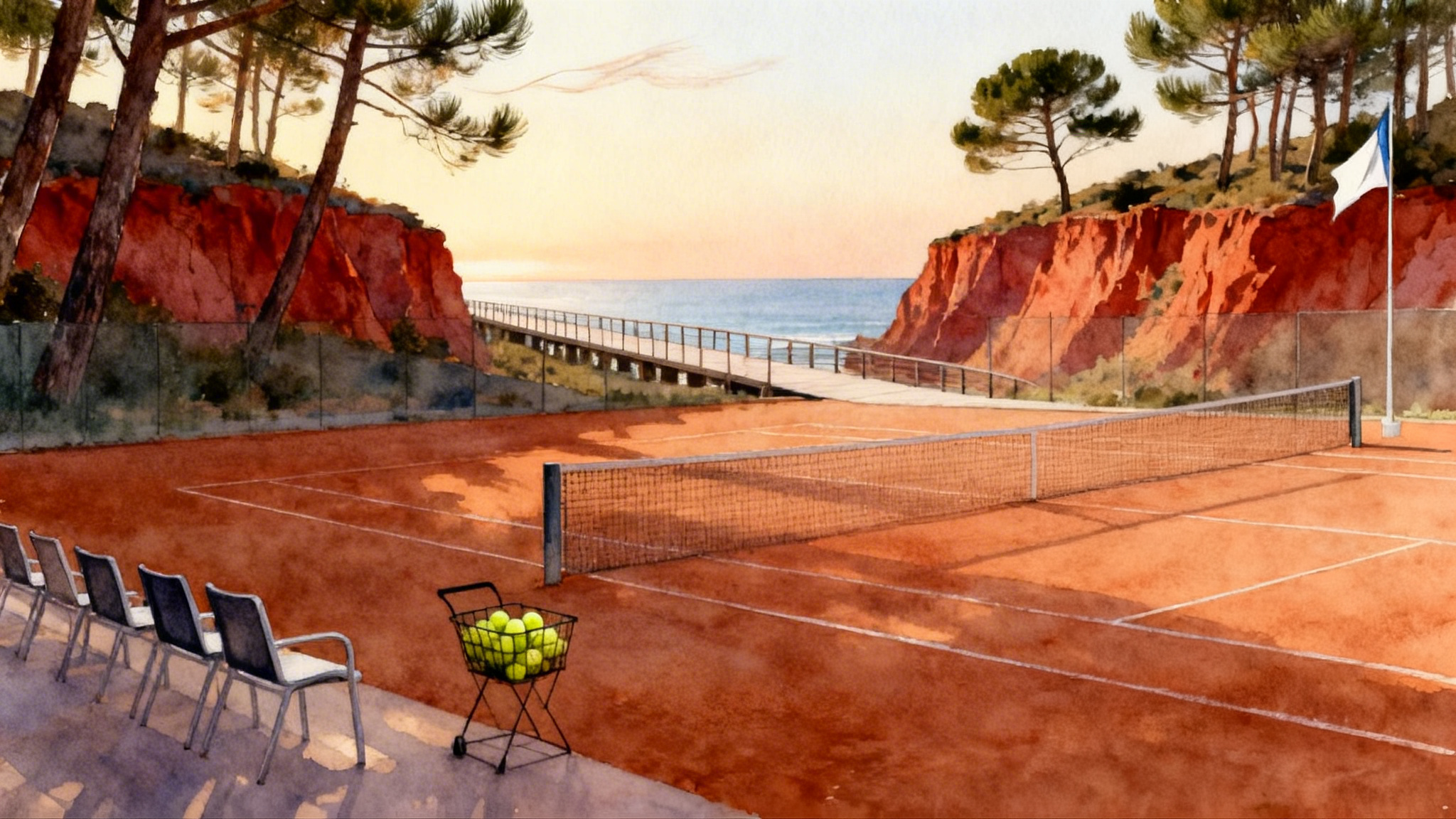
- Sopot and Gdansk: Sea air, rows of red clay, and match play options. Warsaw to Sopot by high speed rail in about three hours makes it a simple weeklong detour.
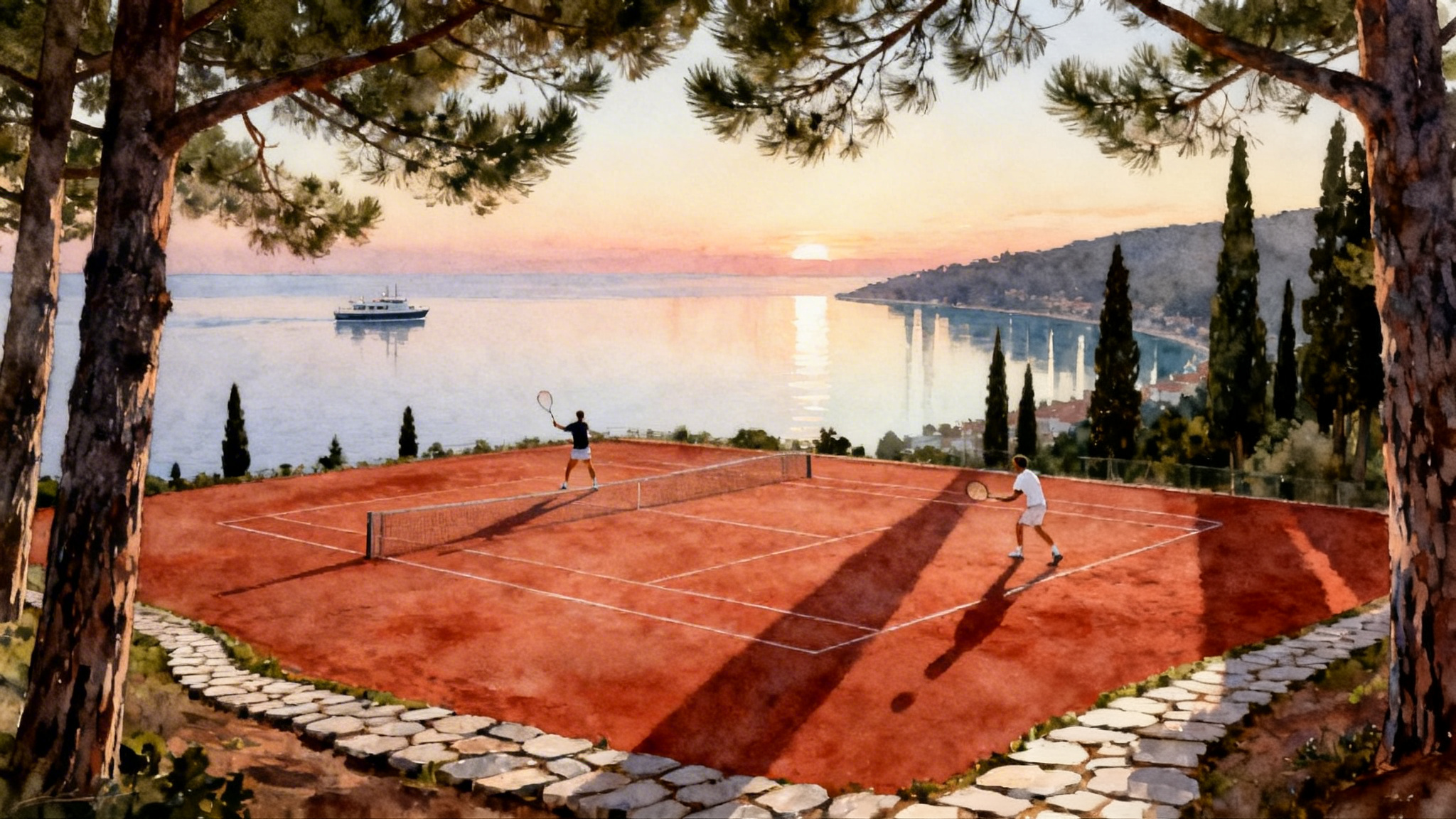
- Jurmala near Riga: Pine trees, sea breeze, and sandy paths to clay clubs. Combine with a cultural weekend in Riga.
If you want a southern option that pairs well with this circuit, see our French Riviera Spring Clay guide.
For adults, book one to two weeks on clay with two match play sessions each week. For juniors, stack three weeks, then test skills in two tournament weekends.
Sample itineraries you can copy
Ten day adult reset in Vilnius
- Day 1: Land, nap, one hour technical hit on hard. Light dinner and walk.
- Day 2: Ninety minute stroke session plus gym movement circuit. Evening recovery swim.
- Day 3: Live ball on clay under a bubble. Private session for serve placement.
- Day 4: Match play sets with coaching feedback between games.
- Day 5: Rest morning. Afternoon technical on backhand depth.
- Day 6: Live ball, then fitness with lateral hops and trunk rotation.
- Day 7: Match play, dinner with teammates.
- Day 8: Two shorter hits, one on returns and one on transition volleys.
- Day 9: Free morning. Afternoon point construction on clay.
- Day 10: Taper hit, pack, and fly.
Three week adult build at Kozerki with a Sopot add on
- Week 1 at Kozerki: Three clinics, two privates, two fitness blocks, one match play.
- Week 2 at Kozerki: Repeat volume with higher live ball intensity and serve targets.
- Week 3 in Sopot: Outdoor clay. Two technical mornings, two match play afternoons, one private for drop shot and short angle tools.
Six week junior block split across hubs
- Weeks 1 to 2 in Vilnius: Technical baseline, serve percentage goals, and daily practice sets.
- Weeks 3 to 4 in Warsaw area: Higher intensity, return games, and pattern play under time pressure.
- Weeks 5 to 6 on the coast: Clay adaptation, longer points, and two weekend events if the schedule permits.
Practical tips that save money and time
- Booking window: Reserve prime evening courts and popular coaches three to four weeks ahead in winter. Off peak slots can be booked week by week on arrival.
- Equipment: Bring two pairs of shoes, one for hard and one for clay, plus spare socks and a small shoe brush for clay dust. Pack a compact foam roller and a medium resistance band.
- Balls: Wet winter air can make balls feel heavier under bubbles. Start with a fresh can per session for clean feedback on ball speed.
- Stringing and tension: Many players drop one to two kilograms on indoor hard in winter to add comfort, then add it back on outdoor clay in summer.
- Recovery: Use short sauna or contrast showers if available, then ten minutes of easy spin on a bike. Sleep is your main recovery tool, so keep late dinners limited.
- Language and social play: Staff speak English and the tennis culture is open. Ask the desk about mixed doubles evenings and open play ladders to add a social layer without losing training quality.
- Insurance and paperwork: Carry proof of medical insurance that covers sport. United States passport holders can usually visit Schengen countries visa free for up to 90 days in any 180 day period. Check passport validity and entry rules before booking.
- Finding sessions fast: For mixed travel parties, split bookings between structured clinics and open court reservations. A simple spreadsheet or shared calendar will keep your schedule in one place.
How SEB and Kozerki differ in daily feel
- Scale and flow: SEB concentrates many courts under one roof in the city. Courts at Kozerki has a campus feel with halls, outdoor clusters, and nearby lodging. Walking between blocks is part of the rhythm.
- Clay availability: Both hubs offer indoor clay in winter, though availability can shift with local league schedules. In late spring and summer, Kozerki leans more heavily to outdoor clay across its campus, while SEB remains a reliable hard indoor play even in shoulder seasons.
- Surroundings: Vilnius offers a compact old town, coffee shops, and easy taxi rides. Kozerki trades urban density for quiet nights and fast access to Warsaw for day trips.
Neither is strictly better. Choose the one that fits your travel map and your preferred training atmosphere.
A clear action plan
- Pick your window. Two to four winter weeks give you time to change patterns, not just touch skills.
- Choose the hub that matches your flights. Warsaw for the simplest routes, Vilnius for single campus convenience.
- Budget with realistic ranges. Plan for court, coaching, and housing up front. Add a small buffer for stringing and transport.
- Lock two privates per week around your clinics to protect your technical goals.
- Add a summer clay segment to test what winter built. Start with one to two weeks for adults and three weeks or more for juniors.
- Track your two or three performance metrics. Serve percentage, rally tolerance, and forehand depth are a strong trio.
Conclusion: turn winter into your competitive edge
When weather stops being the lead character in your tennis story, training becomes simple. Vilnius and Warsaw have built the kind of indoor infrastructure that lets you own your calendar. You can fly in from the United States, stack reliable hours on hard and clay, and leave with skills that transfer directly to summer courts across the Baltics and Poland. Choose a hub, book smart, and build your year as a sequence of blocks that talk to each other. Winter becomes the season where you quietly pass people. By the time the sun sits high over red clay in June, you will have already done the work.