Hot-Weather Tennis Guide: Hydration, Acclimation, Cooling
 Tommy
Tommy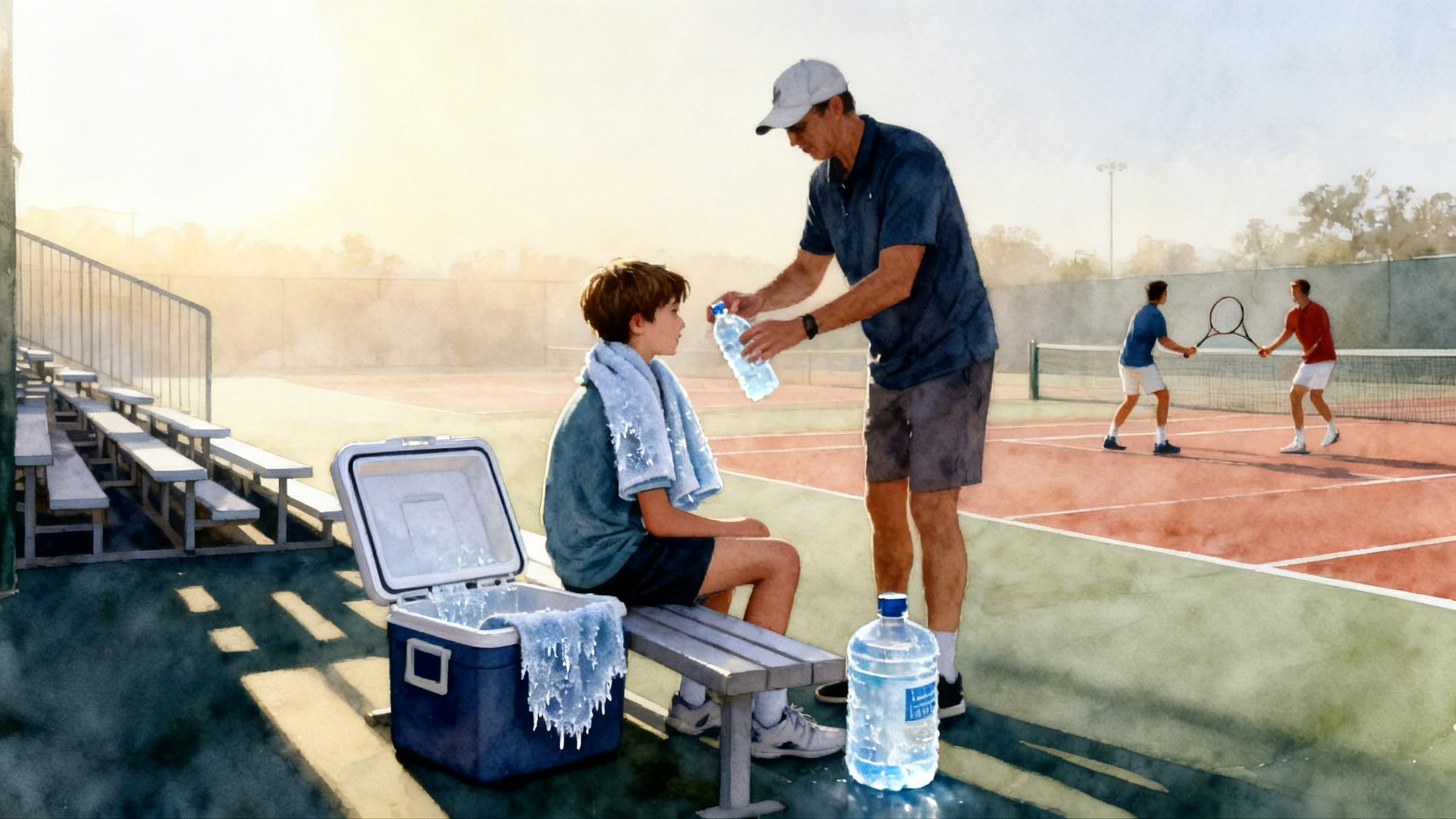
Why hot-weather tennis needs a plan
Tennis in late spring and summer is not just more of the same with extra sunscreen. Heat changes the sport. Players move differently, decision making slips sooner, and cramps or headaches can knock out a match that was otherwise winnable. The good news is that heat is a predictable stress. You can blunt it with a short acclimation build, targeted hydration and sodium, and simple cooling habits that fit inside changeovers.
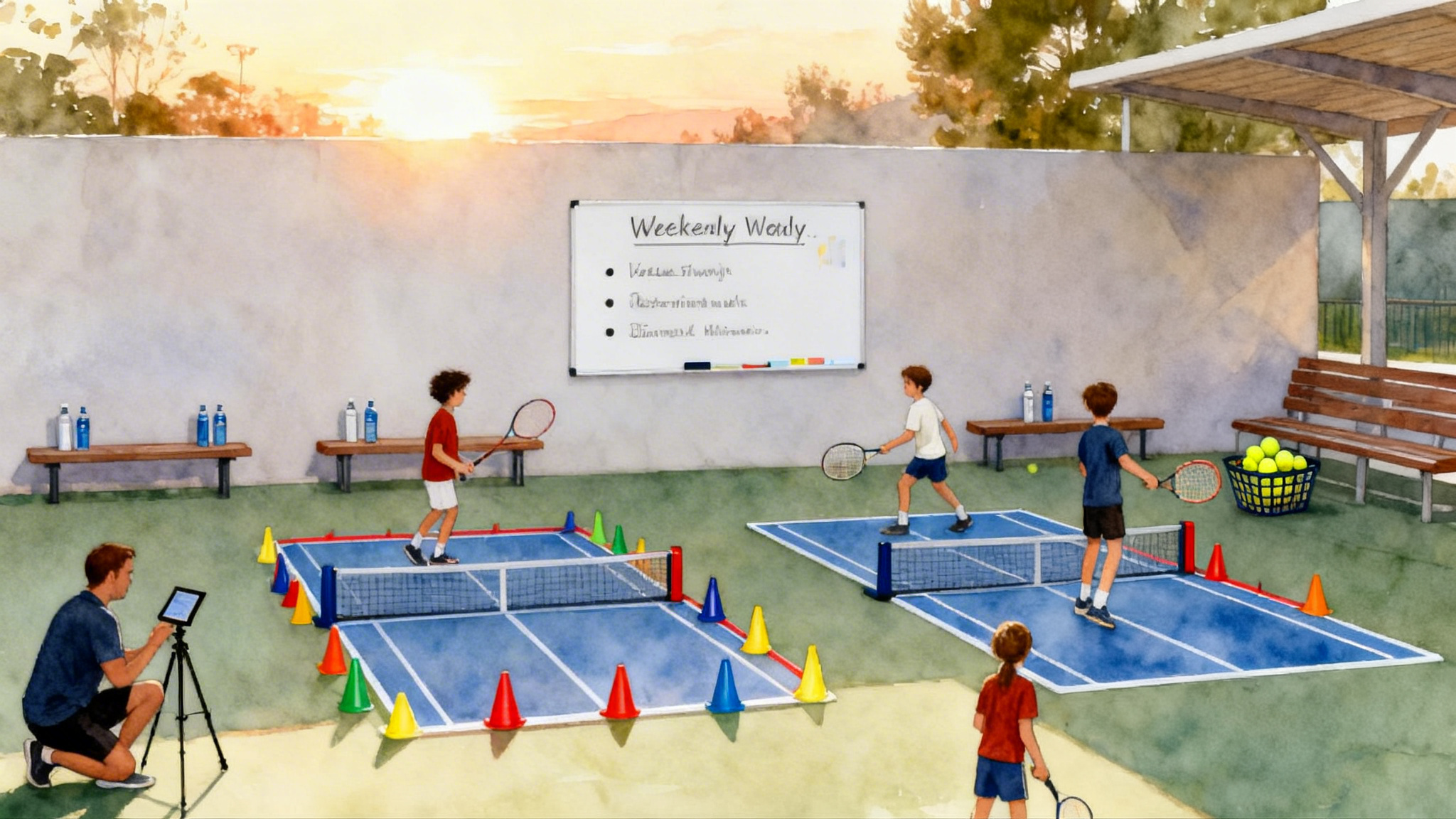
This guide speaks to three groups that share courts but manage heat differently: juniors training after school, parents running logistics courtside, and adult league players squeezing practice around work. Everything here translates science into simple checklists, then finishes with a Texas-tested sample week from Legend Tennis Academy in Austin.
The science in plain language
Your body is a thermostat with three dials you can train:
- Sweat rate: how fast you can move heat to the skin. With acclimation, you start sweating earlier and more efficiently.
- Plasma volume: how much circulating fluid you have to carry heat away. This expands with consistent heat exposure and good hydration.
- Sodium conservation: the body wastes less sodium in sweat after repeated hot sessions, but that adaptation is partial, not total.
When any dial falls behind the day’s heat, core temperature climbs, effort feels harder, and tactics suffer. The fix is not heroic toughness. It is a stepwise acclimation plan, enough fluid to replace meaningful losses, enough sodium to keep the system firing, and structured cooling during breaks.
Your 10 to 14 day heat acclimation plan
Use this plan when daily highs begin moving into the upper 80s and 90s Fahrenheit. The goal is steady exposure without overreach. If air quality is poor or you feel unwell, delay a day.
- Days 1–3: 45 to 60 minutes of easy-to-moderate on-court work in the coolest part of the day. Emphasize footwork ladders, cooperative rallying, and serve progressions. Sip 12 to 20 ounces during the hour. Between drills, apply a cool towel to neck and forearms for 60 to 90 seconds.
- Days 4–6: 60 to 75 minutes at moderate intensity. Add 10 to 15 minutes of exposure to warmer hours by starting a bit later, but still finish before peak heat. Introduce live-ball games and 6 to 8 point play. Target 16 to 24 ounces during the session. Add 300 to 600 milligrams of sodium across drink and snack.
- Days 7–9: 75 to 90 minutes. Include set play at 70 to 80 percent match effort. Schedule at least a third of the session in warmer conditions. Maintain 20 to 28 ounces of fluid with 400 to 800 milligrams of sodium.
- Days 10–12: 90 to 105 minutes with a full set, full-changeover timing, and warmest reasonable start time. Plan 24 to 32 ounces of fluid and 600 to 900 milligrams of sodium.
- Days 13–14: 90 to 120 minutes. Match-day simulation with structured cooling at every changeover. Expect 24 to 36 ounces of fluid and 700 to 1,000 milligrams of sodium.
Notes for parents and adult captains:
- Rest days: insert at least one easy day after Day 6 or Day 7. Skill work in shade, light mobility, and short serves count.
- Gear test: rotate hats, sunglasses, wristbands, and socks from Day 4 onward to discover what is comfortable when soaked.
- Monitor body weight: weigh before and after sessions. If a player loses more than 2 percent of body weight, increase during-session fluid next time.
Hydration and sodium targets by session length
Everyone sweats differently. Start with these targets, then personalize using pre and post body weight checks. One pound lost equals roughly 16 ounces of fluid deficit.
Pre-session (2 to 3 hours before):
- Drink 12 to 20 ounces of water or a light sports drink.
- Include 300 to 500 milligrams of sodium across drink and snack. A salted bagel, pretzels, or an electrolyte tablet works.
Pre-session (10 to 20 minutes before):
- Drink 8 to 12 ounces. This tops off fluid without sloshing.
During session targets by length:
- 30 minutes: 8 to 12 ounces of fluid. If you are a salty sweater or the day is above 90 Fahrenheit, include 200 to 300 milligrams sodium.
- 60 minutes: 16 to 24 ounces, split across changeovers. Include 300 to 600 milligrams sodium.
- 90 to 120 minutes: 24 to 36 ounces, steady sipping each changeover. Include 600 to 1,000 milligrams sodium.
- Tournament day blocks of 3 to 4 hours with breaks: aim for 16 to 24 ounces per hour on average. Include 600 to 1,000 milligrams sodium per hour and 30 to 60 grams of carbohydrate per hour from sports drink, chews, or fruit and crackers.
Post-session (within 2 hours):
- Drink 16 to 24 ounces per pound of body weight lost during play. Include 500 to 700 milligrams sodium through drink or food to help retention.
Choosing drinks and snacks:
- A sports drink in the 3 to 6 percent carbohydrate range is useful for 60 minutes or longer. If you prefer water, add a salty snack or an electrolyte tablet.
- Cold fluids feel better and can improve intake. Keep bottles in a small cooler or insulated sleeve.
- If a player dislikes sweet drinks in heat, alternate water with bites of salted crackers, pretzels, or a small turkey sandwich.
Safety guardrails:
- Do not chug more than you sweat. A rough upper intake limit during play is about 24 to 28 ounces per hour for most juniors and many adults. Use body weight checks to dial this in.
- If you feel bloated, nauseated, or develop a headache despite drinking, pause and reassess. Too much low-sodium fluid can be part of the problem. Shift to salted foods or an electrolyte drink and reduce volume.
Cooling strategies that fit inside changeovers
You do not need fancy gadgets. Build a small, repeatable routine.
- Ice towel method: roll two thin cotton towels, soak in water, wring, place in resealable bags, and freeze overnight. On court, drape one across the back of the neck and over the forearms for 60 to 90 seconds at changeovers. Rotate towels between freezer packs in the cooler.
- Frozen bottle double duty: freeze one bottle that you will not drink from. Use it as a cold press on the neck or inner elbows between games, then let it melt for later.
- Shade smart: place your chair or bag in the largest patch of shade, even if it is not directly beside the bench. A five foot shift changes radiant load more than you think.
- Evaporative pass: mist arms and neck with a small spray bottle and fan for 20 to 30 seconds. Evaporation is the point, not pure ice.
- Forearm dip: if a team tent or academy setup allows, submerge forearms in a small cooler for 60 to 120 seconds between sets. This cools blood near the surface.
- Clothing choices: light colors, breathable fabrics, and a brimmed hat. Swap wristbands and shirts that become fully soaked. Dry fabric evaporates better.
Warning signs to monitor and exact actions to take
Know the early flags and what to do in the moment. Parents and captains should rehearse these steps.
- Heat cramps: painful, involuntary contractions during or after play. Action: stop, gently stretch, and replace sodium with a salty snack or electrolyte drink. Resume only after pain resolves and movement looks normal.
- Heat exhaustion: heavy sweating, weakness, cool and clammy skin, headache, dizziness, or nausea. Action: stop immediately, move to shade, apply cold towels, sip electrolytes in small amounts, and monitor closely. Do not resume play the same day.
- Heat stroke: hot or dry skin, confusion, fainting, or collapse. Action: call emergency services, begin aggressive cooling with ice towels and cold water immersion if available, and maintain airflow. This is life threatening. Do not delay cooling while waiting for help.
Texas-tested sample week from Legend Tennis Academy in Austin
Here is a pre-summer week designed for upper 80s to mid 90s Fahrenheit. It blends the acclimation steps above with real logistics families can manage. Juniors are listed first each day, then adult league options for players training before or after work.
Monday
- Juniors, 7:30 to 8:45 a.m.: easy footwork, cooperative rallying, 10 minutes of serve and return. Hydration: 16 ounces total during practice, 300 milligrams sodium. Cooling: ice towel at two changeovers.
- Adults, 6:30 to 7:45 p.m.: same content adjusted to evening heat. Hydration: 16 to 24 ounces, 300 to 500 milligrams sodium. Cooling: shade the bench and rotate a frozen bottle on the neck.
- Parent task: weigh player before and after. Aim for less than 1.5 percent body weight loss today.
Tuesday
- Juniors, 8:00 to 9:15 a.m.: live-ball drills, approach and volley, 8 to 10 point play. Hydration: 20 ounces, 400 to 600 milligrams sodium. Cooling: forearm dip between blocks if available.
- Adults, 6:00 to 7:30 p.m.: doubles patterns, serve plus one. Hydration: 20 to 28 ounces, 400 to 700 milligrams sodium.
- Parent task: prep two frozen towels and one frozen bottle. Keep in a small cooler with ice packs.
Wednesday
- Juniors, 7:30 to 8:45 a.m.: skill consolidation, shadow movement, mobility. Hydration: 16 ounces, 300 milligrams sodium. Cooling: prioritize shade, shorter work sets.
- Adults, 6:30 to 7:45 p.m.: hitting session at moderate intensity. Hydration: 16 to 24 ounces, 300 to 500 milligrams sodium.
- Parent task: midweek snack check. Stock pretzels, crackers, and fruit cups.
Thursday
- Juniors, 8:00 to 9:45 a.m.: match play set with full changeovers. Hydration: 24 to 32 ounces, 600 to 900 milligrams sodium. Cooling: ice towel every changeover, spray and fan at set break.
- Adults, 7:00 to 8:45 p.m.: league match simulation. Hydration: 24 to 32 ounces, 600 to 900 milligrams sodium.
- Parent task: talk tactics and heat. Ask, what did you feel at 30 minutes, 60 minutes, 80 minutes, and what helped?
Friday
- Juniors, 7:30 to 9:00 a.m.: serve, return, and plus-one patterns, then two tiebreakers. Hydration: 24 ounces, 500 to 800 milligrams sodium. Cooling: rotate shirts and wristbands.
- Adults, 6:30 to 8:00 p.m.: doubles returns, poach timing, 12-point breakers. Hydration: 20 to 28 ounces, 400 to 700 milligrams sodium.
- Parent task: check gear. Replace flaking grips and swap in lighter socks if feet are soggy by 45 minutes.
Saturday
- Juniors, 8:00 to 10:00 a.m.: tournament rehearsal, two short sets, coaching on changeover routines. Hydration: 32 to 40 ounces across two hours, 800 to 1,000 milligrams sodium, 30 to 45 grams carbohydrate per hour. Cooling: forearm dip between sets, ice towel each changeover.
- Adults, 7:30 to 9:30 a.m. or 6:00 to 8:00 p.m.: choose cooler window based on schedule. Hydration: 28 to 36 ounces, 700 to 1,000 milligrams sodium. Carbohydrate 30 to 45 grams per hour if play exceeds 90 minutes.
- Parent task: pack two backups of everything, especially towels and socks.
Sunday
- Juniors and adults: optional light hit or full rest. Walk, mobility, and 20 minutes of easy serves in shade. Hydration: normal fluids with meals. Salt food to taste.
- Family reset: clean and refreeze towels, refill electrolyte tablets in the tennis bag, and set alarms for next week’s cooler morning starts.
The on-court checklist for parents and captains
Use this as a packing and courtside routine.
Packing list
- Two 24 ounce bottles per hour of planned play. One can be a frozen bottle for cooling.
- Two small cotton towels in resealable bags, pre-chilled or frozen.
- Electrolyte tablets or salty snacks that add 300 to 600 milligrams sodium per hour.
- Hat, extra shirt, two pairs of wristbands, sunglasses, and sunscreen.
- Small spray bottle and a hand fan or battery fan.
- Digital scale at home for quick pre and post practice checks.
Courtside routine
- Before warmup: confirm player drank 12 to 20 ounces with some sodium two to three hours ago, and 8 to 12 ounces within 20 minutes of play.
- Every changeover: sip 4 to 6 ounces, apply ice towel for 60 seconds, and seek shade.
- At set break: extra 8 to 12 ounces if tolerated, swap to dry shirt or wristbands, and cool forearms for up to two minutes.
- After play: record body weight change and how much was consumed. Replace 16 to 24 ounces per pound lost over the next two hours, with salty food.
For coaches and adult league organizers
- Schedule smart: shift the most intense drills to the first 30 minutes and finish with technical work. For evening matches, delay warmups until the last 10 minutes before the start to reduce early heat buildup.
- Build cooling into time: insist on using the full changeover, not a quick sip and run. Set a timer for 60 to 90 seconds of active cooling.
- Stock a safety kit: extra towels, electrolyte packets, a thermometer for water in immersion tubs if you have them, and a shade tent.
- Communicate thresholds: declare in advance when to shorten sets or move from full court to half-court constraints based on temperature and humidity.
- Reinforce movement quality under fatigue with the Stop Faster, Play Faster guide.
Troubleshooting the common “what ifs”
- What if school or work forces a hot time slot? Cut total time by 15 to 20 percent, keep intensity high but in short bursts, and double down on cooling. Add 200 to 300 extra milligrams sodium over the session.
- What if the player rarely sweats or stops sweating? That is an urgent red flag when paired with dizziness or confusion. Stop, cool aggressively, and seek medical help.
- What if cramps hit mid match? Pause and take on 300 to 600 milligrams sodium quickly, plus fluid. Gentle stretching may help. Resume only if pain resolves and form returns.
- What if a player is a “salty sweater”? Look for salt crust on hats and shirts. Increase sodium toward the higher end of the target ranges and choose drinks closer to 800 to 1,000 milligrams sodium per liter for long sessions.
- What about younger juniors under 12? Keep sessions shorter, build in more shade breaks, and bias toward the lower end of volume per hour while ensuring some sodium intake.
Related planning resources
- As heat rises, blend fitness and skills using the Clay Season Reset 2026 plan.
- Improve late-match footwork safety with the Stop Faster, Play Faster guide.
Bring it all together
A reliable hot-weather routine is not complicated. It is a rhythm. Build heat tolerance across 10 to 14 days, carry enough cold fluid and sodium to match the session length, and practice a short cooling sequence at every changeover. Parents, you own the logistics that decide whether a great week on court becomes a great month. Players, you control consistency. Adult captains, you set the tone for safer summer tennis in your league.
If you want help turning these checklists into a personal plan you can share with your coach or captain, start with the planning tools on TennisAcademy.app. Plan ahead now, so when the heat hits in June, your tennis stays sharp and your body stays safe.