Junior-to-College Tennis 2026: Month-by-Month Family Plan
 Tommy
Tommy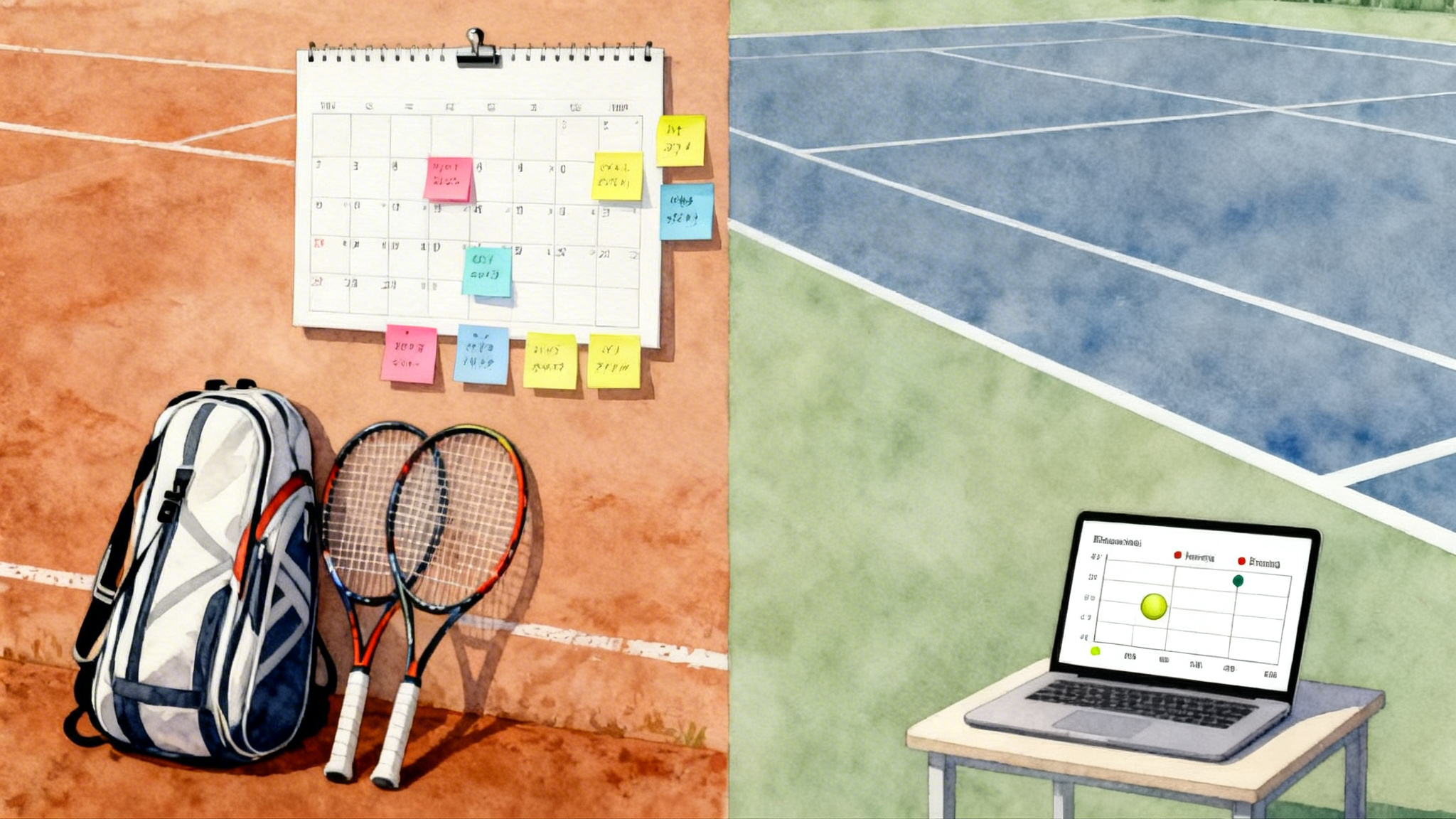
Why this roadmap, and why now
College tennis recruiting rewards families who treat the journey like a season-long match with momentum swings. The right action at the right month multiplies your options; a missed window can quietly narrow them. This guide lays out a practical month-by-month plan from 8th through 12th grade. It shows how to align training and tournament schedules with academics, eligibility checkpoints, outreach to coaches, visits, and the smart use of match analytics to raise recruitability. It also notes where an academy such as Legend Tennis Academy can add structure at each stage.
Two quick ground rules as of February 2026:
- Division I tennis coaches may initiate recruiting communications on or after June 15 following a player’s sophomore year of high school. Official visits are permitted starting August 1 before junior year. Division II timelines are similar; Division III varies by campus and coach preference.
- Eligibility and amateurism certification run through the NCAA Eligibility Center checklist for National Collegiate Athletic Association schools and the NAIA Eligibility Center for National Association of Intercollegiate Athletics programs.
Keep these in view as you read the monthly plan.
How to use this roadmap
- Think in four-week sprints. Each month sets one training focus, one competition decision, one academic task, and one recruiting or visibility action.
- Protect recovery. Schedule at least one light week every eight weeks and two true off weeks per year. Improvements land when the body and mind can absorb work.
- Track what matters. Use simple match analytics to guide training. You will see suggestions for core metrics in each grade. The goal is steady, visible improvement that a college coach can recognize at a glance.
- Adjust for your school calendar. If your school year starts in August, treat that as Month 1; if September, slide one month.
8th grade: Build the base and learn how to compete
Primary goals: build athletic fundamentals, learn to plan a tournament calendar, start a light match data habit, and keep academics predictable.
Recommended weekly training load: 6 to 10 hours on court, 2 to 3 hours athletic development. Two tournament days per month in spring and summer.
Suggested analytics focus: record first serve percentage and unforced errors per set in practice matches. A simple notebook works.
Where Legend Tennis Academy fits: movement screening, grip and swing foundations, growth-spurt injury prevention, and a first pass at a year-round tournament plan. Families often appreciate a coach sitting in for one match per month to teach in-competition problem solving.
Month-by-month
- August: Athletic screen, shoe fit, and racket check. Set a two-term training plan. Pick two local tournaments for fall.
- September: Learn a warm up you can repeat at every tournament. Play one local event. Record serve percentage in each match.
- October: Introduce split-step timing and recovery patterns between shots. Two practice matches this month, with error tallies per set.
- November: One tournament or team match. Add a weekly agility session. Parents, gather grades and note any academic gaps early.
- December: Light month. One mock match with a coach charting three games for feedback. Family meeting to review what worked.
- January: Resume with two focused themes: depth crosscourt and serve placement. One event late in the month.
- February: Add a basic mental routine: between-point breath, a cue word, and a plan. Track double faults per match.
- March: One event. Parents confirm next year’s school course plan lines up with long term goals.
- April: Two practice matches outdoors if you have been indoors. Track forehand errors specifically.
- May: One event. Family checks summer travel options and budget.
- June: Two events, one bigger draw if ready. Measure first serve percentage trend versus winter.
- July: Off week, then a light week. Skill camp or academy week for variety and to meet age peers.
9th grade: Turn habits into measurable progress
Primary goals: consistent tournament schedule, a small highlight of wins against older players, begin building an academic and tennis resume, and keep enjoyment high.
Recommended weekly training load: 8 to 12 hours on court, 3 to 4 hours athletic development. Two to three tournament days per month.
Suggested analytics focus: first serve percentage, break points converted, and unforced errors on the forehand side.
Where Legend Tennis Academy fits: plan the year around your school season, mix in sparring sessions against older players, and begin structured strength basics with supervision.
Month-by-month
- August: Set three stretch tournaments for the next six months. Add two fitness tests you can repeat quarterly, for example shuttle run time and a medicine ball throw.
- September: One event. Collect match stats for two rounds, focus on break points played. Start a shared family calendar with training and school deadlines.
- October: Two events if school load allows. Add a weekly return-of-serve drill block. Update grades.
- November: One event. Ask a coach to watch a pressure set tiebreak. Parents, capture teacher feedback before exams.
- December: Midyear review. Identify one weapon to develop and one liability to reduce by March.
- January: Play up one age group if ready. Track backhand unforced errors. Keep school priorities visible.
- February: One strong regional event. Note which patterns draw short balls.
- March: Evaluate if you can add one out-of-section tournament in summer.
- April: Build two reliable serve patterns on deuce and ad courts. Record first serve percentage by pattern.
- May: Sit down with your coaching team to sketch a summer tournament block.
- June: Two to three events. Test your heat routine, hydration, and post-match recovery.
- July: Off week. Family finance check for the next 12 months. Update your tennis and academic resume document.
10th grade: Foundation meets visibility
Primary goals: strengthen results, raise the level of opponents, and prepare for coach contact that can begin after this school year. Start course tracking for eligibility.
Recommended weekly training load: 10 to 14 hours on court, 3 to 5 hours athletic development. Three tournament days per month in key periods.
Suggested analytics focus: first serve percentage, return depth rate, and errors in the first four shots of the rally. Add a short match debrief template.
Where Legend Tennis Academy fits: quarterly match audits with annotated charts, targeted tournament selection, mock interviews to practice coach conversations, and help registering with the eligibility center at the right time.
Month-by-month
- August: Confirm your core course plan satisfies eligibility requirements. Create or update your profile with the NCAA or NAIA eligibility center as advised by your academy.
- September: Two events. Track return depth percentage, count a ball as deep if it lands beyond the service line.
- October: One event. Parents confirm teacher recommendations for difficult courses and tutoring if needed.
- November: Draft a one page player resume: academics, best wins, tournament plan, coach contacts. Keep it factual, current, and brief.
- December: Video for analytics, not a sizzle reel. Capture two full matches to extract stats and patterns. For a clear shot list and angles, see our 2026 recruiting video guide.
- January: Target one national or sectional championship qualifier by spring. Add a lefty practice partner once per month.
- February: One event. Begin a coach list with 20 programs across levels that match your academics and game style.
- March: Two events if school load allows. Identify two match patterns that produce short balls and two that cause trouble. When choosing events, compare ratings and rankings using our UTR vs WTN 2026 guide.
- April: Complete a mock phone call with a coach. Practice a 60 second self introduction and two questions per school.
- May: Plan for June 15. Make sure your voicemail and email are professional.
- June: After June 15, be ready for possible coach contact. Keep a log of calls and messages. Respond within 48 hours.
- July: Attend one targeted camp or prospect day, not five. Quality of engagement beats quantity.
11th grade: The recruiting year
Primary goals: convert interest to evaluations and offers, take official and unofficial visits wisely, and hold or improve academic standing.
Recommended weekly training load: 10 to 14 hours on court in season, 12 to 16 in off season, 4 to 5 hours athletic development. Plan recovery to protect fall and spring peaks.
Suggested analytics focus: service holds and breaks as a percentage, pressure points won, and performance in games 7 through 9 of each set where matches often tilt.
Where Legend Tennis Academy fits: scheduling visits around event peaks, sharpening weapons to match target schools, conducting match-play sessions with college scoring, and coordinating communication with your recruiting calendar.
Month-by-month
- August: Official visits may begin August 1. Book strategically. Aim to see academic fit, team culture, and role realism. Schedule an event within two weeks before a key visit to show form.
- September: Two tournaments at the right level. Send clear updates to interested coaches: latest results, upcoming schedule, and one concise note on your current focus.
- October: One larger event or high school postseason. After, share a short, plain summary of your match analytics trend with coaches, for example service holds improved from 68 percent to 73 percent since summer.
- November: Narrow your list. Visit campuses unofficially if needed to compare classroom settings and support services.
- December: Semester grade check. Confirm test plans if your targets require them. Many schools are test optional, but strong scores can still help.
- January: Midyear call rotation with coaches who remain serious. Ask very specific questions about roster needs by class year.
- February: One or two events. Track pressure points won. Practice tiebreakers twice weekly.
- March: Spring break training block with match play against older opponents. Share two match summaries with coaches.
- April: Clarify scholarship timelines and academic grant options with schools on your short list.
- May: If you have a clear leader, discuss next steps honestly. If not, add one showcase event where coaches on your list will be present.
- June: Keep communication steady. Confirm summer schedule and visits.
- July: A short rest period, then a final summer push. Reassess your list if interest patterns shifted.
12th grade: Decision, documentation, and day-one readiness
Primary goals: finalize commitment, complete eligibility and admissions steps, and prepare to arrive as a contributor rather than a project.
Recommended weekly training load: 10 to 14 hours on court during school terms, 12 to 16 during postgrad summer, 4 to 5 hours athletic development with college-style conditioning.
Suggested analytics focus: service holds versus top peers, return games to 30 all or better, break points converted. Add physical benchmarks used by your target program if available.
Where Legend Tennis Academy fits: paperwork checkpoints, final match-play tuneups, college fitness onboarding, and a pre-departure skills audit with practice plans for the first eight weeks on campus.
Month-by-month
- August: Confirm course schedule and graduation requirements. Update your coach log after any final summer events.
- September: Keep competitive rhythm. Share early fall results with committed or top-choice schools.
- October: If you are uncommitted, tighten your list and communicate clearly. If committed, confirm signing and compliance steps.
- November: National signing periods vary by division. Complete documents promptly and keep copies. Ask about housing and orientation dates.
- December: Eligibility center tasks, transcripts, and amateurism certification. Ask your counselor to send midyear reports as required.
- January: Prepare for winter and spring play with college scoring and no-ad practice. Track service holds and returns to 30 all.
- February: Confirm final admissions items and housing. Plan a graduation timeline that leaves time to train.
- March: Ask your future coach for a summer development plan. Share it with your academy for alignment.
- April: Finish strong academically. On court, simulate college dual matches weekly.
- May: Two focus areas only, for example first serve plus one and backhand depth under pressure. Share end of year results.
- June: Graduation. Use a two week general physical preparation block, then ramp into college pace.
- July: Arrive fit and organized. Bring your match analytics log and a short list of habits that help you win.
Match analytics that actually raise recruitability
You do not need a broadcast truck to make analytics useful. Pick a few numbers that connect directly to winning, track them honestly, and train to move them.
- First serve percentage: target a level that keeps holds stable without over-slowing the delivery. Most juniors settle between 55 and 65 percent when they aim at corners with margin. If you drop under 50 percent for a match, your practice priority is clear.
- Service holds: count the number of games you serve and how many you hold, then divide. Plot this monthly. When holds stay above your season goal, coaches see reliability under pressure.
- Break points converted: create more chances by returning deep through the middle; convert more by planning a specific return pattern for deuce and ad on break points.
- Errors in the first four shots: this shows how cleanly you start points. Work on serve plus one and return plus one patterns to reduce cheap errors.
- Return depth rate: a ball that lands beyond the service line on first strikes buys you time and position. A higher rate correlates with more break opportunities.
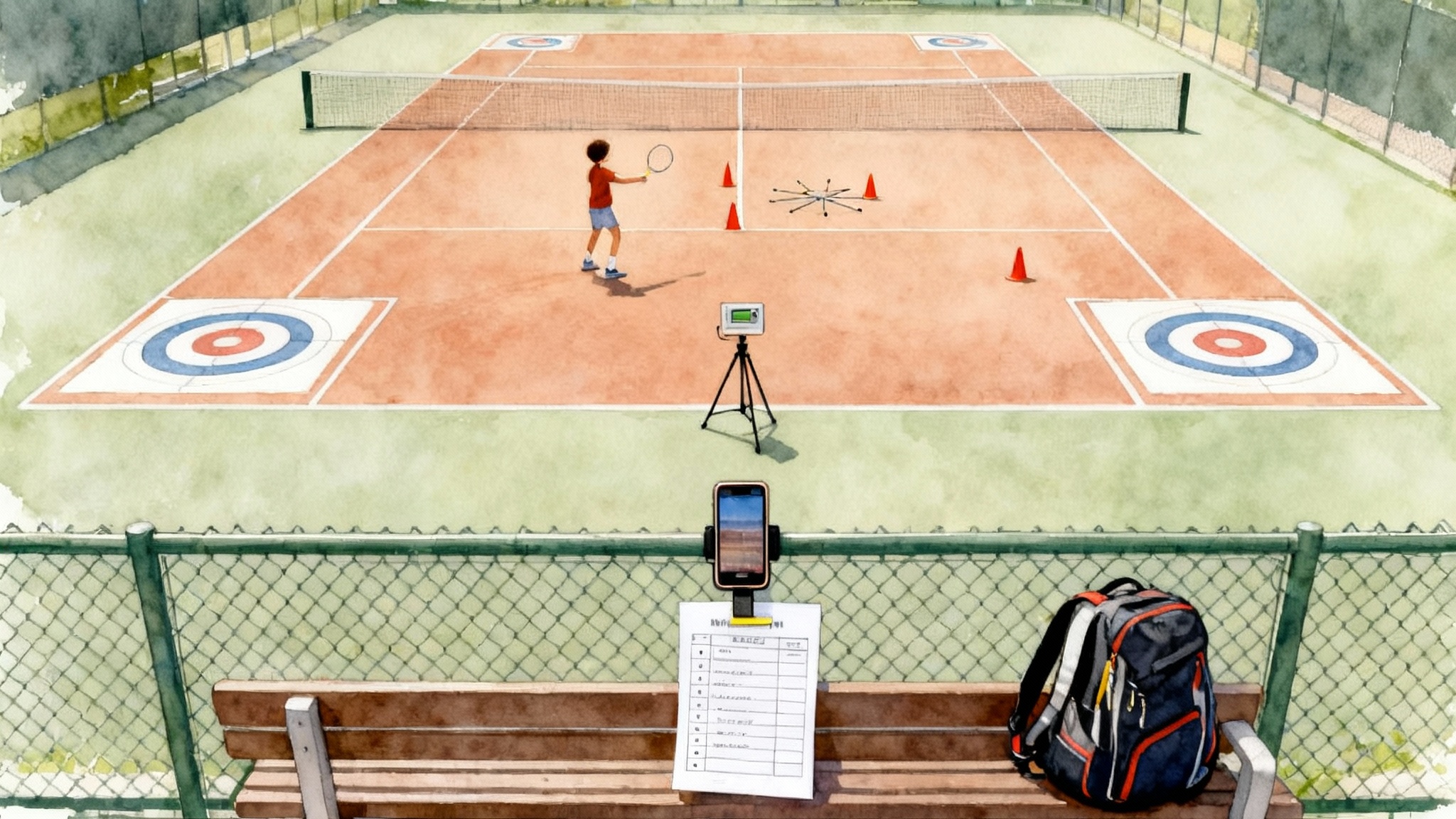
Tools help, but they are not the point. You can chart with a clipboard. If you use a match tracking app, export plain counts so your coach or a college coach can read them quickly. Focus the story on improvement. A short note like “holds improved from 66 percent in March to 72 percent in May while first serve stayed at 61 percent” tells a coach you train with purpose.
Academics and eligibility, simplified
- Courses: verify that your core courses meet requirements for your target division. Ask your school counselor to confirm by course code. Keep a printed plan.
- Grades: set a floor for each term. One weak semester can limit options. If you hit that floor, get tutoring within two weeks.
- Testing: many schools are test optional, but a good score can help merit aid. Schedule tests so they do not collide with your peak event months.
- Registration: create your eligibility center account at the right time for your division and begin amateurism certification when prompted. Keep your student information consistent across applications, the eligibility center, and financial aid forms.
- Transcripts: request official transcripts after each school year and keep copies. Missing documents cause most last minute delays.
An academy can keep this on rails. Families who meet quarterly with an advisor reduce last minute scrambles and keep focus on performance.
Outreach to coaches without the noise
- Build a list with three tiers: ambitious reach, probable fit, and safety. Include Division I, II, III, and National Association of Intercollegiate Athletics as appropriate. Match academics, style, and geography.
- Use the school questionnaire. Coaches read them. Fill them out fully and accurately.
- Send concise updates. Subject line example: “Spring schedule, best wins, and two metrics.” Body: three bullet points, two upcoming tournaments, and a polite ask.
- Be findable. Use a professional email address, a voicemail that states your name, and a simple one page resume. Keep social media clean.
- Respect calendars. After June 15 following sophomore year for Division I, respond promptly. Before that date, attend camps and send schedule updates without pressuring staff.
- Prepare for conversations. Have two thoughtful questions about the program and one about academics. Keep notes after each call.
Legend Tennis Academy can rehearse calls, help you distill updates, and align your schedule with events where your target coaches scout.
Official and unofficial visits that answer real questions
Visits work when you define what you need to learn.
- Academic fit: sit in on a class if possible. Ask about tutoring, lab schedules, and exam clusters that can conflict with travel.
- Team role: where do you project in the lineup in year one and year two. Ask about redshirt philosophy.
- Development: who leads strength and conditioning, what does an in-season week look like, and how are individual technical projects handled during team season.
- Culture: watch a practice and a team meeting if possible. Ask players how conflicts are resolved and what travel feels like.
Schedule visits near strong competitions so coaches can see you under match stress. Your academy can help space visits to avoid school bottlenecks.
Where an academy like Legend Tennis Academy fits at each stage
- 8th and 9th grade: movement mechanics, skill foundations, and a light analytics habit. Plan two seasonal tournament clusters and one off week after each.
- 10th grade: quarterly match audits with simple stat charts, help registering with the proper eligibility center, and a curated list of stretch and fit tournaments.
- 11th grade: communication calendar, visit timing, and training blocks shaped to your target programs. Simulated college dual matches to stress test patterns.
- 12th grade: paperwork checkpoints, college readiness fitness, and a first eight week on campus plan that travels with you.
A compact family command center
Build a single shared document with four tabs:
- Calendar: months, events, visit windows, exam weeks, and rest weeks.
- Contacts: coaches, counselors, and trainers with last contact dates and next actions.
- Academics: core courses by term, grades, tests, and transcript requests.
- Analytics: your five core metrics by month with a one line note on what changed and why.
This keeps decisions visible. It also trains everyone to speak the same language when a coach calls.
Final thought
Families succeed when they act like a small performance team. Decide what to do each month, do it with care, and measure what matters. Use your academy to bring structure, add honest feedback, and keep the plan steady. If you do that from 8th grade through 12th, the college decision in senior year will feel less like a leap and more like the next step in a journey you have been steering with purpose.