Heat-Ready Tennis 2026: Hydration, Cooling, and Scheduling
A practical, science-backed guide to beating heat on court. Get 24-hour hydration timelines, sodium and carbohydrate targets, safe work to rest ratios, shade and gear strategies, symptom checklists, and a Legend Tennis Academy case study.
 Tommy
Tommy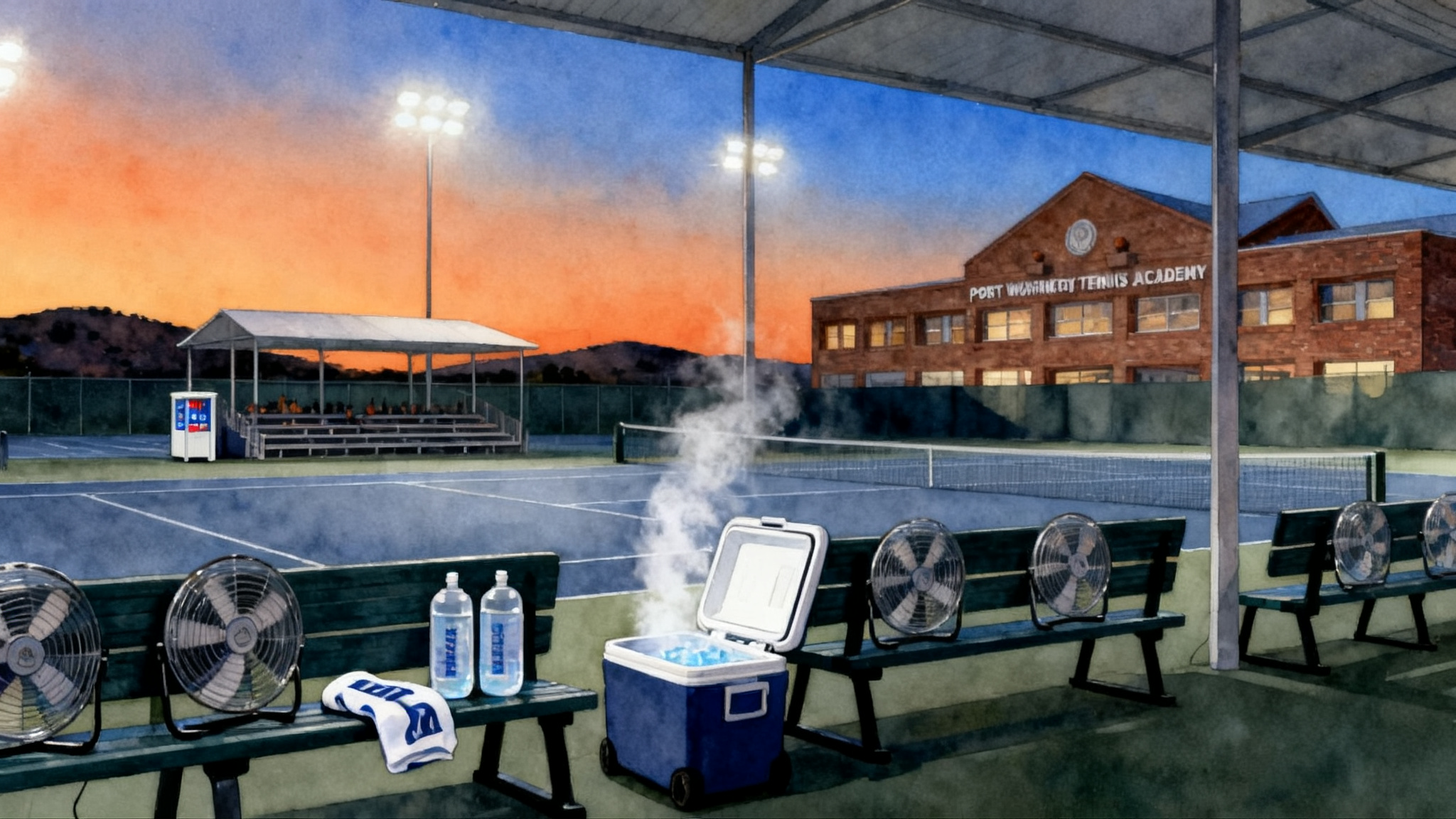
Why a heat strategy in 2026 matters
Summer tennis is a power-endurance sport wrapped in a harsh microclimate. Hard courts absorb and radiate heat, windscreens block breeze, and long rallies raise core temperature quickly. Juniors, parents, and adult players all face the same physics. The good news is that heat readiness is not luck. It is a sequence of choices you can schedule, measure, and repeat.
This guide gives you exact timelines for fluids and fuel, realistic work to rest ratios for training and match play, gear that keeps you cooler, and symptom checklists that tell you when to slow down or stop. We close with a case study from Legend Tennis Academy in Spicewood that shows how covered, lighted courts and smart scheduling help players improve without risky exposure.
The 24-hour hydration and fuel timeline
The body treats hydration like a bank account. Small, steady deposits over 24 hours create the balance you need when the sun and match pressure hit at the same time. Use this timeline for juniors and adults, then fine-tune with the sweat rate method in the next section.
24 hours before play
- Goal: Start well hydrated and glycogen replete. Aim for pale-yellow urine and regular bathroom breaks. Most players do best with total daily fluids around 30 to 35 milliliters per kilogram of body weight, including water, milk, and watery foods like fruit and yogurt.
- Carbohydrate base: Center meals on grains, fruit, starchy vegetables, and dairy. A simple rule is a fist of carbohydrate at each meal plus one snack that includes a carbohydrate source.
- Sodium priming: Add a pinch of salt to one meal or include a salty item like soup, pickles, or salted nuts. Sodium helps you retain what you drink.
Morning of match or key practice
- 3 to 4 hours pre start: Drink 5 to 7 milliliters per kilogram of body weight. For a 60 kilogram player that is roughly 300 to 420 milliliters. Pair fluids with a balanced meal that includes 2 to 3 grams of carbohydrate per kilogram, light protein, and low fiber to keep the stomach calm.
- 60 to 90 minutes pre start: If urine remains dark or you feel thirsty, add 3 to 5 milliliters per kilogram. Choose a drink with some sodium, about 300 to 600 milligrams per hour once you begin exercising in the heat. That sodium range becomes your during-play target, described below.
- Optional pre cooling: Sip 300 to 500 milliliters of ice slush or very cold sports drink 30 minutes before warm up. Cold fluid cools from the inside and is easy to tolerate in heat.
During play
- Changeovers: Think two sips at every change and three sips on longer sits. More precisely, target 0.4 to 0.8 liters per hour in hot conditions. If you are small or sweat lightly, start near 0.4 liters. If you are large or sweat heavily, start near 0.8 liters. Spread this across changeovers every 12 to 15 minutes.
- Sodium: Aim for 500 to 700 milligrams of sodium per liter of fluid. Salty sweaters who see white crust on hats or shirts can go up to about 800 to 1000 milligrams per liter. You can meet this with a sports drink, electrolyte tablets, or a pinch of table salt added to a flavored drink. If you cramp, increase sodium and total fluid, then reduce pace until symptoms settle.
- Carbohydrate: Matches longer than one hour generally benefit from 30 to 60 grams of carbohydrate per hour. The simplest execution is one sports drink with 20 to 30 grams per hour plus one gel, chews, or half a banana each hour. Keep the total concentration near 6 to 8 percent carbohydrate to avoid gut distress.
Between matches on the same day
- Fluids: Replace what you lost without overfilling the stomach. Use the sweat rate method. Weigh yourself nude or in dry clothing before and after a match. Every 0.5 kilogram lost equals roughly 0.5 liters of fluid deficit. Replace one and a half times that loss within two to four hours. If you lost 1 kilogram, aim for about 1.5 liters over the next few hours.
- Electrolytes: Keep sodium intake steady, especially if you keep sweating during cool down. Pair fluids with salty food or electrolyte drinks.
- Carbohydrate and protein: Eat 1 gram of carbohydrate per kilogram of body weight within 60 minutes, plus 20 to 30 grams of protein to support muscle repair. Examples include a turkey sandwich, yogurt with granola, or rice with eggs and soy sauce.
Evening after play
- Fluids: Finish the day with water and a small electrolyte dose if your dinner is low in salt. Stop heavy drinking one to two hours before bed to protect sleep.
- Food: A normal balanced dinner works. Continue with fruit and vegetables for fluid and potassium.
Sodium, carbohydrate, and fluids that actually work
Sodium keeps fluid in the circulation. Too little sodium in a high sweat environment raises cramp risk and can contribute to low blood sodium. Most tennis players thrive with 500 to 700 milligrams of sodium per liter of fluid. Very salty sweaters may need more. You can test salinity by taste and visible salt stains. If you routinely see salt lines on your hat or shirt, start on the higher end of the range.
Carbohydrate fuels repeat sprints, changes of direction, and long rallies. For sessions longer than an hour, 30 to 60 grams per hour is a practical target. Keep solutions near 6 to 8 percent carbohydrate. You can use a store brand sports drink, mix your own with water, juice, and a pinch of salt, or select a gel with added sodium and sip water alongside. If your stomach balks, reduce concentration, slow the pace for five minutes, and resume when comfortable.
Fluid volume depends on sweat rate and gut comfort. Use the scale method once on a similar day to set a baseline. If you hate the scale, a workable proxy is clear to pale-yellow urine by late morning, no stomach sloshing on warm up, and a body weight that stays within about two percent across a single long match.
Smart work to rest ratios for heat
Coaches and parents can lower heat strain without losing skill or fitness by changing the timing of effort. Think of the body as a battery and a radiator. Work depletes the battery and heats the system. Rest lets the radiator catch up. Ratios control the balance.
- Temperate days or indoor sessions: 3 to 1 work to rest is fine for most drills. For example, 3 minutes of pattern work followed by 1 minute of easy hitting.
- Warm days around 85 to 90 degrees Fahrenheit: Shift to 2 to 1. Example: 4 minutes of crosscourt and approach patterns, 2 minutes of shadow swings under shade. Between game-like points, add 20 to 30 seconds of hands-on-knees recovery.
- Hot days around 90 to 100 degrees Fahrenheit: Use 1 to 1. Example: 3 minutes of live ball point play, 3 minutes off feet in shade with cold towel and sips. Keep blocks to 15 minutes, then take a five minute cooling break.
- Very hot days or high humidity: Use 1 to 2 or postpone. Example: 2 minutes of serve targets, 4 minutes rest. Shorten total on-court time and move conditioning to a later, cooler window.
If you use a heat index or the wet bulb globe temperature, set simple triggers. At a wet bulb globe temperature above the middle eighties you reduce block length and move toward a 1 to 1 ratio. Near ninety or above, juniors especially should move to technical skill work, then reschedule match play for a cooler time.
Cooling, shade, and gear that buy you minutes on court
Cooling works best before you feel miserable. Build it into the plan.
- Shade: Create shade at the court with a canopy or sideline awning, or choose covered courts. Shade lowers radiant heat and makes every sip more effective. When possible, rest with your shoes off to release heat from the feet.
- Air movement: A simple box fan, leaf blower on low, or portable evaporative cooler increases sweat evaporation. Position airflow toward the torso and face during rest blocks.
- Cold towels and ice bags: Apply to neck, underarms, and groin during changeovers. Store towels in a small cooler with ice water. Rotate towels so a fresh one is always ready.
- Pre and mid cooling drinks: Ice slush before play, then cold fluids at each changeover. If you struggle to drink, add a squeeze of citrus or a splash of juice for flavor.
- Clothing: Choose light colors, loose fit, and technical fabrics designed to wick and dry quickly. Mesh ventilated hats or visors help. Consider a neck wrap you can dunk in ice water.
- Sunscreen and sunglasses: Broad spectrum sunscreen rated 30 or higher protects skin so the body can focus on cooling. Reapply every two hours or after heavy towel use. Polarized sunglasses reduce squinting and perceived exertion.
- Racquet bag setup: Pack two big bottles marked with volume lines. One bottle is electrolyte drink, the other is water. Add a small container with extra electrolytes and a snack bag with gels, chews, or bananas. Include a cooling towel and a spare dry grip.
Symptom checklists and instant actions
Heat strain announces itself. Respect early signs, then act fast. Teach juniors to call these out without embarrassment. Parents and partners should watch for changes in movement quality and focus as well as words.
Early heat stress
- Signs: Thirst, flushed skin, unusual fatigue, mild headache, goosebumps in heat, drop in stroke quality.
- Actions: Slow the pace for one to two minutes, move into shade, sip cold fluid with sodium, apply a cold towel to the neck. Extend the next rest block by one minute.
Heat cramps
- Signs: Involuntary muscle twinges or strong cramps, often in calves, forearms, or abdominal muscles.
- Actions: Pause play. Sip electrolyte drink and water. Gently stretch the affected muscle and use light massage. Increase sodium intake toward the top of your range and resume only when cramping stops.
Heat exhaustion
- Signs: Heavy sweating, cold clammy skin, headache, nausea, dizziness, rapid pulse, irritability, drop in consistency.
- Actions: Stop play and move to shade. Lie with legs slightly elevated. Cool with ice towels on neck, underarms, and groin. Sip electrolyte fluids. If symptoms persist beyond ten minutes or worsen, seek medical care.
Heat stroke
- Signs: Confusion, collapse, hot skin that may be dry or still sweating, vomiting, seizures, irrational behavior. This is a medical emergency.
- Actions: Call emergency services. Begin rapid cooling immediately with cold water immersion or continuous rotation of ice towels focusing on large blood vessels at the neck, armpits, and groin. Continue cooling until trained help arrives.
The sweat rate method in three steps
You do not need a lab to individualize fluids. A five minute home test is enough.
- Weigh yourself without shoes and in dry clothing just before a one hour practice in similar heat.
- Track how much you drink during the hour. Weigh yourself again in the same dry clothing after toweling off.
- Each 0.5 kilogram lost is about 0.5 liters of sweat not replaced. Add what you drank to get your sweat rate. That number per hour becomes your target range on the next hot day. If you lost more than about two percent of your body weight, increase your planned intake and add sodium.
Drill menu that respects heat
Use these drills to build tennis fitness while controlling heat load. Rotate across a session so no single block overheats the athlete.
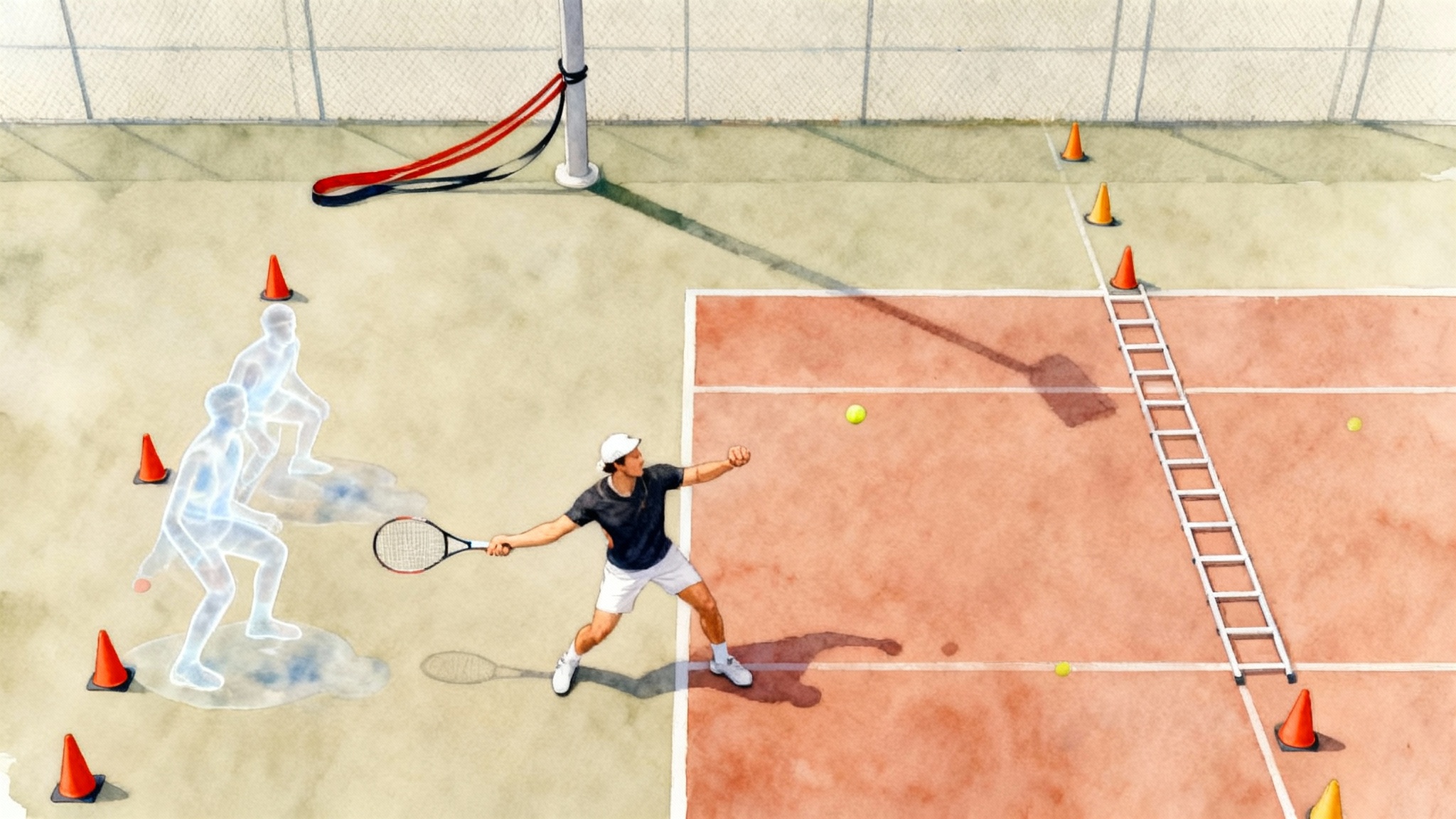
- Shadow swing ladders: Ninety seconds of footwork patterns in shade, thirty seconds rest. Repeat four times. Technical focus without sun.
- Serve targets with walk backs: Two minutes of serves, one minute walk and sip in shade. Repeat five times. Add a cool towel every other block.
- Crosscourt plus approach: Three minutes live ball, three minutes rest. Repeat four to six times. Keep a coach-operated fan aimed at the bench.
- Point play, coached: Two minutes competitive points, two minutes in shade. Repeat for fifteen to twenty minutes, then take a five minute cooling break and reassess.
Case study: Legend Tennis Academy, Spicewood, Texas
Legend Tennis Academy sits in the Hill Country where July and August heat stacks up fast. The academy wanted consistent training through the summer without risky heat exposure. In 2025 they invested in covered, lighted courts and built a schedule that treats heat as a design constraint, not a surprise.
- Facility choices that change the microclimate: The covered courts cut direct sun and radiant heat. Lighted courts allow safe evening blocks, and fans mounted near benches keep air moving during rest. Portable evaporative coolers sit at court ends on the hottest days.
- Hydration built into the environment: Every court has a shaded hydration station with two large coolers. One holds a 6 to 8 percent carbohydrate drink with salt. The other holds ice water. Coaches stock a basket with electrolyte packets and single serve gels. Towels live in a small ice chest for quick neck cooling.
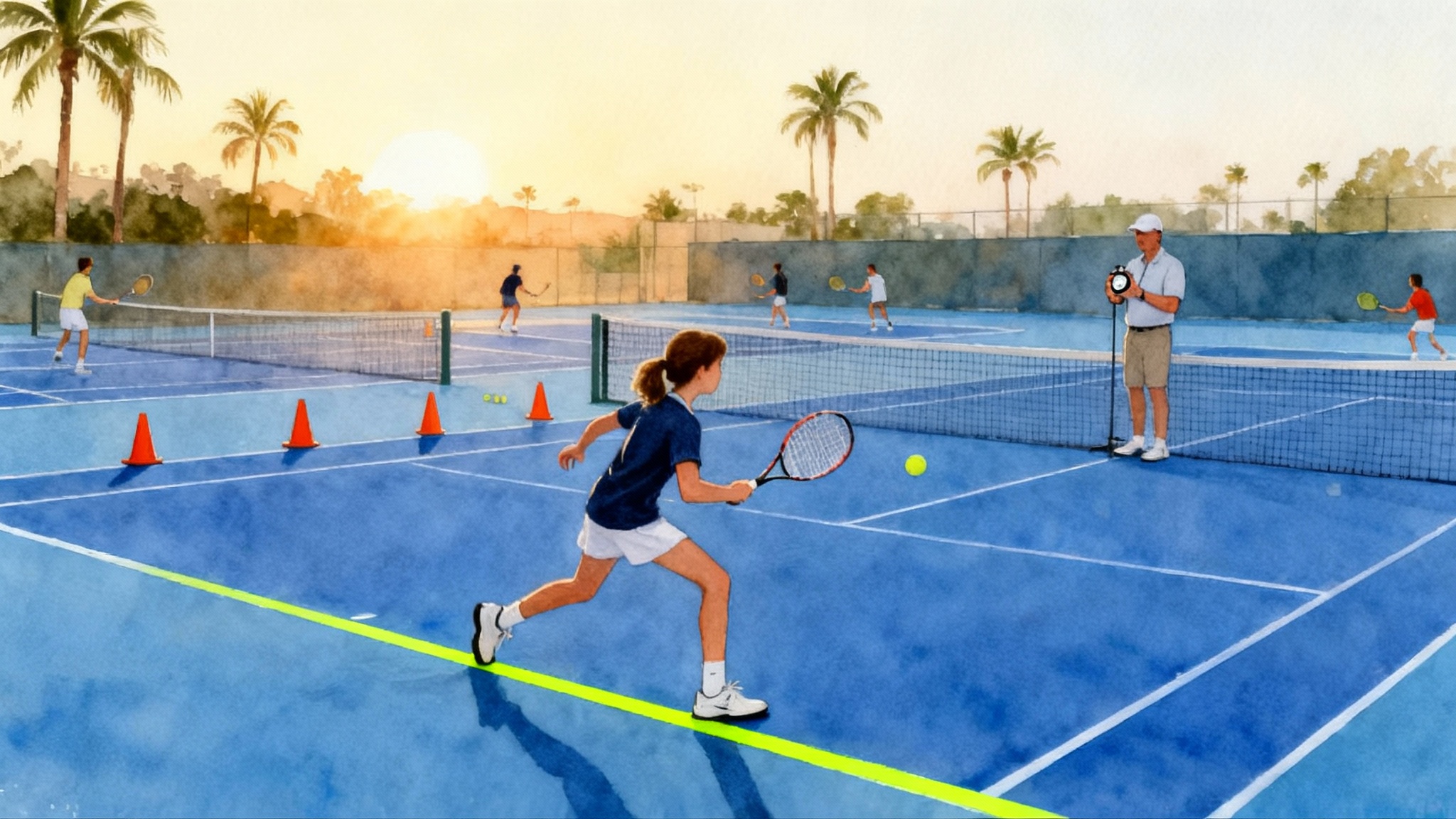
- Scheduling for heat: In June through September the day is split into three blocks. Juniors and adults who prefer mornings train from 7:00 to 9:00 a.m. Technical and video sessions happen from 1:00 to 4:00 p.m. inside the clubhouse classroom or under shade with fans. Match play and fitness run from 7:00 to 10:00 p.m. under the lights. The hottest hours are reserved for low-intensity film review, stringing workshops, and mobility sessions.
- Ratios and rules: For outdoor sessions above 90 degrees Fahrenheit, Legend uses 1 to 1 work to rest with fifteen minute caps on blocks. At the first sign of heat strain, players move to two blocks of extended rest with ice towels before resuming. Juniors know to signal a heat time out with a hand on the hat so a coach can intervene quickly.
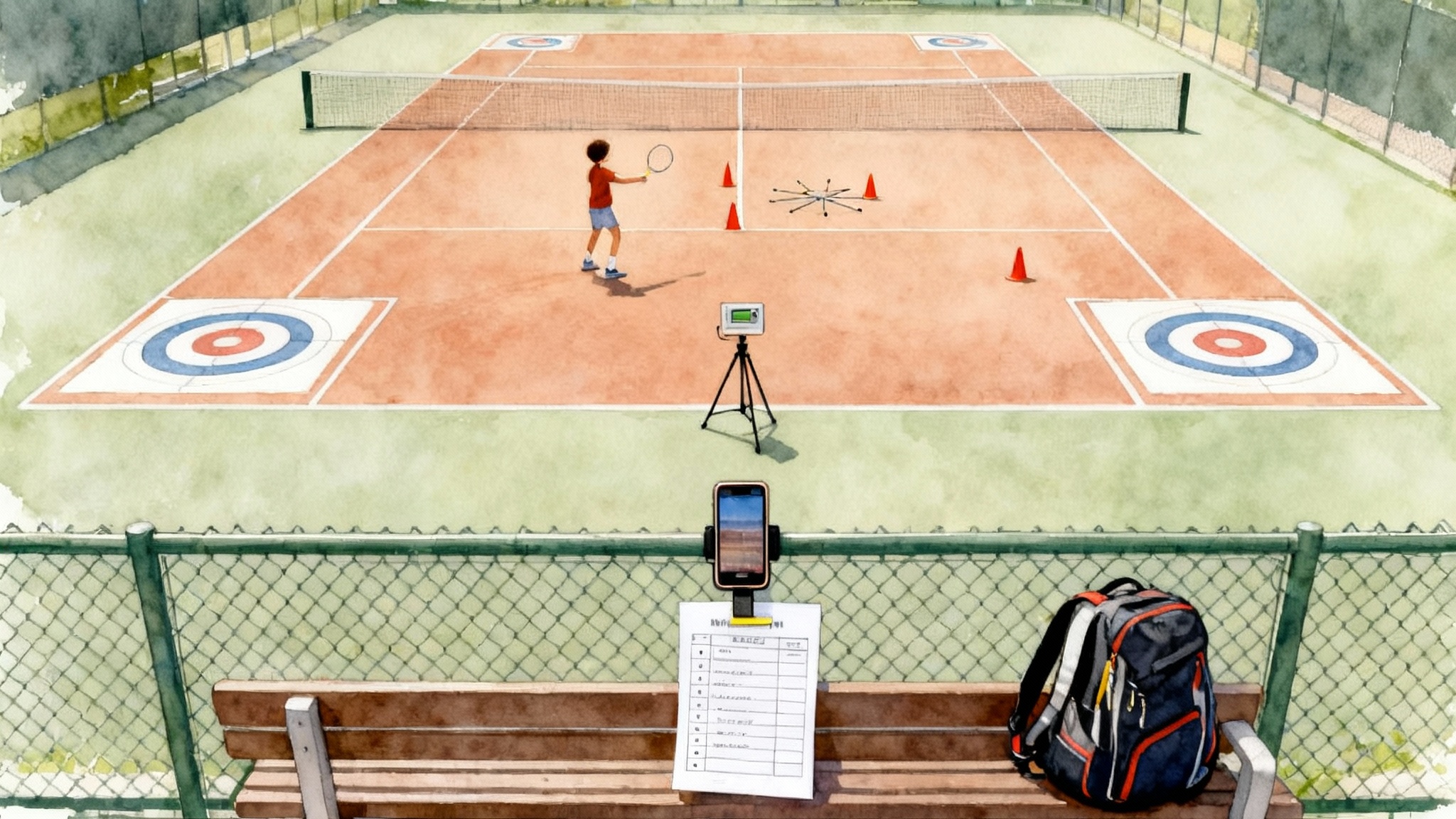
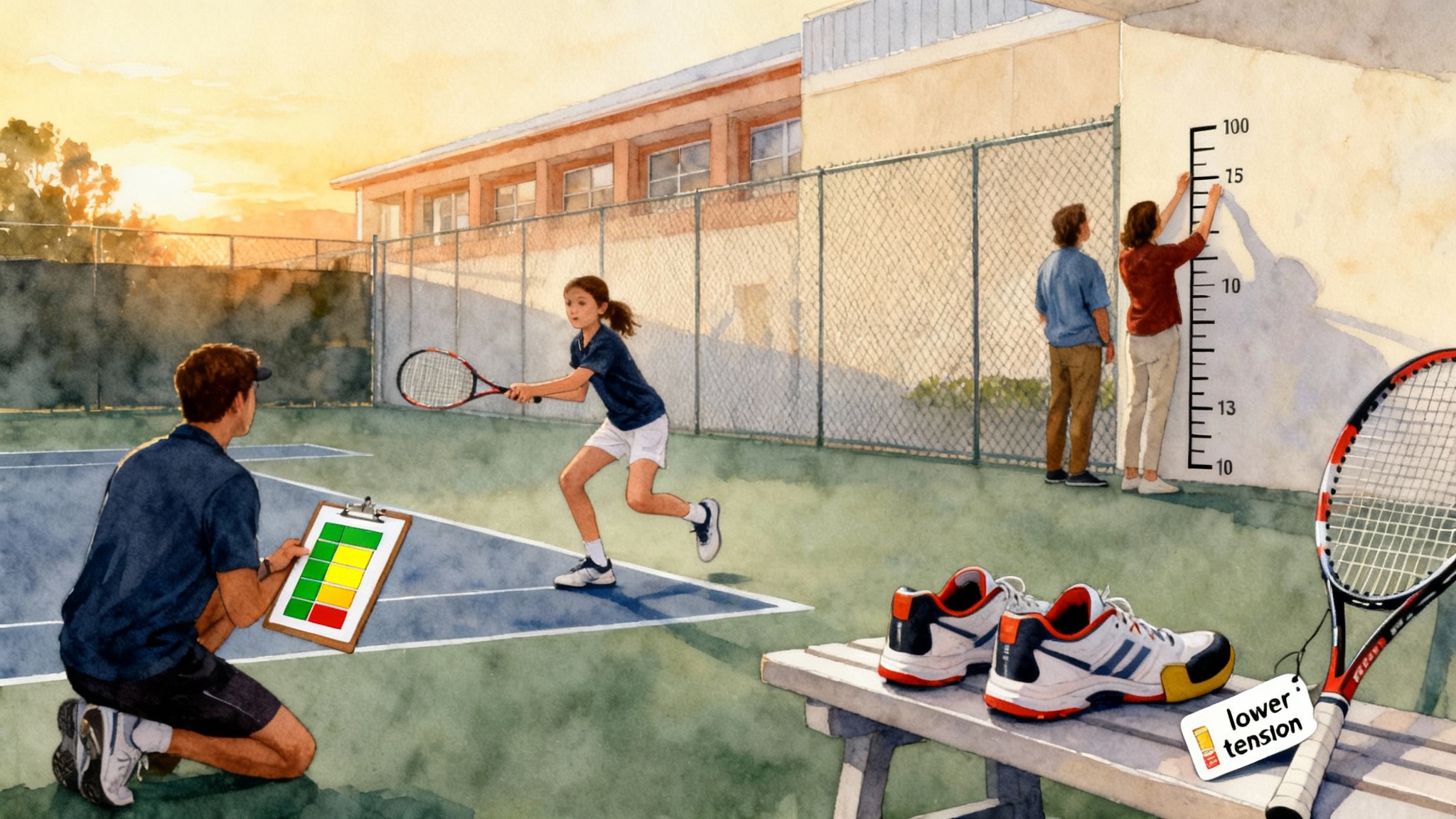
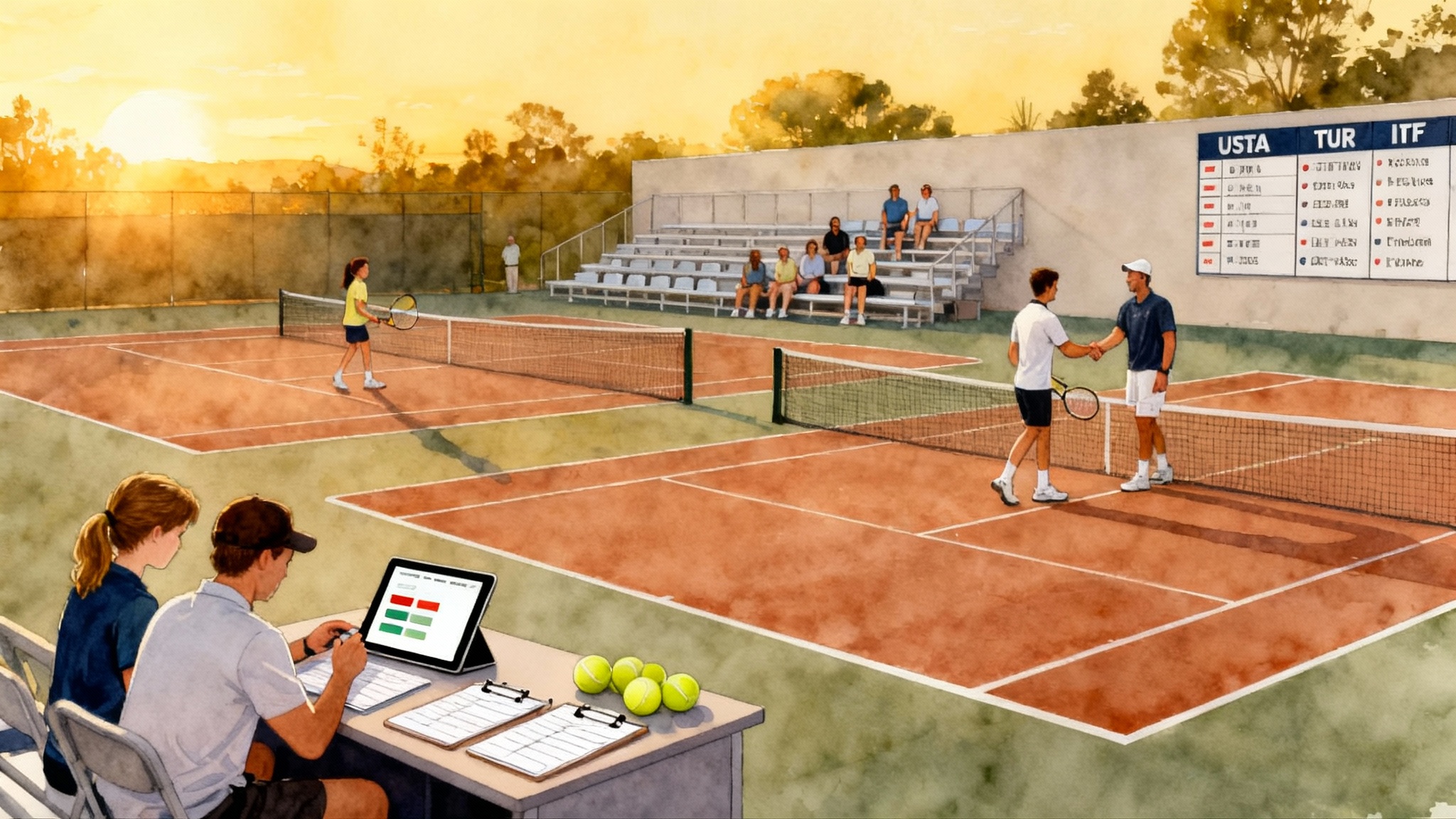
- Coaching workflow: Each court has a printed heat card with the day’s forecast, a simple sweat rate calculator, and sodium targets per liter. Coaches carry a kitchen scale and a clipboard to record pre and post weights during the first hot week of summer. Data drives adjustments. If a player loses more than two percent of body weight in a session, their next workout includes a higher fluid plan and more shade time.
- Communication loop with parents: Parents receive the weekly heat plan in Sunday email. It includes packing lists, practice ratios, and the specific time players should finish a bottle before stepping on court. When the forecast spikes, the evening block expands and early afternoon work shifts off court.
The result has been a calm summer rhythm. Players practice at full intent in the cool hours, learn and recover mid day, and play points when the sun drops. Covered, lighted courts make the schedule possible and portable coolers plus shade make it comfortable.
Build your own heat-ready plan
Use these five steps to convert ideas into a workable plan for your family or program.
- Pick your play windows: Schedule on court work in the first two hours after sunrise and after sunset under lights. Block mid day for shade or indoor technical work. For weekly structure, pair this with the Build Your Tennis Week microcycles.
- Write the 24 hour hydration script: Use the timeline above. Set a phone reminder three to four hours pre start and another at ninety minutes pre start. Pre chill bottles in the freezer for thirty minutes.
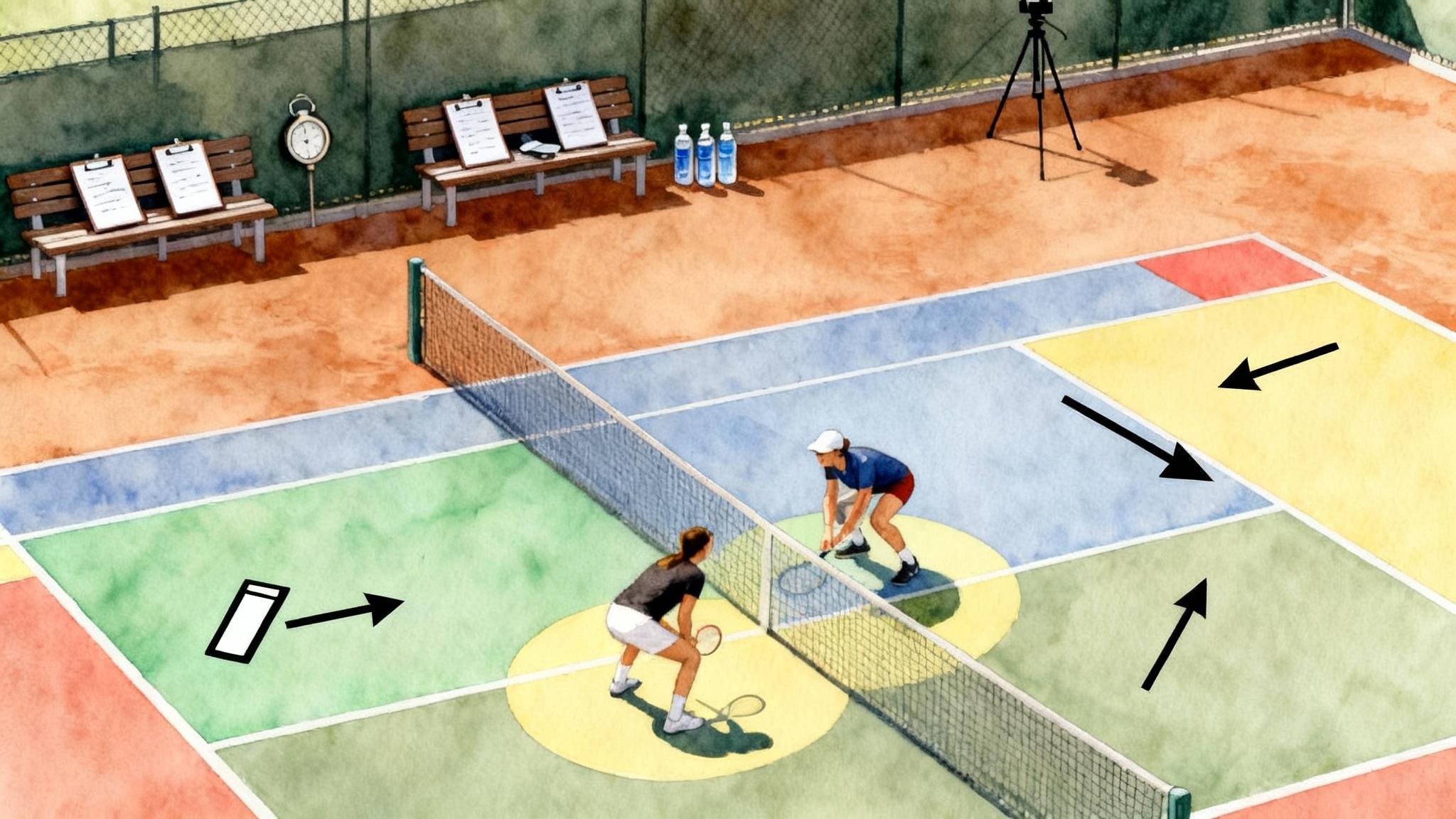
- Standardize the bench: Two bottles with volume marks, one electrolyte and one water. A small cooler with ice towels. A labeled snack bag with carbohydrate sources and a salty item. A clip-on fan for air movement.
- Agree on ratios and triggers: Set a default 2 to 1 ratio for warm days and 1 to 1 for hot days. Add one minute of rest when early symptoms appear. Postpone when very hot or when any player shows confusion, collapse, or vomiting.
- Capture your sweat rate once: Use a single one hour test to set intake targets. Recheck when weather changes about ten degrees Fahrenheit or when you change clothing style.
A note for parents of juniors
Children and teens can struggle to notice or report heat strain while they are excited to compete. Give them concrete language. Instead of saying I feel off, teach two simple sentences. I feel hot and slow. I need shade and a cold towel. If your junior is in a rapid growth phase, review safe loading in the Growth-Spurt Tennis Guide and adjust work to rest accordingly.
Troubleshooting common problems
- I drink but still cramp: Increase sodium and total fluid, slow down for five minutes, and stretch gently. If cramping is a pattern, move to the top end of sodium range and test a higher fluid rate in your next practice.
- I get nauseous late in matches: Lower drink concentration to near 6 percent carbohydrate, sip smaller amounts more often, and use cooler fluids. Reduce total work time for one block and reintroduce pace after symptoms settle.
- My child refuses to drink: Flavor matters. Use a sports drink flavor they like, serve it very cold, and set tiny goals like two sips at every change. Praise the behavior, not the volume. Two sips every time adds up.
- I cannot access covered courts: Build shade on the bench. Schedule strictly for mornings and evenings. Bring an inexpensive fan and a cooler with ice towels. Shorten blocks and add rest minutes.
Conclusion: safer sessions, stronger tennis
Heat does not have to be a brick wall in summer. When you treat it as a design problem, you start winning before the warm up. Set your 24 hour hydration plan. Pack sodium and carbohydrate that match the length of your session. Use work to rest ratios that fit the weather. Build real shade and airflow at the bench. Teach clear language for symptoms and actions. Programs like Legend Tennis Academy show that covered, lighted courts plus smart scheduling keep players safe while skills climb. The same approach can live in any household and any club. Start with one step this week. Mark your bottles, print a heat card, and move your hardest work into the coolest hours. The payoff is simple. More quality reps, fewer interrupted sessions, and the confidence to play your best when summer is at its peak.