Naples to Sarasota Winter Tennis: Climate First Training
 Tommy
Tommy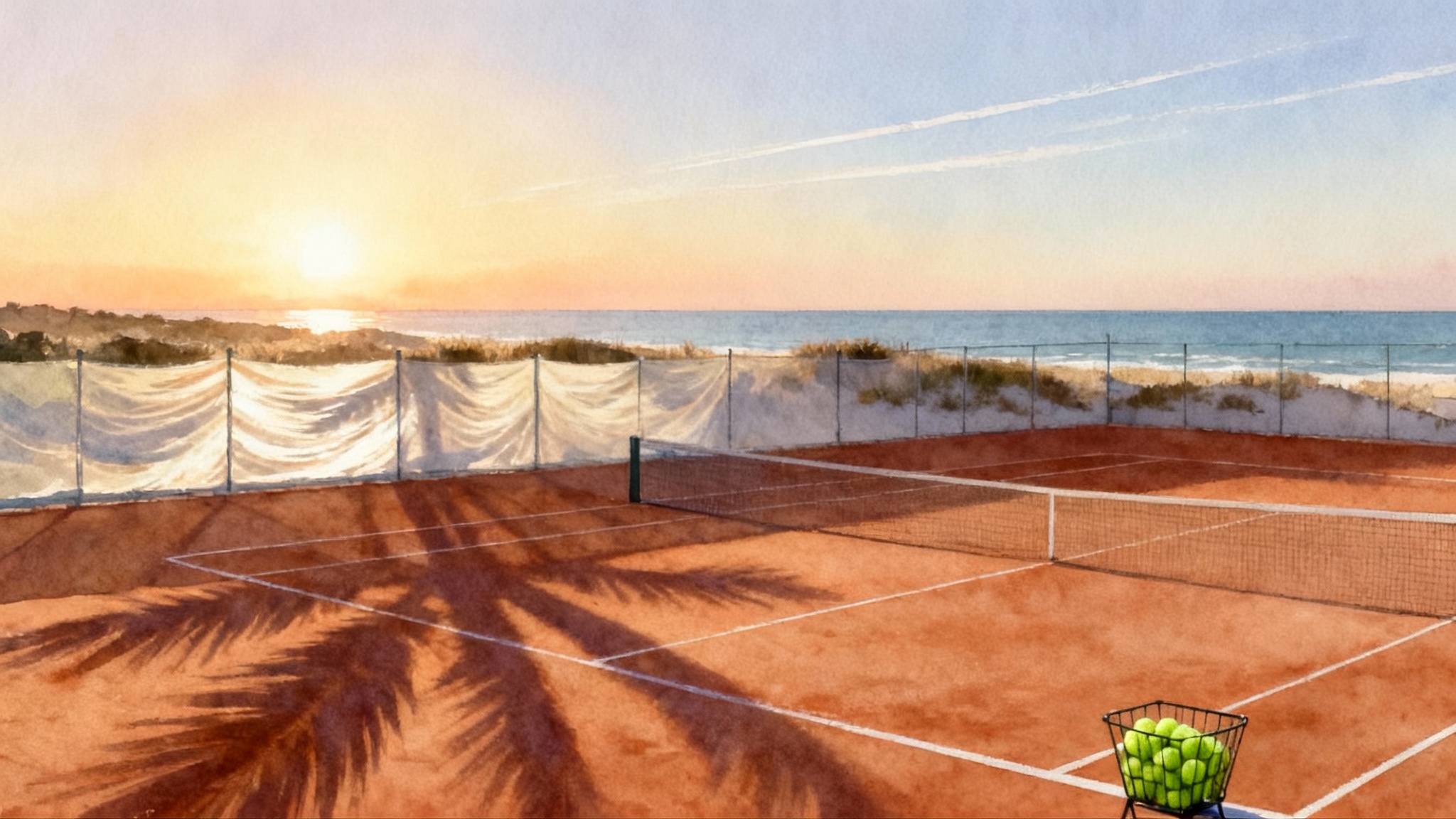
Why this corridor works from November to April
From Naples through Bonita Springs to Sarasota, the Gulf Coast offers some of the most reliable winter tennis weather in the United States. It is Florida’s dry season. Cold fronts do sweep through, but day-to-day humidity is lower than in summer, skies are clearer, and rain is brief. The real secret is not the temperature. It is the dew point. A dew point under about 60 degrees Fahrenheit feels crisp during aerobic sets. Under 55 feels almost mountain-light. Between 60 and 65 begins to feel sticky during extended rallies, and above 65 you will need more structured hydration and shorter work-to-rest ratios. If you are new to training by dew point, skim the concise NOAA dew point guide and start checking it each morning before you book a match block.
Typical winter highs on this coast sit in the low to mid 70s Fahrenheit, with mornings in the 50s and 60s. After a cold front, you can get two to three days of superbly dry air. Ahead of a front, dew points climb and breezes freshen. This pattern lets you plan heavy aerobic volume early in a post-front cycle, then shift to skill or serve-focused work as humidity creeps up.
How sea breezes and fronts shape your day
Coastal physics help you schedule smarter. On fair days, the land heats faster than the Gulf. By late morning a gentle onshore sea breeze forms. It continues into mid afternoon, then eases near sunset. The sea breeze cools the shoreline by a few degrees, which is welcome for match play, but it also adds a crosswind that exposes technical flaws on second serves and returns. Build that into your plan.
Use this three-block template:
- Morning build (7:30 to 10:00): Lowest dew points and lightest wind. Best for movement-heavy drills, tempo baseline patterns, and fitness circuits.
- Midday maintenance (11:30 to 1:00): Skill work under sun but before peak wind. Serve targets, returns, and short court patterns. Shade breaks every 12 to 15 minutes.
- Late afternoon compete (3:30 to 5:30): Sea breeze strengthens and cools the air. Play sets, tiebreak labs, and wind-specific drills. If clouds from a front move in, be ready to pivot to film review under a pavilion.
During front days, light showers or a brief line of rain can pass. The upside is fresher air behind the front. Plan your heaviest footwork day for the day after the line clears.
Why Har-Tru clay dominates here
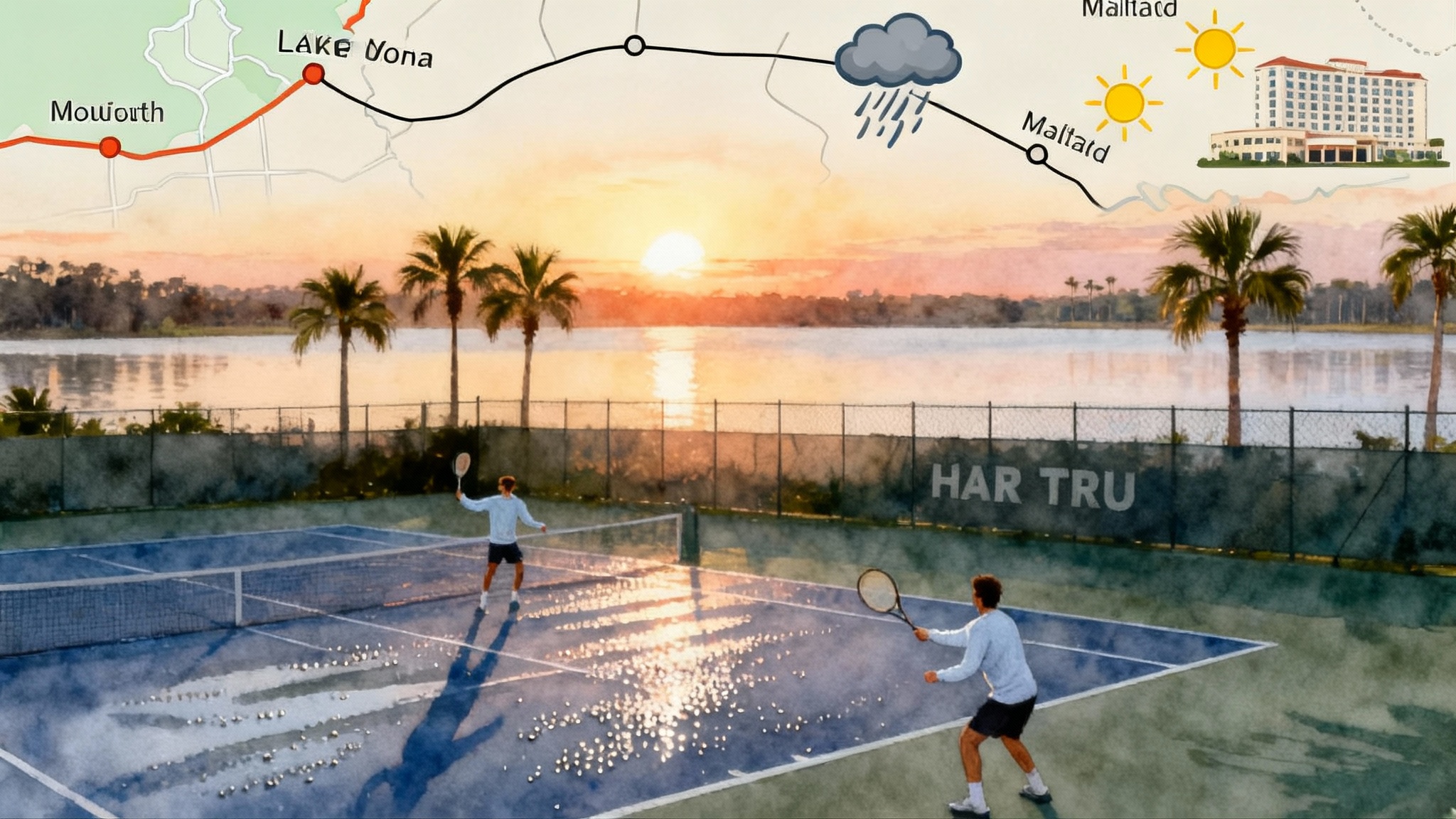
Har-Tru’s green clay thrives on the Gulf Coast for three practical reasons:
- Drainage and speed control: Har-Tru holds moisture and drains quickly. After a short winter shower, staff can broom, roll, and get you back on court faster than on many hard courts. Pace is consistent, which is valuable when you have junior players grooving patterns.
- Heat management: The green surface reflects less radiant heat than typical acrylic hard courts. That matters at noon in March when the sun is high and ultraviolet is strong. Feet feel cooler, and your work-to-rest ratios can be a touch longer.
- Joint longevity: Sliding reduces peak loading on knees and hips. That lets you stack more days in a row during a one or two week training block without losing quality to soreness.
Most public hard-court parks are plentiful across the corridor. Clay is common at private clubs and select public centers, which often allow paid daily access. Call ahead, because non-guest policies can change seasonally.
Where to train: anchor with Gomez Tennis Academy, flex with resort and park play
Set your high-performance anchor in Naples at Gomez Tennis Academy for a morning block, then build a flexible second session at a resort or public center nearby. Morning academy work tackles volume, video feedback, and supervised match play. Afternoon sessions let you emphasize serve mechanics, net play, or set play with a hitting partner.
- High-performance base: See the Gomez Tennis Academy profile for schedules, pricing notes, and seasonal tips.
- Resort day passes: In Naples and Bonita Springs, many resort clubs sell non-guest court time when inventory allows. Policies vary. Ask for late afternoon slots when guests are at the beach or pool, and confirm whether ball machines or clinics are open to non-guests.
- Public centers: In Naples, the city-run center at Cambier Park is a hub for clay with paid public access. In Sarasota, Payne Park Tennis Center and Longboat Key public facilities are reliable. Book early for weekend slots.
Match play on demand: UTR and USTA Florida
Use organized match play to convert your training volume into pressure reps.
- UTR events and flex: Search for verified round robins, flex leagues, and one-day events within 30 to 60 minutes of your lodging. Many organizers run Friday evening or Saturday blocks that dovetail with academy mornings. Start with the official Universal Tennis event search.
- USTA Florida: Adult leagues and junior tournaments run throughout winter. Junior comp players can stack a Level 6 or 7 weekend with a midweek practice match arranged through local coaches. Adults can request 4.0 or 4.5 drop-ins with captains if visiting for a week.
Bring balls and a second set of strings to every match day. Winter sea breezes add spin and reduce depth, so adjust your targets to land three feet inside lines until you calibrate.
Sample week plans that actually work
These templates assume a Saturday travel day and a Sunday reset. Shift days as needed.
Junior performance week
Goal: combine academy intensity with verified match play, while protecting schoolwork and recovery.
-
Sunday
- 9:00 to 10:00: Light hit at the nearest public park. Shadow swings, serves, and a 15-minute footwork ladder.
- 10:30 to 11:15: Mobility, hips and ankles.
- 4:00 to 5:00: Film scouting. Watch 30 minutes of your last match and tag patterns.
-
Monday
- 7:30 to 10:00: Gomez morning high-performance block.
- 11:30 to 12:15: Serve targets, 30 balls to each corner; record ten for feedback.
- 3:45 to 5:30: Sets at a clay public center. Goal: first serve percentage over 60, second serve depth beyond the service line.
-
Tuesday
- 7:30 to 10:00: Gomez morning block with pattern emphasis.
- 12:00 to 1:00: Schoolwork under shade or at lodging.
- 4:00 to 5:30: Cross-training on the beach. Barefoot strides, med-ball throws, stretch.
-
Wednesday
- 7:30 to 9:30: Coach-fed live ball and point construction.
- 10:00 to 10:20: Mental skills. Breathing ladder and between-point routine.
- 2:30 to 5:30: UTR round robin if available, otherwise two practice sets with a local sparring partner.
-
Thursday
- 8:00 to 9:30: Mobility and strength in a gym near lodging. Single-leg work and anti-rotation core.
- 10:30 to 12:00: Serve plus one and return plus one on a windy court to simulate sea breeze.
- 4:00 to 5:00: Ice bath or contrast shower, then walk 20 minutes.
-
Friday
- 7:30 to 10:00: Gomez morning block. Lighten volume by 15 percent if playing weekend matches.
- 3:30 to 6:30: UTR verified event or team practice. Hydration and carbohydrate plan scripted.
-
Saturday
- Tournament or verified match play. Two to three matches max. Snacks every changeover and post-match recovery shake.
-
Rainy day pivots
- If a midday shower hits, move serve work under a covered hitting wall or postpone to late afternoon after courts are rolled. Keep an indoor film session queued to avoid losing the training day.
Adult performance week
Goal: keep high-quality reps while leaving time for family and beach days.
-
Sunday
- 8:00 to 9:00: Easy hit and serves.
- 4:00 to 5:00: Stretch and light strength at the hotel gym.
-
Monday
- 7:30 to 9:30: Clinic or private at Gomez. Choose a movement focus.
- 11:30 to 12:15: Serve accuracy, 50 first serves and 30 second serves with a simple target grid.
- 4:00 to 5:30: Social doubles at a resort or public center.
-
Tuesday
- 7:30 to 9:00: Singles drilling on clay. Cross-court heavy, then line changes.
- 3:30 to 5:00: Play one set singles and one set doubles. Stop if form drops.
-
Wednesday
- Rest or family day. Optional 40-minute mobility walk and 10 minutes of shoulder care.
-
Thursday
- 8:00 to 9:30: Lesson or ball machine with specific pattern goals.
- 4:00 to 5:30: League or organized match play if available. Otherwise two short tiebreaks.
-
Friday
- 7:30 to 9:00: Point play and net transitions.
- Afternoon free: Gulf beach time or museum visit in Sarasota.
-
Saturday
- 8:00 to 9:30: Final hit. Emphasize serves, returns, and one finishing pattern you will keep using back home.
-
Rainy day pivots
- Swap a court session for a 45-minute indoor bike or treadmill intervals plus 20 minutes of mobility. Reschedule the hit late afternoon once courts are prepped.
Budget to luxury: courts, lodging, and passes
-
Budget strategy
- Base near a public clay center such as Cambier Park in Naples or Payne Park in Sarasota. Book early mornings for best conditions.
- Mix in free hard courts at city parks on lighter days. Use a portable hopper and bring 60 practice balls.
- Lodging: choose a condo with a small fitness room within 15 minutes of your primary courts. Kitchens cut costs and let you control nutrition.
-
Mid-range family strategy
- Stay at a resort in Bonita Springs or north Naples that offers daily clinics and junior programs. Confirm non-guest court access if you plan to invite a local hitting partner.
- Add one or two private lessons during the week for technical tune-ups, then spend afternoons at the pool or on the beach.
-
Luxury strategy
- Book a tennis-centric resort in Naples or a coastal property in Sarasota or Longboat Key with clay courts and spa access. Request late afternoon courts to avoid higher midday dew points.
- Use concierge help to arrange verified sparring partners and secure day-of court rolls after a passing shower.
Regardless of budget, call the front desk to ask three questions: Do you roll courts after rain during winter months. Do you allow non-guest play. Do you have a ball machine and a shaded warm-up area. The answers determine how many quality hours you can actually bank.
Recovery and off-court conditioning
-
Hydration and fueling
- Use dew point to set your bottle plan. Under 60 degrees, one 24 ounce bottle per hour with electrolytes is usually enough. Over 60 degrees, plan 32 ounces per hour and add carbohydrates every 20 to 25 minutes for matches.
-
Mobility and tissue care
- Ten minutes morning and night: ankles, hips, thoracic spine, and shoulders. Keep a mini-band and a lacrosse ball in your bag.
-
Local recovery assets
- Resort spas with cold plunge or contrast showers are common in Naples and Sarasota. Many gyms offer day passes if you need a sauna or a dedicated stretching area. Beach walks at sunset double as low-intensity recovery and family time.
-
Strength micro-doses
- Two 30-minute total-body sessions per week keep you durable. Split squats, hinge, push, pull, and carries. Avoid fatigue the day before match blocks.
Rainy-day contingencies and buffer days
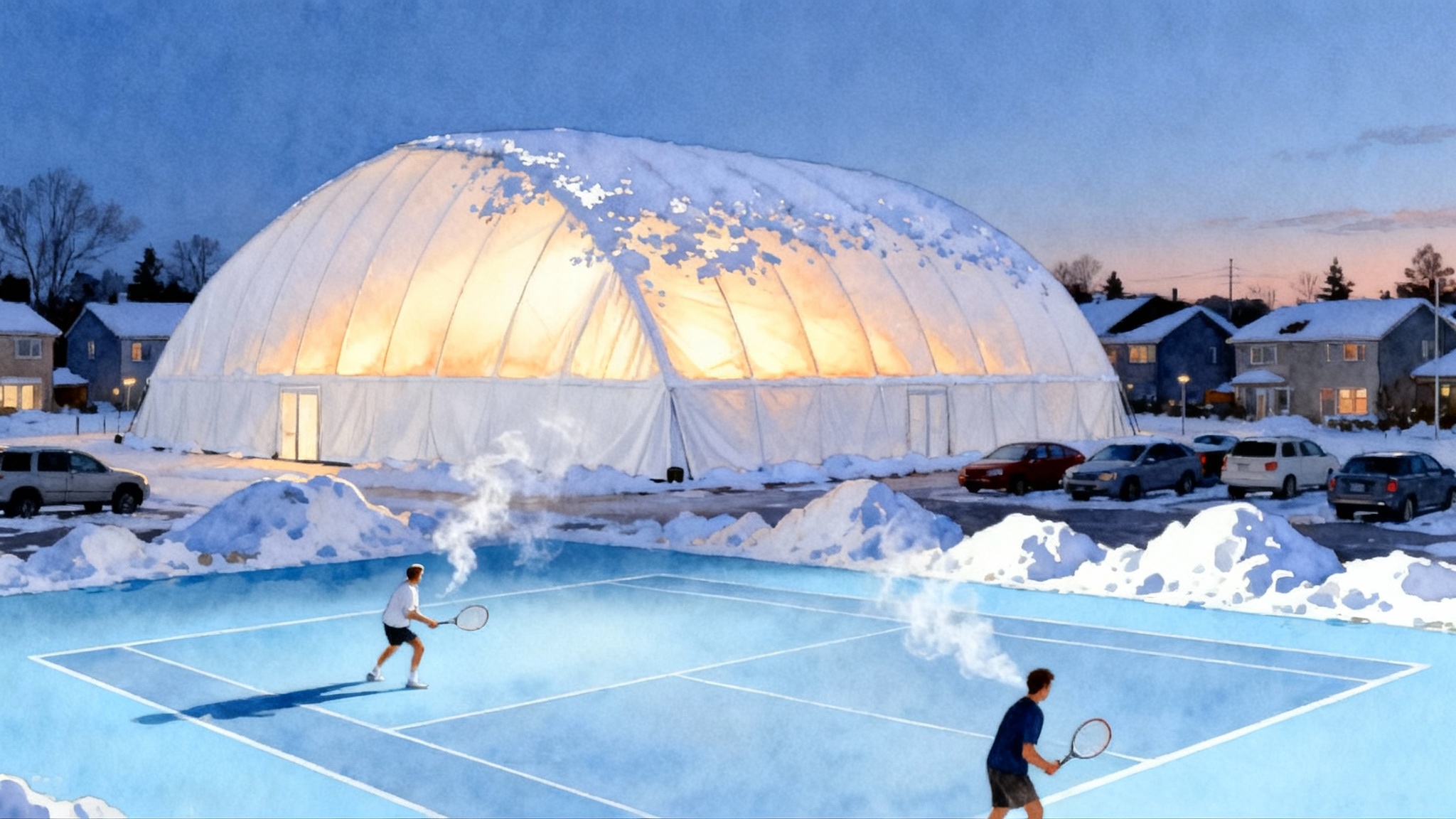
Indoor tennis is scarce along this corridor. Build buffer days into your calendar. Book flights on Saturday or Tuesday to give yourself a make-up window on either end. When a front approaches, shift your heaviest volume to the day before arrival. Keep a standing late afternoon court reservation on the back end of your stay as insurance. For alternate venues in cooler regions, see the 2026 Indoor Tennis Dome Guide.
Have a backup kit ready: jump rope, resistance bands, two cones, and a printed footwork circuit. If rain lingers, move to a covered pavilion for dry volleys, shadow returns, and serve toss practice. Use that time for video review and opponent scouting. This way a wet afternoon becomes an advantage rather than a lost day.
Quick compare: Miami and Orlando vs the Gulf Coast
-
Miami and Broward
- Pros: massive tournament density and year-round play, deep hitting partner pool, lively tennis culture.
- Cons: higher average dew points in winter, more frequent coastal showers off the Atlantic, stronger and gustier winds on many open facilities, heavier traffic between sites.
- Who should base there: athletes who crave volume of events and are comfortable training in stickier air and wind.
-
Orlando and central Florida
- Pros: cooler winter mornings, huge hard-court inventory, and marquee training hubs like the national campus environment.
- Cons: more inland wind variability, fewer clay courts in some neighborhoods, cooler mornings that can make early starts feel stiff if you are not warmed up.
- Who should base there: players prioritizing hard-court repetitions and tournament variety who do not mind cooler starts. See our Orlando Tennis Hub 2026 guide.
-
Gulf Coast corridor from Naples to Sarasota
- Pros: reliably dry winter pattern, excellent Har-Tru access, sea breeze cooling for afternoon match sets, and family-friendly resorts clustered close to beaches.
- Cons: limited indoor options and a more distributed event calendar, which requires a bit more planning.
- Who should base here: players who value controlled clay reps, lower humidity days, and a calmer family rhythm.
Putting it together: a simple booking sequence
- Pick your month within November to April. If you can choose, start the week one to two days after a forecast front for premium dew points.
- Reserve three to four morning blocks at Gomez Tennis Academy for your anchor training. Confirm group size and video availability on the academy profile.
- Hold two afternoon court blocks at a resort or public clay center within 15 minutes of lodging. Ask about ball machines and shade.
- Register for one UTR event or a USTA Florida league night in the middle or end of your stay. Use the official event search and plan transport time.
- Add buffer days on the front or back end of your trip. Pack your rainy-day kit.
- Set a dew point rule for your group: under 60 run your longest aerobic drills, 60 to 65 shorten intervals, above 65 focus on serve, return, and point construction with longer breaks.
The Gulf Coast winter corridor rewards athletes who plan the environment first. If you measure dew point, schedule with the sea breeze, choose Har-Tru for volume, and anchor your week with a high-performance block plus targeted match play, you will leave with sharper patterns, healthier joints, and a family that wants to come back next year.