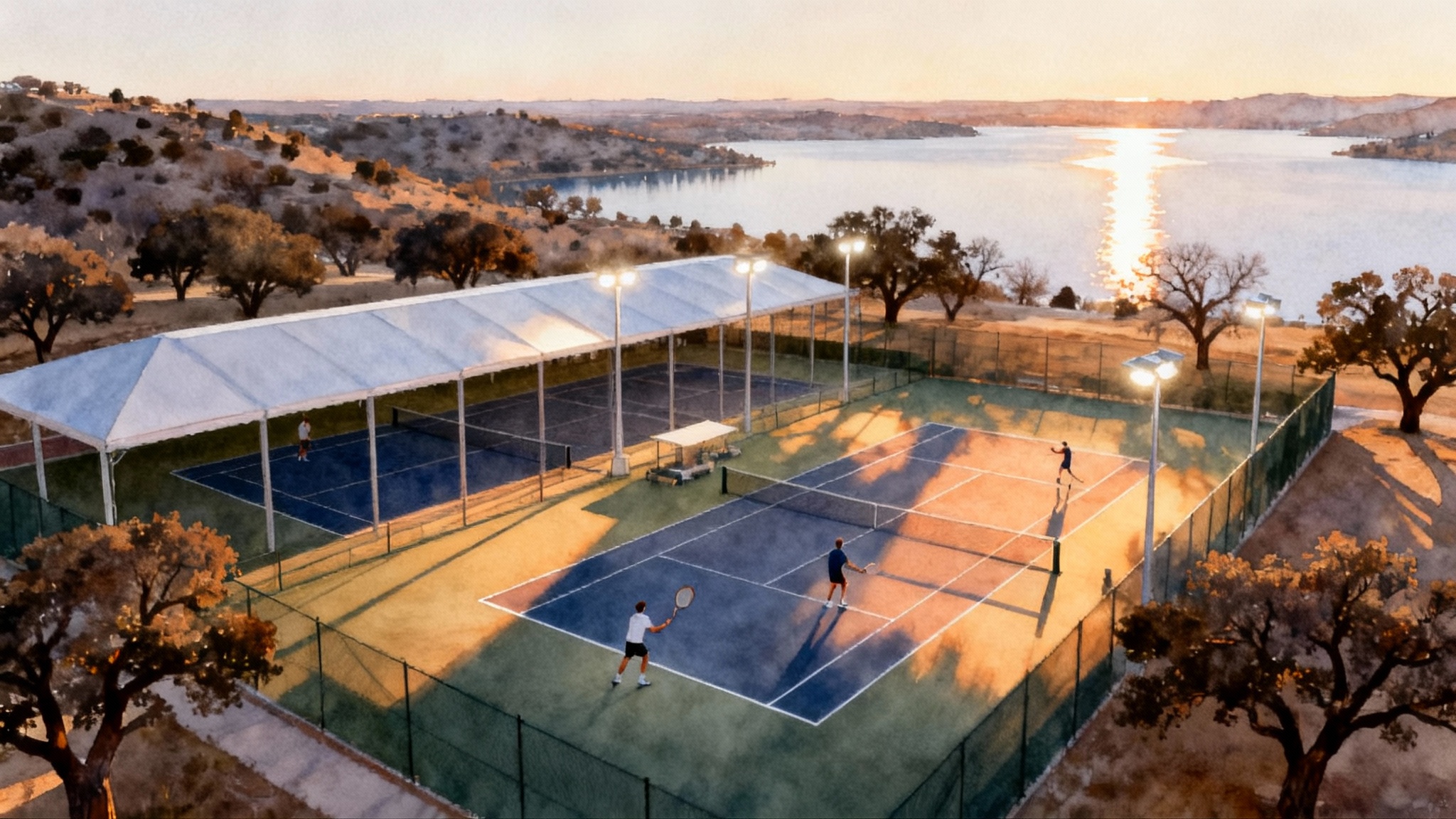
Adriatic Island Tennis: Lošinj Training March to October
Discover why Croatia’s Lošinj works as a relaxed, high‑performance tennis base from March to October. We use Ljubicic Tennis Academy in Veli Lošinj as a case study, with logistics, costs, sample training blocks, and match‑play options.
 Tommy
Tommy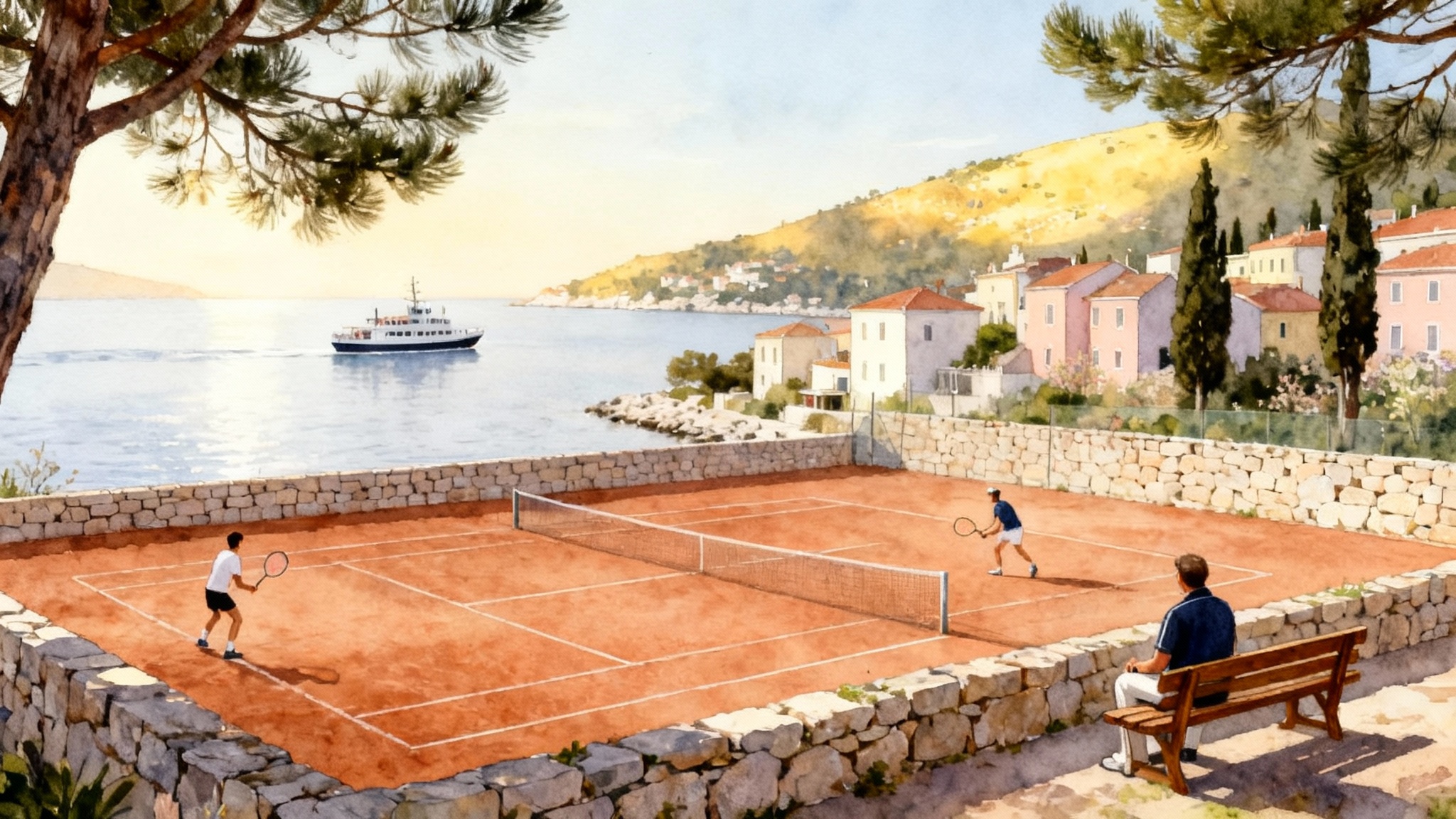
Why this small Adriatic island punches above its weight
Lošinj is a pine covered slice of the Adriatic that invites repetition and focus. From March to October, mornings feel cool, afternoons are warm but breezy, and evenings settle into quiet recovery time. That rhythm is exactly what players need to build volume without burnout. The island’s courts sit close to the sea, so you get consistent air and a surface that rewards patient point construction. It is a setting where a week turns into real skill acquisition, and two weeks can reset a season.
This guide uses the Ljubicic Tennis Academy profile in Veli Lošinj as a practical example of how to structure a trip here. The academy’s emphasis on clay fundamentals, intelligent drilling, and blended match play makes it a strong base for competitive adults, ambitious juniors, and college players who need quality repetitions without the chaos of bigger tennis hubs.
Clay first means decision speed, not just slide skills
Clay courts slow the incoming ball and lengthen rallies, but the benefit for developing players is not only sliding mechanics. Clay exposes decision speed. Every long point forces you to choose better margins, build width, and manage height over the net. That is why a clay first block early in spring, or a clay reset after a hard court stretch in late summer, often produces jumps in shot tolerance and patterns on any surface.
At Ljubicic’s base in Veli Lošinj, coaches typically start progressions with three anchors.
- A neutral rally window with defined targets, so your forehand and backhand live at a playable height and depth.
- Corner to corner width building that forces footwork and spacing.
- A measured change of direction series that trains when to redirect and when to recycle cross court.
The academy doubles down on constraint led practice. Ball baskets are secondary to rules that shape choices. You leave with a blueprint for points, not only cleaner mechanics.
When to go between March and October
- March to early May: cool mornings, perfect for volume. Courts are plentiful, accommodation is value friendly, and the island is calm. Bring a light jacket for warm ups and expect some breeze.
- Late May to late June: the sweet spot for mixed goals. Water is warm enough for recovery swims, and you can still book preferred court blocks.
- July to mid August: the island is popular with families. Book early if you need this window. Train earlier in the day, then lean into recovery and video analysis in the shade.
- Late August to October: shoulder season returns. Conditions feel like spring, with the bonus of warm sea water and long light in the evenings.
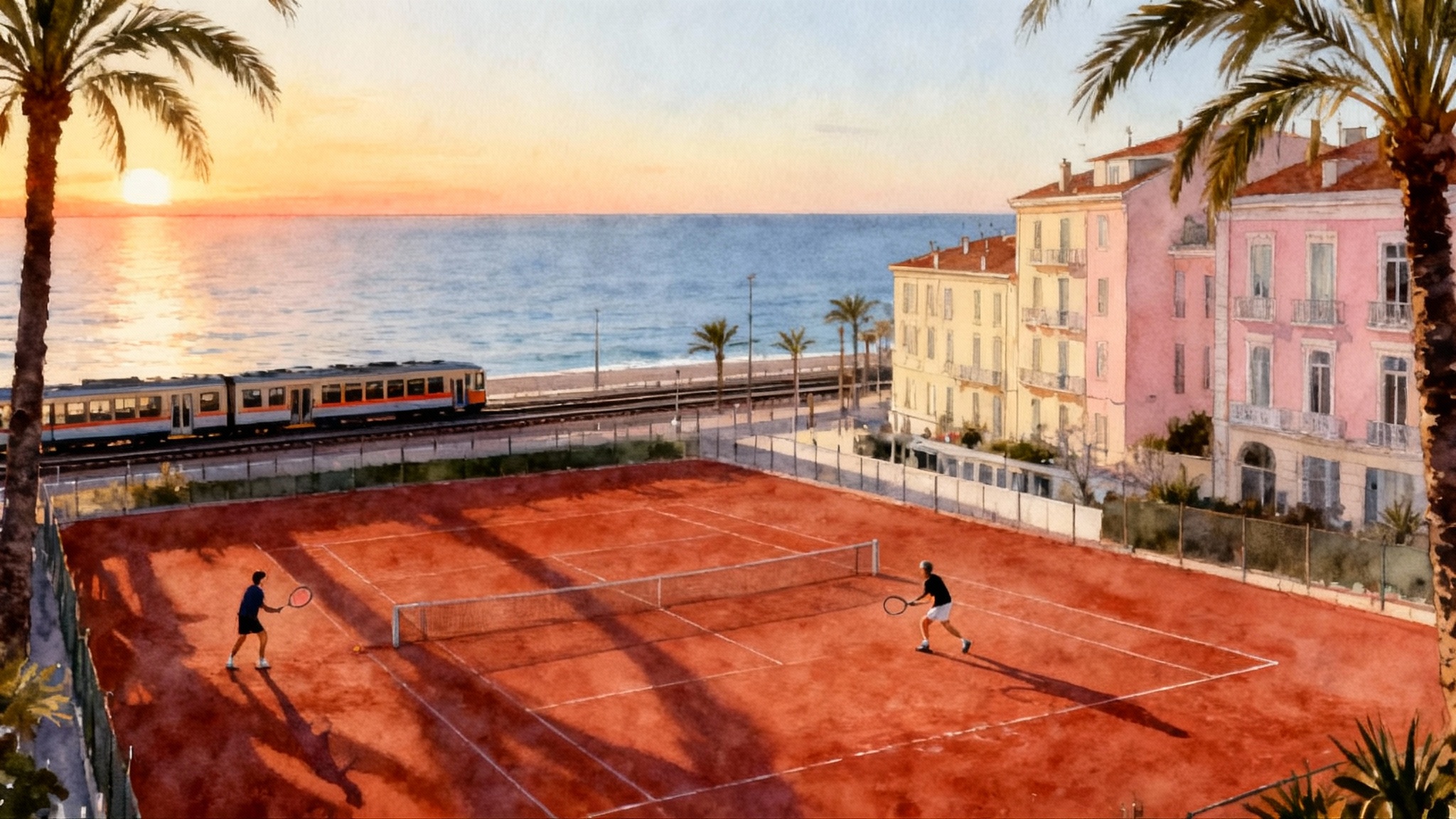
For players eyeing alternative shoulder-season hubs, compare Lošinj’s calm rhythm with our French Riviera shoulder season guide.
Getting there without stress
You do not need a complicated island hop. Think of the journey as two parts: flight to the northern Adriatic, then a short ferry or catamaran.
- Fly to one of four airports with good European connections: Pula, Rijeka, Zadar, or Zagreb. Choose the one with the best schedule from your city. If you plan to rent a car, Pula and Rijeka are the most convenient.
- The road and ferry combination is straightforward. From the Istrian side, drive to the Brestova pier, cross to Porozina on Cres, then continue south through Cres to Lošinj. From the island of Krk, drive to Valbiska and cross to Merag. Allow for a relaxed two to four hours door to court, depending on your starting point and a single ferry queue.
- If you prefer not to drive, the fast catamaran from Rijeka runs to Mali Lošinj, which sits next to Veli Lošinj. Check current schedules on the official Jadrolinija ferry timetables.
Practical tip: book a court or a light hit on arrival day, not a heavy session. Travel tightens the back and hips. An easy forty five minute rally with big targets brings you into the island’s tempo and helps sleep on night one.
Costs and crowds: Lošinj vs Mallorca and the Riviera
Prices vary by season and availability, so think in ranges rather than absolutes. Here is what we see most often during March to June and September to October.
- Court time per hour: Lošinj often ranges from the low teens to the high teens in euros in spring and early autumn, with modest increases in peak summer. Comparable courts in Mallorca tend to sit in the low twenties to mid thirties, while the French and Italian Riviera can run from the high twenties to fifty in busy periods.
- Individual coaching per hour: Lošinj frequently prices in the fifties to eighties in euros for certified staff, with senior coaches higher. Mallorca often lands in the seventies to one hundred plus, and Riviera hubs commonly start higher still. You can build a serious block in Lošinj without spending like a resort guest every day.
- Accommodation per night for three to four star options within walking distance of courts: Lošinj often ranges from the upper double digits to the mid one hundreds in shoulder season. Mallorca and the Riviera trend higher, especially within short walks to courts or beaches.
Crowds follow the same pattern. Lošinj has more local families and repeat visitors, fewer stag groups, and fewer day trippers. That means easier court grids, quieter mornings, and more reliable recovery time. For players who need concentration more than nightlife, the difference is tangible from the first morning session.
If you prefer winter reliability on hard and clay with quick flights, benchmark Lošinj against our Tenerife winter tennis guide.
Case study: a working week at Ljubicic Tennis Academy
The academy’s philosophy is simple to describe and hard to execute. Start with clean, repeatable patterns, then build pressure through constraints and score. Coaches keep baskets light, sections crisp, and rest intervals honest. Here is a sample seven day block for a motivated adult or junior with recent match play.
Day 1, arrival and reset
- Morning: travel and settle.
- Afternoon: 45 minute easy rally and target hitting, then 15 minutes of serve rhythm without chasing speed.
- Evening: light mobility, dinner, and early sleep.
Day 2, rally height and depth
- Morning on court: 90 minutes. Neutral cross court with a belt high window, then patterning into inside out forehand, finish with eight ball consistency sets.
- Afternoon: 60 minutes of strength and conditioning focused on single leg work, hips, and thoracic rotation.
- Evening: 20 minutes of video review on rally height.
Day 3, width and spacing
- Morning: 90 minutes. Corner to corner lanes with fixed targets, then add change of direction triggers.
- Afternoon: sea swim, easy 10 to 15 minutes in cool water, then a relaxed walk under the pines.
- Evening: serve plus one patterns and return depth games.
Day 4, pressure and score
- Morning: 120 minutes. Half court games to eleven, cross court winners only, then add full court points beginning with a second serve.
- Afternoon: recovery jog on the coastal trail, light mobility, then compression or simple legs up the wall for venous return.
- Evening: set piece plays on a whiteboard, decide two go to plays on deuce and ad sides.
Day 5, directed match play
- Morning: 90 minutes. Two practice sets to four games with no ad scoring to keep pace brisk.
- Afternoon: gym session for pushing and pulling strength, three sets of five to six reps, finish with medicine ball throws.
- Evening: short mindfulness practice and breath counts to settle sleep.
Day 6, serve and return lab
- Morning: 75 minutes. Serve targets, slice slider wide and body heavy, returns off first serve with height and middle, then increase pace.
- Afternoon: optional bike ride, then contrast shower, then quiet reading.
- Evening: board games or a film, no screens in bed.
Day 7, test and taper
- Morning: 90 minutes. Graded drill to points to a match tiebreak with a teammate.
- Afternoon: walk, pack, and a final sea dip.
- Evening: early dinner and sleep, or travel if needed.
If you have two weeks, run the same progression with heavier day fours and extra morning hit blocks on days three and six of week two. Add a full rest afternoon after day nine. This structure creates meaningful load without excessive soreness and it keeps technical gains visible.
Recovery that is built into the island
The best recovery is the easy one you actually do. Lošinj excels because everything sits within a short walk. After practice, you can drop your bag and move straight to low friction recovery.
- Sea swims: choose a protected inlet near Veli Lošinj or the larger Čikat Bay near Mali Lošinj. Ten to fifteen minutes in cool water downregulates and reduces perceived soreness.
- Forest trails: the island’s promenades run through pine and juniper. Twenty to thirty minutes of brisk walking after lunch helps appetite, digestion, and sleep.
- Simple sauna and stretch: many hotels near the courts have a small wellness area. Use gentle heat for eight to ten minutes, stretch calves and hips, hydrate, then head to dinner.
Nearby match play on the Kvarner coast
Variety is the secret sauce that prevents training plateaus. If you want fresh sparring partners, you have options close by. Mali Lošinj has additional courts and a friendly local playing community. Cres, an island connected by the same road, has public courts and hosts visiting players in summer and shoulder seasons. Krk and the Opatija Riviera on the mainland side have clubs that welcome drop in guests during non peak hours. Rijeka, the region’s largest city, offers club sessions and occasional open tournaments.
How to organize it without fuss
- Ask academy staff to broker a set with a stronger junior or an adult league player. Coaches usually know who wants a good practice match.
- Block one afternoon as a travel match day. Take the morning off, ride a ferry or the catamaran, play two short sets late afternoon, have dinner on the coast, return the next morning if you prefer.
- Keep score creatively. If you are working on returns, use point starts at fifteen love for the server to put pressure on the return game. If your goal is conversion, play to four with no advantage scoring and a tiebreak at three all.
A two week build for players who want a jump
If you have fourteen days, set clear targets and make small adjustments rather than big swings. Here is a template that works for most competitive players.
Week one
- Two technical mornings, one directed match morning, one heavy pressure day, one serve return day, then a lighter morning hit and full rest afternoon. Six court days, one full rest afternoon.
- Two gym sessions at lower volume but higher intent. Focus on hinge, lunge, push, pull, anti rotation. Keep reps low and move crisply.
- Recovery every day. One sea dip, one forest walk, one sauna stretch cycle.
Week two
- Add a second directed match morning and a fifth technical morning with higher speed serves and second ball aggression. Practice at the same time of day as your likely tournament start.
- Add a second heavy pressure day only if your sleep and soreness scores are good. If not, protect quality by keeping pressure day as a single weekly anchor.
- Book one away match on the Kvarner coast for variety and to practice travel routines.
Use a simple scorecard. Track first serve percentage, second serve plus one errors, and cross court rally errors by side. Those three numbers explain most match outcomes on clay. Improving any one of them by a small margin is a successful fortnight.
Gear and planning checklist for clay
- Shoes with a clay specific herringbone outsole. If you only bring one pair, choose comfort over speed.
- Two reels of string or at least eight sets, especially if you hit with heavy spin. Clay eats string faster than acrylic hard courts.
- A lighter colored overgrip to spot sweat quickly. Change often.
- Hat and two towels. Morning sun reflects from the sea, so shade helps.
- A travel sized resistance band for activation, plus a jump rope for rhythm.
- Water bottle with a simple electrolyte mix. Aim for steady sipping rather than big gulps.
Logistics, simplified into one plan
- Choose your window: March to June for cool volume, September to October for balanced training and swims.
- Pick your airport based on schedule, not price alone. Time saved on arrival is worth more than a small fare difference.
- Decide on car or catamaran. Driving gives flexibility for match trips. The boat keeps things simple if you want a car free week.
- Book courts and coaching early if you need specific times. Keep arrival day light.
- Plan a single away match for variety. The Kvarner coast is close enough for a fun day trip.
Who thrives here, and who might prefer another base
Lošinj suits players who want quality repetitions, calm evenings, and reliable recovery. It is a strong choice for adults returning to competition, juniors building a base phase, and teams that want to reset patterns on clay. Players who crave nightlife and dense tournament calendars next door may prefer Mallorca or the Riviera in peak summer. If you want a balanced environment where the court is the main event and everything else supports it, Lošinj is a smart pick.
The Adriatic alternative that stays in your game
Big names draw crowds, but quiet consistency builds players. Lošinj gives you a mild climate, a clay first coaching culture, real recovery within a short walk, and a travel plan that does not hijack day one. Use the island’s pace. Build decisions and depth in March, sharpen in June, or reset in September. Come away with patterns you can trust everywhere you play.