Orlando Tennis Hub 2026: Lake Nona to Maitland Training Guide
Plan a climate savvy, family friendly tennis block in Orlando. Use the United States Tennis Association National Campus and Revolution Tennis Academy from October to April, with storm smart schedules, clay or hardcourt, backups, lodging, and sample 7 day plans.
 Tommy
Tommy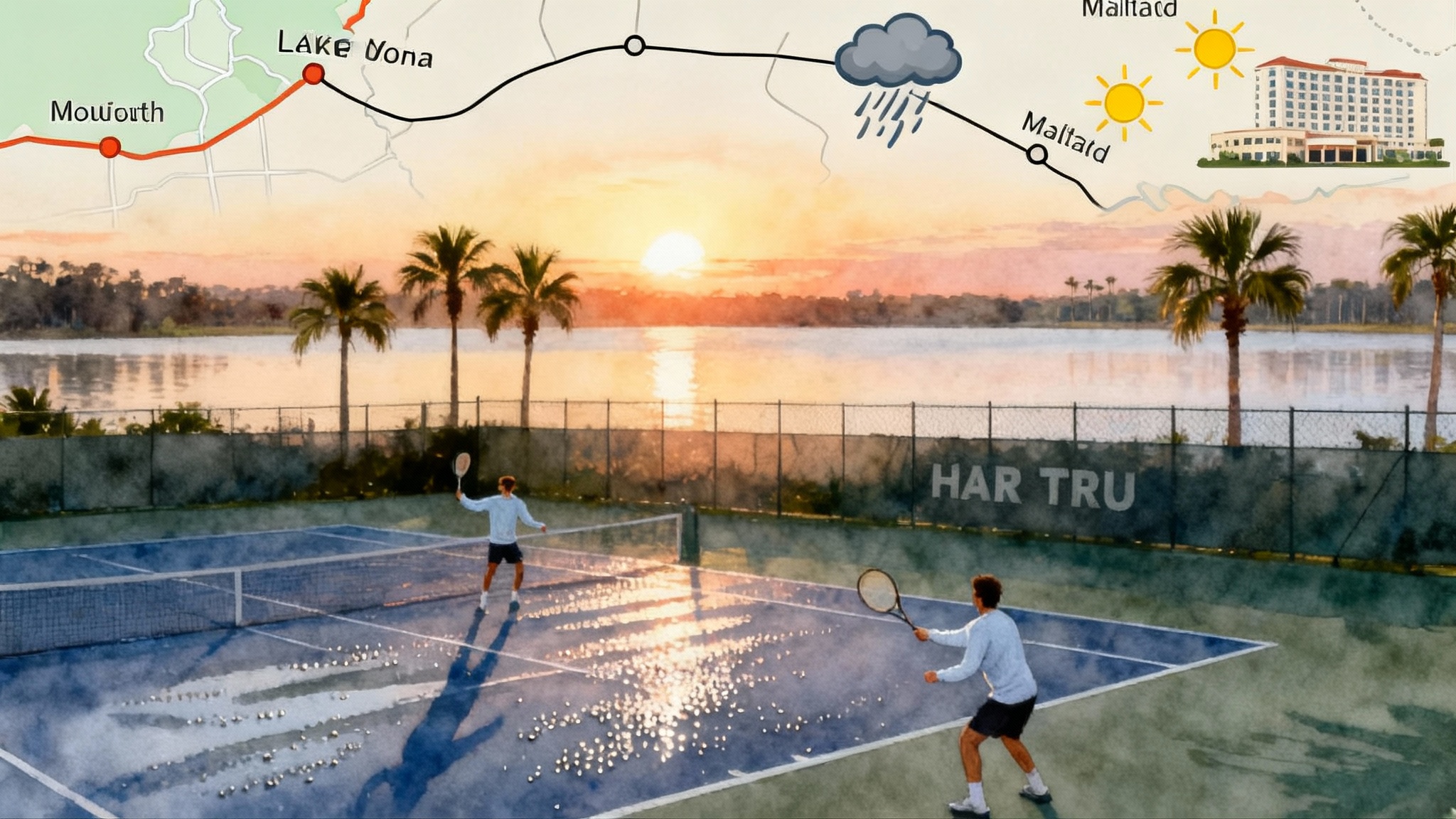
Why Orlando should anchor your 2026 training block
Orlando combines year round tennis weather, a deep bench of coaches, and family entertainment that keeps non players happy. The spine of this guide is the Lake Nona to Maitland corridor. On the south end sits the United States Tennis Association National Campus, a public facing complex that feels like a tennis theme park for all levels. On the north end, Revolution Tennis Academy in Maitland offers day programs that fit school breaks and travel schedules. Linking the two gives you surface variety, different coaching voices, and a plan that can flex around Florida weather.
If you want a quick primer on the campus layout and how to book courts, start with our USTA National Campus overview. For the Maitland side, including day drop ins and small group sessions, see Revolution Tennis Academy Orlando.
The corridor at a glance
- Distance: roughly 30 miles from Lake Nona to Maitland, usually 35 to 50 minutes by car depending on traffic.
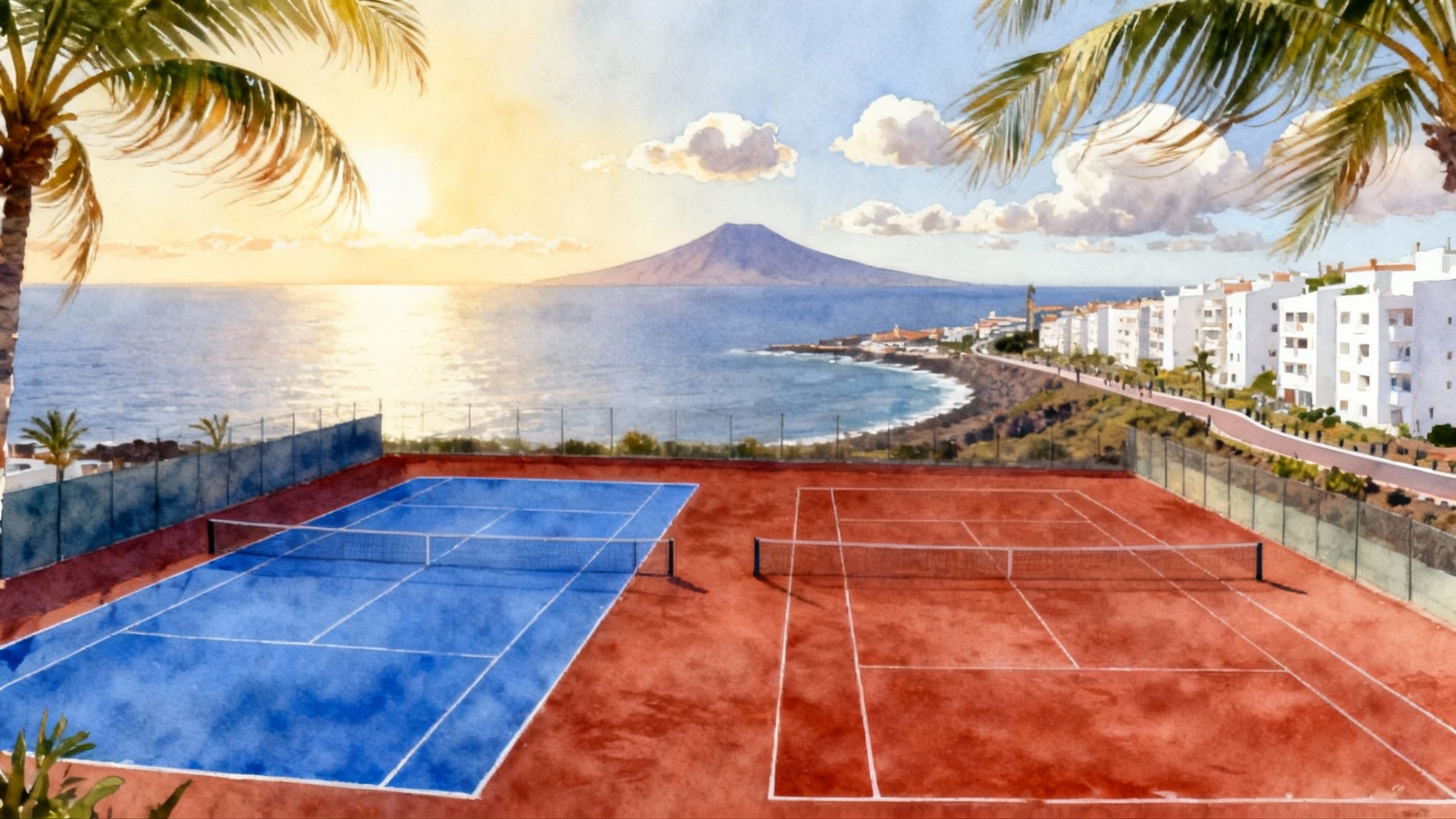
- Surfaces: both ends offer hard and Har Tru clay, which lets you build workload intelligently.
- Family factor: attractions, parks, and pools are everywhere, which makes rest days easy to sell to kids.
Best months: October to April
Central Florida heat peaks in late spring and summer. For consistent on court quality, your sweet spot is October to April. During this window you get mild mornings, workable afternoons, and lower thunderstorm frequency than peak summer. Nights cool enough for recovery walks help sleep and hydration.
- October and November: warm but not oppressive, with less rain than summer. Ramp volume and do mechanical skill work.
- December and January: the most comfortable training air of the year. Great for match blocks and fitness upgrades.
- February and March: dry, breezy, and tournament rich. Use these months for test events and more practice sets.
- April: starts to heat but still manageable. Shift to earlier start times and emphasize hydration habits you will need for the rest of the year.
How to beat summer thunderstorms
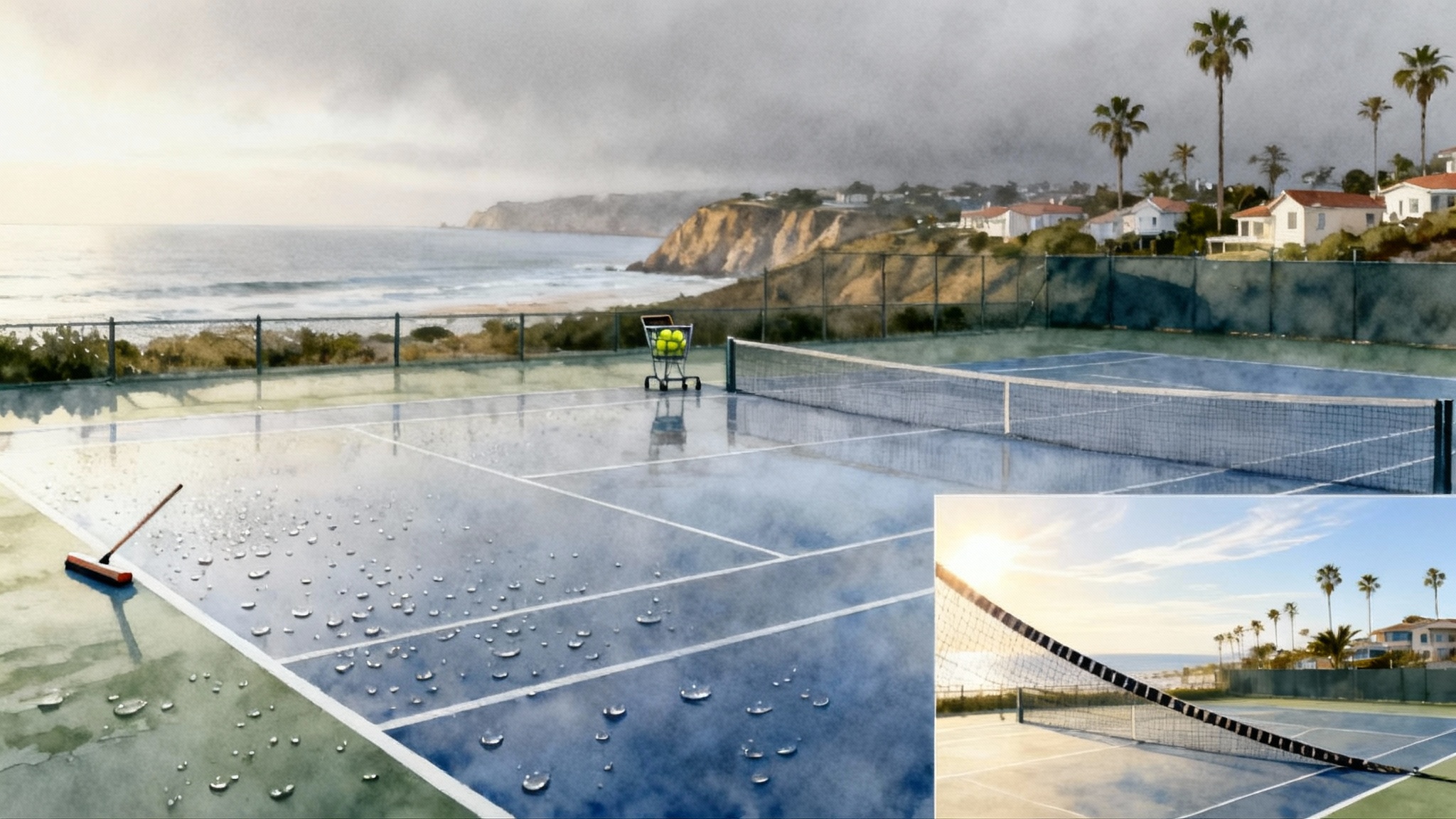
From June through September, expect clockwork afternoon storms. Lightning safety is non negotiable, and delays are common between mid afternoon and early evening. Keep your week on track with a few simple rules.
- Front load the day: book main sessions between 7:00 and 11:00 a.m. Afternoon becomes lift or mobility, tactics review, and short serve plus return blocks.
- Use a split schedule: brief 75 to 90 minute early hit, then a 60 minute evening touch session after the storm line passes.
- Plan rollovers: keep one flexible hour each day that can slide into the evening if lightning stops play.
- Build a rain kit: jump rope, reaction ball, bands, and a planned video topic. Ten minutes of footwork ladders in a hotel hallway plus a thirty minute match review beats a lost day.
Surfaces explained: Har Tru vs hardcourt
Think of surfaces as gears on a bike. Use the right gear for the work you want.
- Har Tru clay: slightly slower and lower impact than hard. It lengthens points and rewards patience and height over the net. It is ideal for volume days, pattern training, and learning to finish at the right time. Sliding teaches balance and recovery steps, which transfers to defense on faster courts.
- Hardcourt: faster and more direct. It sharpens first strike patterns and return games. It is better for shorter, higher intensity sets and for serve plus first ball reps.
A simple weekly rule of thumb: two clay dominant days, two hardcourt dominant days, and one mixed day to test transitions. This balance keeps tendons happy while raising your competitive ceiling.
Access and programming
United States Tennis Association National Campus
The campus in Lake Nona is built for volume. You will find an array of hard and Har Tru courts, hitting walls, and a calendar with clinics for juniors and adults. Courts book quickly in peak months, so reserve early. Families like it because one parent can drop into an adult clinic while a junior attends a structured session. If you are building a two week block, anchor your first touches and your last day at the campus. The consistency of court speed and the easy parking keep energy focused on the work.
Key tips:
- Reserve morning courts first, and only then layer in clinics or point play.
- If you are traveling with a mixed level group, aim for adjacent time blocks so drop offs and pick ups are simple.
- Ask for ball machine slots on arrival day. A quiet hour of rhythm sets the tone for the week.
Revolution Tennis Academy in Maitland
Revolution runs day programs built for commuters and visiting families. Expect small group drilling, point play blocks, and optional privates. The Maitland location allows you to break the week into focus themes: movement and patterns on Har Tru, then a short drive to hard for serve and return. Day passes mean you can adjust without committing to a multi week package. If you plan a longer Florida swing, consider adding a clay heavy detour at Gomez Tennis Academy in Naples.
How to use it:
- Start with a midweek day program to check fit and coaching style.
- Add a private lesson targeted to your priority, such as forehand height control or return stance.
- Finish the week with supervised match play so players can test what they learned under light pressure.
Indoor and wet weather backups
Fully indoor tennis is scarce in Central Florida. Plan on smart scheduling rather than assuming there is a nearby bubble. Your best backups are about regrouping rather than replacing.
- Shift to sheltered spaces: many clubs have covered walkways or shaded pavilions where you can run short footwork circuits or shadow swings until lightning clears.
- Build an indoor training menu: ten minute mobility, fifteen minute video breakdown, twenty minute serve toss and shadow routine, and a twenty minute band sequence for shoulder care. Bring cones and a light medicine ball.
- Use fitness facilities: day passes at local gyms keep the afternoon productive. Prioritize single leg strength, core, and short incline treadmill sprints after rain when heat index drops.
If your calendar shifts north and you need fully indoor options, scan our Indoor Tennis Dome Guide 2026.
Recovery and support
Recovery separates a good week from a great one. The Orlando corridor is made for easy routines.
- Hydration plan: start each morning with 500 milliliters of water plus electrolytes, then 250 milliliters every 15 to 20 minutes on court. Add a light carbohydrate source during set play.
- Heat adaptation: wear light colors, use ice towels during changeovers, and take a two minute shade break each half hour in peak sun.
- Soft tissue and mobility: five minutes of foot rolling, ten minutes of calves and hips, then a two minute diaphragmatic breathing reset. Do it before dinner every night.
- Sports medicine and therapy: book a midweek thirty minute recovery session with a licensed therapist if you are increasing load. Maitland and Lake Nona both have clinics that work with junior and adult athletes.
Where to stay and eat
Pick lodging by traffic pattern and kitchen setup.
- Lake Nona side: choose an apartment style hotel with a kitchenette for early breakfasts and post match snacks. The area around the campus includes full service hotels if you want resort amenities.
- Maitland side: business hotels with quiet rooms work well for families that need early bedtimes. Look for free parking and a grocery store nearby.
- Central base: if you plan daily split sessions north and south, stay near Winter Park or Altamonte Springs to reduce driving time.
Food strategy:
- Breakfast: oatmeal with fruit and yogurt or eggs, plus a bottle of electrolyte water. Eat two hours before play when possible.
- Lunch: rice or potatoes, lean protein, and a handful of fruit. Keep it light on fats if you plan to hit within three hours.
- Dinner: more vegetables and a larger carbohydrate portion on heavy days. Add dessert on match days to refill glycogen.
Getting around
Renting a car is the simplest option. Ride shares can work for one off sessions, but families do better with the flexibility of having a vehicle. Lake Nona to Maitland is straightforward on the toll roads. Budget for tolls or add a transponder option to your rental.
Budgets and what to expect
Budgets vary with coaching volume, hotel category, and park days. The ranges below help you set expectations for a seven day plan for one player plus one guardian. Add about 40 to 60 percent for each additional player sharing the room.
Lean performance week:
- Lodging: 7 nights at a limited service hotel or apartment style property, 160 to 220 dollars per night. Total 1,120 to 1,540 dollars.
- Coaching: three day programs and two privates, 700 to 1,050 dollars.
- Courts and equipment: public court bookings and a ball machine hour, 60 to 120 dollars.
- Food and groceries: 300 to 450 dollars.
- Transportation and tolls: 250 to 400 dollars.
- Optional theme park add on: one day base ticket for one adult and one child, 250 to 400 dollars.
Total range: roughly 2,680 to 3,960 dollars.
Comfort plus family week:
- Lodging: 7 nights at a full service property with pool and gym, 260 to 420 dollars per night. Total 1,820 to 2,940 dollars.
- Coaching: four day programs, three privates, and one supervised match session, 1,200 to 1,700 dollars.
- Courts and equipment: ball machine packages and extra evening court, 120 to 220 dollars.
- Food and restaurants: 600 to 900 dollars.
- Transportation and tolls: 350 to 500 dollars.
- Optional theme park add ons: two days of parks for one adult and one child, 500 to 900 dollars.
Total range: roughly 4,590 to 7,160 dollars.
These estimates assume peak season pricing and leave room for small surprises. Booking three to six weeks ahead for October to April keeps rates in check.
Sample 7 day training plans
Below are practical plans that you can copy and paste into your calendar. Times are suggestions; adjust to your family rhythm and the weather.
Junior competitor, age 12 to 16
- Day 1, Sunday arrival: afternoon ball machine and dynamic warm up at the United States Tennis Association National Campus. Early dinner and lights out by 9:30 p.m.
- Day 2, Monday: morning Revolution day program in Maitland focused on movement and patterns on Har Tru. Afternoon swim and mobility. Evening homework or film review.
- Day 3, Tuesday: morning private lesson on serve plus first ball at the campus. Afternoon 60 minute hitting session on hard with return focus. Short band routine after dinner.
- Day 4, Wednesday: half day program in Maitland with point play. Afternoon nap and stretch. Light jog at sunset.
- Day 5, Thursday: match simulation day on hard. Two sets with match routines. Afternoon recovery session with gentle flush bike and shoulder care.
- Day 6, Friday: mixed surface day. Ninety minute drill on clay to rehearse height and depth, followed by sixty minutes of doubles patterns on hard. Evening treat and an easy walk.
- Day 7, Saturday: optional test match in the morning. Afternoon off for a park or pool. Pack and prep for travel.
Rain plan swaps: on any rainy afternoon, replace court time with a 45 minute video review plus a 30 minute mobility and band circuit. Slide the missed court hour to the following morning.
Adult improver, 3.0 to 4.0 level
- Day 1, Sunday arrival: easy hit and serve feel session at the campus. Ten minutes of overheads and volleys.
- Day 2, Monday: Revolution small group in Maitland with a footwork emphasis on clay. Afternoon foam roll and hips.
- Day 3, Tuesday: campus adult clinic on hard in the morning. Afternoon private lesson targeting return of serve and plus one forehand.
- Day 4, Wednesday: rest morning with a recovery walk. Evening 75 minute point play with a local hitting partner.
- Day 5, Thursday: clay route building on patterns to the backhand corner. Afternoon strength session and core, then fifteen minutes of serve targets.
- Day 6, Friday: supervised match play or UTR style ladder if available. Focus on between point routines and first serve percentage.
- Day 7, Saturday: park day with family or a short social doubles. Travel prep.
Rain plan swaps: add a 20 minute mirror based shadow session for serve rhythm and a 25 minute elastic band workout. Rebook missed court for the next morning.
Theme park add ons without derailing training
The key is to treat parks as recovery walks, not marathons.
- Put park days after light tennis days, not after heavy match play.
- Arrive early, leave by early afternoon, and return to the pool for cooldown.
- Wear supportive shoes and set a step count cap so you do not outwalk your training legs.
- Hydrate as if it were a match day. Carry electrolyte packets and a refillable bottle.
Booking checklist
- Dates: target October to April for predictable quality.
- Courts and clinics: book morning slots first at Lake Nona. Layer in Maitland day programs around those anchors.
- Coaching priorities: write two goals before you arrive. Examples include raising first serve percentage by five points or learning a reliable heavy crosscourt rally ball on clay.
- Recovery: prebook one soft tissue session midweek and plan a nightly 20 minute mobility habit.
- Lodging: choose kitchen access if you are traveling with juniors, and verify a quiet room location away from elevators.
- Gear: bring an extra set of dry grips and two towels per session. Pack a small first aid kit.
Final take
Orlando in 2026 is not just a place to hit a lot of balls. It is a system you can use to build skills in the right order and at the right load. Anchor your mornings at the United States Tennis Association National Campus, add targeted days at Revolution Tennis Academy in Maitland, and organize your week around Florida weather patterns. The result is a training block that feels professional yet family friendly, with enough variety to keep players engaged and enough structure to produce gains you will notice when you go home.