Year‑Round Tennis in Austin Hill Country, Lake Travis & Spicewood
Plan four seasons of smart training in Austin’s Hill Country. Learn the best months, heat‑wise schedules, court surfaces, travel logistics, and how the new Legend Tennis Academy in Spicewood anchors measurable micro‑camps for 2025–2026.
 Tommy
Tommy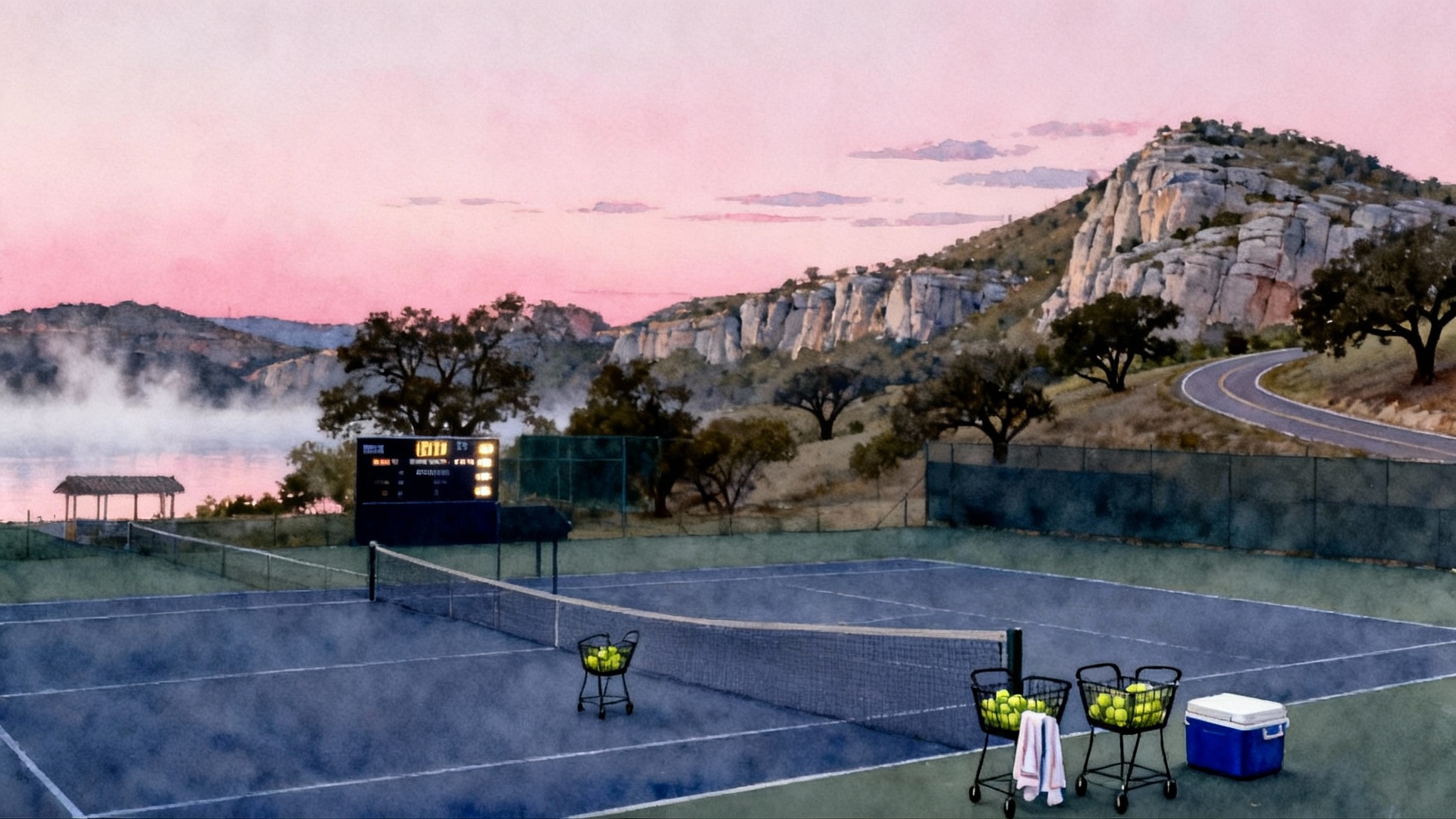
Why Austin’s Hill Country Works All Year
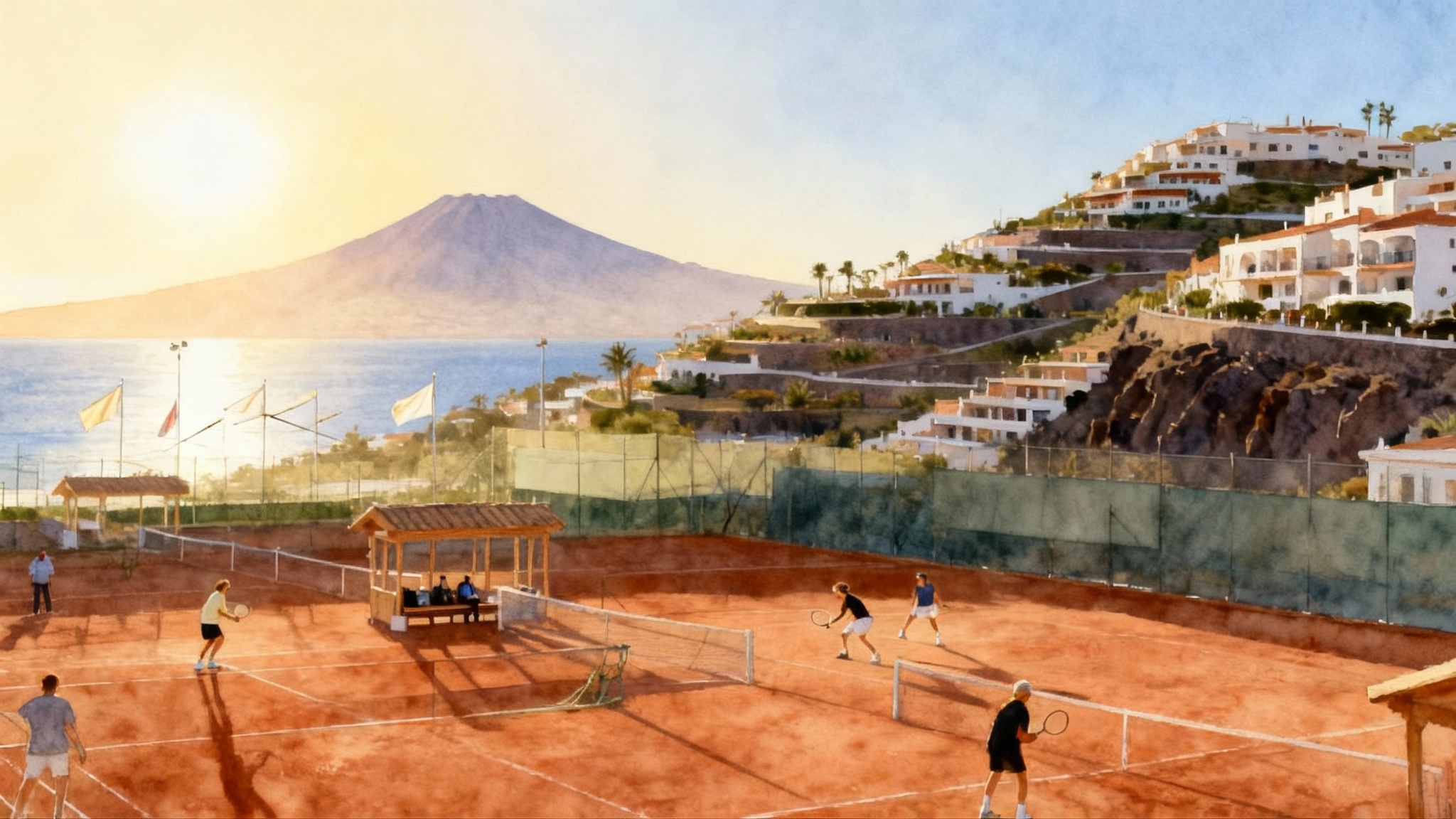
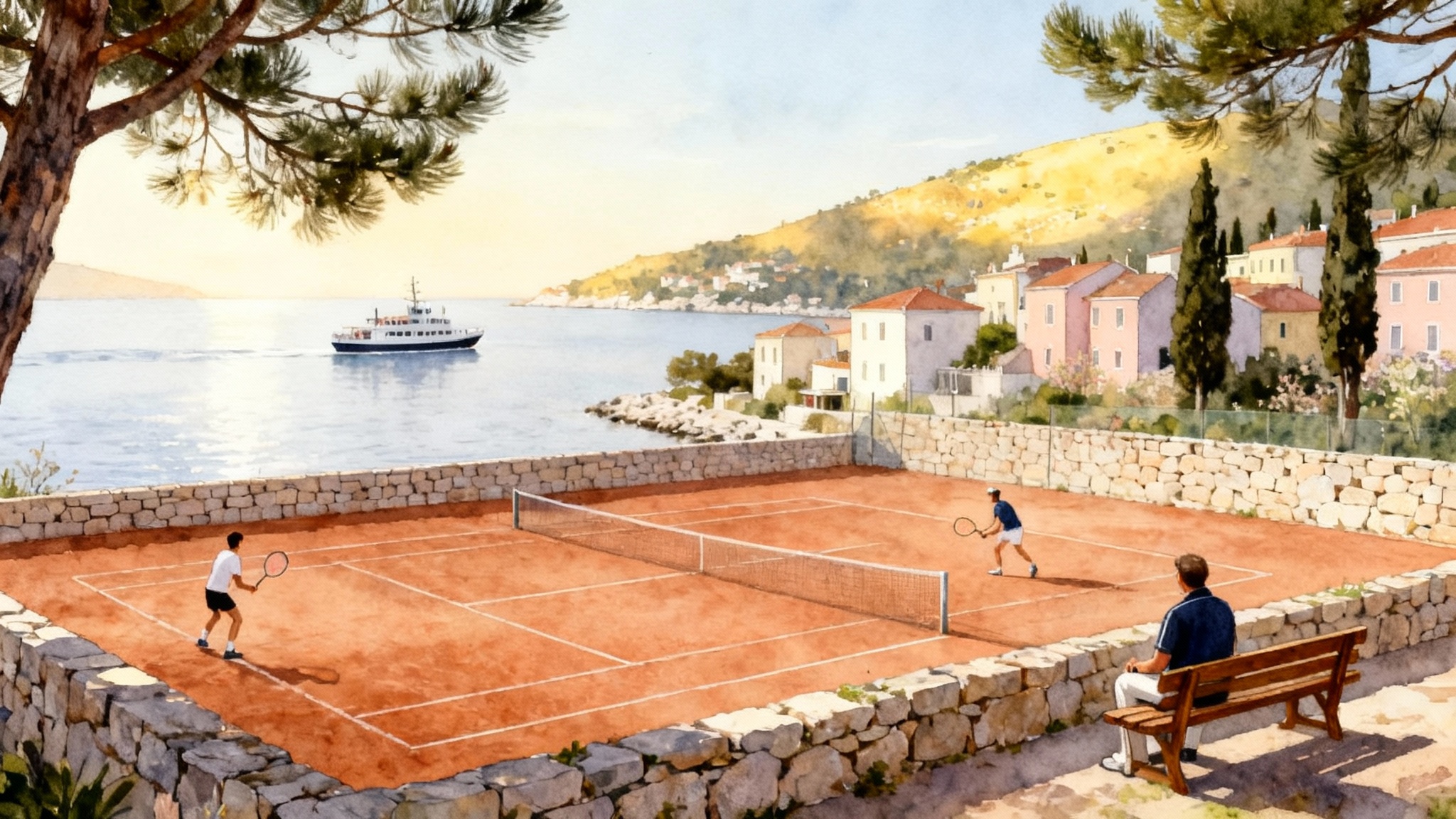
Stand on a lakeside baseline in Lake Travis with limestone cliffs at your back and you feel why the Hill Country is built for year-round tennis. Winter days are often playable in the afternoon, spring turns perfect, and fall lingers warm and dry. Even in summer, smart scheduling makes productive sessions possible without chasing indoor courts. The climate is your first asset. Winter afternoons typically sit in the 60s Fahrenheit, and spring and fall serve up long strings of clear, still days, a pattern reflected in the NOAA Austin climate normals. That gives players and coaches flexibility to structure seasonal blocks that actually stick, rather than resetting plans every time the weather shifts.
The second asset is geography. From Lake Travis to Spicewood you get clusters of courts across neighborhood clubs, resorts, and public facilities, connected by short drives on FM roads and ranch-viewed highways. The terrain adds character without adding altitude. You can run repeat sprints, long diagonals, and slow-tempo footwork on mostly level surfaces, then recover in the shade or down by the water. Training here feels like a blend of camp and home base, which is exactly what serious players need over a twelve-month cycle.
The Calendar Map: When to Schedule What
Use this high-level calendar to plan annual cycles without guesswork. Think in terms of load, intensity, and match play demand.
-
October to April: prime season
- What it is best for: high-volume drilling, live ball sets, technical rebuilds that require daily repetition, and tournaments that rely on predictable weather.
- Why it works: cool to mild days preserve legs and temper heart rate, so you can stack sessions without draining the tank. Ball bounce is stable, and shanked hits do not sting like they do in hot months.
- How to use it: schedule 6 to 10 week blocks with weekly progress checks. Emphasize volume and accuracy early in the window, then ramp to match simulations and tournament play from late February through April.
-
May to September: early and late play
- What it is best for: skill consolidation, serve and return windows, targeted footwork, and fitness blocks. Also ideal for short micro-camps that compress focused work into two or three days.
- Why it works: mornings and evenings bring tolerable temperatures. You retain the outdoor reads on spin and depth without carrying midday heat.
- How to use it: run two-a-days of 75 to 90 minutes. Mornings emphasize technical work and serves; evenings shift to point play and patterns. Midday is for video analysis, mobility, and naps.
Heat-Smart Summer Scheduling That Actually Delivers
Summer is a test of planning, not toughness. Replace vague intentions with a schedule that balances stimulus and recovery.
- Start times: begin mornings at civil twilight plus 30 to 45 minutes. In the evening, hit the court 60 to 90 minutes before sunset.
- Session length: cap outdoor blocks at 90 minutes. Add a five-minute mid-session shade break. If you are not measuring ball quality after the break, you are just collecting sweat.
- Drill selection: prioritize closed-skill work early, then open-skill work as temperatures drop. For example, run 15 minutes of serve targets, 15 minutes of serve plus one, 20 minutes of cross-court control ladders, then 30 minutes of situational points.
- Recovery stack: pre-hydrate one hour before with sodium plus water, sip during, then recover with cool shade, a light snack, and a brief legs-up rest. Do not amputate your evening session with a heavy lunch.
- Heat indexes: if the heat index pushes high risk, move the session or shift indoors for video and pattern mapping instead of forcing court time. Discipline is knowing when to pivot.
Surfaces You Will See and How to Use Them
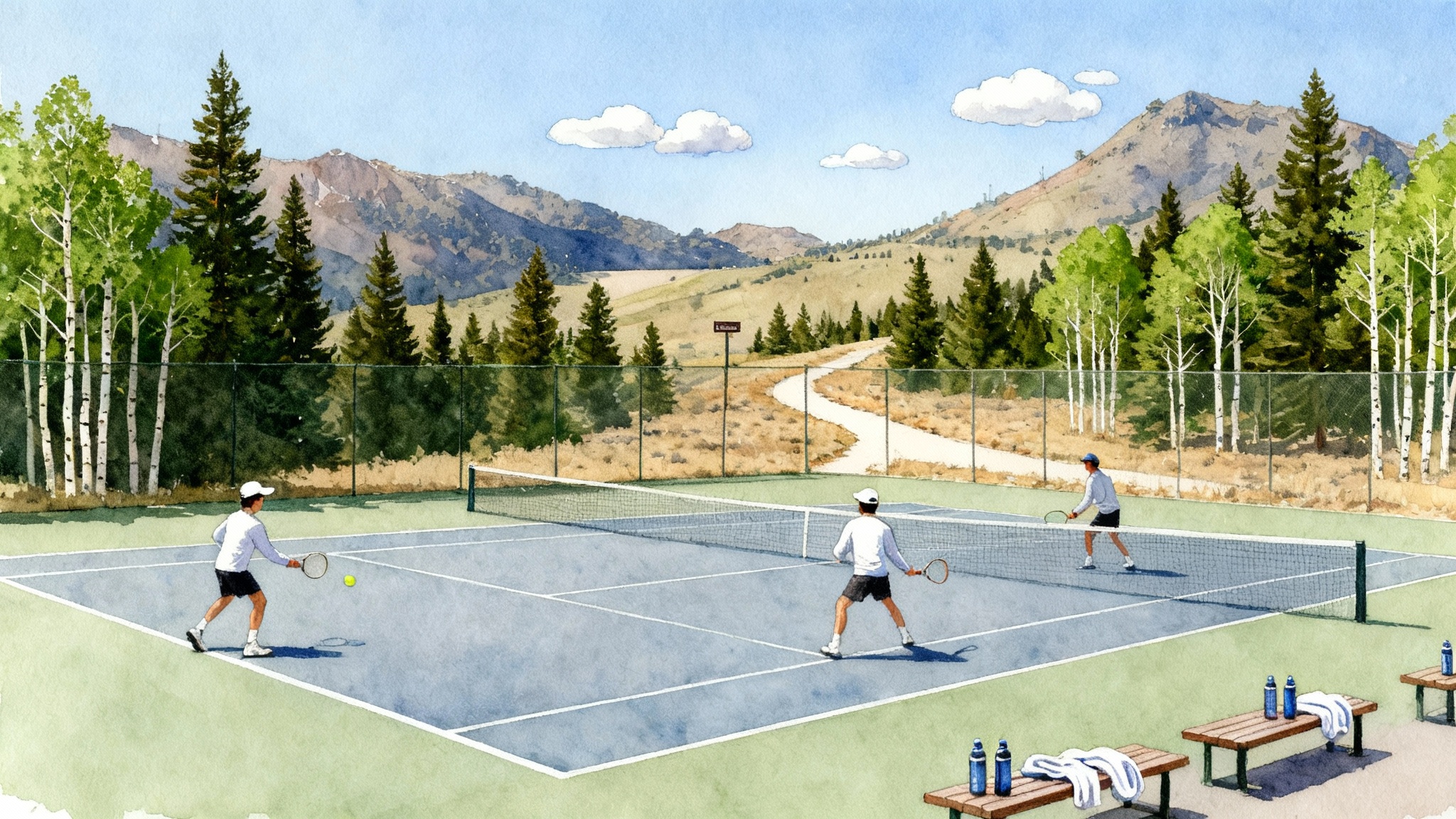
The Hill Country is primarily a hard court environment, with pockets of clay and a growing number of cushioned acrylic builds. Each surface gives you a different training lever.
-
Hard courts
- What it teaches: movement honesty, strike timing, and pattern clarity. The ball does what you make it do. That transparency makes hard courts ideal for technical rebuilds from October to April.
- How to train: ladder your accuracy using targets and live ball sets. Use low-compression balls selectively for junior feel adjustments without losing tempo.
-
Clay courts
- What it teaches: patience, leg endurance, and forehand shape. Clay elongates rallies, exaggerates spin effects, and rewards balanced recovery steps.
- How to train: mix 1 clay session for every 3 hard sessions in prime months if you compete on clay in spring. In summer, book clay at sunrise for the coolest, smoothest bounces.
-
Cushioned acrylic and hybrid builds
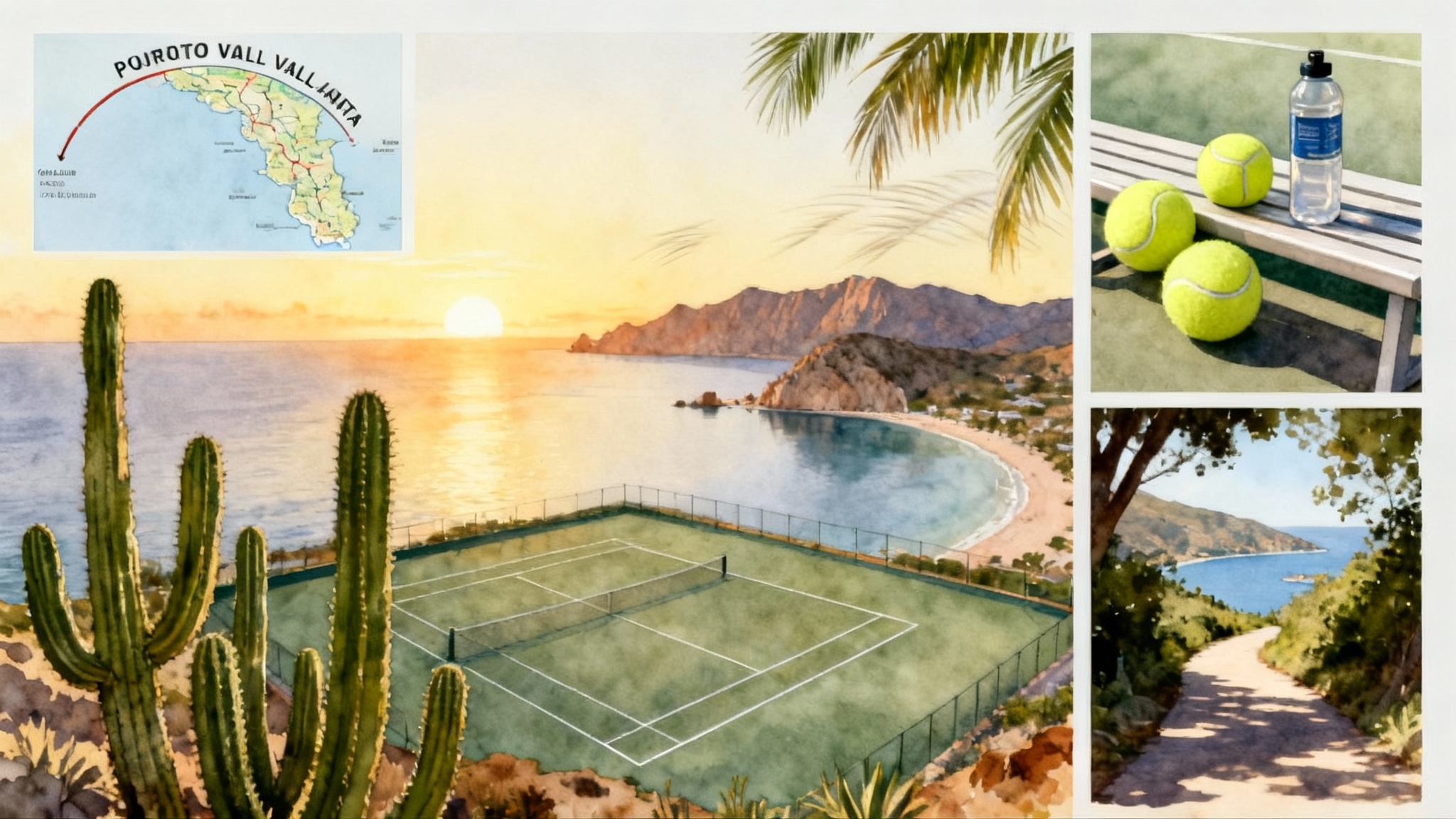
- What it teaches: similar read to hard courts with reduced joint load. This is a prime choice for high-volume serves or adult blocks where soreness is the bottleneck.
- How to train: schedule serve weeks here and pair with off-court posterior chain work to protect shoulders and knees.
Think of the surface mix as a gear set. Hard courts sharpen, clay extends, cushion preserves. Rotate them according to your tournament calendar and recovery needs.
Spotlight: Legend Tennis Academy in Spicewood, 2025–2026
The Hill Country finally has an anchor built around measurement, not mystique. Legend Tennis Academy in Spicewood opens its 2025–2026 slate with micro-camps for juniors and adults designed to show progress you can prove.
Here is how the micro-camps are structured:
- Duration and cadence: two to three days, offered year-round. Prime months run longer live-ball segments. Summer sessions use early and late blocks with mid-day analysis.
- Baseline assessment: day one includes speed gun serve readings, depth charts for forehand and backhand targets, and a 10-ball pattern test with directional control scoring.
- Movement profile: court-sprint timing on T-shuttles and box patterns, recorded on video for replay and cueing.
- Tactical blueprint: pattern inventory mapped to opponent types. You leave with a one-page plan and a 30-day drill ladder.
- Adult tracks: technique triage to fix the one leak that floods your matches, plus doubles formations tested against live returns.
- Junior tracks: constraints-led drills to build decisions under time pressure, including serve plus one and first-strike defense.
Legend’s appeal is the feedback loop. Every camp concludes with a quant sheet: serve speed, target hit percentage, rally length under pressure, and movement times. The next time you come back, you start from the last number, not a fresh promise.
You can reserve dates and see sample quant sheets on the academy page: Legend Tennis Academy in Spicewood.
Where to Play Around Lake Travis and Spicewood
This corridor offers a practical mix of private clubs, resorts, and public courts.
- Lake Travis area clubs: neighborhood and master-planned communities often maintain several lit hard courts. Many offer drop-in doubles and organized drills that welcome visiting players for a day fee. Ask about guest passes tied to on-site lodging.
- Bee Cave and Lakeway: a dense cluster of courts serves both residents and visitors. Expect strong adult USTA league participation, which means quality sparring if you reach out early.
- West of Lake Travis toward Spicewood: facilities are more spread out but often quieter, which suits focused morning work and private lessons.
- Resort options nearby: properties around Barton Creek or westward toward Horseshoe Bay run clinics and ball machines and sometimes rotate clay and hard surfaces. If you plan a mixed family trip, these programs can keep everyone moving.
Call ahead, especially during spring break or October event weeks, to secure ball machine slots and confirm court surfaces. If you compete on clay in April, do not assume availability. Build that into the plan.
Travel Logistics: Simple, Close, Predictable
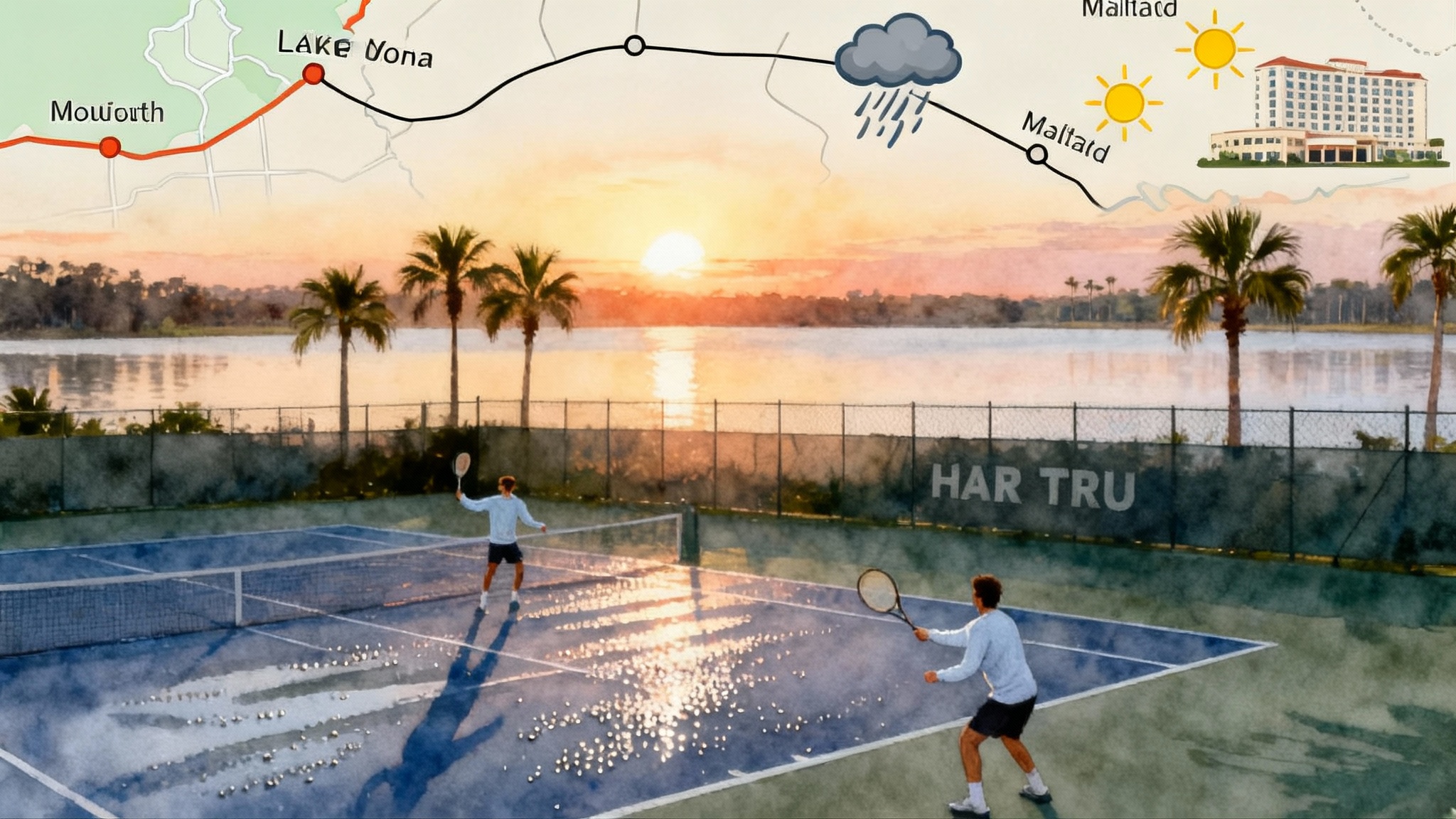
- Primary airport: Austin-Bergstrom International Airport serves the corridor with wide airline coverage and straightforward access to the westward highways. Confirm ground options on the AUS official ground transportation page before you land.
- Drive times: typical no-traffic windows are 35 to 60 minutes from AUS to Lake Travis, and roughly 50 to 70 minutes to Spicewood. Weekend lake traffic can add time. Aim for late morning arrivals.
- Car rental: reserve a midsize with trunk space for ball hoppers and a cooler. Many properties around Lake Travis have sloped driveways or gravel lots; a little extra clearance helps.
- Nearby airports: San Antonio International is a backup if flight times to Austin do not fit your schedule, but count on a longer drive to the lake corridor.
Lodging That Fits a Training Week
Pick lodging to match your court plan rather than the other way around.
- Lake houses with backyard courts: perfect for micro-camps and families. Ask hosts for photos at midday to check shade lines and fence height.
- Resort stays: ideal for players who want clinics, spa recovery, and supervised kids’ activities while serious sessions happen at dawn and dusk.
- Hill Country rentals near Spicewood: quiet and practical. Confirm Wi-Fi speed if you plan mid-day video analysis uploads.
Wherever you book, ask for a hose spigot near the parking spot. You can refill a cooler, rinse shoes, and keep equipment clean.
Sample Week Plans You Can Adopt
Two templates follow. Adjust the minutes, not the structure.
Prime season, October to April
- Monday
- Morning: technical block, 90 minutes. Focus on forehand spacing, inside-out to inside-in ladder.
- Afternoon: easy aerobic run, 25 minutes, plus band work.
- Tuesday
- Morning: serve plus one, 45 minutes; return plus one, 45 minutes.
- Afternoon: live points, 60 minutes, with first-strike patterns.
- Wednesday
- Morning: clay or cushion day, 90 minutes. Emphasize height and depth.
- Afternoon: mobility and eight sets of 15-second court sprints.
- Thursday
- Morning: video check, 45 minutes; pattern rehearsal, 45 minutes.
- Evening: match play set and tiebreak.
- Friday
- Morning: accuracy challenge, 60 minutes; doubles returns, 30 minutes.
- Afternoon: recovery swim if you have lake access or a pool.
- Weekend
- One day off, one day for a practice match or Legend micro-camp add-on.
Summer window, May to September
- Dawn block, 75 to 90 minutes
- 15 minutes serves to three targets; 15 minutes serve plus one; 20 minutes cross-court control; 20 minutes points to 11; 10 minutes soft-tissue cooldown.
- Evening block, 75 minutes
- 15 minutes returns; 30 minutes situational games; 20 minutes doubles formations; 10 minutes mindfulness breathing.
- Midday
- Hydration, nap, and a short video session. Set one cue per stroke rather than a list.
Measurement Without Guesswork
To track improvement, adopt a simple scoreboard and update it weekly.
- Serve speed: three best out of ten on both sides. Track average and peak, not only peak.
- Target accuracy: 50 balls forehand, 50 balls backhand to two zones, record makes. Use a chalk line and a phone for verification.
- Movement: T-shuttle. Five reps, average of middle three. Film the feet, not the face.
- Pattern test: ten-ball sequence, forehand cross, forehand line, backhand cross, backhand line, repeated. Score on depth and timing.
Legend Tennis Academy in Spicewood builds these into every micro-camp, but you can run them yourself on any court in the corridor. Consistency over time, not one huge number, is the goal.
Practical Gear and Hydration
- Footwear: bring two pairs. Rotate daily to keep midsoles responsive in warmer months.
- Strings: if you string poly, drop tension 2 to 3 pounds in summer morning sessions to preserve feel as the air warms.
- Balls: use fresh cans every other session in prime season; every session in summer if you are running serve blocks.
- Sunscreen and shade: pack a UPF long sleeve for between games and a compact umbrella for fence shade when benches sit in full sun.
- Hydration: pre-hydrate one hour before, include sodium, and set a timer every 15 minutes during play. Do not use thirst as your only guide.
How to Use This Corridor Without Chasing Other Hubs
This guide is built to stand on its own. You do not need to compare to other winter or desert hubs to make good decisions here. The Hill Country offers predictable planning windows, surface variety, short drives, and a data-driven anchor in Spicewood. That combination is rare. Treat it as a base, not a getaway.
- Build your calendar now: October to April for volume and competition; May to September for early and late precision work.
- Rotate surfaces on purpose: hard for clarity, clay for legs, cushion for load management.
- Book court time ahead: target mornings in summer, mid-afternoons in winter.
- Use measurement: write down serve speed, target accuracy, and movement times. Repeat tests every two weeks.
- Add a micro-camp: schedule Legend in Spicewood at the start or end of a block to get numbers you can build on. For comparison destinations, see our desert winter tennis 2026 guide and the altitude summer tennis 2026 guide.
Conclusion: A Base That Makes Every Month Count
Austin’s Hill Country rewards players who plan. The climate gives you long prime windows and workable summer margins. The geography keeps drives short. The surfaces let you toggle intensity without losing feel. And with Legend Tennis Academy in Spicewood turning micro-camps into measurable outcomes for 2025 and 2026, you have a built-in checkpoint that fits around real life.
Pick your months with intention. Line up courts before the calendar fills. Measure the work you do. Then let this corridor from Lake Travis to Spicewood be your training base, not just your next trip. When the year ends, you will not be guessing whether you improved. You will have the numbers, the video, and the match wins to prove it.