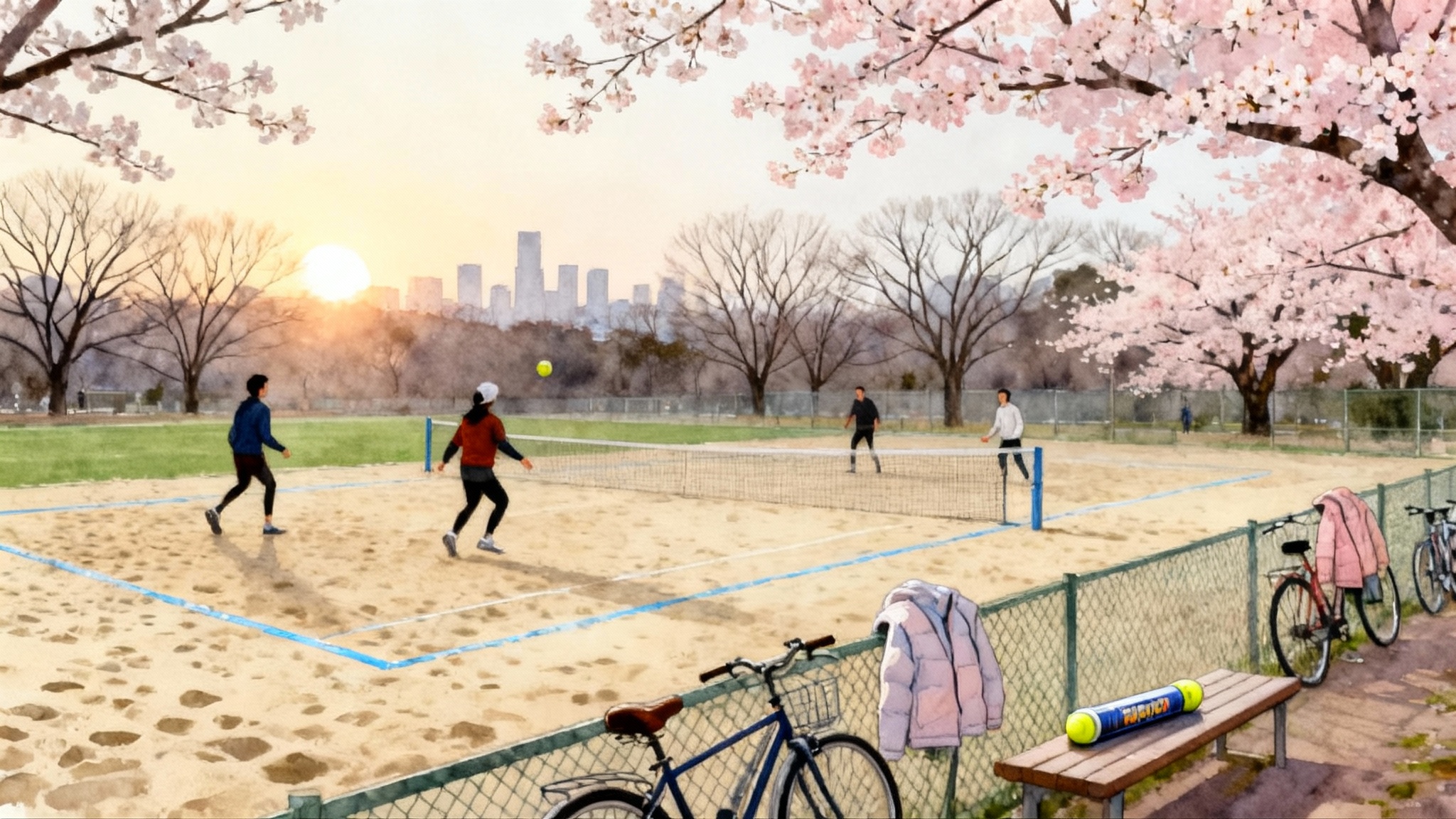
Adriatic Island Tennis: Train June to September on Lošinj
Lošinj, Croatia pairs a breezy microclimate, cooler evenings, and seawater recovery with clay and hard courts. Build a June to September training base, join boutique groups at Ljubicic Tennis Academy, and keep family time alive.
 Tommy
Tommy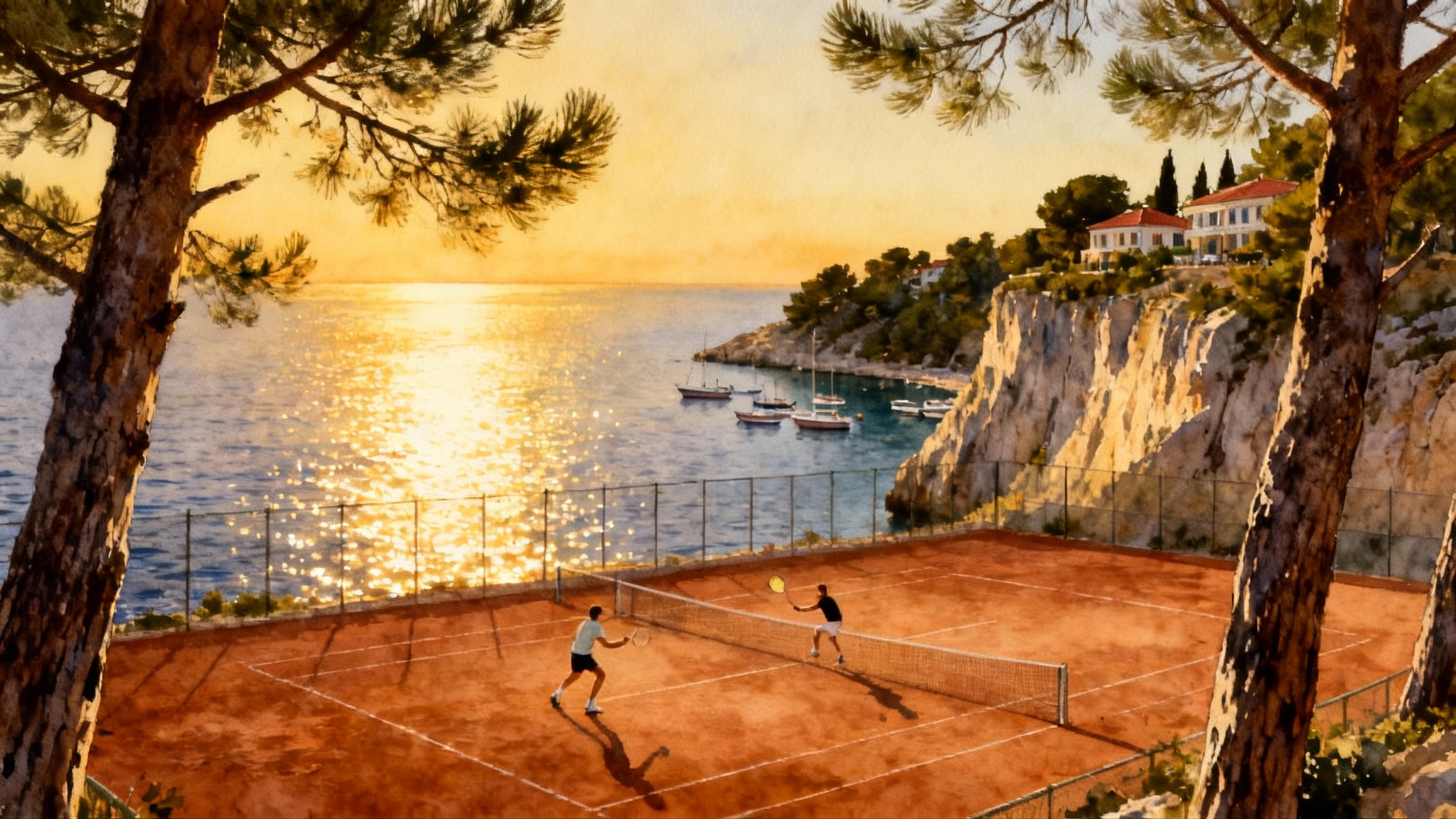
Why Lošinj works for summer tennis
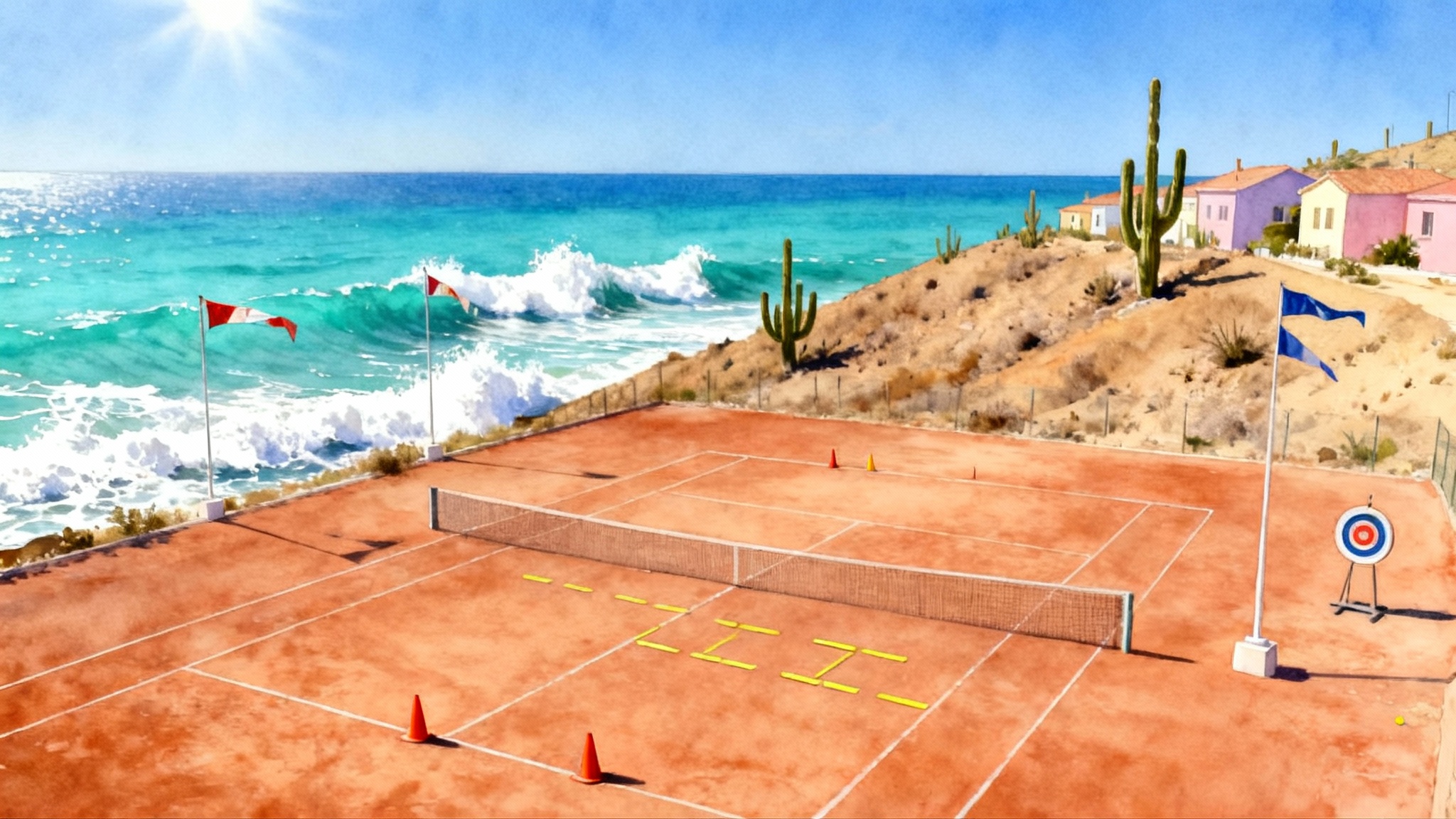
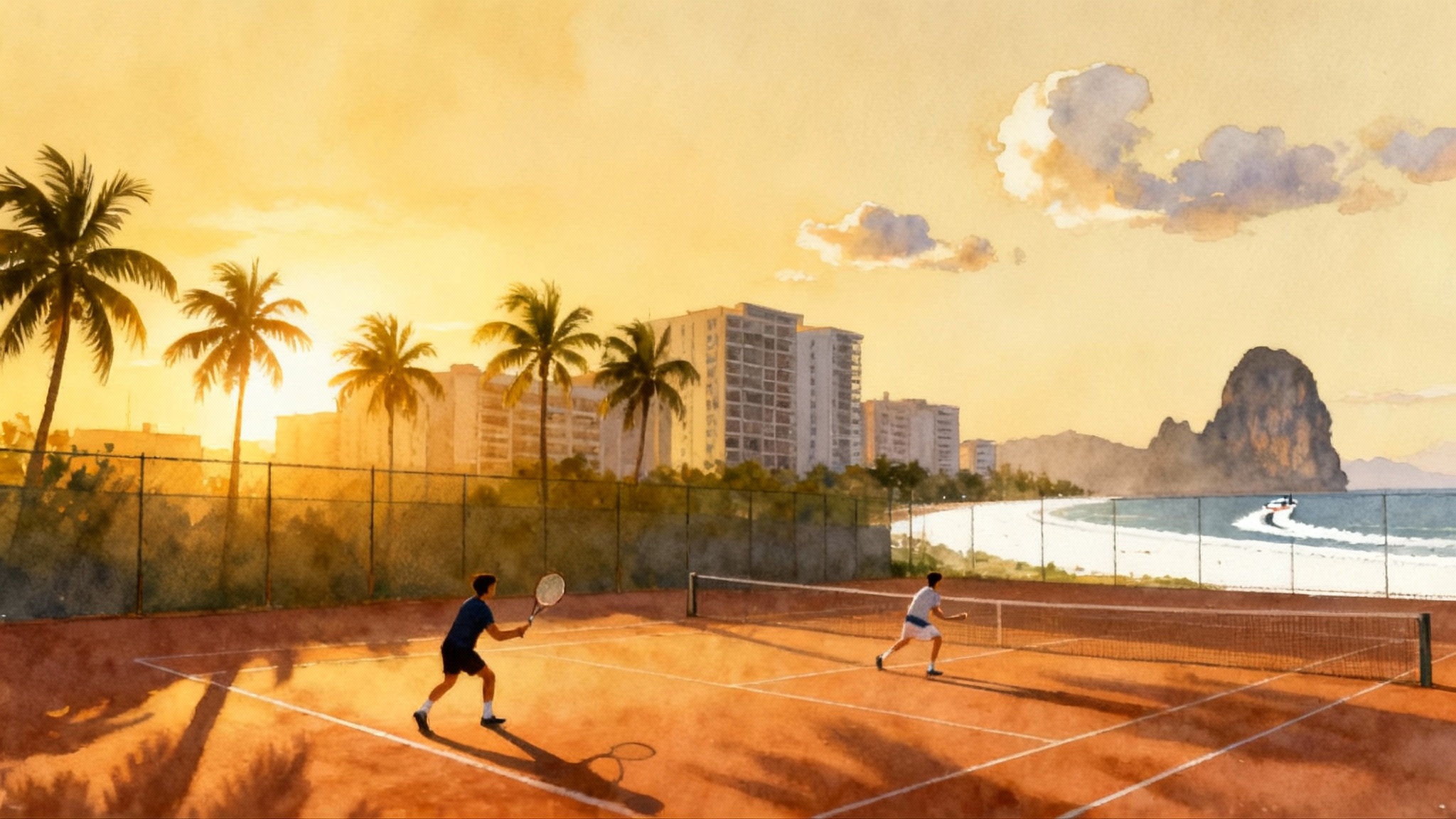
If you want summer volume without melting on court, aim for Lošinj, the slim pine covered island in Croatia’s Kvarner Gulf. From June through September, daily heat is real, yet island wind and evening drops make it playable. Locals talk about the steady afternoon sea breeze that combs the courts, takes the edge off the sun, and dries surfaces after a quick shower. That can be the difference between an extra set and an early exit to the shade. The island’s tourism board frames this as part of a long running wellness identity, which is a useful way to think about training here: tennis first, recovery built in by geography and routine. For background, see the Lošinj island wellness and climate.
The effect is simple. Mornings are crisp enough to groove technique and footwork. Midday demands respect and shade. Evenings settle into the kind of air you wish every tournament could guarantee. You get real summer, yet with safety valves. That rhythm is perfect for pairing clay and hard court blocks while you live by the sea.
Clay and hard court, side by side
Lošinj is a practical classroom for surface literacy. Several clubs and hotels maintain clay as well as acrylic hard courts, so you can stitch a block that starts with clay in the morning, then switches to hard court in the evening. Clay teaches patience, point construction, and efficient sliding. Hard court exposes timing and honest first‑step speed. Do three weeks where your morning reps are on clay and evening matchplay is on hard court. Your patterns will stretch. Your defense will add a gear. Your serve plus one choices will sharpen.
To make the pairing work, split the day by purpose, not only surface. Use clay for stroke shape and rally tolerance. Use hard court for first strike patterns and return depth. On island time, that means a two hour technical block before brunch, mobility and a nap, then a ninety minute match set as the sun sinks.
The Ljubicic Tennis Academy advantage
Lošinj is known in tennis circles for the Ljubicic Tennis Academy, a boutique program shaped by one of the most respected minds in the sport. The setup emphasizes small groups, which is ideal in summer because coaching attention is not diluted and court time is structured around the climate. Think six to eight athletes, one or two courts, a clear daily brief, and specific video notes you can apply the same evening. Explore the Ljubicic Tennis Academy profile for an overview of programs and setup.
What stands out is the way the staff turns the environment into a training aid. Morning footwork ladders are set where the pines cast long shade. Serve targets are weighted so the breeze forces you to visualize a window rather than a dot. Post session recovery is not an afterthought. The plan sends you to the sea for cool immersion, not the nearest air conditioned lobby.
If you want a template for a family friendly high performance week, ask for a small group schedule that runs two hours on court in the morning and ninety minutes late day, with a midday gym slot for older athletes and a swim school slot for younger siblings. This gives everyone a lane.
Seawater recovery that actually fits your day
Cold tubs are effective. On Lošinj, the sea is your cold tub, and it is ten minutes from most courts. Use it. After a hard session, walk into chest deep water for two minutes, walk out for two minutes, and repeat three to five rounds. Keep your shoulders in for the last thirty seconds of each immersion. The aim is not to suffer. The aim is to lower skin temperature, calm the nervous system, and reduce acute soreness so you can stack more quality in the evening.
Saltwater brings buoyancy and a trace mineral mix that helps many athletes feel less heavy after long clay sessions. Pair the dips with light shoreline walking for a gentle lymphatic pump. Finish with a rinse, a quick snack with protein and carbohydrate, and a twenty minute nap in a cool room. Think of it as the island’s compact version of a full service training center.
A five day training plan you can use
Here is a practical schedule for a June to September week. Adjust volume for age and training age, and keep a simple rule: if you cannot hold water weight through the morning, you cut in the afternoon.
Day 1, Monday
- Morning, clay: 30 minutes dynamic warm up and footwork, 45 minutes crosscourt forehand and backhand with shape, 30 minutes serve rhythm, 15 minutes returns through the middle
- Midday, shade: lunch, nap, band routine for shoulders, 10 minute bare foot sea walk
- Evening, hard court: 20 minutes serve plus one patterns, 60 minutes sets to four games, no lets, tie break to seven to finish
- Recovery: three rounds of two minute sea immersions
Day 2, Tuesday
- Morning, clay: 20 minutes approach and volley drills, 40 minutes forehand inside out patterns, 20 minutes drop shot and short angle sequences, 20 minutes return depth ladder
- Midday: light yoga or mobility, hydration focus, short museum or town walk for non tennis family
- Evening, hard court: 90 minutes doubles patterns for depth and movement, Australian formation drills
- Recovery: easy swim, light legs elevation for 8 minutes
Day 3, Wednesday
- Morning, clay: 30 minutes live ball two on one defense, 30 minutes backhand line work, 20 minutes serve targets out wide, 10 minutes breath work
- Midday: long lunch, full rest, audiobook time for mental reset
- Evening, hard court: 60 minutes matchplay with serve to second serve focus, video a single set for later review
- Recovery: five short cold dips, high carbohydrate dinner
Day 4, Thursday
- Morning, clay: 25 minutes agility ladder and split step timing, 30 minutes rally to ten drill, 20 minutes short court touch games, 15 minutes serve and volley
- Midday: optional hike start above Veli Lošinj for views and easy descending trail, back by early afternoon
- Evening, hard court: 90 minutes point play starting at 30 all to sharpen pressure habits
- Recovery: ten minute stretch in the shade, magnesium rich meal
Day 5, Friday
- Morning, mixed surfaces if available: 60 minutes matchplay with coaching on the changeovers, 30 minutes serve plus return box games, 15 minutes cool down run on the path along the shore
- Midday: full nap and packing for a Saturday ferry or a Saturday tournament warm up
- Evening: 60 minutes doubles for fun, family rally time to end the week
- Recovery: longer sea session and a quiet walk at sunset
This plan builds rhythm. It accepts heat as a constraint and uses the island to neutralize it. It also preserves genuine downtime so family or friends do not spend the week waiting in the car.
Tournaments and matchplay on the Kvarner Coast
If you want to add competition, you have several pathways within a ferry ride and a short drive.
- Club opens and regional money tournaments: Clubs in Rijeka, Opatija, and Crikvenica run summer events that welcome visiting players. Formats range from one day shootouts to weekend draws with plate rounds. These are perfect for match reps after a training block.
- Junior events: Summer often brings regional junior draws in Pula and Rijeka. Ask local coaches to make introductions and help with sign up, since entry platforms vary by event.
- International Tennis Federation World Tennis Tour qualifiers: While many Croatian World Tennis Tour events cluster in spring and fall, qualifiers or wild card pre events sometimes pop up closer to summer on the northern coast. If you are on the cusp of pro points, keep your paperwork ready and travel light.
- Spectator inspiration: The ATP event in Umag typically runs in July on the Istrian coast, a practical road trip from the island.
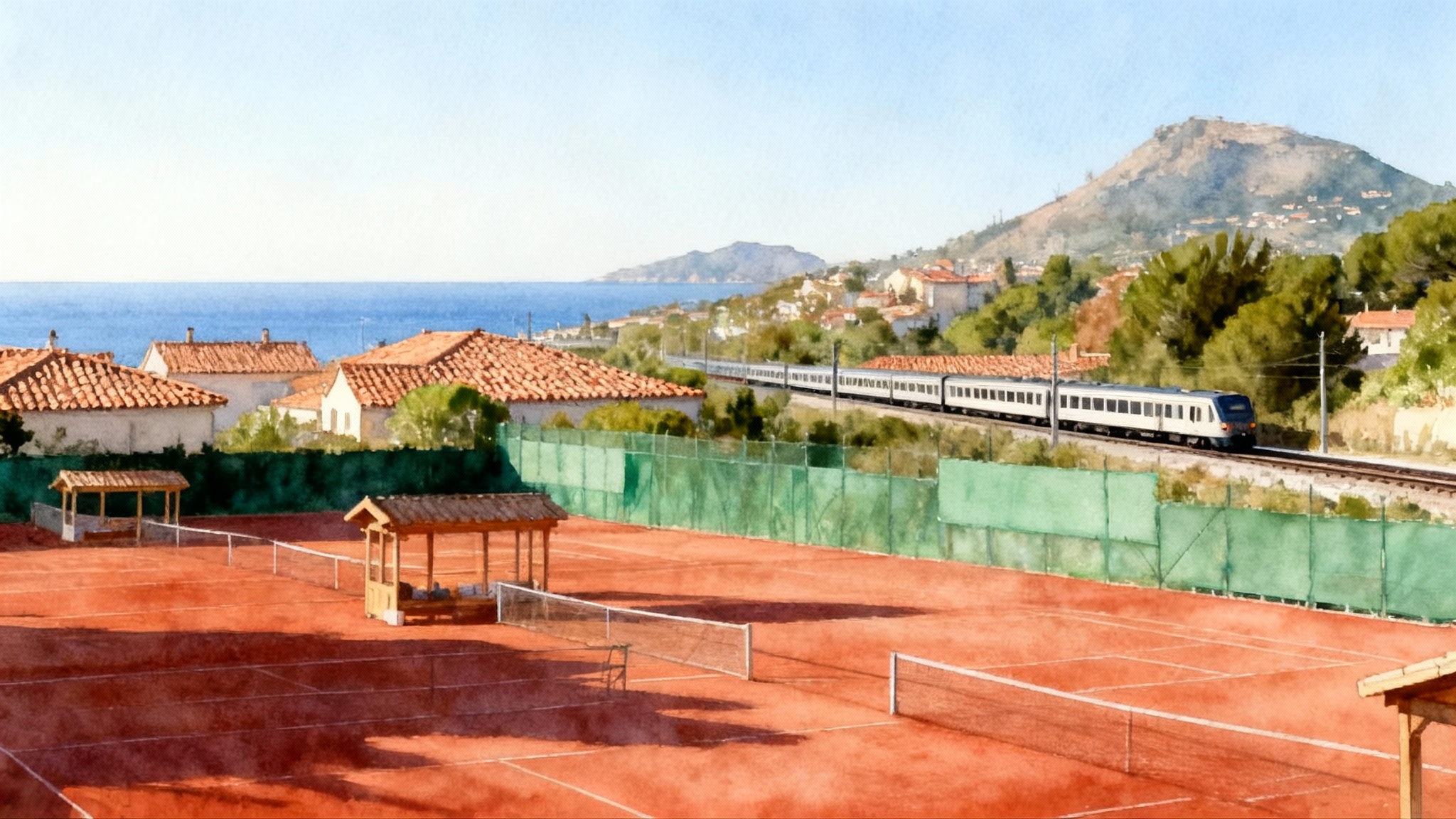
For spring clay prep before summer, see our French Riviera spring clay prep. It pairs well with a June start on Lošinj.
Travel logistics via Rijeka and Pula
Getting to Lošinj is easier than it looks on a map. You can fly into Rijeka Airport on the island of Krk or into Pula Airport on the Istrian peninsula. Both work well for summer schedules. Rent a compact car with proper insurance and take the scenic route. The drive from either arrival point involves a ferry or a causeway, plus one of the better coastal views you will ever get during a training trip.
Rijeka route
- Land at Rijeka Airport, pick up the car, and head southeast across Krk.
- Board the ferry to Cres. Schedules vary in summer frequency, so plan a buffer on either side of your chosen crossing. Check times on the Jadrolinija ferry schedules.
- Drive down Cres, cross the small swing bridge at Osor, and you are on Lošinj. Mali Lošinj, the main town, is about forty minutes from the bridge.
Pula route
- Land at Pula Airport, collect the car, and head east and then south toward Brestova.
- Take the ferry to Porozina on Cres, then follow the same scenic drive through Cres and across to Lošinj.
Catamaran option
- In peak season, passenger catamarans run between Rijeka and Mali Lošinj. This is a good option if you are traveling light or meeting family who arrive by car. Luggage rules change by operator, so confirm weight limits if you carry multiple racquets.
Useful practice
- Book your first training session the morning after arrival rather than the same afternoon. Travel fatigue plus heat is a poor mix.
- If you arrive by ferry near sunset, turn the last half hour of your journey into an easy recon drive. Find your courts, a late dinner option, and a reliable parking spot before bed.
Family add ons that fit training
Part of the appeal of Lošinj is that non tennis hours are rich without long transfers.
- Swims with quick access: Many hotels and rental apartments sit within a ten minute walk of small coves. Your family can swim or snorkel while you finish an evening set, then meet you with towels at the exit gate.
- Dolphin sightings: Tours run out of Mali Lošinj. Go on your rest afternoon or the morning after your final match day. The slow boat pace and open views are easy on tired legs.
- Hiking with shade: The Osoršćica ridge above the channel between Cres and Lošinj offers a half day hike with breezy ridgelines and chapel views. Start early, carry water, and descend before midday.
- Town walks and gelato: Veli Lošinj and Mali Lošinj have tight harbors with car free promenades. They are perfect for stroller naps, coffee breaks, and an easy spin on a recovery evening.
- Small museums and sea center: The Apoxyomenos Museum in Mali Lošinj showcases an ancient bronze athlete recovered from the sea. It is a rare, short stop that fits in a heat break.
Packing for sun, humidity, and quick recovery
Summer on Lošinj is bright and salty. Prepare like a pro who wants a full week, not a sprint.
- Racquet spares and grips: Bring two frames and fifteen overgrips. Humidity plus sea air is harsh on grips.
- Strings for both surfaces: Pack a reel of your baseline setup and a softer cross for evening hard court sessions. If you use natural gut, store it in a sealed bag with silica gel.
- Hats and sun layers: A wide brim hat for the beach and a light baseball cap for court. Add a pair of sun sleeves so you can skip extra sunscreen on forearms during doubles.
- Sunscreen you trust: A broad spectrum, water resistant formula. Reapply at the changeovers. Keep a stick in your bag and a bottle in the car.
- Hydration system: A two liter insulated bottle, electrolyte packets with sodium and a touch of glucose, and a separate bottle for plain water.
- Footwear rotation: Two pairs of shoes, one for clay and one for hard court, plus sandals with arch support for post session walks to the cove.
- Recovery kit: A compact roller, a light resistance band set, a small towel, and a waterproof bag for sea dips. Add a notebook for session notes.
- Travel odds and ends: A headlamp for early starts, a spare phone battery, and a few laundry pods for quick sink washes.
How to structure a longer block
If you plan two to four weeks, think in waves. Week one is adaptation to heat, surface, and schedule. Keep loads moderate. Week two is your push with the highest technical and matchplay volume. Week three, if you stay that long, layers in competition or a taper with more quality than quantity. If you add a fourth week, either stack a local tournament in the middle or pivot to a lighter skill phase with targeted serve work, then finish with a matchplay mini camp.
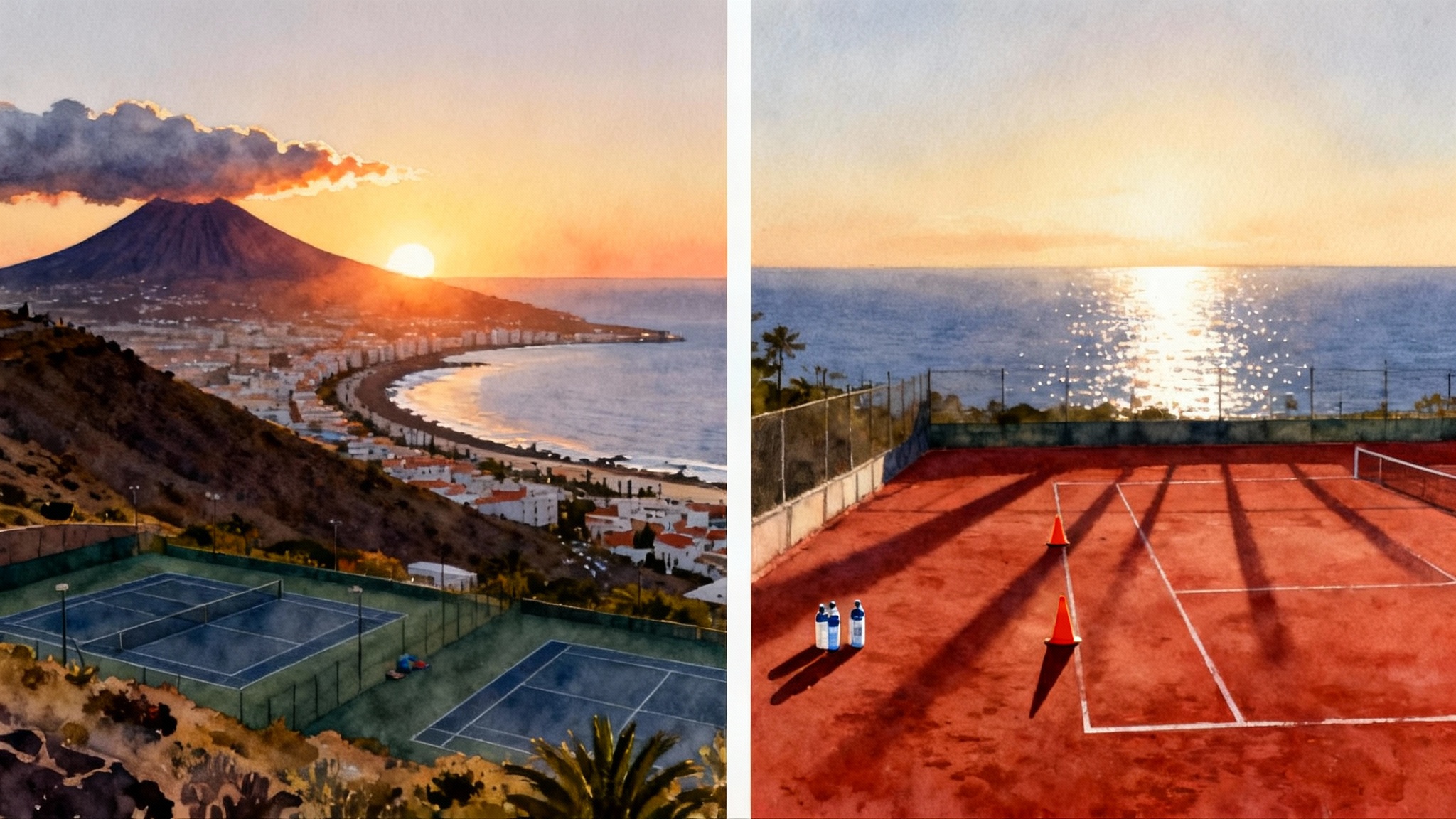
Use island time to sharpen focus rather than float. Write a daily goal on a single index card. One example may read: first serve to backhand body, then forehand to open court. Put the card in your bag and check it midway through the session. It keeps you from chasing every shiny drill and it makes end of day video review faster. For a winter to spring lead in, plan a block like our Tenerife winter and spring base before your Lošinj weeks.
The Lošinj effect, in one sentence
This island gives you summer’s volume without breaking your body. You get a breezy microclimate that supports morning work, evening tennis that feels like a reward, and a natural cold tub ten steps from your bag. Pair clay and hard court, add a boutique small group at the Ljubicic Tennis Academy profile, and build a habit of short sea recoveries. Then let the coastline do what good environments do. It makes discipline easier and performance more likely because the day itself pulls you in the right direction.