2026 Tennis Periodization and Scheduling: 52-Week Plan
 Tommy
Tommy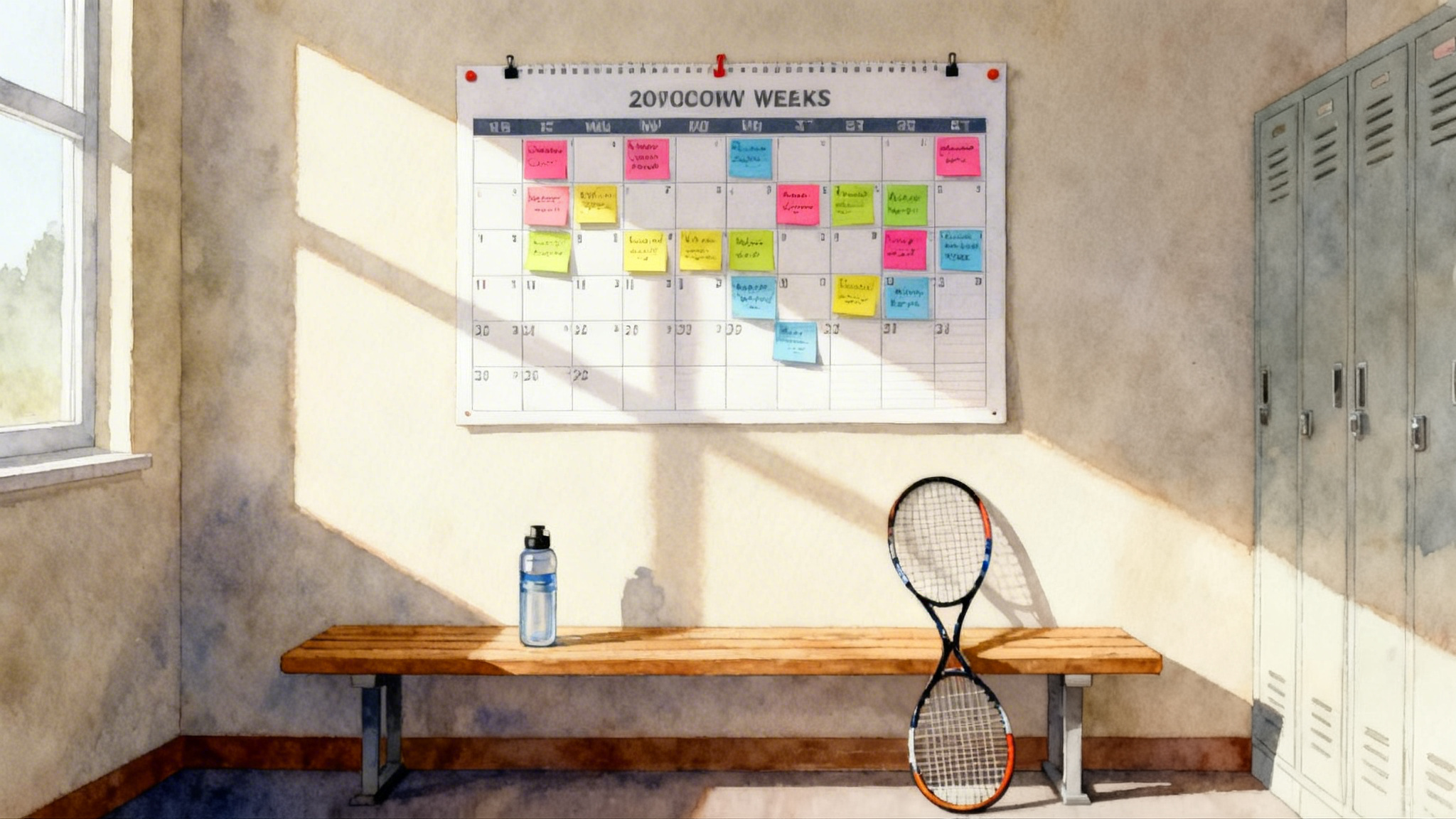
Why a 52-week plan beats last-minute entries
Tournament calendars look crowded, school or work is unforgiving, and it is tempting to sign up for whatever event pops up next. That approach often creates spikes of stress, nagging injuries, and performances that plateau. A 52-week plan solves this by sequencing training, match play, and rest so that you peak when it matters most, such as sectionals, nationals, and league playoffs. Think of your season like a long road trip. You pick two or three must-see destinations, then set fuel stops and hotel nights before you drive. Periodization is the map. Your training load is the fuel. Recovery is the hotel.
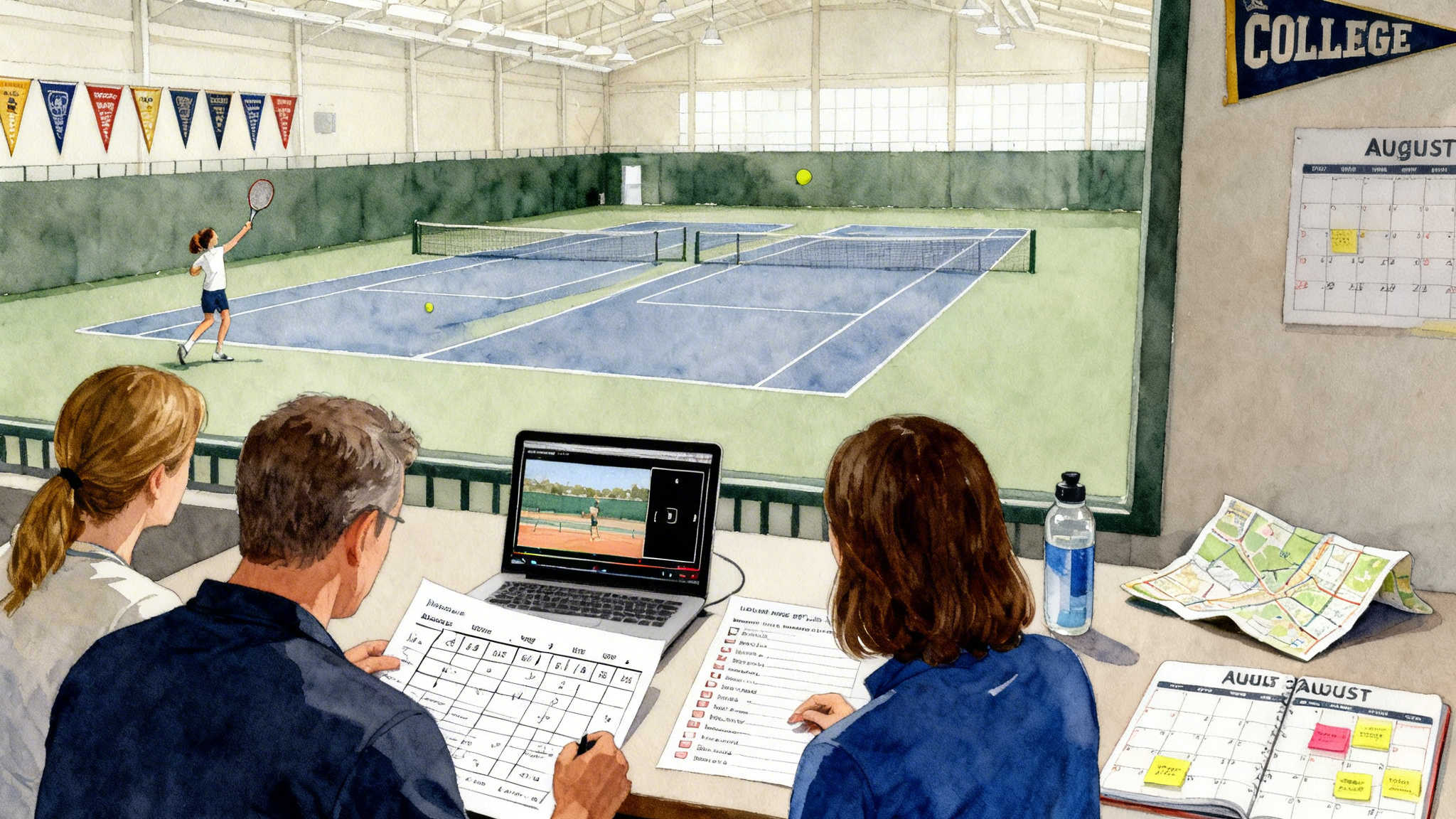
This guide gives you a step-by-step build that works for juniors and adults in 2026. It includes sample calendars for 12U, 14U, 16U, and adult levels, weekly load targets, recovery weeks, and how to plug in academy camps and match-play blocks, including how to use Legend Tennis Academy summer blocks without chasing ratings.
Pro tip: plan visually. If you like templates, download our printable planner inside the 52-week season toolkit. It turns the process below into drag-and-drop tiles.
Step 1: Mark your non-negotiables
Start by drawing the walls of your house. These are dates that you will not move.
- School calendar: first and last day of school, midterms and finals, spring break, graduation events, standardized tests.
- Work calendar: fiscal closings, product launches, audit windows, peak travel months, and family vacations.
- Known tennis anchors: league season windows, typical sectional date ranges, likely national windows, and your local championship weeks.
Result: a skeleton that shows where stress outside tennis will be highest. You will not stack heavy training or travel tournaments on top of those weeks unless you must.
Step 2: Choose two peak windows
Pick two peak windows in 2026 when you want to be freshest and most match-hardened. For many players in the United States that could be a summer peak in July or August and a late year peak in November or December. Adult league players may set peaks around local playoffs and sectionals. Juniors aiming for sectionals and national championships should select windows that match those events in their region.
- Peak Window A: eight weeks of build plus a taper to a target event
- Peak Window B: repeat with a shorter rebuild and a second taper
Two peaks keep the plan realistic around school or work. A third peak is possible but often dilutes the quality of each build.
Step 3: Build your mesocycles
Use four-week blocks that repeat through the year. The pattern below is simple and works across ages.
- Week 1: Base. Technique priority, aerobic work, heavy skill reps, low competition.
- Week 2: Build. Raise intensity, start live ball pressure, add match-like drills.
- Week 3: Compete. Play scored practice sets or a tournament. Maintain strength.
- Week 4: Recover. Reduce total load 30 to 40 percent, keep quality, sharpen movement.
Stack two of these four-week blocks before a target event, then taper in the ten days leading into the peak.
Weekly microcycle templates
Use a 3-2-1 pattern inside each week: three higher days, two medium days, one light day, one full rest. Adjust order based on school or work.
Example microcycle during a Build week:
- Monday: High. On-court 90 minutes technical plus 30 minutes serve, 45 minutes strength, 15 minutes mobility.
- Tuesday: Medium. On-court 75 minutes patterns, 30 minutes intervals footwork, 15 minutes mobility.
- Wednesday: High. On-court 90 minutes live ball, 60 minutes match-play sets.
- Thursday: Light. On-court 45 minutes technique, 20 minutes band work, extra sleep.
- Friday: High. On-court 75 minutes competition drills, 45 minutes power lifts, 15 minutes mobility.
- Saturday: Medium. Two sets scored with coaching, recovery walk.
- Sunday: Rest. Family, school prep, hydration plan.
Weekly load targets by age and level
Use hours, sessions, and a simple rate of perceived exertion scale from 1 to 10. The numbers below are realistic for most healthy players. If you are returning from injury, cut the volumes by half for four weeks and rebuild gradually.
- 12U
- On-court: 8 to 10 hours total, including 1 to 2 hours of serve reps
- Strength and conditioning: 2 to 3 hours, bodyweight dominant
- Matches: 2 to 3 sets or 1 light tournament
- Recovery: 2 sessions of 20 minutes mobility and foam roll
- 14U
- On-court: 10 to 12 hours, 2 to 3 hours serve reps segmented across the week
- Strength and conditioning: 3 to 4 hours, technique on lifts, landing mechanics
- Matches: 3 to 4 sets or 1 tournament
- Recovery: 2 to 3 sessions of 20 to 30 minutes
- 16U
- On-court: 12 to 14 hours, structured live ball and point construction
- Strength and conditioning: 4 to 5 hours, full body, speed and power
- Matches: 4 to 5 sets or 1 tournament
- Recovery: 3 sessions of 20 to 30 minutes plus one longer easy run or cycle
- Adults 3.0 to 3.5
- On-court: 3 to 5 hours
- Strength and conditioning: 2 hours
- Matches: 1 to 2 team matches or 2 to 3 sets
- Adults 4.0 to 4.5
- On-court: 5 to 8 hours
- Strength and conditioning: 2 to 3 hours
- Matches: 1 to 2 team matches plus one practice match
- Adults 5.0 and open
- On-court: 8 to 10 hours depending on work flexibility
- Strength and conditioning: 3 to 4 hours, emphasis on power and repeat sprint ability
- Matches: 2 to 3 per week or one weekend tournament
Recovery weeks and tapers that actually work
Every fourth week, reduce volume by 30 to 40 percent. Keep intensity on one or two short sessions so speed and timing do not fade. Sleep an extra hour nightly and schedule soft tissue work. If you track your morning heart rate or a readiness score, aim to see it trend back to baseline before you begin the next block. For warm-ups and age-appropriate strength ideas, see Age-Smart Tennis Injury Prevention 2026: Warm-Ups and Strength.
Ten-day taper into a peak event:
- Day 10 to 7: Normal on-court volume, cut heavy lifts, keep light power movement
- Day 6 to 4: Shorter, faster practices, no more than 60 minutes of live ball per day
- Day 3: Practice set with new balls, serve rhythm, 45 minutes total
- Day 2: Technique and feel, 30 minutes, visualize patterns for first round
- Day 1: Walk, band work, hydration, early sleep
Sample 52-week calendars for juniors
These outlines assume school from late August to early June. Adjust to your district. Each month includes a suggested emphasis and where tournaments or travel fit. Use local event names when you fill your planner.
12U roadmap
- January: Base. Technique rebuild, serve foundations, one local match-play day.
- February: Build. Footwork and timing, one local tournament late month.
- March: Compete. Two weekends of match play, protect school workload before spring break.
- April: Build. Patterns and rally tolerance, short Sunday match-play sessions.
- May: Recover during finals week. Light touches only, one fun doubles event.
- June: Base plus camp. Two weeks at a quality academy block for reps and movement skills. Limited ranking pressure.
- July: Build. Add live ball pressure and two match-play days. Short travel event if family schedule allows.
- August: Peak Window A. One key event early month, taper into it. Post-event recovery week and back-to-school adjustment.
- September: Base. Technique fixes from video review guide, serve and return blocks.
- October: Build. One local tournament mid month, avoid back-to-back weekends.
- November: Compete. Two weekends of sets, small travel tournament if energy is high.
- December: Peak Window B. Choose a target event early month, then family time and two light hit-ups during holiday week.
14U roadmap
- January: Base. Strength foundations, aerobic capacity, technical cleanup, no rankings stress.
- February: Build. Increase intensity, one local tournament, match-play Fridays.
- March: Compete. Two events separated by at least one weekend off. Midweek lighter to protect academics.
- April: Build. Pattern specificity, add return plus first ball drills.
- May: Recovery during exams. Mobility and serve mechanics only for three to five days, then two light hits.
- June: Camp integration. Week 1 to 2 Legend Tennis Academy technical block, Week 3 rest and light matches, Week 4 local tournament.
- July: Build then compete. Live ball, heat adaptation, one key tournament late month.
- August: Peak Window A. One priority event early August, then deload and school ramp.
- September: Base. Add speed sessions, address movement inefficiencies.
- October: Build. One tournament mid month, one match-play weekend.
- November: Compete. Selective event to test progress. Keep one weekend free for school projects.
- December: Peak Window B. Early month target event, then active rest and family.
16U roadmap
- January: Base. Full body strength, technical reset on serve and backhand.
- February: Build. Pattern pressure, plus one tournament as a fitness check.
- March: Compete. Two events if school allows. If your state has spring high school tennis, replace one event with dual matches and keep strength twice weekly.
- April: Build. Specific weapon development, return plus first ball pattern.
- May: Exam-aware recovery. Keep touches short. One practice match only.
- June: Camp plus compete. Week 1 to 2 Legend Tennis Academy match-play block with fitness testing. Week 3 deload. Week 4 travel event.
- July: Build. Heat management, serve load management, one local event mid month.
- August: Peak Window A. Priority sectional or showcase tournament early month. Post event recovery, school start adjustments.
- September: Base. Technical fixes from summer video, aerobic maintenance.
- October: Build. Two weekend match-play blocks, one local tournament.
- November: Compete. One travel event or showcase. Keep strength two days.
- December: Peak Window B or Reset. If you target a winter championship, taper accordingly in early December. Otherwise, take a two week reset with skill games and mobility.
Adult competitors: plan around league windows
Many adult leagues cluster regular season in spring and early summer with playoffs in late summer or fall. Company workload often spikes in March, June, September, and December. Use those truths to shape your plan.
Adults 3.0 to 3.5
Goal: one confident peak for league playoffs and a smaller fall peak.
- January: Base. Two lessons or drilling sessions weekly, one social match.
- February: Build. Add one practice match weekly. Begin simple strength twice per week.
- March: Compete, work-friendly. League matches begin. Keep practices short on heavy work weeks.
- April: Build. Keep strength, sharpen returns.
- May: Compete. League matches, one rest weekend mid month.
- June: Peak Window A. Taper the ten days before playoffs or a selected tournament. Post-event recovery.
- July: Recovery and family. Hit once or twice weekly.
- August: Base. Rebuild strength, light practice sets.
- September: Build. One tournament or singles ladder run.
- October: Compete. Two to three matches this month.
- November: Light. Off season prep, mobility and aerobic.
- December: Mini peak B or recovery. Choose a holiday event or reset for January.
Adults 4.0 to 4.5
Goal: two strong peaks, one around sectionals and one in the fall.
- January: Base. Three court sessions weekly, two strength sessions.
- February: Build. Add match-play Friday evenings.
- March: Compete. Team matches weekly, protect sleep on travel weeks.
- April: Build. Power and speed, serve plus first ball aggression.
- May: Compete. Team matches plus one weekend tournament.
- June: Peak Window A. Taper ten days into sectionals or a priority event.
- July: Recovery. One week off court, then light skill work.
- August: Base. Technical fixes, video review.
- September: Build. One local tournament mid month.
- October: Compete. Ladder or league postseason.
- November: Peak Window B. Target event early month, then family time and aerobic maintenance.
- December: Reset. Mobility, flexibility, plan next year.
Adults 5.0 and open
Goal: consistent readiness with two priority peaks.
- January to February: Base then Build. Four to five court sessions, three strength sessions, one practice set per week.
- March: Compete. One tournament or two high-level practice matches.
- April: Build. Specific weapon and return, fast feet in short doses.
- May: Compete. Tournament or two matches per week.
- June: Peak Window A. Taper, compete, recover.
- July: Recovery and low load.
- August: Base. Technical refocus and speed.
- September: Build. Add heat acclimation as needed.
- October: Compete. Two events separated by rest.
- November: Peak Window B. Taper and play. Post event, two weeks light.
- December: Reset and strength.
How to plug academy camps and match-play blocks
Legend Tennis Academy publishes summer blocks that are perfect for dense reps and supervised match play. Use them with purpose.
- Technical block integration: schedule a two week technical block in early June. Keep tournament play to one short local event at most. Goal is clean movement and repeatable contact.
- Match-play block integration: schedule a two week match-play block in late June or early July. Load is high on competitive points, so cut strength by one session and cap live ball to 60 minutes on non match days.
- Post-camp consolidation: protect the first week after camp. One or two practice sets only, plus targeted serves. Then enter a tournament in Week 3 after camp when gains have settled.
The key is to avoid chasing ratings during camp periods. Camps are for skill acquisition and volume under coaching eyes. Ratings rise when those skills consolidate during the following four to six weeks.
Do not chase ratings, chase competencies
A rating is an outcome. It moves after your competencies improve and you apply them in enough matches. Organize your season around skills you can train and track.
- Serve: first serve percentage above 60 percent, double faults below 2 per set, target zones planned each week
- Return: depth past the service line on 60 percent of returns, two committed patterns on second serve
- Physical: repeat sprint ability measured by consistent 10 meter times across six reps
- Mental: between point routine used on 90 percent of points, two de-escalation tools when nervous
Add these to your planner so each block has a skill headline rather than a result headline. For example, June Block Goal: develop a wide serve to backhand plus backhand line pattern that wins 60 percent of points in practice sets.
Practical monitoring that fits busy lives
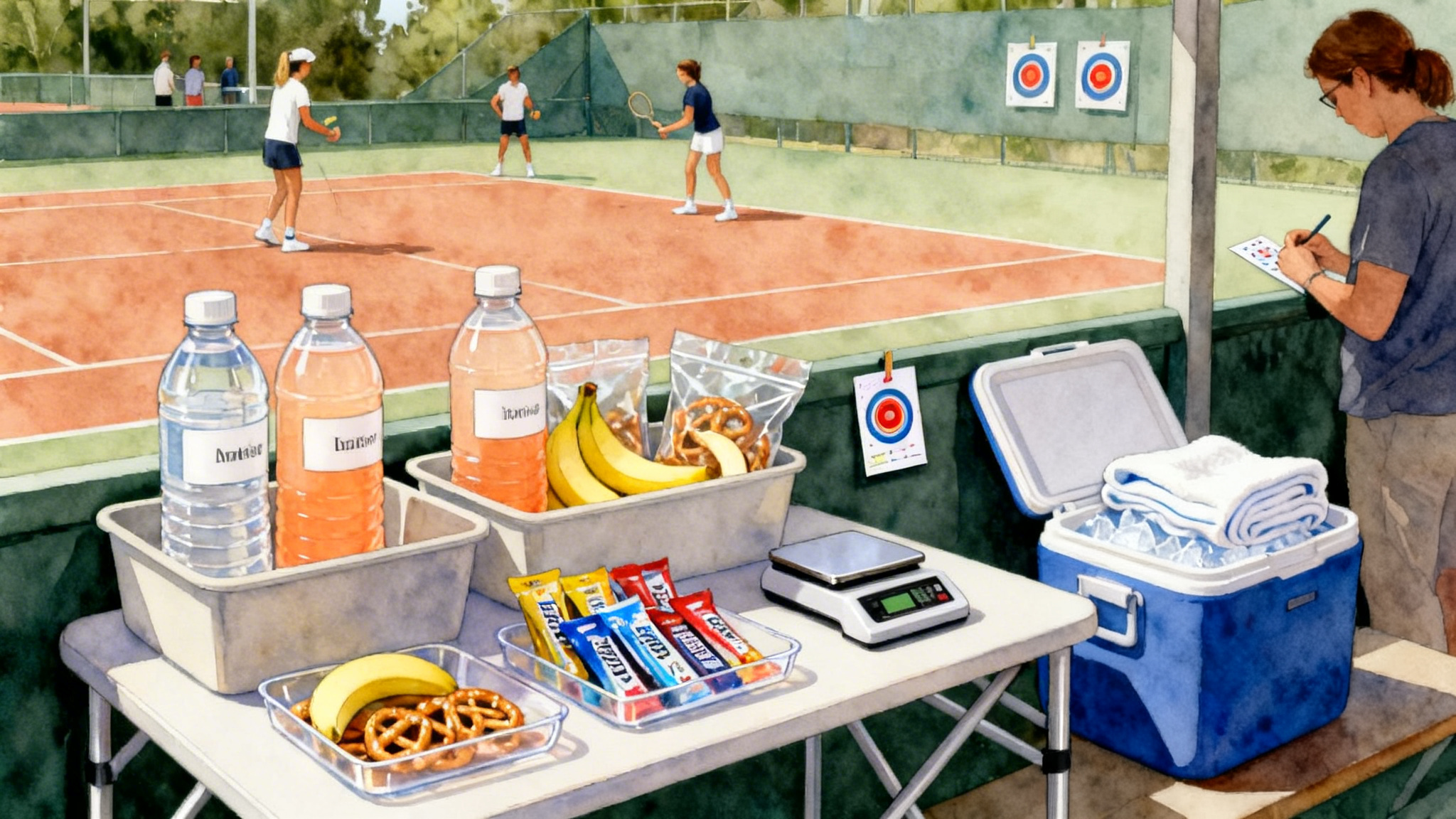
- Simple readiness check: one minute breathing test each morning. If your heart rate or perceived fatigue is up for three days in a row, cut volume by 20 percent for two days.
- Serve count: track total serves per week. Do not jump more than 20 percent from one week to the next.
- RPE log: after each session write one number from 1 to 10. Add the week. Watch for steadily rising totals without planned deloads.
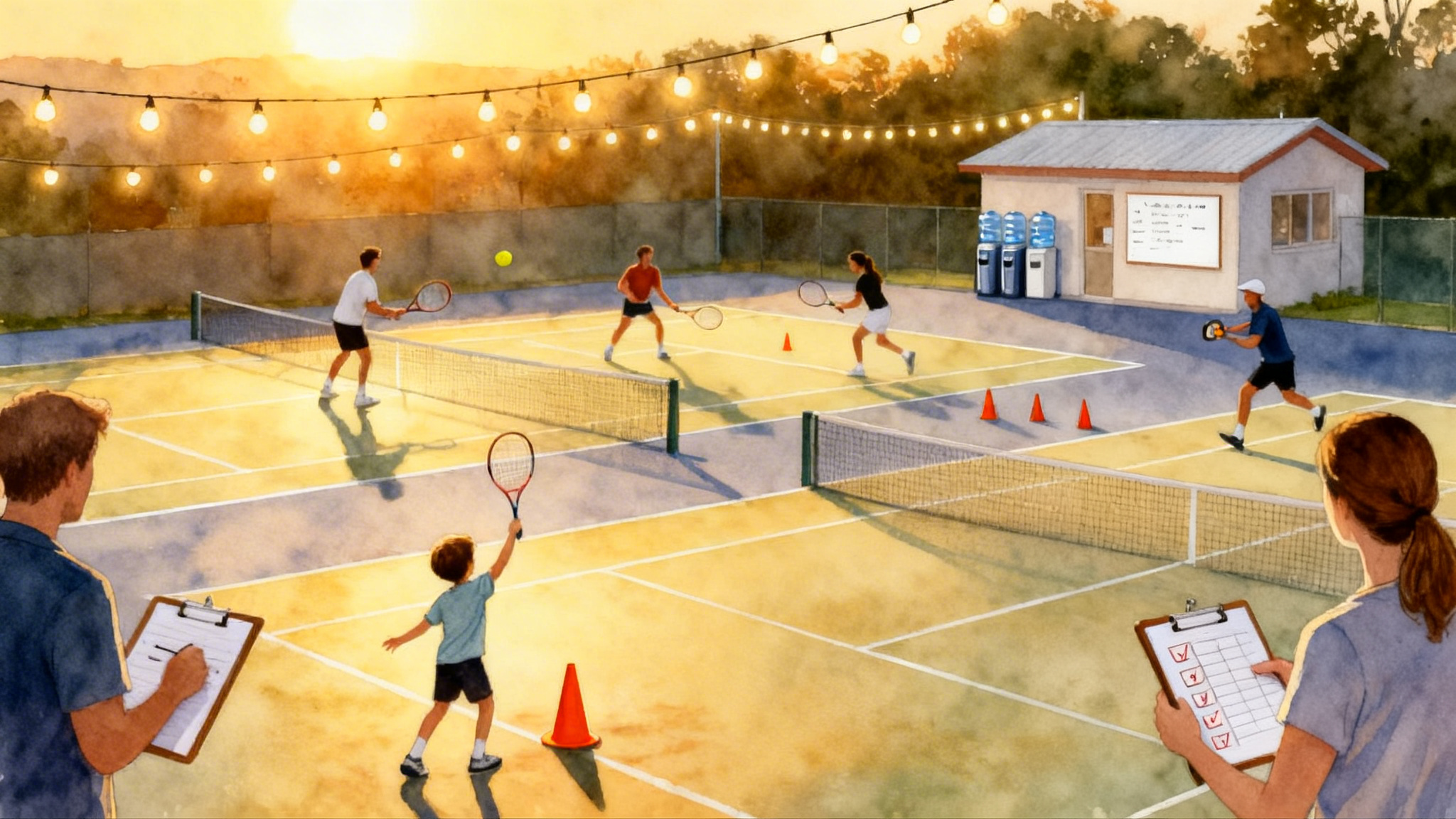
- School or work heat map: mark high stress weeks in red on your planner. In red weeks, keep practices short, protect sleep, and skip nonessential travel.
If you want a ready-made page for this, try the match-play block planner. It pairs set goals with load caps so you keep the right side of stress.
A month-by-month build you can copy today
Here is a generic 2026 scaffold that you can tune to your events. Insert your actual tournament names once schedules are out.
- January: Base. Technical and physical rebuild after holidays. One local match-play day. Recovery week in Week 4.
- February: Build. Two practice matches, one local tournament late month. Recovery in Week 4.
- March: Compete. Choose one target event. Protect school or work crunches with short practices midweek.
- April: Build. Speed and pattern work. One match-play Saturday. Recovery in Week 4.
- May: Exam and audit month. Light touches, injury prevention, one social doubles only if energy is high.
- June: Camp month. Legend Tennis Academy technical block Weeks 1 to 2. Deload Week 3. Local tournament Week 4.
- July: Build then compete. Add heat adaptation. One travel event late month.
- August: Peak Window A. Taper into your priority event in early August. Recovery and back-to-school adjustment.
- September: Base. Video review, aerobic maintenance, new skill chunking.
- October: Build. One local tournament mid month. Recovery in Week 4.
- November: Compete. One travel event or playoffs. Keep strength two days per week.
- December: Peak Window B or full reset. If you choose a winter championship, taper in early December. Otherwise, two weeks of active rest and planning.
Final checklist before you publish your plan
- Two clear peak windows chosen and circled on the calendar
- Four-week blocks mapped, with recovery weeks in Week 4 of each
- Weekly microcycle chosen with three high, two medium, one light, one rest day
- Weekly load targets set for your age or level with a serve count cap
- Camps scheduled with no ratings pressure and a two week consolidation buffer
- Monitoring tools picked: readiness check, RPE log, and a work or school heat map
- Taper plan written for the ten days before each peak
Conclusion: Plan like a pro, live like a student or a parent
Great tennis seasons are not accidents. They are the result of simple constraints applied consistently. When you map 2026 with two peaks, honest recovery weeks, and a handful of well chosen tournaments, you respect your school or work reality while giving your game a real chance to jump. Plug in the camps for skill gain, let ratings follow skill, and keep your practices short and high quality during stressful weeks. By the time sectionals, nationals, or league playoffs arrive, you will not be guessing. You will already be living inside a plan that fits your life and rewards your discipline.