2026 College Tennis Recruiting Playbook: Timeline, Email, Video
An action-first guide to U.S. college tennis in 2026. Learn when to contact coaches by grade, what to put in emails, how to film a sharp 2–3 minute skills plus match video, plan unofficial and official visits, and use showcases to get seen.
 Tommy
Tommy
Who this playbook is for
Parents and junior players who want a clear plan. No fluff. You will get exact timelines by grade, ready-to-send emails, a video checklist, and a visit strategy you can put on the calendar today. We focus on United States college tennis with an emphasis on Division I rules, which govern most of the recruiting conversations families worry about.
- You are a player targeting college teams in the next two to four years.
- You want to reduce guesswork and focus on the two levers that move offers: verified results and consistent coach communication.
- You prefer checklists over theory and templates over guesswork.
Under NCAA Division I rules, coaches can begin recruiting communication on June 15 after the athlete’s sophomore year, and visits may start August 1 before the junior year. For background, see the NCAA early recruiting changes. As of April 2023, Division I allows unlimited official visits, typically one per school unless there is a head coaching change. Always confirm details with each school’s compliance office.
Grade-by-grade recruiting timeline
Use this to map your next 24 to 48 months. Adjust by a few months if you are an early or late physical maturer, or if you started tennis later.
Eighth grade
- Skill base: Learn clean grips, a reliable serve toss, and basic footwork patterns. Think of this year as pouring a foundation. Sloppy foundations are expensive to fix later.
- Match play: Record a handful of local matches. Keep the footage. Your future video will thank you.
- Academic habits: Read daily, write weekly, and track homework in a single planner. Coaches recruit reliable students because eligibility and graduation drive lineups.
Checklist
- Build a simple Google Drive or folder for school transcripts, match videos, and coach notes.
- Start a training log: date, session, theme, one improvement, one carryover.
Ninth grade (freshman year)
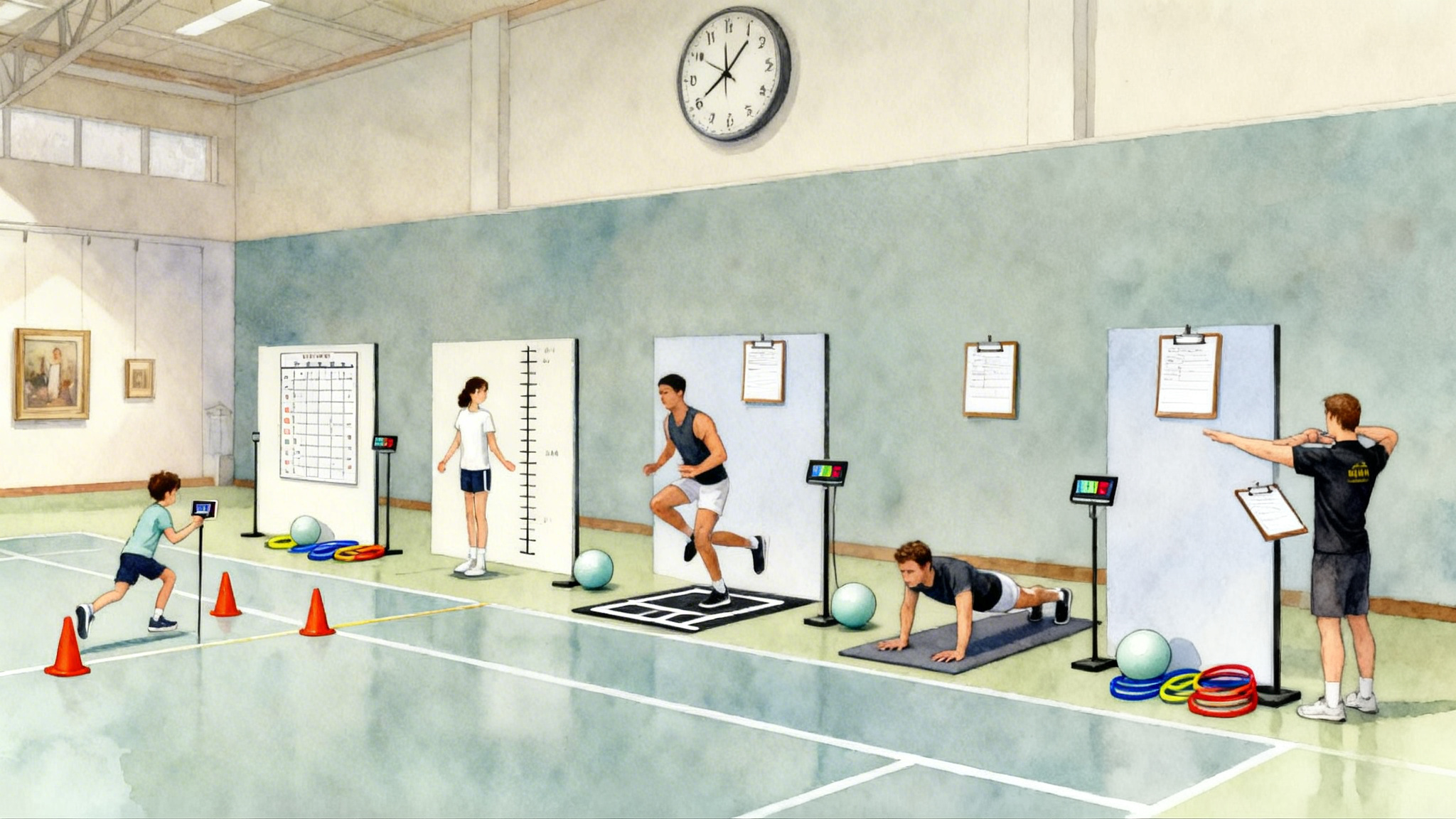
- Training: Add strength basics twice per week using bodyweight and movement quality. Skip heavy lifting fads. If you want benchmarks and safe progressions, see our 2026 tennis strength standards.
- Competition: Play sanctioned events that publish results, such as your section’s federation events. Consistent competitive reps matter more than chasing distant points.
- School: Take the most demanding classes you can succeed in. Academic aid multiplies your options.
Action items
- Film two matches from behind the baseline. Save full matches. You will later clip points.
- Create a simple player profile with photo, height, handedness, graduation year, high school, and best results. Keep it factual.
Tenth grade (sophomore year)
This is your runway. By June 15 after this school year, coaches can reply.
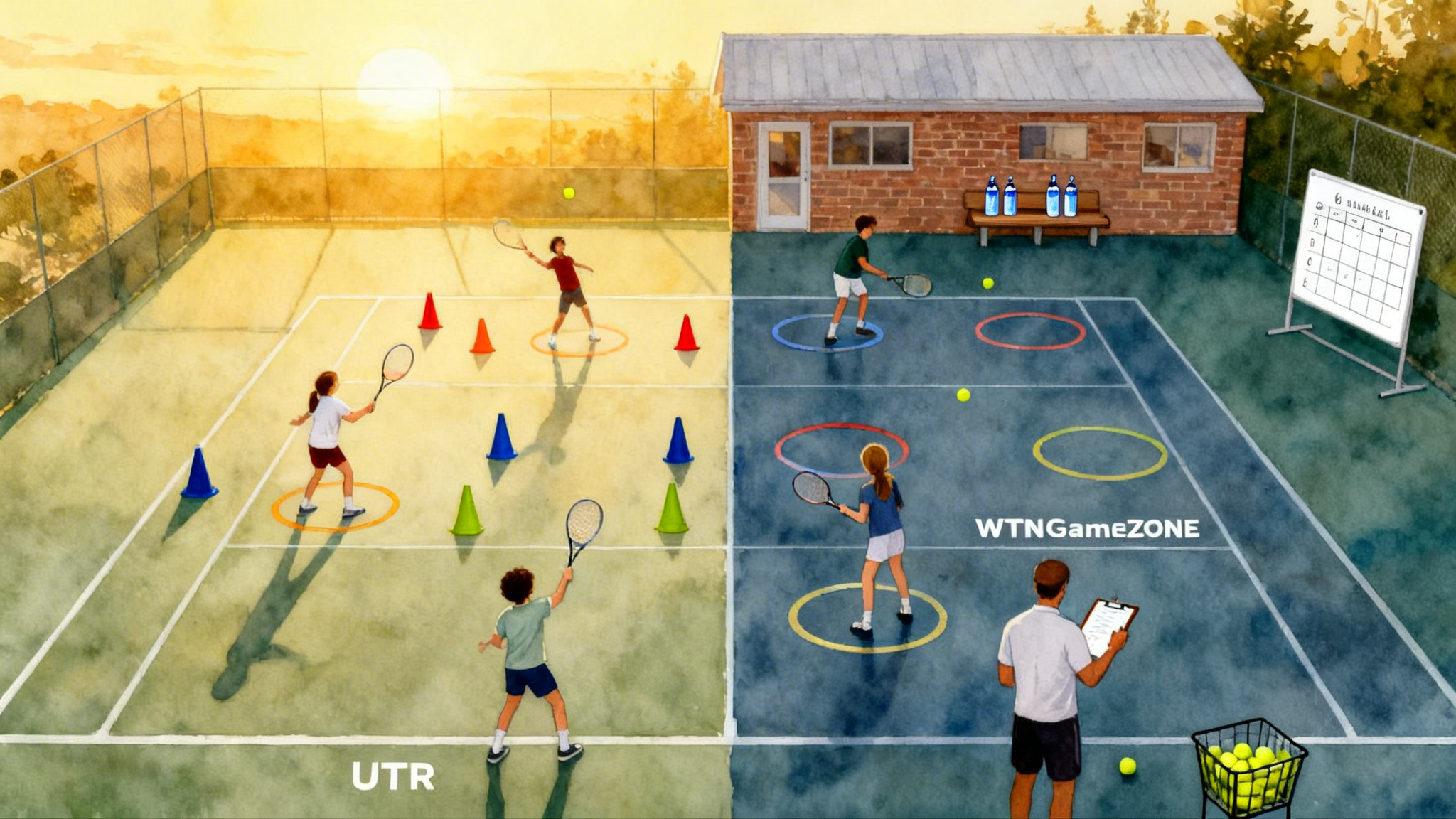
- Performance: Prioritize verified competition where results are posted publicly. Reliable results beat word-of-mouth. For rating context, review UTR vs WTN in 2026.
- Video: Capture fresh strokes and a match against a well-rated opponent. Keep angles steady and audio natural. Our AI tennis video guide shows exactly what to film and tag.
- Academics: Meet with your counselor about NCAA eligibility requirements. Load your core courses and plan standardized testing if needed.
By May of sophomore spring
- Draft your first email to coaches with a concise profile, one clear ask, and a link to your skills plus match video (even if version 0.8). Templates are below.
- Shortlist 30 programs across three buckets: 10 reach, 10 match, 10 safety. Define buckets by recent lineup levels and graduation year needs.
On or right after June 15
- Send your first email batch to 12 to 18 schools. Track opens and replies in a simple spreadsheet.
- Reply promptly. Coaches read speed as interest and maturity.
Eleventh grade (junior year)
From August 1 before your junior year, Division I programs may host you for unofficial and official visits and can meet on campus.
- Visits: Schedule early unofficials at your match and safety schools to sharpen your questions. Use officials later when you are close to a commitment.
- Updates: Email a monthly update with your tournament schedule, recent results, and a one-line improvement focus.
- Development: Practice live-ball patterns that resemble college points. College tennis rewards first-strike clarity, not just rally tolerance. To break into lineups faster, build doubles-first pathway skills.
Twelfth grade (senior year)
- Fall: Prioritize officials where mutual interest is strong. Confirm scholarship details in writing. Ask about midyear or fall 2027 roster needs if you are a 2026 graduate.
- Winter and spring: Keep competing. Coaches value progress to the final whistle of your junior career.
- Final steps: Confirm admission, pre-read outcomes, financial aid, housing, and summer training expectations.
When and how to contact coaches
The goal is to make contact easy to answer. Your emails should be lightweight, scannable, and specific.
Principles
- One screen rule: If your note cannot be read on a phone without scrolling, it is too long.
- Clear ask: Suggest a short call window or request to visit practice. Avoid vague lines like “I would love to connect.”
- Proof of level: Link your video and list three verified wins or tight losses vs. credible players in the past six months.
Subject lines that get opened
- 2026 right-handed heavy forehand, 10.4 UTR, spring schedule
- 2026 doubles-first player, recent 7-5 6-4 vs. [Name]
- 2026 serve plus forehand, top 50 section, visit window in October
Coach email template 1: first contact
Dear Coach [Last Name],
My name is [First Last], a 2026 from [City, State]. I play [right or left] handed with a [one or two] handed backhand. I am interested in [School] for [major or academic interest], and I believe my game style and development plan fit your program.
Highlights
- Recent results: [score vs. player name and rating], [score vs. player name and rating], [tournament round and result]
- Academics: [GPA], [honors or advanced courses], [test if available]
- Video: [link to 2–3 minute skills plus match]
Would you be available for a short call on [two windows], or may I attend a fall practice? I will be competing at [two upcoming events] and can share live updates.
Thank you for your time,
[First Last]
[Phone]
[High school and coach contact]
Coach email template 2: monthly update
Subject: [Last Name] 2026 update – results and upcoming events
Coach [Last Name],
Quick update for September:
- Results: [two to three notable outcomes with dates]
- Upcoming: [events with dates and locations]
- Training focus: [one sentence on a specific technical or tactical theme]
Here is a fresh 2 minute clip from last weekend’s match: [link]. If you would like a full match link, I can share it.
Best,
[First Last]
Follow-up cadence
- Initial send on or after June 15 after sophomore year, then follow-ups every four to six weeks with meaningful updates. If you do not have updates, play more verified matches or refine your video rather than sending filler.
Your 2–3 minute video that actually gets watched
Think like a coach with 20 tabs open. Your video must show level fast, then confirm it with points. Build two versions: a two to three minute highlight and a five to eight minute deeper cut for coaches who ask.
Format and length
- 2:30 is ideal. Open strong. No music over points. Natural audio helps coaches hear ball quality.
- 1080p at 60 frames per second if possible. A phone on a fence clip works. Elevate if you can, or stand behind the baseline.
Open in the first 10 seconds
- Title card with your name, class year, height, handedness, and academic snapshot.
- Add performance markers: Universal Tennis Rating level, World Tennis Number band, best wins in the last six months. Keep it factual and recent.
Skills segment, about 60 to 90 seconds
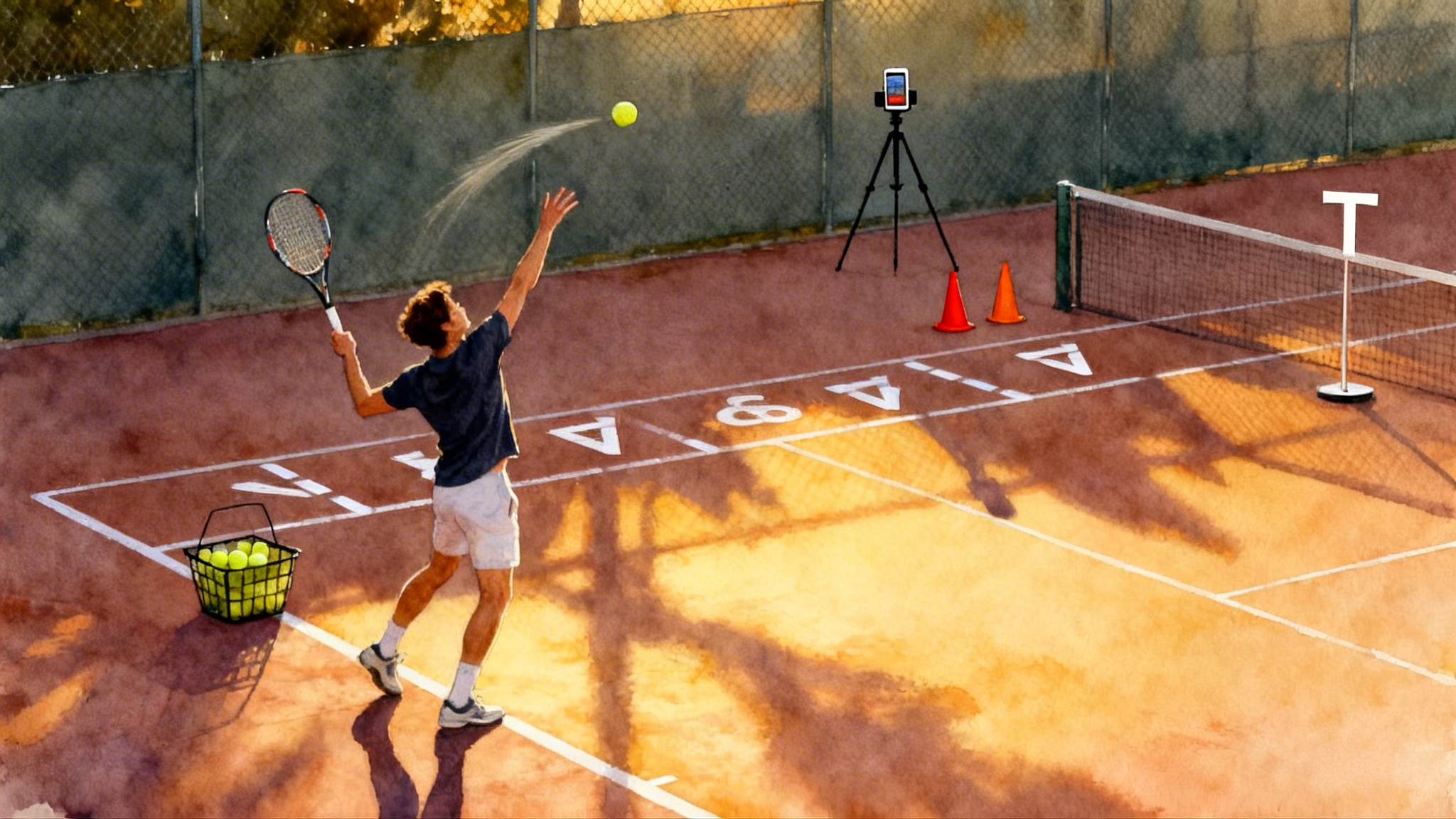
- Serves: 6 to 8 first serves wide and T from both sides, 4 to 6 kick seconds. Label speeds only if measured with a reliable device.
- Returns: 6 to 8 aggressive returns both forehand and backhand.
- Groundstrokes: 8 to 10 forehands and backhands at live pace from behind baseline. Show footwork, depth, and variety.
- Transition and volleys: 6 approach plus volley sequences each side, at live speed.
- Movement: 4 to 6 defense to offense patterns that show court coverage and recovery.
Match segment, about 60 seconds
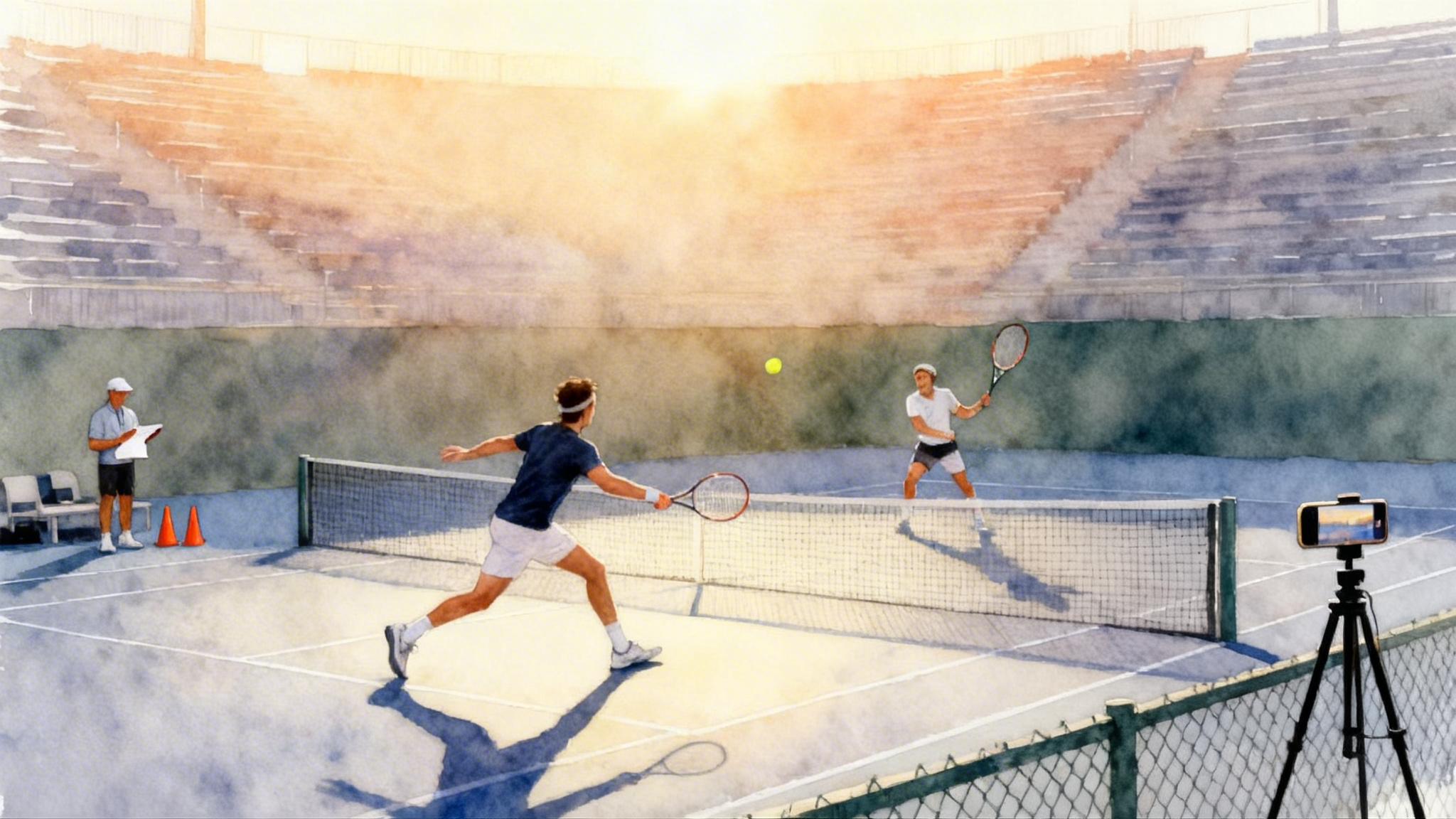
- 6 to 8 uncut points against similar or stronger opponents. Keep the scoreboard in frame or add a simple score overlay. Prioritize points that show first serve patterns, plus-1 forehands, return positioning, and closing at net.
Close with contact
- On-screen text: email, phone, and your coach’s contact. Include a line offering the full match upon request.
Common production mistakes to avoid
- Over-editing. Coaches want to see rally tolerance, not only winners.
- Old footage. Anything older than eight to ten months reads as stale.
- One angle only. If safe and allowed, capture both behind-the-baseline and sideline angles in the same match.
Verified matches and showcases that move the needle
Coaches trust results they can verify. That is why verified systems and federations matter. Two items to prioritize this year:
- Verified match days at your academy. Ask your academy to submit scores to recognized systems and to designate events as verified when possible. If you train with us, look for academy verified match days on our calendar.
- Showcases with coaches watching. A great showcase compresses months of outreach into one weekend. We run small-court, high-visibility formats so coaches can compare players in real time. See upcoming academy-run showcases.
Tip: Track not only wins, but competitiveness against higher-rated players. A tight loss with clean patterns can spark a staff call, especially if it confirms what your video shows.
Unofficial and official visits: plan like a pro
Starting August 1 before your junior year, Division I programs may host you for unofficial and official visits. As noted above, Division I now permits unlimited officials, typically one per school unless there is a head coaching change.
Unofficial visit basics
- You pay your travel. The program may provide complimentary admission to a home event. Schedule a campus tour through admissions in addition to your athletics meeting to understand academics and student life.
- Purpose: fit check. Facilities, team culture, travel load, academic support, and coach communication style.
Official visit basics
- The school covers permitted expenses. You meet the team, attend classes, and see practice. Come prepared with questions and an updated transcript.
- Use officials when mutual interest is clear. If you can see yourself committing, it is time to visit officially.
Suggested visit agenda, 90 to 120 minutes of coach time
- 15 minutes: sit-down on program philosophy and your role timeline.
- 30 minutes: practice or workout observation. Watch how the staff coaches on court.
- 15 minutes: academic support overview. Ask about study halls, tutoring, and missed-class policies during dual season.
- 15 minutes: facilities walk-through. Strings, training room, recovery areas.
- 10 minutes: scholarships, admissions pre-read, and next steps.
Questions that reveal fit
- How does your staff measure player development month to month in the fall?
- What is the typical path from arrival to the top six singles and doubles rotation?
- How do you pair doubles teams, and how often do pairings change?
- What are the academic majors most represented on your roster, and how do you plan class schedules around travel?
Post-visit email
- Thank the staff the same day. Include one sentence about what you learned and one action you will take next week because of the visit. Clarity wins.
Building your target list the smart way
Think like a portfolio manager. Diversify across reach, match, and safety programs. Base this on lineup level, not brand name.
How to grade programs
- Roster study: Look at the current lineup, graduation years, and lefty or doubles needs. If three of the top six graduate in your entry year, opportunity improves.
- Style fit: If your game relies on first-strike patterns, favor programs that emphasize aggressive doubles and quick singles starts.
- Academic fit: Coaches prefer recruits who thrive on their campus academically. A good pre-read increases your leverage.
Cadence to manage 30 schools
- Month 1: Email 12 to 18 programs and log replies. Book two unofficials for early fall.
- Month 2: Play two verified events. Send updates to all programs, especially those who clicked your video but did not reply.
- Month 3: Trim and deepen. Schedule calls with four to six staffs. Share a fresh clip and two new results.
Simple project plans by grade
Use these as monthly checklists you can print and tape to the fridge.
Sophomore spring to June 15
- Video v0.8 complete with skills plus a short match segment.
- Profile finalized with transcript and two coach references.
- First email batch written and approved by your academy coach.
June 15 to August 1 before junior year
- Send first batch on or after June 15. Track replies by category: call scheduled, interested, no response.
- Play two verified events and one doubles-heavy event to show versatility.
- Update video with fresh match points if level has moved.
Junior year fall
- Unofficial visits at two to three match or safety schools. Ask better questions each time.
- Monthly updates. Include schedule and one specific training focus.
- If a program signals strong interest, request an official visit for late fall or early spring.
Junior year spring
- Officials where mutual interest is clear. After each, send a short thank-you with one detail that stood out.
- Keep competing. Do not let academics or travel kill momentum. Coaches notice resilience.
Senior year
- Confirm financial and academic fit in writing. Share your early fall competition plan. Keep sending verified results until move-in.
Frequently asked clarifications
- Division II and Division III timelines can differ. Division III in particular allows earlier coach communication and flexible visits. Always confirm with each school’s compliance office.
- International players: convert grades, rankings, and transcripts clearly. Provide context for your country’s competition pathway when you email.
- Testing: if you submit standardized scores, share them early. Strong academics expand walk-on and partial-scholarship discussions.
How to use your academy to amplify your process
- Ask your coach to send one brief reference email to your top five programs. Third-party credibility helps.
- Join small-group showcase days where coaches can compare several recruits quickly. We run clinics with short sets that expose patterns. See dates at our academy-run showcases.
- Book a mock recruiting call. We will role-play coach questions so you are ready when the phone rings. Start with a 30 minute evaluation to map your next eight weeks.
The recruiting spreadsheet you actually need
Keep this lightweight so you use it.
- Columns: School, Coach, Email sent date, Reply, Call date, Visit date, Video last viewed, Next action, Notes.
- Color code: green for active, yellow for pending, gray for closed.
- Add a tab for your tournament calendar with entry deadlines and travel costs. Offers tend to follow when you keep appearances frequent and local coaches can watch in person.
Mistakes that stall offers
- Waiting for a perfect video. Release version 0.8, then improve it with fresh points.
- Fishing with vague emails. Always include one clear ask and one next step.
- Overtraveling for points at the expense of verified local wins. Coaches care most about level and reliability.
- Ignoring doubles. Many freshmen break into dual lineups through doubles. Show that you can serve to spots, return forward, and close.
Quick glossary you will hear
- National Collegiate Athletic Association: the governing body for most college sports in the United States. Division I is the most restrictive on recruiting dates and communication.
- Universal Tennis Rating: a widely used performance rating for tennis players. Coaches use it as one of several signals of level. Verified results are more valuable than casual ones.
- World Tennis Number: a global rating scale managed by international federations. It complements Universal Tennis Rating and helps coaches compare international recruits.
- Official visit: a school-funded campus visit for recruiting purposes.
- Unofficial visit: a recruit-funded campus visit. You can still meet the team and staff when permissible.
Your next move
Recruiting favors the prepared. You now have a grade-by-grade plan, coach-ready emails, a tight 2–3 minute video outline, and a visit strategy. The fastest way to turn this into momentum is an honest assessment of your current level and a short list calibrated to that level. Book a 30 minute evaluation. We will identify your next three verified events, finalize your first email batch, and film what your video is missing. Offers follow clarity, and clarity starts with a plan you can run this week.
In the end, recruiting is not a lottery. It is a steady process of showing reliable level, asking clear questions, and improving month by month. Put this playbook on your calendar. Then let the calendar carry you forward.