Ball-Color Progressions 2026: Parent and Coach Checklist
 Tommy
Tommy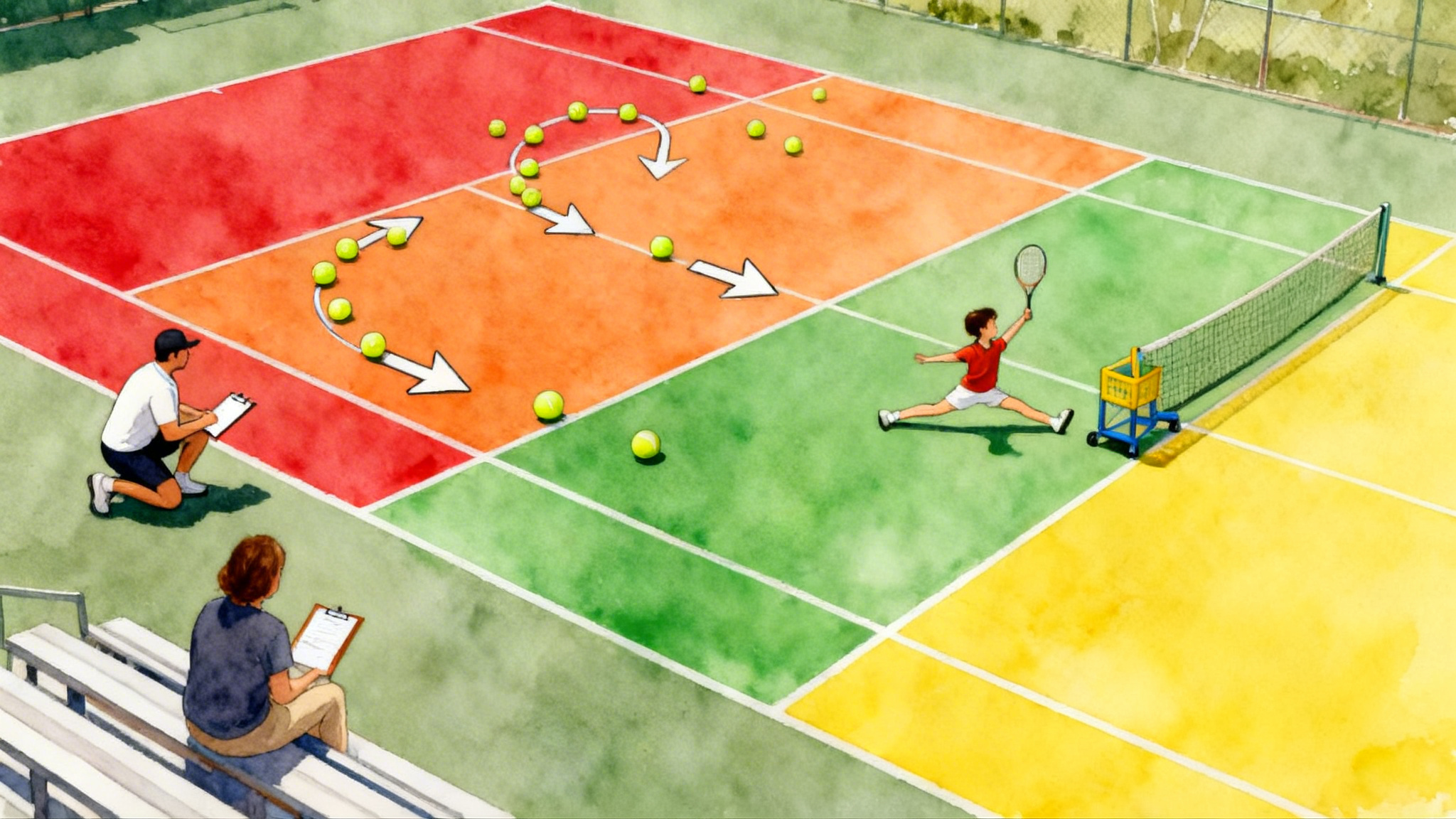
Why ball colors matter in 2026
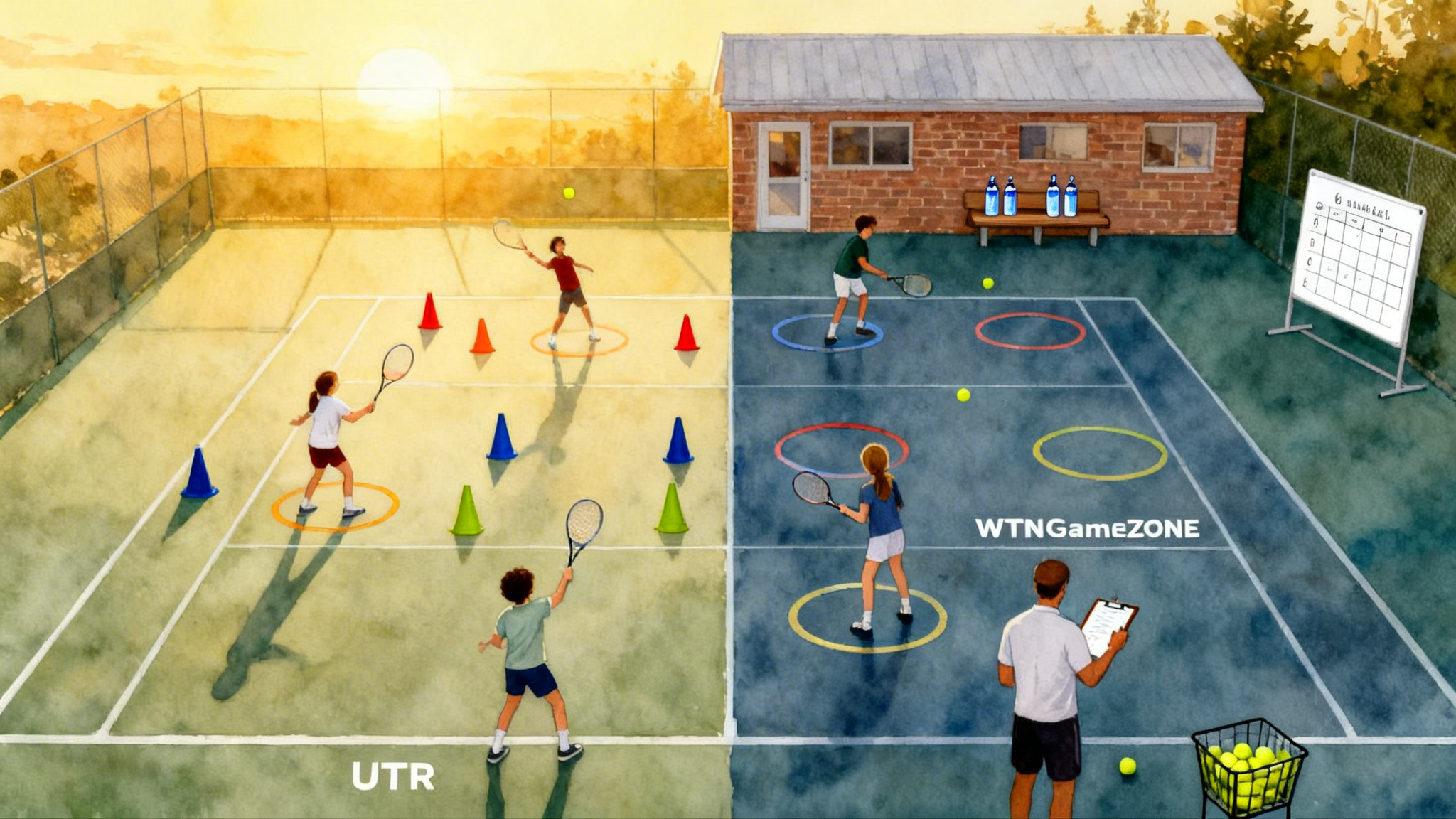
Red, orange, green, and yellow balls are not just colors. They are a speed dial for learning. Lower compression reduces speed and bounce, which gives a young player more time to recognize the ball, turn the shoulders, and swing through contact. The goal is not to race to yellow. The goal is to find the ball that lets a player build repeatable control today so that power and variety arrive naturally tomorrow.
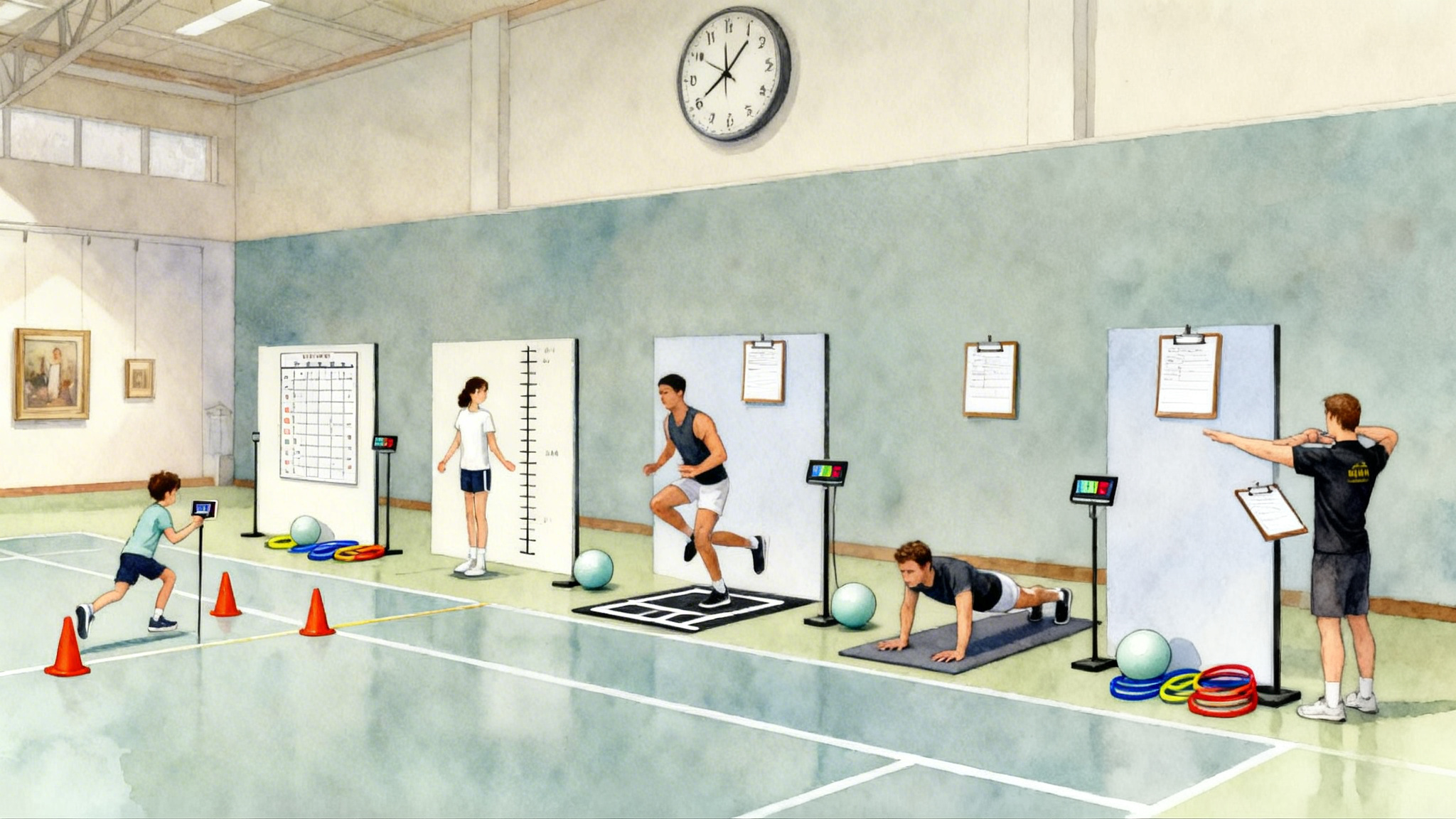
This guide is age agnostic. Readiness is not about birthdays. It is about what the player can reliably do under light pressure. You will get simple 10 minute court tests for each color, the pass standards, weekly practice menus, and competition formats that fit the ball. We finish with a feature on how Legend Tennis Academy runs transition checkouts and free assessments so families can make confident moves without guessing.
How to use this checklist
- Pick the color your player currently trains with most.
- Run the 10 minute court test on that color. If the player passes, also run the test on the next color.
- If the player passes at the next color with margin, move up. If they barely pass or miss one key area, blend both colors for 2 to 4 weeks before fully switching.
- Retest every 6 to 8 weeks, or after any growth or equipment change. If your player just grew, review training through growth spurts to adjust loads and expectations before retesting.
Think of the progression like learning to ride a bike on a quiet street before merging onto a busier road. Each color is a safer street. You move up when you look, signal, and steer without wobbling.
Red ball readiness
Court setup: 36 foot court width, mini net or low net strap, red felt or foam ball, 19 to 23 inch racquet.
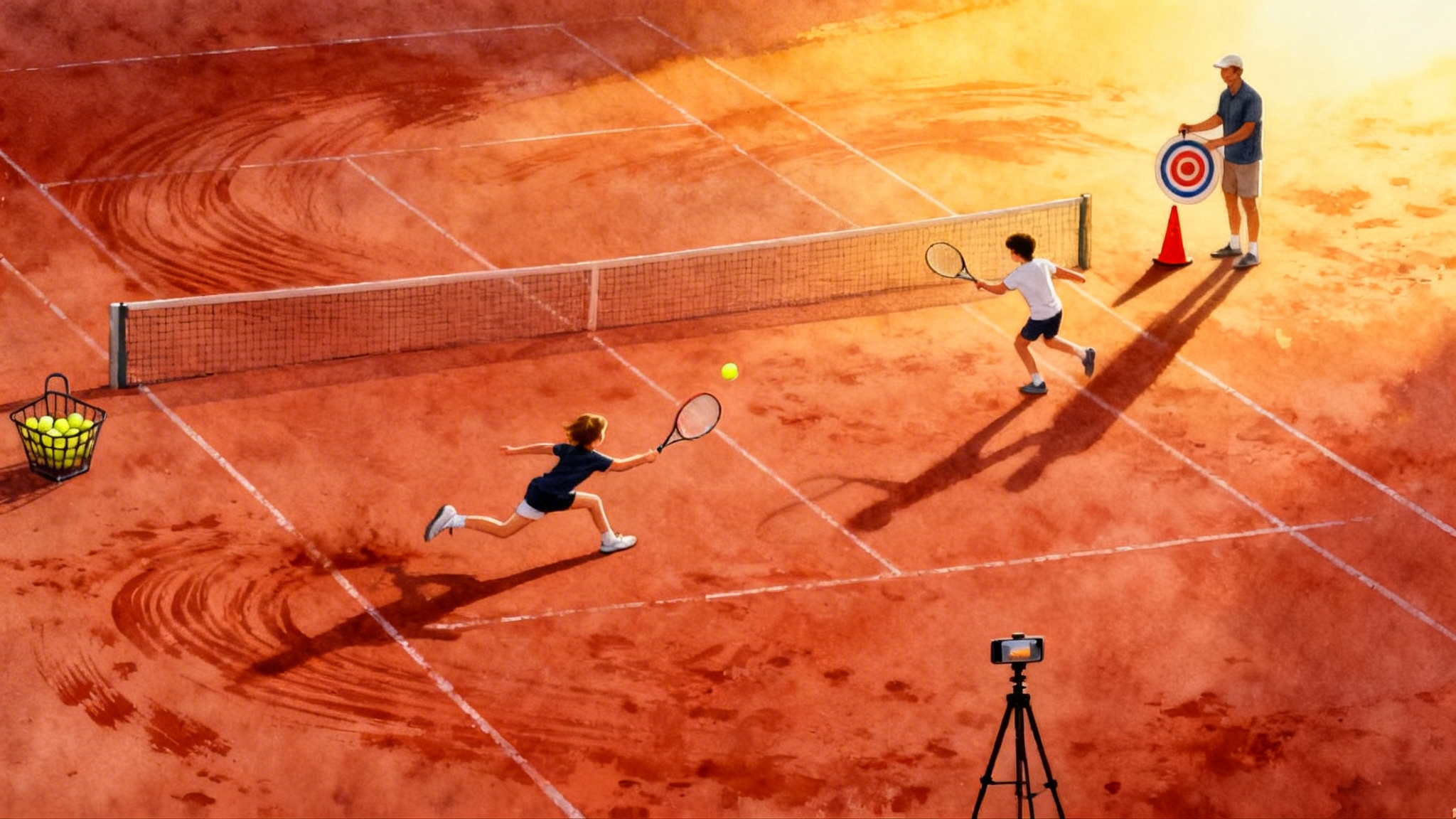
10 minute red ball test
- Rally control, 4 minutes
- Partner drop feed to start each rally on the service line. Count only forehand to forehand. Target 12 ball rally at least twice in 4 minutes. Net height finish preferred.
- Serve and return, 3 minutes
- Serve from the service line. Goal: land 6 of 10 serves in either service box with a balanced finish. Returner blocks back 6 of 10 to the middle third of the court.
- Movement and balance, 3 minutes
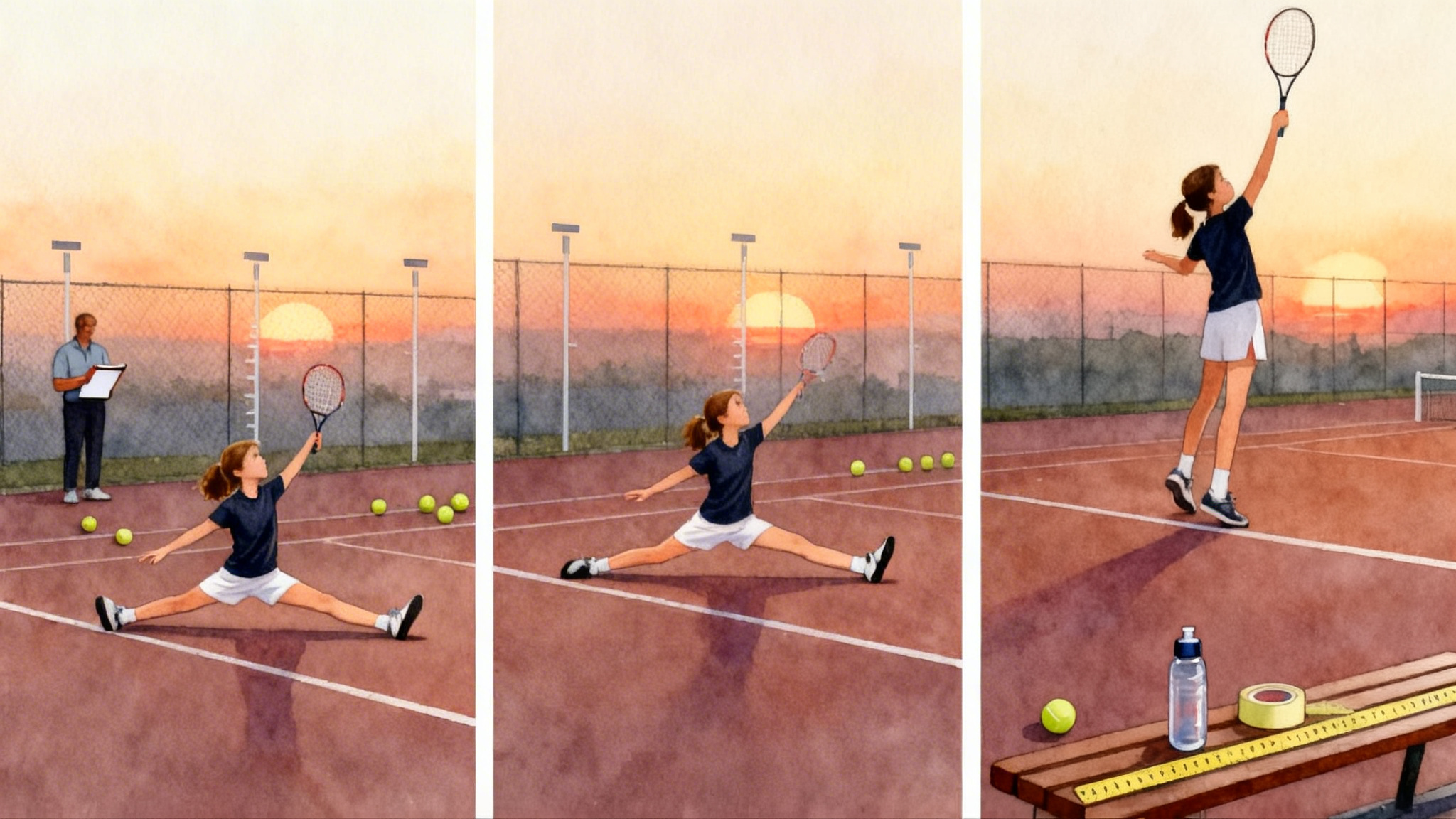
- Coach or parent rolls 10 balls forward and 10 balls back. Player must split step before each feed, move with small adjustment steps, and recover to a ready position. Target 16 of 20 clean contacts with recovery.
Pass standard to move toward orange:
- Rally: two rallies of 12 on forehands and one rally of 8 on backhands within the 4 minutes.
- Serve and return: 6 of 10 serves in and 6 of 10 returns back in play.
- Movement and balance: 16 of 20 clean contacts with a visible split step on at least 14.
If a player misses any one area by a small margin but exceeds the others, blend red and orange for two weeks. For example, rally orange for 10 minutes but serve and score on red.
Weekly practice menu for red
- Two practices of 45 minutes
- Warm up 8 minutes: shadow swings to targets, side shuffles, and a simple throw and catch.
- Rally blocks 12 minutes: cooperative forehands to the middle, then backhands.
- Serve and return 10 minutes: service line serves to the deuce box, partner blocks returns back.
- Games 10 minutes: highest rally wins, alley rally, or bounce-catch to keep timing simple.
- Fun finisher 5 minutes: target toss to cones and celebrate small wins.
Red competition formats
- 7 point tiebreaks on the 36 foot court with serve from the service line.
- Timed 10 minute matches with cooperative starts. Keep score and change ends at 5 minutes.
- Festival days with team challenges like longest rally and target knockdown.
Orange ball readiness
Court setup: 60 foot court, orange ball, standard net, 23 to 25 inch racquet.
10 minute orange ball test
- Rally control with direction, 4 minutes
- Crosscourt rally to the deuce side target. Goal: two rallies of 10 on forehand crosscourt and one rally of 8 on backhand crosscourt. Add one line change to down the line every third ball without breaking the rally.
- Serve and return, 3 minutes
- Serve from the baseline into both boxes. Goal: 7 of 12 serves in with at least 4 to a target zone. Returner aims middle third depth. Goal: 7 of 12 returns back.
- Movement and patterns, 3 minutes
- Coach feeds 8 forehands on the run, 8 backhands on the run, and 4 short balls. Target 16 of 20 balls made, with recovery to the center and a small split step before each swing.
Pass standard to move toward green dot:
- Rally direction: two rallies of 10 crosscourt on the forehand, one rally of 8 crosscourt on the backhand, plus at least two controlled down the line changes.
- Serve and return: 7 of 12 serves in with 4 to intended zones, and 7 of 12 returns back.
- Movement and patterns: 16 of 20 successful contacts with recovery, including at least 3 of 4 short ball approaches finished deep.
If the player hits the numbers but looks rushed or off balance, hold orange another 2 to 3 weeks and increase directional games to build stability.
Weekly practice menu for orange
- Two to three practices of 60 minutes
- Warm up 10 minutes: dynamic footwork ladder or court lines, shadow swing with split steps, and mini tennis at the service line.
- Directional rally 15 minutes: forehand crosscourt windows, then backhand crosscourt, then add a down the line change.
- Serve and return 15 minutes: serve to deuce and ad targets, alternating first and second serve routines. Return with three contact points: early, on time, slightly late. For a structured upgrade, follow the 6-week serve plan.
- Transition 10 minutes: short ball approach and split step volley, finish with an open court target.
- Games 10 minutes: crosscourt king of the court or pattern play to earn attack balls.
Orange competition formats
- First to 4 games short sets starting at 1 to 1. No ad scoring to keep tempo.
- 10 to 15 minute timed matches. Count total points and games for group standings.
- Team match nights where each court plays crosscourt only for 10 minutes, then full court for 10 minutes.
Green dot readiness
Court setup: full 78 foot court, green dot ball, 25 to 26 inch racquet.
10 minute green dot test
- Rally width and depth, 4 minutes
- Alternate crosscourt and down the line every two balls. Goal: two rallies of 12 with at least 6 balls landing past the service line each time.
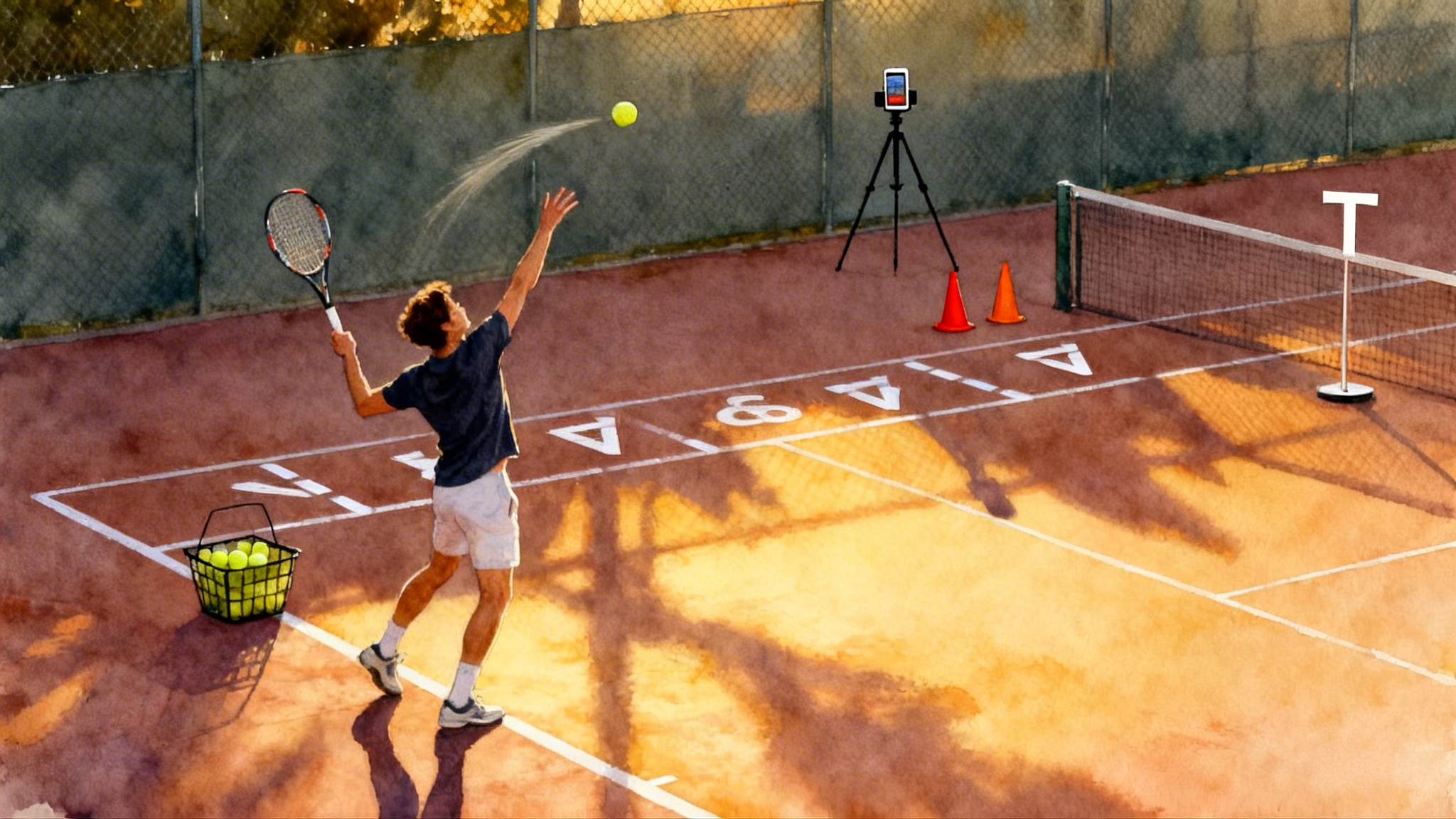
- Serve and first ball, 3 minutes
- Serve full court. Goal: 8 of 14 serves in, including 3 to the body, 3 wide, and 2 up the middle. On make, server plays a plus one ball to a chosen side. Count a point if both serve and plus one land in.
- Movement and defense, 3 minutes
- Coach feeds 6 wide balls, 6 deep push balls, and 6 short defensive drops. Goal: 15 of 18 balls back with height or angle as appropriate, and a visible recovery step each time.
Pass standard to move toward yellow:
- Rally: two rallies of 12 with planned alternation and at least 6 deep balls per rally.
- Serve and first ball: 8 of 14 serves in, plus 6 successful plus one placements.
- Movement and defense: 15 of 18 successful recoveries with a good contact height.
If a player sprays deep balls or floats returns, keep green another month while adding strength, swing path reps, and height control. Pair this block with the 2026 tennis strength standards plan to build safe power.
Weekly practice menu for green dot
- Three practices of 60 to 75 minutes
- Warm up 10 minutes: mini tennis with spin focus, high low rally where one player must clear the service line with topspin.
- Pattern play 20 minutes: two crosscourt then change, serve plus one to both sides, and backhand cage escapes.
- Serve and return 20 minutes: targets with penalty cones, second serve height control, and aggressive neutral returns.
- Compete 15 minutes: half court open drill to force margins, then full court games with bonus points for depth.
Green competition formats
- Short sets to 4 games with tiebreak at 3 to 3. No ad scoring.
- Compass draws or round robins with timed sets to encourage many opponents.
- Team match day with singles and a doubles tiebreak finisher to teach positioning.
Yellow ball readiness
Court setup: full 78 foot court, standard yellow ball, 26 to 27 inch racquet.
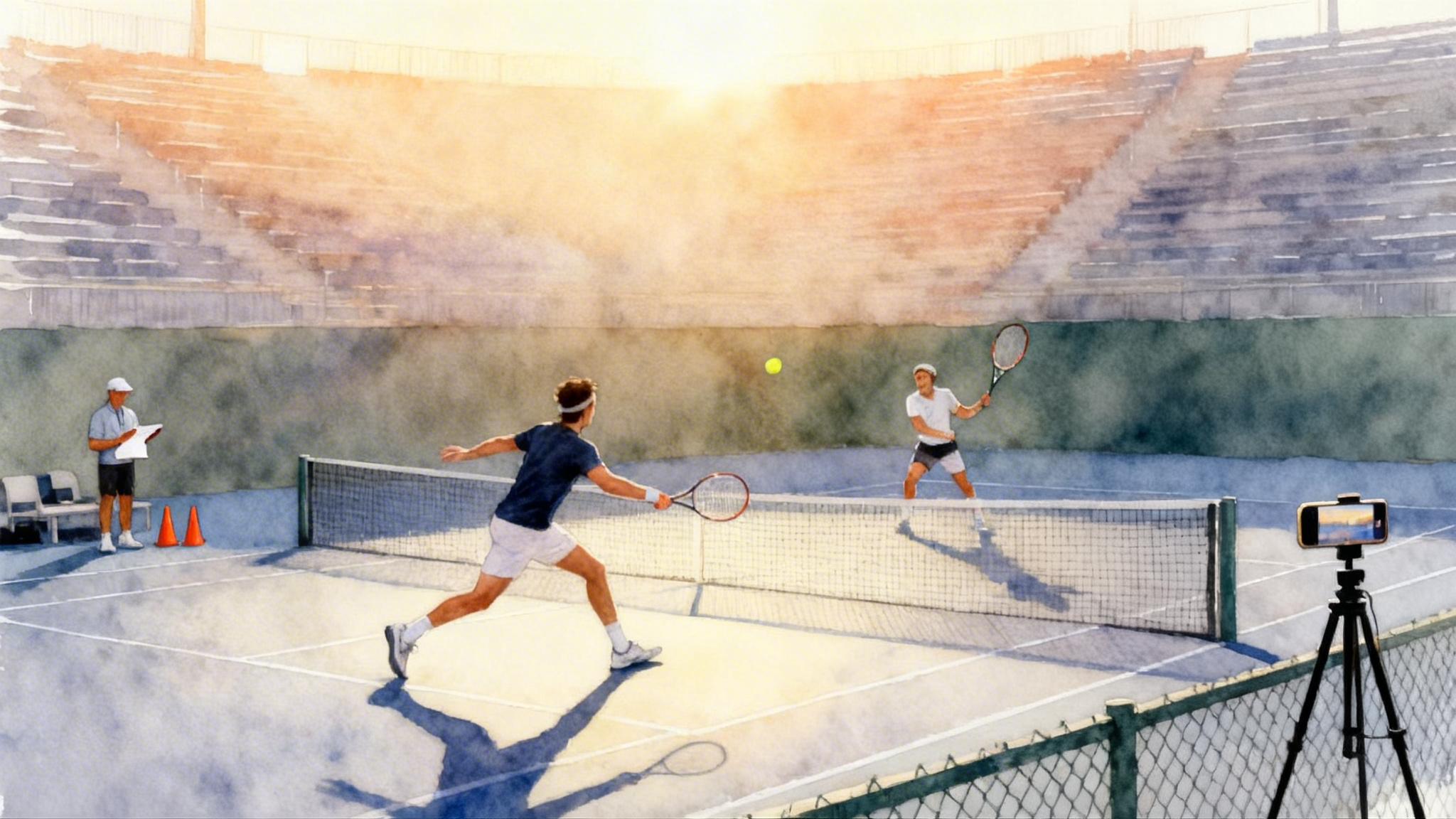
10 minute yellow ball test
- Rally pace and shape, 4 minutes
- Rally crosscourt at medium pace with intentional height. Goal: two rallies of 14 with at least 8 balls per rally landing past the service line and clearing the net by the height of the top of the racquet.
- Serve patterns, 3 minutes
- Serve 16 balls alternating deuce and ad with a chosen pattern. Goal: 10 of 16 first and second serves in. Record 6 clean plus one winners or advantage balls that force a defensive reply.
- Movement and transition, 3 minutes
- Coach feeds 4 short balls, 4 neutral balls, and 4 high rollers twice through. Goal: 18 of 24 successful choices with approach or neutral rally, plus two volley finishes.
Pass standard for full yellow competition readiness:
- Rally: two rallies of 14 with depth and safe net clearance.
- Serve patterns: 10 of 16 in with 6 effective plus ones.
- Movement and transition: 18 of 24 successful choices, including at least 2 volley finishes.
If the player meets the numbers but safety margins are thin, use a blended week with two yellow sessions and one green session to sharpen quality without losing confidence.
Weekly practice menu for yellow
- Three practices of 75 to 90 minutes
- Warm up 10 minutes: mini tennis variations, shoulder care band work, split step rhythm sequences.
- Heavy ball rally 20 minutes: crosscourt diagonals with height goals and depth bonuses.
- Serve and return 20 minutes: first serve pace with target cones, second serve kick or slice emphasis, returns that neutralize or attack.
- Transition and finishing 15 minutes: approach plus volley or swing volley patterns.
- Games 15 minutes: situational games like 30 to 30 starts, no ad returns, and breaker practice.
Yellow competition formats
- Shortened full matches to manage load. Pro sets to 8 with no ad or best of three short sets to 4.
- League nights with one singles and one doubles to build court sense.
- Tournaments with back draw or compass styles to guarantee multiple matches.
Common upgrade traps and how to avoid them
- Chasing pace instead of control
- Fix: measure rally length, depth past the service line, and net clearance. Only move up when all three are stable.
- Skipping serve targets
- Fix: require zone hits before moving colors. Serving in does not equal serving well.
- Ignoring movement quality
- Fix: build a habit of split step before contact, adjustment steps after contact, and recover to the middle. Count these as part of your test.
- Moving up on a hot day only
- Fix: verify performance on two days under different conditions. Consistency is the real indicator.
For more ball-tracking and reads, add sessions from anticipation drills that win points.
Inside Legend Tennis Academy: how transition checkouts work
Families often ask for a clear yes or no about moving up. Legend Tennis Academy has made this simple with a free assessment that ends with a green light, a yellow light with a short plan, or a not yet with precise drills.
Here is the playbook you can expect during a Legend transition checkout:
- Intake and goals, 3 minutes
- A brief chat on court about current training load, any recent growth spurts, and what feels easy or hard. The coach notes racquet size, grip, and string tension.
- Warm up snapshot, 4 minutes
- Mini tennis and shadow swings to see rhythm and posture. The coach watches contact point and footwork cues.
- The 10 minute color test
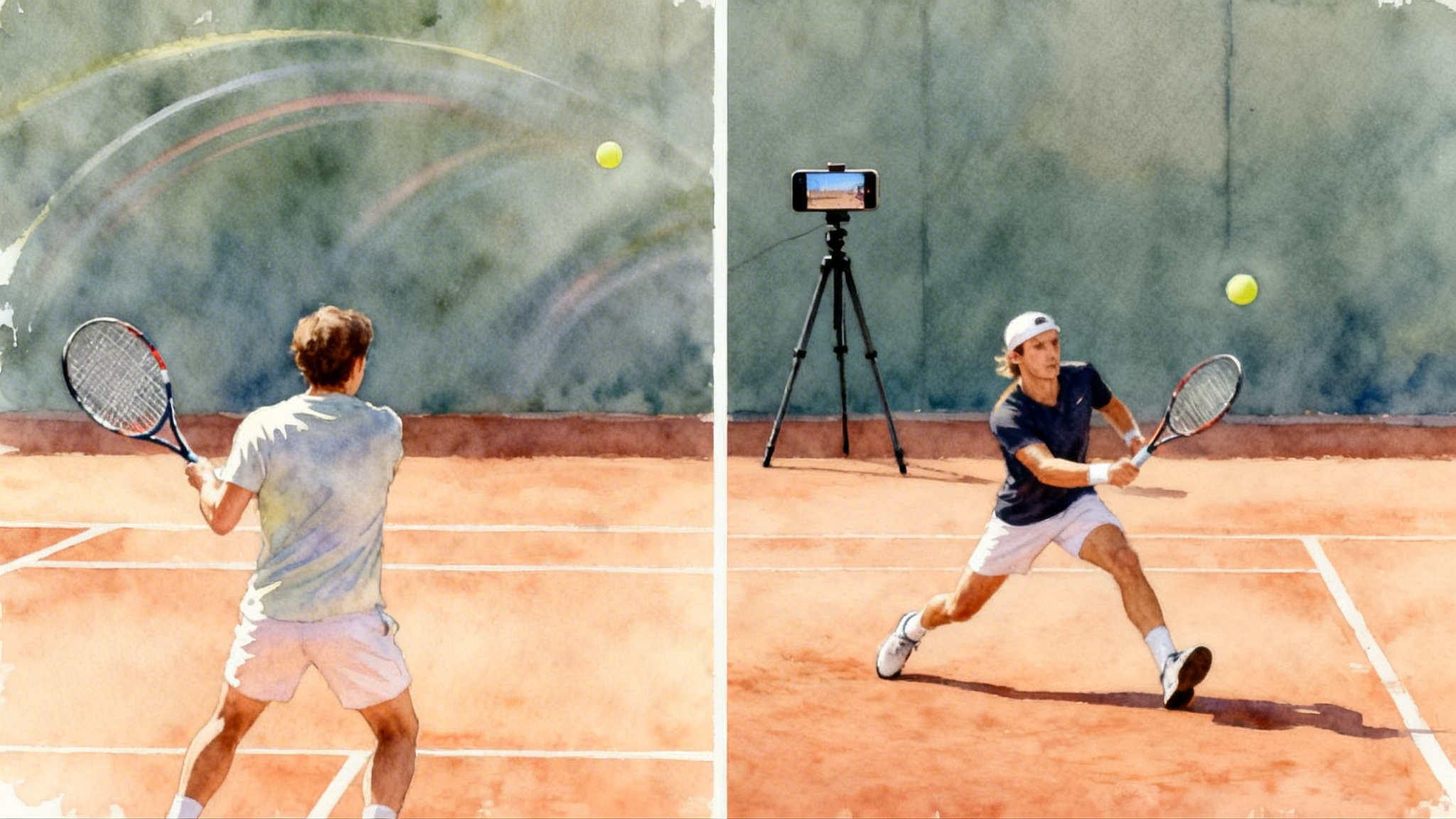
- The exact tests in this article are used for the current color and the color above. The coach scores in real time and also records one short rally for later review when requested by the family.
- Decision with safety margin
- A move up requires the pass standard plus visible margins in balance and ball height. If the player barely passes, the coach prescribes a 2 to 3 week blend of both colors.
- Written mini plan and drill menu
- Families receive a simple one page plan. It lists the top two strengths to keep, the top two gaps to close, and three home drills. It also shows the next assessment date.
- Clear next steps
- If green lit, the player is placed in an appropriate group or lesson block. If blending, the plan shows when to use each ball type and how to measure progress at home.
Booking is straightforward. Start a booking here: Book at Legend Tennis Academy. If you prefer a general assessment first, use the free player assessment signup.
Why this works for families
- You gain a clear pass or blend decision without buying a new racquet or changing strings right away.
- You receive a mini plan that you can use with any coach. Nothing is hidden.
- You try a session with the coach before committing to a package.
Why this works for coaches and clubs
- It removes friction in parent conversations. The numbers guide the move, not opinion.
- It creates a short, high value first experience that converts well into ongoing training.
- The written plan keeps the player on track even if schedules or groups change.
Equipment checkpoints that speed progress
- Racquet fit
- Red and orange usually pair with 19 to 25 inch racquets. Green and yellow often fit 25 to 27 inch. Players should be able to swing without the racquet tip dropping below the wrist at contact.
- String feel
- Softer strings at lower tension help control at the younger stages. Recheck after any growth spurt.
- Court and ball match
- Use the color that matches the court length. The right court makes the movement tasks natural.
Quick reference: pass standards at a glance
- Red to orange
- Rally: two rallies of 12 forehands, one of 8 backhands.
- Serve and return: 6 of 10 serves in, 6 of 10 returns back.
- Movement: 16 of 20 clean contacts with split step on at least 14.
- Orange to green dot
- Rally: two of 10 crosscourt forehands, one of 8 crosscourt backhands, plus two controlled down the line changes.
- Serve and return: 7 of 12 serves in with 4 to zones, 7 of 12 returns back.
- Movement: 16 of 20 on the run and short balls with recovery.
- Green dot to yellow
- Rally: two of 12 alternating direction with at least 6 deep balls per rally.
- Serve and first ball: 8 of 14 serves in with 6 solid plus ones.
- Movement and defense: 15 of 18 successful recoveries with height.
- Yellow competition ready
- Rally: two of 14 with depth and safe net clearance.
- Serve patterns: 10 of 16 in, 6 effective plus ones.
- Transition: 18 of 24 correct choices, two volley finishes.
Print this list and keep it in a racquet bag. When a player hits two of the three categories with margin and is close on the third, start a blend week and schedule a checkout.
Final word: your next 10 minutes
Progress is built in small, honest measurements. Pick a color, run the 10 minute test, and record the result. If the numbers say move, move. If they say blend, blend. If they say hold, hold and build margins. The court will tell you the truth if you listen in a structured way.
When you are ready for outside eyes, book a free transition checkout. A coach will run the tests, explain the why behind the numbers, and hand you a short plan. Your player will leave with clarity, and you will leave with confidence. That is how the right ball today becomes better tennis for years to come.