Tennis Growth Spurt Guide: Training Through Peak Height Velocity
A practical, age by age plan to help juniors, parents, and coaches train safely through rapid growth. Learn to spot peak height velocity, adjust technique, cap weekly loads, screen mobility, update gear, and run smart 2–4 week microcycles.
 Tommy
Tommy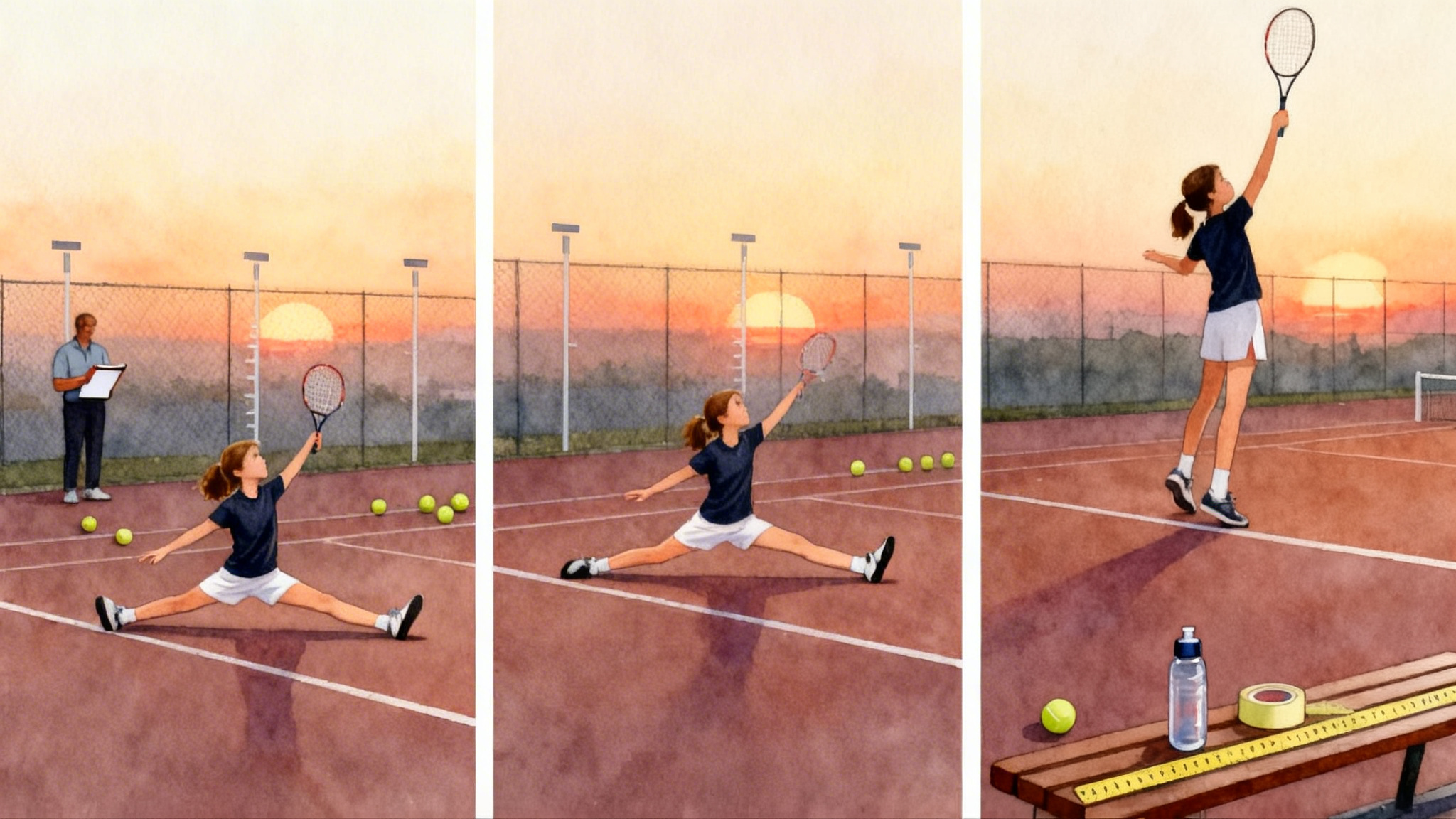
What peak height velocity is and why it changes tennis
Peak height velocity (PHV) is the fastest rate of growth in stature during adolescence. In tennis, that surge affects almost every on-court habit. Limbs get longer, levers change, and timing windows shift. The same split step that felt perfect last month now lands late. The contact point creeps away from the body. Footwork patterns feel clumsy. If you push through with the old plan, the risk of overuse injuries rises. A smarter route is to adapt training to the growth curve. For background on youth growth and training principles, see the IOC consensus on youth development.
This guide gives you a clear, age-by-age checklist and load caps, simple at-home screens, technique updates, gear tweaks, and sample 2 to 4 week microcycles. It also shows how the Legend Tennis Academy approach monitors growth and modifies plans in real time.
How to spot a growth spurt early
Use a few simple signals each week. None are perfect alone, but together they map the trend.
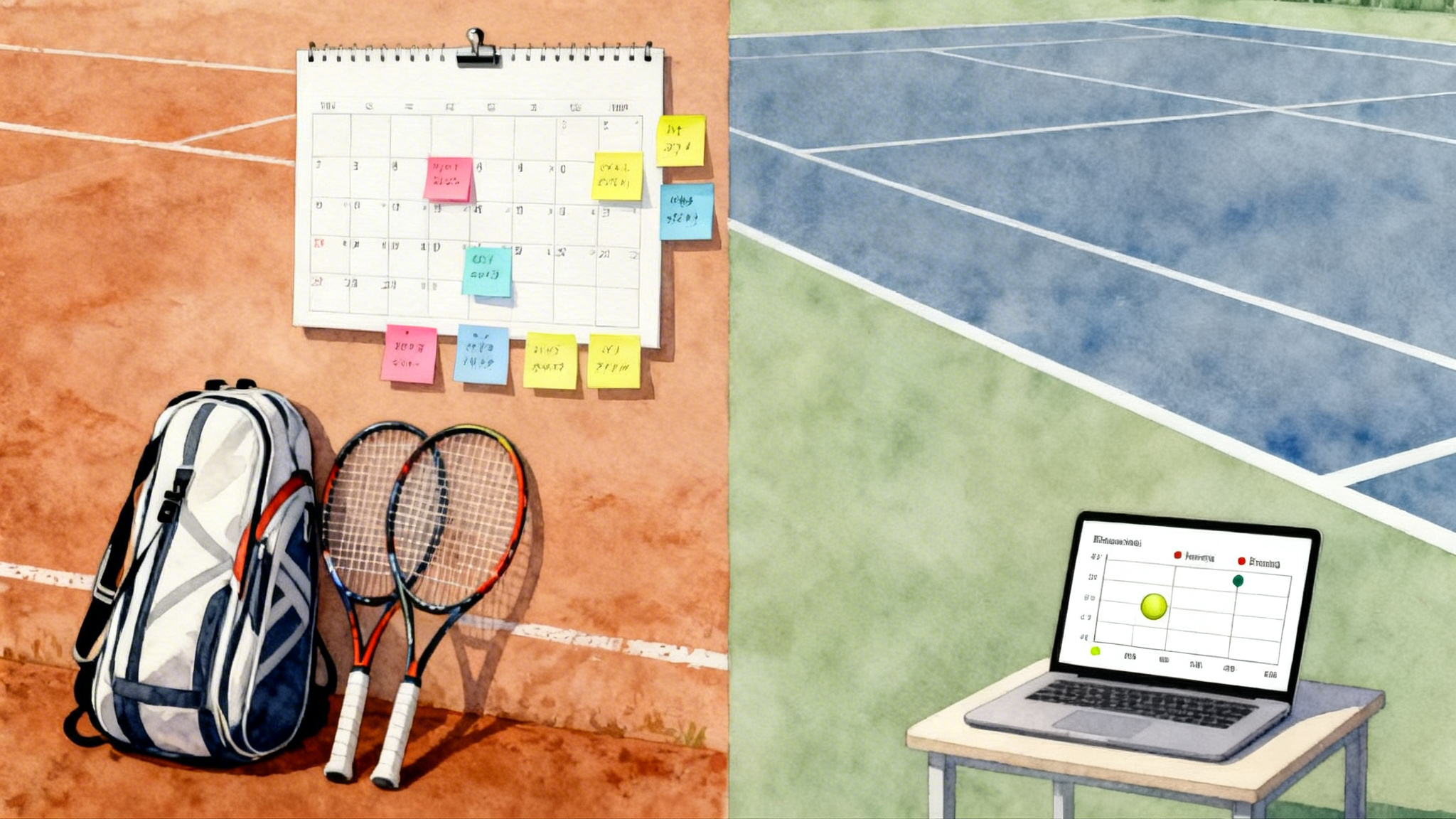
- Track standing height weekly at the same time of day. A sustained rise of about 0.7 to 1.0 centimeters per week for several weeks suggests you are near PHV.
- Check shoe size monthly. Sudden jumps often precede coordination wobbles.
- Watch for coordination changes. Toss drifting on serve, mistimed split steps, more shanks on stretch volleys, and erratic spacing on wide balls are common.
- Note recovery and mood. Sleepier mornings and lingering calf or knee soreness can show rising load on growing tissues.
- Ask how the court feels. Juniors often say they feel “late” on returns or “crowded” at contact. Take that seriously.
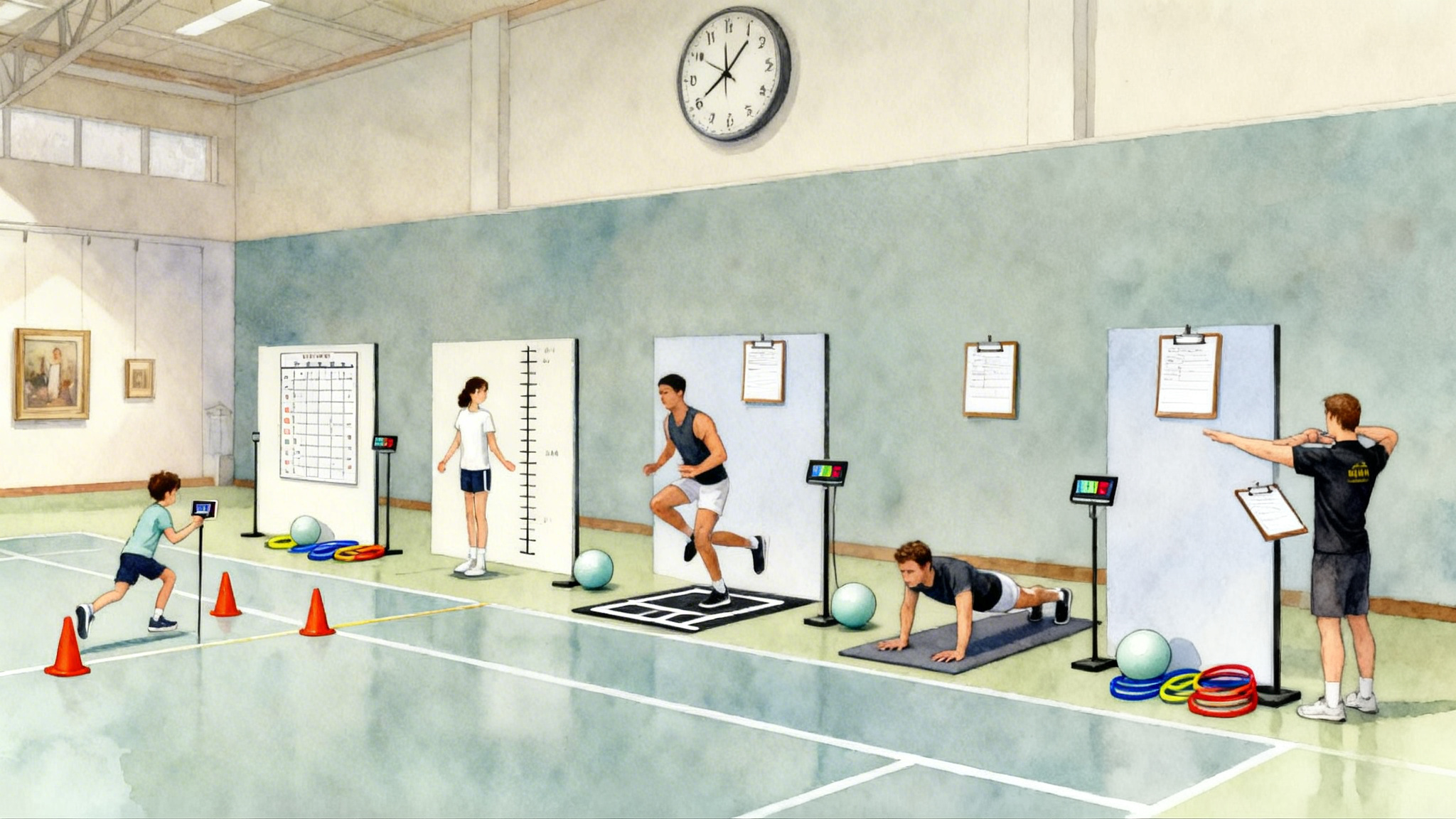
Quick at-home mobility and control screens
Keep these simple, repeatable, and low tech. Use a phone to record for comparison.
- Ankle knee-to-wall: Kneel facing a wall. From a half-kneel, drive the front knee forward to touch the wall without the heel lifting. Three to five inches from the wall is a practical target. Less suggests limited dorsiflexion that can alter landing mechanics.
- Active straight leg raise: Lie on your back, one leg straight on the floor. Lift the other straight leg. Hip flexion above 70 degrees without pelvic tilt is a practical benchmark.
- Hip flexor lunge: From a half-kneel, tuck the pelvis under, then glide forward. A firm stretch in the front of the hip without lumbar arch is the goal. If the back arches to find range, note it.
- Seated rotation: Sit tall, cross arms on chest, rotate right and left. Symmetry matters more than absolute range. Loss of symmetry is a flag.
- Overhead squat to a box: Hold a light stick overhead with straight elbows and perform a controlled squat to a chair height. Heels down, knees tracking over toes, arms staying near the ears. Note compensations.
- Single-leg balance eyes closed: Stand on one leg near a wall for safety. Time to first major wobble. Aim for 10 to 20 seconds. Large side-to-side swings hint at control gaps.
Re-check every two weeks and use the results to select warm-up drills and strength work.
Technique adjustments that stick after the spurt
Growth does not just slow you. It changes geometry.
- Contact point: Put a strip of painter’s tape on the court where neutral groundstroke contact usually happens. In growth, many players need contact two to six inches farther in front and one to three inches higher. Rebuild with drop-hit progressions and slower incoming feeds so the brain updates its map.
- Split-step timing: Taller bodies take longer to unload. Cue the split to land as the opponent starts the forward swing, not at ball strike. Use shadow reps and return-of-serve drills with a metronome clap or coach’s hand cue so landing syncs to the toss or forward motion. For deeper options, see our return of serve blueprint.
- Stance width and spacing: Wider stances help manage the new center of mass. On wide balls, teach an early adjustment hop to set spacing before the final step. On approaches, commit to a longer last stride so the trunk stays tall through contact.
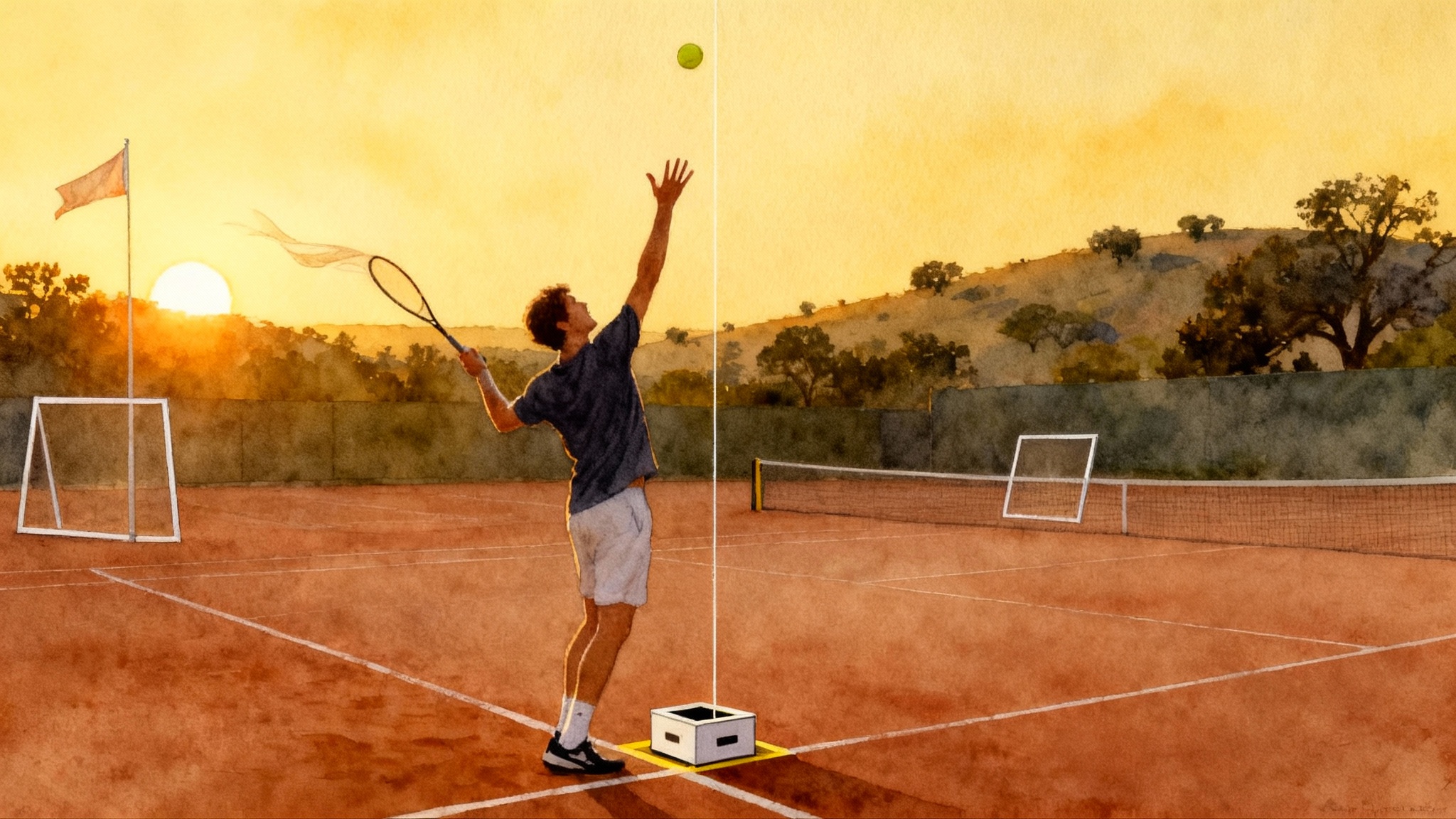
- Serve sequence: Growth often lengthens the tossing arm path and changes shoulder timing. Re-set the toss height to allow a smoother rhythm. Use half-serve drills from the service line, then three-quarter tempo from the baseline, before adding full speed. If the toss is drifting, use the serve toss consistency blueprint.
Age-by-age checklists
Below are practical lists for juniors, parents, and coaches. Use them as weekly audits.
Ages 10 to 12
Juniors
- Log height each Sunday evening and write one sentence about how timing felt this week.
- Do a five minute mobility warm-up before every hit: ankle rocks, hip flexor lunge, thoracic rotations, and ten pogo jumps.
- Practice ten split-step landings with a clap cue before each session.
Parents
- Keep a height chart and shoe size notes. Mark any weekly spikes on the calendar.
- Pack snacks and water. Growing bodies struggle more with dips in energy.
- Ask about knee or heel pain after practices.
Coaches
- Start every session with a spacing check. Two minutes of drop hits to find the new contact point.
- Reduce closed skill speeds if shanks rise. Accuracy first, then speed.
- Cap jump contacts and sprints. See load section below.
Ages 12 to 14
Juniors
- Add a five minute control block daily: single-leg balance eyes closed, shadow swing to a visual target, and four serve tosses held at the top for two seconds.
- Keep a simple effort log from 1 to 5 for each session to spot fatigue trends.
Parents
- Watch for limping after matches. Patellar tendon and heel pain are common flags.
- Plan one non-tennis day fully off every week.
Coaches
- Rebuild returns and passing shots with adjusted split-step timing cues.
- Introduce light resisted band work for hips and mid-back to support posture.
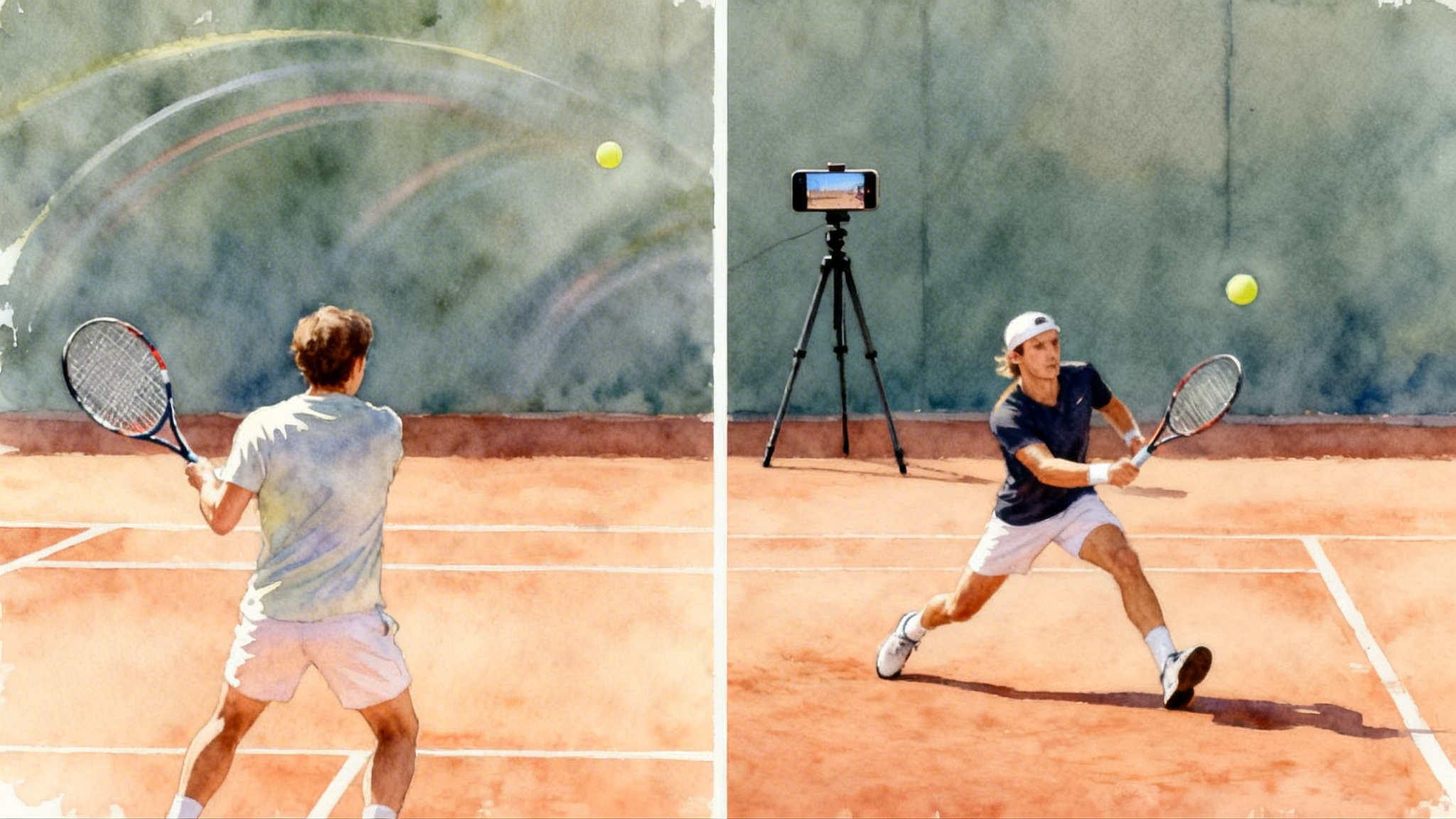
- Schedule a technique audit every two weeks with slow-motion video.
Ages 14 to 16
Juniors
- Own your warm-up. Ten minutes minimum. Add light med ball throws if cleared by the coach.
- Journal two technical cues that helped today and one thing to change tomorrow.
Parents
- Support sleep and steady meals. Rapid growth plus rising training volume needs fuel.
- Coordinate with coaches on test weeks at school to avoid overload.
Coaches
- Blend strength and speed days. Separate high effort work from technical rebuilds.
- Use more live ball constraints to tune spacing and decision speed.
- Start serving progressions to rebuild pace after any reduction phase.
Weekly load caps during growth
Use these ranges to limit spikes. If a player shows fast height gain or more soreness, pick the lower end. If the player is stable, you can move toward the upper end. Counts are per week, not per session.
Ages 10 to 12
- Serves: 200 to 300 total ball strikes from a full motion. Warm-up shadow swings do not count.
- Sprints under 10 seconds: 30 to 45 efforts, full recovery between reps.
- Jumps and landings: 60 to 100 ground contacts from pogo, split-step, and hop drills combined.
- Total tennis hours: 6 to 8 including match play.
Ages 12 to 14
- Serves: 180 to 260 in PHV weeks. Up to 320 when growth is steady.
- Sprints under 10 seconds: 30 to 50 efforts.
- Jumps and landings: 60 to 90 contacts.
- Total tennis hours: 7 to 10, with at least one full rest day.
Ages 14 to 16
- Serves: 220 to 350 in PHV weeks. Up to 450 when growth stabilizes.
- Sprints under 10 seconds: 40 to 70 efforts.
- Jumps and landings: 80 to 120 contacts.
- Total tennis hours: 8 to 12 depending on tournament schedules.
During a clear PHV burst, cut total throwing or serving loads about 25 to 40 percent for one to three weeks, then rebuild. For general guidance on reducing overuse risk, see the AAP report on overuse injuries.
Two microcycles you can copy and adapt
These are templates. Scale minutes, counts, and intensities to age, experience, and current growth state. The aim is clarity, not bravado.
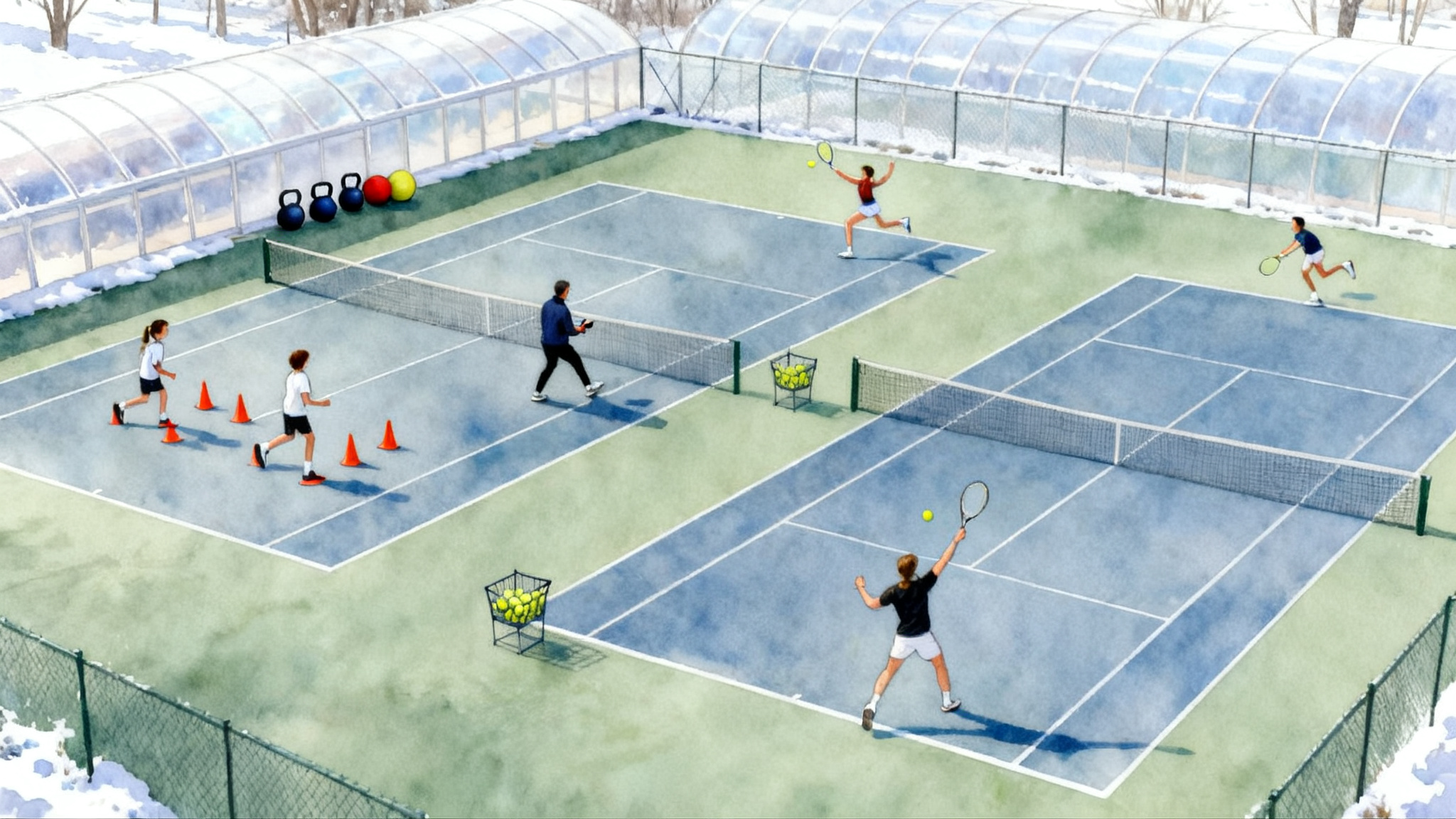
Two week deload during a fast growth burst
Goal: preserve feel and skill while reducing joint stress and landing volume.
Week 1
- Monday: Technique rebuild 60 minutes. Contact point calibration with drop hits, then slow feeds. Ten minutes serve half-motion from the service line. Mobility and control 15 minutes.
- Tuesday: Light footwork 30 minutes. Ankle and hip prep, split-step timing with clap cue, eight short sprints at 60 percent. Strength 20 minutes bodyweight and bands. No jumps.
- Wednesday: Match skills 60 minutes low intensity. Crosscourt patterns at 60 to 70 percent pace, short court volleys. Ten minutes return timing off a coach’s hand toss or soft feed.
- Thursday: Rest or easy swim or bike 20 minutes. Mobility 15 minutes.
- Friday: Serve drill 40 minutes. Three sets of 25 serves at 70 percent focus on rhythm. Stop at first sign of shoulder or elbow fatigue. Groundstroke spacing 20 minutes.
- Saturday: Play 60 to 75 minutes at conversational pace. No tiebreakers. Finish with five minutes of ankle and hip mobility.
- Sunday: Full rest. Height check and five minute video of a few strokes for record.
Week 2
- Monday: Technique 60 minutes. Add three quarter tempo on groundstrokes. Ten minutes light overheads, five sets of 6 to 8, controlled.
- Tuesday: Strength 25 minutes. Hip hinge, split squat, row, side plank, calf raises. Footwork 20 minutes with small hops only.
- Wednesday: Returns and approaches 60 minutes at 70 percent intensity. Timing and spacing first, scoring games optional.
- Thursday: Rest.
- Friday: Serve and first ball 50 minutes. Two sets of 30 serves, then plus one forehand pattern. Keep total serves under the weekly cap.
- Saturday: Point play 60 minutes with guardrails. No more than two deuce points per game.
- Sunday: Rest. Review notes. Decide whether to extend deload or start rebuild.
Four week rebuild after the burst slows
Goal: return to full tennis rhythm and reintroduce intensity and landing volume methodically.
Week 1 Reintroduce rhythm
- Two technique sessions 60 to 75 minutes focusing on spacing, higher contact points, and serve rhythm at 75 percent.
- One strength session 30 minutes. Add light med ball rotations 3 sets of 6.
- One agility session 25 minutes. Split-step timing plus 10 to 12 short sprints.
- One light match play 60 minutes.
Week 2 Layer speed
- Two tennis sessions 75 minutes with live ball patterns. Add 8 to 12 approach and volley sequences with a longer last stride.
- One serve session 45 minutes, 3 sets of 30 serves, aim and routine.
- One strength session 35 minutes with loaded split squats and rows if the athlete is technically ready.
- One match play 75 minutes. Introduce short tiebreakers if the body feels good.
Week 3 Add intensity
- Two tennis sessions 90 minutes. Increase rally speed to 80 to 85 percent. Add return games and second serve attacks.
- One agility and jump session 30 minutes. Introduce 3 sets of 6 low hurdle hops and 8 acceleration sprints under 10 seconds with full recovery.
- One serve and first ball 60 minutes. Keep total serves inside the current weekly cap.
- Optional match play 90 minutes if recovery is strong.
Week 4 Consolidate
- Two tennis sessions 90 minutes at near normal pace.
- One strength session 35 minutes with emphasis on quality movement.
- One serve session 45 minutes. If elbow or shoulder soreness is absent, add 10 to 20 extra second serves to rebuild confidence.
- One full match. Debrief on spacing, timing, and fatigue signs.
The Legend Tennis Academy playbook for growth weeks
Legend Tennis Academy treats PHV as a normal phase with a clear plan. Here is the checklist the staff uses.
- Measure and flag: Athletes log weekly height at home. If rate of gain rises quickly for two weeks, the player is tagged “growth focus” for the next microcycle.
- Fast screen: Before sessions, coaches run a 90 second check. Ten ankle rocks, seated rotation to both sides, five overhead squats to a box. Any major change triggers modified drills that day.
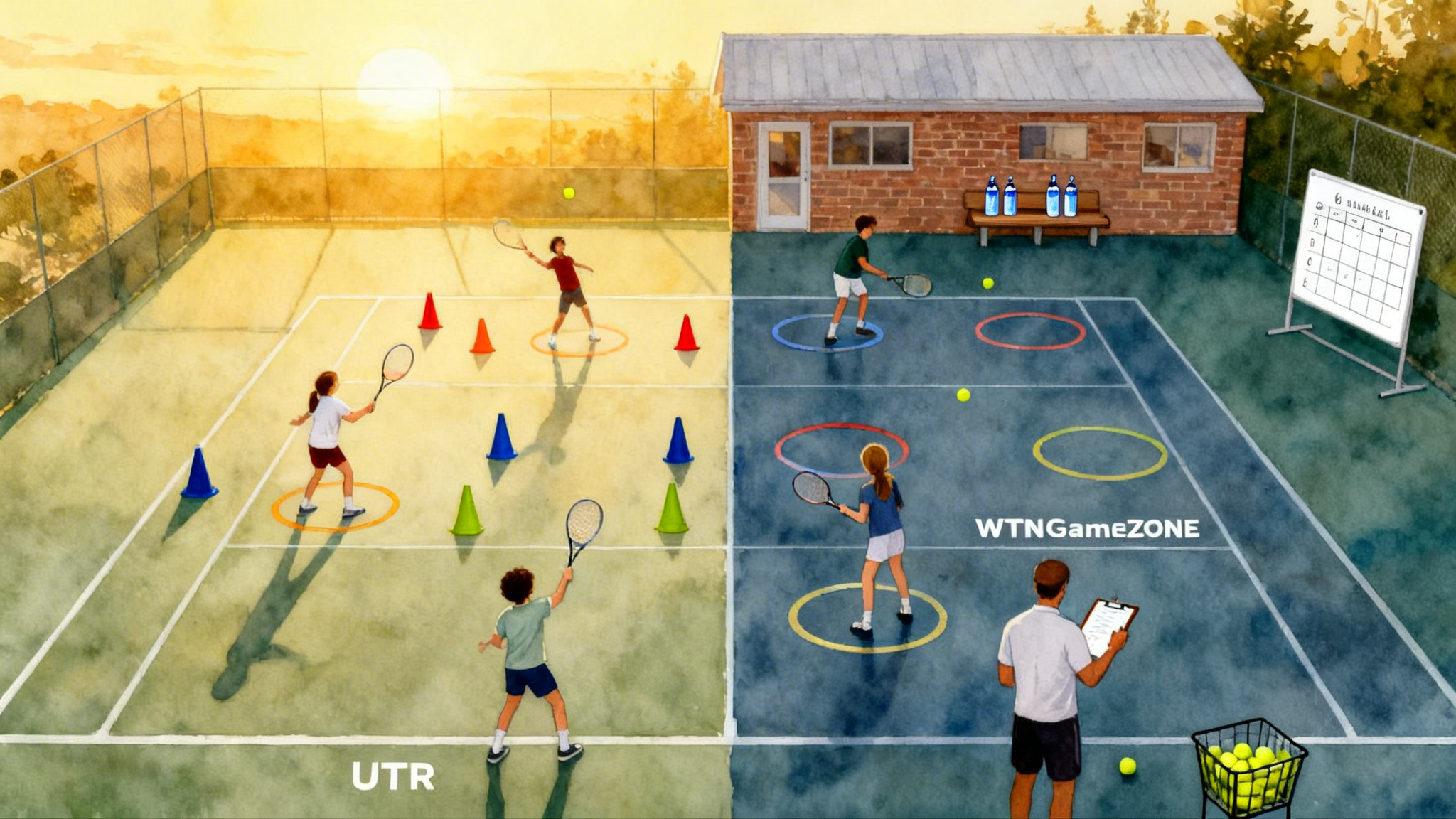
- Contact audit: First five minutes are always drop hits to find spacing. If contact shifts forward or higher, progressions are scaled accordingly.
- Load governor: Serve counts and jump contacts are capped at the low end of the age range during growth weeks. The coach calls the stop even if the player wants more.
- Timing rebuild: Every session includes split-step timing practice against visual cues. On returns, the cue is the server’s toss hand leaving the ball. On baseline exchanges, the cue is the opponent starting the forward swing.
- Communication loop: Coaches send parents a short note with the week’s goal, load caps, and soreness check questions. Players write a one line reflection after the session.
- Re-test and release: When height gain slows for two weeks and soreness is minimal, players return to normal progressions.
Equipment check without a full overhaul
Rackets and strings can either fight the new body or help it.
- Grip size: Check that the index finger fits snugly between palm and fingertips when gripping. If two fingers fit, size up. If none fit, size down.
- Tension: During growth weeks, reduce string tension by 2 to 3 pounds to soften impact and enlarge the sweet spot. Power will come from improved timing later.
- Weight and balance: If the frame now feels head heavy and late, add a small overgrip or a few grams to the handle under supervision to nudge balance toward the hand. Do not chase huge changes.
- Dampeners: These change feel, not load. Use what encourages relaxed swings.
Revisit equipment every three months in fast growth phases. The goal is a frame that rewards early contact and smooth acceleration.
Red flags to respect
Stop or modify the session and reassess if any of these appear.
- Point tenderness on the bone below the knee cap, at the heel, or along the shin.
- Elbow pain during or after serving that does not ease with a day of rest.
- Back pain with extension during serves or overheads.
- Noticeable limp, or loss of strength or coordination on one side.
- Unusual fatigue or mood changes that persist for several days.
Work with a qualified clinician if symptoms persist. Junior athletes can thrive through growth, but only with respect for warning signs.
Putting it together
PHV asks for patience and precision. Measure growth with simple routines. Update technique so a longer body still arrives on time. Cap weekly loads to avoid spikes. Use quick at-home screens to choose the right warm-up and strength work. Adjust rackets and strings just enough to support a smoother ride. Follow microcycles that protect joints while keeping skills sharp.
If you do those things, growth stops being a storm to hide from. It becomes a tailwind. The player emerges taller, stronger, and better timed, with technique that now fits the body rather than fights it. That is the win that endures after the spurt fades.