Baltic Summer Tennis Escape: Train in Vilnius, Riga, Tallinn
 Tommy
Tommy
Why the Baltics are a smart summer tennis base
If you want long training days without baking in peak European heat, look north. Lithuania, Latvia, and Estonia give you June to August daytime highs that usually sit in the 60s to low 70s Fahrenheit, or roughly 16 to 23 Celsius. That means repeatable on-court sessions with less heat stress, plus evening light that lingers well past 9:30 p.m. You can hit in the morning, lift at lunch, drill in the late afternoon, and still walk the Old Town before dark.
The Baltics also have a safety net that most summer destinations lack: a dense network of indoor domes and modern arenas. When a shower rolls through, you slide your booking under a roof instead of losing the day. This reliability changes the math of a summer block. You can plan a high volume of quality reps and keep your schedule intact, which compounds into better strokes and better conditioning over a three to six week span.
Finally, distances are short. The capitals are connected by straightforward bus and flight options, with simple airport transfers. You can live in Vilnius to start, branch to the seaside in Jurmala outside Riga, then close with Pirita outside Tallinn. It feels like one connected campus. For a nearby shoulder-season option with similarly kind conditions, consider Lošinj microclimate tennis.
How cool air and long days improve your tennis
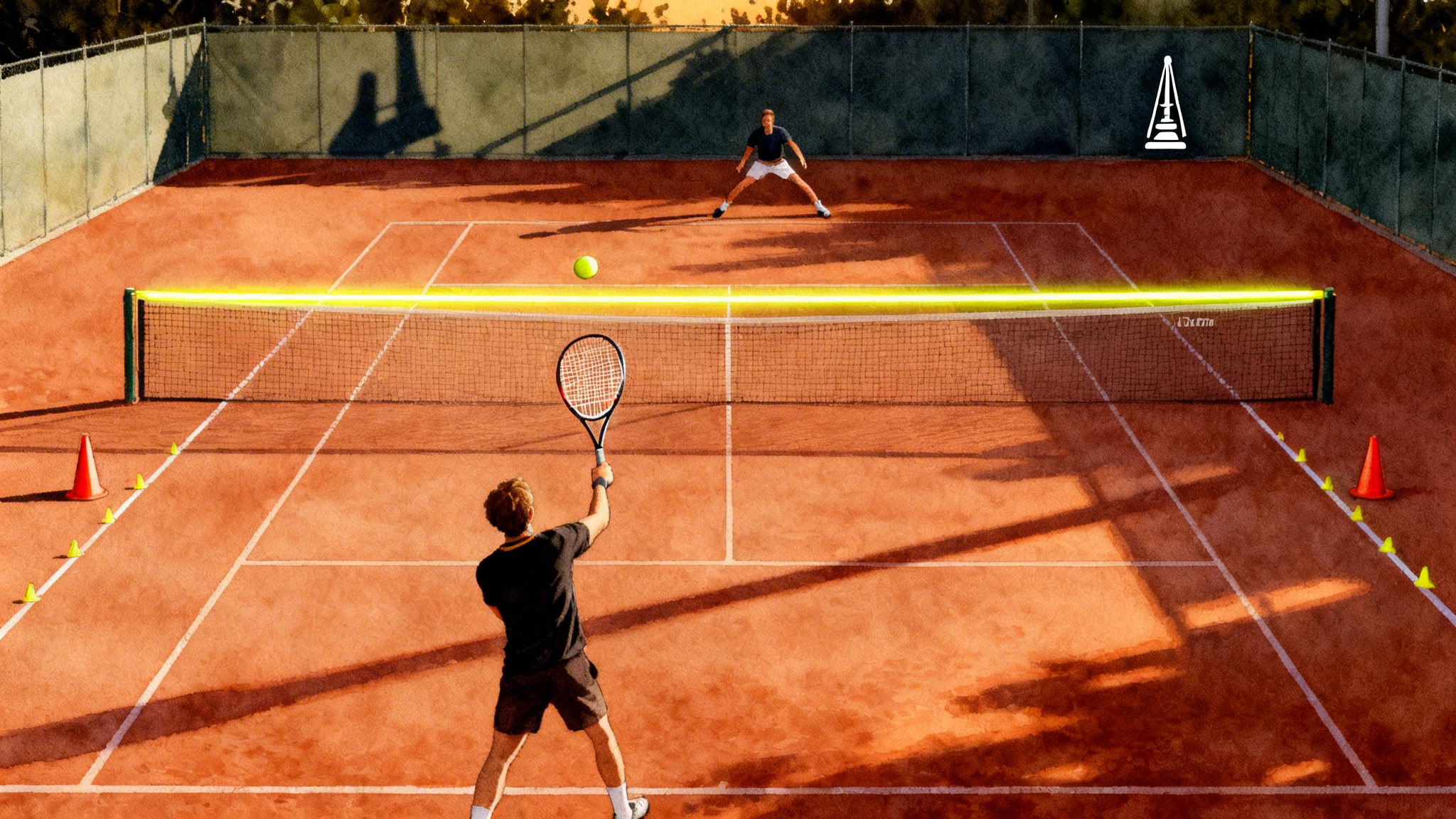
Think of the air as a fluid that your ball has to swim through. Cooler air is denser, which slightly trims ball speed and lift. Your topspin forehand will jump a bit less than in a hot Mediterranean afternoon. Slices stay lower and knifed approaches bite more. On clay, a cooler surface holds more moisture. That softens the bounce a touch and rewards heavy, patient rally patterns.
- Control improves: longer points and more room to groove mechanics.
- Footwork sharpens: you can sustain higher session counts without the heat slump that usually shows up after 45 minutes in southern Europe.
- Recovery is faster: lower core temperature swings reduce dehydration and help you stack two-a-days with better quality on day three and four.
Action tip: pack a second, slightly looser string setup. If you play polyester at 50 pounds, test 48 or switch to a rounder poly or a poly-synthetic hybrid. The denser air plus cooler clay can mute pop, so build it back with string choices rather than over-swinging. If your biggest leak shows up on your forehand when points stretch, study our guide to forehand under match pressure.
Anchor city one: Vilnius for dependable courts and easy coaching
Start in Vilnius. You get Old Town charm, straightforward pricing, and the city’s year-round SEB Arena supported by Vilnius Tennis Academy. It is the reliable core of your block. When the forecast is perfect, you slide to seasonal clay courts near the Old Town. When drizzle shows up, you move to indoor hard or clay under a dome and keep the plan.
How to structure your Vilnius week:
- Morning: 90 minutes of technical drilling with a coach.
- Midday: 45 minutes of mobility and strength in a basic gym session, then recovery lunch.
- Late afternoon: 90 minutes of situational points or match play with a compatible partner.
Match play is where travelers waste time. Solve this early. Use a local coach to curate sparring partners, or post a short player profile through our community listings. List your level, preferred surface, and available windows. You want two stable partners you can count on each week.
Court and club picks in Vilnius:
- SEB Arena with Vilnius Tennis Academy for year-round indoor bookings and high-level coaching.
- Seasonal Old Town clay blocks near the river for outdoor feel and cobblestone-to-court convenience.
- Vingis Park area for additional outdoor options when the sun is out.
Family add-ons in Vilnius:
- Easy stroller-friendly Old Town walks between sessions.
- Saunas and family pools in major sports centers for evening wind-down.
- Riverfront paths for light jogs or scooter rides before dinner.
Coastal move one: Jurmala outside Riga for sea air and big complexes
Jurmala gives you beach recovery and one of the region’s flagship tennis centers. Sand walks between sessions help calves and feet, and cooler evenings are perfect for doubles under soft light. The city center of Riga is close enough for culture days, but Jurmala is your home base if you want ocean air.
Court and club picks around Riga and Jurmala:
- National Tennis Center in Lielupe, Jurmala for a deep inventory of outdoor clay and indoor backup.
- Smaller neighborhood clubs on the Riga side for quick hits if you are overnighting downtown.
Recovery menu in Jurmala:
- Baltic Sea dips for cold exposure on rest mornings.
- Pine forest trails for soft-surface runs.
- Classic saunas at sports centers; build an every-other-day routine.
Coastal move two: Pirita outside Tallinn for beach paths and easy domes
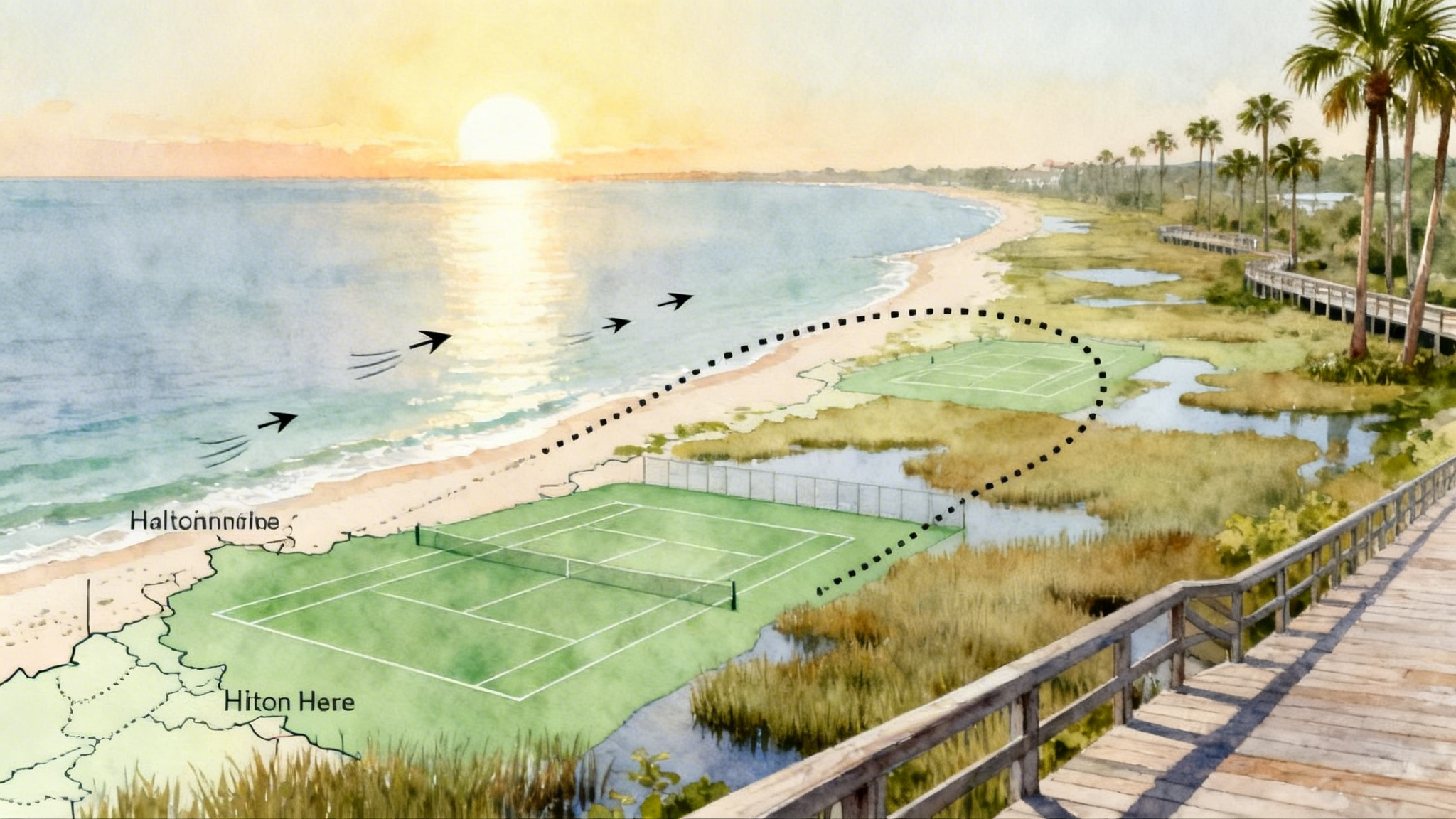
Tallinn’s Pirita district is your final base. Pirita Beach is a long arc of sand with dedicated running and cycling paths that wrap toward the city. Public courts pop up near the seafront for casual hits, and several modern centers in Tallinn can cover you indoors at short notice.
Court and club picks in Tallinn:
- Pirita public courts for flexible outdoor slots and seaside warmups.
- Major indoor centers in Tallinn proper for rainy hours and night sessions.
Family add-ons in Pirita:
- Boardwalk scooter circuits and sunset picnics.
- Simple kayak rentals on calm days.
- Compact old town excursions for half-day culture between training blocks.
The indoor dome safety net
Summer weather is generous, but the key advantage is resilience. The Baltics have a dome culture. Many clubs run inflatable or fixed roofs that stay open year-round. In June to August the lights are often off during daylight hours, which makes the indoor move feel like a lateral shift, not a punishment. For a serious block, this saves the week.
What to do when the forecast shifts:
- Keep two bookings: one outdoor, one indoor hold. Cancel the indoor slot by the club’s cutoff if the sun holds.
- Prioritize footwork and serve on indoor days. The consistent bounce tightens mechanics that translate back to clay.
- Build a rainy-day template: 60 minutes serves and returns, 30 minutes first-ball patterns, 15 minutes feel volleys.
Getting in and around from the United States
From the East Coast, you can connect through major European hubs like Helsinki, Frankfurt, or Warsaw to reach Vilnius, Riga, or Tallinn. Pick your start city based on award availability or the best cash fare, but plan to begin in Vilnius if the training block is court-centric.
City to city travel:
- Buses are reliable between capitals. Plan four to five hours between each pair of cities, and book a morning ride to protect your training window.
- Short flights work if you are carrying multiple racquets and want a tighter schedule. Check bag policies for racquet length.
- Local rideshare and standard taxis are easy at each airport. Most clubs sit 10 to 25 minutes from city centers.
Budget scaffolding:
- Courts: outdoor clay is generally cheaper than indoor, and day rates are friendlier than peak evening slots. Share two-hour blocks with your partner to cut costs.
- Coaching: many pros offer punch cards. Book a 6 to 10 lesson pack upfront and lock a same-time slot every other day.
- Housing: pick neighborhoods within a 15 minute bike ride of your club to eliminate transit drag. In Vilnius, Old Town or the river corridor works. In Riga, stay near the rail to Jurmala or in Jurmala itself. In Tallinn, Pirita or a nearby district with fast access to inner-city domes makes sense.
Sample 10-day plan: Vilnius to Jurmala to Tallinn
This is a light but purposeful arc that squeezes three styles of tennis into ten days. Adjust volume up or down by 20 percent based on fitness.
Day 1: Arrive Vilnius. Light mobility, check strings, 45 minute hit to wake up.
Day 2: Vilnius. Morning technical session on clay. Afternoon gym with mobility and trunk rotation work. Evening Old Town walk.
Day 3: Vilnius. Serve and return focus indoors if wind picks up. Evening doubles set.
Day 4: Vilnius. Match play day. Two out of three sets, then sauna and early night.
Day 5: Transit to Jurmala. Afternoon beach jog, 60 minute easy hit at sunset.
Day 6: Jurmala. Morning drilling at the main center. Afternoon forest trail cycle, then light recovery swim.
Day 7: Jurmala. Doubles block plus coached net play. Family picnic on the sand.
Day 8: Transit to Tallinn. Evening jog along Pirita paths.
Day 9: Tallinn. Morning point patterns. Afternoon city center visit. Optional night indoor session.
Day 10: Tallinn. Final match play. Pack, sauna, and early dinner near the harbor.
Volume: 10 to 12 hours of court time across 10 days, plus gym and recovery.
Sample 3-week plan: the full Baltic arc
Week 1: Vilnius foundation
- Day 1: Arrival and easy hit. Coach intake to define priorities.
- Day 2: Stroke building on clay. Afternoon gym pull day and hip mobility.
- Day 3: Indoor tempo session. Serve targets and first-ball patterns.
- Day 4: Match play with curated partner. Evening sauna.
- Day 5: Technical tune on backhand. Light doubles. City walk.
- Day 6: Long rally day on clay. Finish with 20 minutes of feel volleys.
- Day 7: Rest morning. Afternoon museum or river path stroll.
Week 2: Jurmala volume plus sea recovery
- Day 8: Transit to Jurmala. Beach jog, short hit.
- Day 9: Clay drilling. Evening cold dip and sauna.
- Day 10: Match play plus overheads and transition game.
- Day 11: Doubles clinic focus. Family bike ride under pines.
- Day 12: Indoor backup if rainy. Serve returns and second-ball patterns.
- Day 13: Free play or cross-training on trails.
- Day 14: Rest or culture day in downtown Riga.
Week 3: Tallinn sharpening and test sets
- Day 15: Transit to Tallinn. Easy Pirita promenade run.
- Day 16: Point-based drills. Short sets to four games with no-ad scoring for intensity.
- Day 17: Indoor accuracy session. Serve to zones, return depth goals.
- Day 18: Full match play with match charting. Note patterns to keep.
- Day 19: Net game focus. Doubles plus reaction volleys.
- Day 20: Threshold day. Two 60 minute blocks with long rest.
- Day 21: Taper and showcase set. Early dinner, beach walk.
Volume: 26 to 32 hours of court time across 21 days. Expect two to three rainy-day pivots indoors. Recovery blocks are anchored by sauna, sleep, and sea walks.
Coaching, match play, and how to stitch the week
Your week has three beats: learn, test, and recover.
- Learn: two coached technical sessions to fix mechanics. Film 10 minutes from the baseline and 5 minutes of serves each time. Keep a simple three-bullet focus list on your phone.
- Test: two match play windows with the same partners to measure change. Use one set on clay and one under a dome for contrast.
- Recover: one sauna plus cool shower session after your longest day. One sea walk or dip after your doubles day. One full rest morning with nothing but coffee and a book.
Where to find people: blend coach introductions with community posts. Write a two sentence player card and pin it to your week. Name your level, preferred surface, and open times. If you want a head start, build your profile in our player listings and share it with local clubs when you arrive.
What to pack for Baltic summer tennis
- Two racquets and two string setups. One tighter for indoor control, one looser for cool clay pop.
- Clay-friendly shoes with a second insole for rainy mornings.
- Light layers. Mornings can be in the 50s Fahrenheit. Bring a breathable jacket and a thin beanie for pre-hit warmups.
- Overgrips and a small towel for indoor sessions. Domes can feel humid even when outdoor air is cool.
- Travel foam roller or stick, plus a compact resistance band kit.
Safety, etiquette, and booking tips
- Booking windows: reserve seven to ten days ahead for prime late afternoon slots in June and July, especially near the coast.
- Court care: sweep clay fully and brush lines. Clubs value this and you will earn repeat bookings.
- Payment: many centers accept cards, but have a backup method for small public courts or kiosks.
- Quiet hours: early morning city courts sit near residential areas. Keep music low and warmups tidy.
A simple budget sketch
Per person per week for a focused block, excluding flights:
- Courts: plan for five to eight hours outdoors, plus two to four indoors as backup. Share costs with a partner.
- Coaching: two to three lessons. Bundle for savings and predictability.
- Transport: one intercity move plus local trams or rideshares.
- Extras: sauna sessions, occasional stringing, and snacks between blocks.
The takeaway is not the exact number. It is the structure. Most waste comes from last-minute court changes and mismatched partners. Book the shell of the week early, then fine tune once you meet coaches on day one.
Rest day playbook by the Baltic Sea
- Saunas: alternate hot and cool rinse three rounds. Keep it short on the night before match play; use a longer session after your hardest day.
- Seaside trails: 30 to 45 minute easy runs on sand or packed paths to keep joints happy.
- Culture sprints: half-day museum or Old Town routes that end with an early dinner. Protect sleep.
Putting it all together
Treat the Baltics like one spread-out campus. Start in Vilnius with the stability of SEB Arena and Vilnius Tennis Academy to hardwire clean mechanics. Slide to Jurmala near Riga for volume on clay with sea-air recovery. Close in Pirita near Tallinn on beach paths with indoor precision days to sharpen serves and first-strike patterns. Use the dome network as your weather insurance and the long daylight as your multiplier. Build learn, test, and recover into every week. If you do that, the Baltics will give you more good balls in a month than most warm-weather destinations can manage all summer, and you will fly home with a game that holds its shape when the season heats up.