Lošinj Microclimate Tennis: Croatia’s Secret Spring-Fall Base
Looking for a spring or autumn training block that is mild, reachable, and not overbooked? Lošinj pairs a stable Adriatic microclimate with easy Central Europe access and the boutique Ljubicic Tennis Academy for clay-first, small-group weeks.
 Tommy
Tommy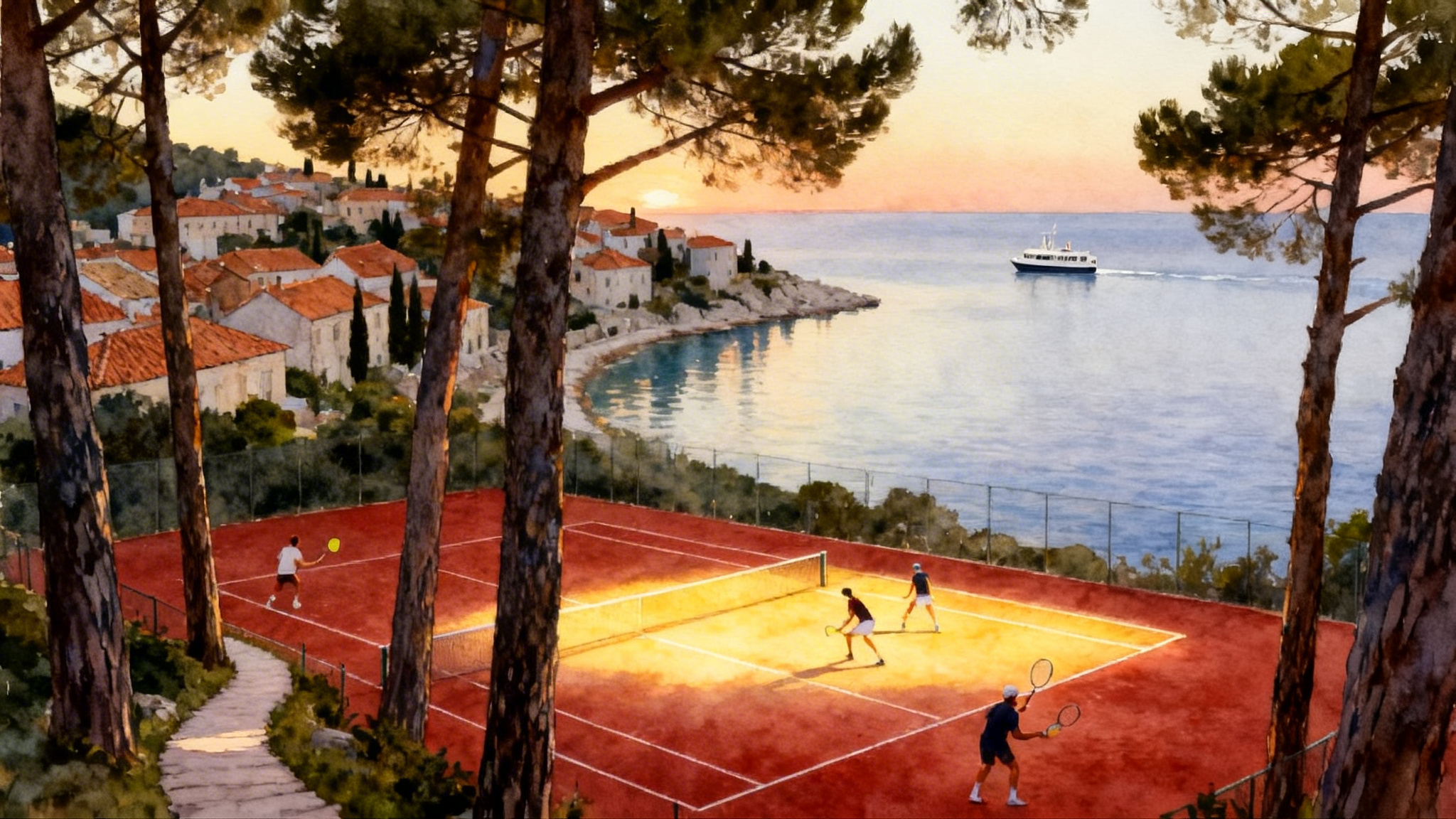
Why Lošinj belongs on your clay training map
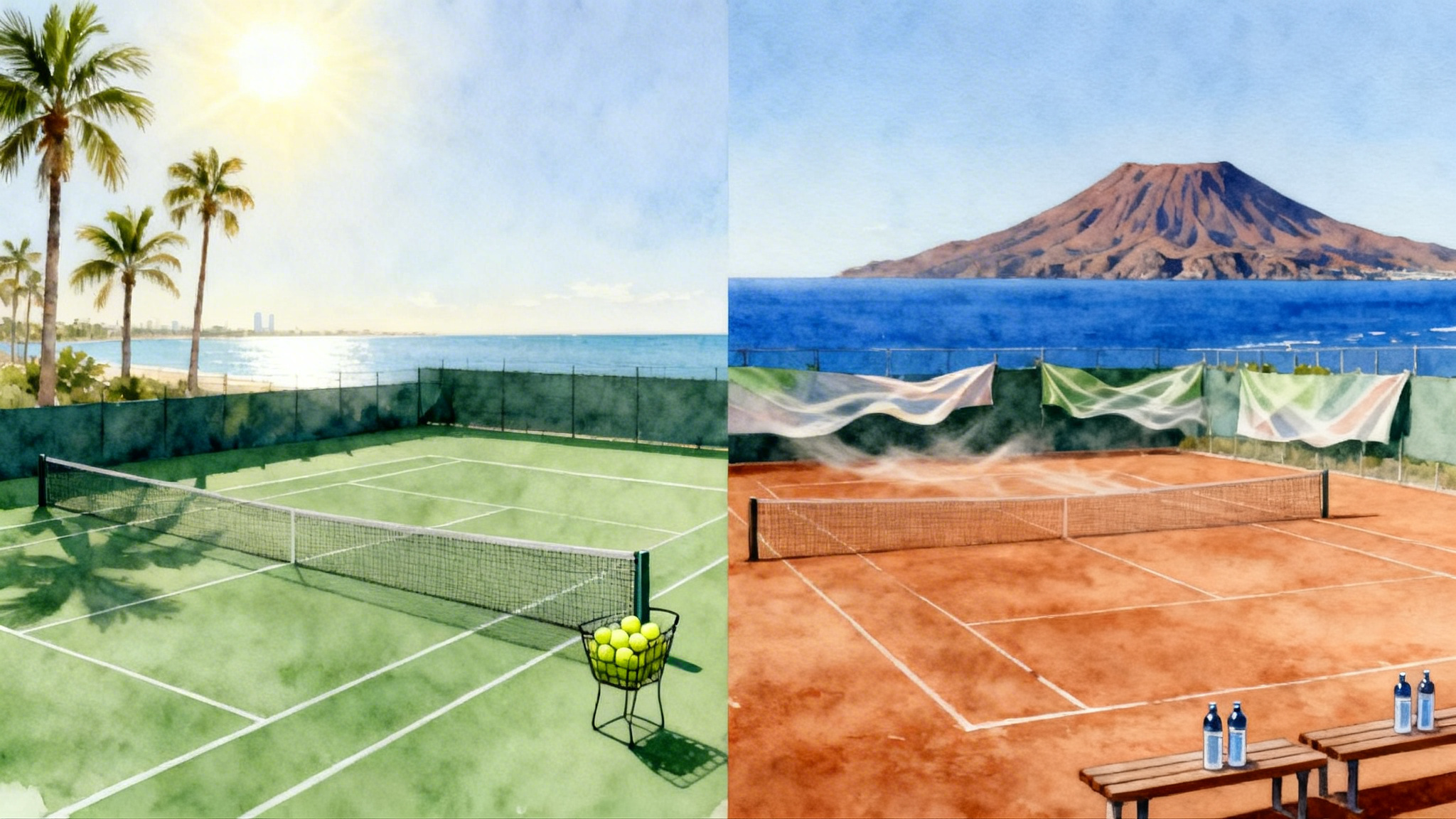
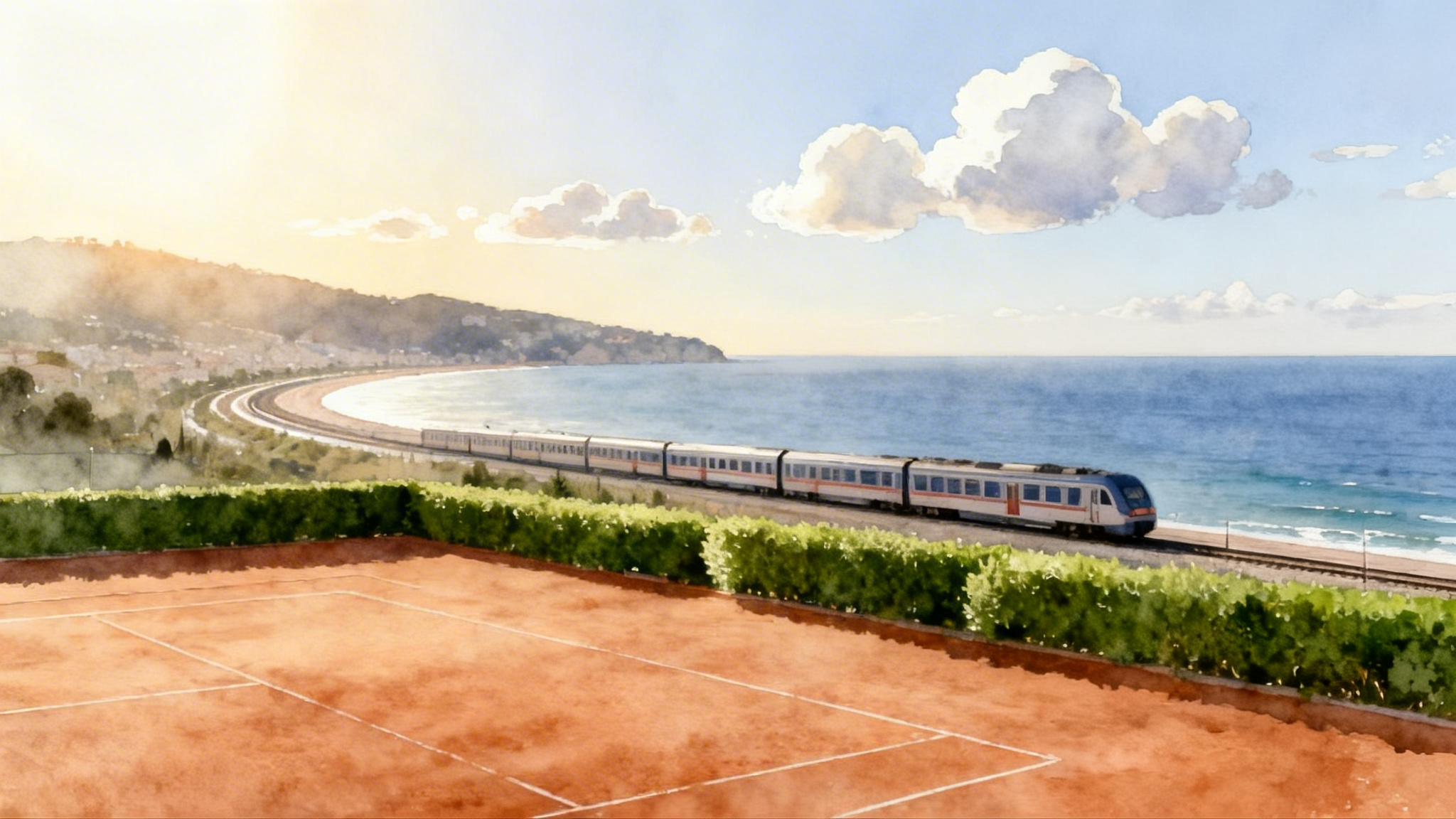
If you plan your performance year around April to June and September to October, you probably default to Spain or Portugal. Those choices are proven. They are also crowded, price rigid in peak months, and often built for volume rather than intention. Lošinj, a pine covered island in Croatia’s Kvarner Gulf, offers a different equation. It blends a notably mild maritime microclimate, compact travel from Central Europe, and a boutique training culture aligned with clay court progress rather than churn. The result is a shoulder season base that feels designed for tennis brains, not only tennis bodies. For contrast inside Europe, see our take on French Riviera shoulder-season tennis.
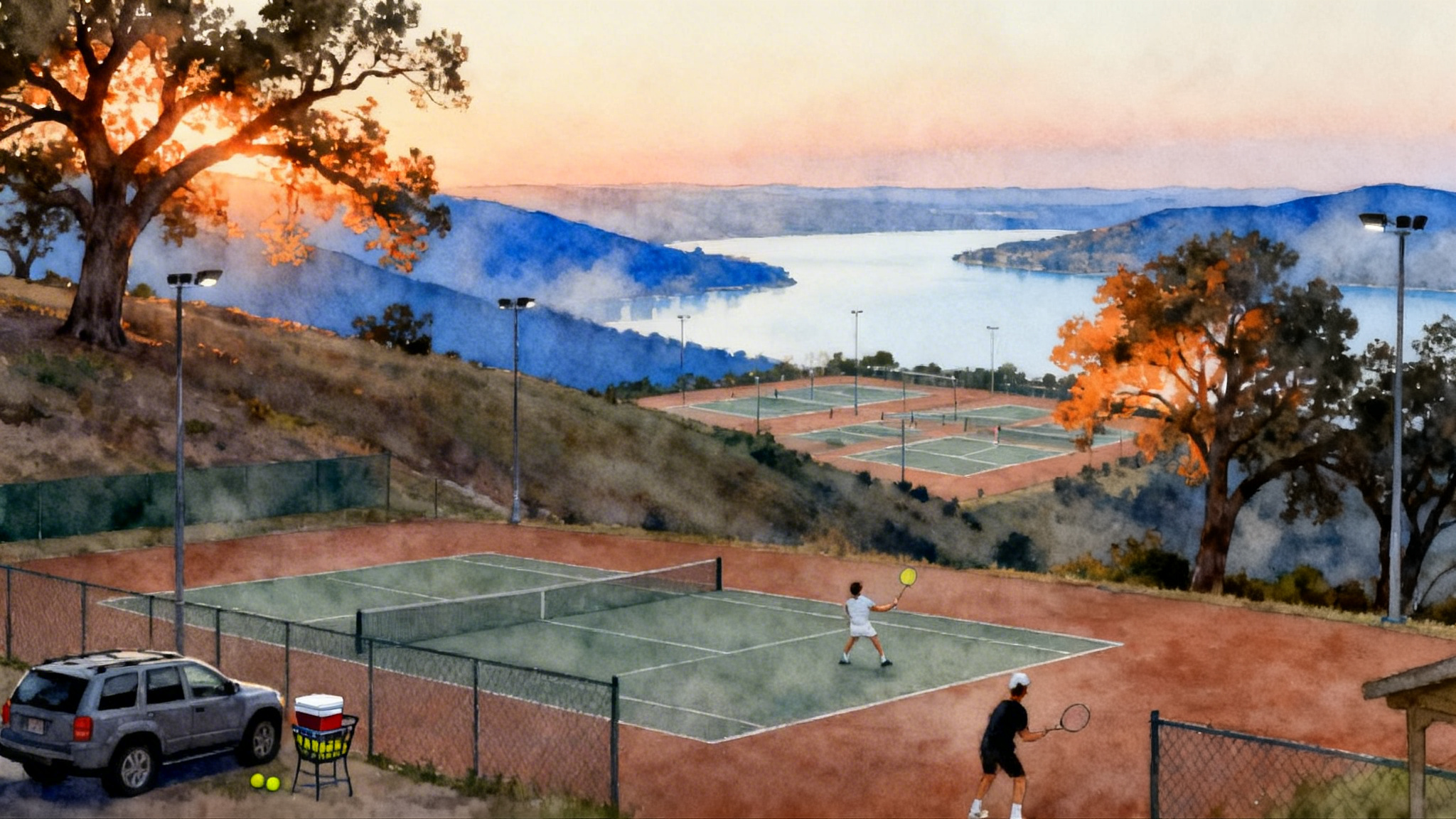
Think of Lošinj as a wind protected amphitheater. The surrounding islands and the Kvarner landmass break up extremes, the sea buffers temperature swings, and conifer forests soften the feel of the air. In practice this means more playable days in the shoulder seasons, a lower chance of the chilly mornings you get inland, and fewer scorching spikes that turn long sessions into survival drills. Your players can bank quality hours when they matter most for clay adaptation.
Climate window for clay development on Lošinj
Clay players need density of repetitions with manageable recovery. In spring and early autumn, Lošinj consistently provides daytime conditions that sit in the sweet spot for four to six hours on court with a realistic chance of returning fresh the next day. It is warm enough for aggressive footwork and topspin work but cool enough to preserve focus during extended drilling blocks. Wind shows up, because this is the Adriatic, yet the island’s orientation and the shelter of coves mean many sessions are playable with minor adjustments to target zones or live ball progressions.
Here is how most coaches structure a microcycle on Lošinj between April and June or September and October:
- Two technical mornings focused on height and depth off both wings, using neutral ball feeds to build rhythm at match tempo
- One morning for serve plus one and return plus one patterns, then finishing with short formats that prioritize translatable points, not endless tiebreaks
- One control day at seventy percent volume for footwork economy and defensive to offensive transitions
- One highest density day where the group chases a specific key performance indicator, such as forehand first strike percentage above sixty on short balls
Because the climate rarely forces extreme start times, the squad can keep mornings consistent and anchor afternoons around matchplay or targeted conditioning. That predictability powers real technical change. If you want a footwork refresher to pair with this block, read our split step timing guide.
How to get to Lošinj quickly from Central Europe
Getting to an island should feel like a short exhale, not a logistical obstacle course. Lošinj is reached by a simple chain: fly or drive to a northern Adriatic gateway, cross by one short ferry, and finish with a scenic drive over Cres into Lošinj. From Trieste, Ljubljana, Zagreb, Pula, or Venice, you are usually on the island the same day without time zone shocks. If you need to plan around boats, the official Jadrolinija ferry timetables make it easy to slot a crossing into your travel day.
Teams that rent a van at the airport keep costs contained and equipment management painless. Rackets, ball cases, resistance bands, and recovery gear stay with you, and you arrive at the courts on day one with no missing pieces.
Boutique training culture at Ljubicic Tennis Academy
Veli Lošinj hosts the Ljubicic Tennis Academy on Lošinj, a boutique program named for one of Croatia’s most respected pros. The feel is quiet focus, with small groups on well prepared clay and coaches who are comfortable pacing a week for development. The message is clear. Less spectacle, more precision. If your players need a reset from volume for volume’s sake, the island’s training rhythm will feel like a deep breath.
What does a clay forward, small group week look like in practice?
- Group size of four to six, not ten to twelve. Every player hears their name often.
- Session length that respects attention span. Ninety minutes to two hours technical, then a break, then matchplay or situationals, not four hour marathons for the highlight reel.
- Ball quality that stays high. Frequent ball rotations, strict targets, and coaches who stop a drill the moment technique or intensity drops.
- Feedback that is immediate and specific. Think, close the shoulders on the inside in, or load earlier on heavy cross for higher net clearance, not vague fire up clichés.
The academy’s clay orientation also suits adults who crave pro style structure without the conveyor belt feeling. It is intense and personal. The sea air and slow evenings do the rest.
Built-in recovery: sea, pines, and sleep
After hard clay sessions, recovery is not a luxury. On Lošinj, it is built into daily life. Athletes exit the courts into pine scent and saline air. Cold sea immersions are simple, so is a twenty minute walk under trees instead of a forced treadmill session. Local kitchens tilt toward grilled fish, olive oil, and fresh vegetables. The island pace makes it easier to protect sleep rather than fight nightlife. These details compound across a six or seven day block. You feel it on day four when most squads elsewhere are cranky and dulled by fatigue.
Add a simple template that teams can follow without extra staff:
- Ten minute debrief under shade, each player states one technical cue and one tactical intention for tomorrow
- Fifteen minutes of band activation and hips work before lunch
- Late afternoon mobility plus three times thirty second cold exposures in the sea for an accessible autonomic reset
- Nutrition anchor. Protein hit within forty minutes post session, then a slow dinner with complex carbohydrates and greens
It is not about gadgets. It is about environment and simple routines that players will keep doing back home.
Spain and Portugal vs Lošinj
Spain and Portugal stack courts, flights, and coaches at scale. If you want twenty hitting partners on short notice or a hundred player camp, the Iberian Peninsula is the right call. For year-round options, see our Year-Round Tennis in Portugal guide. Lošinj is for the block that needs deliberate clay work, low noise, and better value in the shoulder seasons. Prices on accommodation, courts, and meals do not spike the way they do in the busiest hubs once Easter lifts demand. You often secure premium surfaces and walkable lodging without fighting tour buses or school groups. For a squad that needs a quiet lab rather than a festival, that difference is worth real points by summer.
Seven day Lošinj tennis plan
Here is a sample seven day outline many squads successfully use on Lošinj in April, May, September, or October. Adjust volumes to your group and court times.
- Day 1, Arrivals and resets: Travel, thirty minute movement session, light hand fed rhythm work, eight serve baskets, early dinner
- Day 2, Baseline foundations: Morning neutral to heavy topspin arcs crosscourt on clay with depth gates, afternoon points to three with second serve starts
- Day 3, Serve and first ball: Deuce side patterns into short live points, return depth ladders, targeted forehand approach decision tree, evening sea dip
- Day 4, Transition and net: Half court approach feeds, depth zones, lefty and righty look templates, nine hole volley targets, team dinner
- Day 5, Controlled matchplay: Two timed sets with constraints such as inside out forehand must follow a deep cross, strict between point routines
- Day 6, KPI chase: Each athlete tracks one metric they have trained all week, for example, rally ball height average or first serve plus one accuracy
- Day 7, Taper and depart: Sixty minute feel based hit, serve routines, two competitive tiebreaks, mobility and pack
That cadence keeps the week coherent. Every day has a theme that links to the next. Your players leave having changed something specific, not just tired.
Lošinj logistics checklist
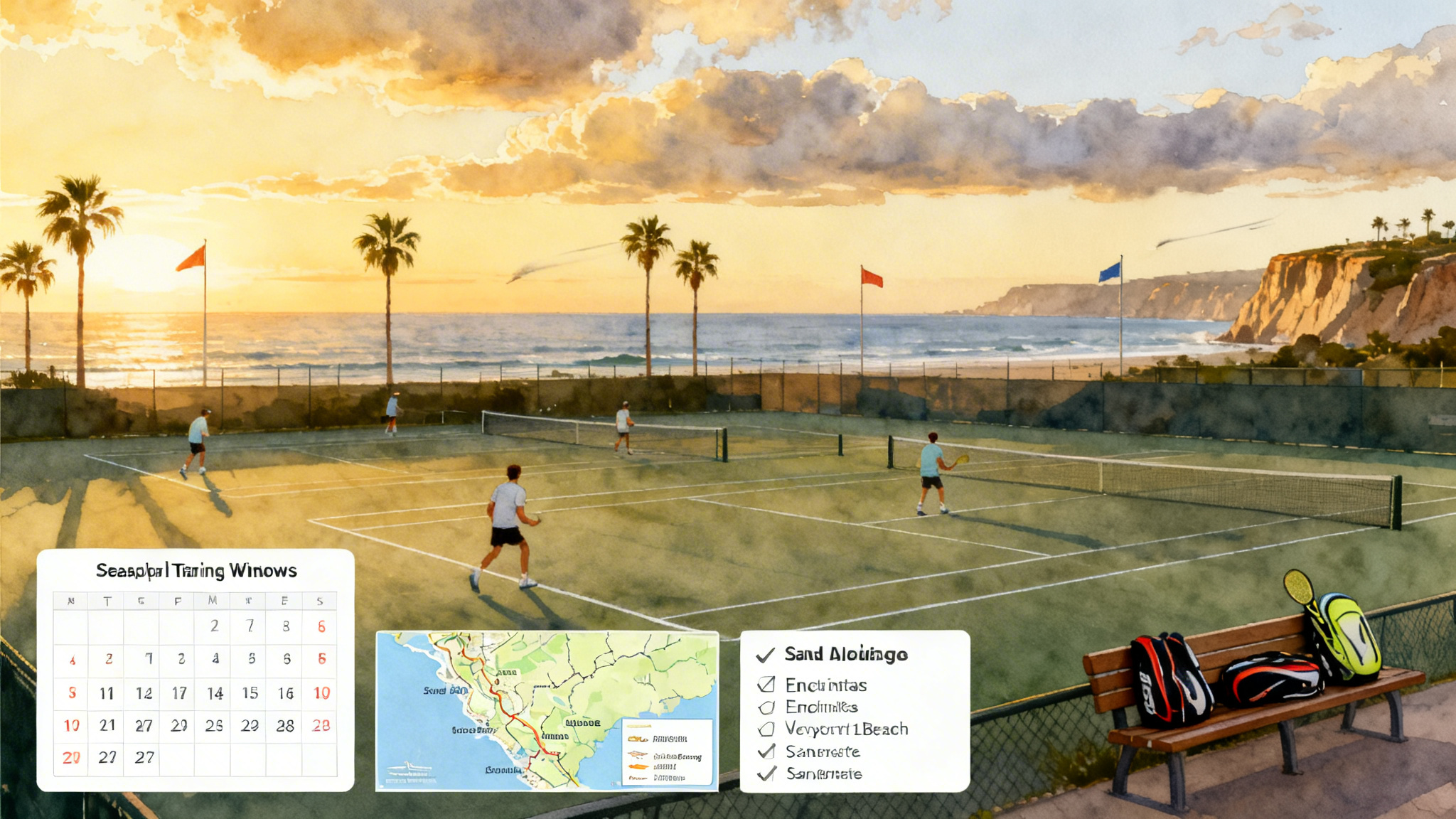
- Booking window: Shoulder season demand is rational, but you still want courts and lodging locked twelve weeks out for April and September starts. If you need school holiday weeks, push that to sixteen.
- Surfaces: Confirm clay maintenance standards and drag schedule. On small islands, crew timing matters. The right watering plan at midday can decide whether your afternoon points are sharp or skiddy.
- Wind plan: Have a B plan drill bank for gusty moments. Use targets closer to the sideline when hitting into the wind to learn weight through the court. On tailwind courts, work early contact and higher clearance for margin.
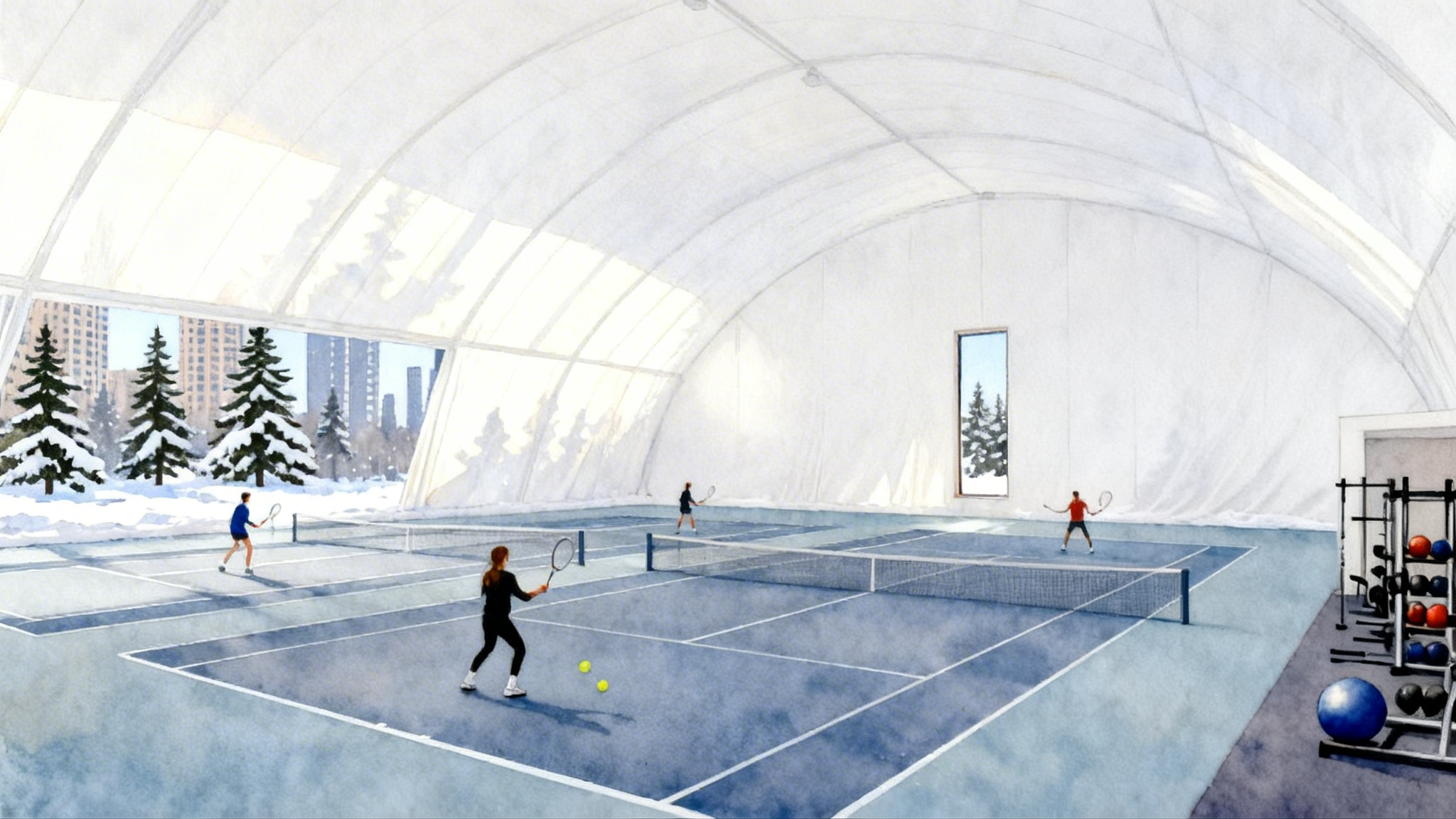
- Rain plan: Identify an indoor gym or studio for footwork ladders, shadow swings, and serve toss mechanics. One hour indoors can turn a weather delay into a technical gain.
- Transport: One rented van per six players usually balances cost and freedom. It also doubles as a mobile stringing and recovery station if you bring a compact machine and a cooler.
- Insurance and flexibility: Use refundable ferry tickets where possible and accommodation terms that let you shift by twenty four to forty eight hours if a late spring cold front appears on forecast models.
Budgeting a shoulder season block
Costs vary by squad size and taste, but Lošinj usually gives more per euro in April to June and September to October than headline Spanish coasts. Travel in a van from Central Europe rather than booking individual short haul flights adds savings without heavy time penalties. Court fees and lodging have the shoulder season shape you want, with meaningful drops outside midsummer. Meals tilt local and simple rather than destination dining. Most teams report that the island’s natural recovery lowers spend on extras such as spa add ons because players feel good with basic sea and movement routines.
One practical note. If you plan to add a half day of sightseeing, choose it intentionally. A lunchtime ferry crossing and a few hours in a coastal town on your route home can be a perfect mental reset before exams or the stretch of tournaments that follows. Pick one moment, do it well, then return to the training focus that brought you to the island.
For whom Lošinj works best
- Juniors in exam seasons who need brain friendly schedules and stable mornings rather than sunrise alarms
- College and academy squads that want clay specificity without crowds and with control over court blocks and feeding density
- Adults committed to a sharp technical week where their progress matters more than photo ops, then evenings that feel like a retreat
If your mission is to turn clay court movement and decision speed into a summer advantage, Lošinj is a serious option. If your goal is a social megacamp, look elsewhere.
A coach’s checklist for Lošinj
- Define three non negotiables for the week. For example, backhand height control, second serve aggression under score pressure, and footwork cadence on short balls.
- Set a team recovery rule. Every player must have two sea exposures a day, even for sixty seconds, and ten thousand steps off court.
- Bring the right clay kit. A simple line sweeper, extra socks, a second pair of clay shoes, and zones of tape to mark depth gates will protect your sessions.
- Calibrate matchplay. Use timed sets with constraints rather than open sets that drift. Keep coaching interludes short and pointed.
- Build a debrief habit. One notebook page per player with cue, proof, and next action on every day.
The small island advantage
Lošinj’s scale is part of the appeal. Courts, sea, and trails are close. Distractions are few. Coaches can see their players at breakfast and after dinner and check how they are absorbing the week. Athletes can go from forehand height journaling to a quiet walk among pines in minutes. It feels like a camp and a clinic at once, but without the noise that drains attention.
There are practical benefits to small scale too. Communicating with court managers is easier. Restaurant teams remember your timing and portions by day two. Fixing a small equipment issue does not require a crosstown trip. These details reduce friction, which is the unseen tax on training quality.
How to plug Lošinj into your calendar now
- If you target April 15 to June 15 or September 10 to October 20, start penciling dates three months ahead to secure preferred courts and rooms.
- Decide early whether to drive or fly. From Vienna, Munich, or northern Italy, driving with one ferry crossing is efficient. From London or Scandinavia, low cost flights to northern Adriatic gateways plus a rental van work well.
- Lock the technical theme of the week before you travel. Share it with players and parents so every day feels connected to a single goal.
- Build a wind and rain drill bank. Do not meet weather with improvisation. Meet it with intention.
- Keep the social plan light. One special dinner is enough. Protect sleep and early starts.
Closing thought
Spain and Portugal will always be strong anchors for European spring and autumn tennis. Lošinj is the quiet alternative that does different things well. It gives you small group attention, clay smart coaching rhythms, a forgiving climate buffer, and recovery built into the landscape. If you want your next shoulder season block to deliver real change rather than just volume, chart the route, check the ferry, and give the island a week. Your players will return with more than tired legs. They will return with better tennis that shows up when points start to count.