Tokyo Spring Tennis Planner: Cherry Blossom Courts and Coaching
 Tommy
Tommy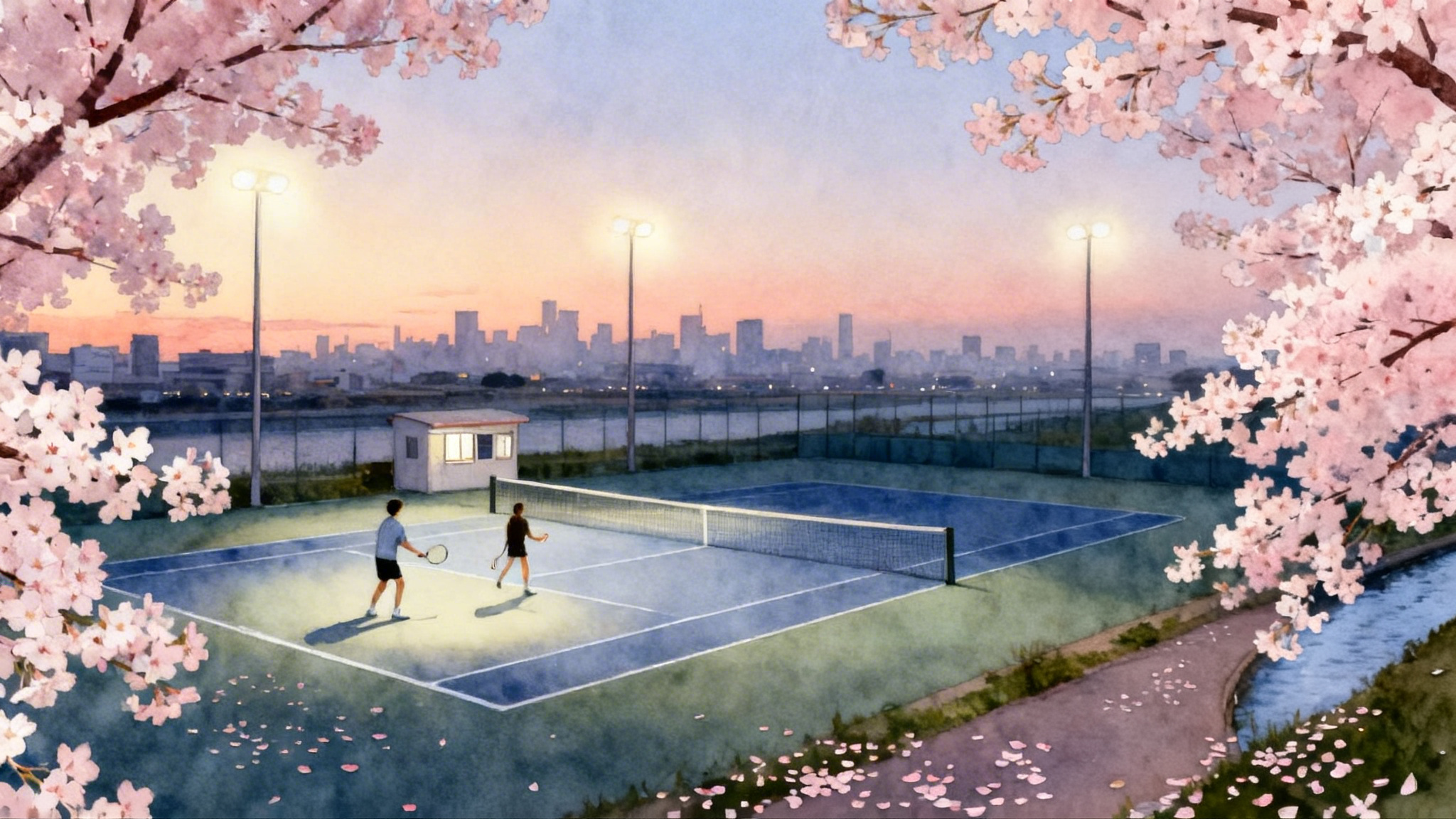
Why this window works: blossom magic and mild tennis weather
Late March to May is the sweet spot for tennis in Tokyo. Cherry trees are blooming or freshly leafed, temperatures are comfortable, and the rainy season known locally as tsuyu usually has not started yet. Courts are busy on weekends but far from impossible. It is the rare travel month when you can rally in the morning, picnic under blossom canopies at lunch, and still have energy for an evening hit under lights.
Think of this window as a hinge between winter and the humid summer. Mornings are crisp but not cold. Afternoons are warm without the heavy humidity. Rain risk is present but manageable with a flexible plan. With a little strategy you can stack the deck: aim early or late slots, anchor your schedule around a couple of private sessions so you always have guaranteed court time, and use municipal courts to fill the gaps.
Blossom timing 101 and how to ride the forecast
Cherry blossoms in central Tokyo typically open in the last third of March and reach full bloom about a week later. Cool snaps or warm spells can shift this by several days. The practical traveler’s approach is simple:
- Watch the forecast starting two weeks out. When the first flowers open, full bloom follows roughly five to seven days later if temperatures stay mild.
- Aim to arrive just before expected opening. That way you can catch the full arc: first blush, peak bloom, and the petal snow that follows.
- Build tennis around mornings and evenings. Prime blossom viewing is midday when light is strong and parks are lively. That fits tennis perfectly since municipal courts are often less contested at dawn or at night.
Municipal courts in Tokyo: how visitors actually get on court
Tokyo’s public courts are excellent value. Surfaces range from hard courts to artificial grass with sand, known locally as omni. Most facilities are ward-run, and each ward uses its own reservation system. Here is how to navigate as a short-term visitor from North America.
- Understand the gatekeepers
- Resident priority and lotteries: Monthly lotteries or early-access windows often favor local residents or registered users. Do not count on winning these if you arrive without a local address.
- Rolling release and cancellations: After lotteries, courts drop back into general inventory on a rolling basis. Same-week and same-day cancellations are common, especially on weekday mornings and late slots.
- Your three reliable paths
- Day-of standby at the management office: Arrive early, ask staff about open slots, and be ready to start right away. Bring a passport for identification and cash or a card for payment.
- Partner with a local: If you have a friend or coach with a resident account, ask them to reserve. Hotel concierges sometimes assist, especially at larger properties.
- Book a lesson that includes a court: Many coaches secure the booking as part of a private session. This is the most dependable option when your time is tight.
- When to hunt
- First light slots: Many facilities open around 7:00. The first block is often the easiest to grab on short notice. On omni courts, early hours play well even with a touch of dew.
- Night-lit windows: Lights commonly run to 21:00 or 22:00. Families head home after dinner, so late evening can be your golden hour.
- Weekdays over weekends: Tuesday and Wednesday mornings are the quietest. Fridays fill first. Plan sightseeing on Saturday afternoons when courts are busy.
- Practicalities at the gate
- Footwear: Wear non-marking tennis shoes. Omni courts grip best with an omni or all-court outsole. Clay-style herringbone is fine but can skate on sanded turf.
- ID and payment: Have a passport, a credit card, and a small amount of cash. Some kiosks still prefer cash for lights or ball hire.
- Etiquette at public sites: Keep your voice modest. Wait at the net post before crossing a neighboring court. At the end, return ball baskets and sweep if brushes are provided.
Booking privates and drop-ins: Seijo Tennis Academy and Shi Shi Tennis Academy
Anchoring a trip with two to four private sessions removes stress and guarantees high-quality hitting. In Setagaya, Seijo Tennis Academy in Setagaya is a trusted option for adult lessons and junior development. Shi Shi Tennis Academy in Tokyo offers focused instruction and flexible scheduling with English-friendly coaching. Here is how to secure time at both.
- Lead time: Reach out 2 to 3 weeks before travel with a clear window of availability. If you are chasing blossoms, state that you want mornings on weekdays and one late-night under lights.
- What to include in your note: Share your National Tennis Rating Program level, preferred themes such as serve plus one or backhand patterns, recent injuries, and racquet setup. Offer a 60 or 90 minute preference and a backup window.
- Confirmation details: Ask whether the coach books the court, whether lights are extra, payment method, and rain policy. Many academies will shift you indoors or reschedule without penalty if you give prompt notice.
- Language: Most coaches are comfortable in English, and a few Japanese phrases go a long way. Start with “onegaishimasu” at the first handshake and close with “arigatou gozaimashita.”
Sample message to copy and adapt:
“Hello Seijo Tennis Academy Team,
I will be in Tokyo from April 2 to April 10 and would love to schedule two 90 minute private lessons. I am a National Tennis Rating Program 4.0 singles player. I would like to focus on serve variety and forehand patterns. My ideal times are Tuesday or Thursday morning between 7:00 and 10:00, or any evening after 19:00. Can you book the court and confirm your rate, ball supply, and rain policy? Thank you.”
Tips unique to each:
- Seijo Tennis Academy, Setagaya: Plan your approach from Shinjuku or Shibuya on the Odakyu Line toward Seijogakuen-Mae. Early sessions are easy if you stay in Setagaya or Meguro. The neighborhood has quiet, leafy streets and coffee shops for a cool-down breakfast.
- Shi Shi Tennis Academy: Expect boutique coaching with attention to video feedback and live drills. Ask about a night-lit session to guarantee a court regardless of daytime demand.
How to leverage early mornings and night lights
Tokyo mornings in spring are bright by 6:00. If you are flying in from North America, jet lag can be your secret weapon. Book the first court of the day for clean bounces, cooler air, and less traffic. Pair that with our master the split step guide to sharpen first moves and protect your legs.
Night tennis is a different joy. Under lights, the ball looks bigger against the sky. Evening air is calm, and the city hum fades. Aim for 19:00 to 21:00. Eat a proper snack at 17:30, play hard, then walk to dinner while your legs are still springy. If you plan two sessions in a day, go morning and night with a mellow blossom walk and a sit-down lunch in between.
Etiquette, gear, and stringing
- Greetings and court manners: Offer a short bow or a friendly nod when you meet, a firm but brief handshake, and a simple “yoroshiku” tone with your opening “onegaishimasu.” Keep line calls quiet and immediate. Apologize for a let-cord winner with a quick palm up.
- Ball supply: Public courts will not provide balls. Pick up two fresh cans for matches or a 72 ball bucket for practice. Many convenience stores stock basic balls near sports grounds.
- Stringing: Big chains and specialty shops can string same day. Typical labor is in the two to four thousand yen range, plus the cost of strings. If you like a specific setup such as 1.25 millimeter polyester at 48 pounds, write it on a card and hand it to the technician. Request a two knot or four knot pattern if you care about feel, and ask for a text when finished.
- Spares and small items: Pack an extra dampener, overgrips, and a small towel. Bring a light rain shell and a plastic bag for wet clothes. Umbrellas are everywhere, but a compact one in your tennis bag saves time.
Rainy day backups that keep you improving
Spring showers happen. Have a Plan B list before you land so you do not waste your practice day.
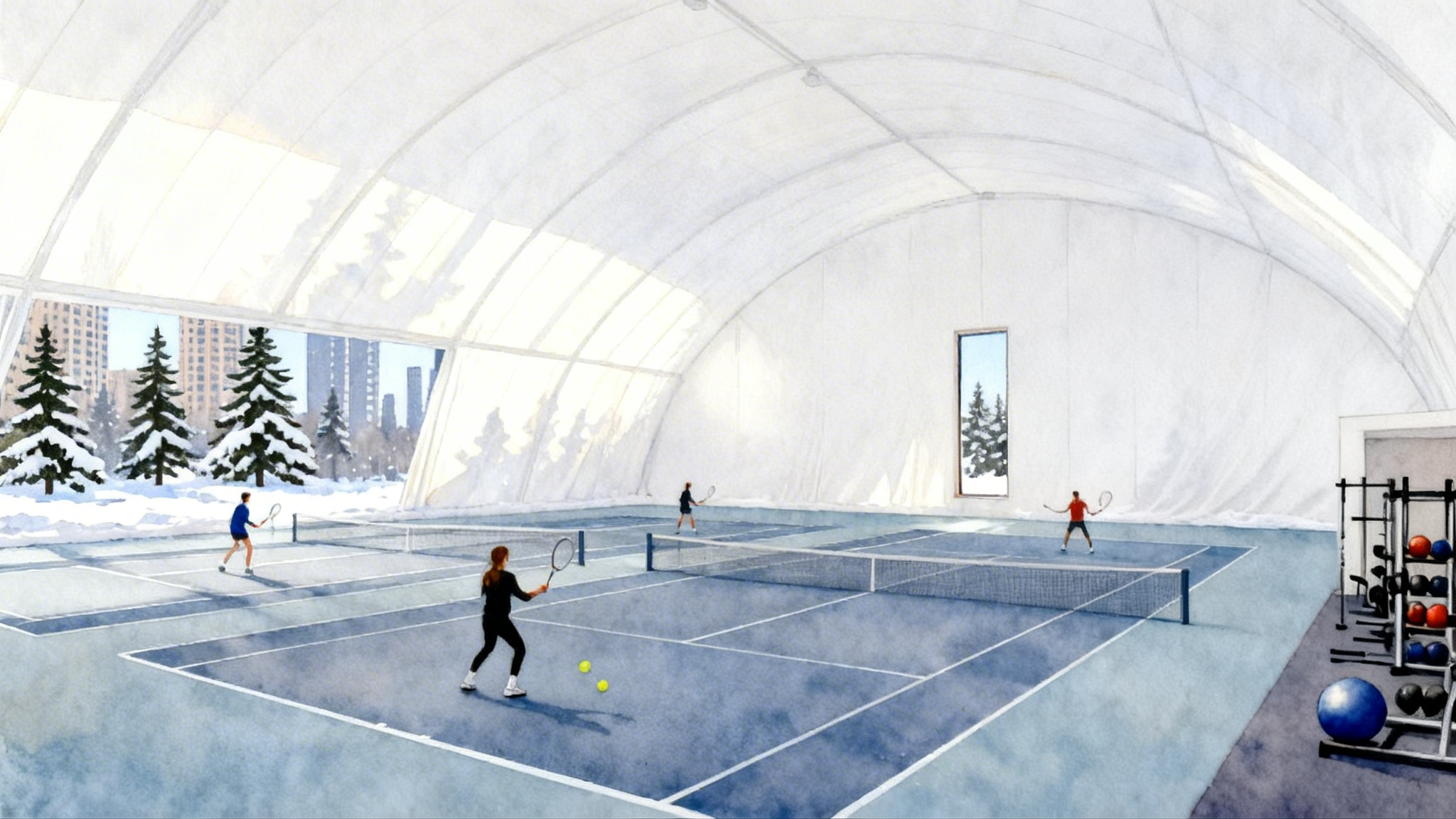
- Indoor bubbles and roof courts: Many wards operate at least one indoor or roofed option. Call or visit the management office to check same day availability. Prices are higher than open-air courts but still fair.
- Ball machines and short-court training: Look for facilities that rent a ball machine by the hour. A 60 minute rhythm session of 200 forehands and 150 backhands is a great reset. Use targets, count streaks, and log your top rally number.
- Strength and movement: If rain lingers, book a gym session for single leg work, anti-rotation core drills, and shoulder care. Even 30 minutes of medicine ball throws or Theraband work pays off in your next hit.
- Watch and learn: If your academy session is washed out, ask for an indoor video review. Coaches can break down your serve on slow motion and leave you with two or three purposeful cues to test on the next dry day.
Where to stay for fast court access
You will move faster if you pick a base near likely courts and coaching.
- Setagaya and Seijo: Best if you plan multiple privates at Seijo Tennis Academy. Quiet streets, local cafes, and quick reach to family-friendly parks. Expect a 10 to 20 minute ride to courts in the area.
- Koto and Ariake: Perfect for public tennis around the bay. Ariake Tennis Park is a major hub with a mix of surfaces and strong lighting. Staying near Toyosu or Ariake puts you 10 to 25 minutes from courts and waterfront paths.
- Meguro and Nakameguro: This is blossom heaven along the river, with quick trips to Setagaya and Shinagawa. Early morning strolls double as a warm up.
- Shinagawa and Oimachi: Great train connectivity and access south to Ota Ward courts. The area is practical, with plenty of casual dining and supermarkets for quick breakfasts.
- Shinjuku or Shibuya: Central and energetic, with direct lines to Setagaya and easy transfers to the bay. Commutes to courts are 20 to 35 minutes if you choose well.
Transit tip: Tokyo trains run precisely. Set a departure alarm and route to arrive at the court gate 10 minutes early. If you cross two lines, plan an extra five minutes for the transfer. Keep a prepaid transport card charged and ready.
A 7 to 10 day sakura-and-tennis schedule you can copy
This sample itinerary assumes a forecast that puts opening blossoms in late March and full bloom a week later. Adjust by sliding the blossom-heavy days forward or back two or three days to match the latest outlook.
Day 1: Arrival and reset
- Land midafternoon. Walk 30 minutes near your hotel to stretch. Light dinner and early sleep.
Day 2: First-light hit and river blossoms
- 7:00 to 8:30 public court session. Work on rhythm and depth, not winners. Finish with a serve bucket.
- Late morning: coffee and a slow walk along a blossom-lined river district such as Nakameguro. Keep the pace easy.
- Evening: light footwork drills in a park, 20 minutes only. Sleep early.
Day 3: Private lesson anchor
- Morning or night: 90 minute private at Seijo Tennis Academy. Focus on serve plus one patterns and return position. Ask for a two-point between-rally routine you can keep.
- Midday: picnic under trees in a major park. Hydrate and avoid heavy fried foods before evening tennis.
Day 4: Free play and city sights
- 7:00 to 9:00 open public slot if available. If not, strength and movement indoors.
- Afternoon: museum or neighborhood exploration. Keep legs fresh.
- Optional: 20 minute shadow swings in the hotel room, emphasizing shoulder turn.
Day 5: Full bloom day and night-lit tennis
- Morning: sleep in and enjoy peak blossom scenes. Take photos early before crowds.
- 19:00 to 21:00 night-lit court. Practice pattern play, then play a short set to eight games with a tiebreak.
Day 6: Second private lesson at Shi Shi Tennis Academy
- Ask for targeted video feedback on your forehand and first step. Capture two drills on your phone with permission so you can repeat them later.
- Dinner nearby. Early night.
Day 7: Recovery and technique consolidation
- Rainy day or optional rest. If dry, 60 minutes with a ball machine. Track your forehand rally high score.
- Afternoon: string your racquet if tension has dropped after four sessions.
Day 8: Match play focus
- Find a partner through your academy or a mixed-level drop-in. Play two short sets. Keep a simple performance goal such as 70 percent first serves and zero double faults in the final three games.
- Evening: light stretch and a short walk under lantern-lit trees.
Day 9: Open morning, city afternoon
- 7:00 hit if energy is good. If courts are busy, run a 30 minute cardio session on quiet streets. Pack and prep for departure.
Day 10: Exit day
- Easy morning walk and coffee. If your flight is late, drop by a park for 15 minutes of shadow swings and serves without a racquet to stay loose.
Pricing, packing, and small tactics that pay off
- Court fees: Public courts are excellent value compared with major North American cities. Expect to pay a modest hourly rate, with a small extra charge for lights in the evening.
- Lesson rates: Private coaching is typically priced per 60 or 90 minutes. Ask whether the price includes court fees and balls.
- Balls and grips: Prices are close to what you pay at home. Buy on day 2 so you are ready when a last minute slot appears.
- Packing checklist: two frames, four overgrips, one reel if you are picky about strings, a foldable water bottle, light rain shell, thin gloves for crisp mornings, and a compact umbrella.
- Food timing: Plan a banana and a small yogurt 60 minutes before, and a protein snack within 30 minutes after. Proper refueling is the easiest way to add quality to your next session.
- Recovery: Ten minutes of calf and hip work after night tennis will save your morning. Carry a mini massage ball in your bag.
Bringing it all together
Treat Tokyo in spring like a balanced match. Lock in two academy sessions for guaranteed quality, then play opportunist with municipal courts at dawn and under lights. Protect your blossom hours for parks and river walks. Keep a rainy day backup plan on your phone and a simple packing list in your bag. With those guardrails in place, you can land in late March, ride the forecast into April, and leave in early May with clean contact, real match reps, and the memory of petals falling across the baseline.