College Tennis Recruiting 2026: Timeline, UTR Targets, Video, Emails
A month-by-month roadmap for the Class of 2026 with realistic Universal Tennis Rating targets by level, a 90-second highlight video checklist, copy-paste coach emails, and a Legend Tennis Academy case study that ties it all together.
 Tommy
Tommy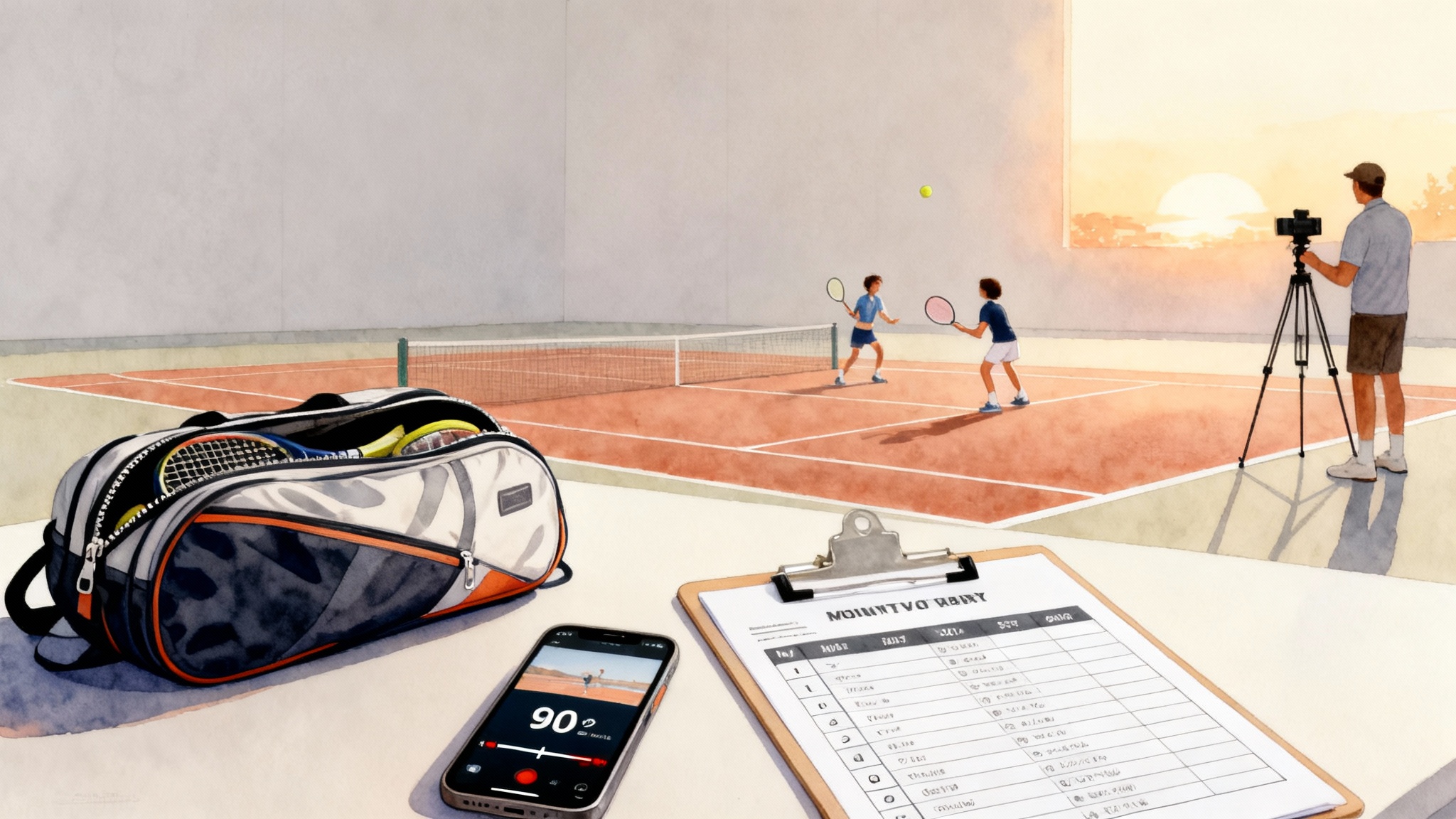
Why this guide and who it is for
If your player graduates high school in 2026, the recruiting clock is already ticking. This guide is a practical, month-by-month plan that a parent and player can follow together. You will see what to do from sophomore spring through signing day, realistic Universal Tennis Rating targets by division, a 90-second highlight video checklist, and coach outreach emails you can copy and personalize. We also include a concrete case study from Legend Tennis Academy that shows how to coordinate match play, academics, and coach connections.
Two quick notes before we start:
- Rules change. Always verify the current recruiting calendar and contact rules on official NCAA recruiting rules.
- UTR stands for Universal Tennis Rating. Targets and usage appear below.
The big picture for the Class of 2026
Think of recruiting as a relay with four batons: academics, tennis development, exposure, and communication. You do not need to sprint with all four at once, but you do need clean handoffs. The timeline below tells you when to build, when to show, and when to ask.
- Academics: keep a clean transcript, test where required, and gather teacher references early. Most coach conversations quickly include grades and core courses.
- Tennis development: build a consistent match record with verified results. Fitness and injury prevention matter more than one flashy win.
- Exposure: short video plus a simple player page with trusted stats and results. Fewer, better assets beat a cluttered folder.
- Communication: targeted emails, short updates, and a polite cadence. Coaches recruit people, not files.
Month-by-month timeline for 2026
The dates below are anchored to a typical United States school calendar. Adjust for your state and your tournament calendar.
Sophomore spring 2024: February to May
- Build your school and tournament schedule around at least two matches per week, verified where possible.
- Start a simple recruiting folder: transcript, unofficial test scores, honors, photo, and a one-page tennis resume.
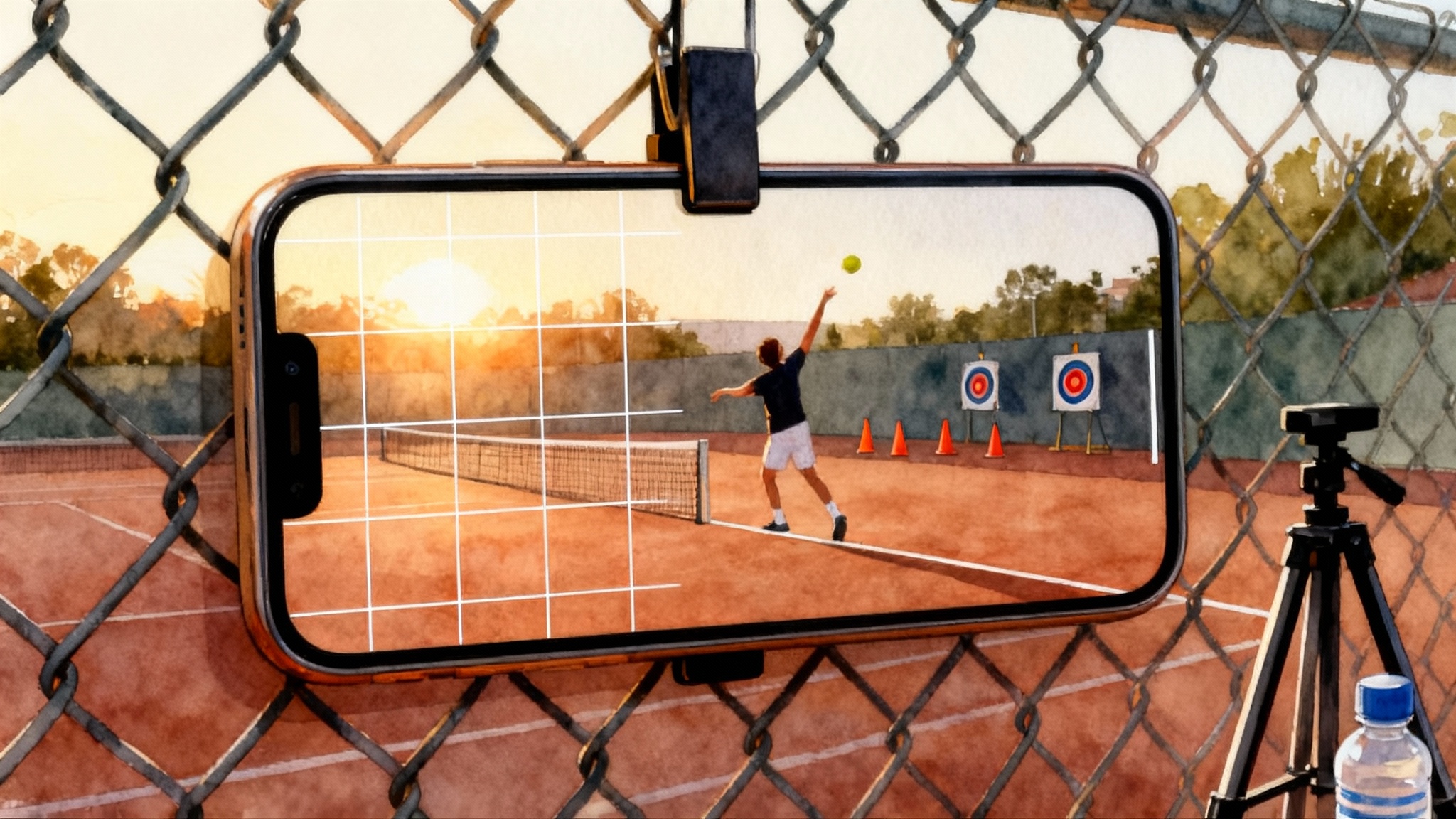
- Film raw practice and match clips for later editing. Do not worry about production quality yet. Capture serves from behind baseline, two camera heights for groundstrokes, and a few full games that show point construction.
- Create a long list of 30 to 40 programs across NCAA Divisions I, II, III, NAIA, and NJCAA. Include reach, target, and foundation options. Track roster size, recent graduates, and whether the team needs your class year.
Summer 2024 after sophomore year: June to August
- Confirm the current contact rules and what is permitted for emails, questionnaires, and camps. Read the linked NCAA page above for updates.
- Play a block of tournaments to generate verified results. Aim for three consecutive events so you get rhythm and a larger sample.
- Draft the first highlight video plan. Do not publish yet. Keep collecting clips with stable camera angles and clear score context.
- Attend one camp or showcase only if it aligns with your list and the staff you want to meet. Quality beats quantity here.
Junior fall 2024: September to November
- Publish a 90-second highlight video and a one-page player profile. Keep contact information easy to find and include your graduation year in the filename and the email subject lines.
- Start targeted outreach with 12 to 15 programs that match your academics and tennis level. Use the email templates below and personalize each note.
- Visit local campuses unofficially if permitted. Walk the facilities, watch a practice, and note the team culture. Keep a journal.
- Keep playing matches. Coaches want to see that your tournament volume is consistent through a school term, not just during vacation.
Junior winter and spring 2025: December to May
- Update video once, not monthly. Add two or three new match points that show improved fitness or a new pattern, for example serve plus forehand into backhand corner.
- Add two teachers or counselors as references in your file, with permission. Coaches will ask.
- Trim your list to 15 to 20 programs based on responses and your results trend. Add two ambitious reaches and two additional foundations.
- Schedule at least one campus visit that includes meeting the coaching staff if allowed. Prepare a three-question list that shows you did research: roster needs, player development structure, and academic support.
Summer 2025 before senior year: June to August
- Play the most competitive schedule you can handle without injury. Perfect is three good weeks, one fitness and recovery week, then repeat.
- Ask coaches who are already engaged what events they will watch. If possible, enter at least one tournament that multiple target schools will attend.
- Finalize test scores or plan test-optional documentation if the college allows it. For Division I or II, know where you stand with the eligibility center.
- Record a fresh 90-second video if your level changed or if your first video is older than nine months.
Senior fall 2025: September to November
- Active conversations should be specific. You should be talking about roster fit, scholarship scenarios where applicable, and a timeline.
- Keep updates short. One tournament note per month with two bullet results and one video clip is enough.
- If you receive an offer, ask for the deadline and the conditions. Write everything down. Do not guess.
Signing period 2025 to 2026: November through spring
- Signing typically begins in November of your senior year. Always confirm exact dates with the college and your high school counselor.
- If you have not committed by winter, expand your list. Strong Division III, NAIA, and NJCAA programs place players at four-year schools and can be the right path academically and athletically.
- Keep playing and keep communicating. Late adds happen because rosters change midyear.
After you sign: spring and summer 2026
- Keep grades strong and finish your core courses.
- Play a light but steady schedule to arrive healthy. Ask your future coach for a summer fitness plan and follow it exactly.
- Send one final update with your end-of-season record and a thank you to every coach who helped you, even if you did not choose that program.
Realistic UTR targets by division
These are observation-based ranges, not hard cutoffs. Coaches recruit for specific roles, and there is always room for outliers with strong development, elite fitness, or exceptional academics. Ranges below are current typicals for 2026 recruiting.
Men:
- NCAA Division I Power conferences: UTR 12.5 to 13.8 for lineup impact. Some top programs look 13.8 to 14.5 for top three singles.
- NCAA Division I mid majors: UTR 11.5 to 13.0, often a blend of domestic and international players.
- NCAA Division II: UTR 10.5 to 12.5 for starters, with top teams pushing higher.
- NCAA Division III: UTR 9.5 to 12.0 for competitive rosters. Academics can be a differentiator for admission support.
- NAIA: UTR 9.5 to 12.0, with national contenders higher.
- NJCAA: UTR 8.0 to 11.0, then transfer to four-year programs is a common path.
Women:
- NCAA Division I Power conferences: UTR 9.8 to 11.2 for lineup impact. Top three singles can be 11.2 to 12.0.
- NCAA Division I mid majors: UTR 8.8 to 10.5, wide variance by roster need.
- NCAA Division II: UTR 8.0 to 10.0 for starters.
- NCAA Division III: UTR 7.0 to 9.5 for competitive rosters.
- NAIA: UTR 6.5 to 9.0, with national contenders higher.
- NJCAA: UTR 5.5 to 8.0, with many players transferring after two years.
How to use these ranges:
- Pair your current UTR with your trend line. A player moving from 10.8 to 11.4 in six months is often more recruitable than a static 12.0.
- Compare your match volume to roster players on your list. If they average 60 to 80 matches per year and you are at 25, raise your volume.
- Remember that scholarship funds concentrate at Division I and II, while Division III focuses on admission support and need-based aid.
For a primer on the rating itself, review how Universal Tennis Rating works.
Build a crisp 90-second highlight video
Coaches open dozens of videos per week. The goal is not to show every skill. The goal is to answer three questions fast: how you compete, how your ball looks through the court, and whether you can hold up physically.
Checklist for a 90-second video:
- Title slate, 5 seconds: name, graduation year, height, location, best results line, and contact information.
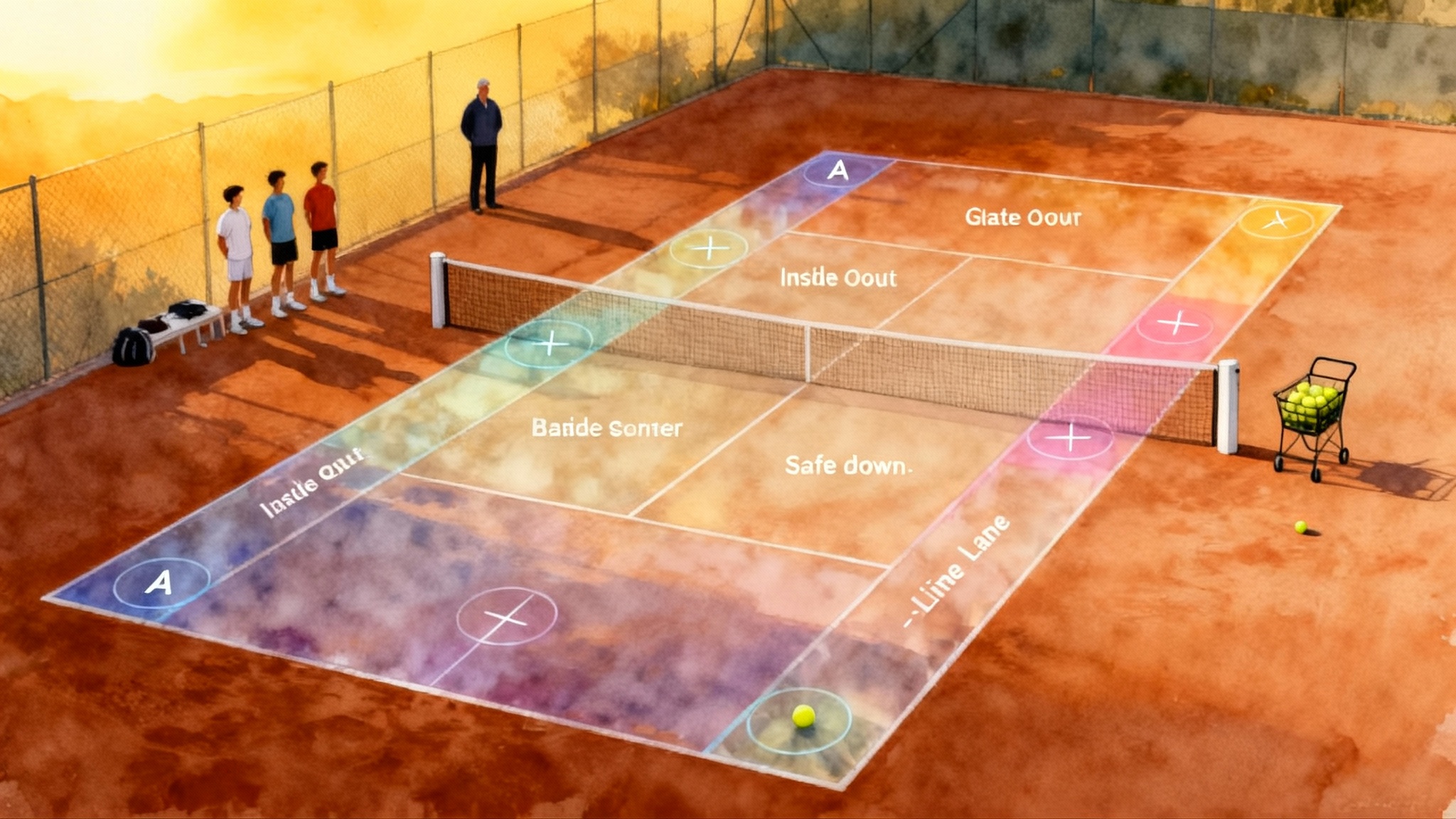
- Eight to ten live points first, 35 seconds total: two serving, two returning, and four rally points that show point construction. Each clip shows the full point start to finish.
- Serve pack, 15 seconds: six first serves and four second serves from a behind baseline angle. Show variety and targets.
- Forehand and backhand, 15 seconds: two forehands on the rise, two backhands crosscourt, two backhands down the line, one inside-out forehand.
- Transition and net, 10 seconds: two approach and volley combinations, one overhead.
- Movement, 10 seconds: one defensive point where you reset to neutral, one recovery sprint into offense.
- End slate, 5 seconds: link to full matches, tournament schedule, and contact information.
Filming and editing tips:
- Use one steady camera behind the baseline at about six feet height. Avoid extreme zoom.
- Keep score visible in the frame or overlay a simple, readable scoreboard. No music.
- Use natural sound. Coaches want to hear footwork and contact.
- For phone setup, angles, and overlays, see our DIY tennis video analysis guide.
- Name the file like this: Lastname_Firstname_Grad2026_UTR11-2_90sec.mp4
Copy and paste outreach emails
These templates are short on purpose. Personalize the bracketed items and keep the body under 120 words. Paste your profile link and the 90-second video at the end. Attach nothing unless the coach requests it.
Intro email, information seeking:
Subject: 2026 recruit, [Name], [UTR], interest in [School]
Coach [Last Name],
I am a 2026 from [City, State] with a current Universal Tennis Rating of [UTR]. I am interested in [School] because of [specific academic or team reason]. My recent results include [best win or finish].
Could I share my fall schedule and learn what you look for in 2026 recruits at [position or lineup role]?
Profile and 90-second video: [link]
Thank you,
[Name], [phone], [email]
Tournament update, short and specific:
Subject: Update from [Event], 2026 [Name], [UTR]
Coach [Last Name],
Quick update from [event name, city]. I went [record], with wins over [two opponents with ratings]. I am working on [brief improvement theme].
Here are two full matches and the 90-second video:
[links]
Thank you for the guidance on [previous topic].
[Name]
Unofficial visit request:
Subject: Visit request on [date], 2026 [Name]
Coach [Last Name],
I will be in the area on [date range] with my family and would value meeting you and seeing a practice if permissible. I am most interested in [specific program element].
If that window is not convenient, I can adjust to your schedule.
Profile and video: [link]
Thank you,
[Name]
Thank you after conversation or visit:
Subject: Thank you, [date], 2026 [Name]
Coach [Last Name],
Thank you for the time on [date]. The practice culture and academic support stood out. I am excited about the possibility of contributing in [realistic role].
I will send my next tournament schedule on [date].
[Name]
Cadence and follow up:
- If you get a reply, match their tempo. If they answer within two days, reply within two days. If they prefer monthly updates, do not send weekly notes.
- If you get silence, follow up once after two to three weeks with one new result and your next tournament plan.
Case study: Legend Tennis Academy
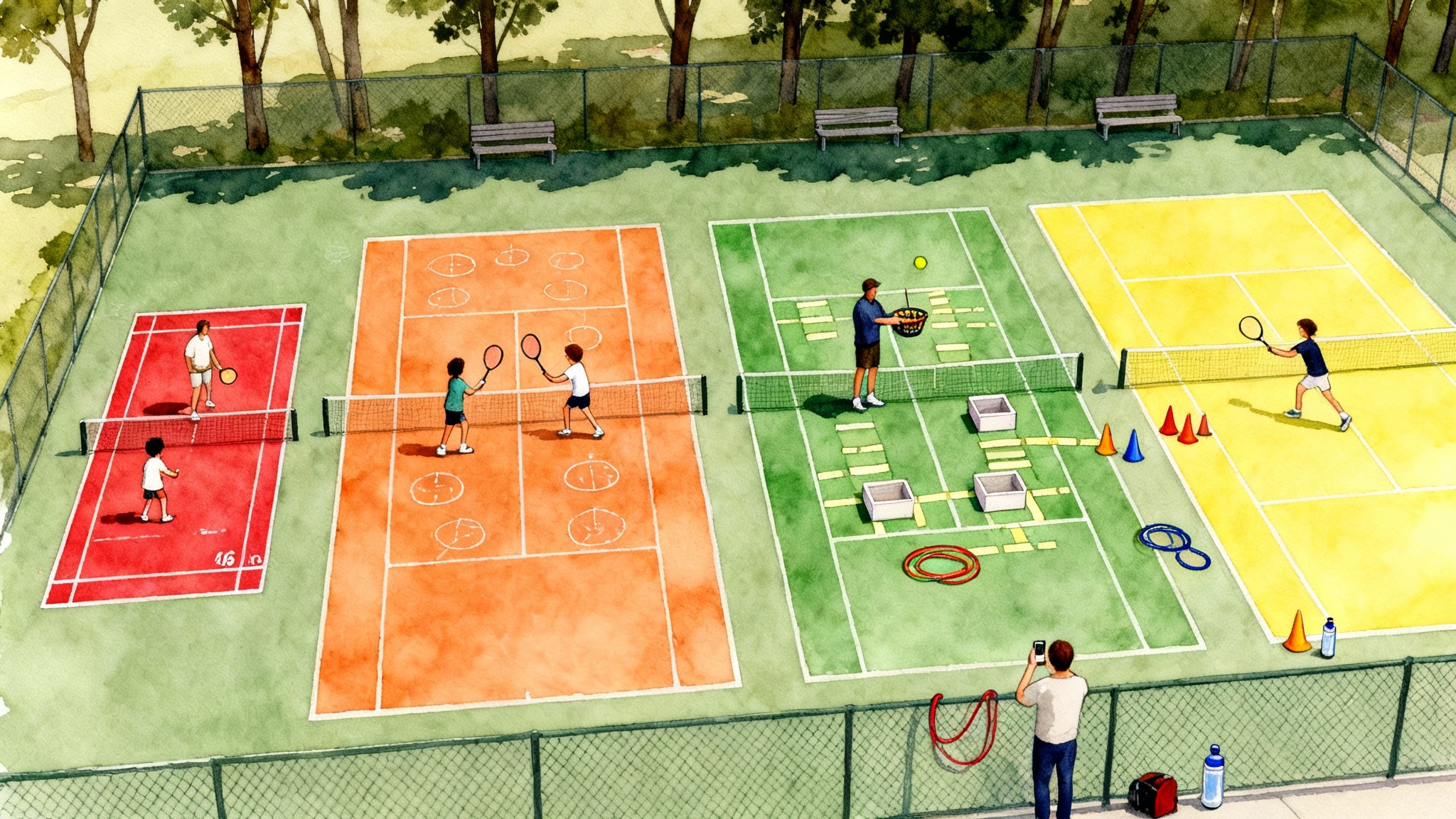
Legend Tennis Academy uses a simple structure that families can adapt. The goal is to make progress visible and improve the odds of coach engagement.
Weekly rhythm during junior year:
- Monday: strength and mobility, 45 minutes, then two hours on court focused on first ball quality after serve and return.
- Tuesday: live sets for two hours with verified scoring. Staff record eight points per player for video libraries.
- Wednesday: school workload day, no hard tennis. Thirty minutes of shoulder care and hip mobility.
- Thursday: patterns and fitness. Serve plus one forehand, backhand redirect, and transition volleys. Finish with 12 by 200 meter runs at match pace.
- Friday: match play with different partners and score formats. Staff assign tactical themes to each court so video is labeled by theme.
- Saturday: tournament or college practice visit when possible.
- Sunday: recovery and video review. Ten minutes per player on one improvement theme.
Academics anchor:
- Every player maintains a shared academic tracker with assignment deadlines, test dates, and counselor meetings.
- The academy runs quarterly parent check-ins to align tournament plans with heavy school weeks.
Coach connection plan:
- Legend builds a target list with each family that includes roster notes and genuine reasons to contact a program. They avoid mass emails.
- When a coach replies, Legend assigns a single staff point of contact so messages stay clear and coordinated.
- Players send one monthly update with two results, a short video clip, and next month schedule.
Outcomes the academy measures:
- Ratio of verified matches to total matches. Target is at least 70 percent verified.
- Response rate by tier of school. If target programs reply less than 25 percent of the time, the list is recalibrated.
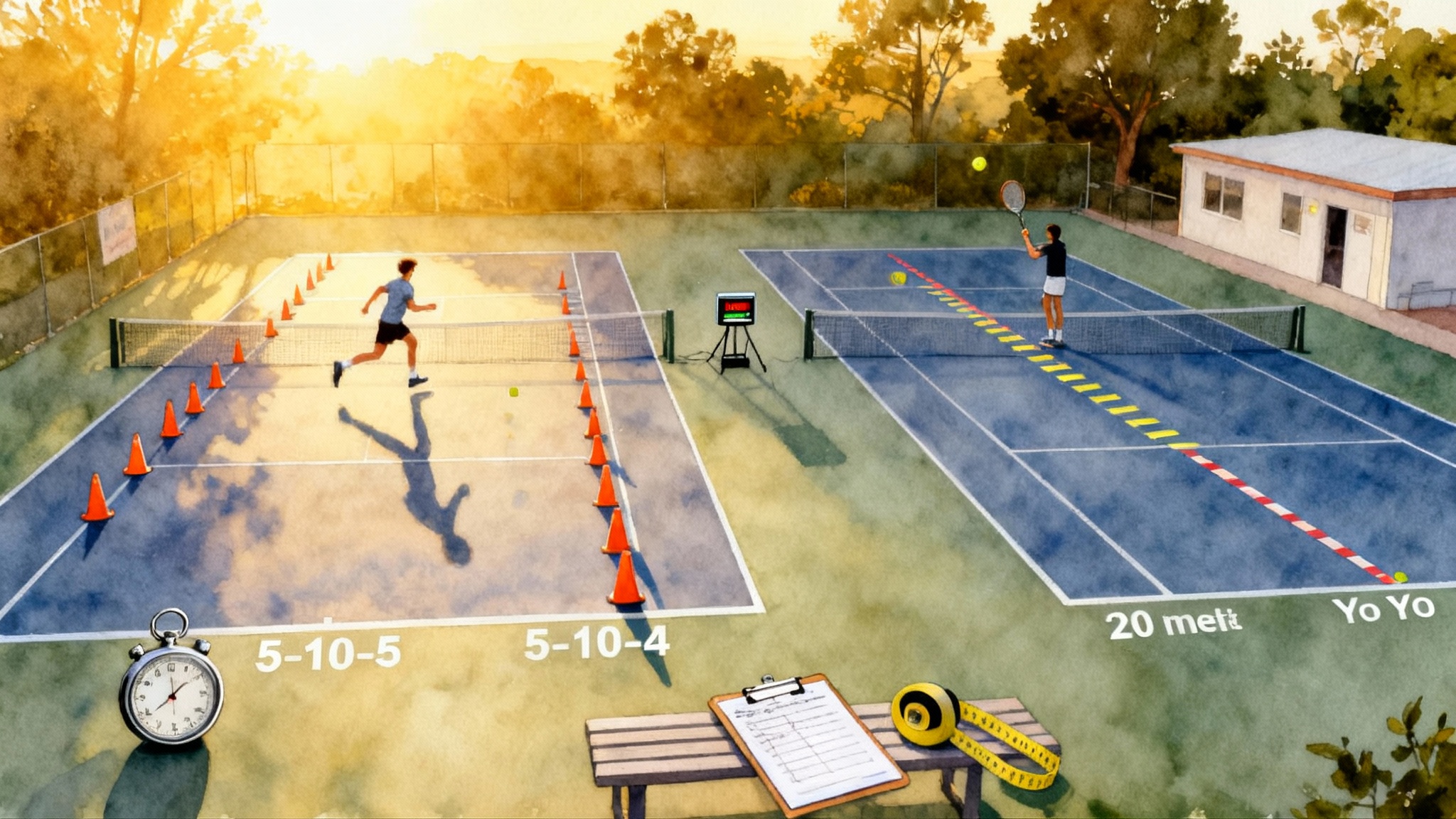
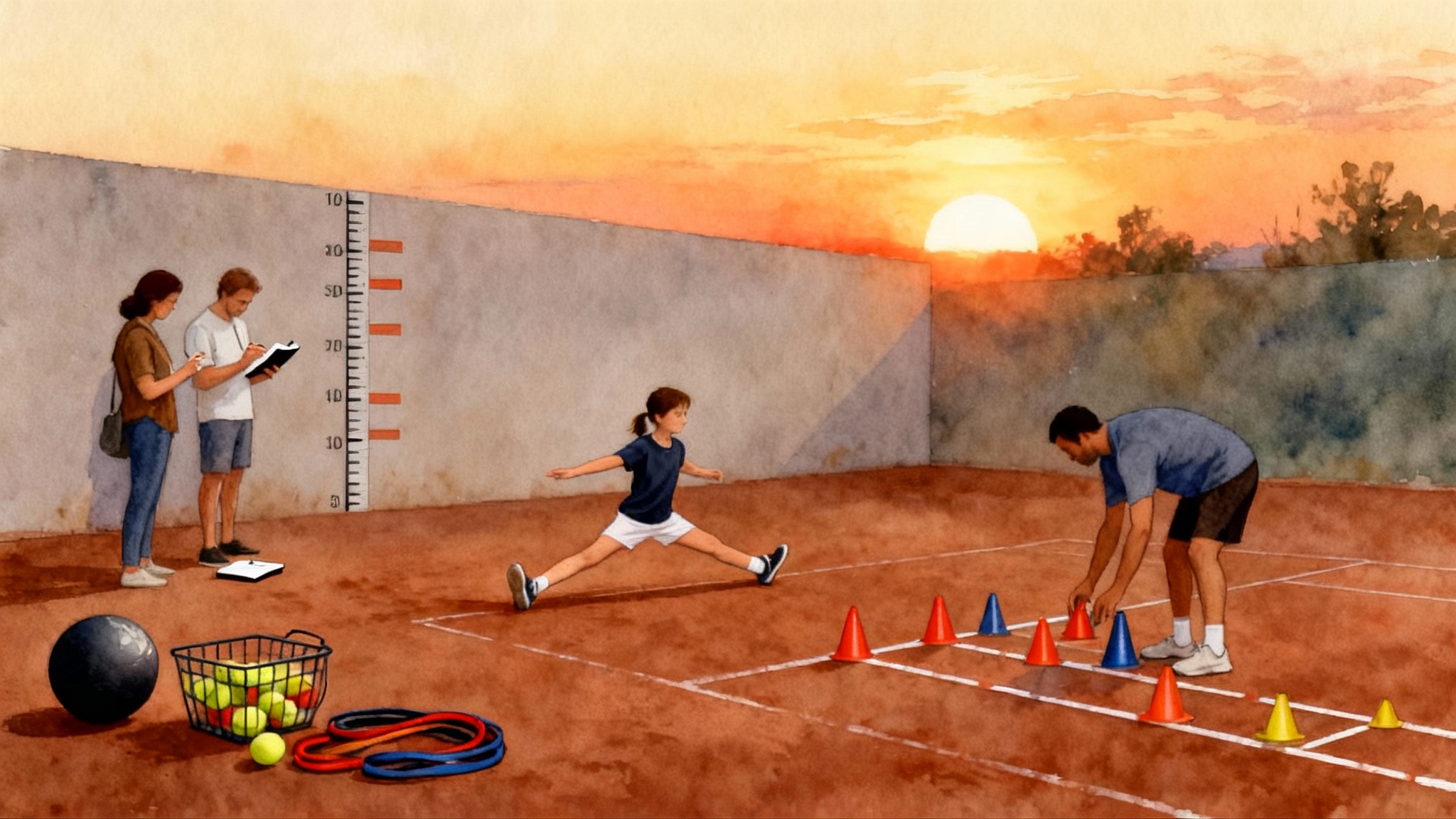
- Trend in fitness tests. For example, shuttle run times and medicine ball throw distance every eight weeks (see baseline tests and 8-week plan).
Why this works:
- The weekly rhythm gives coaches reliable film and data. The academic anchor prevents misses on key school dates. The connection plan keeps communication respectful and timely.
Handling setbacks and reality checks
- Injuries: if you lose six to eight weeks, take the long view. Keep coaches posted once with a return plan. Return with volume before chasing rating points.
- Slow rating growth: increase verified match volume and film full matches to identify why opportunities stall. Improve serve locations and first ball ratios before adding new patterns.
- Limited responses from top choices: shift half your energy to strong programs in adjacent divisions or to NAIA or NJCAA paths where playing time accelerates development.
Final month-by-month checklist
- Sophomore spring 2024: build the long list, gather academics, film raw clips.
- Summer 2024: play a tournament block, read contact rules, plan highlight content.
- Junior fall 2024: publish a 90-second video, send first targeted emails, make local visits.
- Junior winter and spring 2025: update video once, add references, narrow the list, plan one coach meeting if allowed.
- Summer 2025: play your strongest schedule, ask engaged coaches which events they watch, finalize testing.
- Senior fall 2025: keep updates short and specific, discuss roster fit and scholarship where relevant.
- Signing period 2025 to 2026: confirm dates, decide, and keep a growth plan if you are still open.
- After signing: finish strong academically, arrive healthy, and thank the community that helped you.
A closing note to families
College tennis recruiting rewards clarity, patience, and consistent match play. Use the ranges to build a realistic list, use the 90-second video to open doors, and use short, respectful emails to start conversations. Most of all, keep your four batons moving. If academics, tennis development, exposure, and communication keep handing off cleanly, your 2026 pathway will come into focus at the right time.