Elite Tennis Center: How a Small Team Fast Tracked Andreeva
From Siberia to the French Riviera, Mirra Andreeva chose a boutique academy, a tight coaching circle, and smart European match-play blocks. Here is how that setup, plus measured attacking upgrades, sped her jump to the WTA.
 Tommy
Tommy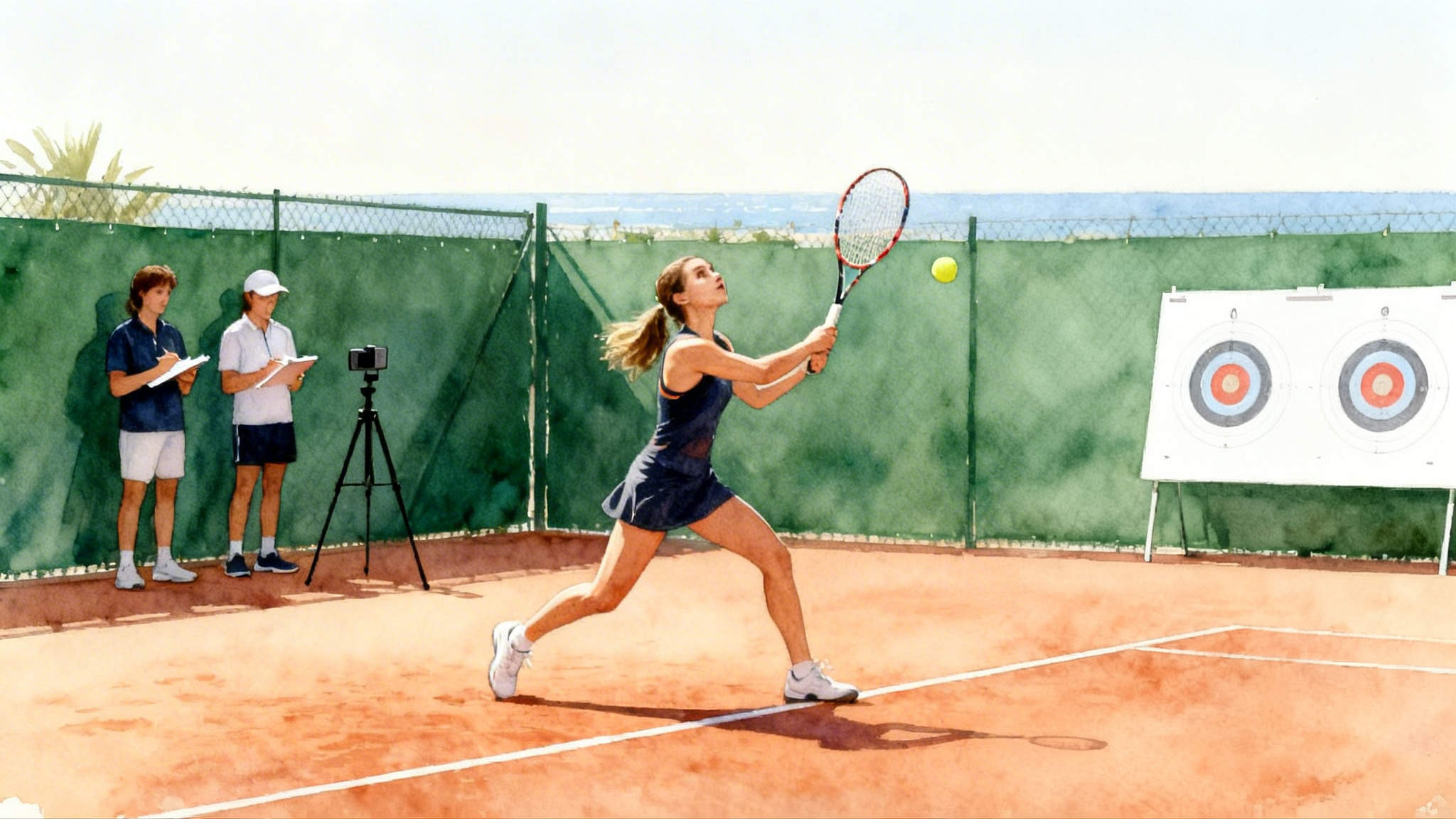
From Krasnoyarsk to Cannes: a decisive move in 2022
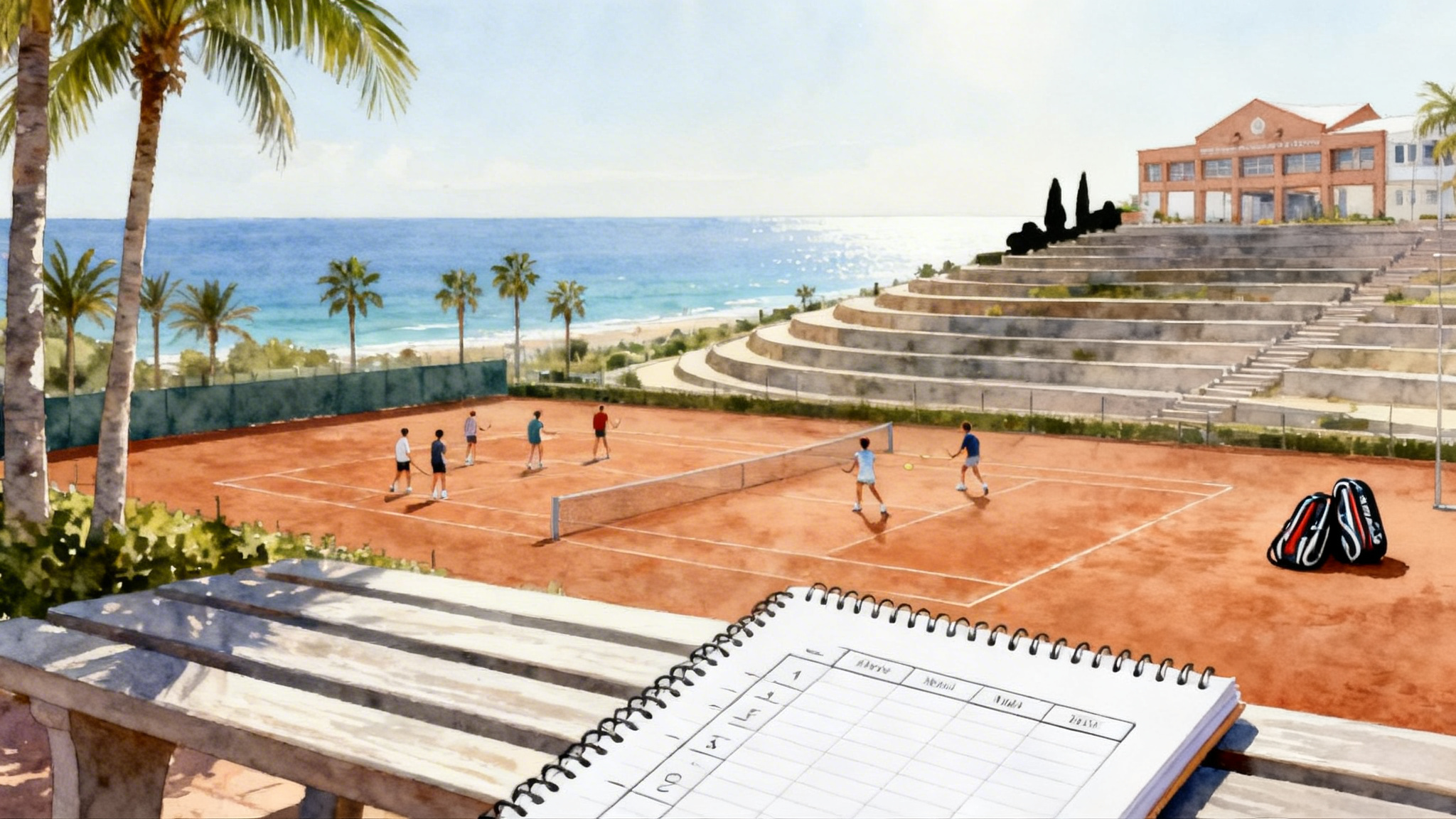
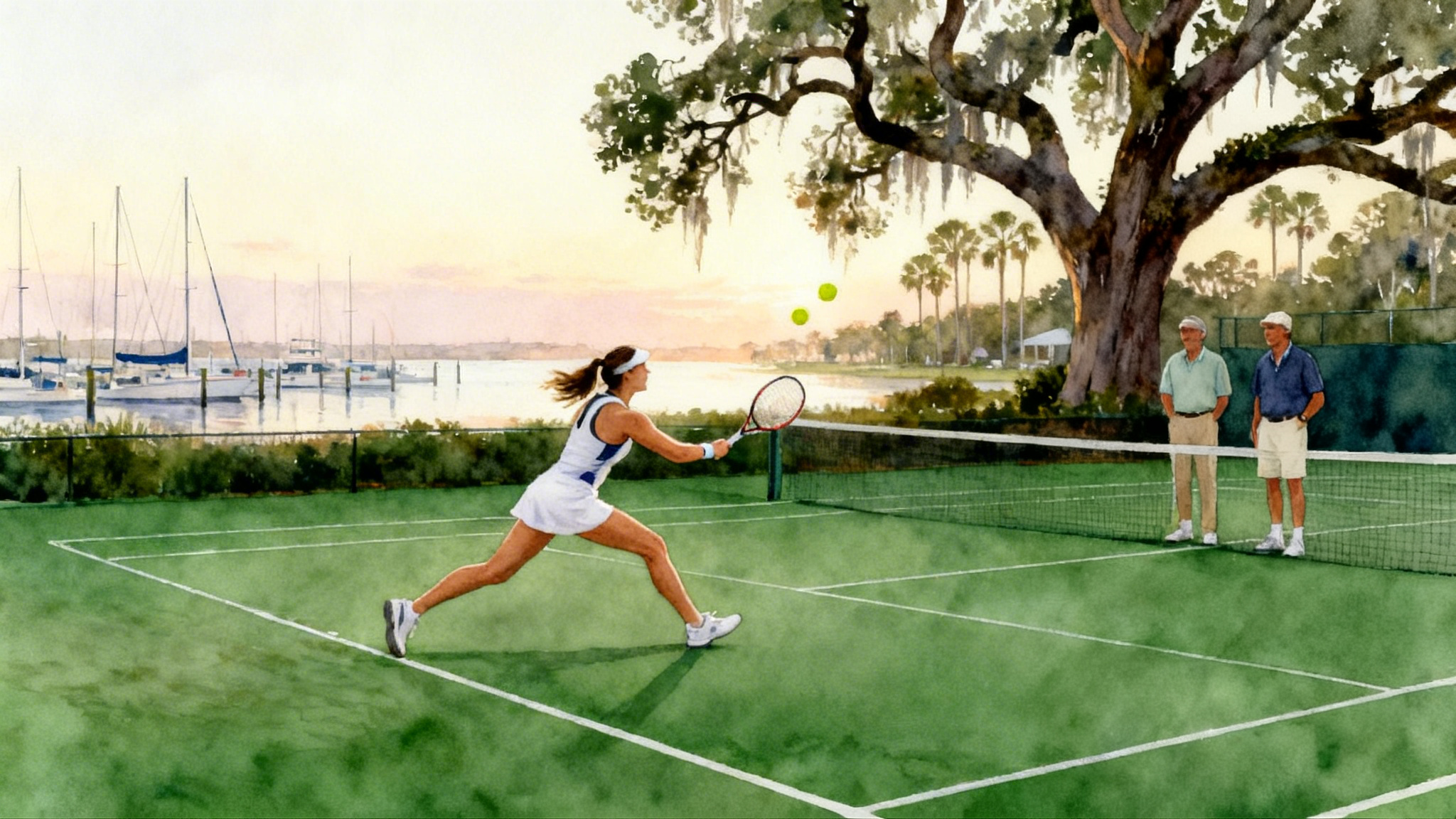
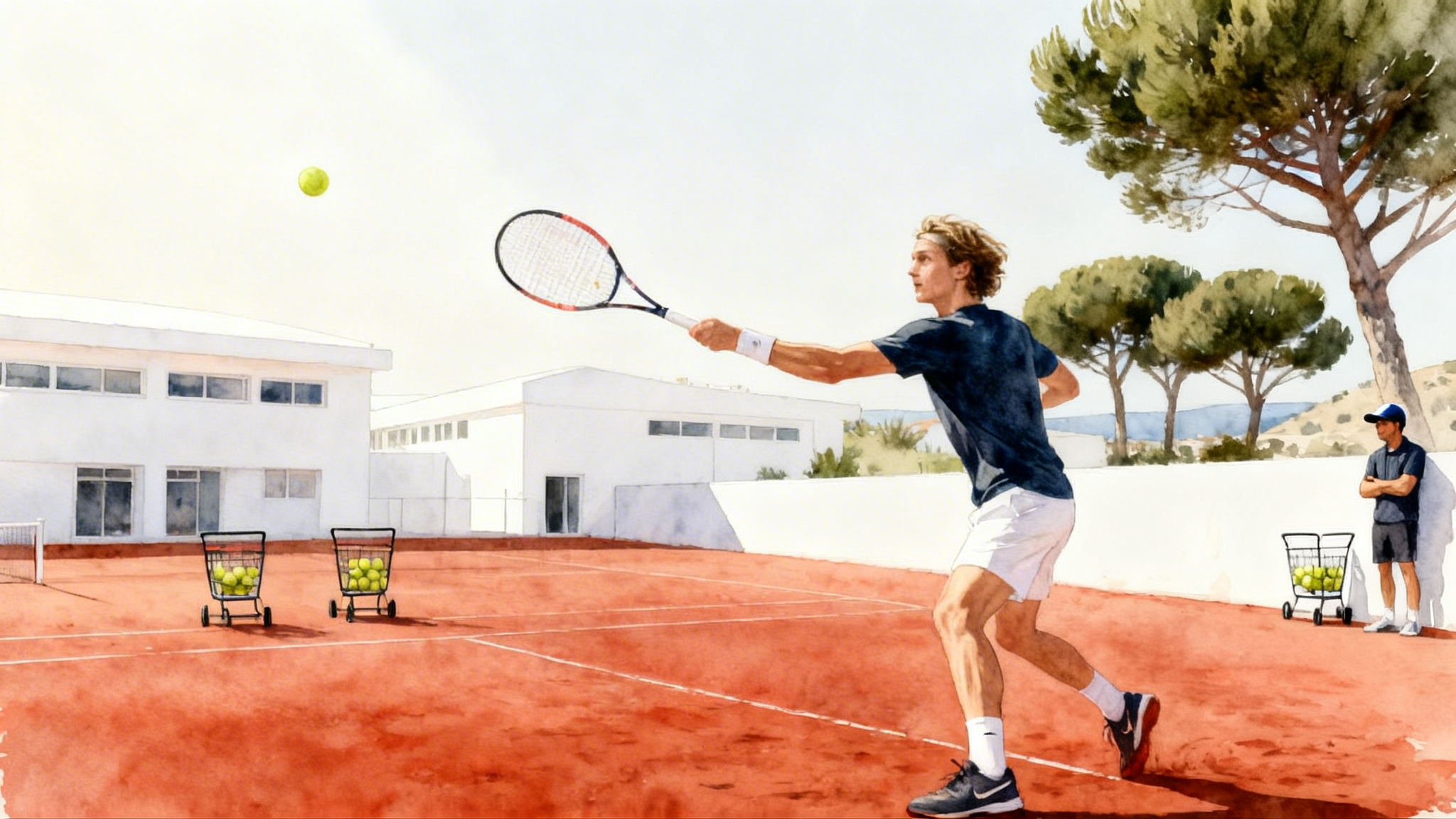
In 2022, Mirra Andreeva left Krasnoyarsk for Cannes and planted herself at Jean‑René Lisnard’s Elite Tennis Center. The choice sounds glamorous, but the appeal was practical. Elite Tennis Center runs like a precision workshop rather than a factory line. Courts are tucked into a compact campus, coaches know who is on which court every hour, and feedback moves quickly because the staff is small and aligned. The Riviera’s tennis ecosystem, similar to the structure seen at All In Academy’s French campuses, also placed her within easy reach of dense European calendars.
That scale was the feature, not a limitation. In many large academies, the day can turn into a relay of different voices. At Elite Tennis Center the lanes are narrower and more consistent. Mirra could cycle between technical reps, situational point play, and fitness without changing the language or the plan. The move put her in the middle of European tennis routes as well, where strong junior and entry‑level professional events can be reached by train or quick flights. That meant more matches against varied styles and surfaces without long haul fatigue.
The small team that sets the tone
Mirra’s core day‑to‑day has run through coach Jean‑Christophe Faurel. Think of him as the project manager and lead engineer. He coordinates technical priorities, plans the training week, and rides herd on details that do not show up on a leaderboard but decide close matches: return starting position, footwork recovery angles, ball height off the bounce, and serve location reliability under scoreboard pressure.
A typical Faurel day is tightly structured (and mirrors best practices in design a 90 minute practice):
- Morning technical block: 60 to 75 minutes of focused themes, such as forehand height control or backhand neutralization patterns. Reps are counted, not estimated. If the goal is 60 forehands struck from neutral position deep through the middle third, they count to 60.
- Live ball progression: 30 to 45 minutes of situational play. For example, start every point with a second serve to the backhand and look for a crosscourt plus one. Constraints shrink or expand depending on confidence and strike quality.
- Fitness and movement: short, specific loading. Instead of a generic one hour grind, blocks target the most used shapes in Mirra’s game. If she is building an early backhand redirect, the footwork ladders and medicine ball turns will echo that pattern.
- Video micro‑reviews: 10 to 15 minutes. Clips from the morning or a recent match. One cue per clip. If the cue works, it graduates into match language. If it does not, it is cut.
This rhythm fits a small‑team shop. There is no committee to approve a change. If Mirra’s backhand contact point drifts or her serve toss slides, the correction can be made the same day. That speed compounds. It is the difference between steering a bike and steering a bus.
The European match‑play blocks that built her habits
Training is only as good as its connection to matches. In Cannes, Mirra could stage consistent European match‑play blocks that looked like this:
- Two to three weeks of tournaments within a half‑day travel radius.
- One week back at the academy to close loops. The staff tags three to five match themes and designs reps to fix or reinforce each one.
- Repeat the cycle on a slightly different surface or altitude to expand her repertoire.
Why it works:
- Frequent competition without long jet lag keeps timing sharp. A player learns to start well on Tuesday, not just to peak in six weeks.
- The week back at base is not a reset, it is a lab. Lessons are fresh. The same coach who watched the match writes the drill menu. There is no telephone game between scout and hitting partner.
- Opponents within Europe bring style variety. One week you face a heavy topspin forehand on clay, the next a flat hitter indoors. The catalog of seen patterns grows fast.
Families often chase the single biggest tournament. The Cannes approach flips that. It chases the highest number of quality points per week of travel. Do that for months and your player stops being surprised by styles. Surprise is expensive in pro tennis.
The offensive shift that did not break her base game
Fans often talk about Mirra’s court sense and defense. To climb the WTA, she also needed measured changes in offensive intent. The staff pushed for specific, countable upgrades rather than a vague idea of being more aggressive. Examples:
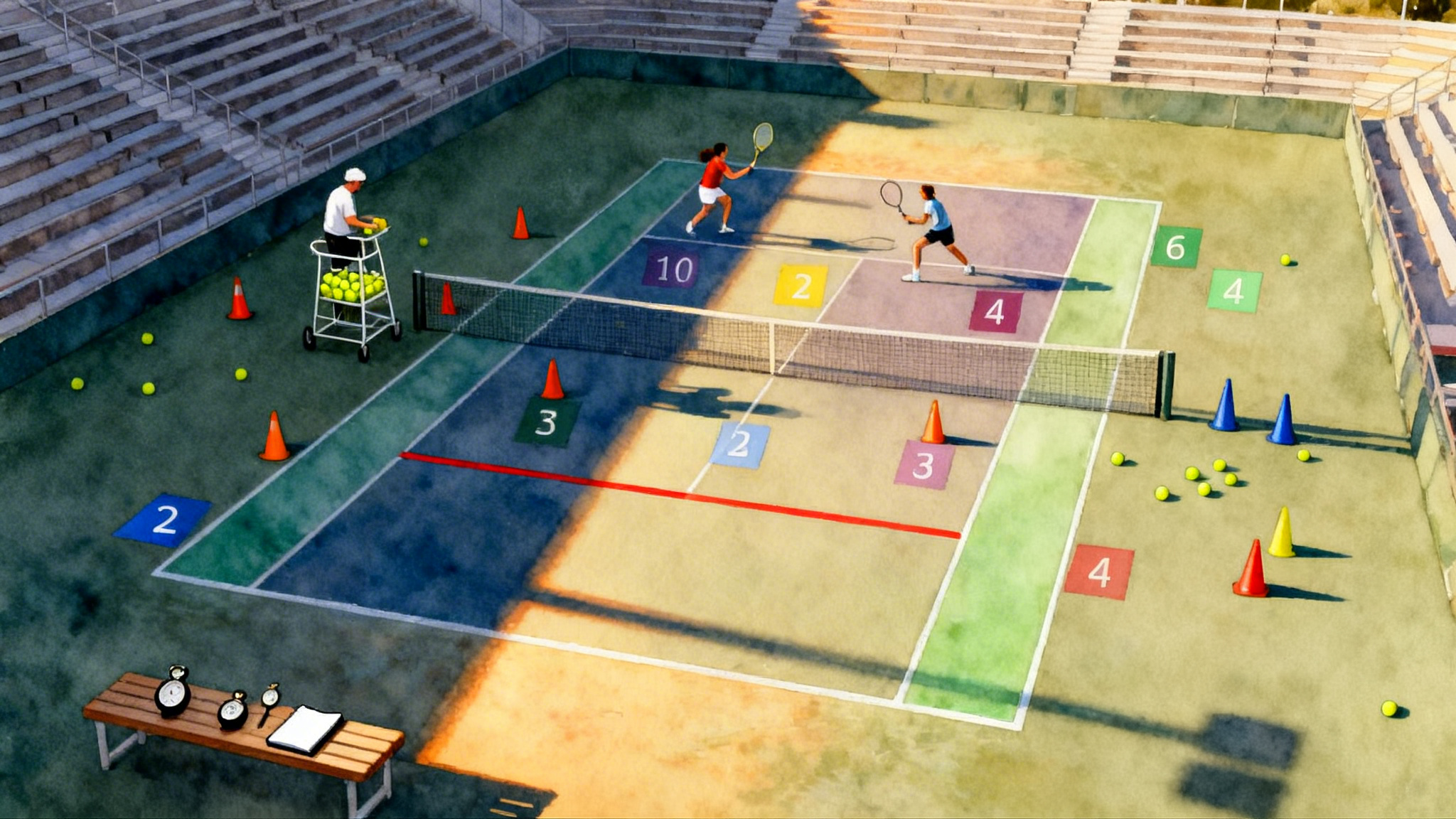
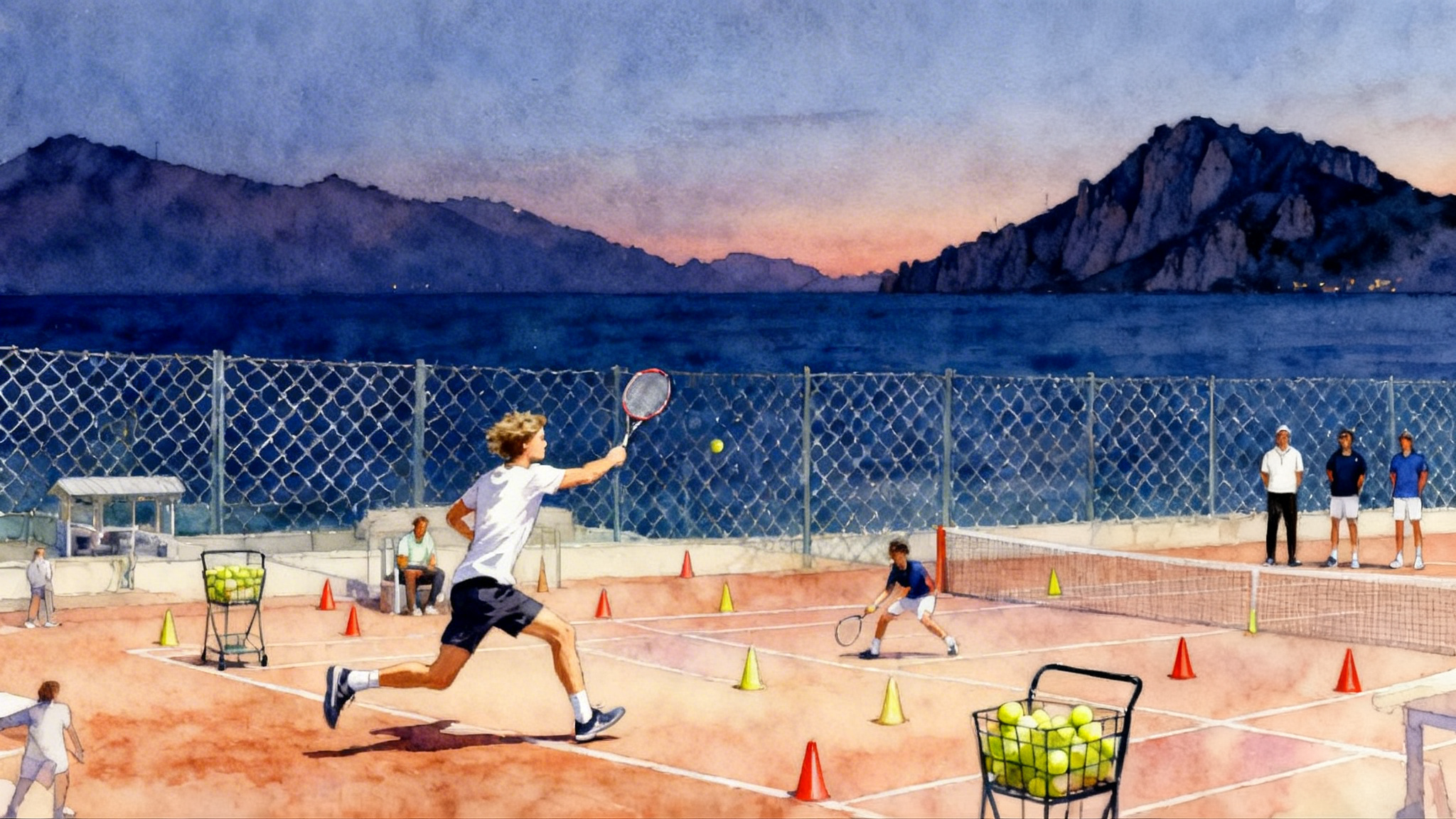
- First‑strike forehand threshold: on any neutral or short forehand, the default became depth through the middle third with enough pace to push the opponent off the baseline. Targets were cones three racquet lengths inside each baseline. Make ten in a row before moving on.
- Backhand redirect rule: when a crosscourt rally sat above net height and inside the sideline hash, she could take a two‑handed redirect down the line. The cue was ball height and feet under the ball, not a gut feeling.
- Serve target ladder: instead of chasing aces, she built reliability in three repeatable targets per side. Once the percentage cleared a mark in practice, the same distribution appeared in matches, especially on big points.
- Court position meter: coaches measured how often Mirra finished points inside the baseline. It was an outcome, not a command. If the number dipped, they looked backward at rally ball depth and first‑strike quality.
These were not style overhauls. They were levers that raised her ceiling without removing her elasticity on defense. The upgrades were introduced inside constraints so that decision speed improved along with swing speed.
2024: Conchita Martínez joins and sharpens the edges
In 2024, multiple reports and tour chatter confirmed that former Wimbledon champion Conchita Martínez added another layer to Mirra’s team. The role was not to replace the daily engine in Cannes, but to refine match architecture, especially on fast courts and at big events.
Practical effects families can understand:
- Point tree rehearsal: before matches, the team walked through three or four likely branches of how points would start, develop, and end. That made Mirra faster from love‑love to the first neutral ball.
- Net use without risk spiking: Conchita’s skill set helped translate short ball recognition into controlled forward movement. The goal was not volume at net, it was the right ball and the right volley height.
- Big‑point patterns: serve plus one locations were mapped in advance. On break points, the decision was not a feeling, it was a pre‑selected play unless the opponent showed a clear shift.
This addition kept the boutique feel. Conchita offered major‑stage knowledge while Faurel and the Cannes base handled the daily reps. The model looks like a relay where the baton handoff is clean. No friction, no public tug of war about who sets the plan.
How the environment translated to results
You can see the method in Mirra’s match traits that travel across surfaces and seasons:
- She starts points on time. That is the mark of a player who rehearses the first two shots every day.
- She finishes rallies in front of the baseline more often than juniors who stay reactive. That signals depth and pattern clarity, not just confidence.
- Her bad days have a floor. When the forehand is patchy, she still holds serve with locations she trusts. When the backhand redirect is not landing, she leans on the depth through the middle third. That is what countable habits buy you.
The jump from junior tennis to the WTA usually punishes players in three places: second serve, plus one forehand, and response to pace. Mirra’s small‑team approach attacked all three with measurable behaviors. The staff did not hope that confidence would show up at a Grand Slam. They built pieces that work in small events and then hold up under brighter lights.
What families can copy when choosing an academy
Even without Cannes or a tour champion in your corner, families can borrow the principles that sped up Mirra’s transition. For a complementary model from another young star, study Coco Gauff’s academy playbook.
1) Staffing model: assign clear roles and insist on fast feedback
- Point coach as owner of the weekly plan. This person writes the session goals, runs the progression, and tracks the numbers.
- Specialist support on a part‑time basis. That could be a serve technician once per week or a performance coach who runs short cognitive warmups three times per week. They plug into the main plan, they do not write a second plan.
- One voice in the player’s ear during tournaments. If a second voice is present, it handles logistics and scouting, not mid‑match technique.
- Ratio matters. If your player is one of twenty on a court, details will leak. Ask for the typical player to coach ratio during technical blocks, not just the average across the day.
Questions to ask any academy:
- Who owns my player’s weekly plan and how do they measure it?
- How quickly can you change the plan if we see a match issue on Sunday?
- What is the actual ratio on a Tuesday morning technical block?
- If we bring in a specialist, how will that coach plug into the plan without creating noise?
2) Travel calendar: build European‑style blocks even at home
If you cannot camp in Europe, you can still run a block system that converts training into results. Italy used a similar path for prospects, as seen in how Piatti forged Jannik Sinner.
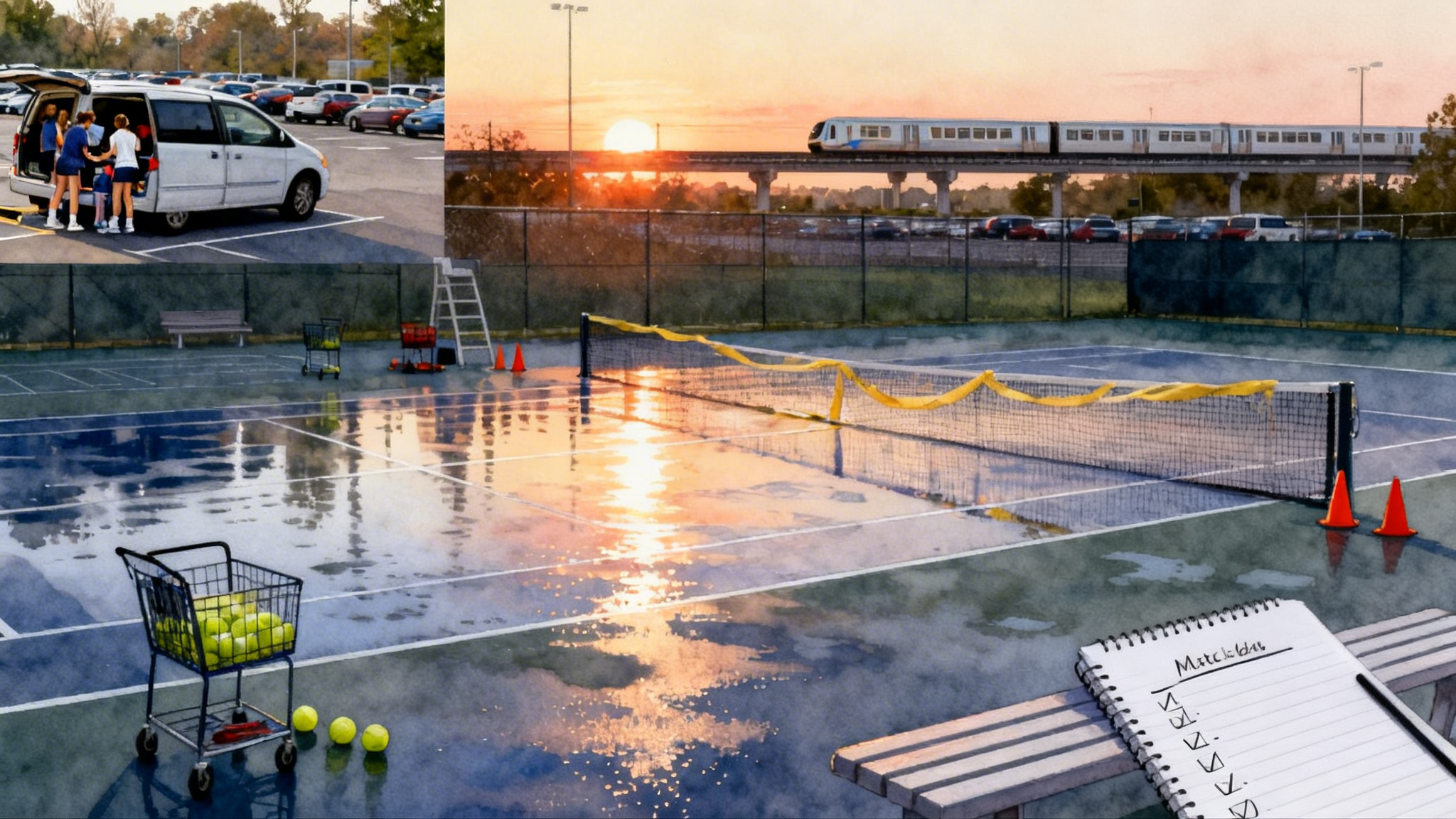
- Plan 8 to 12 week arcs. Slot two or three tournament weeks, then a one week lab back at base, then repeat. Keep travel times short when possible. Avoid chasing the single biggest event if it blows up the arc.
- Pick surfaces and styles on purpose. If your player struggles against high roller forehands, book one event on slow clay. If they need to learn to take the ball early, add an indoor hard court week.
- Leave buffer weeks. A player who is peaking in week two should not be forced to fly across the country for a prestige logo. Protect momentum.
- Set ranking goals by quarter, not by event. Ranking climbs when blocks work. You cannot cram points the night before a deadline.
Simple calendar template you can copy:
- Weeks 1 to 2: tournament play within 300 miles
- Week 3: academy lab on the three most visible match themes
- Weeks 4 to 5: tournament play, slightly different surface
- Week 6: recovery and light skill acquisition
- Weeks 7 to 8: tournament play targeting styles you have not faced yet
- Week 9: academy lab to consolidate gains
- Weeks 10 to 12: choose events based on current momentum, not on a pre‑season wish list
3) Feedback loops: turn practice gains into match points
A feedback loop is only useful if it is visible and fast. Here are three that work at academy level.
- Test and retest: if Tuesday’s goal is 60 neutral forehands deep through the middle third with less than five misses, rerun the same test on Friday. Post the numbers. Improvement is not a vibe, it is a graph.
- Match‑to‑practice mapping: after each event, tag three moments that recurred. For example, missed backhand redirects from above net height, shorter returns on second serve, or late split steps when defending. Build three drills that mirror those exact moments. Do not chase twelve problems. Solve three, then measure.
- Red team review: once per block, assign a coach to argue against the current plan. If the plus one forehand is not buying territory, challenge it. The goal is not conflict. The goal is anti‑groupthink pressure so that the plan stays honest.
Tools that help, even without a big budget:
- Phone video with a tripod, shot from the back fence and slightly elevated. Keep clips short and labeled by pattern.
- A shared notes file that lists three cues per pattern. If the cue works, keep it. If it confuses the player, drop it.
- A simple serve chart on paper. Circle successes on pre‑selected targets. By week’s end you should see a reliable pattern, not a cloud of guesses.
A closer look at Mirra’s day in Cannes
Families like to see the practical clock. Here is a composite of what a productive training day can look like when the academy runs tight.
- 08:15 arrival, dynamic warmup, two minutes of reactive footwork with a ball drop to start decision speed.
- 08:30 to 09:45 main court, forehand depth work and backhand redirect triggers. Cones placed three racquet lengths inside the baseline, score kept on a whiteboard.
- 10:00 to 10:40 situational live ball. Every point begins with a serve to a preselected target. Two points start with a second serve, one with a return game to replicate scoreboard pressure.
- 10:45 to 11:10 video review of the live block. One clip per pattern. Player repeats the cue aloud. If the cue is clunky, they simplify it on the spot.
- 11:20 to 12:00 movement and strength block that mirrors the technical themes. Short medicine ball throws for rotational timing, lateral bound ladders to echo the backhand change of direction.
- Afternoon recovery and 20 minutes of serve charting. The day closes with the coach writing the next morning’s targets in a shared file so that everyone walks in aligned.
This is not glamorous, but it is repeatable. Repeatability is the engine of a fast transition.
Budget and access: how to copy the model without the Riviera
Not every family can relocate to Cannes or hire a Grand Slam champion. You can still borrow the logic.
- Choose a smaller shop that can promise the same coach on court most days. A steady voice saves months.
- Build local blocks. Three events in driving distance beat one marquee event that wrecks your routine.
- Track two or three attacking levers. You do not need radar guns and sensors to know if your player is finishing more points in front of the baseline or landing more first strikes.
- Borrow expertise in bursts. A visiting specialist for two days per month who plugs into your coach’s plan is better than a revolving door of gurus.
Common traps to avoid
- The conference table plan: five adults in a room are not better than one aligned voice on a Tuesday at 8:30 a.m. Ask who is accountable.
- Chasing surfaces you never train on: do not play three grass events if you do not have access to similar bounce in practice. Familiarity cuts nerves.
- Vague aggression: if your child hears be more aggressive, ask the coach to translate that into countable rules. For example, on any short ball above net height to the forehand, step in and attack deep through middle. Then measure it.
Why this path worked for Mirra Andreeva
Mirra’s rise was not a fairy tale, it was a product plan. The Cannes base gave her repetition quality. The small team sped up decisions and prevented mixed messages. European match‑play blocks gave her styles and surfaces on repeat. Measured offensive upgrades raised her floor and ceiling without breaking her identity. The 2024 addition of Conchita Martínez added expertise for the most public stages while keeping the small‑team intimacy intact.
For families, the message is simple. Do not shop for buzzwords. Shop for speed between observation and change. Shop for a calendar that builds layers. Shop for a coach who writes numbers on a whiteboard and checks them again on Friday. That is what turns training into results, faster than most believe possible.