From Delray to the Riviera: Coco Gauff’s Academy Playbook
Coco Gauff’s rise did not follow a single-academy script. It blended home coaching, New Generation in Delray Beach, targeted USTA camps, and selective residencies at Mouratoglou in France. Here is the practical blueprint families can adapt.
 Tommy
Tommy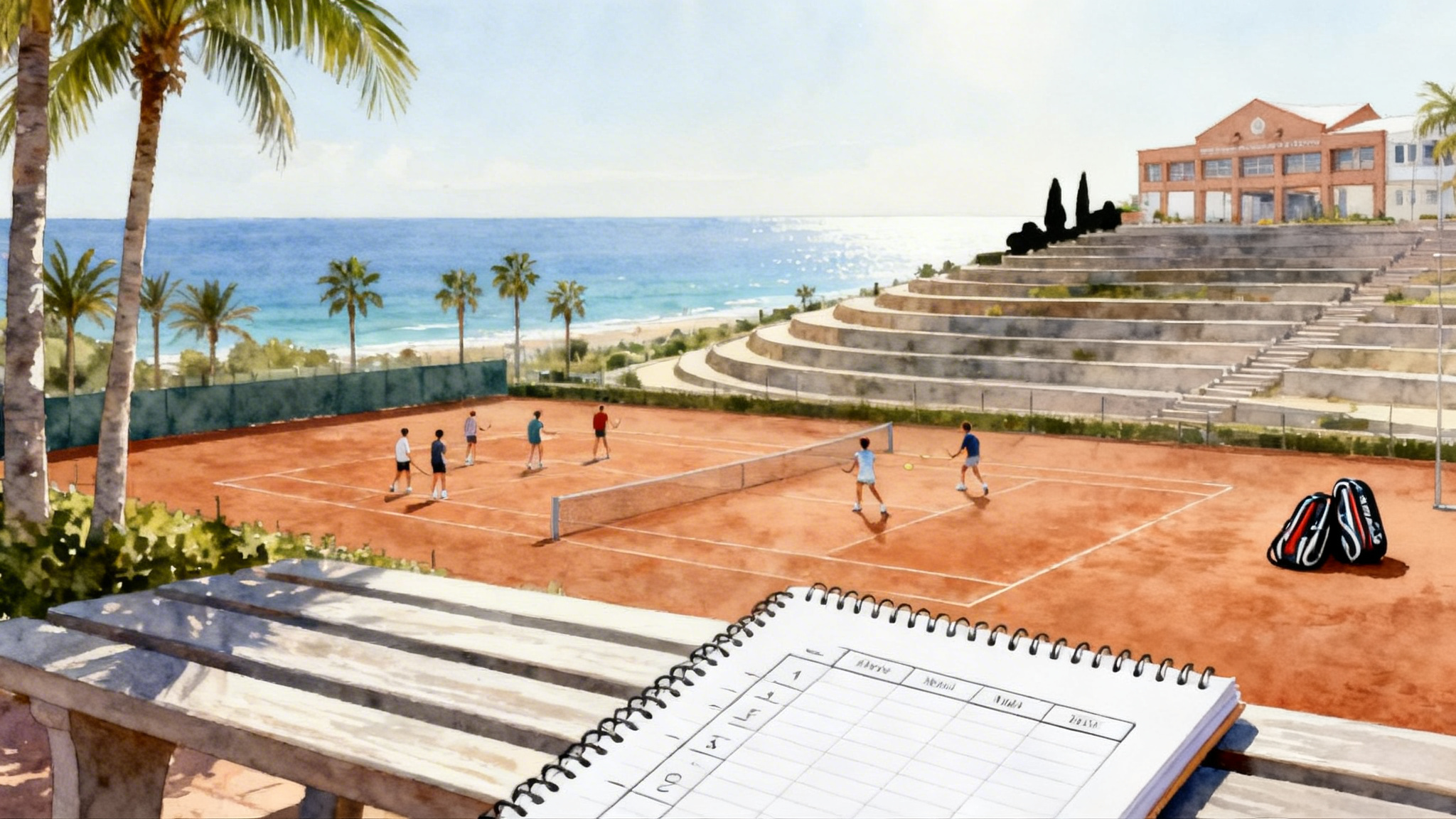
A verified pathway, from local courts to the Riviera
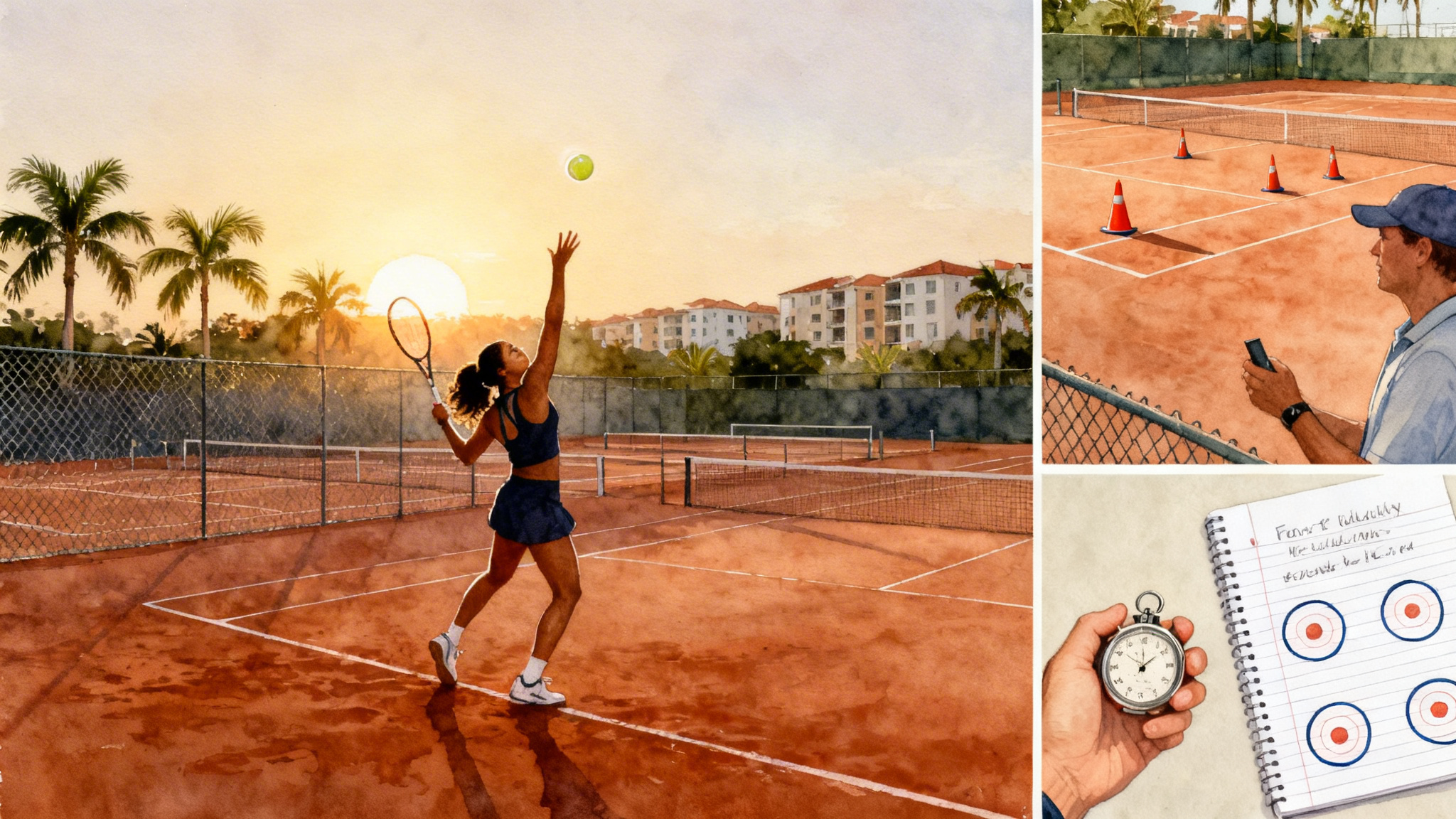
Coco Gauff’s development did not hinge on one silver‑bullet academy or a nonstop boarding school life. It was a layered plan that began on public courts in Delray Beach, Florida, expanded to structured weeks at New Generation Tennis Academy, tapped into USTA programming for competition and resources, and then used highly selective training blocks at Patrick Mouratoglou’s academy in southern France. Each layer solved a different problem at the right time.
That sequence matters. Parents and aspiring players often ask whether they should go all in on a big‑name academy or stick with a trusted local coach. Gauff’s path shows a third option: build a reliable home base, add temporary residencies when the benefits are unique and measurable, and use national federation programming to pressure‑test progress. Done well, this mix can speed up learning without burning out the player or the family budget.
The Delray Beach foundation
Delray Beach gave Gauff three advantages that any family can try to replicate.
- Daily access to play. Community courts are open, familiar, and flexible. Consistency is a superpower for young players, and free or low‑cost access keeps the daily reps affordable.
- Family coaching with clear roles. Her parents acted as organizers, motivators, and early coaches. This works when roles are specific. One person should own scheduling and logistics, another should lead on‑court structure, and a third, if available, should be the calm voice who helps a young player absorb wins and losses.
- A local performance hub. New Generation Tennis Academy in Delray Beach offered structured sparring, a competitive peer group, and professional eyes that could complement what the family already did well. Importantly, it did not replace the home base overnight. It added volume, match play, and technical reinforcement.
Takeaway: Build a triangle early. Home base for daily work, a nearby academy for intensity and accountability, and a parent‑led plan to knit it together.
What New Generation added
Every academy claims to offer intensity, but the right fit shows up in three concrete ways.
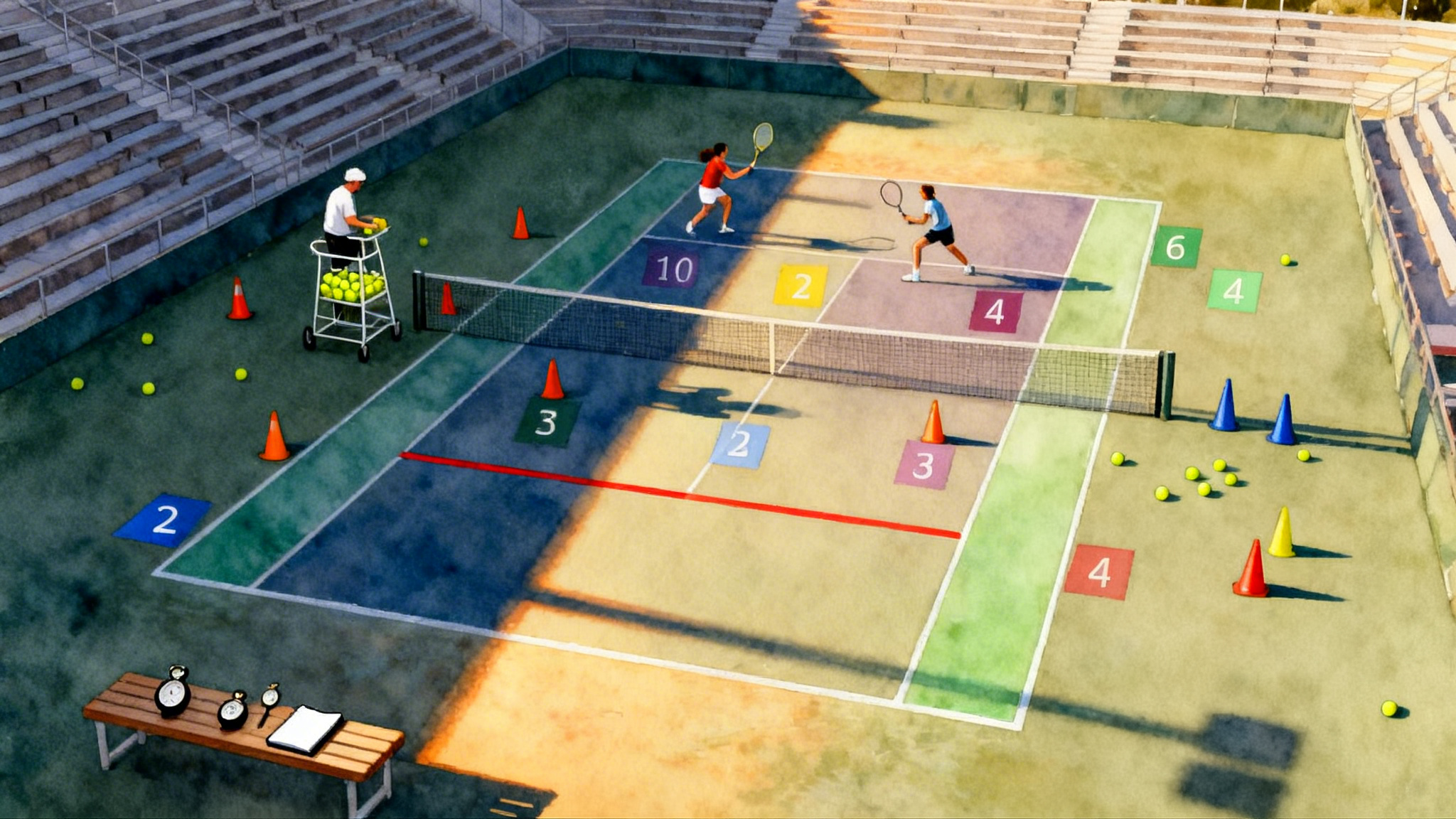
- Repeatable training templates. Good academies run dependable progressions. For example, a 90‑minute block might sequence cross‑court patterns, serve plus one, and live points to specific targets. If you want a proven layout, study this 90‑minute tennis practice.
- A peer ladder. Development accelerates when a player sees slightly better versions of herself in the next lane. At New Generation, Gauff could hit with older juniors, rotate match sets quickly, and test new patterns under pressure.
- Coach‑to‑home communication. The best academies document what they stress each week, share practice goals and match notes, and invite the home coach into the loop. That meant Gauff’s daily work in Delray could echo the academy’s themes instead of zigzagging.
Action for parents: Before you commit to an academy, ask for one week of sample session plans, how they group peers, and how they report back to a home coach. If the answers are vague, keep looking.
The USTA layer: calibrated stress tests
USTA camps and training blocks gave Gauff two things she could not get only at home: national‑level match volume and benchmarking. Camps pool strong juniors from different regions, expose them to varied game styles, and bring in national coaches who see trends across age groups.
Think of USTA time as a stress test rather than a total solution. Use it to check if a player’s patterns hold up against new pace, lefty spins, or taller servers. Then bring those findings home. The value is not just the camp itself, it is the list of two or three habits to strengthen during the next training block.
Action for parents: After any federation camp, write a single‑page debrief with three columns: what held up, what cracked, and what to try next. Share it with your academy coach and your home coach, then bake it into the next month of sessions.
France on purpose: why the Mouratoglou blocks mattered
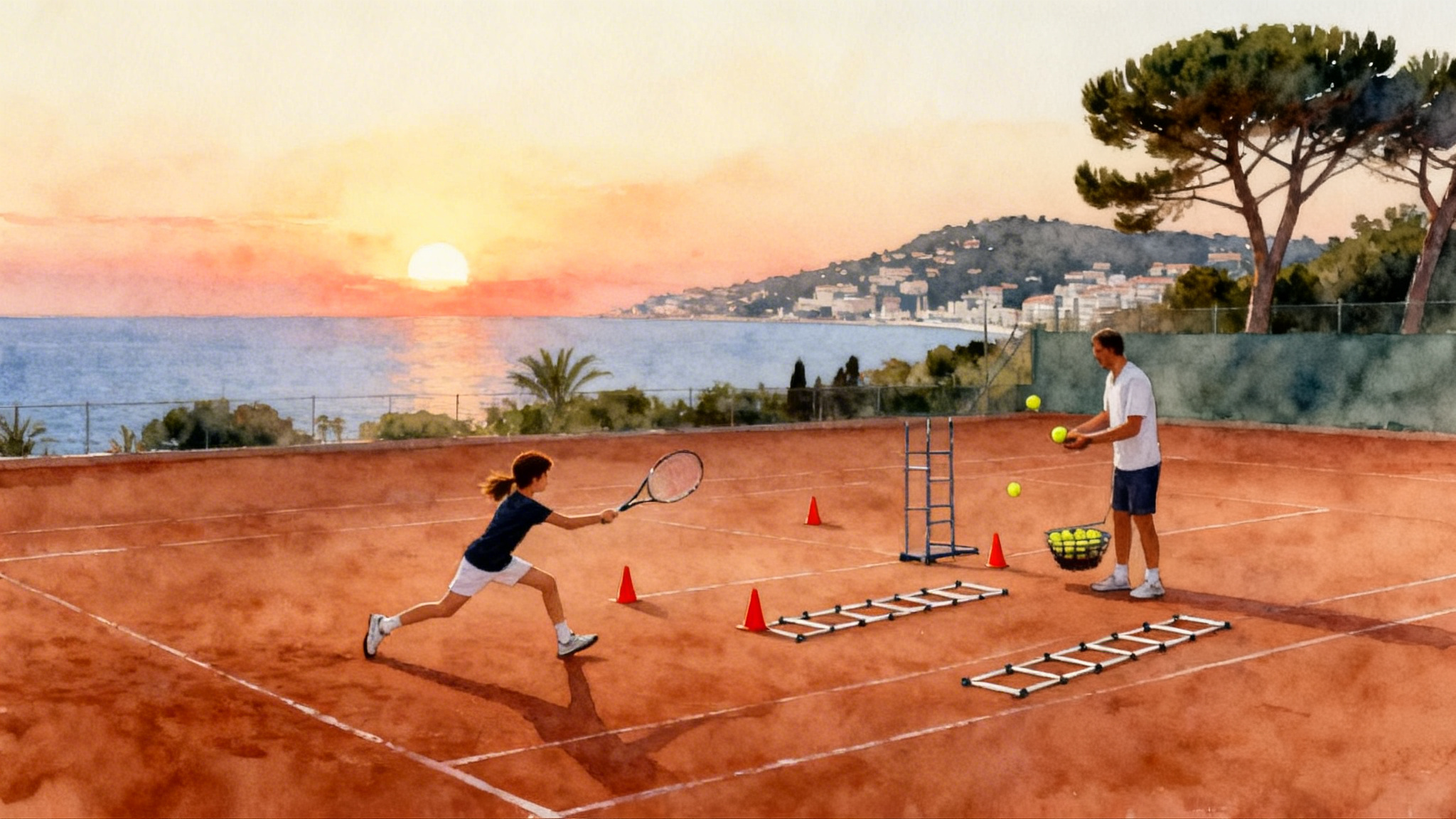
The move to Patrick Mouratoglou’s academy in the south of France was not a permanent switch. It was a choice to visit a different ecosystem. The benefits were specific.
- Surface and style diversity. Clay courts encourage longer points, heavier spin, and pattern building. Training in Europe exposed Gauff to players who live on those patterns. That helps a young American balance the typically faster, flatter hard‑court habits.
- Professional rhythm. Large European academies often run like small tours. There are physio rooms, stringers, recovery protocols, and video review. Sampling that rhythm teaches a junior the routines that travel well to the Women’s Tennis Association circuit later. To see how a pro leveraged this environment, read Dimitrov’s Mouratoglou blueprint.
- Scholarship and boarding programs. Selective foundations and academy scholarships reduce cost and let a player live the training week end to end. Boarding adds non‑tennis learning, like time management, recovery habits, and independent problem solving. Families comparing French options can also review the All In Academy on the Riviera.
Most importantly, Gauff’s blocks in France were time‑boxed. The family treated each visit as a sprint with goals, not an open‑ended relocation. This respects the player’s age, protects the home base, and keeps the Riviera spark from wearing off.
Action for parents: If you plan a European residency, set a written start and end date, define two or three technical goals and one competition goal, and name a lead coach who will hand you a written debrief before you fly home.
Clay‑season blocks that create real progress
American families often add clay at the wrong time. They dabble for a week, then chase tournaments on hard courts. A better approach is a concentrated block that stacks learning deliberately.
Use this four‑stage template for a six‑week pre‑clay block.
- Weeks 1 to 2: Movement and patterns. Build sliding drills, recovery steps, and cross‑court heaviness. Score practices by patterns completed, not points won.
- Week 3: Serve plus one on clay. Train the plus one to the opponent’s backhand corner with height, then run the forehand again behind them. Video two sessions per week and measure rally ball height over the net.
- Week 4: Live points with constraints. Play sets where a point only counts if a four‑ball pattern is completed. Add drop shots and short‑angle responses to heavy balls.
- Weeks 5 to 6: Match cluster and debrief. Play three events in two weeks or a two‑event plus practice match cluster. After each event, extract one clay pattern that paid off and one that lagged behind.
If you cannot travel to Europe, recreate European clay behavior at home. Use a slower ball in some drills, raise net clearance targets, and arrange practice sets with point‑build requirements. The body learns the same rules even if the view looks different.
Turning junior wins into WTA traction
Gauff’s junior results were not endpoints, they were diagnostics. Winning major junior events proved that her patterns survived against top peers, and that she could problem‑solve over a week of matches. The family then used pro‑level wild cards and qualifying draws as the next diagnostic step. The key was not the trophy count. It was the few durable skills that travel across levels.
Those skills look like this.
- First four balls discipline. A plan for serve, return, and the immediate plus one on both sides. On the Women’s Tennis Association tour those four shots often decide the point.
- Pattern library on clay and hard courts. A player who can play heavy and patient on clay, then flatten out or redirect on hard courts, wins in more cities over a calendar year.
- Emotional bandwidth. The routine skills learned in academy life and boarding weeks matter. Wake, train, eat, study, recover, and repeat. Routines make pressure feel smaller when a stadium gets loud.
Action for parents: Translate junior success into three specific pro‑ready habits. For example, “20 minutes of return plus one every day,” “one lefty practice set each week,” and “weekly video review for two service games.” Then schedule them like school assignments.
When to add academy residencies
Instead of asking “How old,” ask “What problem are we solving.” Add a residency block when at least one of the following is true.
- The player needs a deeper peer group daily, not twice a month.
- A surface gap is holding back progress, and the residency offers better access, coaches, and opponents for that surface.
- The family is ready to model a tour week end to end, including recovery, nutrition, and match review.
Red flags that say wait.
- The family expects the academy brand to replace daily habits.
- The player is in a growth spurt and coordination is in flux. Stabilize movement first at home before adding more intensity.
- School is already stretched so thin that the player is sleeping poorly.
Scholarships and boarding: how to pursue them wisely
Scholarships are not only about money. They signal a mutual fit. Here is a practical checklist.
- Player dossier. Create a one‑page profile with recent results, UTR or ranking context, two match clips, and contact details for a current coach.
- Ask what the scholarship really covers. Clarify coaching hours, group sessions, tournament coaching, physio access, stringing, and housing. Ask if there are blackout weeks.
- Define success. Agree on two or three measurable goals for the scholarship window, such as specific serve metrics, a movement test, or results against a target peer group.
- Boarding rhythm. Ask for a sample day‑by‑day schedule. Where are study blocks, meals, and recovery? Ask what happens on rain days and travel days.
Families should also plan an exit. If the scholarship is not renewed, how will you keep the best parts of the experience at home? Write that plan before the residency starts.
Balancing school, travel, and an expanding team
Families worry that more tennis will crowd out school and sanity. The solution is calendar math and job clarity.
- Use a 13‑week view. Schools think in quarters and so do tournaments. Map school projects, exams, and tennis travel across the same 13‑week grid. Color code heavy school weeks and pick lighter tennis weeks there.
- Pre‑assign roles. The travel parent books logistics and handles on‑site needs. The home parent keeps school communication flowing and monitors sleep and study time. The lead coach owns training plans and match debriefs.
- Tutor bursts. Instead of weekly tutors all year, try 10 to 14 day intensives before big school assessments, especially after long travel blocks.
- Create a post‑trip reboot. The day after a long return flight is for sleep, unpacking, and a light hit or movement. Academic catch‑up starts the next morning with a 90‑minute focus window.
- Use tech lightly. Two videos per week are enough for simple feedback loops. One match set per week is enough for pattern review without analysis fatigue.
A sample calendar families can adapt
This template assumes the player is 12 to 15 years old and competing regionally with aspirations to add national or international events.
- January to March: Home base technical build, one or two New Generation style academy weeks each month for peer pressure and match play. One USTA camp if invited.
- April to May: Six‑week clay block. Two weeks at home on clay habits, two to three weeks of a residency at a major academy on clay, then one or two events.
- June to August: Mixed surface competition with recovery weeks at home. Dad or Mom acts as travel coach for smaller events while the lead coach joins key tournaments.
- September to October: Technical refresh and movement block. Two academy micro‑camps to pressure‑test.
- November to December: Second residency window if needed, optional international trip, then a two‑week off season with strength and patterns.
Adjust this for growth spurts, injuries, and school intensity. The key is to preserve recovery weeks and to roll lessons forward after each camp or residency.
Budgets without guesswork
Every family’s numbers are different, but the structure is similar. Separate your plan into four buckets.
- Daily base costs at home. Court time, local coaching, stringing, and fitness.
- Academy weeks. Tuition, housing, and meals during short residencies.
- Travel clusters. Flights, hotels, and entry fees for two or three events grouped together.
- Reserves. Money set aside for injury rehab, equipment replacements, and a second coach for a few peak events.
Track cost per competitive set rather than cost per week. If an academy week produces ten quality sets and two pages of clear notes, you know what you bought. If a tournament trip yields one rainout and two walkovers, regroup and adjust.
The coaching braid: keep voices aligned
When families add academies, the number of voices grows. Gauff’s path worked because the voices braided rather than battled. Three practical habits make that more likely.
- One shared vocabulary. Agree on simple terms for the same ideas. If your home coach says “plus one to ad corner,” and the academy says “inside‑out after T serve,” map the two phrases so the player hears a single concept.
- Monthly video exchange. Share two clips between coaches each month, one practice and one match, with no more than three bullet‑point notes. This keeps everyone synced without long meetings.
- A captain for match weeks. Name the lead coach for any tournament week. That person decides warm‑ups, match plans, and between‑match adjustments. Others support but do not override on site.
Common pitfalls to avoid
- Permanent academy jumps without a test drive. Start with short residencies, then extend if the benefits are clear.
- Training only with younger or older players. Variety beats hierarchy. Aim for a third of sets against slightly stronger peers, a third even, and a third as the favorite.
- Ignoring recovery. The hidden win from boarding weeks is recovery structure. Bring it home. Sleep is a skill that protects your calendar.
- Confusing branding with coaching. A name on a wall is not a plan. Ask for the plan.
What this blueprint teaches
- Sequence beats volume. Early home structure, then local intensity, then national benchmarking, then selective residencies. The order is not an accident. It layers skills and protects confidence.
- Surfaces shape strengths. Clay blocks do not just prepare for clay season, they make hard‑court tennis more complete. The opposite is rarely true.
- Scholarships are partnerships. The most valuable part is not what is free, it is the clarity you earn by defining goals together.
- School is part of performance. The best tennis calendars respect exam weeks and sleep, not just entry deadlines.
A smart finish
Coco Gauff’s rise can look like a straight line in hindsight. Up close, it was a series of targeted choices. Community courts for daily access. New Generation for pressure and polish. USTA camps for benchmarking. Mouratoglou residencies for surface depth, professional rhythm, and a taste of boarding life. None of those choices tried to do everything at once. They solved the next problem on the list, then they handed lessons back to the home base.
If you are building a path for a young player, copy the structure, not the postcard pictures. Decide what your base can do well every day, choose academy stints that add what you cannot get at home, treat federation camps like audits, and time‑box residencies to attack specific goals. That is how a local court in Delray Beach turns into a runway that can reach the Riviera, and from there, any court you want.