French Riviera Tennis 2026: Nice-Antibes with All In Academy
Build a pro style week on the Côte d’Azur in 2026. Base between Nice and Antibes, train mornings on clay at All In Academy, add seaside match play, plan for wind and rain, and include a Monte Carlo Masters day trip.
 Tommy
Tommy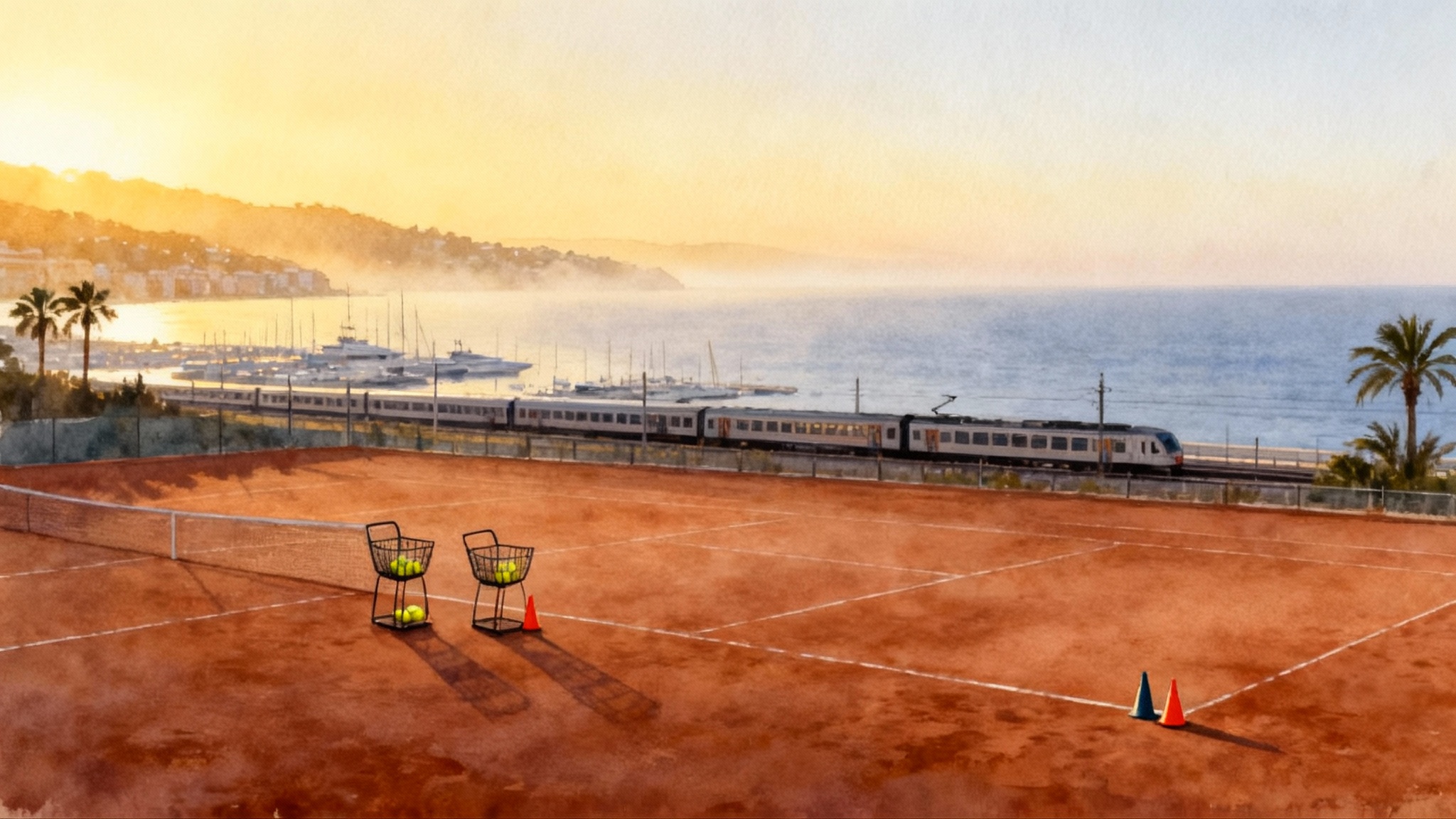
Why shoulder season on the Côte d’Azur is perfect for tennis
The Riviera rewards players who plan around light, wind, and crowds. From March to May and again from September to November, the Nice to Antibes corridor gives you quieter courts, milder temperatures, and hotel rates that make a proper training week possible. Summer can be hot and packed. Winter brings shorter days. Spring and fall land in the sweet spot, especially if you are chasing a clay‑first reset after a hard court winter. If you like this approach, compare notes with our Lisbon to Cascais shoulder-season base.
A clay‑first block gives your joints a break, sharpens point construction, and rebuilds movement with longer exchanges. The surface slows incoming pace, stretches rallies, and makes technical cues easier to feel. You hear the brush. You see the shape. And in shoulder season, you have cool mornings for technical reps and breezier afternoons that pressure test your height and margin.
If you visit in April, pencil in one day to watch the pros tune the same skills at the Monte Carlo Country Club. Check the Monte Carlo Masters schedule and tickets and ride the coastal train to Roquebrune Cap Martin.
Your base: Nice to Antibes, mornings at All In Academy
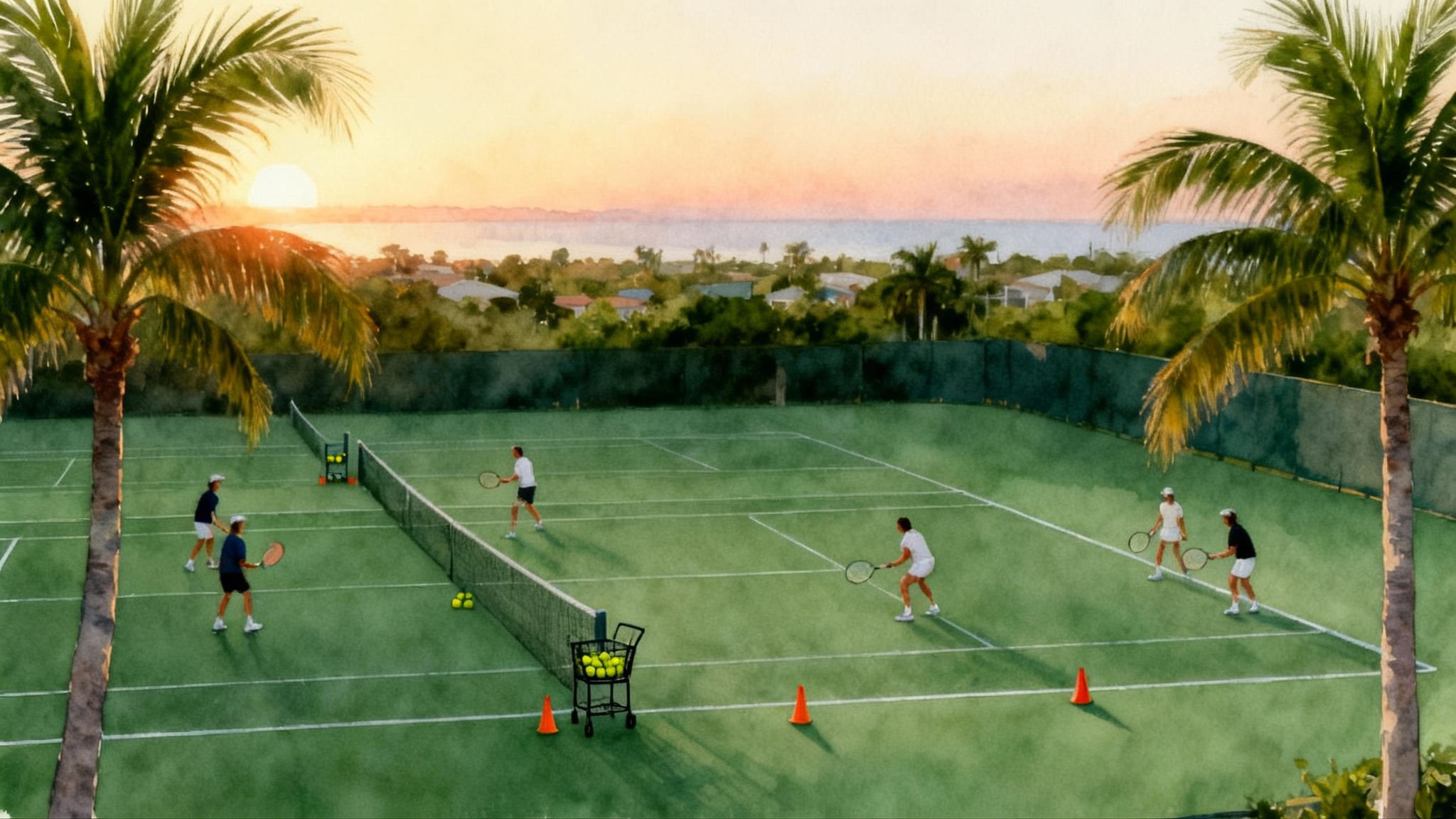
Villeneuve Loubet sits between Nice and Antibes with quick access to trains, the seafront, and a deep bench of clubs. Set your anchor for morning technical blocks at the All In Academy Riviera campus in Villeneuve Loubet. A consistent morning slot is the backbone of the week. You want the same coach eye on your progress day after day, the same ball basket, and a court you can trust underfoot.
How the morning block should run
- 15 minutes: dynamic warm up on the clay. Hips, ankles, short shuffles, then side and crossover steps on the service line.
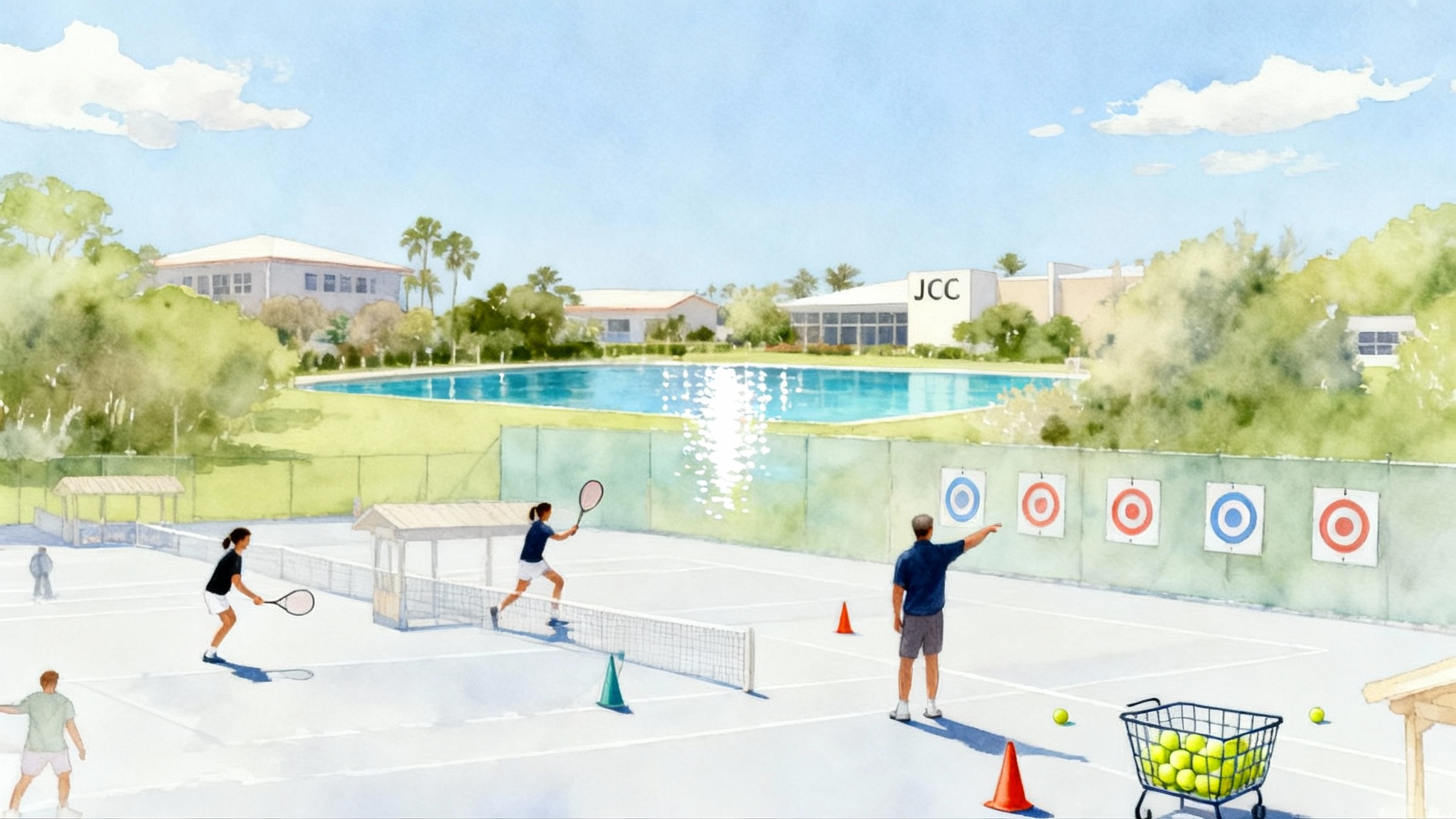
- 30 minutes: contact point and height work. Crosscourt forehands with targets at two hand lengths above the net. Count ten in a row that clear your tape before moving the cone a meter deeper.
- 25 minutes: backhand shape and recovery. Two ball pattern, then shadow two steps back to the center each time. Emphasize the recover with small steps, not one lunge.
- 20 minutes: serve and first ball. Second serve to the body box on the deuce side, then first ball to the open court. Build a numbers goal such as 7 of 10 sequences with both balls in.
- 20 minutes: patterns under light pressure. Short fed points, one serve per point, play to five, repeat with a different start.
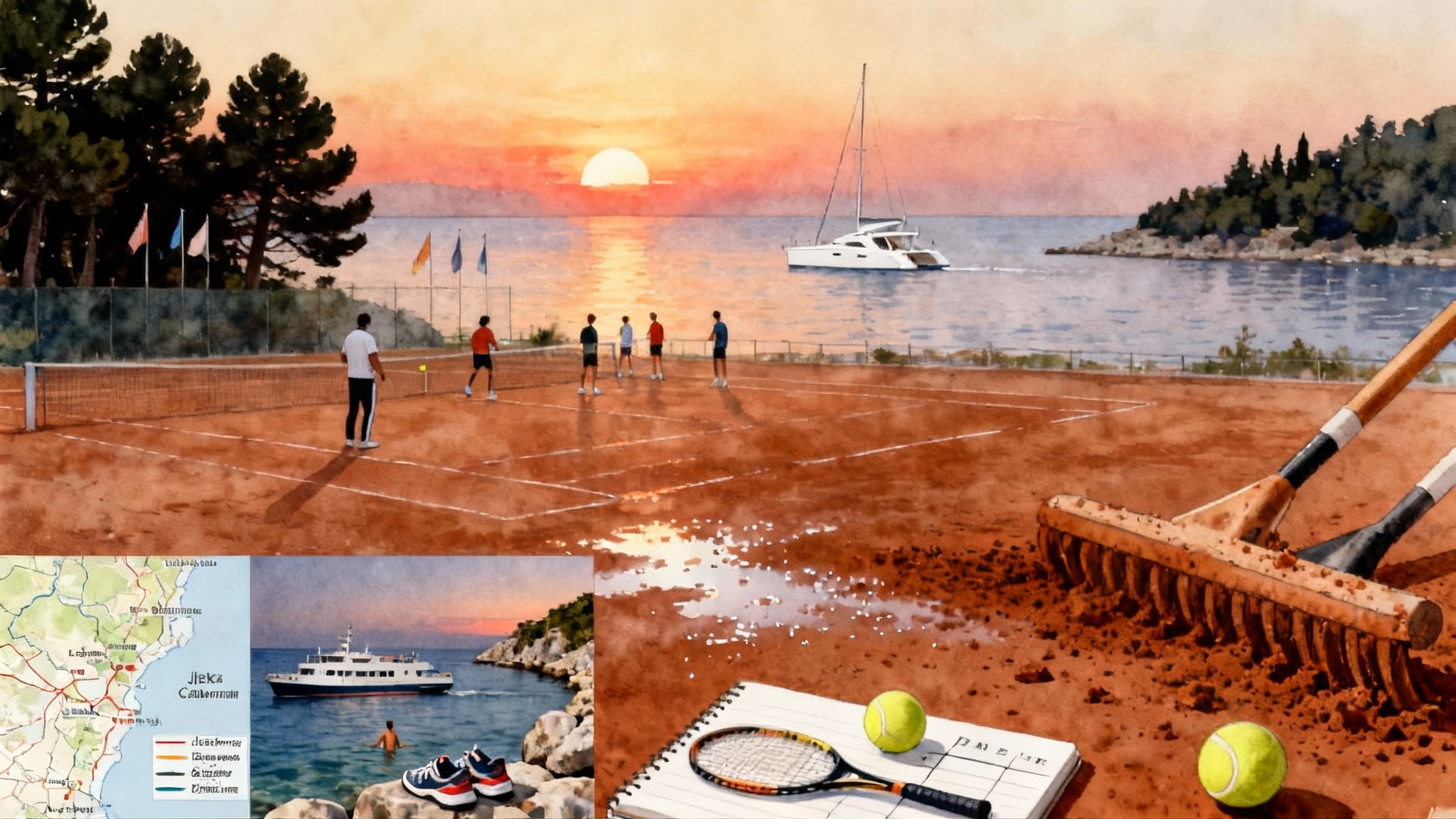
- 10 minutes: video and notes. Capture one camera angle per day and write three bullet points on what you changed.
Two hours that are identical in structure from Monday to Friday let you compare apples to apples. The weather is calmer in the morning, and the clay drains fast after light showers, so your technical work is least likely to be disrupted.
Afternoon match play from Nice to Antibes
Afternoons are for competing. Rotate sites across the seaside corridor to keep things fresh and to learn how your patterns travel.
- Nice: urban courts with good access, a touch more wind off the Promenade. Expect a sea breeze after lunch. Build height on rally balls and bring a second set of heavier balls if the air turns gusty.
- Cagnes sur Mer: a compact spot with a friendly local ladder vibe. Mix sets with local players. Pace control matters more than power when the breeze funnels down the valley.
- Villeneuve Loubet plage area: convenient for short turnarounds after the morning block. Use it for live ball drills rather than long matches on days with tighter schedules.
- Antibes and Juan les Pins: a little more sheltered among pines. Good for two hour match windows and for a sunset set if you want a later start.
How to source partners
- Ask your morning coach to pair you with players at your level for the week. A coach who sees your habits can match styles that will challenge weak spots.
- Post a clear ask at the club desk. Singles or doubles, level, preferred time, and whether you can host the court.
- Coordinate via the All In Academy Riviera campus to prearrange sparring or coached match play if you are arriving solo.
Climate smart planning: wind and rain
The Riviera is kind to planners who respect the clock.
Mornings are calmer
- March: cool starts around 48 to 52 degrees Fahrenheit with highs near 58 to 62. Showers pass quickly. Courts can be playable an hour after light rain.
- April: highs around 62 to 66. One or two wet spells in a week are normal. Keep a towel and a spare grip in your bag.
- May: highs around 68 to 72. Earlier sea breezes on sunny days. Hydrate before you feel thirsty.
- September: highs around 75 to 79 with warm water and crisp evenings. The breeze can pick up mid afternoon.
- October: highs around 66 to 70. This is the likeliest month for a heavy rain day. Schedule your rest or gym day here.
- November: highs around 58 to 62. Clear mornings, short daylight. Move every session up thirty minutes.
Wind rules of thumb
- Train technique before lunch when the air is quiet. Save live points for later.
- In a crosswind, rally toward the long side and serve into the wind to add margin. Aim two strings inside the sideline when hitting downwind.
- Use heavier practice balls for the second hour of the afternoon to keep contact honest.
- Lower your toss one inch in gusts, bend the knees more, and kick to the body if your second serve starts to float. For a deeper playbook, see Austin wind-smart winter tennis.
Rain plan
- Light drizzle: keep the morning block. Focus on footwork ladders, recovery steps, and short court topspin.
- Wet court at noon: move the match to a hard court or reschedule as a gym and video session. Run 30 minutes of assault bike or treadmill intervals, 30 minutes of mobility, 30 minutes of video review.
- Heavy rain day: make it a reset. Book a physio session, string racquets two pounds tighter for the next sunny day, and write a 200 word match journal from your last two sets.
Transport that keeps sessions on time
Trains stitch this coastline together. The TER regional line runs roughly every 15 to 30 minutes between Nice Ville, Cagnes sur Mer, Villeneuve Loubet Plage, Antibes, and Juan les Pins. Most rides are 8 to 20 minutes once you are on board. A weekly pass often pays for itself by your fourth day of two rides. If you are arriving by air, Nice Côte d’Azur Airport is on the tram network and sits a short hop from the coastal train.
Time math that saves sessions
- Door to court: leave 45 minutes before your first ball if you are crossing one town by train. That covers a short walk, an average wait, and a five minute buffer.
- Same town hops: budget 25 minutes door to door.
- Evening returns: trains get busier after 6 pm. Buy your ticket in the app ahead of time.
If you plan a spring visit, one day at the tournament is a highlight and the train is still the simplest route. Take the TER toward Menton and get off at Monaco Monte Carlo or Cap Martin Roquebrune depending on your ticket instructions.
A pro style week that fits the shoulder season
The outline below assumes five mornings at All In Academy, four afternoon match slots, one recovery block, and one tournament or sightseeing day. Adjust the play ratios to your level and leg load.
Monday
- Morning: technical block. Theme is forehand height and recovery. Film from the rear corner.
- Lunch: light. Grilled fish, rice, and a citrus salad. Coffee after the meal to avoid a mid session spike.
- Afternoon: two sets in Nice. Play the first set with new balls, the second with practice balls to build patience.
- Evening: 20 minute mobility and three sets of Copenhagen planks for adductor health.
Tuesday
- Morning: second serve plus first ball pattern. Ten sequences in a row to one box, then ten to the other. Serve targets taped with low profile cones.
- Lunch: socca and a large bottle of water. Salt early if it is warm.
- Afternoon: match tiebreaks in Cagnes sur Mer. Start points with a second serve. Change ends every five points to learn wind adjustments.
- Evening: early sleep. Add a light elastic routine for rotator cuff.
Wednesday
- Morning: backhand variation. Two balls down the line every third ball to keep the opponent honest.
- Lunch: pasta with olive oil and vegetables. One espresso. No dessert before a windy session.
- Afternoon: recovery. Cold plunge in the sea if conditions allow, then a long walk through the Cap d’Antibes path. If rain hits, switch to gym intervals and mobility.
- Evening: video review. Pull two clips that show improved height and two that show footwork fixes needed.
Thursday
- Morning: serve patterns from the ad side. Body, T, wide. One rhythm for all three.
- Lunch: chicken, couscous, and greens. Hydrate steadily.
- Afternoon: two hour match window in Antibes or Juan les Pins. If the breeze is strong, make the rule that a rally ball must travel a meter above the tape to count.
- Evening: pilates or yoga session. Prioritize thoracic rotation.
Friday
- Morning: live ball drills. Two on one heavy crosscourts, then 11 point games that start with a neutral rally ball.
- Lunch: salad Niçoise and bread. Pack a banana for the train.
- Afternoon: final test set. Track first serve percentage, unforced errors, and ball height above the net.
- Evening: dinner at a simple local bistro and a ten minute reflect and plan note for next week.
Saturday or Sunday
- Spring visit option: a tournament day at Monte Carlo. Buy grounds passes for practice court access. The reclaimed view of the sea and the intimacy of the side courts are instructive.
- Fall visit option: long set play in the morning followed by a hike in the hills above Nice or an afternoon museum circuit. Your legs and lungs will thank you on Monday.
Booking, budgets, and off season deals
- Lodging: shoulder season rates can be noticeably lower than July and August. Apartments near train stations save time. Ask for a top floor if street noise bothers your sleep.
- Courts: mix academy time with club bookings. When you reserve outside your morning block, specify clay surface and lights if you plan to play after 5 pm in November.
- Transport: weekly train or bus passes smooth the budget and reduce decision fatigue. If you need a car for a day, pick up at 9 am after the morning session to keep the afternoon flexible.
- Food: shop markets for breakfast and snacks. A bag of oranges, bananas, and nuts will carry you through two sessions without heavy meals.
- Stringing: bring a spare stick and a reel if you tend to pop strings on clay. If your tension floats in gusty conditions, raise it by two pounds for afternoon sets.
- Insurance: travel policies are cheaper outside high season. Still verify sport coverage for coached sessions.
Technique focus ideas by month
March and April
- Reset grips, height, and footwork on slower balls. Emphasize recovery steps and build a library of crosscourt patterns that live above the tape.
- Work the kick serve. Cool air helps you feel the bite when the ball clears the shoulder.
May
- Build transition patterns. Approach crosscourt to the backhand, recover to the middle, and volley deep crosscourt to the open space.
- Practice return plus two. Target deep middle to start, then open the angle with the third ball.
September
- After a summer of hard courts, return to sliding and balance drills. Use the service boxes for controlled slides before moving to full court rallies.
- Explore forehand height variation. One rally at shoulder height followed by one at lower net clearance to learn how your opponent reads shape.
October and November
- Keep volume steady and choose quality over length as daylight shortens. Two focused hours beat three tired ones.
- Work slice and defense. Damp air rewards length and spin. Make the court feel big with width and height.
Safety and recovery on clay
- Shoes: clay specific soles improve braking and reduce awkward stops.
- Warm up: never skip the first ten minutes. It is your insurance against groin pulls when sliding.
- Hydration: two bottles per session. One plain water, one with electrolytes.
- Sunscreen: even in April, coastal sun is real under clear skies. Reapply after the first hour.
- Sleep: shoulder season trips often combine training with sightseeing. Protect eight hours and put screens away thirty minutes before bed.
Putting it all together
The recipe is simple and it works. Anchor your mornings at a reliable clay base in Villeneuve Loubet. Let the sea breeze sharpen your patterns during afternoon matches from Nice to Antibes. Use the train to keep sessions on time and your budget in check. Write real notes each day and bring one technical cue from morning into afternoon competition. If your visit overlaps April, add a day at the Monte Carlo Masters to watch how height, margin, and movement win points when the stakes are highest. The Côte d’Azur rewards players who plan their week like pros and then stick to the plan when the wind arrives.
The shoulder season is not a compromise. It is a teacher. Show up with a clay‑first mindset, respect the clock and the breeze, and you will leave with a quieter contact, clearer patterns, and the confidence to build points anywhere you play next.