From Spartak Moscow to Wimbledon: How Spartak Shaped Elena Rybakina
Spartak Tennis Club’s group-first, fundamentals-heavy system built Elena Rybakina’s efficient power and serve-led identity. Here is how a low-hours model scaled to the top of the Women’s Tennis Association, and what families can copy.
 Tommy
Tommy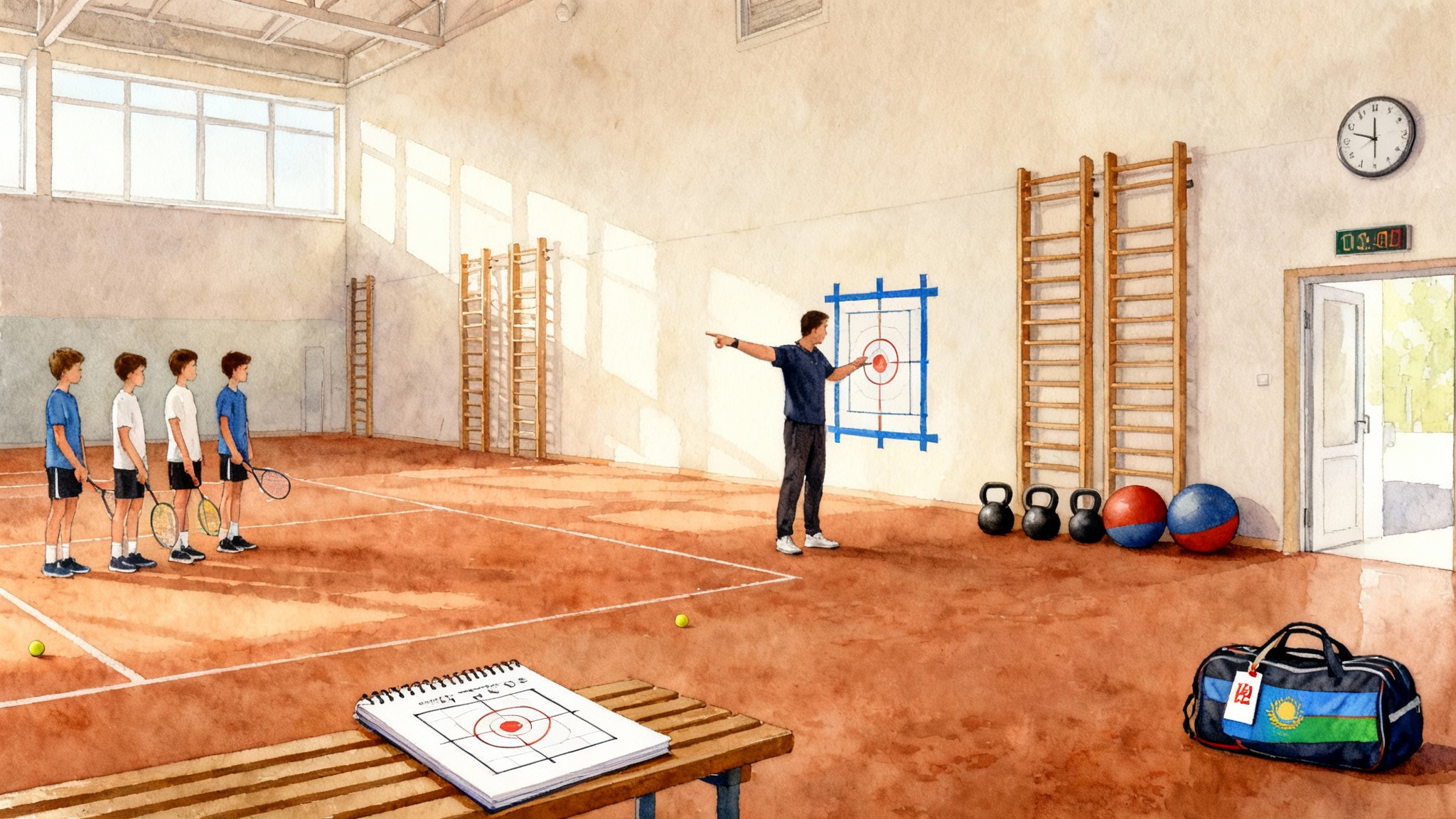
A club that trains for the long game
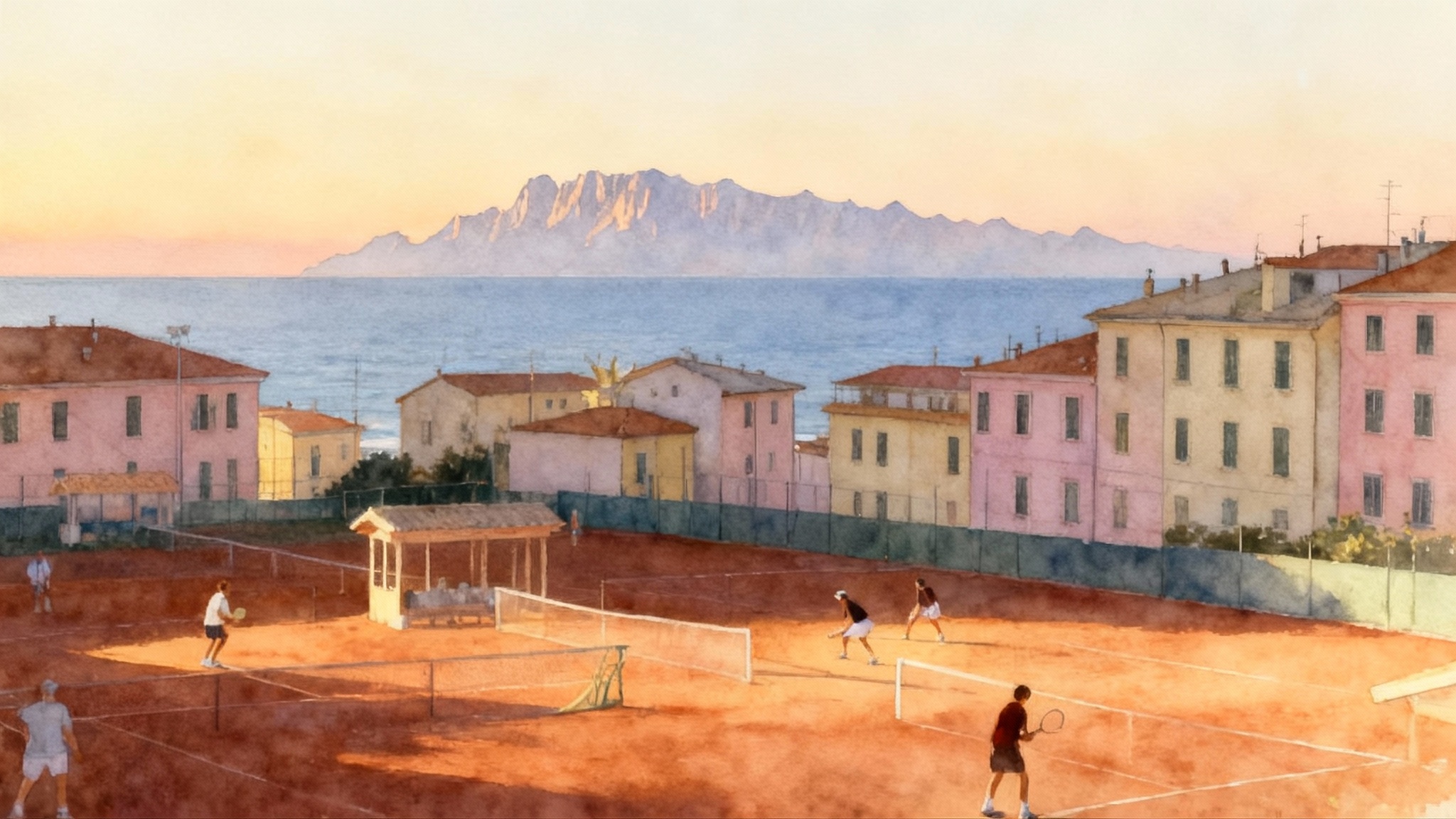
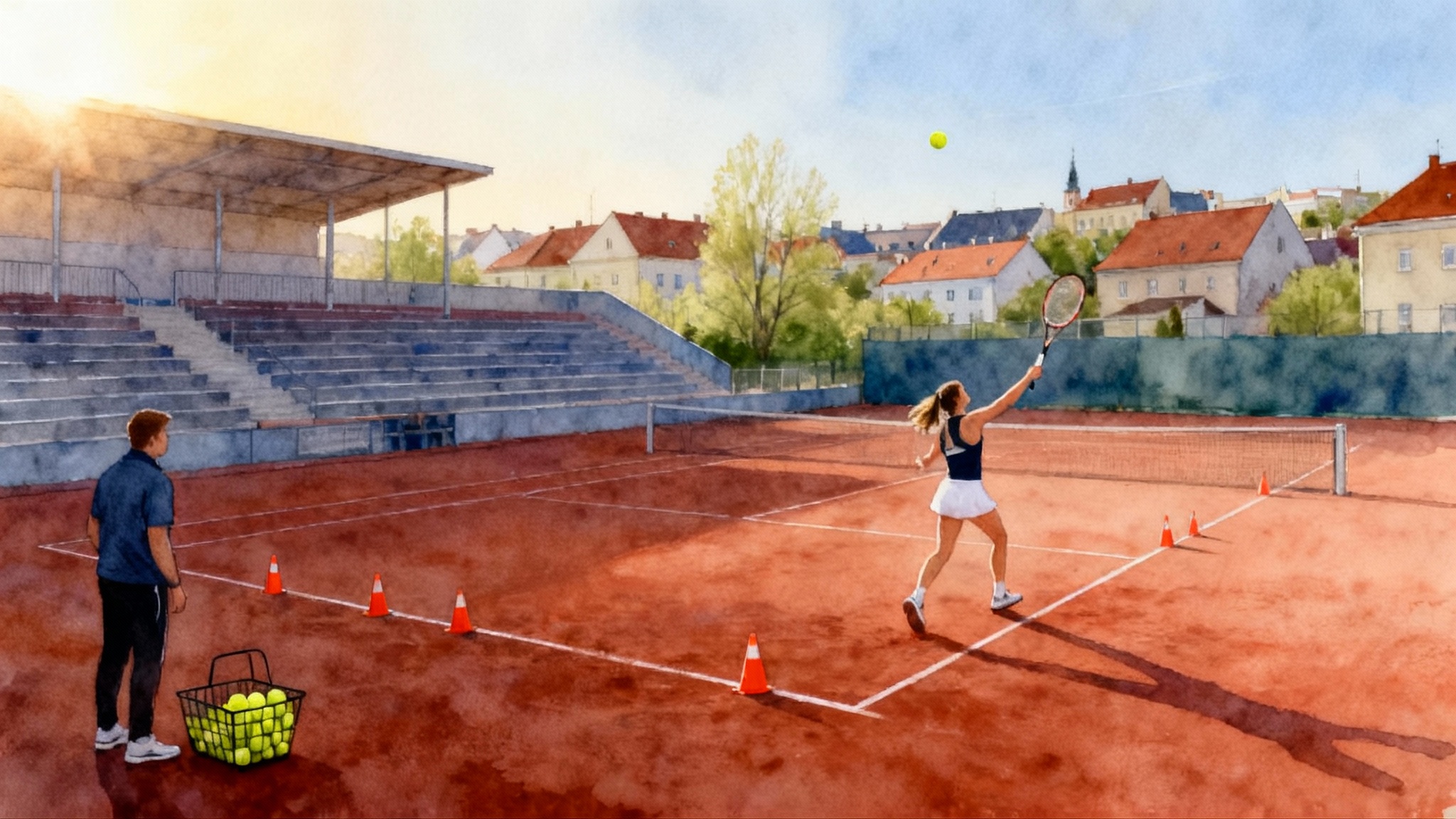
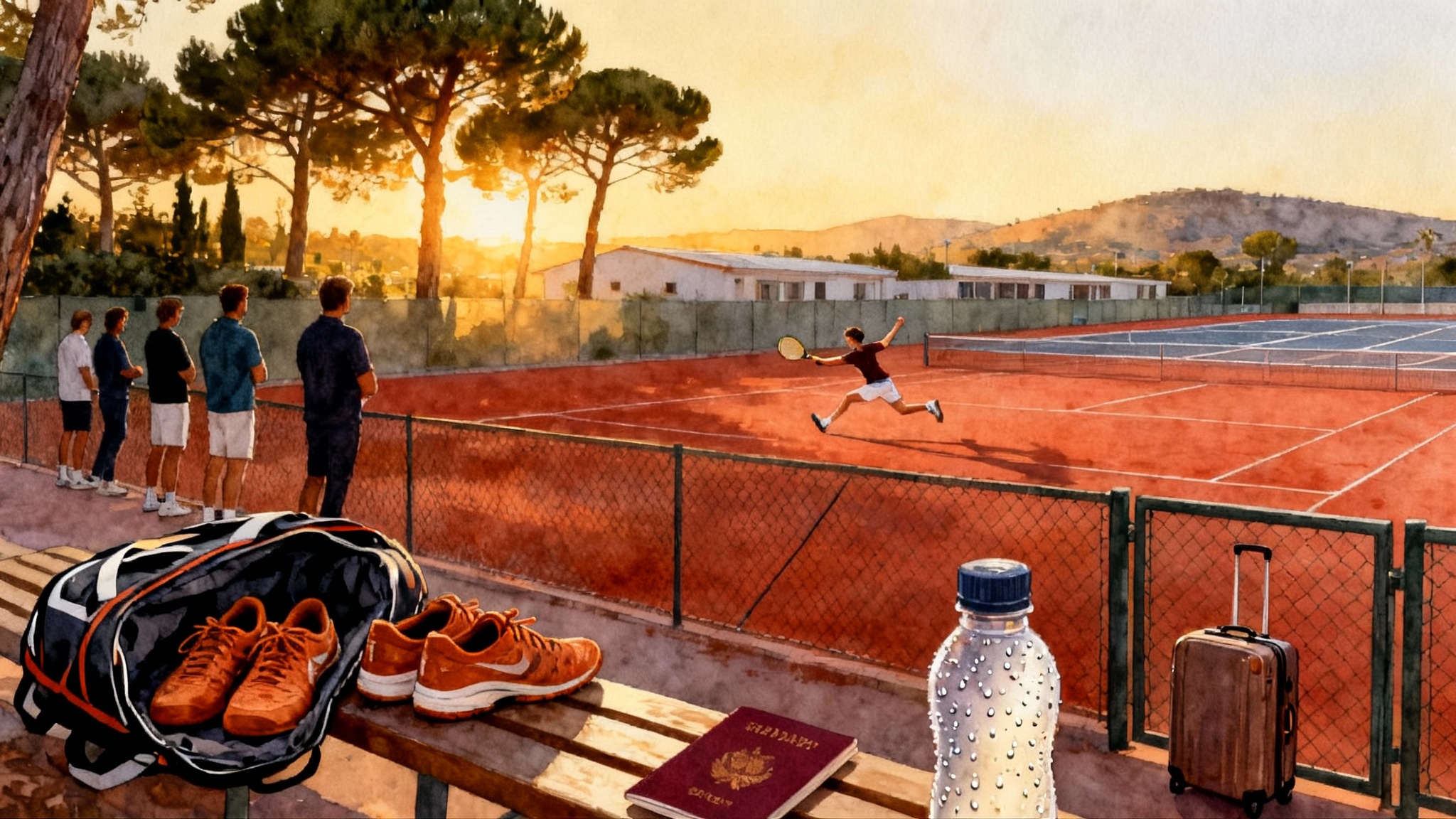
Spartak Tennis Club in Moscow has a simple idea that often surprises parents and young players: do less on court, do it better, and do it together. Courts are packed with shared groups, not private slots. On-court time is intentionally short. Physical preparation is long and demanding. Technique is treated like handwriting practice, not performance art. The result is a repeatable process that has produced players who know exactly what their bodies and their strokes are doing under pressure.
Elena Rybakina grew up inside that culture. Today she is a Grand Slam champion and a fixture near the top of the WTA rankings. Her tennis looks modern and efficient. She takes time away, serves big, and keeps margins sensible. The through line from Spartak to Centre Court is easy to miss because it is not flashy. It is a mix of group pressure, strict fundamentals, careful use of court hours, and relentless fitness that lets her swing freely when it matters. For parallels, see how the Piatti Tennis Center forged Sinner and how the Elite Tennis Center forged Medvedev.
This is the story of how that method works and how it shaped her game, along with practical choices families can apply without needing a giant budget.
Group practice: why many voices can create one sound
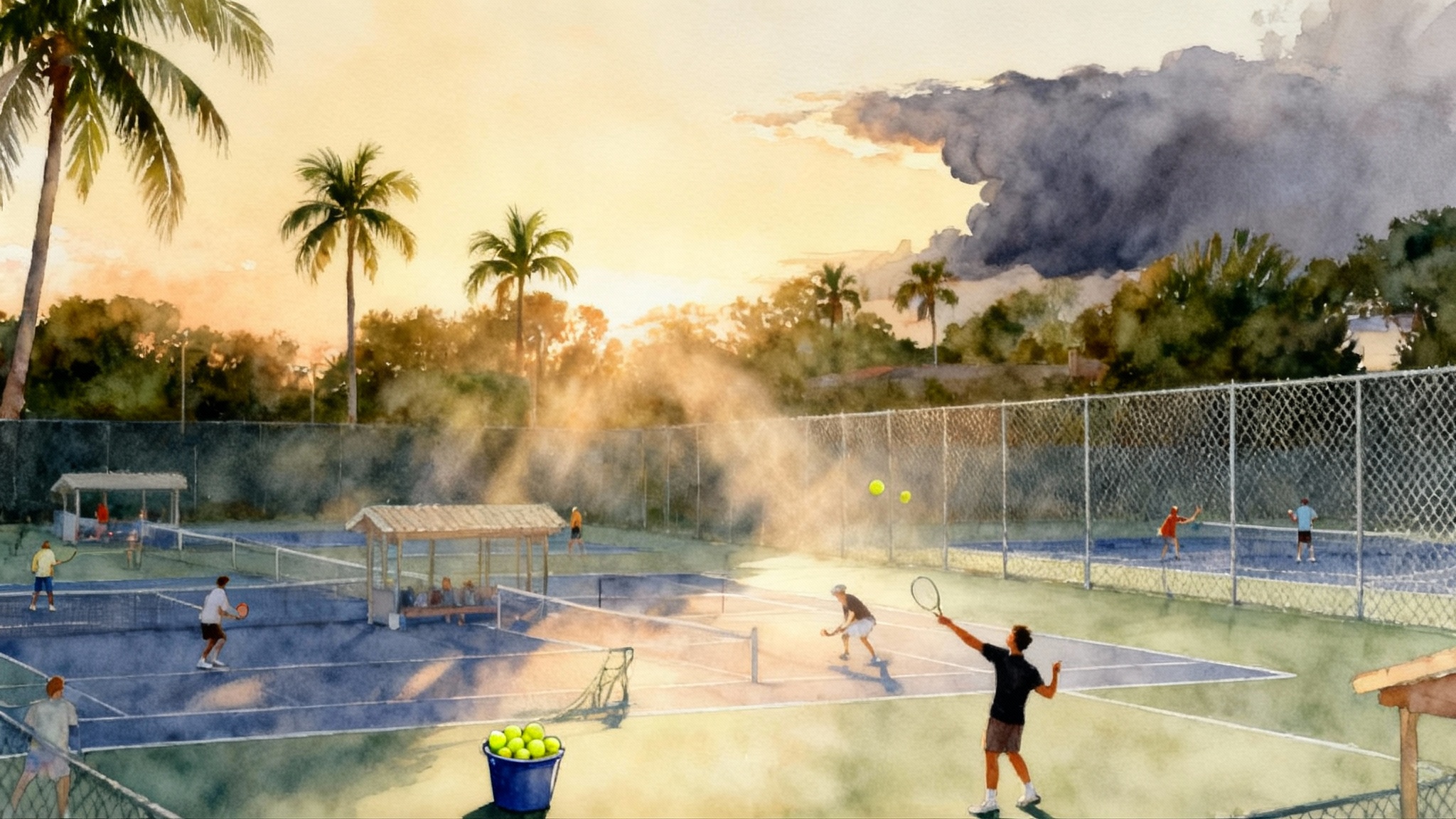
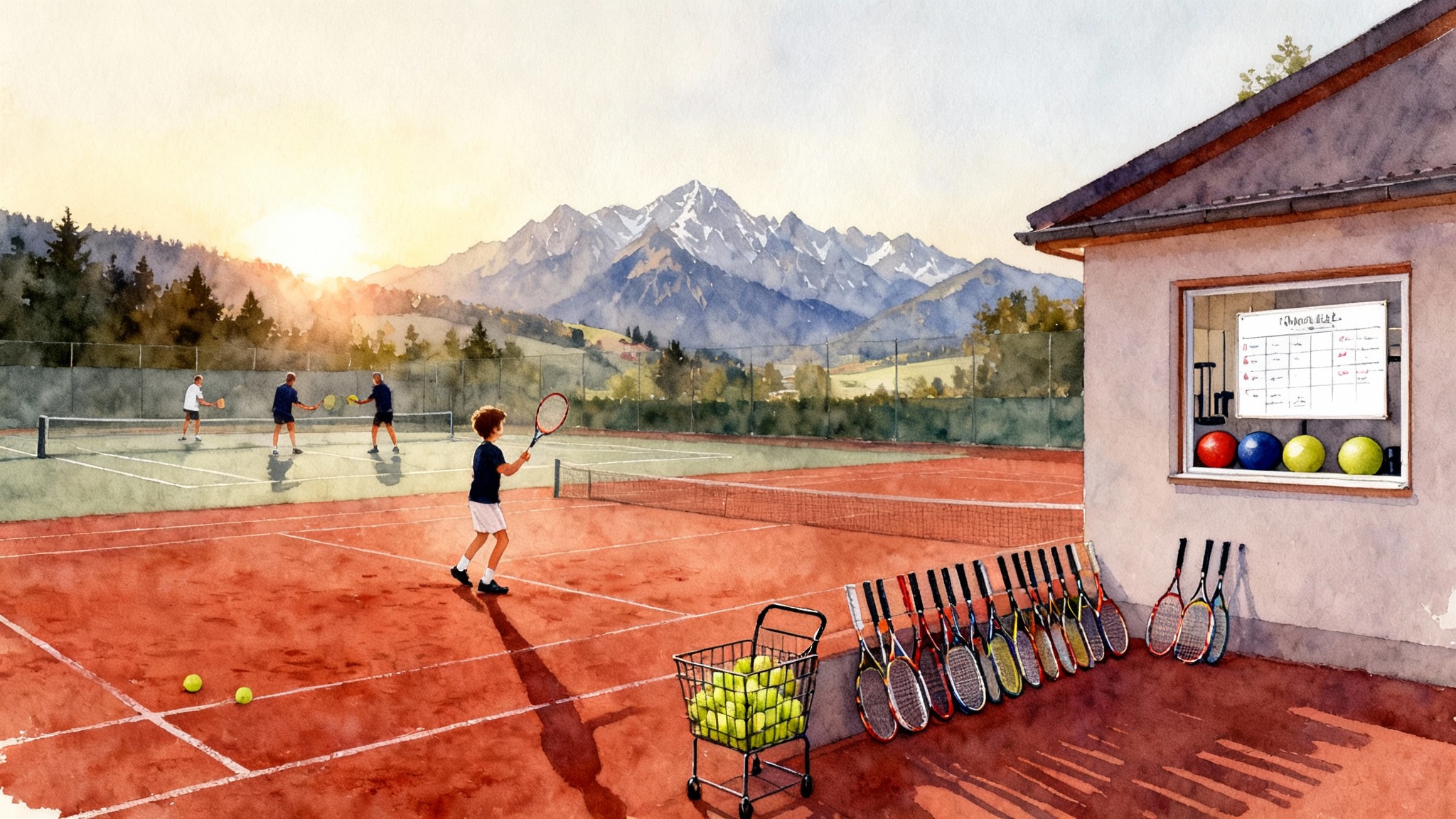
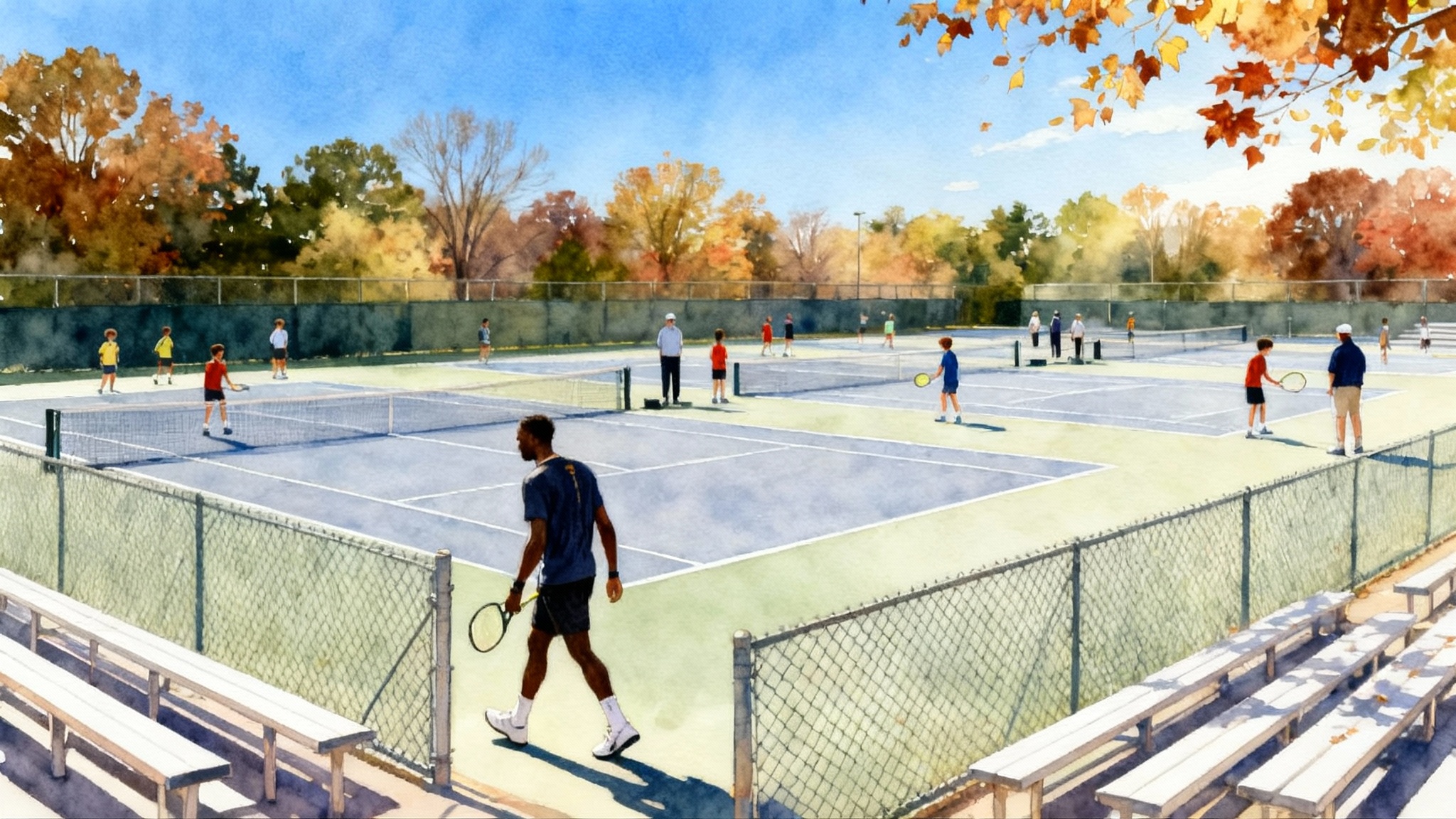
At Spartak, a typical court has three to six players sharing space. That might sound like crowded chaos. It is closer to a choir rehearsal. Everyone works the same scales, just at different volumes.
- Shared constraints create skill. When four players rotate crosscourt forehands, you do not get to choose every feed or tempo. You learn to read ball height, speed, and spin quickly, and you learn to adjust your feet without complaint. That builds decision speed, not just stroke speed.
- Peer pressure sets standards. If two players in your court hit ten serves in a row into a corridor target and you hit six, you know it without a lecture. The group becomes the mirror.
- Coaching attention multiplies. A coach can correct one player’s contact point and immediately cue the same fix to the other three. Everyone hears the same vocabulary, which keeps language consistent. Rhythm, height, and spacing become shared ideas, not mysterious talent.
For a young Rybakina, this meant her tall frame learned balance and spacing in traffic. Group work forced smooth footwork patterns, a quiet racquet takeback, and contact at repeatable heights. That is what you see when she takes the ball early now. There is no scramble. She finds the ball at the same spot again and again.
Limited on-court hours paired with heavy fitness
Spartak’s culture is famously strict with time. Court sessions are short. The point is not to ration tennis. The point is to concentrate intention. When you only have a narrow window with a basket of balls, you learn to value each repetition. You stop taking a casual swing just to fill a minute. You measure.
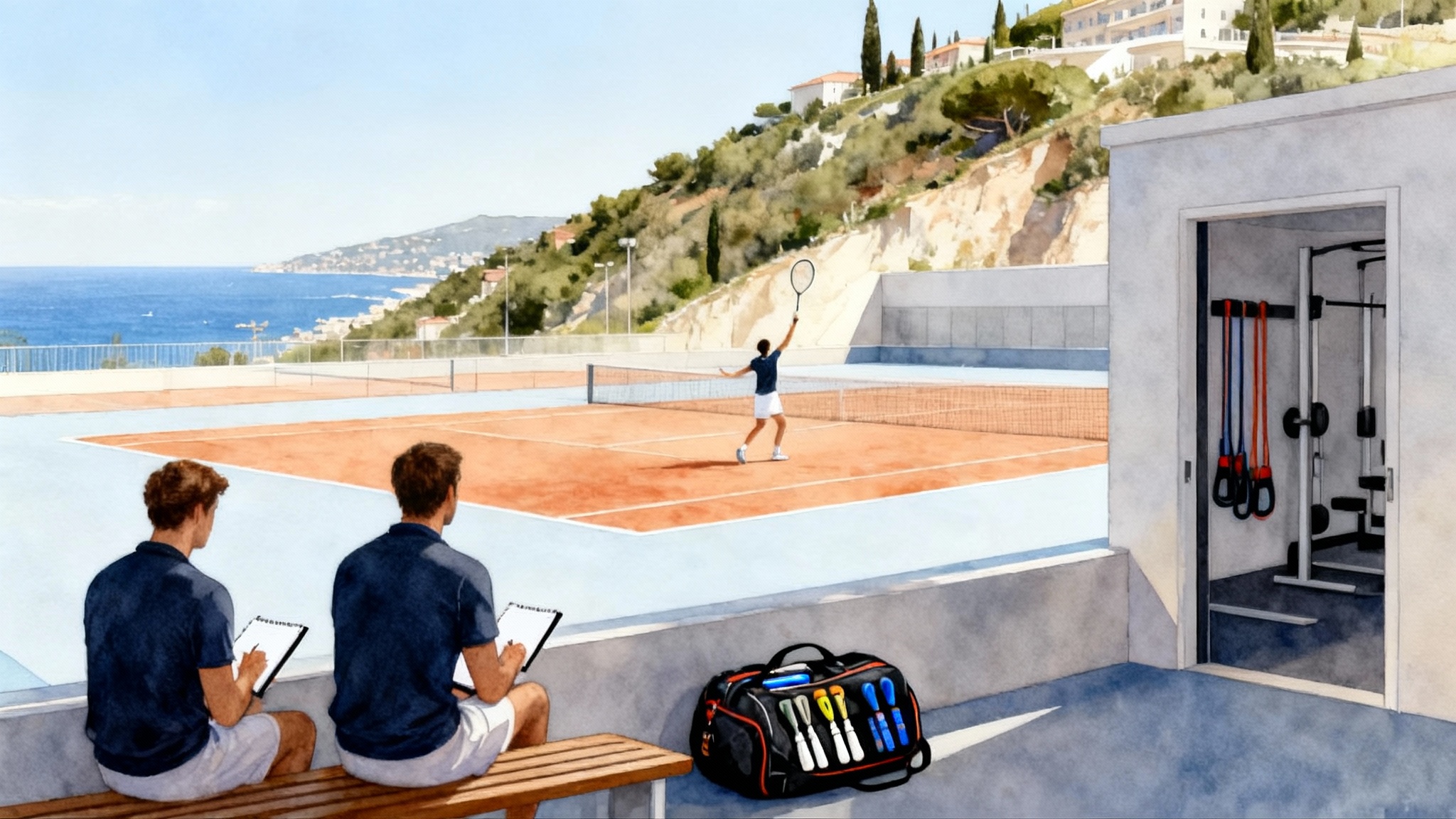
Off the court, the workload increases. Conditioning fills the time that private lessons do not. There is a clear logic:
- Technique needs energy. Clean mechanics collapse when an athlete is tired or weak. Conditioning gives the body the capacity to repeat the same shape hundreds of times without injury.
- Power comes from the ground. Jumps, sprints, and medicine ball work teach hips, knees, and ankles to load and unload like springs. That is why Rybakina’s serve looks powerful without strain. The lower body does the heavy lifting.
- Injury risk shrinks. Strong scapular muscles, mobile thoracic spine, stable hips, and elastic calves protect the kinetic chain that produces a serve and a forehand. Fitness is the insurance policy that keeps practice consistent.
A sample Spartak-style day for a teenage player might look like this:
- 45 minutes movement prep and strength circuits
- 75 minutes on-court in a group of four
- 30 minutes targeted serve and return segments
- 30 minutes mobility and recovery
That is enough tennis to improve quickly and enough training to make the improvement stick.
Fundamentals first: the boring choices that win big matches
Spartak tends to teach technique like a math problem. One variable at a time, then link the parts. Here are three fundamental choices that map directly to Rybakina’s current strengths:
- Contact height rules everything. Players learn to organize their feet to strike the ball between chest and shoulder on the rise. That allows an aggressive but safe swing path. When you see Rybakina taking the ball early, you are seeing this rule in action.
- A quiet upper body produces a loud ball. Fewer moving parts mean a swing that looks simple and travels fast. Her forehand and backhand backswings are compact, so the racquet arrives on time even against pace.
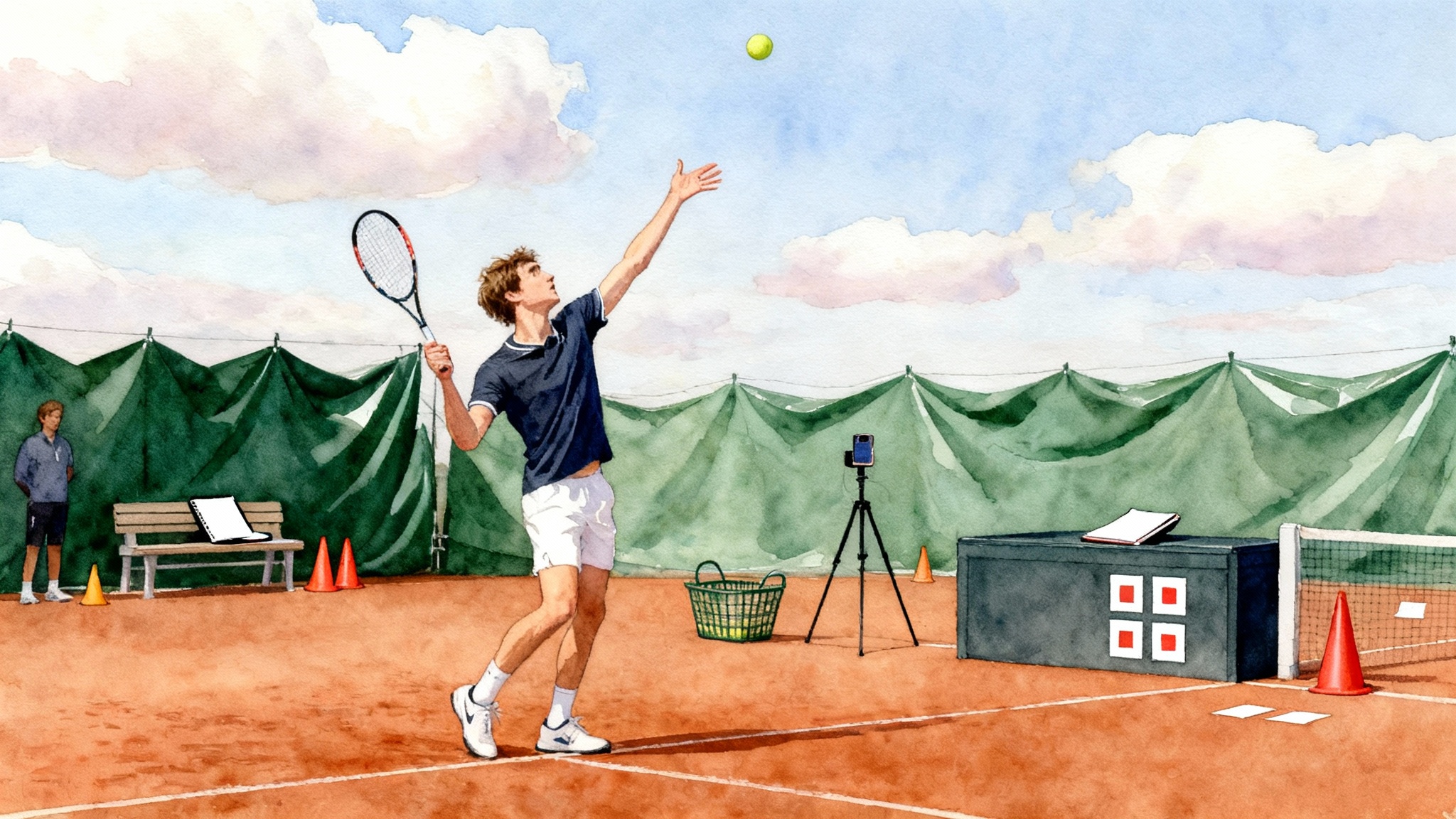
- Serve built from the legs up. The platform stance, steady toss, deep knee flex, and fast extension are drilled before chasing speed. Power is sequenced: legs, trunk, arm. That sequencing is why her serve can be a point starter and not just a free point hunter.
The 2018 decision: representing Kazakhstan as a resource choice
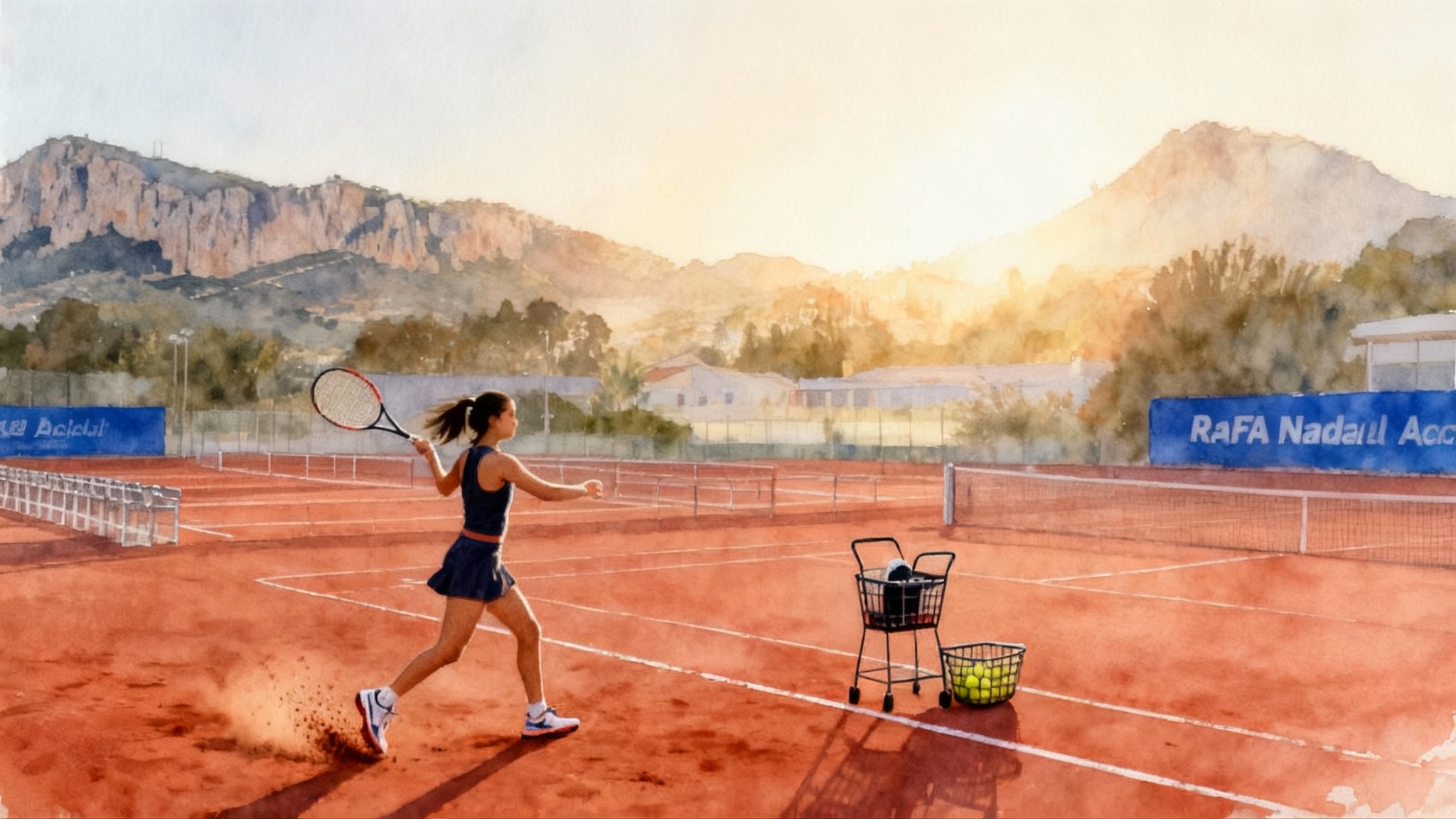
In 2018, Rybakina chose to represent Kazakhstan. The choice is often discussed as a nationality headline. In tennis terms it was a resource decision. She gained funding for travel, coaching, and a more ambitious schedule. She also gained access to a support network that allowed her to play more of the right events at the right time. For a player with strong foundations but limited exposure, that shift matters. A similar resource pivot features in Empire Tennis Academy and Kasatkina.
The immediate tennis effects were practical:
- A full calendar. More tournament entries and better planning meant she could ladder up in level without long gaps, which speeds learning.
- Staff continuity. Consistent coaching and fitness support turned good habits into routines.
- Medical and recovery resources. Treatment and monitoring kept training density high without pushing into breakdown.
The move did not change her technique. It changed the environment around it. A stable structure lets a simple game scale.
Coaching choices that sharpened an efficient power game
After 2018, Rybakina’s team emphasized specific, measurable parts of her identity:
- A serve-first pattern tree. First serve targets that set up clear next balls. T on the deuce to open a first-forehand to the backhand corner. Wide on the ad to create a backhand up the line. Second serve kick to the body to draw a short middle ball. The point starts with intent, not hope.
- Return position adjustments. She learned to stand a step inside or a step back based on serve speed and spin, not habit. The goal was to neutralize pace and keep rallies at her preferred contact height.
- Footwork economy. The cue was early load, small adjustment steps, and no wasted crossover if the ball could be taken with a shuffle. Less motion means earlier contact and less error.
- Measured aggression. The team tracked first strike success and rally tolerance separately. That kept her from swinging for a winner when a deep neutral ball would set up a better look.
Nothing in this list is flashy. It is a checklist you can repeat every week. That is exactly the point.
From Moscow habits to Centre Court success
Watching Rybakina at Wimbledon tells the story. Grass rewards first strike tennis. It also punishes poor footwork and low margins. Her serve sets points up. Her return keeps the ball out of the opponent’s strike zone. She redirects line with a firm wrist and minimal backswing. The ball does not travel faster because she is swinging harder. It travels faster because she meets it sooner, cleaner, and from a stronger base.
These are Spartak values expressed on a fast surface:
- Group-built anticipation helps on slick courts. When the bounce is low and the time is short, reading early is everything. Years of crowded drills trained the eyes.
- Low-hour precision means no panic in short matches. Grass demands quick starts. Players used to sampling their way into rhythm struggle. Players trained to hit the ground running thrive.
- Fitness underpins mechanics during nerves. Big moments tire the legs. When the legs stay strong, the arm stays relaxed.
What parents and young players can copy today
You cannot copy someone else’s genetics or height. You can copy their process. Here are concrete ways to bring Spartak logic into a normal week, with or without a large budget.
Training volume: how much is enough
- Ages 8 to 12: two or three group sessions per week of 60 to 90 minutes. One strength and movement session focused on coordination. One rest day with only light play.
- Ages 13 to 16: three or four group sessions of 75 to 105 minutes. Two structured strength and conditioning sessions. One serve-only session of 30 minutes. One full rest day.
- Ages 17 and up: four group sessions of 90 minutes. Two to three strength sessions. One targeted serve and return block of 45 minutes. At least one low-load day.
The rule is simple. If quality of contact drops, cut volume and raise quality the next day. Tennis rewards good repetitions, not big totals.
Group practice design: make the court teach
- Four players per court. Pair similar levels across from each other.
- Use traffic lights for intensity. Green for rhythm drills, yellow for controlled competition, red for point play under pressure.
- Drill example 1: crosscourt forehand ladder. Each player must hit six balls past the service line without missing before they can take a line change ball. Miss resets the count. First to complete three ladders rotates courts up.
- Drill example 2: return plus one. Server hits first serve to the backhand half only. Returner blocks crosscourt. Next ball must be deep middle. Point live from there. Track hold percentage and return points won.
- Drill example 3: survival tiebreak. Start at 3 to 3. Server declares target before each point. If the serve misses the declared box, server starts the next point at minus one. This trains both intention and tolerance.
Group practice should feel noisy and purposeful, not frantic. If balls spray, narrow the target. If rallies die short, call out height over the net and enforce it.
Serve development: a system, not a stunt
- Microprogressions. Split the serve into four checkpoints: toss height, knee load, reach timing, and pronation. Work one at a time in five minute blocks.
- Bucket of 60 rule. In every serve-only session hit 60 first serves and 30 second serves with a simple scoreboard. Record makes to each of three targets on deuce and ad. Keep a running log with date, court, and ball type.
- A safe second. Build a second serve with shape before speed. Aim at the body on big points. The goal is a predictable bounce that buys time for the next shot.
Fitness that protects and unlocks power
- Daily ten. After every practice, do ten minutes of shoulder care: band external rotations, scapular retractions, and thoracic mobility. Add ten minutes of hip and ankle mobility on lower body days.
- Two strength circuits per week. Squats or split squats, hinge pattern like deadlifts or hip bridges, single leg balance work, and anti-rotation core. Keep reps moderate and technique perfect.
- Jumps and sprints. Twice weekly, add three sets of five vertical jumps and six 15 meter sprints. Rest plenty. Power improves with sharp efforts, not volume.
Scheduling and resources: make smart, low-risk bets
- Build a simple budget. Break the year into travel, coaching, strings and equipment, and recovery. Track actuals against plan monthly. You cannot manage what you do not measure.
- Choose tournaments for learning, not just winning. Two events where you must stretch level beat four where you cruise.
- When to change environments. If your player cannot get consistent group practices at the right level, or if coaching language is inconsistent across sessions, consider a club or academy change. Stability and clarity are worth travel time.
- Staff in order of impact. Start with a technical coach who can teach clean contact and footwork language. Add a fitness coach when volume increases. Add a sport psychologist if match habits lag behind practice habits.
A sample week for a 15-year-old baseliner
- Monday: 75 minutes group practice, 30 minutes serve targets, 30 minutes strength
- Tuesday: 90 minutes group practice focused on return and first strike, 20 minutes mobility
- Wednesday: off-court day with 40 minutes aerobic work and 20 minutes shoulder and hip care
- Thursday: 90 minutes group practice, 30 minutes serve and return patterns
- Friday: 75 minutes group practice, 30 minutes strength, 10 minutes jumps and sprints
- Saturday: match play set morning, 30 minutes recovery afternoon
- Sunday: full rest
Track two numbers all week: first serve percentage and depth percentage on rally balls. Both should trend up over the month. If they do not, you are not building an efficient game.
Why this path fits Rybakina’s strengths
- Height and reach are only assets if contact is precise. Spartak’s quiet technique and contact-first footwork make those assets reliable under stress.
- A serve becomes a weapon when lower body and timing are trained together. Short on-court windows forced her to treat each serve as a planned action, not a habit.
- Group pressure builds resilience. When you train in front of peers, accountability becomes normal. On tour, that habit becomes resilience.
Put the pieces together and you get Rybakina’s defining traits: measured first strikes, calm returns that keep the ball out of the opponent’s strike zone, and a serve that starts points on her terms.
What families should remember
- Quality beats quantity when technique is still forming. Limit court time to the amount your player can execute with full attention.
- A good group is a force multiplier. Look for practices where players are challenged by peers and coaches use the same language across courts.
- Fitness is not a luxury. It is the foundation that protects technique and allows true power to appear.
- Resource choices matter. If a federation or academy can offer structure and continuity your current setup cannot, treat that as a business decision. The right environment turns good habits into a career.
Conclusion: from a crowded court to Centre Court
Spartak’s recipe is not glamorous. It is rigorous. Group training creates shared standards. Limited on-court hours force intention. Fitness builds a body that can repeat clean mechanics under stress. Rybakina took that package, made a clear resource decision in 2018, organized a team around her identity, and built a serve-led, efficient power game that travels to every surface.
Families do not need a famous address to borrow this playbook. Start with a small court window and make every ball count. Train with others who push your standards. Build strength and mobility so your strokes survive nerves. Schedule with purpose and invest in stability. If you do, the road from a busy club court to the biggest stages will not feel like a leap. It will feel like the next reasonable step.