From Belgrade to Oberschleißheim: How Pilic Built Djokovic
Novak Djokovic’s pathway began in Belgrade with Jelena Genčić, then shifted in 1999 to Niki Pilic’s academy near Munich. After Pilic’s 2025 passing, we examine the methods that forged Novak and offer concrete guidance for parents.
 Tommy
Tommy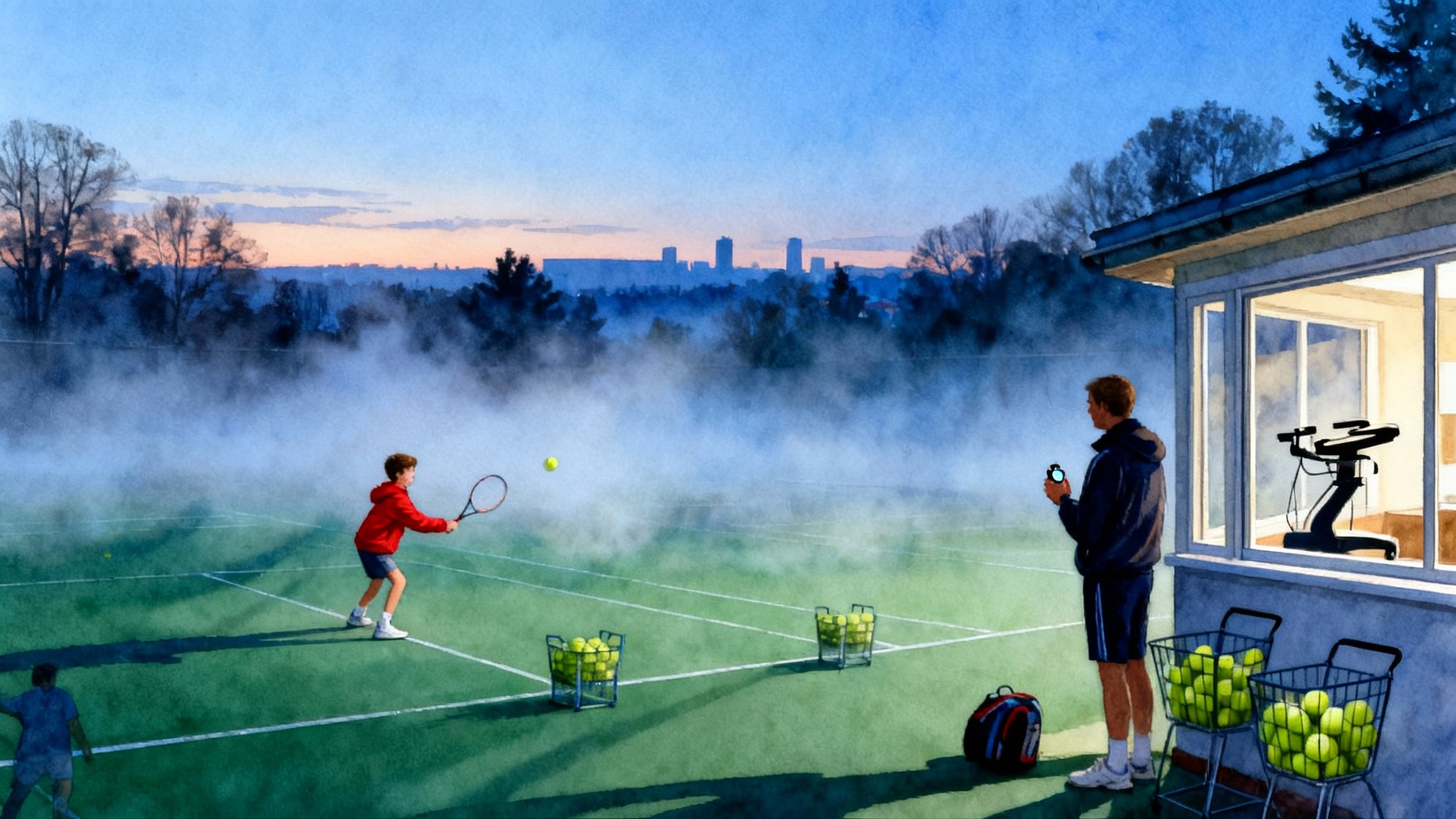
The road from Belgrade to Oberschleißheim
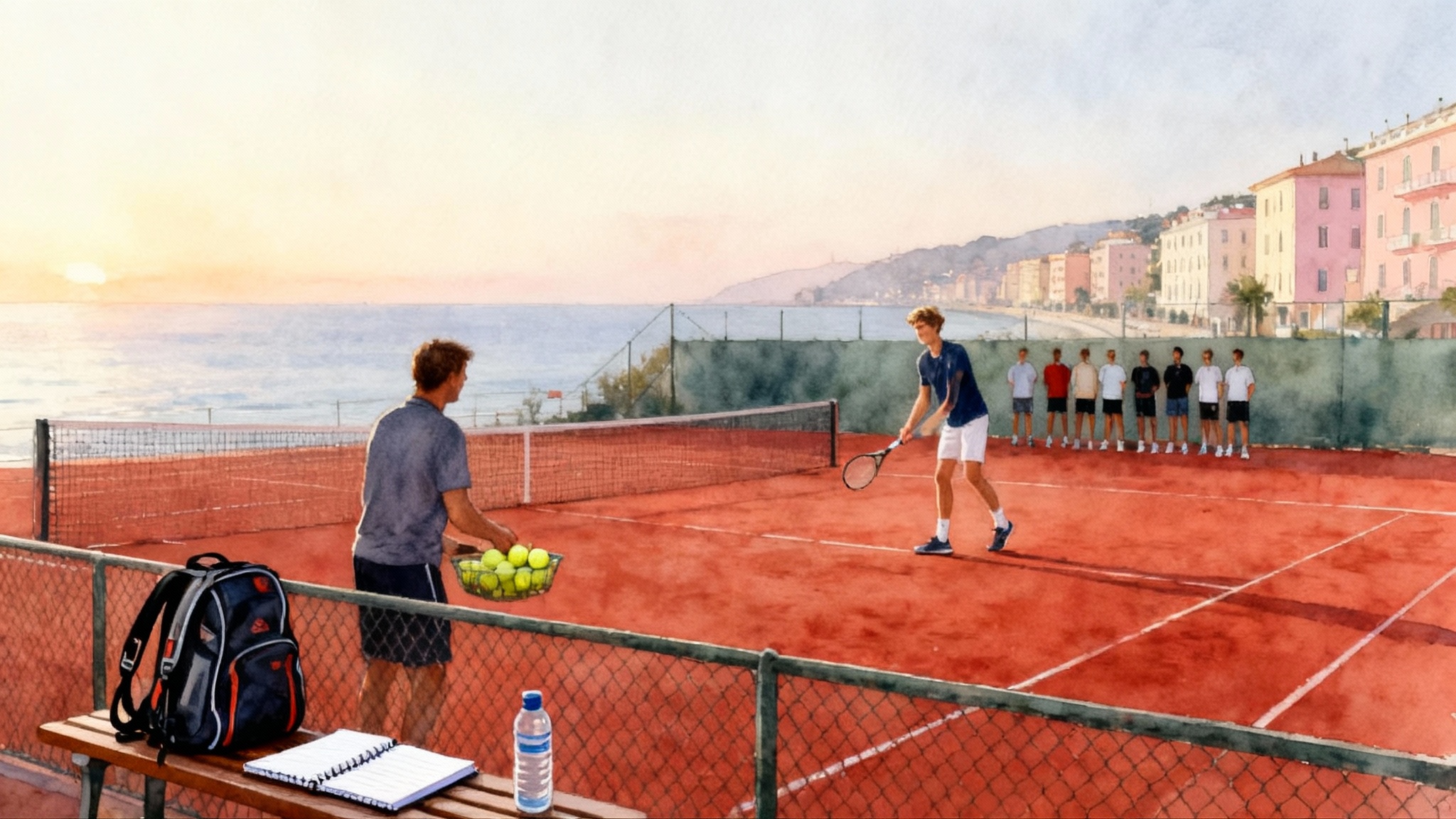
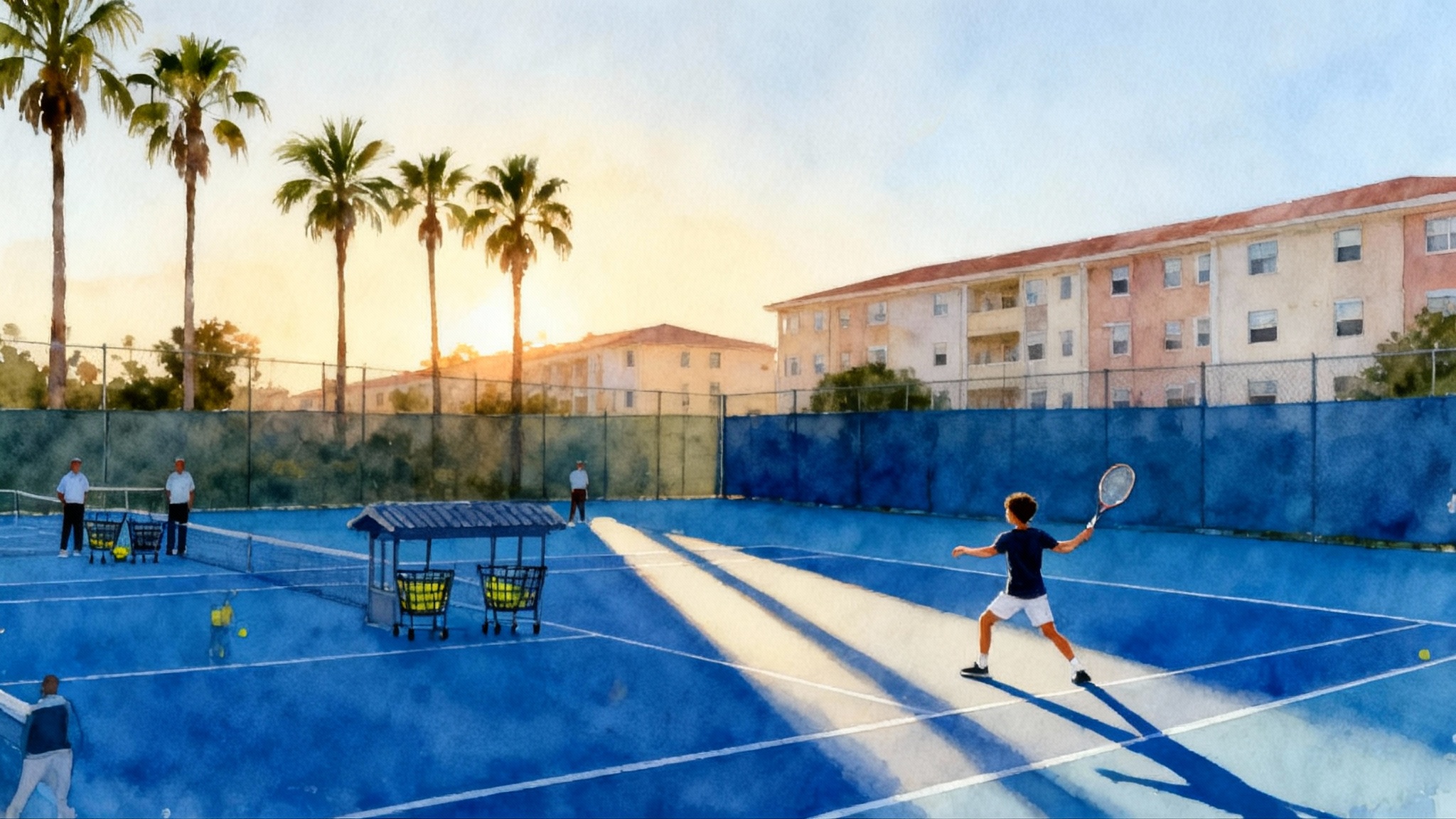
Every great tennis career has a branching path that looks obvious only in hindsight. For Novak Djokovic, the early fork came in Belgrade with Jelena Genčić, the educator‑coach who taught him the language of footwork, timing, and curiosity. The next fork appeared during the turmoil of 1999 when his family weighed a hard choice: stay home and risk stagnation, or let a 12‑year‑old leave for a stricter, deeper competitive environment. They chose the second option. That September, guided by Genčić, Djokovic began training at Niki Pilic’s academy in Oberschleißheim on the northern edge of Munich, a decision the player’s camp has described publicly as the hinge that moved him from local prodigy to international prospect. You can find this timeline on Djokovic’s official site detailing Djokovic’s 1999 move to Munich, including how he shuttled between Serbia and Munich in his early teens rather than relocating full time at once.
We have explored similar arcs, including how Piatti shaped Sinner, where structure and mentorship turned potential into progress.
What Pilic’s academy actually did differently
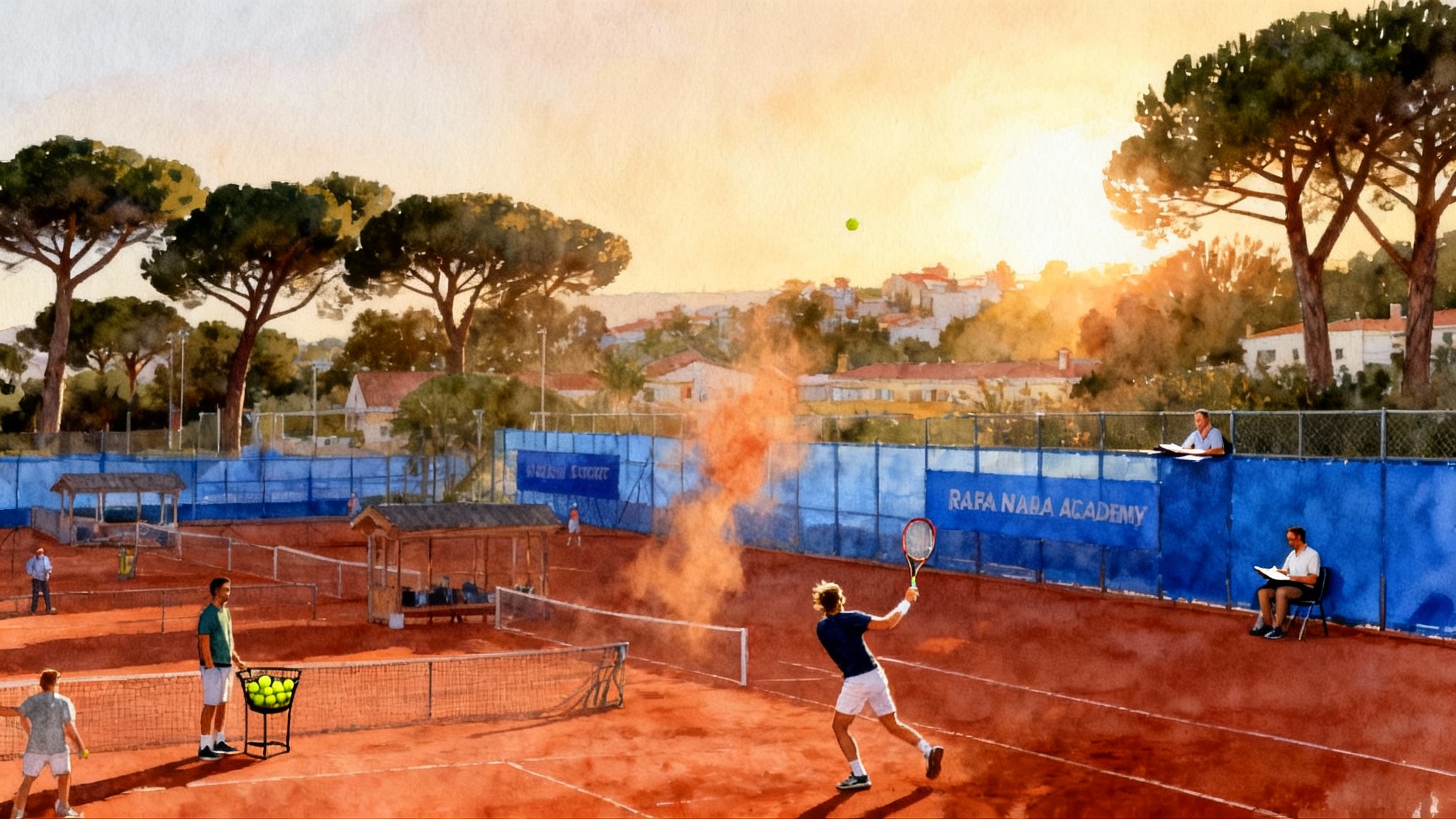
Talking about discipline is easy. Building a working system around it is hard. At Oberschleißheim, discipline showed up in plain ways that left marks on habits.
- Time was a tool. Sessions started when the clock struck, not when players felt ready. That simple rule forced punctuality and predictable warmups. Punctuality is not just politeness in an academy. It protects volume. Ten minutes saved per session becomes almost an extra hour of work by week’s end.
- The court stayed tidy. Balls were rotated on schedule, baskets were refilled before they emptied, grips were changed ahead of failure. A clean workspace lowered friction and raised the bar for focus.
- Feedback was short and specific. A coach might say, “Load your right leg earlier,” or “Change your return target to deep middle for two games,” rather than general encouragement. Specific feedback can be measured and repeated. General praise cannot.
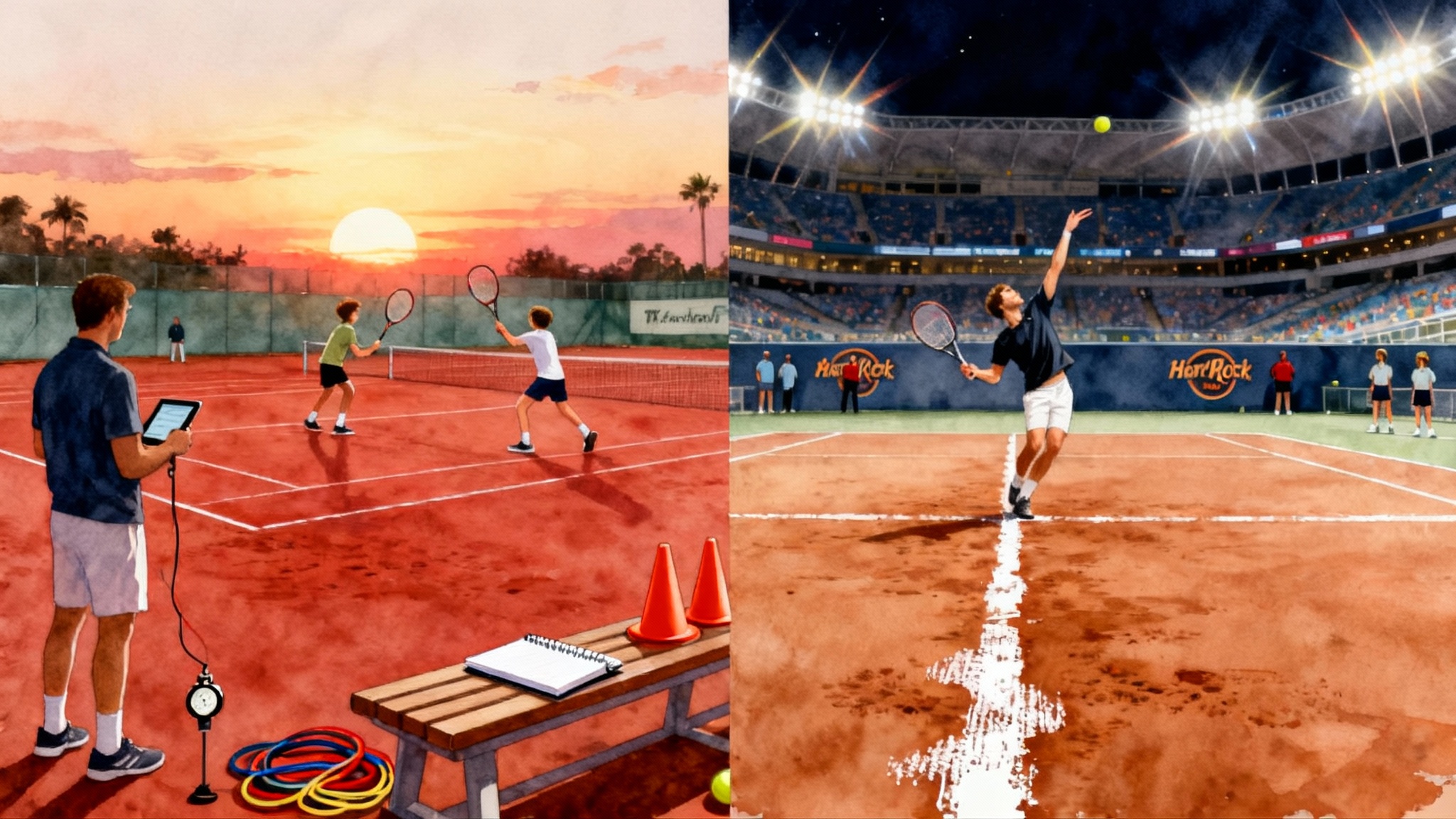
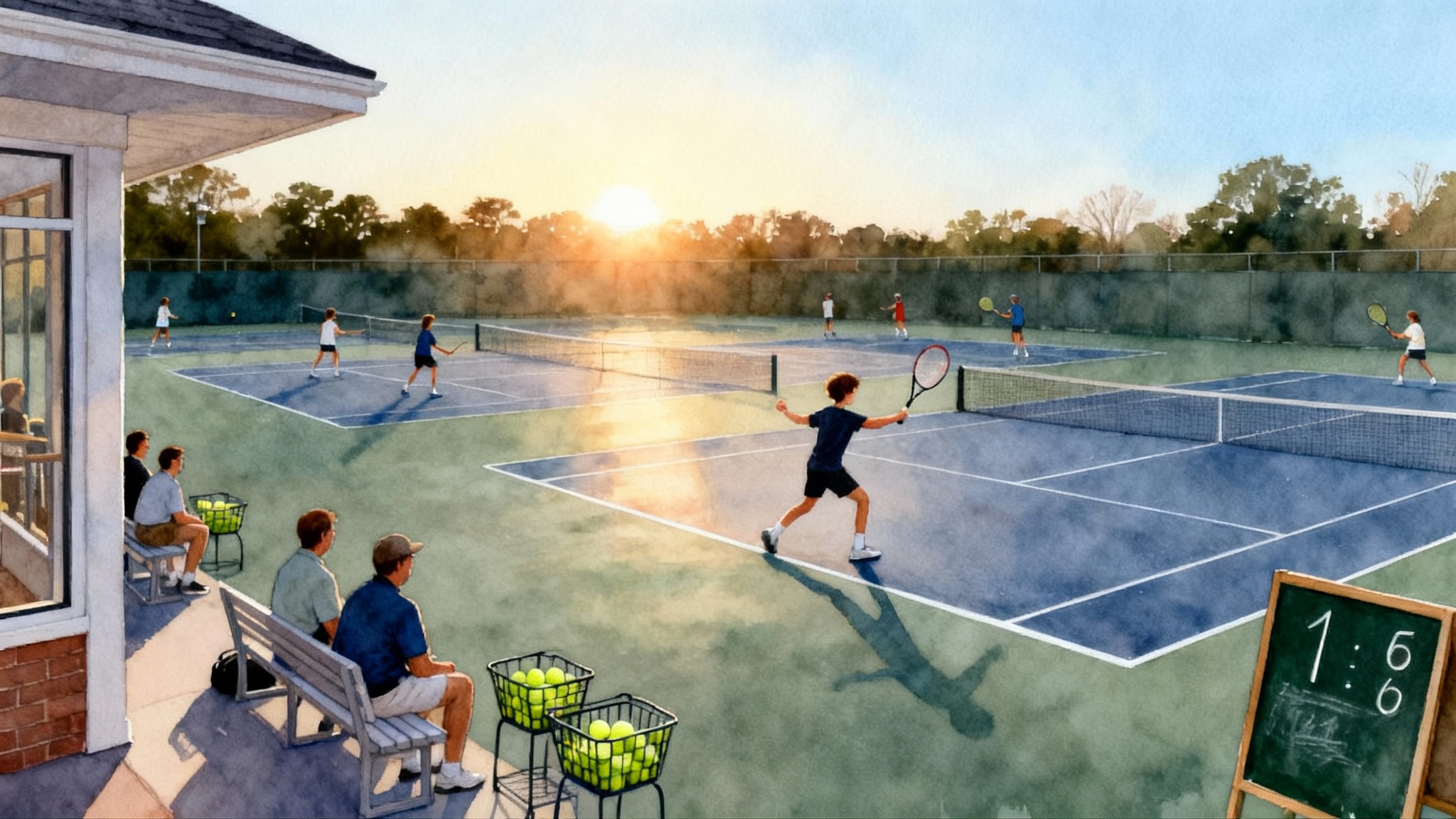
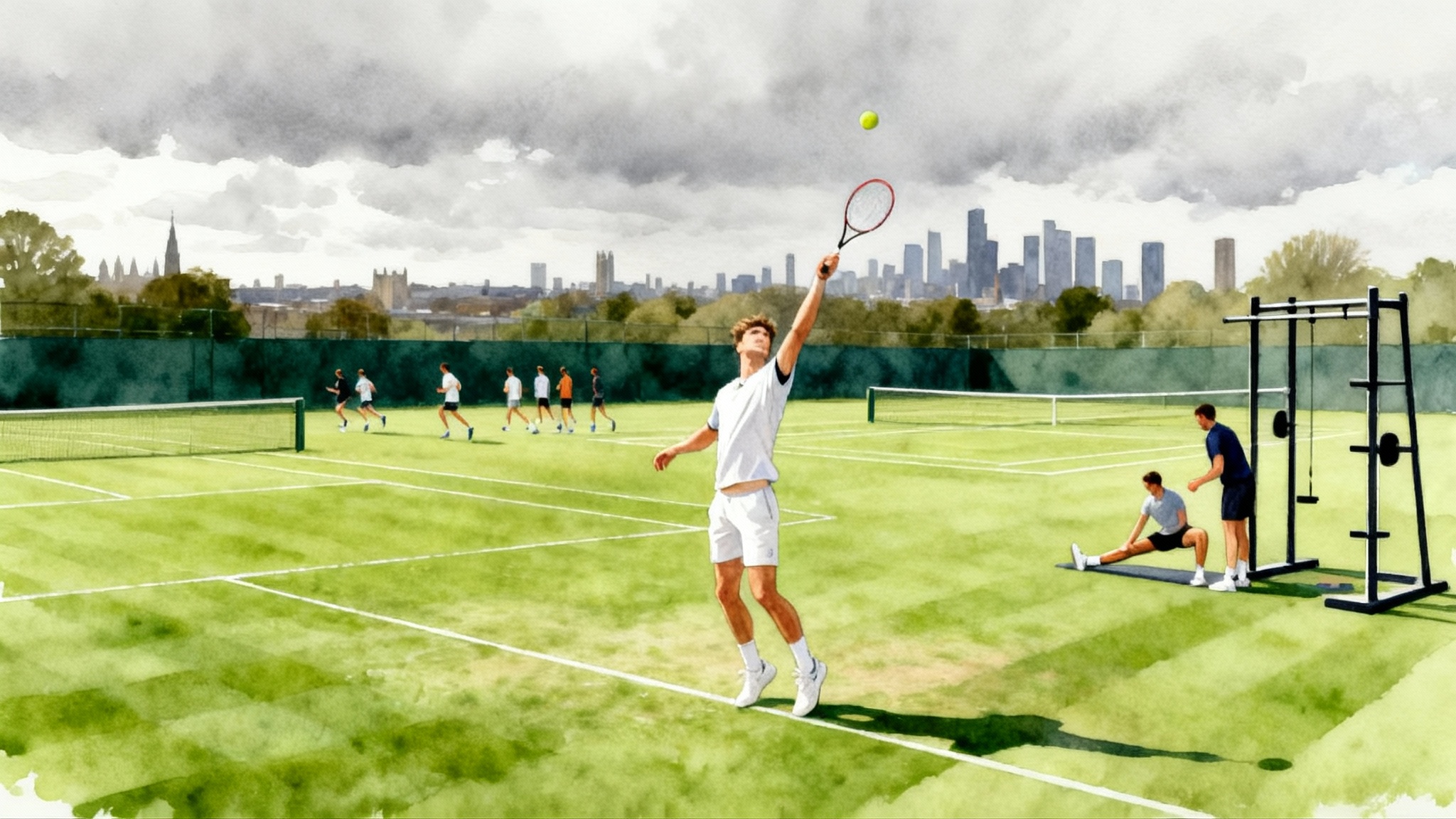
Under that roof, a typical day for a serious junior had two anchors. The first anchor was multi‑hour on‑court work in focused blocks. The second anchor was structured physical training. Blocks were often built around one of four outcomes: serve accuracy under fatigue, return depth through the middle, crosscourt backhand quality at shoulder height, or transition patterns that forced a player to finish points at the net. On the fitness side, sessions blended movement quality, core stiffness, and repeat sprint ability. Instead of chasing exhaustion, they pursued repeatable intensity. The idea was simple: technique survives only if the engine underneath it is durable. For extra detail on serve work, see our guide to serve technique and drills.
Two small details mattered more than they look on paper:
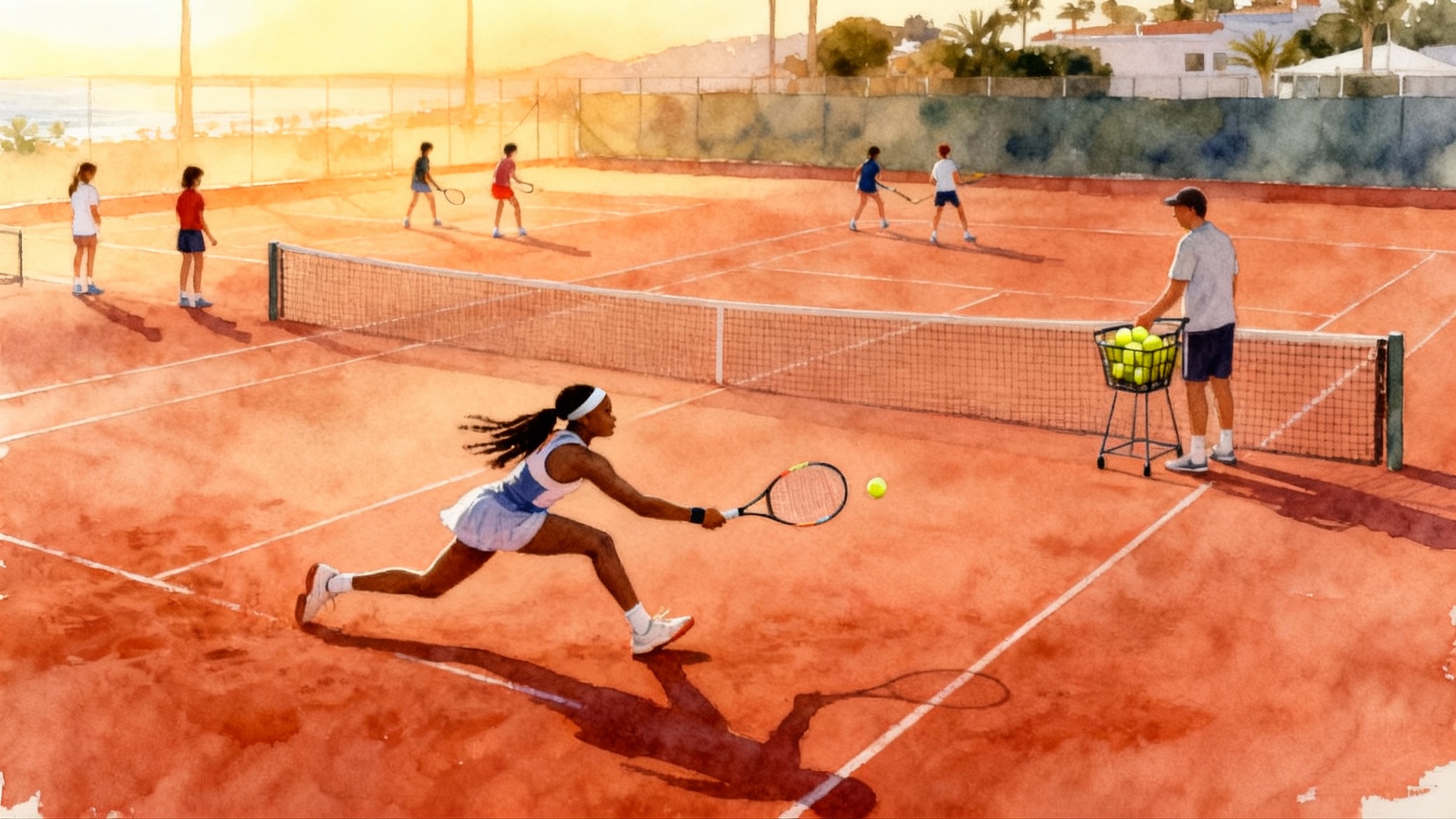
- Micro‑breaks and block length. Technical blocks rarely dragged into the zone where focus blurs. Players worked intensely for a set window, took a short recovery, and either repeated the same block or shifted to the complementary skill. It is easier to build precision and confidence when repetitions live inside well‑defined containers.
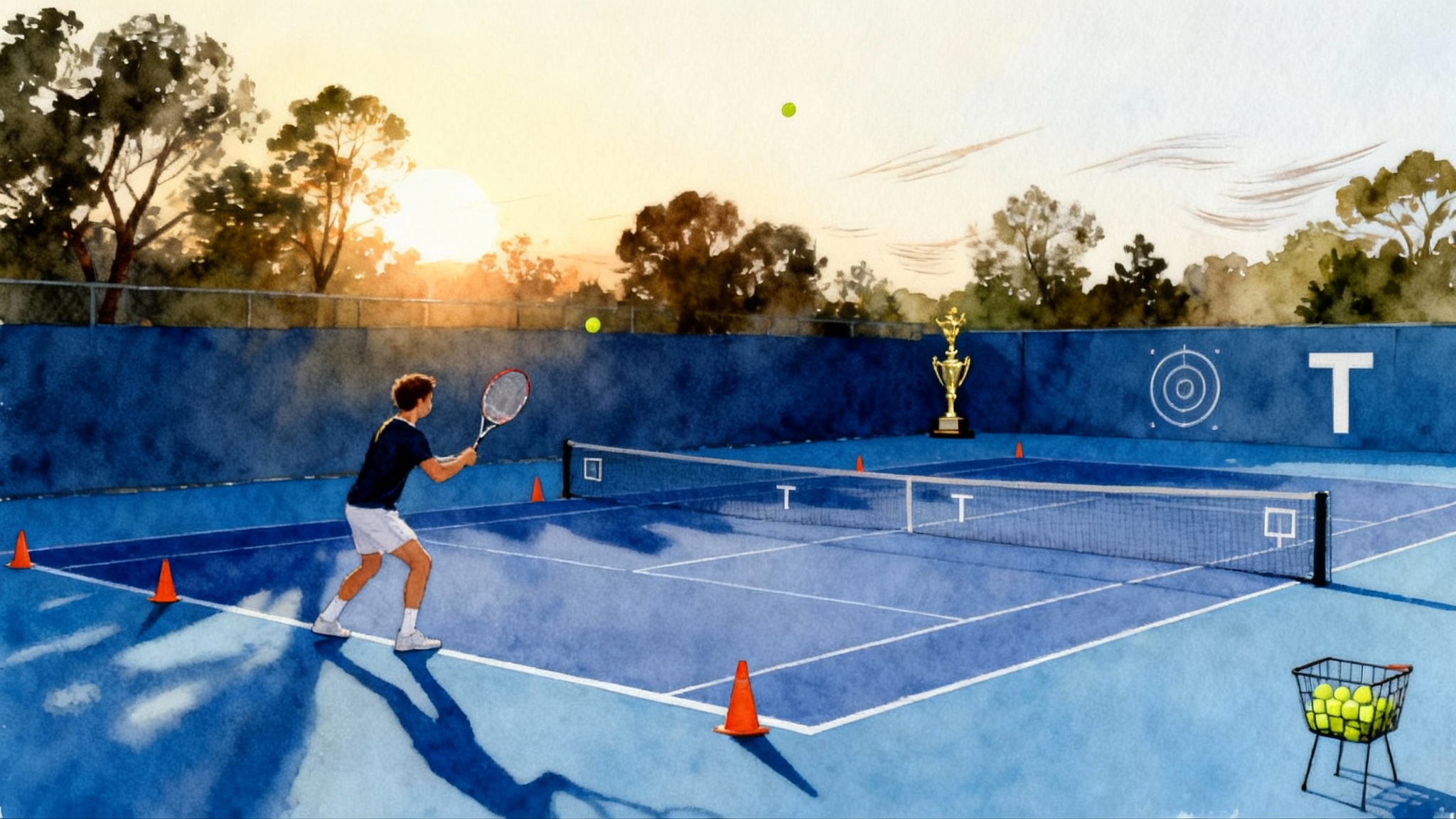
- Scoring inside practice. Many days ended not with feeding but with competitive formats that started in stress. Players would begin return games at 30 all, play tiebreak clusters to 5 to heighten urgency, or run serve targets where misses carried real consequences for the next drill. If pressure never touches practice, it will ambush match day.
The return that changed the sport
Djokovic’s return is often described as a gift. It is more like a well‑built chain. Pilic’s groups trained that chain link by link, then stitched it together.
- The read. The athlete learned to gather information before the ball left the strings: the ball toss line, the shoulder turn, and the rhythm of the service motion. The serve gives away more than most juniors realize. Teaching players to notice early reduces the distance they must travel after contact.
- The first step. Many young returners jump forward too soon and get jammed by body serves. A delayed split step that lands on the server’s contact beat gives the returner options. With weight centered, the player breaks left or right without crossing feet.
- The contact. A compact backswing and long through‑line create stability. The racket meets the ball in front, chest quiet, shoulders doing the work. That simple picture prevents the panicked flick that dies in the net.
- The target. Deep middle first. Corners later. Deep balls up the center strip steal time and shrink angles. Once servers feel the court close in, the returner can change directions for damage.
Practices layered those links in escalating formats: shadow swings, fed serves to one location only, live serves with scoring, then match play with return games that begin already behind in the count. The method sounds simple. That is the point. It is repeatable. It is measurable. And it teaches a junior that control does not mean gentle. It means choices.
Toughness by design, not by myth
Resilience is often sold as a personality trait. In tennis it is a skill set built piece by piece. The Pilic environment taught resilience with mechanisms, not slogans.
- Volume with boundaries. The court hours were high, but they were not endless. Finishing on a quality rep beats chasing a last ball that unravels mechanics. Juniors learned that stopping well today buys progress tomorrow.
- Awareness of energy. Players tracked sleep, hydration, and soreness. Recovery was not a treat after winning. It was the ticket to the next good session. That mindset allowed Djokovic to repeat hard things more often than his peers.
- Honest communication. If the inside‑out forehand drifted short under pressure, the next day did not bury it under feel‑good drills. It returned to the front of the queue. Repetition without avoidance is the fastest path to confidence.
Seen through that lens, Djokovic’s later professionalism looks less like destiny and more like habits that hardened early. Stringing on schedule, knowing his nutrition, warming up on a script, prioritizing sleep on travel days, and keeping a stable inner circle were all extensions of academy life.
Competition planning that matched the training
Training writes checks that tournaments must cash. Pilic’s groups treated the calendar as part of the curriculum.
- Blocks with a point. Two to three weeks might emphasize return depth and defensive movement. The tournament that followed would include a specific goal, such as winning more points than the opponent on second‑serve return games regardless of the match outcome. It is hard to improve what you never measure.
- Age and level stretching. Juniors sometimes played older or entered qualifying draws even when direct acceptance was possible. Fighting for a place sharpened urgency and humility. Winning is not the only signal. Game quality under pressure is.
- Scheduled breathers. Weeks without competition were not a failing grade. They gave space for technical work and let the nervous system deflate. Parents often fear lost momentum. In reality, a young body needs planned troughs to avoid breaking.
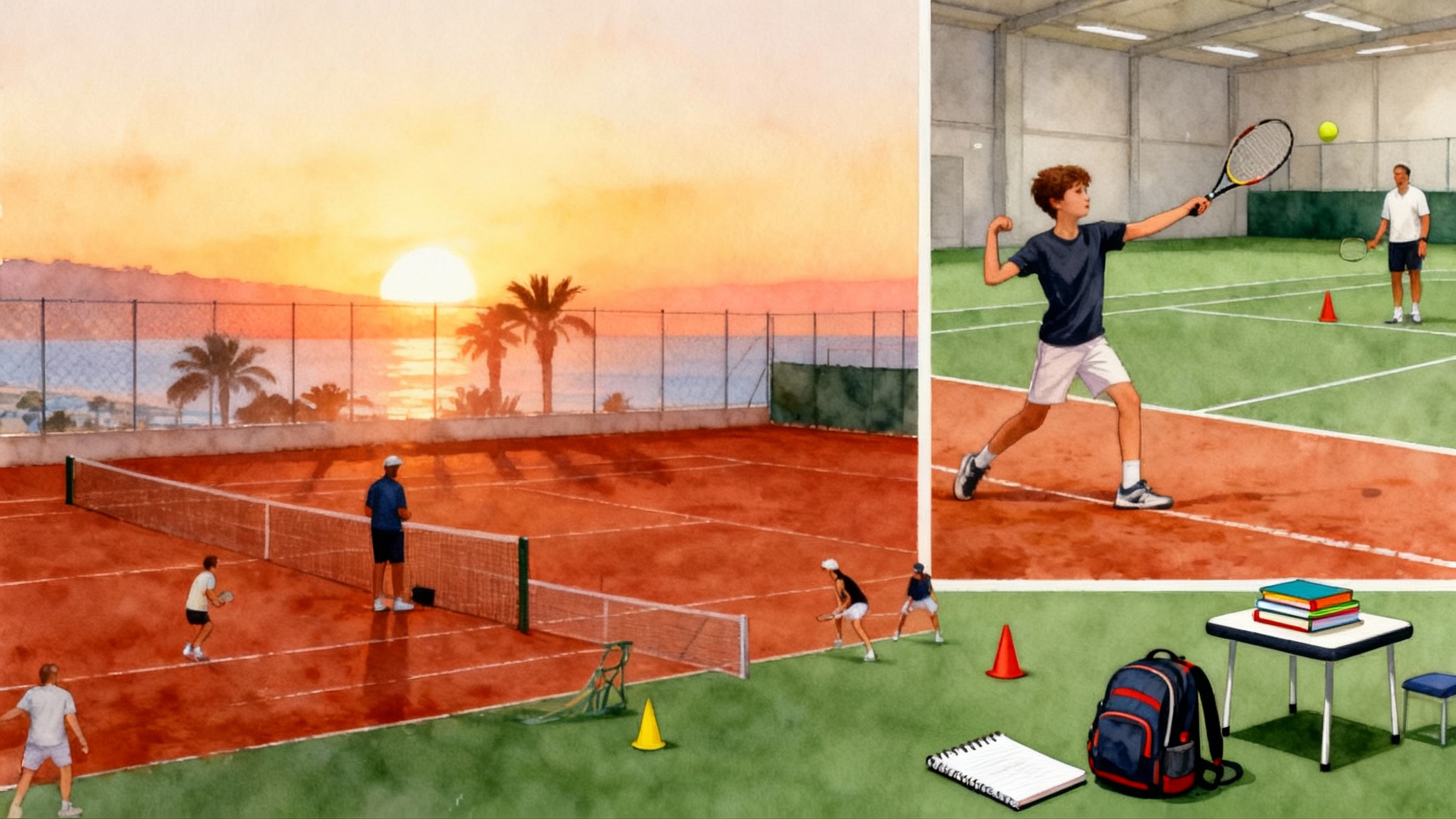
Djokovic’s family also solved a real‑world problem that many families face: how to pay for progress. Instead of relocating permanently, they used rotation. Novak spent a block in Germany, then returned to Serbia for school and family life before the next block. Over time, the ratio shifted toward more days at the academy as results and readiness justified the investment. This approach, documented by his own team, balanced immersion with stability and kept academics from becoming a casualty of ambition.
Mentorship that felt like family
Players call coaches many things. Djokovic called Jelena Genčić his tennis mother and Niki Pilic his tennis father. The label matters because it reflects the nature of the mentorship. Pilic’s style mixed clear standards with human steadiness. He was demanding about punctuality, preparation, and accountability. He was patient with the wobble any teenager brings to a tough week.
That combination shaped Djokovic’s professionalism. A pro is not just someone who hits like a pro. It is someone who behaves like a pro when no one is watching: getting to the gym on time, doing the last repetition when the room is quiet, and logging the recovery work even after a win. A pro is also someone who can hear difficult feedback without eroding confidence. Pilic’s environment normalized that kind of message.
Pilic’s passing and a legacy now carried forward
On September 22, 2025, Niki Pilic died at the age of 86. The tributes that followed spoke both to his playing career and to his influence on generations of athletes. Official remembrance noted his academy in Oberschleißheim and his role in shaping Djokovic’s formative years. For a concise summary from the men’s tour, see the ATP obituary for Pilic.
What should parents and coaches take from his legacy, beyond the headlines and the trophies he helped collect for national teams and individuals?
Practical lessons for parents deciding whether to move abroad
A move abroad is not a magic spell. It is a tool to solve specific problems. These questions can help families make that choice with clarity.
- Is your child outgrowing local competition and coaching right now?
- What to do: Track match data for 10 to 12 events. If your player wins easily without being pushed to a Plan B, they are not acquiring the adversity they need. If they are stretched weekly and still improving, local options may be enough for another year.
- Do you have a realistic picture of the academy’s day, not just its marketing?
- What to do: Ask for a sample week in writing. It should show on‑court hours, off‑court training, injury prevention, and match play. Ask whether sessions start on exact times and whether players are grouped by objective or only by age. A precise schedule is a signal of a precise culture.
- Can the academy articulate how training links to competition?
- What to do: Request two recent examples of training blocks and the tournament goals they fed. If staff cannot describe that link, your child may get volume without intent.
- How will you handle schooling without turning it into a battle?
- What to do: Plan the school piece before you sign. If you will rotate between home and academy, coordinate with teachers so assignments can travel. Explore blended or online options with a real course map rather than a vague promise. Set check‑ins with a counselor every four to six weeks during heavy travel.
- What is the plan for motivation during the grind months?
- What to do: Set process goals the player controls, such as return depth or serve first‑ball percentage, instead of ranking goals. Celebrate completion of a block with something small and consistent. Rotate practice partners to keep variety without losing structure.
- Can you finance the journey without unsustainable strain?
- What to do: Build a full‑year budget that includes travel, strings, medical visits, and a cushion for surprise expenses. Consider shorter blocks first. If the results and the child’s readiness justify it, increase time at the academy the following term.
- How will you monitor health and prevent overuse?
- What to do: Ask the academy to share its injury‑prevention plan. There should be specific screens for shoulder, wrist, hip, and lower back. The plan should include progressive loading for serves and a red‑flag system that pauses volume when pain appears.
For readers considering options in Germany today, study the standards and small‑group model at ToBe Tennis Academy in Germany as a useful comparison point.
What to look for inside an academy
Not all academies are equal. Here is a checklist of ingredients that mattered at Pilic’s academy and still matter anywhere.
- Clear standards. Sessions start at fixed times. Players are expected to arrive early and warm up together.
- Intentional grouping. Players are grouped by objective and level, not just age. A middle‑sized player working on return depth might be grouped with two bigger servers to stress that skill.
- Measurable drills. Targets, counts, and scoring live in most blocks. Coaches track them over weeks, not days.
- Integrated fitness. Off‑court work is not an optional add‑on. It is part of the schedule with qualified staff who communicate with the on‑court coaches.
- Honest communication. Feedback is concise and specific. Coaches can explain what they are doing and why, in language a teenager understands.
- Tournament plan. The staff helps design a calendar that alternates stretch events with confidence‑building events, and it includes recovery windows.
- Education plan. The academy knows how to cooperate with schools and can cite examples of students who kept pace academically.
If a tour convinces you with charisma but cannot produce details, keep looking.
How to keep school and sport aligned during high‑intensity phases
The goal is not to pick tennis or school. It is to build a system where each supports the other.
- Use rotation intelligently. Two months abroad and one month at home can preserve family ties and let a child reset mentally. It also lowers costs and reduces the risk of burnout. As the athlete and results grow, increase the academy blocks.
- Translate tennis work into academic credit where possible. Some schools accept fitness and nutrition plans or travel logs as part of physical education. Document the work carefully and submit on schedule.
- Protect study habits as routines. Create a recurring study block at the same time each day. Pack reading and writing for travel days. Remove decisions by making the plan automatic.
- Track cognitive load. After a double‑session day, a lighter study period still counts. Quality beats hours for both tennis and school.
Why this pathway still applies
Not every player will become Djokovic. That is not the point. The point is that the same mechanisms scale to many levels.
- The return chain is teachable to a 14‑year‑old and to a 24‑year‑old. The cues adjust, the logic does not.
- Discipline on the clock and in recovery is a competitive edge at every level because it compounds over weeks and years.
- Rotational planning for training blocks and tournaments is a simple way to avoid the twin traps of overexposure and rust.
For another case study in academy‑led development, see how Nadal Academy built Ruud.
A short guide you can use next week
- Choose one technical priority for the next two weeks. Write it on paper. Design three drills that measure it. Put a number on success.
- Add two return formats to your weekly practice. One fed, one live, both with scoring. Do not finish until you have strung together three quality sequences in a row.
- Schedule your month, not your day. Mark heavy weeks, light weeks, and travel. Protect one full day off each week.
- Audit your routines. What time do you arrive on court, start your dynamic warmup, string your rackets, and begin recovery? Tighten each by 10 percent.
- If you are a parent, ask your player to explain one thing they worked on today in seven words or fewer. If they cannot, your environment is not specific enough.
Closing thought
From Belgrade’s cracked courts to the quiet efficiency of Oberschleißheim, Novak Djokovic’s pathway shows that greatness is rarely a mystery. It is a structure. Jelena Genčić lit the spark. Niki Pilic built the workshop where hours, habits, and honesty could turn potential into a professional. For parents and young players facing the same fork in the road, the lesson is refreshingly concrete. Build the right environment, move when need and readiness align, and make every block of work measurable. The results will not appear in a week. They will, however, have somewhere to show up.