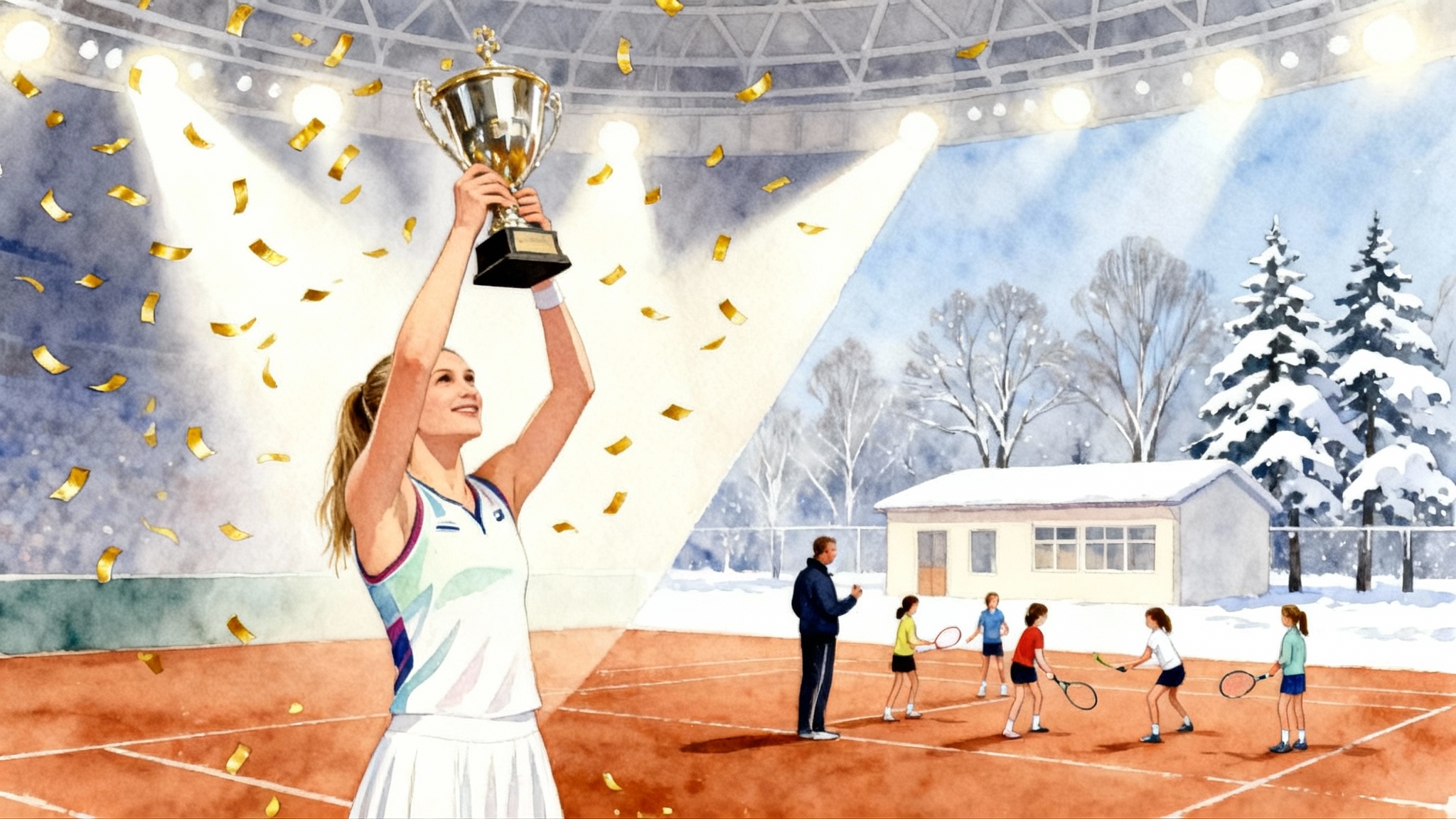
From Prostějov to Miami: TK Agrofert and Menšík’s Masters Win
How TK Agrofert Prostějov’s clay-first, pro sparring with coach Tomáš Josefus, mental work with Dragan Vujović and data-led serving turned Jakub Menšík into a 2025 Miami Open champion over Novak Djokovic.
 Tommy
Tommy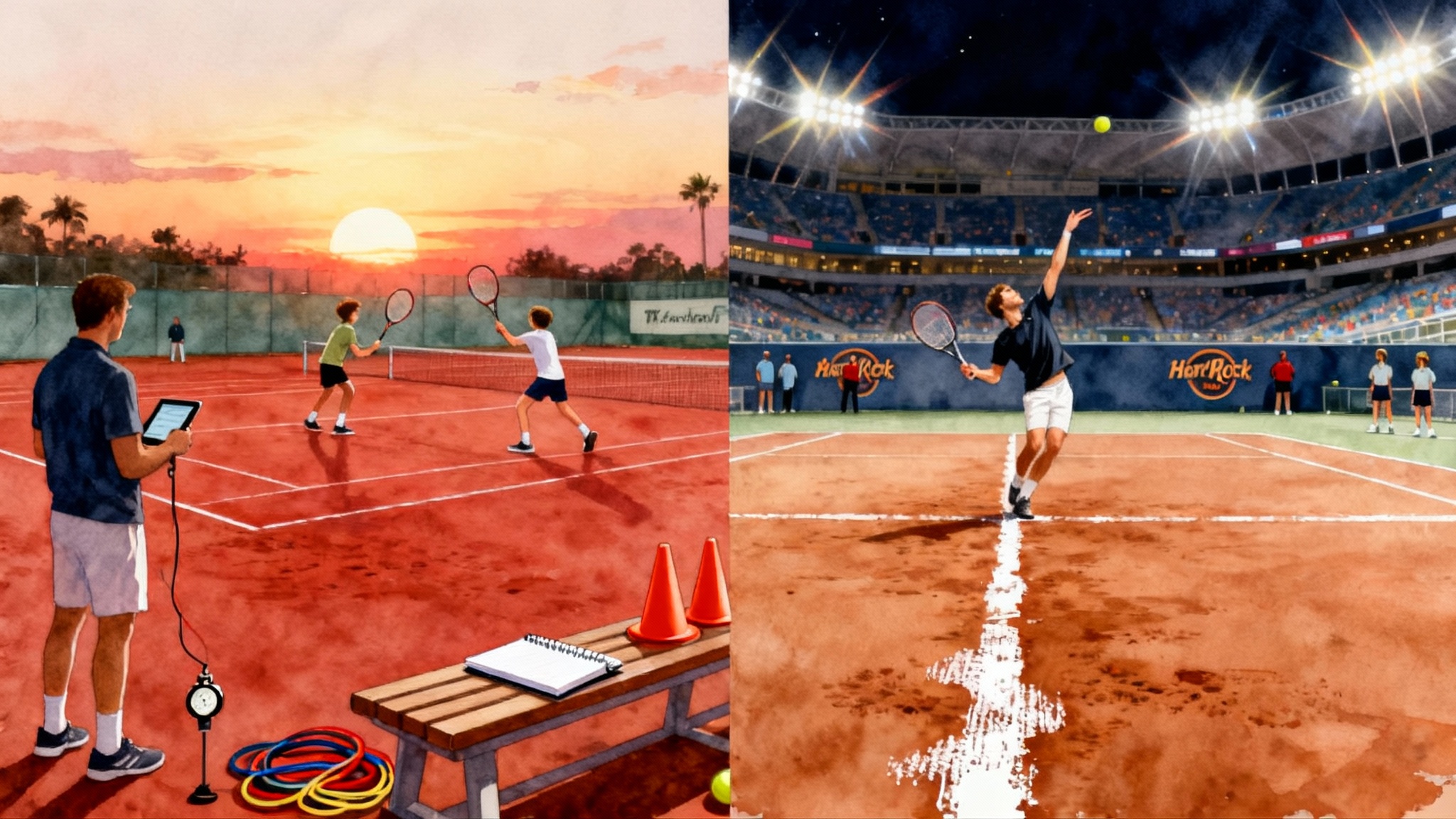
The Czech apprenticeship that silenced Miami
On March 30, 2025, a 19-year-old from Prostějov stood on the Hard Rock Stadium baseline, tossed the ball, and hit a service winner to finish a match that felt like a generational baton pass. Jakub Menšík defeated Novak Djokovic in the Miami Open final in straight tiebreaks, his first tour title and a result that re-wired how coaches talk about development arcs. In the post-match noise there was a quiet throughline: the habits Menšík built at TK Agrofert Prostějov with head coach Tomáš Josefus and mental coach Dragan Vujović. Those routines were the scaffolding behind the trophy. For anyone trying to build a player on limited time and budget, the story matters because it is repeatable.
If you watched only the highlights, you saw the violence of his first serve and the calm of his face. What you did not see were the slow, clay-court mornings back home, the pro-sparring afternoons designed to feel like qualifying on a tough week, and the boring daily notes about targets and breath that turned into solutions under stadium lights. That is the pathway from Prostějov to Miami.
To ground the moment: Menšík beat Djokovic 7–6, 7–6 in Miami for his first title, a result confirmed across major outlets, including a detailed match report that captured the serve-first pattern and its pressure on the greatest returner of the era, see Djokovic defeated in Miami final.
The source code in Prostějov
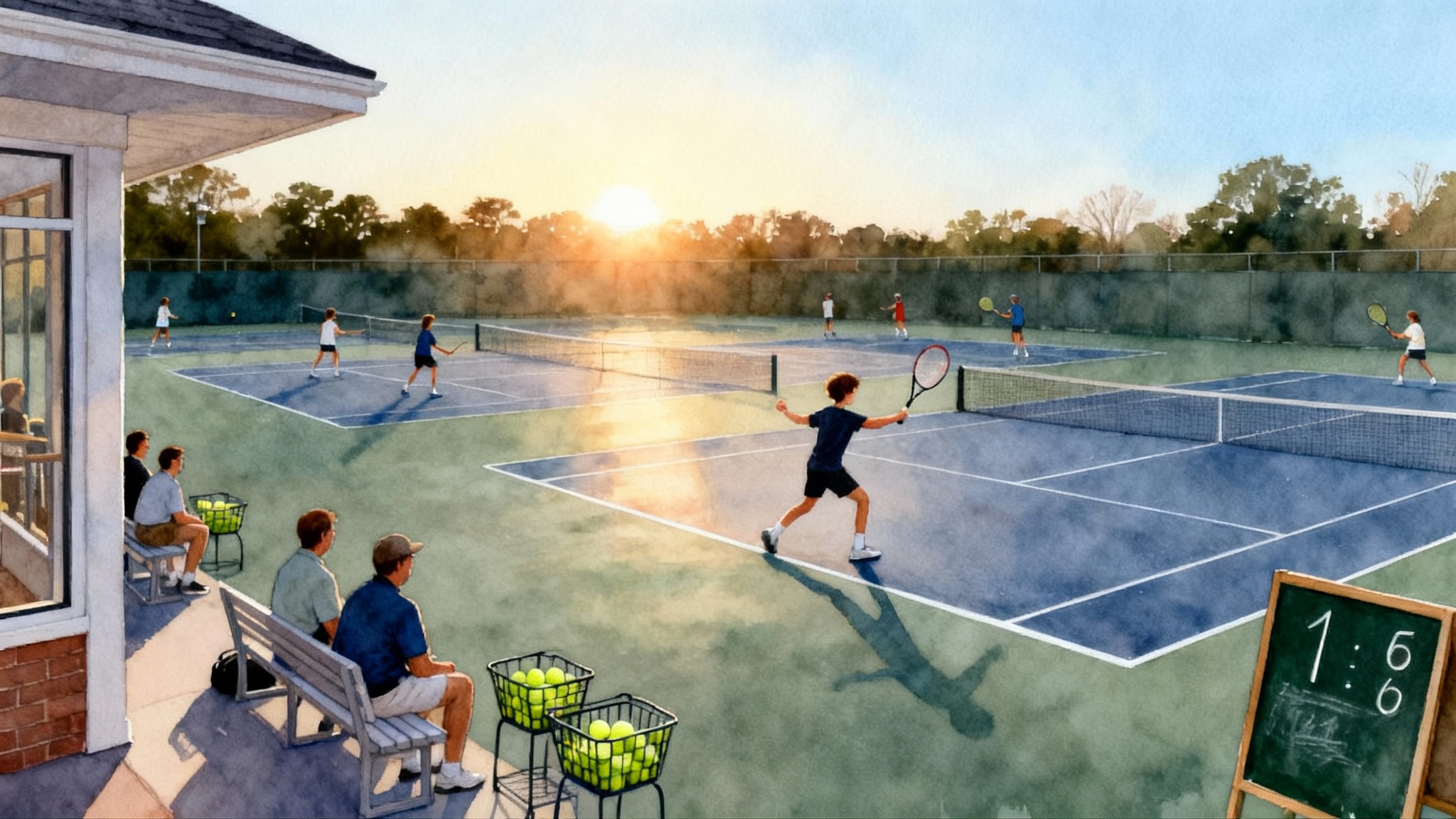
Walk through TK Agrofert on a normal weekday and you see the logic that shaped Menšík.
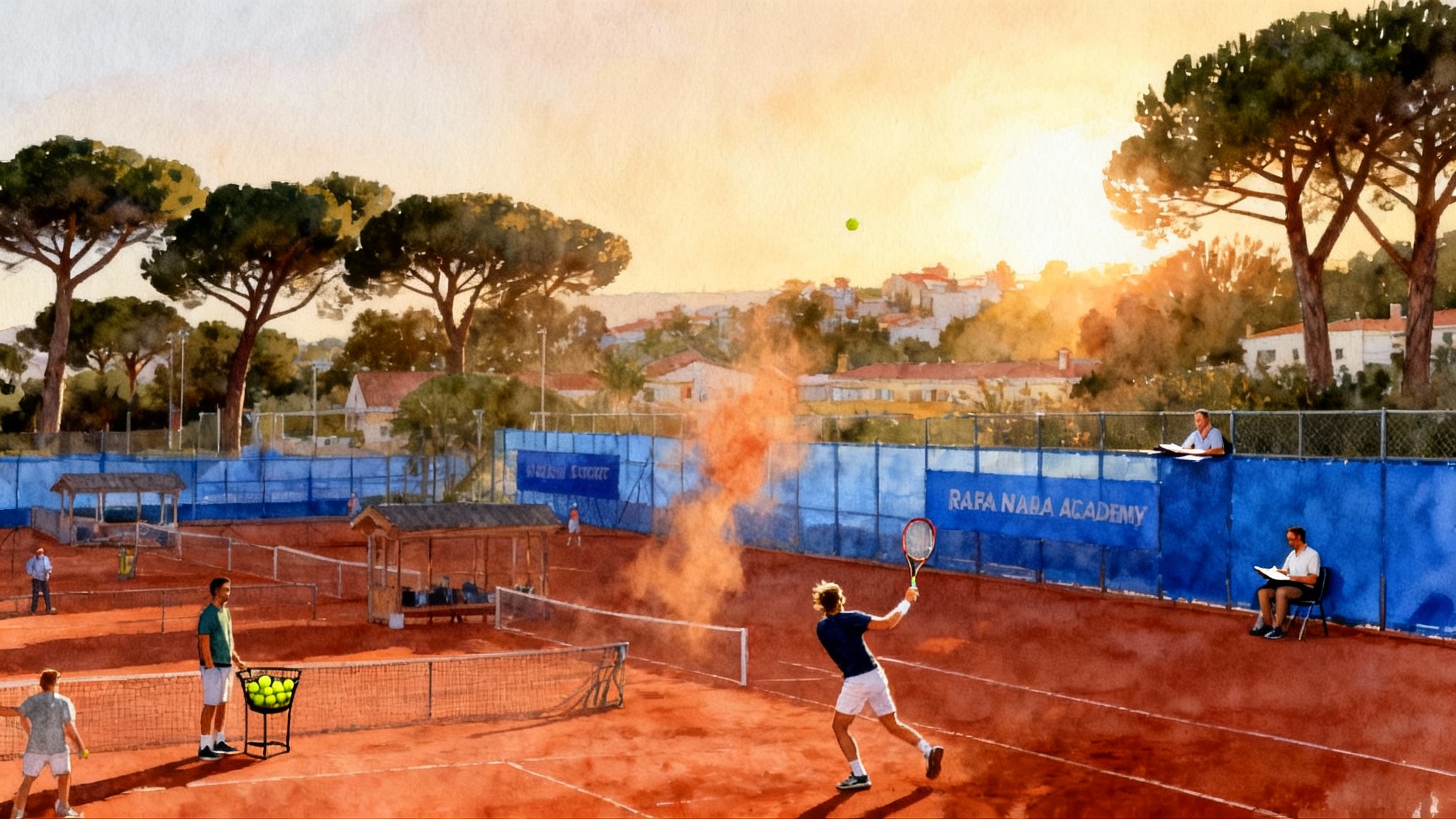
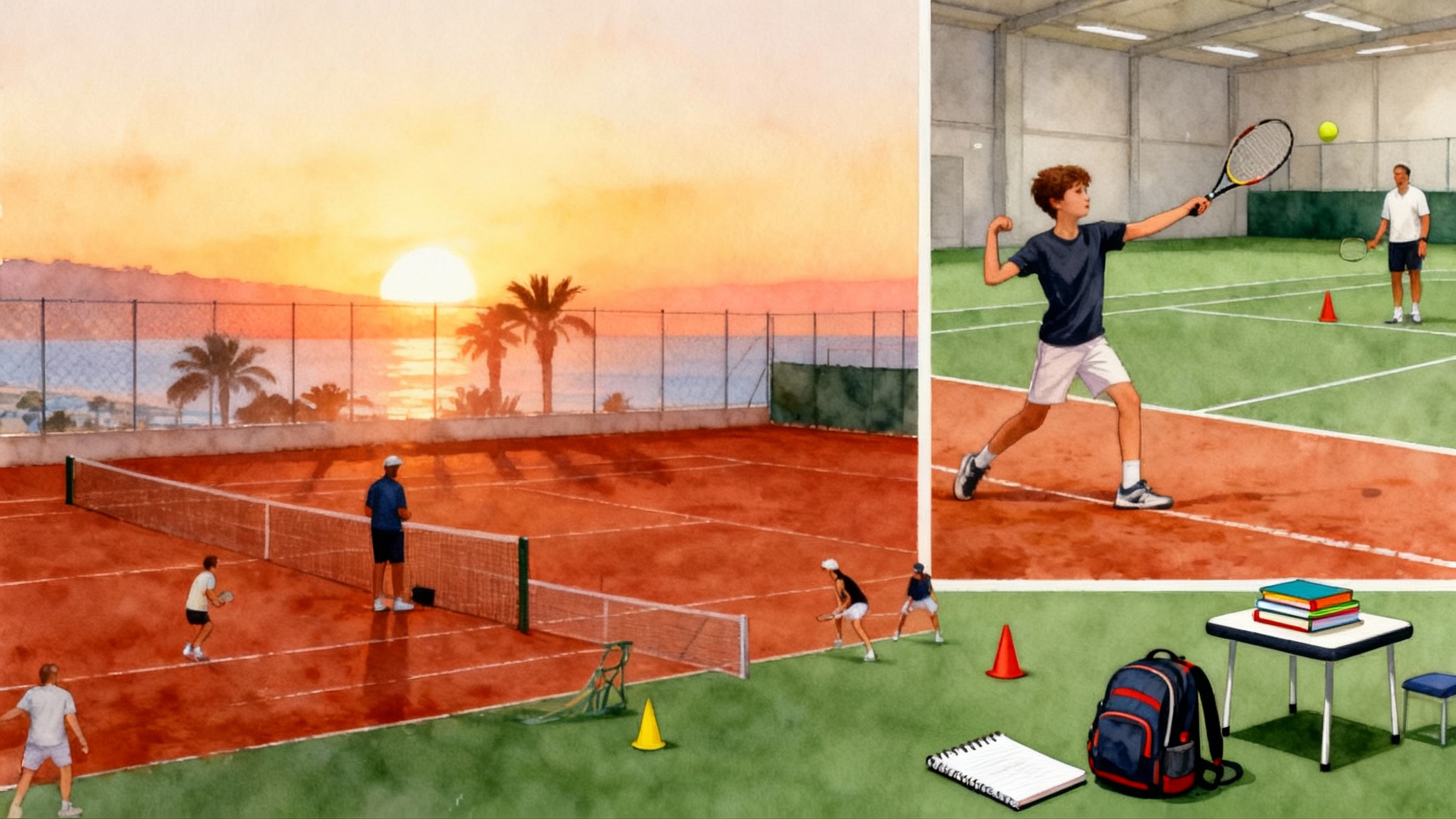
- Clay-first scheduling: The club sits on a red-clay backbone. Training blocks start on clay and only shift to hard courts as specific events approach. Think of clay as learning geometry on a chalkboard before taking the exam on a tablet. On clay, footwork angles, balance, and point structure are exaggerated. That exaggeration made Menšík’s later hard-court decisions simpler and faster.
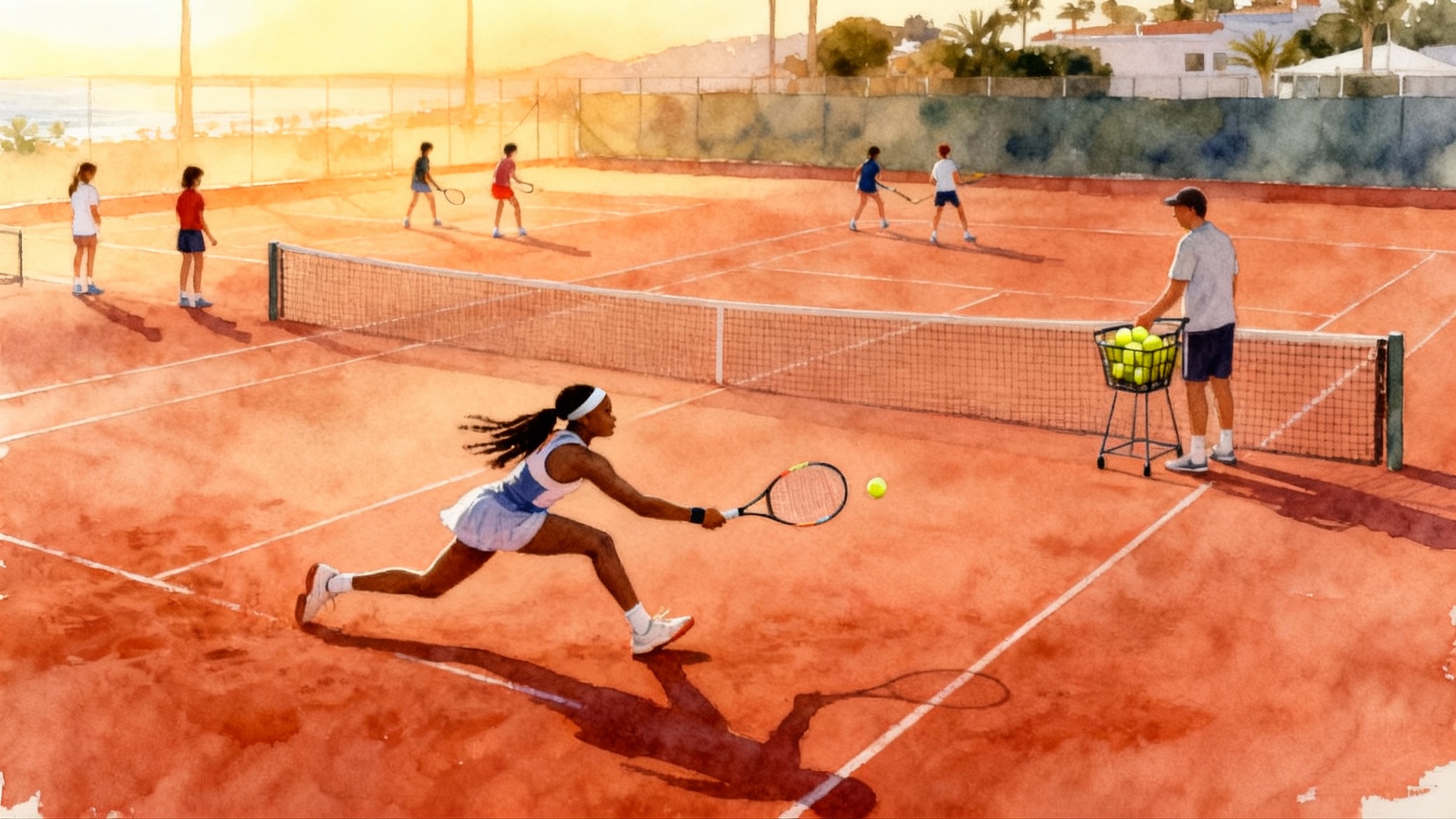
- Pro-sparring density: Afternoons are planned like a mini qualifier. Two-on-ones, returning blocks against servers who can hit 120 miles per hour, and tie-break sets with consequences. The coaches on court include former top pros and veteran trainers who move the sessions along with a stopwatch, not a speech.
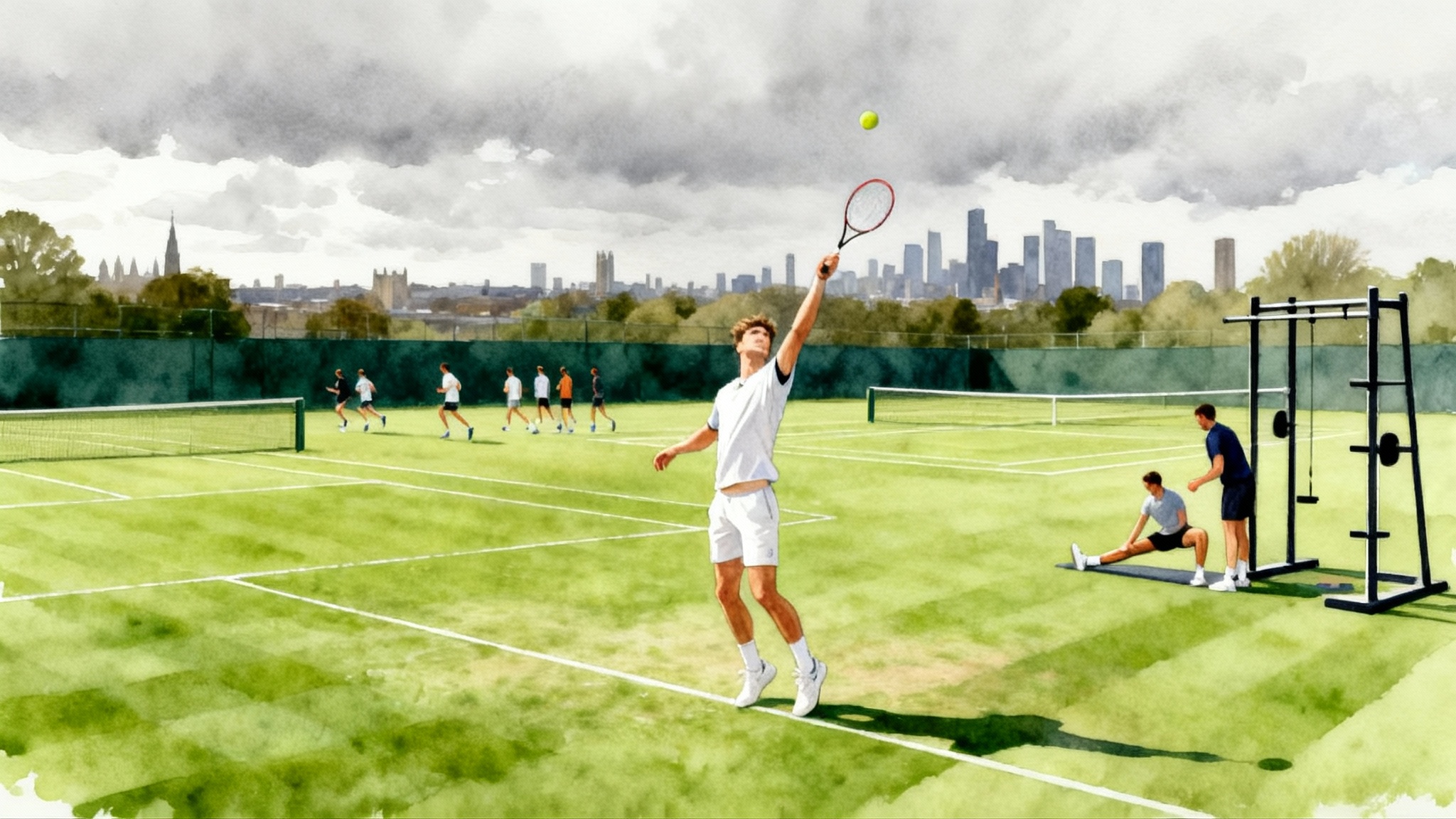
- Integrated staff: Coach Tomáš Josefus runs the technical and tactical progression. Fitness work is coordinated with on-court plans rather than added as a separate chore. Mental coach Dragan Vujović sits in the loop so between-point routines on court match the breath work in the gym.
This is not a glamorous description, and that is the point. The club’s edge is a system that fits together. Training is sequenced to teach rally tolerance, then transition speed, then serve-first offense. Communication across coaching roles is the lubricant that keeps the system from grinding when travel or school or a minor injury complicates a week.
For deeper practice detail, see our guide to serve technique and pressure drills.
What Josefus actually changed
Every breakthrough looks inevitable after the trophy; it never feels that way while you are changing the grip on a second serve or flattening a forehand through the middle third. Josefus’s fingerprints show up in three places.
1) Serve-first identity that still travels
Menšík is tall and elastic, but the key is not height, it is clarity. From juniors through Challengers, Josefus pushed the idea that the first four shots decide most points. That is not a slogan. It shaped daily tasks: aim windows on first serve, the first-ball forehand up the line, and a backhand through the middle at chest height that refuses risk when the score is neutral.
On clay, that could sound backward. It is not. Serve-first habits on a slow surface force you to respect location and shape, not just power. The rewards on hard court are obvious later.
2) Rehearsed tie-break behaviors
Miami was decided by tie-breaks. At TK Agrofert, tie-breaks are treated like penalty kicks in football: brief, scripted, trained outcomes. The staff tracks where a player’s first two serve patterns score most often, which return sides produce neutral balls more reliably, and what the player will do at 3–3 every single time. Nothing is improvised under stress.
3) A compact shot menu
Talented juniors often add shots to feel more complete. Josefus did the opposite. He pruned. You could see it when Menšík defended on the backhand then used a short backswing forehand to reset deep middle. The point of the pruning is not to make the player boring. It is to make the player repeatable when the stadium gets loud.
Mental scaffolding that shows up during points
Dragan Vujović’s work with Menšík is not about slogans or motivational talks. The club made mental work a visible part of practice. Here is how that looked.
- Between-point anchors: One breath down to the belly, one visual check to a fixed mark near the back fence, one phrase. The phrase changes with the phase of a match. Early in sets, it might be “height and margin.” Later, it becomes “first strike, chest high.”
- Adverse-weather drills: Miami’s humidity and delays can pull a teenager into panic. TK Agrofert bakes disruption into training. Sessions start on one court and finish in a hall after a planned stop. Heart-rate drops are taught, not wished for, and the player learns that a reset takes 20 to 40 seconds, not ten minutes.
- Accountability without drama: Every practice ends with a quick debrief. Two positives, one correction, one ask for the next day. The player writes it in a notebook. By the time the player faces a Center Court crowd, there is a year of entries that prove the routine works.
The outcome is not mystical calm. It is a checklist that keeps hands from rushing on a second serve at 5–5.
Data-led serve patterning, explained simply
If you picture data as a wall of dashboards, you will miss the way it helped Menšík. At TK Agrofert the numbers are used like a compass, not a novel. Two questions drive the work:
- Where do first serves buy the most cheap points against this opponent family?
- Which second-serve patterns keep the rally neutral long enough to get back to forehand control?
In Miami, Menšík and Josefus leaned into both answers. Analysis during the event confirmed that first serves out wide on both sides produced a spike in first-strike success, which is why you saw a stream of wide serves late in sets that Djokovic could not touch cleanly. Menšík spoke later about using a tour analytics tool to isolate those patterns, see ATP Tennis IQ serve maps.
Here is how the method translates into a normal training week.
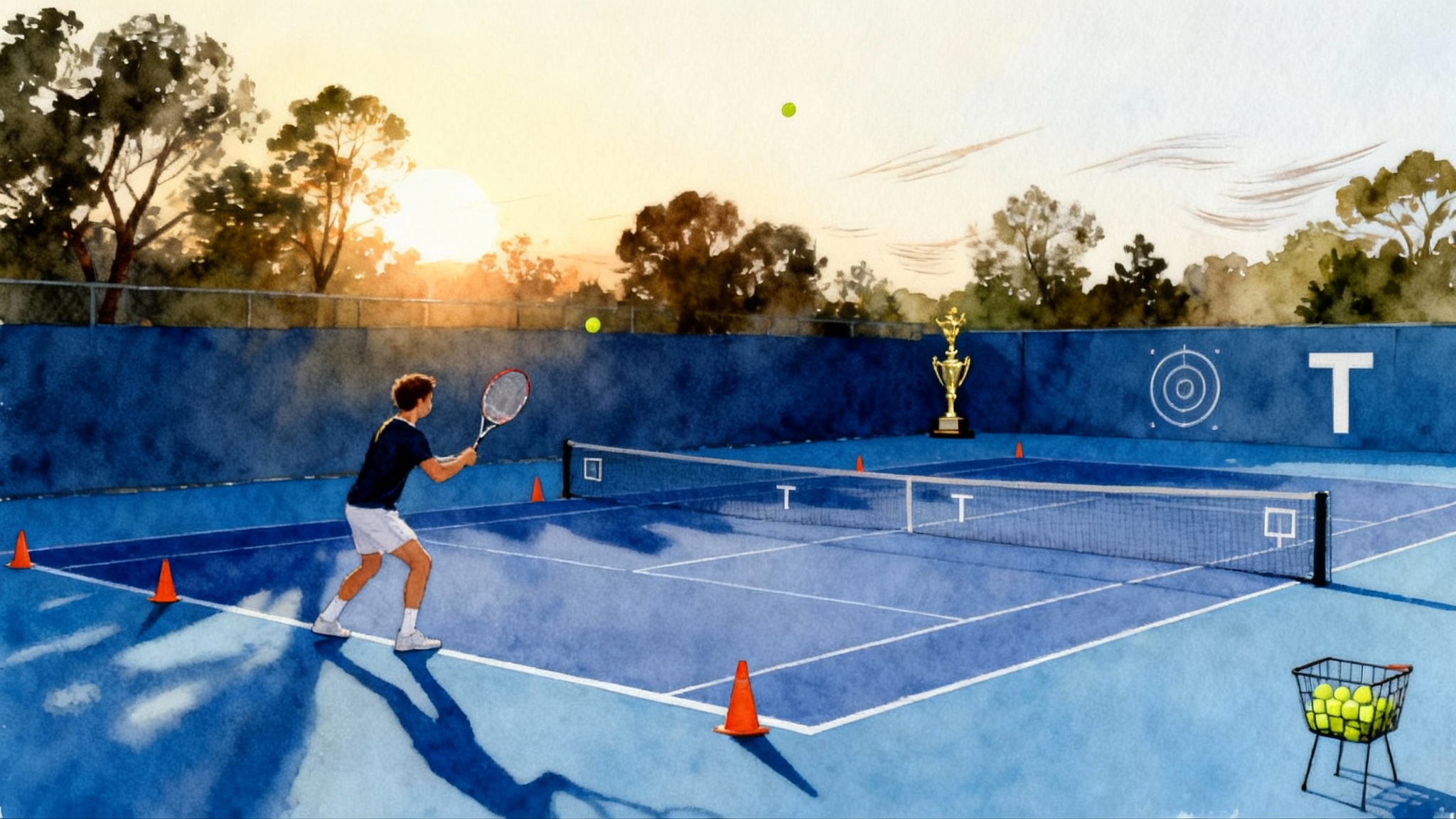
- Monday: 40 minutes of first-serve windows to three zones per side. Target, not speed. Tally first-serve percentage and cheap-point percentage separately.
- Tuesday: 25 minutes of second-serve to backhand body on both sides, then 20 minutes of second-serve plus one to deep middle. Mark unreturned balls and plus-one forehands above the net tape.
- Wednesday: Sparring day with a server who can hit the same speeds. Score only tie-breaks. The server calls the pattern aloud before the toss. Feedback is immediate and specific.
- Thursday: Film 15 minutes of serves and first balls. Clip only the misses. Solve one variable. Do not solve everything.
- Friday: Simulate Miami with five games starting at 4–4. Change toss location half a ball for one set and measure what happens.
None of this requires a lab. It requires a whiteboard, a bucket of balls, and the discipline to measure the same things every week. For another case study in system-first development, see the Alcaraz’s Equelite development blueprint.
How the club’s ecosystem showed up against Djokovic
The final offered a clean transcript of the system.
- Clay-first to hard-court payoff: Rallies that did stretch past the fourth ball often ended with Menšík playing a deep, no-risk middle ball to erase Djokovic’s angle advantage. That is a clay habit applied to hard court under stress.
- Pro-sparring rhythm: Tie-breaks are their own sport. Menšík’s first points on serve in both breakers were hit like a player who knew exactly which patterns paid. There was no huddle, only execution.
- Integrated fitness: Late in the second set, legs usually write checks arms cannot cash. Menšík’s legs kept him stacked under the ball on returns and let him take three small adjustment steps before driving a forehand. That is endurance trained to show up on shot two, not just in a beep test.
- Mental checklist: After a double fault early in a game, he did not chase a winner. He re-centered and hit the same body-second serve on the next point that had bought him neutral rallies all week. The decision looked simple because the routine was pre-decided.
A blueprint families can copy without a lottery budget
You cannot import Prostějov whole, but you can import the logic. Here is a 12-week plan a family can run with a club or local coach.
Weeks 1–4: Build the clay base, even if you train on hard courts
- Three days a week, run 60-minute point-structure blocks on the slowest court you can book. Use heavy balls or slightly damp courts to slow pace. Score only to four points, replaying any rally that exceeds six shots. The goal is shape, depth, and balance before speed.
- Serve windows: Aim for two first-serve targets per side. Set a standard of 65 percent in. Accept lower speed to hit the number. Record it.
- Between-point routine: Install a three-step reset. One slow breath, one visual mark, one phrase that fits the day’s theme.
Weeks 5–8: Add pro-sparring density
- One weekly qualifying day. Two practice matches to four games, then a tie-break series to seven points. If there is no pro to spar with, rotate two competent adults to simulate different looks. The key is no coaching between points. Score, reset, play.
- Return blocks: 80 balls of second-serve returns in 12 minutes. Goals are height over the net and depth to big targets, not winners.
- Fitness integration: Pair every return block with 10 minutes of acceleration work. Five meter bursts from split-step into open stance, then rebound back to recover.
Weeks 9–12: Layer data-led serving
- Start a simple serve ledger. Columns: target side, zone, speed range if you have a radar, result type. After two weeks you will see which zones buy free points and which need work.
- Tie-break plans: Decide the first two serve patterns on both sides before you practice. Decide the third pattern only after the first four points. Train that rule.
- Film correction: Once a week, film 10 minutes of serve plus one. Clip only errors or neutralized first balls. Solve one cause, such as contact too low or chest closed at contact.
What to buy and what to borrow
- Must-haves: a notebook, a tripod for a phone, and a heart-rate strap if you can afford it. Use heart rate only to confirm that between-point breathing drops you back toward baseline.
- Nice-to-haves: access to a slower court, even if it is a public court with gritty paint. One session a week on slower bounce will teach spacing better than a month of lectures.
For clubs seeking a model of integrated, measurable training on a single campus, study the Tenis Kozerki year-round campus.
Clubs can copy the ecosystem, not just the star
These are club-level adjustments that cost little and change player behavior fast.
- Schedule structure before slogans: Put tie-break sets on the weekly board. Make two-on-one defending drills a standing block on Mondays. Publish the plan. Most culture problems are scheduling problems in disguise.
- One shared notebook: Coaches and fitness staff write in the same place. A player should see a single plan, not separate islands.
- Measure the same three things every week: first-serve in percentage to two zones per side, cheap-point rate on first serve, and tie-break win rate. If your club measures those three relentlessly, your players will serve with intent and play under pressure with behaviors they trust.
Why this pathway travels from a small city to a huge stage
A final like Miami is the worst place to try new things and the best place to reveal old ones. Menšík did not discover a serve there. He applied a year of selectively boring work with ruthless consistency against the best returner he will see for a long time. The fact that the work began on a slow surface in a small city explains why it holds up anywhere. Clay taught patience and balance. Pro-sparring taught decisions at score pressure. An integrated staff kept the days aligned. Data gave the team a compass in a storm.
If you run a family program, the lesson is not to hunt a magical coach or a miracle facility. Build a calendar that forces good habits, measure what matters, and use data as a simple direction finder. If you run a club, give your juniors a weekly situation that feels like qualifying, not a clinic. That is how a teenager from Prostějov turned club routines into a Masters win in Miami, and why this blueprint can be copied in any time zone.