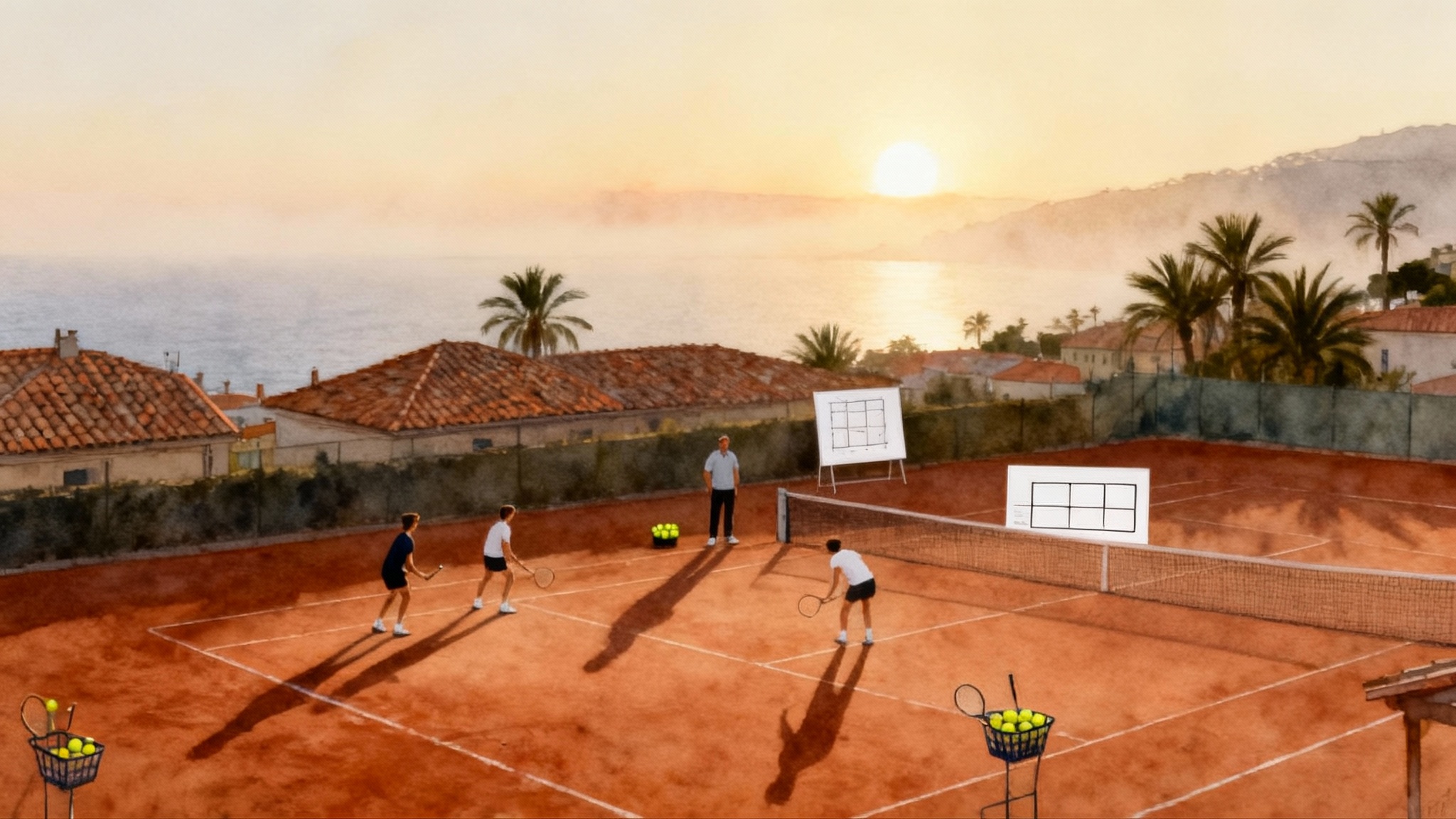
From Oslo to Mallorca: How Rafa Nadal Academy Built Casper Ruud
 Tommy
Tommy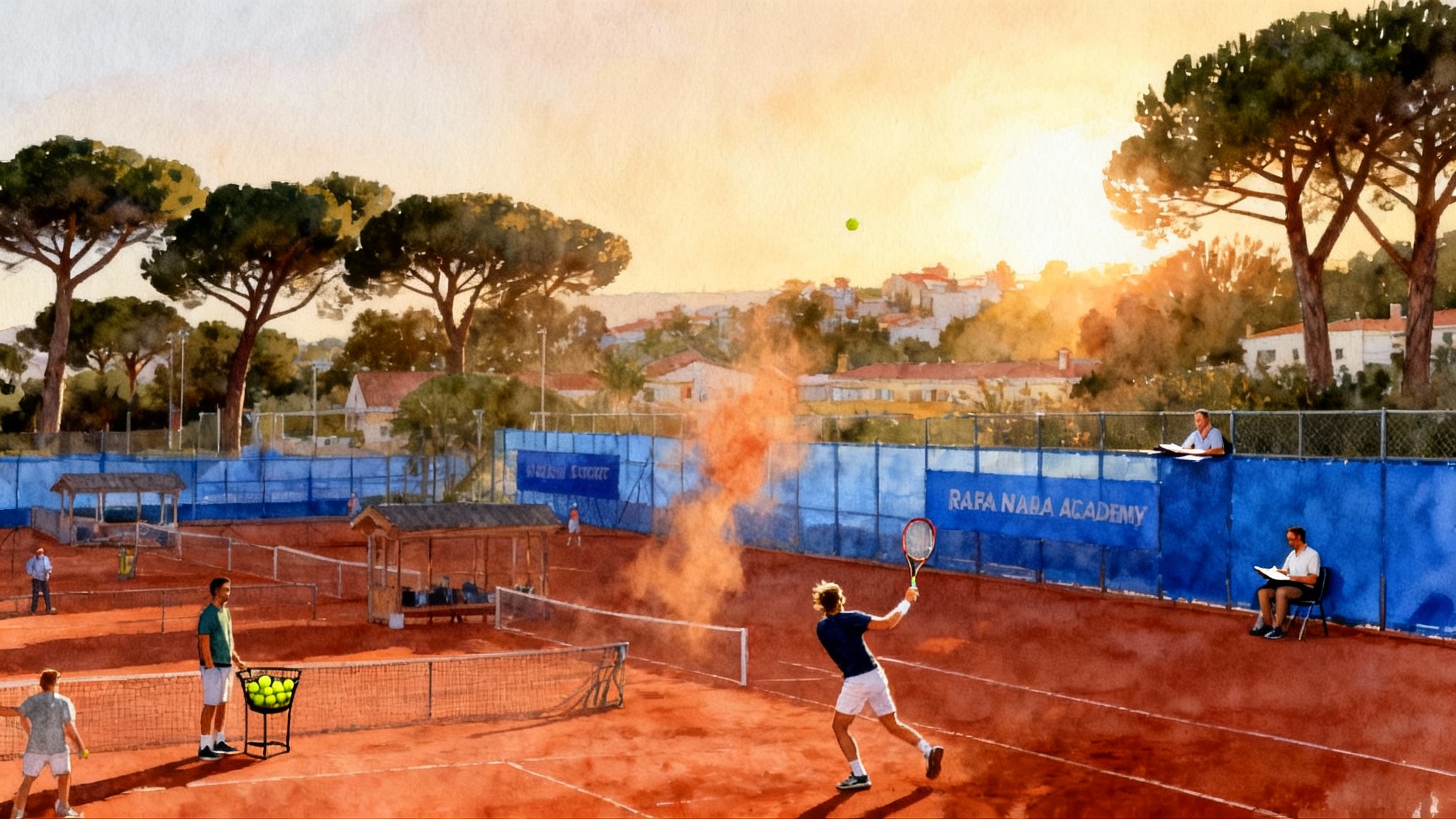
The turning point that began far from center court
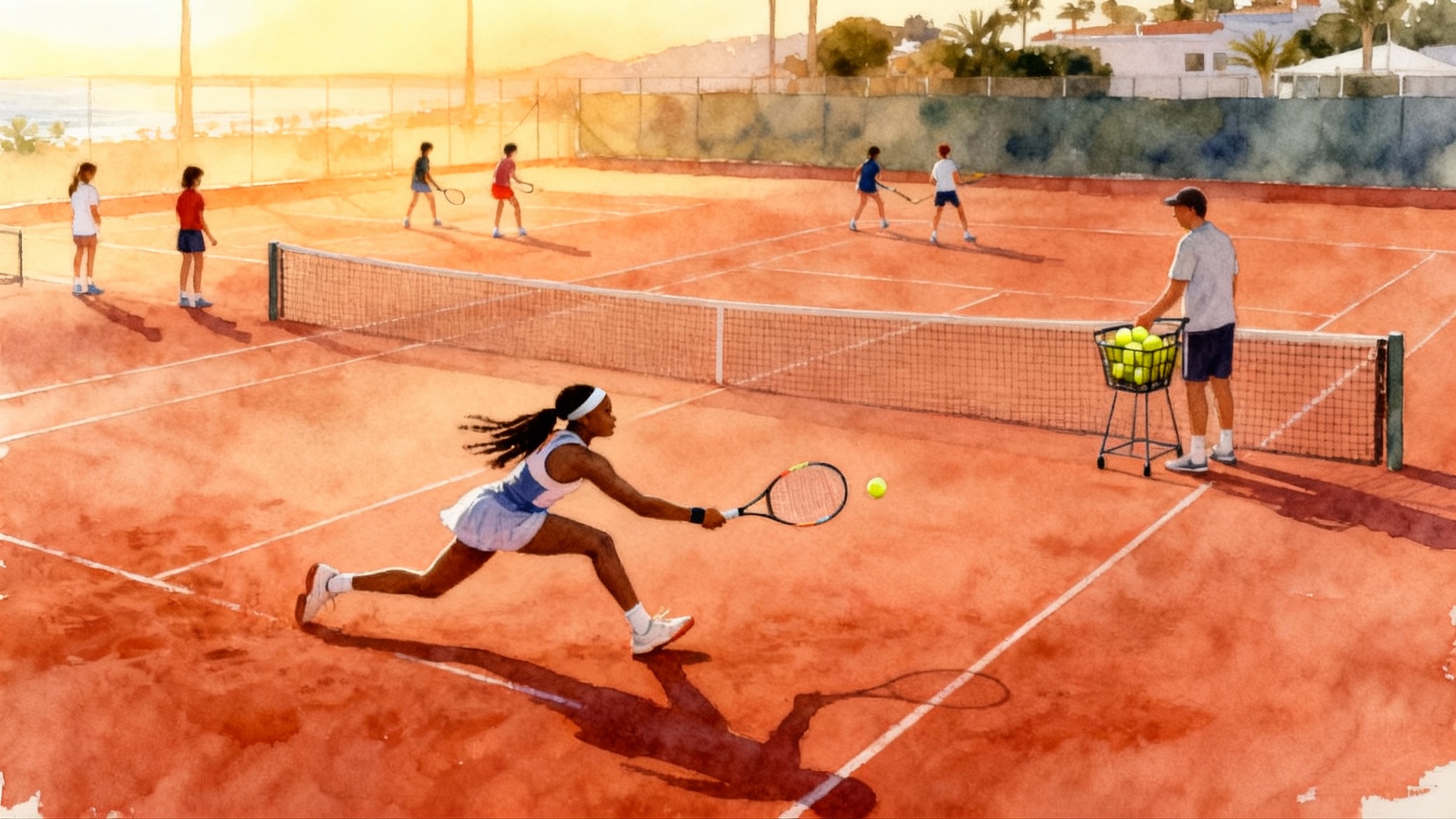
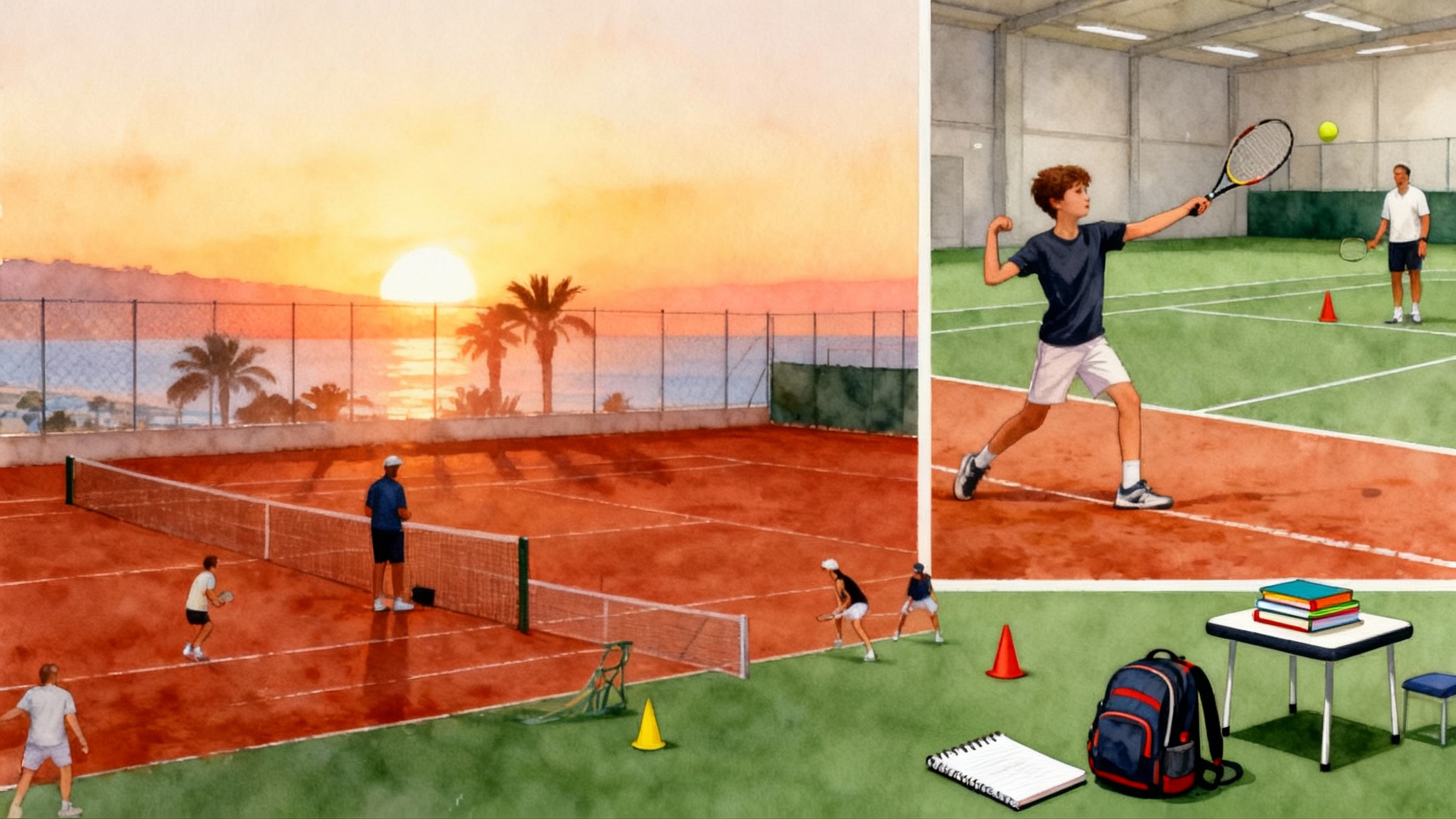
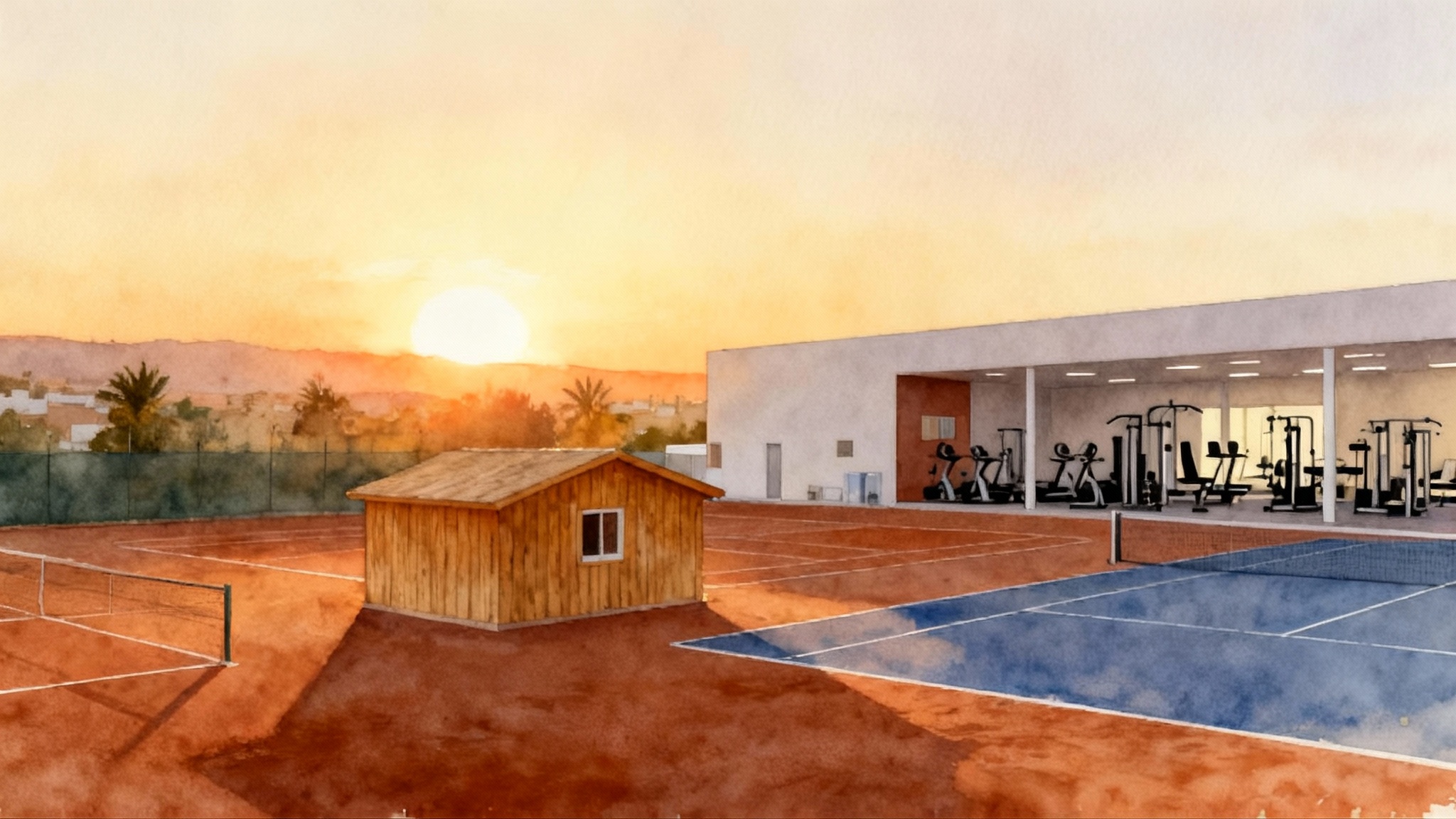
In 2018, Casper Ruud faced a crossroads that every promising player eventually reaches. Stay comfortable at home or jump into an environment that would expose weaknesses, test identity, and sharpen competitive edges. He chose the second path and moved his training base from Oslo to the Rafa Nadal Academy in Mallorca, where he quickly aligned his daily work with a clay-first, pressure-tested curriculum. He arrived in 2018 and rose to the summit of the sport soon after, even climbing to world No. 2, a run the academy highlighted when it noted he moved in 2018, rose to No. 2. The relocation was more than a change of address. It was a bet on environment, identity, and the right kind of intensity.
What Mallorca gave Ruud that Oslo could not
Think of development like fitting a race car to the right track. Oslo provided the early build: engineering, care, and sensible mileage under his father and coach, Christian Ruud. Mallorca gave Ruud the test circuit with hairpins and high-speed straights. Daily sessions at the academy offered three advantages he could not fully replicate at home:
-
Live, high-level sets that punish passive patterns. On clay, any loose ball gets dragged into a longer rally. Any shortcut shows up immediately in the score.
-
Aligned coaching voices with a shared tactical language. Spanish training culture prizes footwork economy, depth as a shield, and height as a lever. Ruud learned to vary the height of his heavy forehand to pull opponents out of their strike zones. For a broader Spanish-development lens, see how Equelite built Alcaraz.
-
A rhythm that rewards resilience. The academy’s clay-first calendar forces players to build points, absorb pace, and still end rallies on their terms. That rhythm bled into Ruud’s match identity.
The coaching blend that unlocked consistency
Christian Ruud brought continuity and trust. He knows his son’s temperament, physical tendencies, and how to simplify in stressful moments. The addition of academy coach Pedro Clar added a Mallorcan edge: practical, pattern-based interventions delivered with precision.
- Christian set the compass. He keeps the big rocks in place: season goals, recovery standards, and the emotional temperature of the team.
- Clar handled the scalpel. He refined what the opponent sees ball after ball: serve location maps, first-ball choices, crosscourt-to-line triggers, and neutral-to-offense transitions on slow courts.
The blend turned theory into execution. Instead of wholesale changes, Clar layered decisions onto Christian’s foundation. Over time Ruud’s attacking forehand stopped floating to safe central targets. His backhand absorbed heavy topspin without collapsing short. The serve became less predictable, especially the slider out wide on the ad side that opens the inside-out forehand lane.
High-intensity, clay-first training that travels
“Clay-first” does not mean “clay only.” It means using clay’s demands to forge skills that transfer to every surface.
- Depth as insurance. On clay, short balls are invitations for trouble. Training emphasized deep crosscourt rally tolerance that naturally made Ruud’s hard-court baseline patterns safer without becoming passive.
- Height as a disruptor. Forehands over the shoulder trained him to lift and dip, a useful tool to break up the rhythm of flat hitters indoors or at altitude.
- Footwork load management. Spanish-style sessions sprinkle recovery footwork into almost every rep. Ruud learned to move in small, purposeful steps rather than lunge-and-reach rescues. That saved energy in week two of tournaments.
- Live-ball finishing. Approach patterns were drilled as sequences, not shots. For example: deep forehand cross, short-angle forehand to pull the opponent off the court, then a clean two-step volley. Repetition made this chain automatic on match day.
The ethos is simple. If a pattern wins on slow clay, it is usually robust enough to hold on faster courts once you compress time and take the ball earlier. That is how a clay identity produces indoor wins in October.
Pattern upgrades you could see on television
Ruud’s progress was not abstract. It showed up in the shape and timing of his decisions.
- Serve plus one. Instead of defaulting to a safe crosscourt forehand, he learned to aim the first forehand deeper to the opponent’s hip, then step around for the inside-in when the reply leaked short. For drills that support this, study pressure-proof serve patterns.
- Backhand location discipline. The academy’s video reviews punished shortcuts. Ruud stopped over-playing the line early and used the heavy cross to push opponents off balance first, taking the line only when his base position was inside the court.
- Mid-rally court position. Rather than camp meters behind the baseline, he learned to recover to a neutral spot that still threatened a step-in. The visual pressure forced opponents to go for lower-percentage shapes, donating the error count.
These are small edges, but they add up across four matches in a week or seven across a Slam fortnight.
Scheduling as a performance tool
The move to Mallorca also changed how Ruud scheduled his year. Instead of chasing ranking points reactively, the team built blocks with clear objectives.
- February focus. The South American clay swing gave him early-season confidence and match fitness without leaving his identity behind. Boca to Rio felt like spring training with ranking points.
- Mallorca blocks. Between heavy runs, Ruud returned to the academy for targeted reset weeks. The goal was not volume, it was specificity: refresh the serve pattern, sharpen first-strike footwork, re-anchor rally depth.
- Clay to grass transition. Mallorca is a stone’s throw from Europe’s grass events. Short, purposeful tune-ups helped him translate clay-built resilience into low-bounce problem solving.
Planning in blocks made the calendar feel like a ladder rather than a treadmill. That mindset change matters when fatigue and travel pile up.
The results that validated the blueprint
Method turns into momentum only if it survives Sunday pressure. In April 2024, Ruud captured his first ATP 500 on Rafa Nadal Court in Barcelona, beating Stefanos Tsitsipas in the final. The next spring he went one tier higher. In May 2025, he won his maiden Masters 1000 title in Madrid. Titles do not arrive by accident. They arrive when a player’s habits and identity do not blink in a final. To compare development arcs, read Jack Draper’s academy pathway.
Just as telling were his steady Slam runs. Clay-season breakthroughs at Roland Garros were not isolated peaks. They were the payoff from years of clay-first habits that made him calm when rallies stretched and brave when the crowd gasped. Even on faster courts, the same patterns held up because they were built under stricter conditions.
Why Pedro Clar’s voice mattered
Great academies produce many good players. Few become week-in, week-out title threats. The difference is often an assistant coach who can translate philosophy into details and handle the friction of change. Clar did that in three practical ways:
-
He made the practice court look like the match. Ruud’s sessions often ended with specific score-based games that forced him to use new patterns under scoreboard tension. Those nine-point tie-break simulations hardened his first-serve choices and second-serve bravery.
-
He connected the dots between analytics and feel. The staff tracked where Ruud won clusters of points. Clar then designed exercises that recreated those clusters, so the data did not live in a spreadsheet. It lived in Ruud’s legs and eyes.
-
He earned the right to make tiny, timely nudges during tournaments. The best small-team cultures have a “two keys” rule. Christian holds key one, Clar holds key two. They open the same door only when both agree. That keeps the player’s brain quiet and the message unified.
Resilience is a muscle, not a mystery
Fans see composure and assume personality. Coaches see composure and remember the reps. At the academy, resilience is rehearsed. Live-ball drills last longer than the comfort zone. Coaches praise shot selection more than shot speed. Recovery days are scheduled, not improvised. Ruud absorbed that culture, which is why his level at 4-all looked like his level at 1-all. The noise around him changed. His habits did not.
For families: how to apply this blueprint without moving to Mallorca
Not every family can relocate, but the principles travel well. Here is how to turn a big decision like Ruud’s into practical steps.
- Match the environment to the player’s identity
- What to do: List the three surfaces or conditions where the player’s strengths shine. If the player builds points, seek a clay-first or slow-hard environment with long-rally culture. If the player thrives on first-strike tennis, find a program that teaches return aggression and serve variety without sacrificing rally tolerance.
- Why it works: Identity-congruent training accelerates confidence. Winning in the lab first makes winning on Friday possible.
- How to start: Audit the last ten match videos. Count unforced errors that came from rushed first strikes vs defensive leaks. Choose the training base that attacks the bigger bucket.
- Balance parent-coach leadership with academy expertise
- What to do: Keep the parent-coach in charge of the compass. Add an external coach for the scalpel. Write down who decides what before the season starts: schedule, equipment, physio, tactic tweaks, between-set messages.
- Why it works: Clear roles prevent mixed messages on match day. The player hears one voice, not a committee.
- How to start: Run a one-week trial block with both coaches present. After each session, each coach submits a two-sentence note on the same drill goal. If the notes diverge, fix alignment before any tournament travel.
- Use targeted training blocks to turn practice intensity into results
- What to do: Build three or four mini-camps each year that simulate the next surface block. Each mini-camp should have a theme: serve plus one, return depth, or backhand height. End each day with a scoreboard game that forces the new skill under pressure.
- Why it works: Skills stick when they are immediately used in match-like conditions.
- How to start: Two weeks before a target event, schedule three match-play days with opponents who stress the theme. Film only the first four shots of each point to evaluate patterns, not just rallies.
A simple training-block template you can copy
- Week structure: 2 high-intensity days, 1 lighter technical day, 2 match-play days, 1 recovery day with mobility and serves only, 1 full day off.
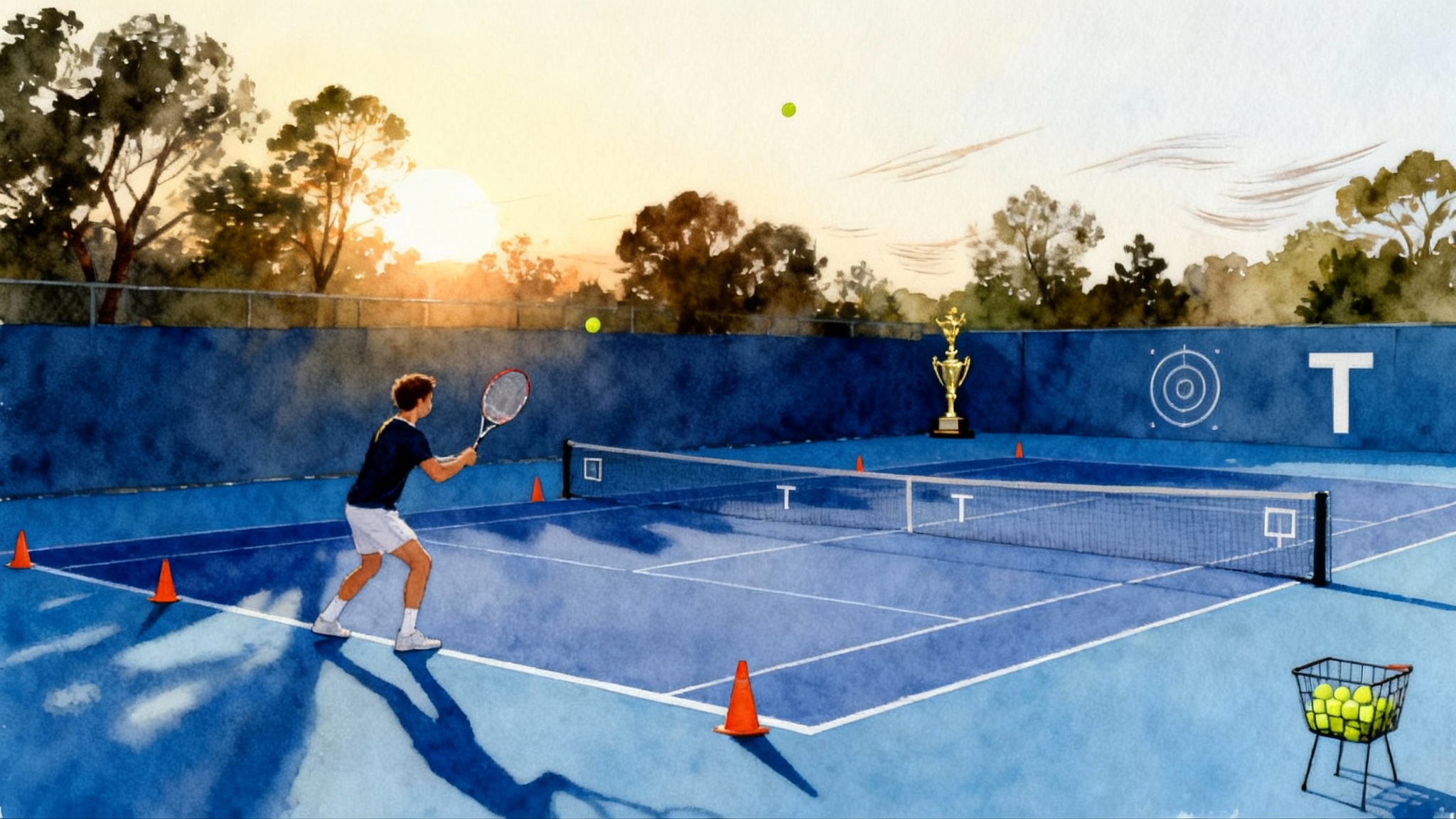
- Daily anchor: 15 minutes of serve location work with cones that match the upcoming match-play patterns. Track first-serve percentage to each cone, not just overall.
- Pattern ladder: Start at neutral crosscourt exchanges, then add a line change rule on ball five, then attach a finishing target inside the baseline. If the player misses the finishing target long or wide, replay the point from neutral.
- Scoreboard wrap: Finish with a race-to-7 game where only points that begin with the planned serve pattern count toward the score. This keeps the practice honest.
The bigger lesson from Oslo to Mallorca
Casper Ruud’s journey did not hinge on a magic grip change or a single tactical epiphany. It hinged on choosing an environment that made his identity stronger, then adding the right second voice to his father’s leadership. The Rafa Nadal Academy provided the crucible. Christian Ruud kept the core steady. Pedro Clar turned dials at the right time. The rest was repetition, pressure, and the courage to schedule for who he is, not who the rankings wanted him to be.
If you remember one thing, remember this: progress is the byproduct of fit. Fit between player and place, between vision and routine, between the volume of work and the rhythm of the calendar. Get the fit right, and the results arrive looking inevitable.