From Rock Island to Boca: How Evert Tennis Academy Shaped Keys
 Tommy
Tommy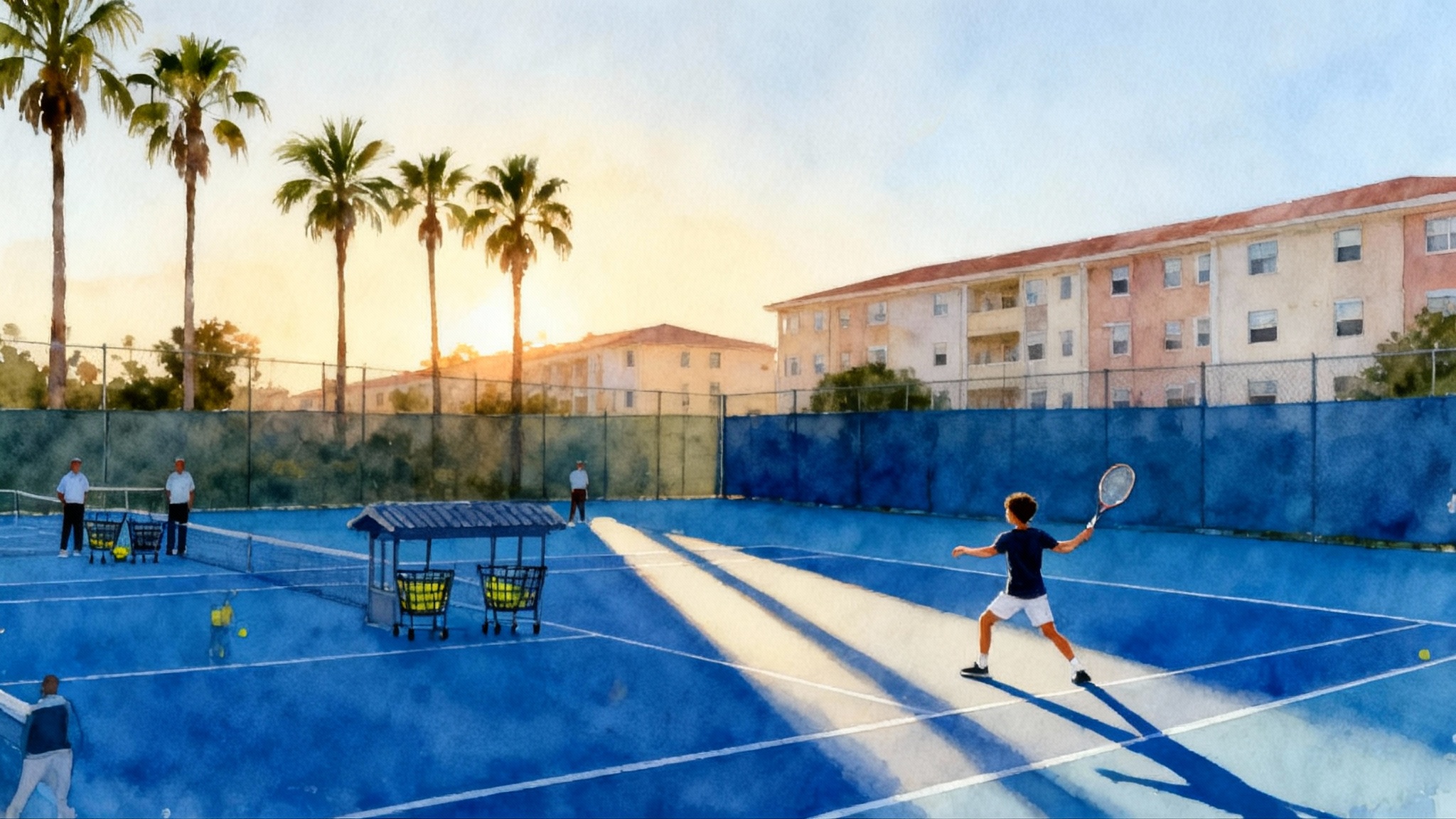
The early leap that changed a career
Madison Keys grew up in Rock Island, Illinois, where winter drives you indoors and courts can feel like rare sunshine. Before her teen years, she made a life-shaping decision with her family: move to Boca Raton, Florida, and train full time at Evert Tennis Academy. That move did more than increase court hours. It introduced a complete blueprint for a serve–forehand, first-strike identity and the habits that could support it under tour pressure. The choice to relocate is significant for any family. Understanding why it worked for Keys begins with what Evert built around her.
You can trace that early relocation and the milestones that followed, including the 2015 Australian Open semifinal and the 2017 US Open final, in Keys’ WTA player profile.
The Evert blueprint: first-strike tennis with durable habits
Evert Tennis Academy is known for producing aggressive baseliners who still respect the margins of the court. The promise is simple: hit big and early, but earn the right to do it. For a player like Keys, three parallel tracks matter:
- Technical tune-ups so the big weapons are reliable.
- Footwork upgrades so contact is clean and on time.
- Decision rules that let aggression live alongside discipline.
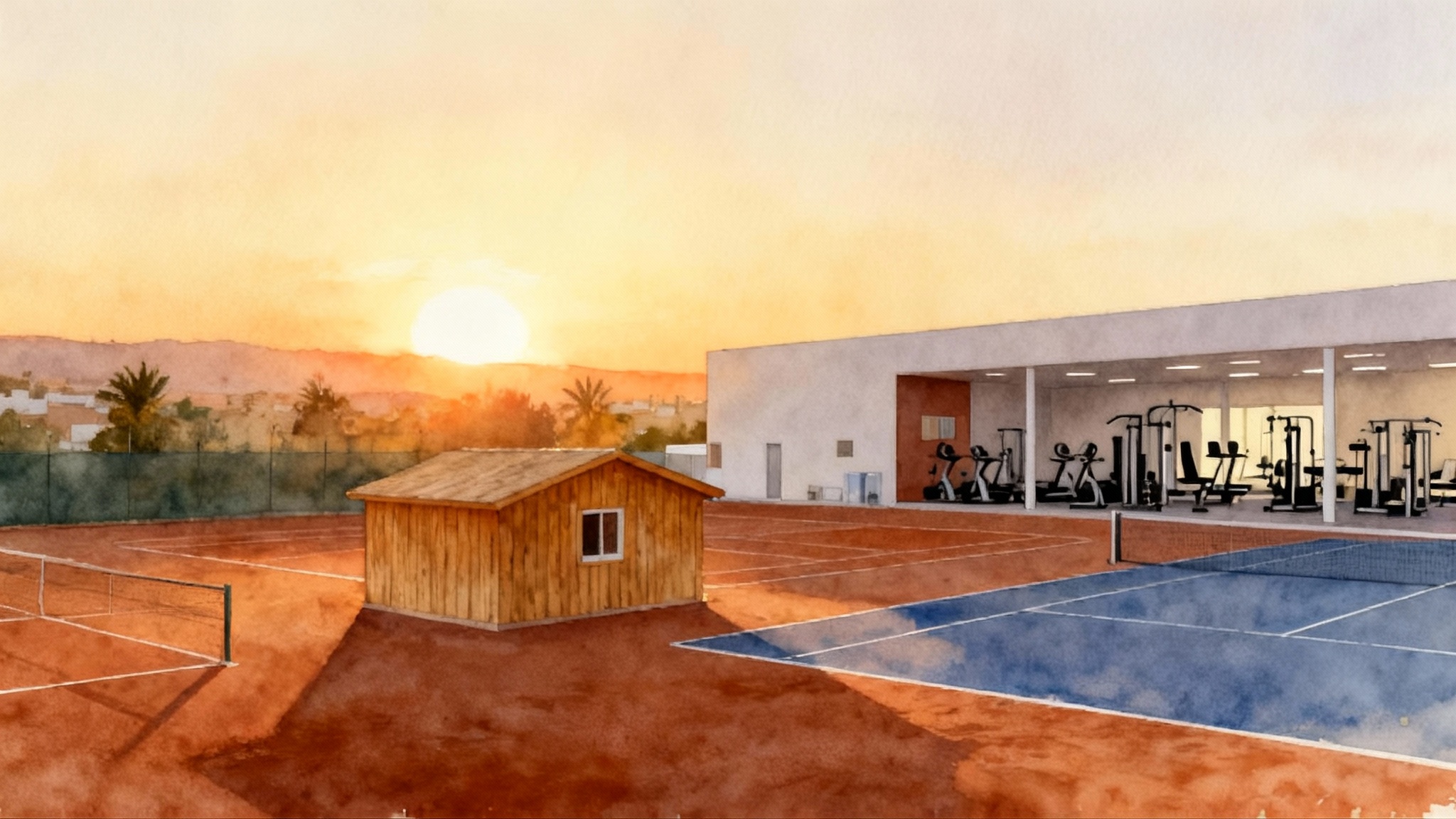
At Evert, the court becomes a workshop. Coaches break down a player’s stroke into grip choice, contact window, and finish path, then pair that with live-ball decision training. For Keys, who already owned heavy power, the point was not to reinvent her. It was to make her strength the default pattern, not a coin toss.
Block 1: Grip tune-up and contact windows
Keys’ forehand is a calling card. To keep it both heavy and accurate on fast hard courts, Evert coaches emphasize a forehand grip that allows the racquet to work through impact without stalling. The target is a contact window slightly in front of the lead hip with a consistent, relaxed wrist through the strike. On the backhand, the focus is a strong left-hand drive on a two-hander that does not collapse under pace.
Practical examples from a typical Evert morning:
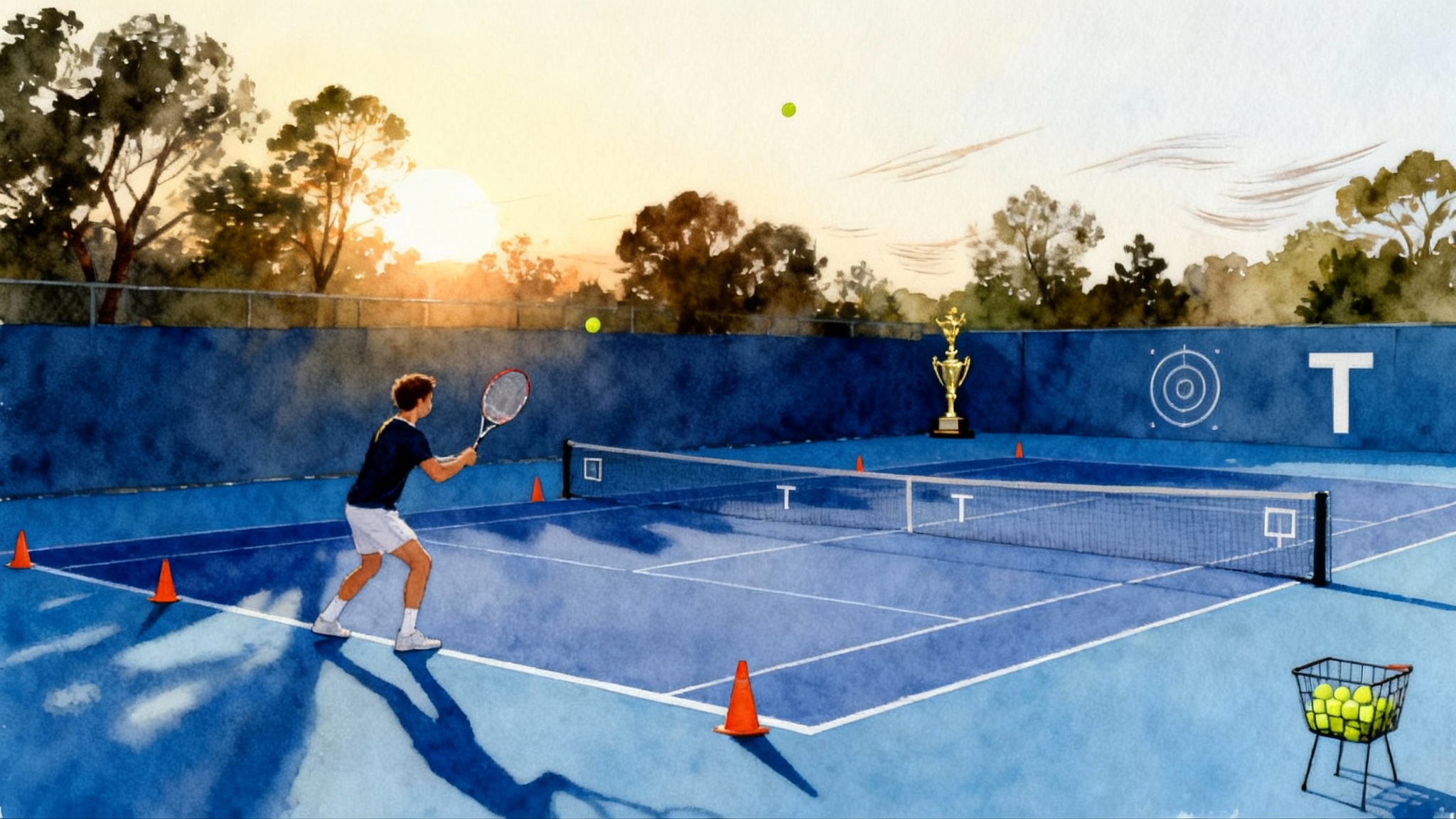
- Fence drill: shadow to a fixed contact point at shoulder height, then tap the fence with the strings to reinforce hitting in front.
- Box targets: four cones, each a meter inside the baseline, to reward depth and clear the net by a safe margin.
- Five-ball ladders: alternate crosscourt and down-the-line forehands with an intentional grip reset between feeds to groove how the hand sits on the handle.
What changes with this work is not just accuracy. It is timing. When the contact window is predictable, Keys can accelerate earlier and trust the ball to dip. That trust is what frees a first-strike player to swing without flinching at 30–all.
Block 2: Footwork from the ground up
Great power without great feet is a short story. Evert’s footwork blocks build the engine under the swing. Three ideas dominate:
- Split-step timing: land as the opponent makes contact, not after.
- First move: drop step on wide balls, crossover on chases, and two quick stutter steps to set the base before contact.
- Recovery lanes: hit, load, then recover along a shallow V back to the middle to protect the line and the angle.
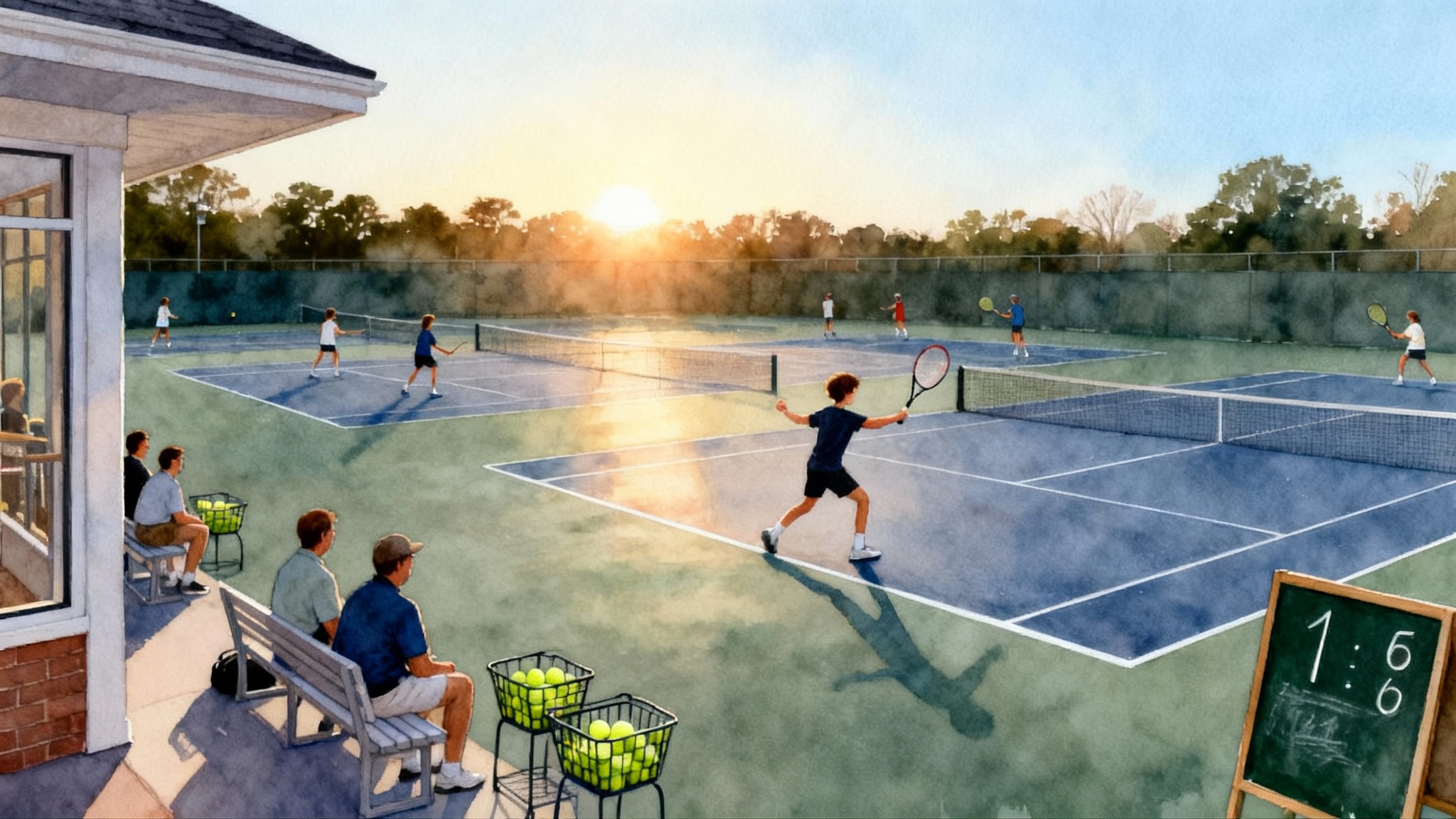
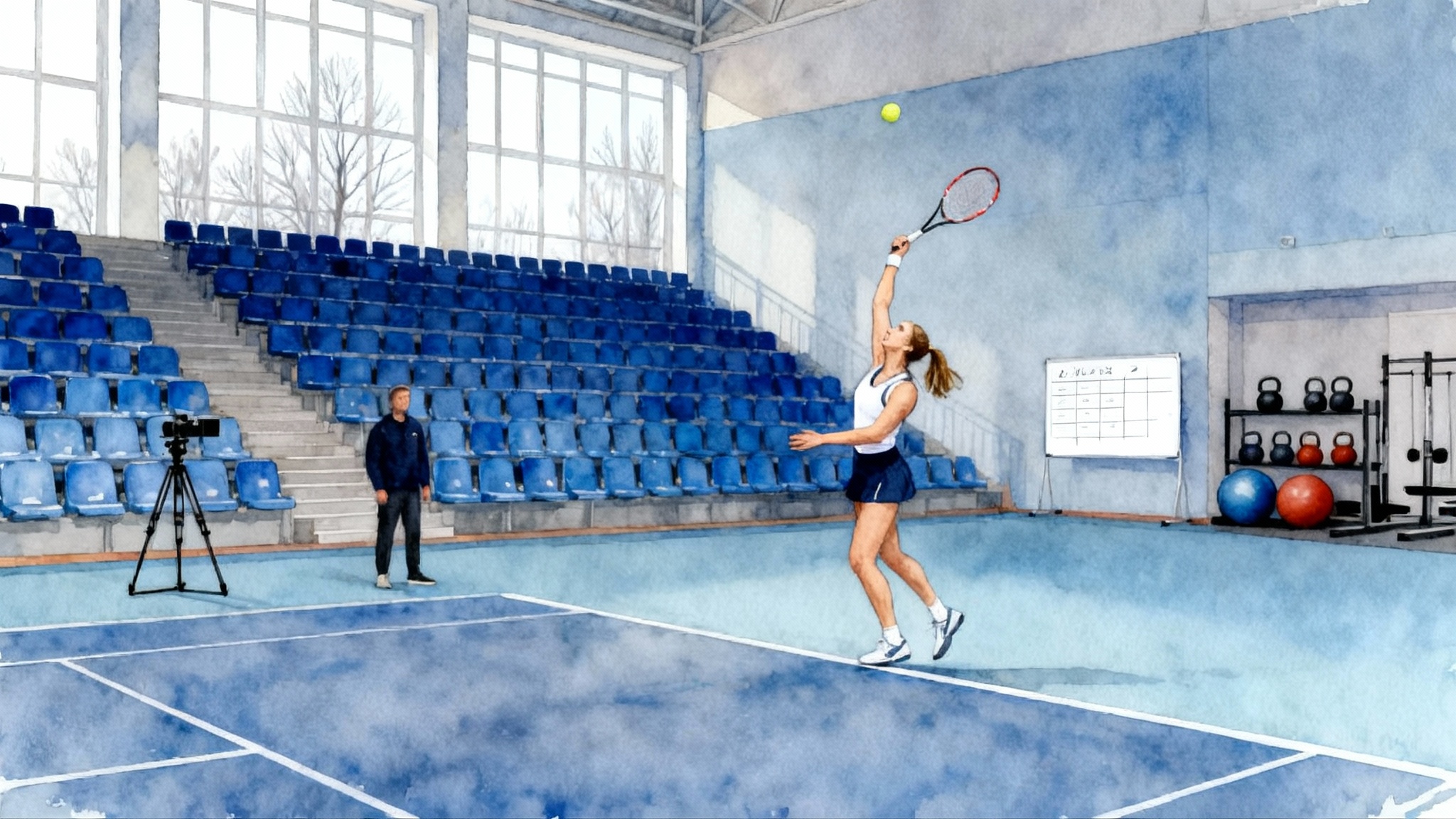
A go-to drill set pairs live hitting with footwork calls. A coach stands behind Keys and calls “drop,” “cross,” or “stutter” as the ball travels. The call forces the footwork choice without time to overthink. Another staple is the two-line pattern, where Keys hits forehand crosscourt, recovers five mini steps, then sprints to a backhand line ball and repeats. The metric is not speed alone. It is whether the last two steps before contact are small and balanced so the racquet can accelerate from a solid base.
Block 3: Serve and the plus-one pattern
Everything in first-strike tennis collects around the serve and the next ball. Evert coaches built that linkage with deliberate patterns:
- Slice wide in the deuce court, recover inside the baseline, take the forehand to the open ad-court corner.
- Flat T from the ad court, hold the middle, then inside-in forehand behind the returner.
- Body serve to jam a good returner, then lift the first forehand heavy crosscourt to reset the rally on your terms.
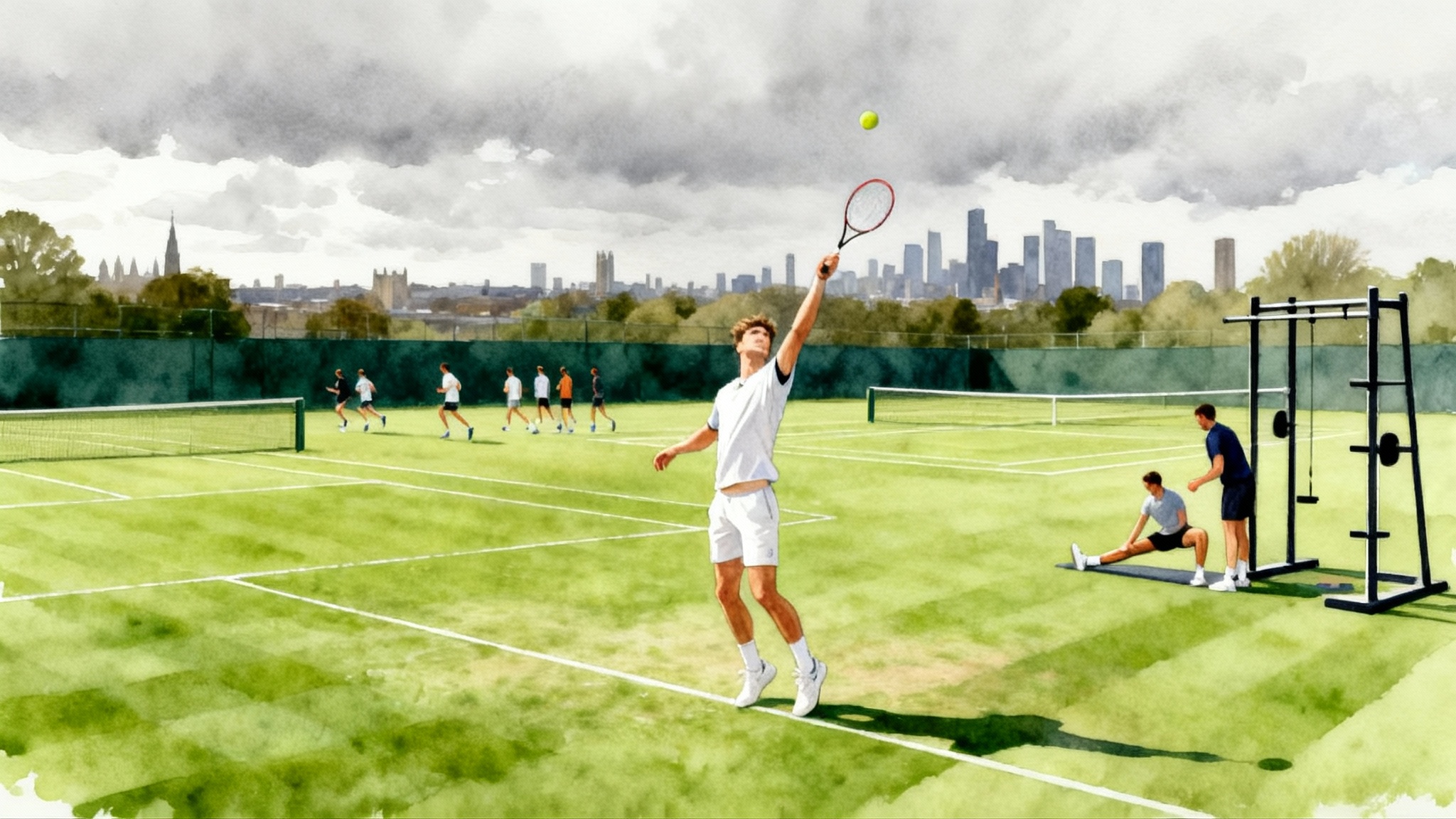
Drills track hold percentage in practice games and plus-one conversion rate. A common goal is a 70 percent success rate on first-serve plus-one forehands during patterned games. Keys has always served big, but patterns turned raw speed into scoreboard control. For a deeper primer on serve mechanics and pressure routines, see serve technique and pressure proofing.
Block 4: Tolerance and error management
Aggression does not excuse poor margins. Evert sessions build tolerance with depth gates and decision rules that remove guesswork on neutral balls. Coaches mark a one-meter strip inside the baseline. Unless the ball is in your strike zone or your opponent is off balance, your job is to hit a neutral heavy ball that lands in the strip and clears the net by at least the height of the tape plus one ball.
Decision training often uses a red–yellow–green system:
- Green: attack, inside the court, early contact, look to finish in two to three shots.
- Yellow: build, aim heavy crosscourt, work the run.
- Red: defend, add height, buy time, get back to neutral.
For Keys, red and yellow give the green light its reliability. The goal is a winner-to-unforced-error ratio better than 0.7 in practice play without blunting her ability to rip a forehand when it is time.
Block 5: Transition and finishing
Evert programs the approach with a few simple rules. Approach crosscourt when pulled wide to cover the line first. Approach down the line when you can take time and put the opponent on the stretch. Split step just inside the service line, not on top of the tape. Volley with a firm wrist and finish through the line of the ball. Keys’ power gets her short balls. The transition work makes those short balls count.
How the blocks showed up on tour
A development story is persuasive only if it maps to real matches. Here are snapshots of how the Evert blocks surfaced in Keys’ biggest results.
- Australian Open 2015 semifinal: Keys announced her ceiling on a Grand Slam stage with early serving dominance and the courage to take the first forehand. The plus-one structure is the headline.
- US Open 2017 finalist: New York rewards first-strike players who also manage the chaotic wind and noise. The tolerance block matters here. Keys kept neutral balls heavy and deep until a green ball appeared.
- Cincinnati 2019 champion: The Western & Southern courts are quick and lively. Serve spots and first-ball forehands were decisive all week, especially against counterpunchers who live on extended rallies. This is pure Block 3 in action with just enough Block 2 movement to keep the contact window clean when defending.
- Adelaide 2022 champion and Australian Open semifinal that same season: After injury interruptions, the underlying template still carried. When her toss felt stable and her first step toward the plus-one ball was early, the scoreboard followed.
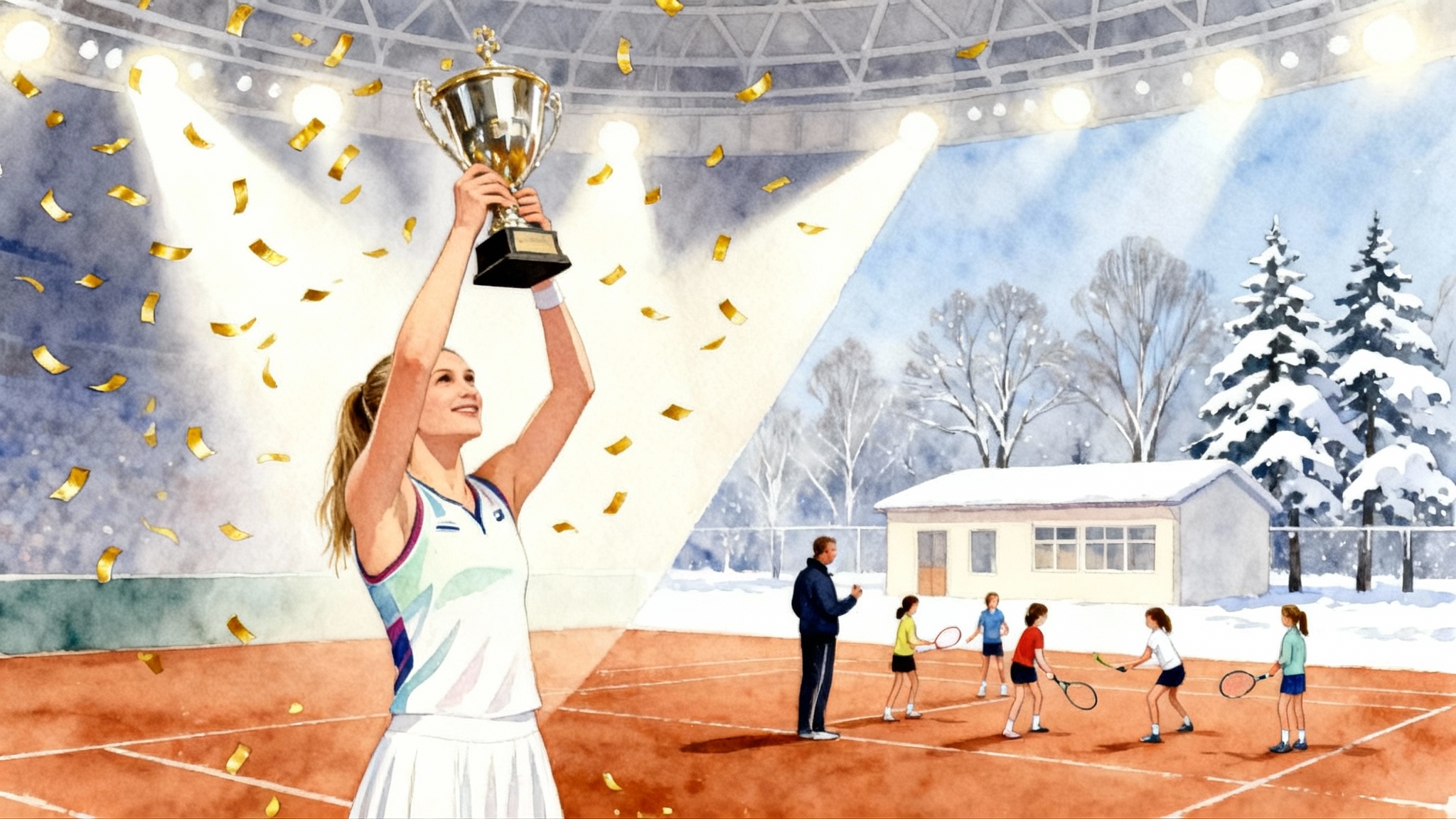
- Australian Open 2025 champion: A decade after her first major semifinal, the same first-strike blueprint delivered a maiden Grand Slam in Melbourne.
Notice the thread. It is not a single technical change. It is a layered package—grips and contact became repeatable. Footwork gave her big swing a stable floor. Serve and plus-one patterns connected intent to points on the scoreboard. School stayed on the calendar so tennis did not swallow the rest of her life. Results arrived in waves, not overnight, and when form dipped, the blueprint waited. That is the real lesson for parents. When relocation makes sense, it is because the player has an identity to build and the academy has a plan to build it. The intersection of those two is where careers bend. Use the checklist, demand specifics, and then let the work add up.
Balancing match play with school
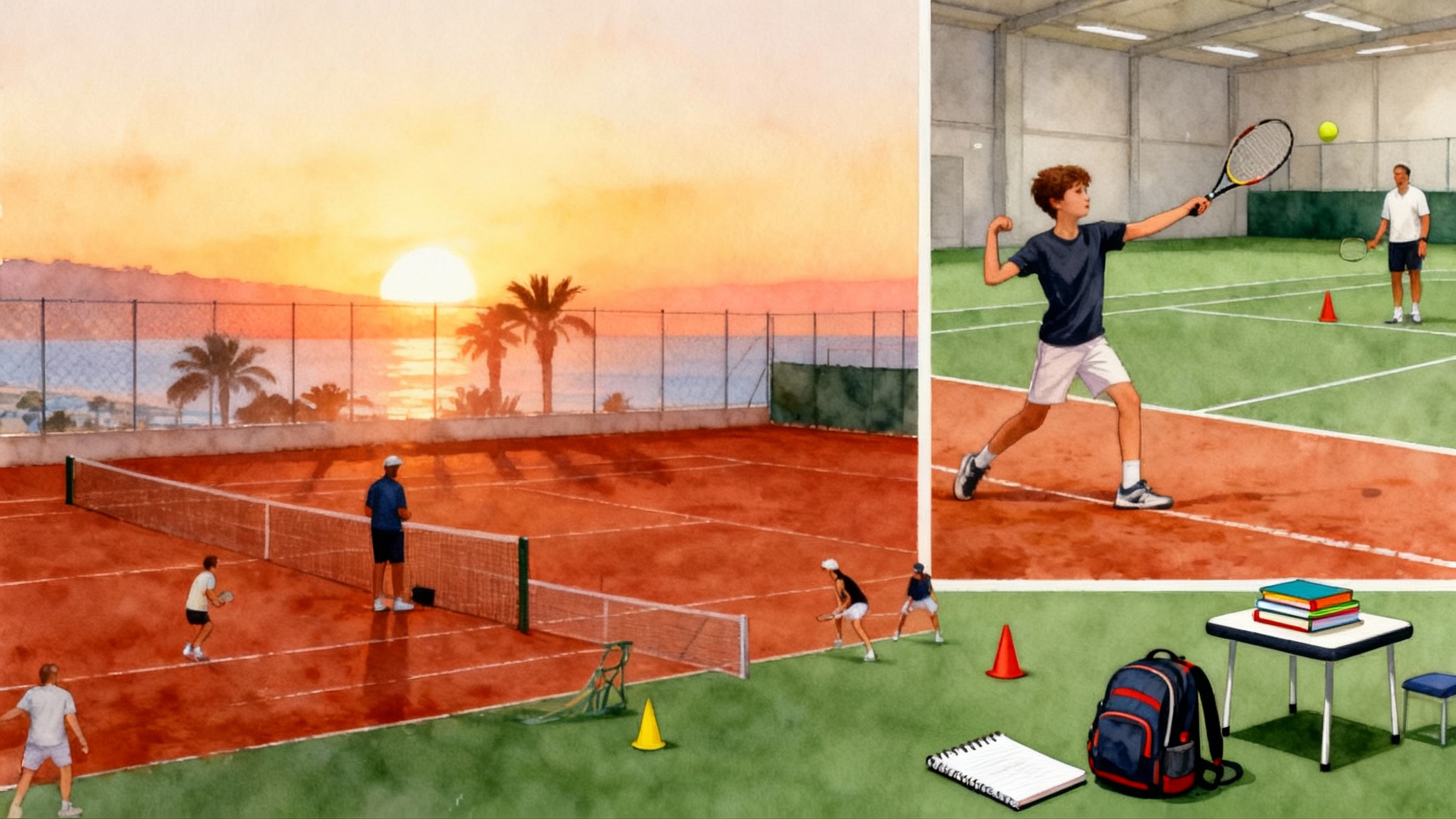
Relocation can amplify development, but only if the school plan grows with the training load. Evert runs boarding and academics with daily schedules that integrate classes, on-court time, strength work, and recovery. Families considering a move should study how class blocks map onto afternoon training, whether teachers coordinate around travel, and what tutoring exists when tournament schedules spike. Review daily rhythms and support structures in Evert’s academics and boarding.
What this looked like for Keys was not a perfect straight line. It was more like interval training for the brain. School assignments would load up before a travel block, then ease during a run of tournaments, with evening study halls back at the dorms keeping grades where they needed to be. The point is not just time management. It is energy management. A player who learns to switch focus from physics homework to second-serve returns without friction is building a transferable skill for match day. If you are exploring Florida options, compare setups such as Gomez Tennis Academy in Naples to understand boarding, coaching ratios, and class alignment.
A parent’s practical checklist before relocating
Families considering a move similar to the Keys story often ask for a clear checklist. Use this as a working document.
- Readiness and timing
- Age window: ask whether your player will benefit more from one to two intensive training blocks per year than from full relocation. Pre-teen moves can work when the player already shows reliable practice stamina and loves competition.
- Emotional signals: look for self-driven practice, not compliance. If you need to push every session, the relocation may add stress rather than momentum.
- Game identity
- Define the intended style on a single page. For example, serve–forehand first-strike with a heavy crosscourt backhand to build points. Agree on three match metrics that prove the identity is being trained, such as first-serve hold percentage, plus-one forehand conversion rate, and neutral ball depth percentage.
- Technical plan
- Ask for a written twelve-week technical map. Which grips will be refined and why. What contact windows are being targeted and how drills will build them. How footwork will be integrated weekly. If the answers are vague, keep asking.
- Coaching ratios and continuity
- Seek small-group ratios for technical hours and stable lead coaches who will carry your player’s history forward. Continuity is undervalued. One coherent voice plus guest experts beats a rotating cast of many different messages.
- Academics and logistics
- Demand a complete class schedule with traveling student protocols. Who coordinates assignments when a player is abroad. What is the late-work policy. Is there on-site tutoring after evening fitness.
- Housing fit matters. If your child is new to living away from home, ensure the dorm culture and supervision levels are right. Some players thrive with host families. Others need dorm routines.
- Health and performance support
- Injury prevention should be specific. Ask to see the prehab menu for shoulders, hips, and lower back. A first-strike player who serves big needs weekly shoulder care and posterior chain work.
- Mental skills are part of performance, not an optional add-on. Ask how pressure is trained on court. For example, a tiebreak ladder at the end of practice with a consequence for the loser and journaling for both players.
- Tournament planning
- Align event levels to the development phase. There should be weeks where the goal is to integrate a new pattern, not to chase points. Schedule recovery weeks, not just travel weeks.
- Communication cadence
- Agree on a monthly report that includes video, two to three key metrics, and a short narrative on progress. Everyone stays aligned and small problems do not become big ones.
How to build aggressive weapons without losing consistency
Parents worry that leaning into weapons will produce streaky tennis. The solution is to treat weapons and consistency as the same project, not rivals. Here is a compact plan you can run at any academy.
- Serve blueprint: pick three first-serve targets in each box and one second-serve shape for pressure points. Track practice hold percentage and double-faults per set. Build a simple pre-serve routine so the toss stays in the same window under stress.
- Plus-one menu: script two forehand plays from each side of the court and rehearse them under scoring. For example, deuce wide slice plus forehand into the open court, or ad flat T plus forehand behind. Score it. If the plus-one forehand wins fewer than 65 percent in practice sets this week, keep the ball in patterns until it climbs.
- Neutral backbone: two daily ten-minute blocks of depth gates with a measured net clearance. This is the insurance policy that allows free swings when a green ball appears.
- Error accounting: label every error as decision, execution, or footwork. Fix the right category. If the error was a poor decision on a red ball, the answer is not a technical tweak. It is a better rule.
These pieces combine into a feedback loop. The serve and plus one produce short points. The neutral backbone pays the premium when points extend. Error accounting prevents mindless tinkering. The result is aggression that survives long weeks and different surfaces.
What to ask on your Evert visit, or any academy tour
Arrive with a notepad and leave with commitments, not slogans. Sample questions that force specifics:
- Which three technical priorities will you target in month one and where do they show up in match metrics.
- How many weekly hours are live ball under pressure, not only fed ball.
- Who will be the single point of contact for our family and how often will we get video.
- What is the injury screen before training begins and what prehab is prescribed for shoulders and hips.
- How are classes arranged during international travel weeks. Show me a real student’s week from last semester.
- Can my player test for two weeks before committing to a semester. What would you hope to see by day ten.
Good academies welcome these questions. They understand that clarity reduces friction and makes development faster.
The Boca imprint on a Rock Island competitor
Madison Keys did not become a first-strike professional by accident. She and her family made a bold young move, and Evert Tennis Academy gave that move a structure. Grips and contact became repeatable. Footwork gave her big swing a stable floor. Serve and plus-one patterns connected intent to points on the scoreboard. School stayed on the calendar so tennis did not swallow the rest of her life. Results arrived in waves, not overnight, and when form dipped, the blueprint waited. That is the real lesson for parents. When relocation makes sense, it is because the player has an identity to build and the academy has a plan to build it. The intersection of those two is where careers bend. Use the checklist, demand specifics, and then let the work add up.