From Bradenton to Breakthrough: IMG Academy & Family Built Korda
Sebastian Korda grew up near IMG Academy in Bradenton with a daily coach at home and mentors who dropped in at key moments. Here is how that blend shaped his technique, scheduling, and smart jump from junior success to the pro tour.
 Tommy
Tommy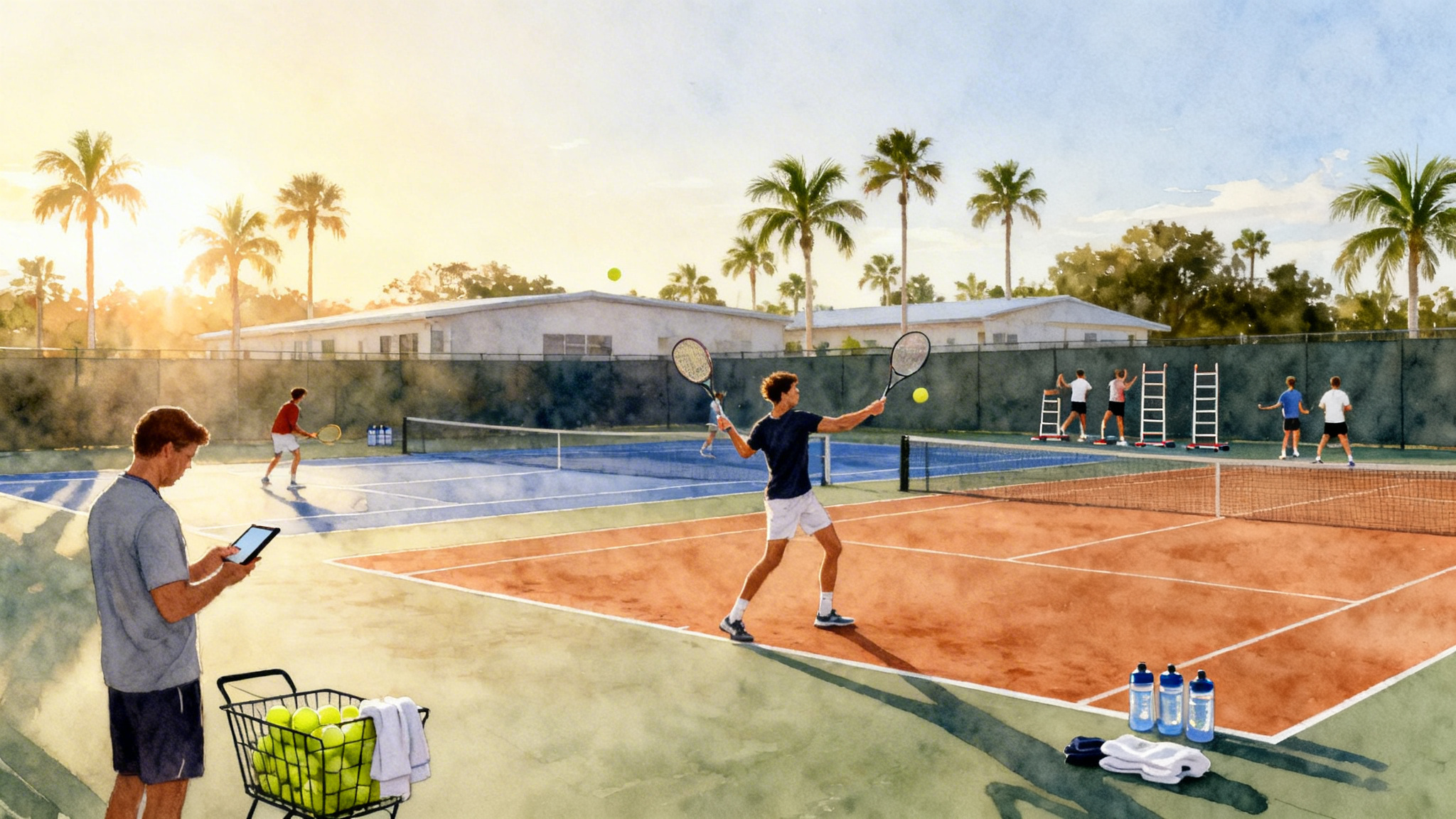
The Florida base camp and the family spine
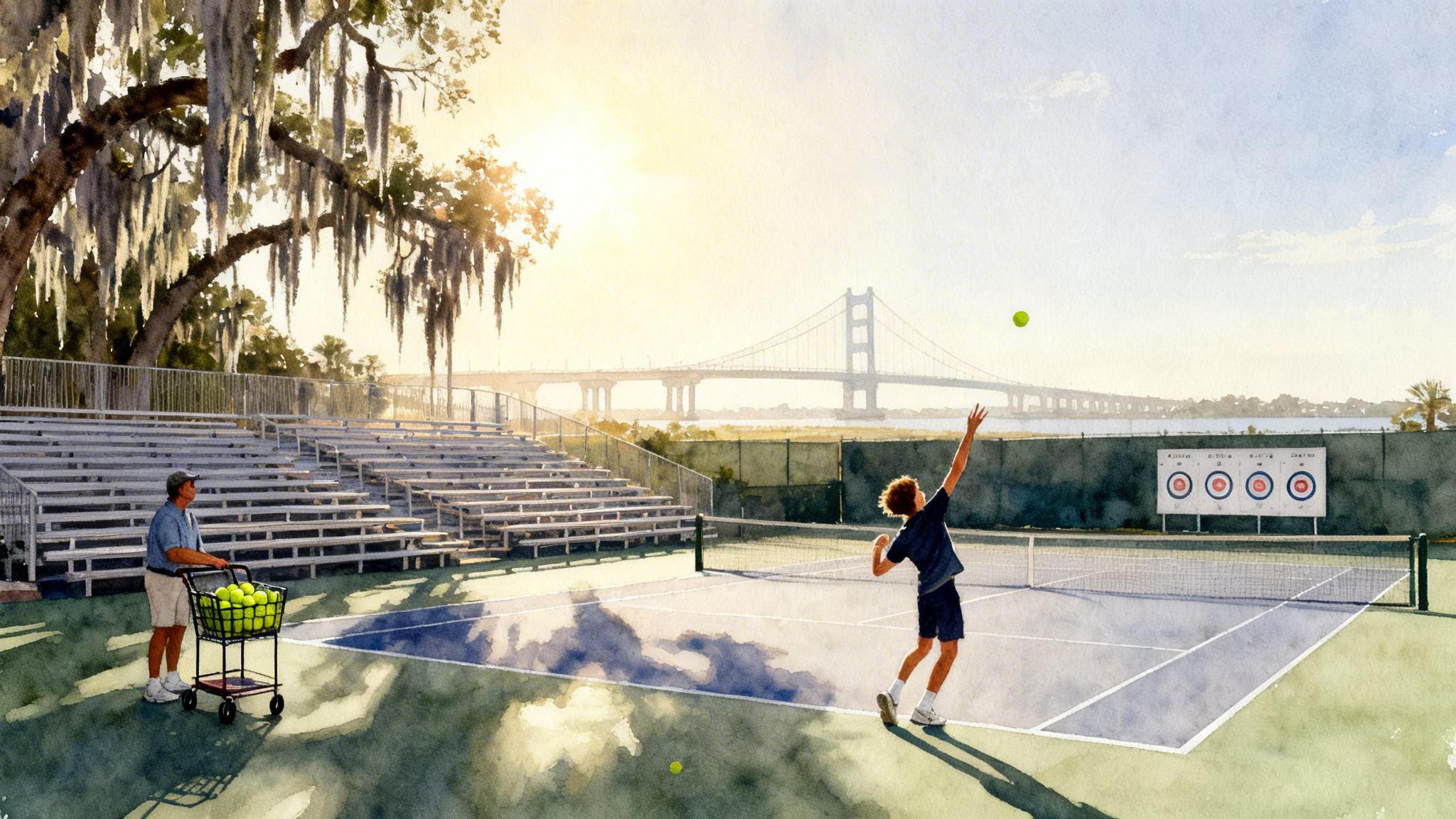
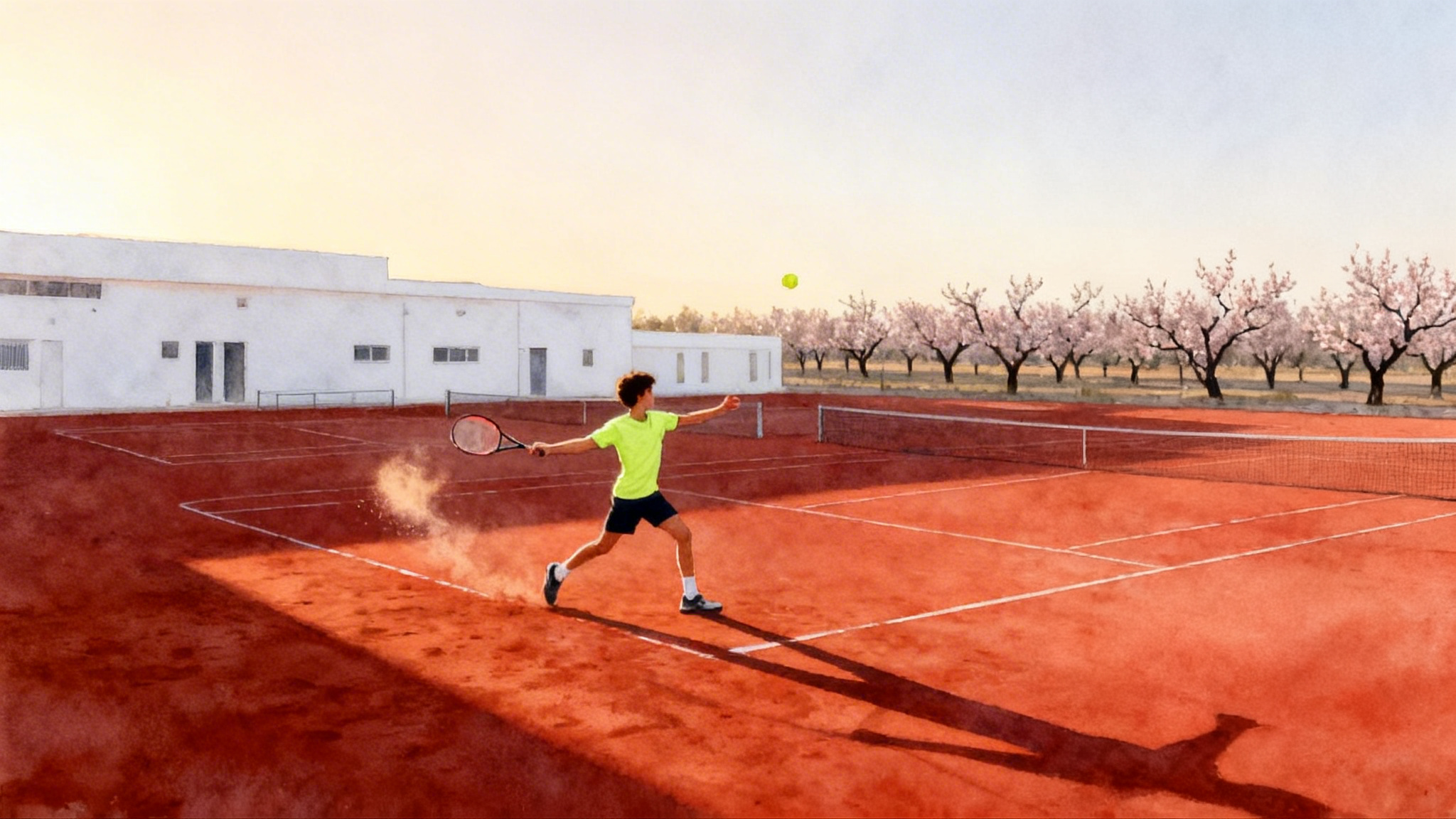
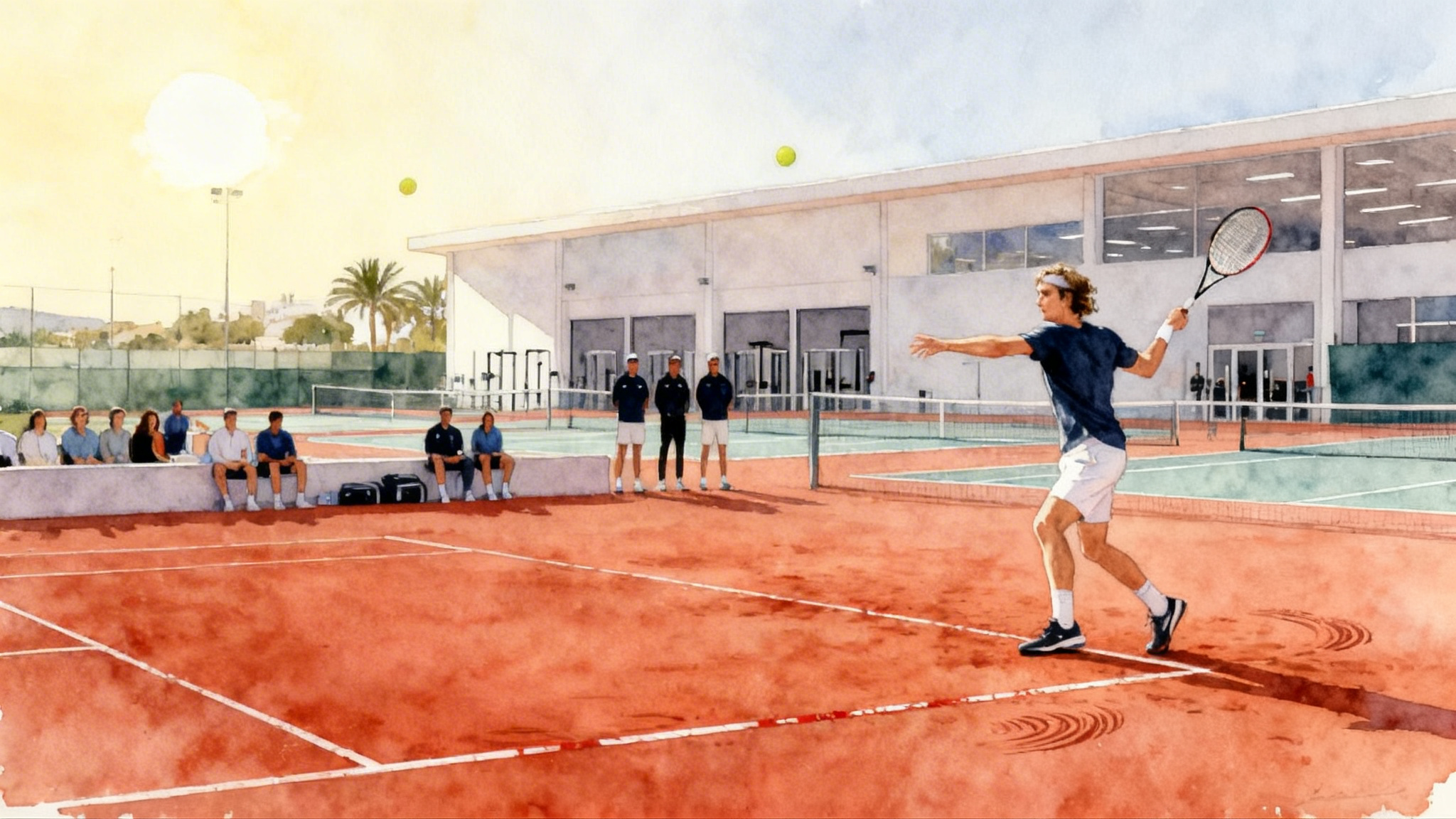
Sebastian Korda did not learn pro tennis in a vacuum. He grew up in Bradenton, Florida, within reach of the IMG Academy tennis program, sports science rooms, and a constant stream of high‑level sparring. The ATP profile for Sebastian Korda shows the results; this article explores the design behind them. At home he had a day‑to‑day guide in his father, Petr Korda, the 1998 Australian Open champion, and steady input from his mother, Regina Rajchrtova, a former professional who read the game with a coach’s eye. Periodically, two other voices joined the circle. Andre Agassi added perspective on return patterns and court positioning. Radek Stepanek, a skilled net player and problem solver, sharpened transition instincts and match management. The mix was not random. IMG Academy provided structure and volume. Home coaching supplied continuity and trust. Agassi and Stepanek offered targeted upgrades at the right time.
IMG stands for International Management Group. The academy’s tennis arm operates like a university for development. Players have access to multiple surfaces, daily fitness blocks, recovery services, and a planning desk that tracks tournaments and travel. That institutional rhythm matters for a tall mover like Korda. At six feet five, with long levers and a naturally smooth swing, he needed repeatable movement patterns, a consistent strength plan, and quality opponents on short notice. Bradenton gave him that most weekdays. Home gave him the filter that told him what to keep and what to ignore.
What IMG Academy actually provided
Multi‑surface reps that create options, not confusion
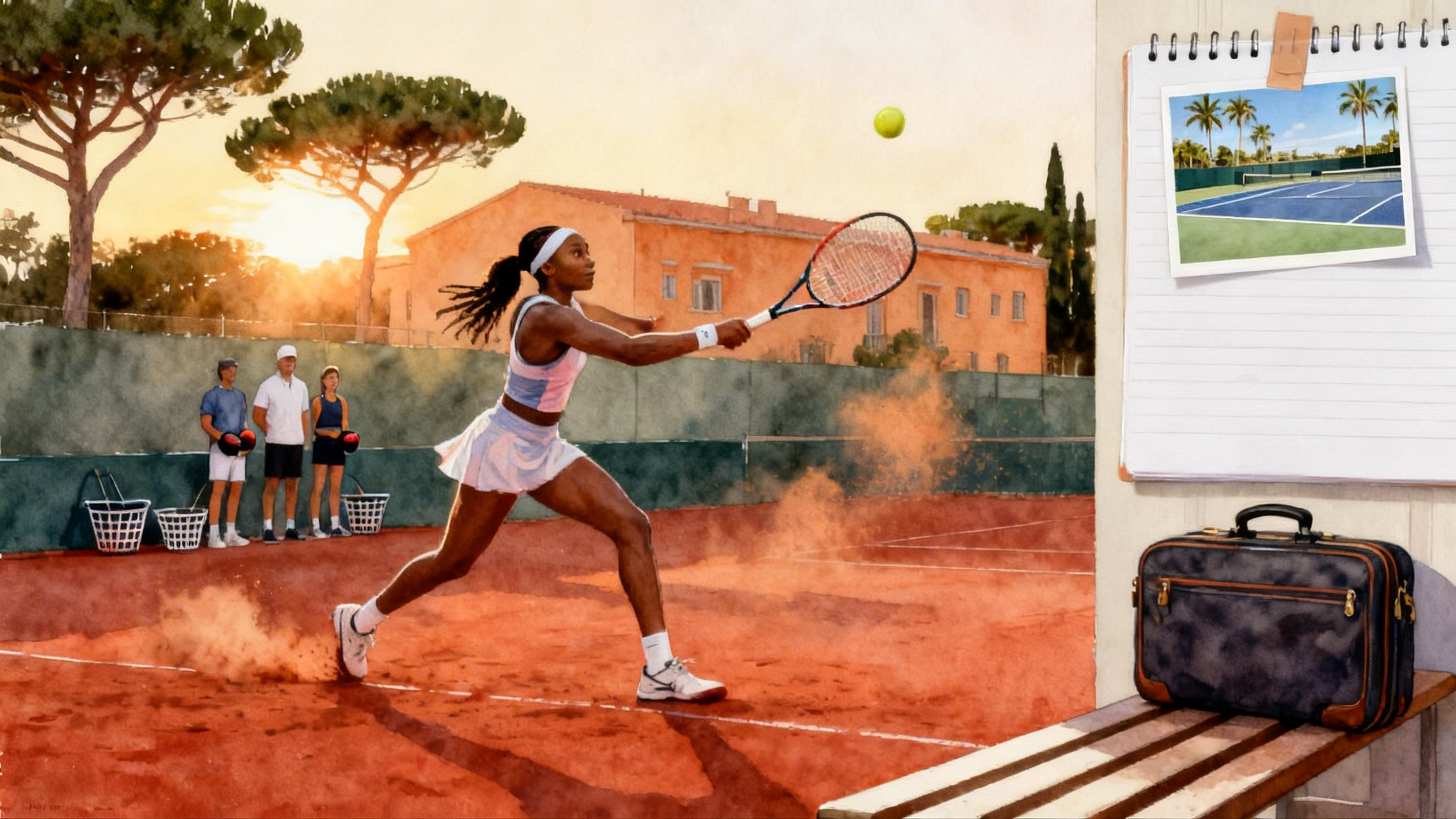
Junior players can get trapped by a single identity. IMG’s layout pushes the opposite. Hard, green clay, and European‑style red clay are all in the weekly rotation. Korda’s sessions often walked a ladder. Start with pattern drills on a slower court to exaggerate spacing and balance. Move to a faster hard court that punishes lazy feet. Finish with live points that demand the same swing shape under less time. The result shows in his pro habits. He can defend with height and shape on clay, then flatten a drive on hard courts without changing his mechanics. That is not talent alone. It is thousands of balls struck on surfaces that force different choices while keeping technique stable.
A fitness and movement lab built for long levers
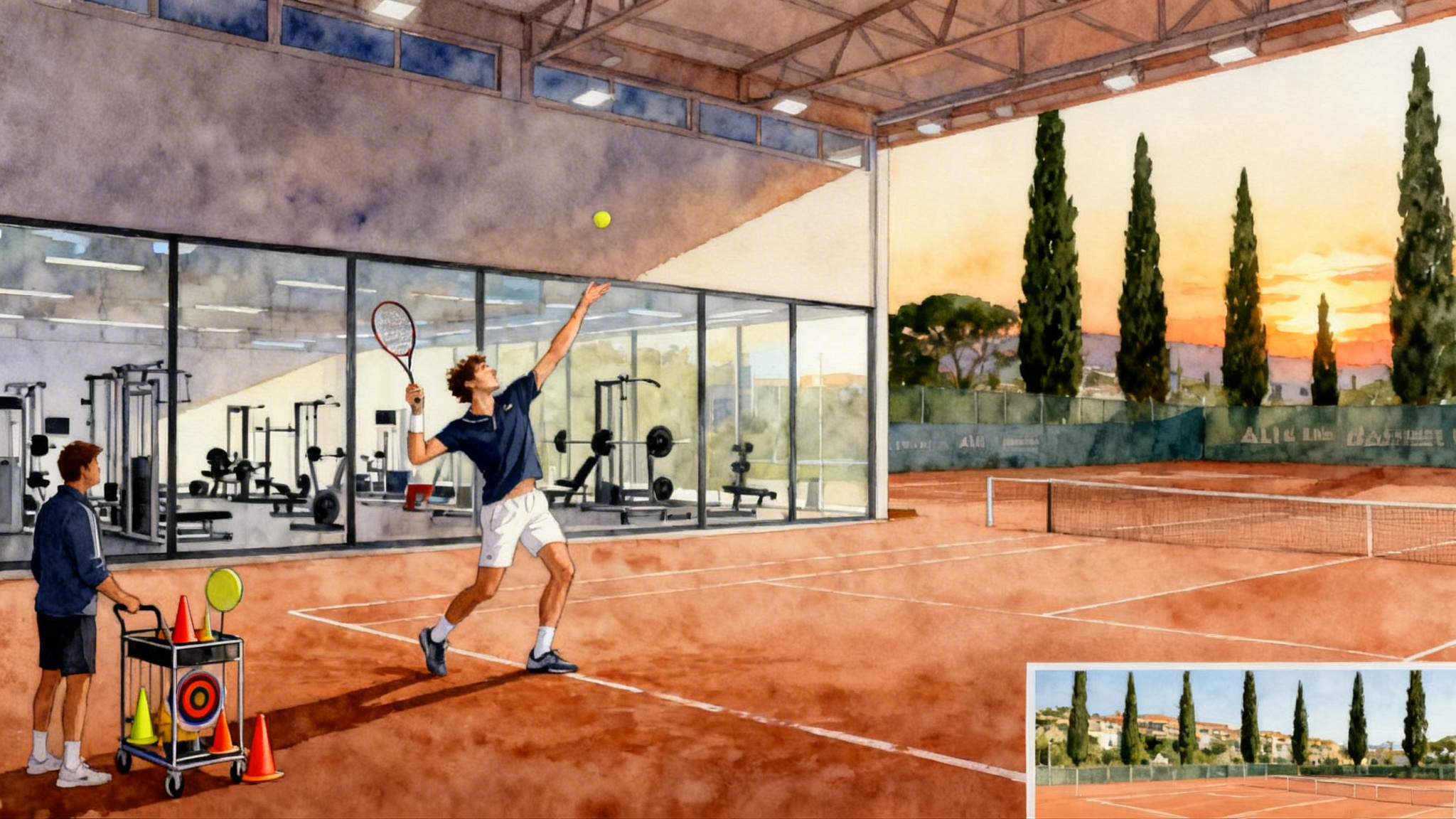
IMG’s performance team approaches tall athletes with a priority list. First protect the shoulder and wrist. Second teach deceleration and braking so the spine and hips do not pay the price for late stops. Third build elastic strength so the first step is not a stutter. For Korda the plan emphasized scapular control, eccentric forearm work, and split‑step timing under fatigue. The test was simple. Could he reproduce his backhand at 90 percent heart rate and still take the ball early. Could his first step recover center after an inside‑out forehand. In Bradenton those questions had measurable answers because they were tested every block, not guessed during tournaments.
Tournament planning that ties training to results
The IMG planning desk treats scheduling like an engineering problem. Start with a macro goal, break it into training blocks, then choose events that test the next upgrade. With the Korda family in the loop, that meant building weeks that targeted skills before chasing points. When he needed repetition on slower courts, the calendar tilted toward clay. When he needed serve plus first‑ball conviction, the slate leaned to hard courts at sea level. The important detail was governance. IMG provided options and data. The family decided what fit the long view.
Technique shaped by a smart blend of voices
The return built forward, not backward
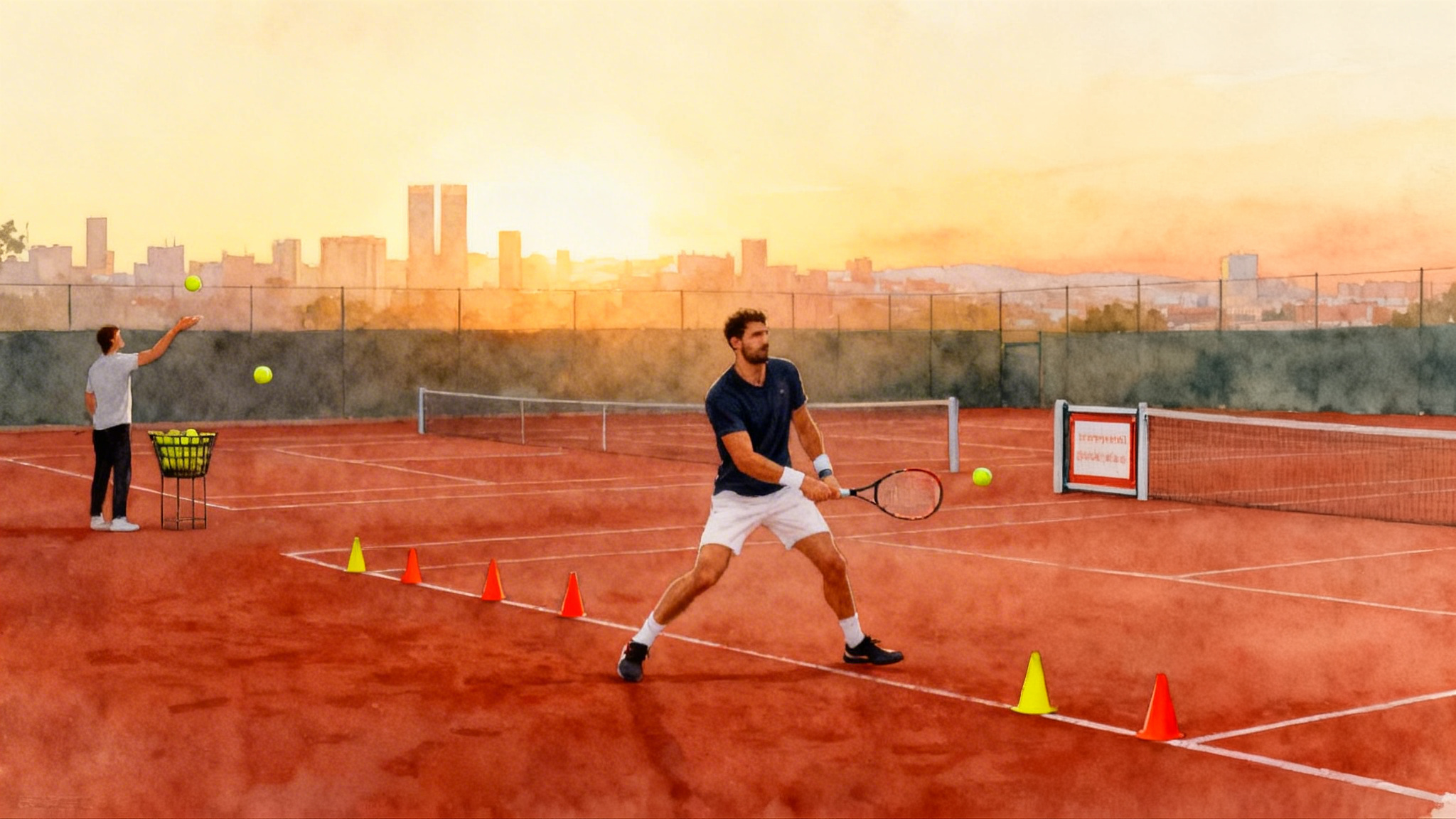
Agassi’s influence shows right away. Korda sets early, keeps the take‑back compact, and steals time by moving through the return rather than freezing on contact. The cue is simple. Beat the ball to the spot and let the swing stay short. This works because his base is quiet. At IMG, return drills start with predictable feeds, then drift into live serves while a coach tracks depth and direction. The metric is not aces allowed. It is how often he neutralizes a first serve into a rally ball that he can shape.
A backhand that holds the line
Two‑handed backhands look similar on video, yet the reliable ones share traits. Early contact. A chest that stays at the target. A finish that does not over‑rotate. Korda’s backhand checks those boxes. The academy reps on clay cemented his spacing so the ball meets him in front rather than under the shoulder. That small detail changes everything. Down the line stops being a risk shot and turns into a field position play that pins the opponent and opens the forehand wing on the next ball.
Serve and first‑ball patterning
Tall players often chase free points. Korda learned to chase first patterns instead. The serve starts the sequence. The real weapon is the confident first forehand he places into the open lane. IMG’s serve blocks built quotas with intent. Ten wide serves followed by a forehand to the opposite corner. Ten body serves followed by a forehand lifted heavy cross to stretch the opponent. The family piece mattered here. Petr’s daily feedback kept the motion simple and protected the wrist during growth phases. When a mechanical cue crept in that added stress, it was removed the same week, not months later.
Transition instincts with a purpose
Stepanek’s mentorship shows in Korda’s willingness to take the ball inside the baseline and finish. The lesson was not to rush the net. It was to recognize when a neutral ball turns into a plus‑one chance. The drill is clear. If a forehand lands short middle and the opponent is off balance, step inside and drive through the open lane. If the opponent floats a stretch backhand, take three steps forward and volley to the larger half of the court. These are choices made simple by rehearsed patterns.
Inflection points, mapped to structure
2018 junior breakthrough in Melbourne
Korda’s 2018 Australian Open boys’ singles title did not fall from a clear sky. The run came after a December block that banked fitness and a January mini‑camp that simulated hard‑court tempo. The academy supplied reliable hitters and match play. At home, the Korda family scaled distractions down to zero and created a two‑cue playbook for each day. One cue technical, one cue tactical. That constraint kept the mind from chasing too many ideas during a major.
2020 Paris leap as a qualifier
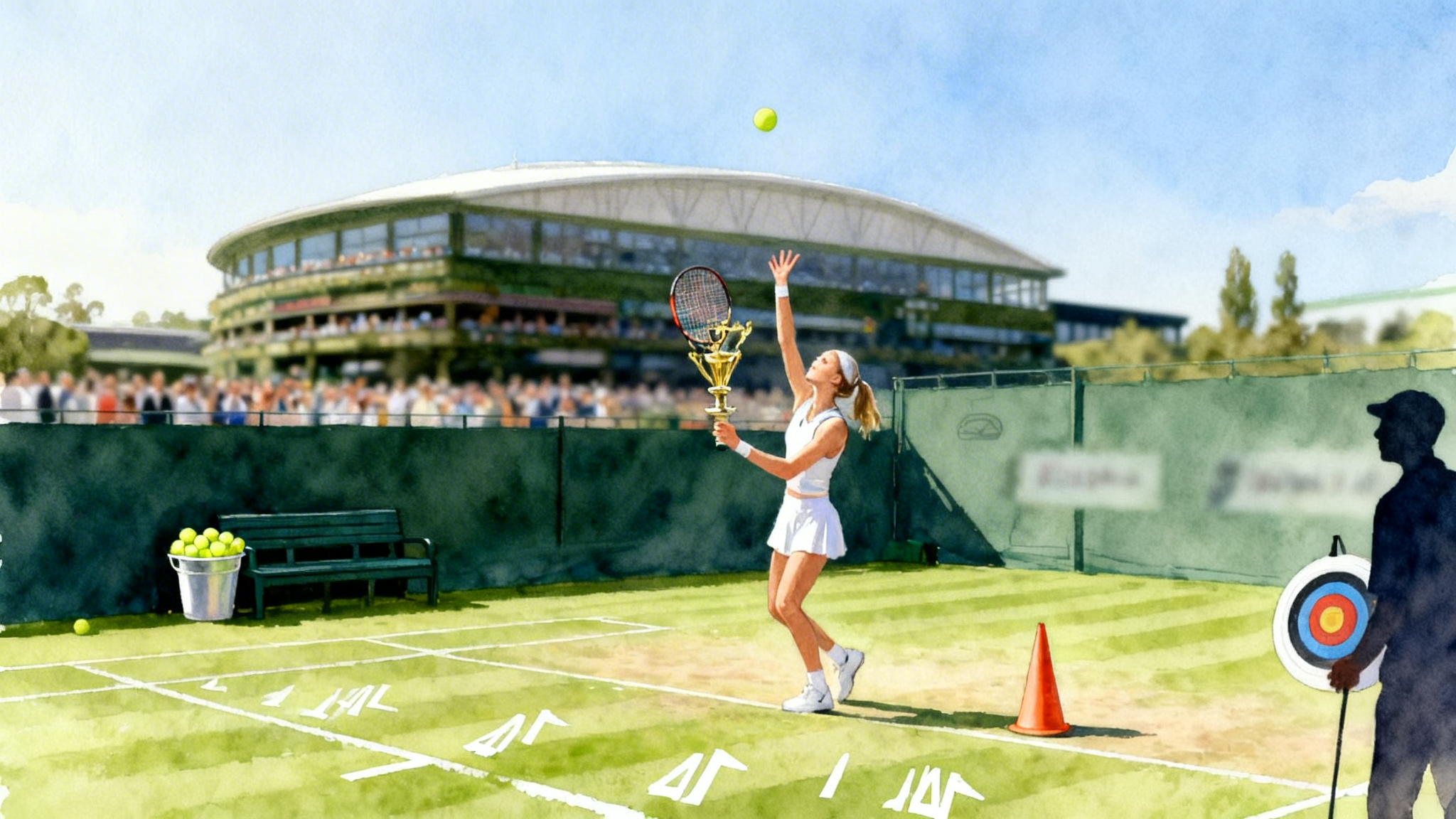
His fourth‑round push at Roland Garros in 2020, as a qualifier who found form on clay, validated the multi‑surface plan. Clay magnifies footwork, stamina, and patience. IMG’s clay blocks gave him a safe lab to extend rallies without losing shape. Family coaching then set guardrails. Percentage heavy crosscourt until the short ball appears. No hero shots from defensive corners. Those rules travel well in Paris. The result was not only a ranking bump. It was a proof of concept for his identity under stress.
2021 first tour title on clay
The first ATP title matters because it creates a new normal. In 2021, on clay in Italy, Korda handled a draw by leaning on simple patterns built at home and rehearsed at the academy. The fitness base let him win long points without changing technique. The scheduling choice to spend spring and early summer on clay made sense in hindsight because it fed his strengths. The win did not require reinvention. It required a calendar that matched training content.
2023 hard‑court maturity in Australia
A deep run in Melbourne in 2023 confirmed that his serve plus first‑ball patterning scales on a big hard‑court stage. He kept the return compact, turned defense into neutral with height and spin, and jumped on short forehands without forcing. The big takeaway for development is that you do not need a different player for different surfaces. You need a core set of patterns that survive across surfaces, then a few surface‑specific adjustments. IMG’s weekly rotations and the family’s narrow daily cues built that resilience.
Scheduling as a competitive skill
Too many young pros treat scheduling like a list of airports. The Korda plan shows a better approach.
- Build around blocks, not flights. Training blocks come first. Tournaments serve the block’s purpose. If the block targets return depth, choose events with faster courts where returns are tested under pressure. If the block targets rally patience, pick clay.
- Stair‑step the level. Futures to Challengers to tour events is not about comfort. It is about testing the newest skill at the lowest level where it breaks, then moving up once it holds. Korda’s climb tracked this staircase rather than skipping rungs.
- Protect recovery like it is practice. The family enforced hard recovery windows after long travel and before surface changes. That is where wrists and shoulders stay healthy, and where technical gains are locked in.
For more on how top academies translate training into results, see how the Ferrero Tennis Academy forged Alcaraz and how the Piatti Academy forged Sinner.
A practical blueprint families can copy
You do not need the Kordas’ pedigree to borrow their process. Here is a model you can run from a local club while using an academy as a hub.
-
Name a single decision maker. One voice makes final calls on training focus, travel, and volume. In Korda’s case, the family established a clear chain. That kept the message consistent when academy coaches or mentors added input.
-
Write a one‑page game model. Describe three offensive patterns, three neutral rules, and three defensive exits. Tape it in the bag. IMG’s variety of sessions provided reps, but the family sheet decided what stuck.
-
Use multi‑surface weeks. Even if you have only two courts, rotate. Monday and Tuesday on slower courts to exaggerate spacing. Thursday on faster courts to test timing. Friday live sets. Korda’s steadiness across surfaces grew from this simple rhythm.
-
Track six stats only. First‑serve percentage, first‑serve points won, second‑serve points won, return depth on first serve, unforced errors inside the baseline, conversion rate on short balls. These link directly to patterns you can train. Do not add more until decisions improve.
-
Set volume caps. Tall players need shoulder and wrist care. Define a weekly serve quota and slice backhand quota. Stop when you hit it, even on a good day. The Korda camp treated health as a skill, not luck.
-
Bring in mentors as specialists. If a trusted former pro offers to help, set a narrow scope and a calendar. One block on returns. One block on transition. Measure the change. In the Korda story, Agassi and Stepanek did not replace the base. They upgraded a part without scrambling the whole.
-
Build match reviews that a teenager will do. Ten minutes, two clips of what to keep, two clips of what to fix, and one sentence for the next practice. Long film sessions feel thorough and change nothing. Short reviews repeated weekly change behavior.
-
Align school or online classes with the tennis calendar. Heavy academic weeks pair with lighter travel. Heavy tennis blocks pair with maintenance schoolwork. The point is to prevent burnout by design, not willpower.
-
Choose tournaments that teach, not flatter. If a player wins without facing a strong returner or a heavy topspin forehand, the event did not teach enough. The Korda schedule often sought draws that exposed him to styles he would face on tour.
-
Plan the pro transition as a set of gates, not a date. Examples of gates: hold serve above 78 percent for a month in Challengers. Win over 52 percent of second‑serve points for six straight matches. Break serve at least twice per match for a block of events. When the gates are crossed, level up.
For a French example of schedule‑aware development, see our All In Academy case study.
What Korda’s path teaches academies
- Offer structure without ego. IMG’s value was access, data, and repetition. The family’s value was identity. When those stay in their lanes, the player learns rather than hides.
- Embrace multi‑surface weeks. It makes mechanics more stable and tactics more flexible. This is development insurance.
- Treat scheduling as coaching. A tournament is a test of the last block. If the last block did not target anything, the tournament will grade nothing.
- Share the notebook. Families should leave with a written plan, not just a good workout. The Kordas thrived because the plan followed them home.
The deeper mechanism at work
Raise a player well and you align three systems. The daily coaching system that protects technique and health. The academy system that supplies reps, competition, and measurement. The mentor system that installs timely upgrades. Korda’s rise reads cleanly through that lens. Bradenton gave him environment, his family gave him filter, and mentors gave him edge cases. That is why his game looks calm under pressure. Calm is not a personality trait here. It is the output of a design that lowers decision noise.
Conclusion
Sebastian Korda’s story is neither a fairy tale nor a product brochure. It is a case study in roles and timing. IMG Academy provided the arena and the tools. Family coaching set the compass each day. Andre Agassi and Radek Stepanek dropped in to fix specific pieces at specific moments. The method produced a player who moves smoothly across surfaces, schedules with purpose, and advances by pattern, not by luck. Families do not need every resource that Bradenton offers to apply the same logic. Pick a base. Define a voice. Rotate surfaces. Protect health with quotas. Invite mentors to solve one problem at a time. If you repeat that cycle with patience, the path from your local courts to a real breakthrough starts to look less like a dream and more like a plan.