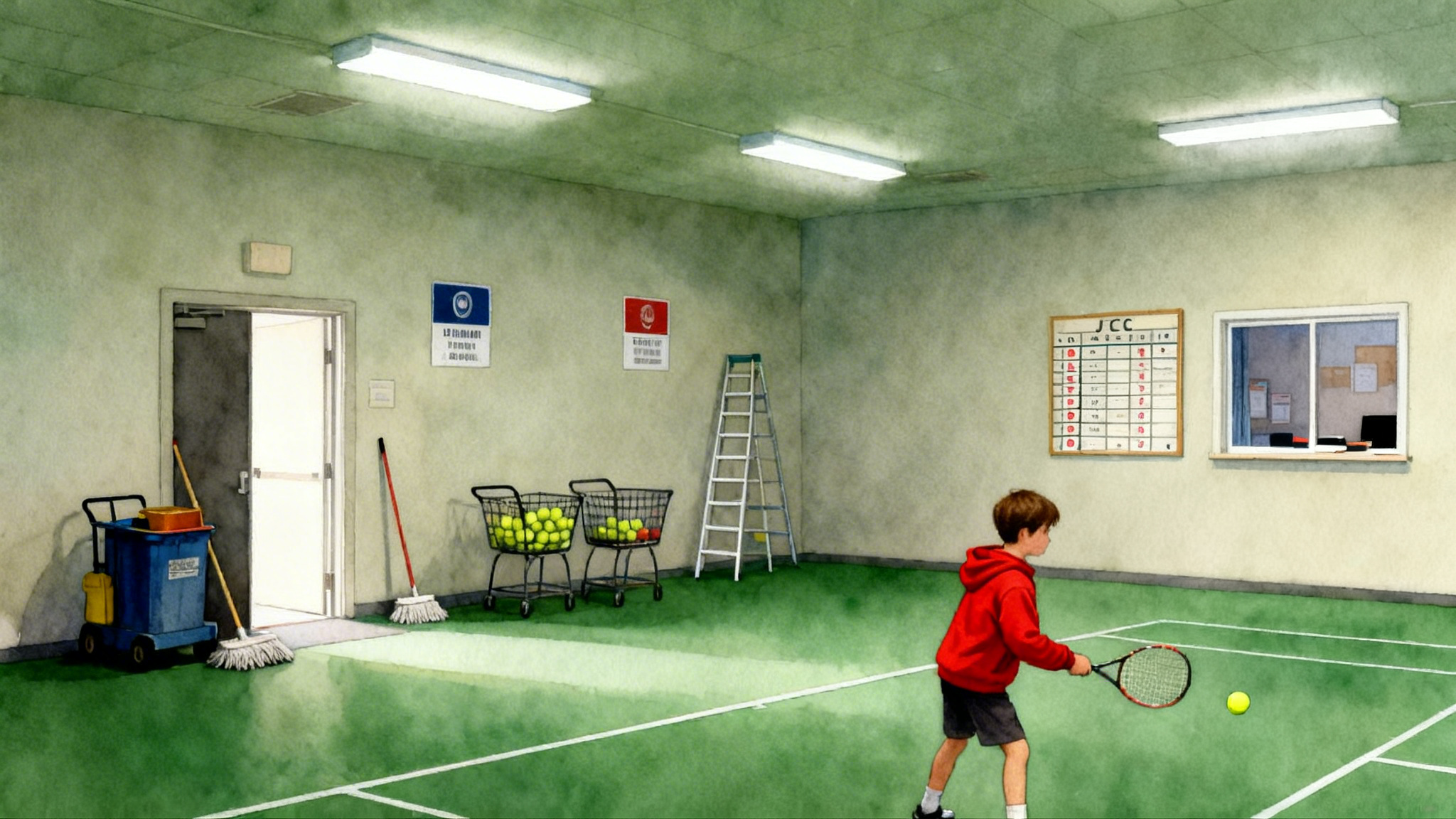
From LTP Daniel Island to WTA: Charleston Shaped Emma Navarro
Emma Navarro did not chase dozens of training addresses. She built a home base at LTP Daniel Island with coach Peter Ayers, added a focused college chapter at Virginia, then used smart scheduling and selective wildcards to launch fast on tour.
 Tommy
Tommy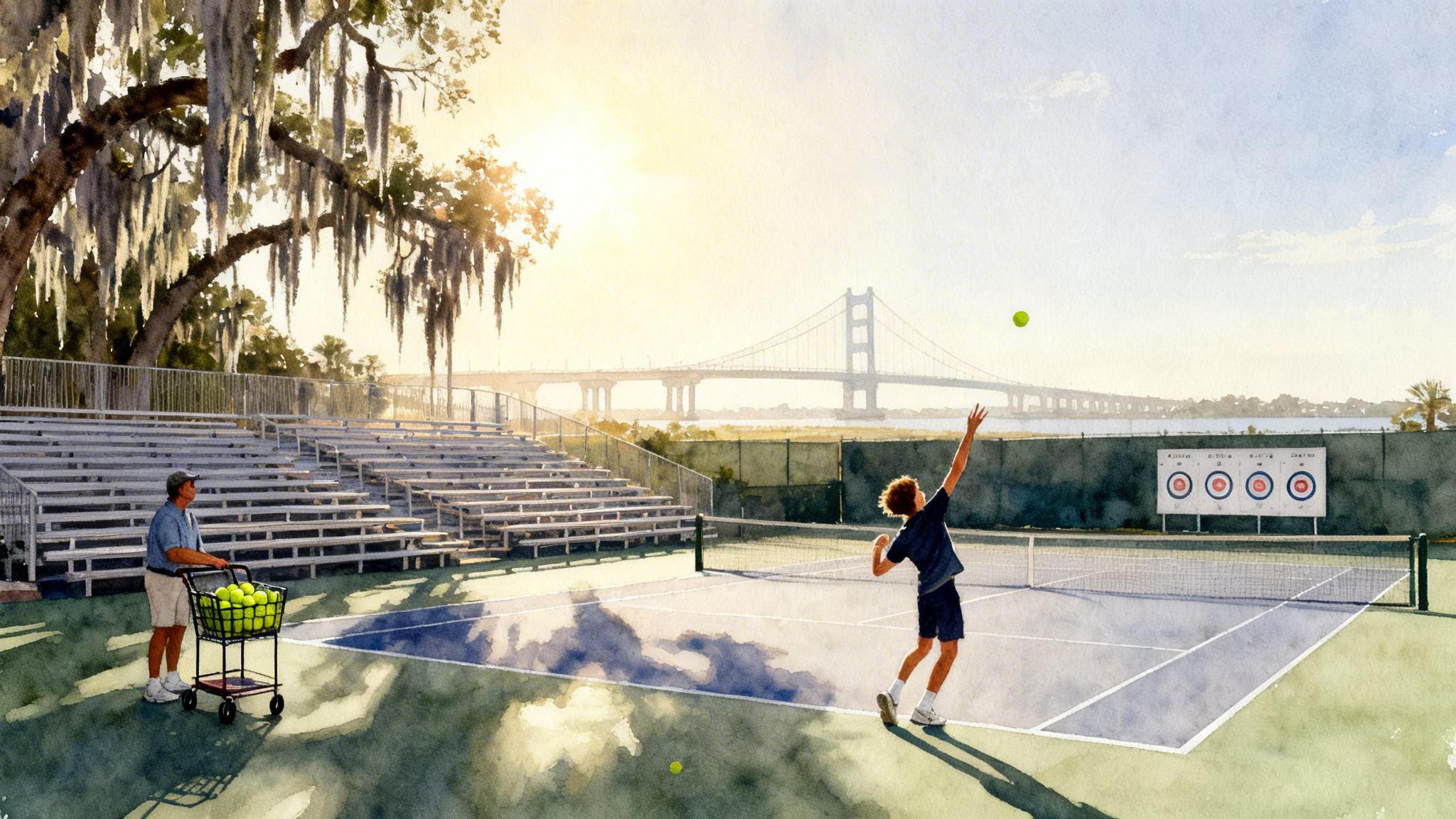
The Charleston blueprint
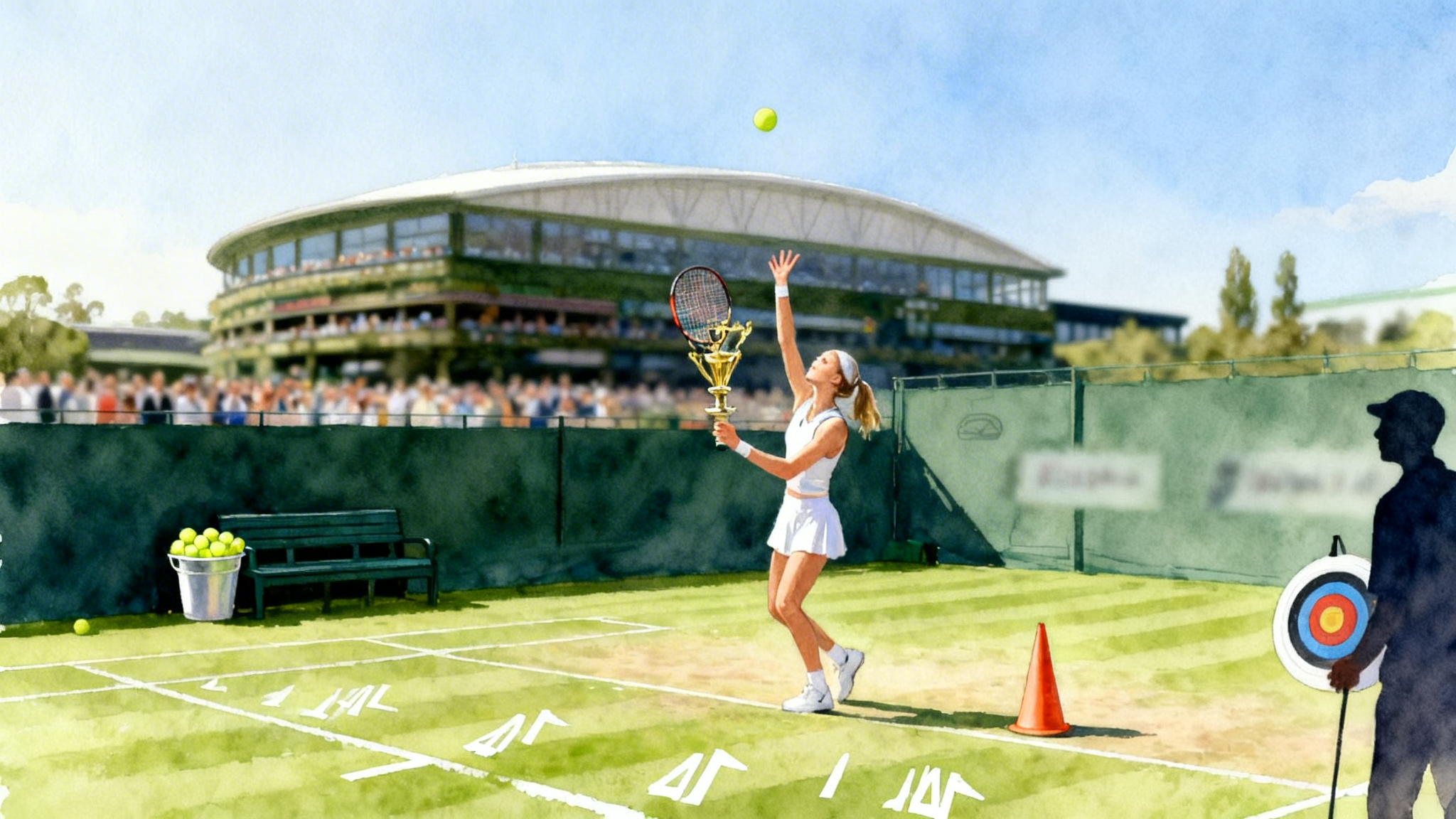
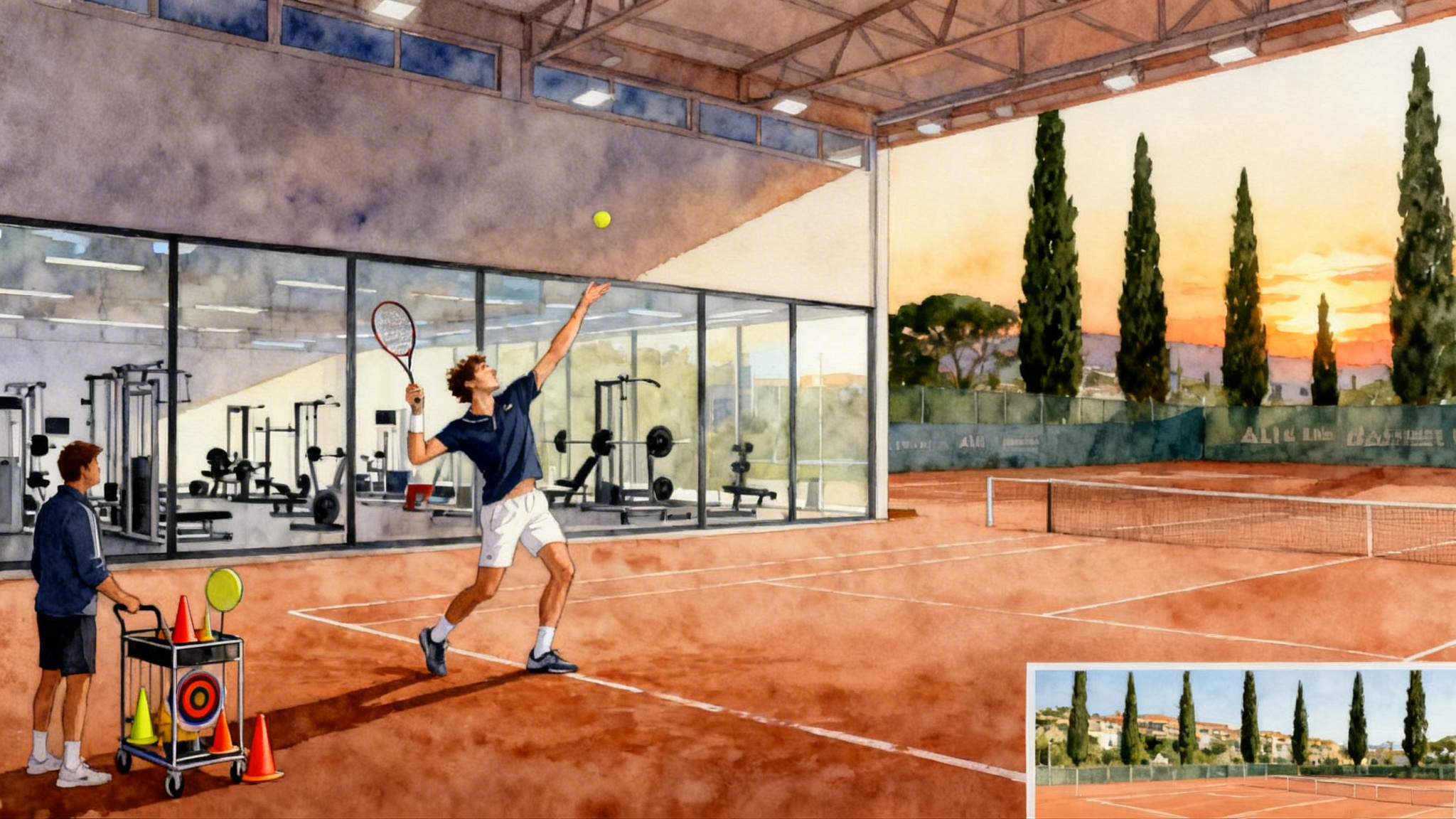
Watch a morning at LTP Daniel Island and you can see the logic of Emma Navarro’s rise in real time. One court. One coach. One plan. Before most players have finished stretching, she is deep into the routine she learned as a kid in Charleston: serve targets, first‑ball patterns, depth windows, then points that always begin with a planned intention. The setup is simple, which is why it scales under pressure. Navarro grew up around high‑level events, but the daily engine was humble. Reps. Feedback. Repeat.
That home‑base model is not romantic. It is ruthlessly practical. LTP Daniel Island gave her two things most teenagers do not get at the same time: continuity with a single lead voice and regular proximity to professional tennis. The first made improvement predictable. The second made the dream concrete. You can see similar academy‑first lessons in how the Ferrero Academy built Alcaraz and how the Piatti Academy forged Sinner.
One home base, one voice
The first pillar was a long relationship with coach Peter Ayers at Charleston’s LTP Academy. In an era when families collect specialists like apps on a phone, Navarro and Ayers chose clarity. One leader sets the standard and collaborates with fitness, physio, and hitting partners around that standard. The point is not to reject specialists. The point is to keep a single tactical language so that a grip tweak on Tuesday still serves the crosscourt forehand pattern on Friday.
What does that look like on court?
- Progression before perfection. Sessions start with a foundation block that shows up every week: serve to three targets, then a first‑ball forehand to the open corner, then a depth rule on rally balls. No drill is exotic. All of them are consistent.
- Pattern literacy. Navarro learned to play chess with four pieces, not sixteen. For example, she would rehearse a deuce‑court serve out wide, forehand to the backhand corner, recover, then either hold middle or finish to the deuce line depending on a cue. The pattern becomes second nature, which frees up attention for score and nerves.
- Feedback loops you can count. A simple clipboard metric might track first‑serve to first‑ball success out of 20 reps and groundstroke depth above the service line out of 50 balls. If the numbers drop after travel, the plan adjusts without debate.
Why does a single voice matter? Because juniors drown in well‑meant advice. One coach says take the ball earlier. Another says fix the finish. A parent adds a podcast tip. A single lead coach prevents tactical drift. Navarro could push hard on fitness or add a new backhand variation without fracturing her identity. That is how the same player can look patient on slow clay in Charleston, decisive on hard courts in college, and composed at tour level without reinventing herself every six months.
Pro tennis next door
The second pillar was geography. On Daniel Island, pro tennis is not an abstract television signal. It is a venue you can bike to. LTP hosts and supports high‑level women’s events, and the spring showcase in Charleston brings the best in the world to the same live‑ball speed you hear during your own practice. That proximity matters.
For a teenager, watching tour pros up close resets expectations. The ball is heavier. The rally tolerance is longer. Footwork between shots is calmer than it looks on television. Navarro could stand a few meters from the court and see how top players managed score pressure with their feet and between‑point routines. Then she could test the same skills the next morning under Ayers’s eye.
Proximity also shaped scheduling. Rather than chase points across the globe too early, Navarro’s team used local and regional events to sharpen without wrecking the calendar. When selective wildcards appeared, they were not charity. They were auditions prepared by months of stable work and a clear game identity. The message to a young pro was simple. You do not need every wildcard. You want the ones that match your readiness and your plan.
The deliberate stop at Virginia
Many families face the same fork. Turn pro now, or take a measured stop in college. Navarro chose the University of Virginia, and it was not a detour. It was a bridge. College tennis gave her three things that a junior schedule rarely gives at scale.
- Real team pressure. College dual matches compress nerves into a single afternoon where five other people need your point. That teaches a young player to compete for something larger than personal ranking. That lesson travels to tour doubles and to those first chances to finish a seeded player on stadium court.
- Weekly match rhythm. A college season offers frequent, structured competition. You can measure your patterns under stress on Friday and fix them on Monday. For a player built on routines, the cadence is a gift.
- Physical maturity. College strength rooms prioritize durability. Navarro added layers of robustness without chasing vanity metrics. The goal was not to look stronger. The goal was to hit the same forehand on point one and on point eighty.
The result was a player who stepped toward the tour with a clearer identity. She was not guessing how her game would behave in front of a crowd or in a third set after three hours. She had already lived those emotions with a team logo on her sleeve.
The first steps on tour
When Navarro turned her attention fully to the professional tour, she did not need to reinvent the wheel. The same blueprint followed her suitcase. Keep a home base in Charleston. Keep Ayers as the primary voice. Build a schedule that grows difficulty in logical steps. Mix qualifying draws, mid‑level events, and a few big stages that serve as measuring sticks.
Results arrived because the inputs were stable. Her serve became a quieter weapon, landing in smart locations instead of chasing highlight power. The forehand controlled neutral rallies without needless risk. Perhaps most importantly, her between‑point tempo made tight scorelines feel familiar. When the first WTA singles title came in early 2024, it felt less like a surprise and more like an invoice that had been sitting on the desk for years, finally paid.
If you slowed down any of those breakthrough wins, you would not see a new trick. You would see the simplest patterns repeated with better spacing and cleaner timing. The hard work was not in adding complexity. It was in making the simple inevitable.
How the LTP habits travel
Tour life tests your habits the moment your bag hits the hotel room floor. Navarro’s LTP routines were designed to survive that test. Here is how they travel.
- Anchored warm‑ups. The first twenty minutes look the same on every continent. Elastic work, short hops, medicine ball throws, serve motion rehearsals, then three serve targets with the same first‑ball plan. Consistency calms nerves.
- Pattern rehearsal before scouting. The pre‑match hit prioritizes your own A and B plays before adjusting to an opponent. If the opponent is a heavy crosscourt backhand player, Navarro will still run her wide serve plus forehand pattern first. Only then will she add the counter pattern that exploits the opponent’s habits.
- Simple post‑match metrics. Instead of fixating on score, the team logs controllables. First‑serve to forehand conversion, forehand unforced errors inside the baseline, return depth above the service line. These numbers travel better than emotions.
None of this is glamorous. It is the same stepladder repeated in new places. The win is that nothing about Singapore, San Diego, or a humid night in Charleston forces you to change identity.
What parents and players can copy
You do not need to live in Charleston to apply the Charleston model. Here are the parts anyone can copy, plus what to watch for.
- Choose a home base and a lead coach
- What to do: Identify one coach who will be responsible for the player’s tactical identity. Other voices are welcome, but the lead coach sets the language and the seasonal goals. For a French example of clear structure, study the All In Academy approach.
- Why it works: Young players are impressionable. One voice prevents confusion and accelerates pattern mastery.
- How to implement: Start with a three‑month contract that clarifies roles. Agree on two to three daily drills that will exist year round. Agree on three match metrics that will never change.
- Use proximity to learn faster
- What to do: Attend the highest level of tennis you can reach locally. That might be a professional event, a top college dual match, or a national junior final.
- Why it works: Seeing the ball speed and the footwork in person rewires expectations and reveals habits to copy.
- How to implement: Watch one player for a full set. Track how they move between points, where they serve at 30‑all, and what they do after an error. Bring one behavior home and practice it the next morning.
- Make college a bridge, not a fallback
- What to do: If your player is not truly ready for tour life at 17 or 18, consider a targeted college stop. Pick a program that values individual development and that will support pro scheduling in the off season.
- Why it works: College can accelerate emotional and physical maturity while providing matches you cannot replicate in practice.
- How to implement: During recruiting, ask coaches specific questions about pro‑level scheduling, access to private courts, and how they measure individual progress beyond dual match wins.
- Treat wildcards as tools, not trophies
- What to do: Pursue wildcards that align with readiness and style. Say no to those that arrive at the wrong time or on the wrong surface.
- Why it works: A poorly timed wildcard can damage confidence and delay development. A well‑timed one can validate months of work and unlock the next tier of scheduling.
- How to implement: Create a readiness checklist. For example, first‑serve percentage above 60 across the last five events, return depth targets met, and proof that your best pattern holds against players ranked in a target range. Only then apply for the wildcard.
- Build a schedule you can survive
- What to do: Plan clusters of events by region to limit travel fatigue. Maintain a training base you return to every four to six weeks for a reset.
- Why it works: Bodies and games fall apart when travel and surfaces change too fast. Home resets keep technique and confidence aligned.
- How to implement: Draft a twelve‑month map that alternates two to four weeks of tournaments with seven to ten days at the base. Treat that base week like a tune‑up, not a vacation.
A sample 12‑month path inspired by Charleston
Every player is different, but the structure below mirrors what worked for Navarro without copying her exact calendar.
- Weeks 1 to 4: Base block. Four‑day microcycles with two on‑court sessions per day. Morning is serve plus first ball, afternoon is pattern live ball. Two gym sessions and one mobility session per week. One practice match.
- Weeks 5 to 8: Regional events. Two tournaments within driving distance. Aim for five to seven matches total. Log the three core metrics after each match.
- Week 9: Base reset. Technical check on serve motion and forehand spacing. One day fully off.
- Weeks 10 to 14: Step up one event tier. If results lag, drop back down for confidence and reps rather than chasing points.
- Week 15: Watch live tennis. Attend a top college dual match or a pro event day session. Take notes on between‑point routines. Bring one behavior home.
- Weeks 16 to 20: Main phase. Target three events on your preferred surface. If a wildcard becomes available and the readiness checklist says yes, take it. If not, decline and stick to the plan.
- Weeks 21 to 24: Base reset with fitness emphasis. Add serve speed tracking and return depth charts. Revisit pattern priorities with the lead coach.
- Weeks 25 to 36: Repeat the compete‑reset cycle once more, then schedule an off period of seven to ten days with only light hitting and mobility.
- Weeks 37 to 48: Late‑season push. Choose events where you have prior experience or where travel is simple. End with a base week that sets the technical compass for the next year.
What the academy actually taught
It is tempting to credit a single factor. The truth is more ordinary and more powerful. LTP all‑model taught a habit of alignment. Daily work aligned with the lead coach’s words. The college choice aligned with the long game. Wildcards aligned with readiness. Scheduling aligned with health. When alignment is present, confidence feels like a side effect, not a mood.
There is also a human lesson in how Navarro’s team handled proximity and opportunity. Yes, she grew up near big events and had early access to bright lights. The key was restraint. They did not sprint to every spotlight. They learned in the shadow of them until the game could stand on its own.
The parent’s checklist
If you want an actionable summary you can print and bring to the next practice, try this.
- One lead coach who defines identity and metrics
- Two to three daily drills that never leave the plan
- Three controllable match metrics you log year round
- A calendar that alternates tournament clusters with base resets
- A readiness checklist for wildcards and tier jumps
- One live high‑level tennis experience each month, even if it is college
- A simple rule for travel: if your habits cannot travel, the event is too far or too fast for now
The finish line that keeps moving
Emma Navarro’s story is not a shortcut. It is a refusal to improvise the important parts. She built a game that looks calm under heat because it was built to be lived, not performed. Families looking for a map can learn from that. You do not need the exact same coach or city. You need a base where the work adds up, a voice you trust, and a schedule that makes sense on paper and in the body. Do that with patience and you will give a talented player the same chance Navarro earned in Charleston. The results will feel like they came fast, but they will arrive right on time.