From Delray Beach to Biot: How Mouratoglou Accelerated Gauff
Coco Gauff’s climb from Florida prodigy to two‑time major champion ran through targeted stints at the Mouratoglou Academy in Biot. Here is how scholarships, pro‑level training blocks, and smart coaching choices turned promise into Paris and New York wins.
 Tommy
Tommy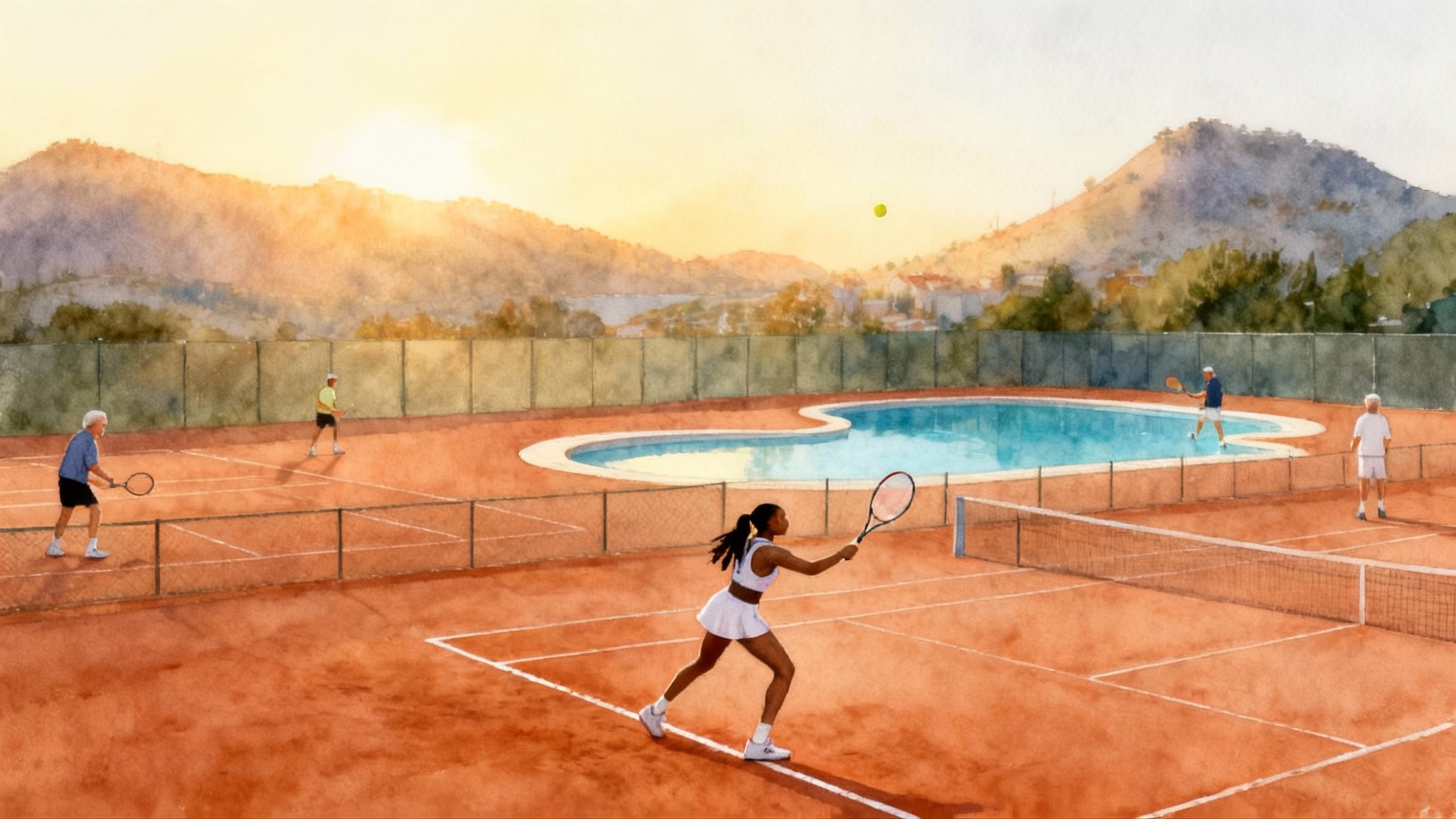
The map that mattered: Florida roots, French solutions
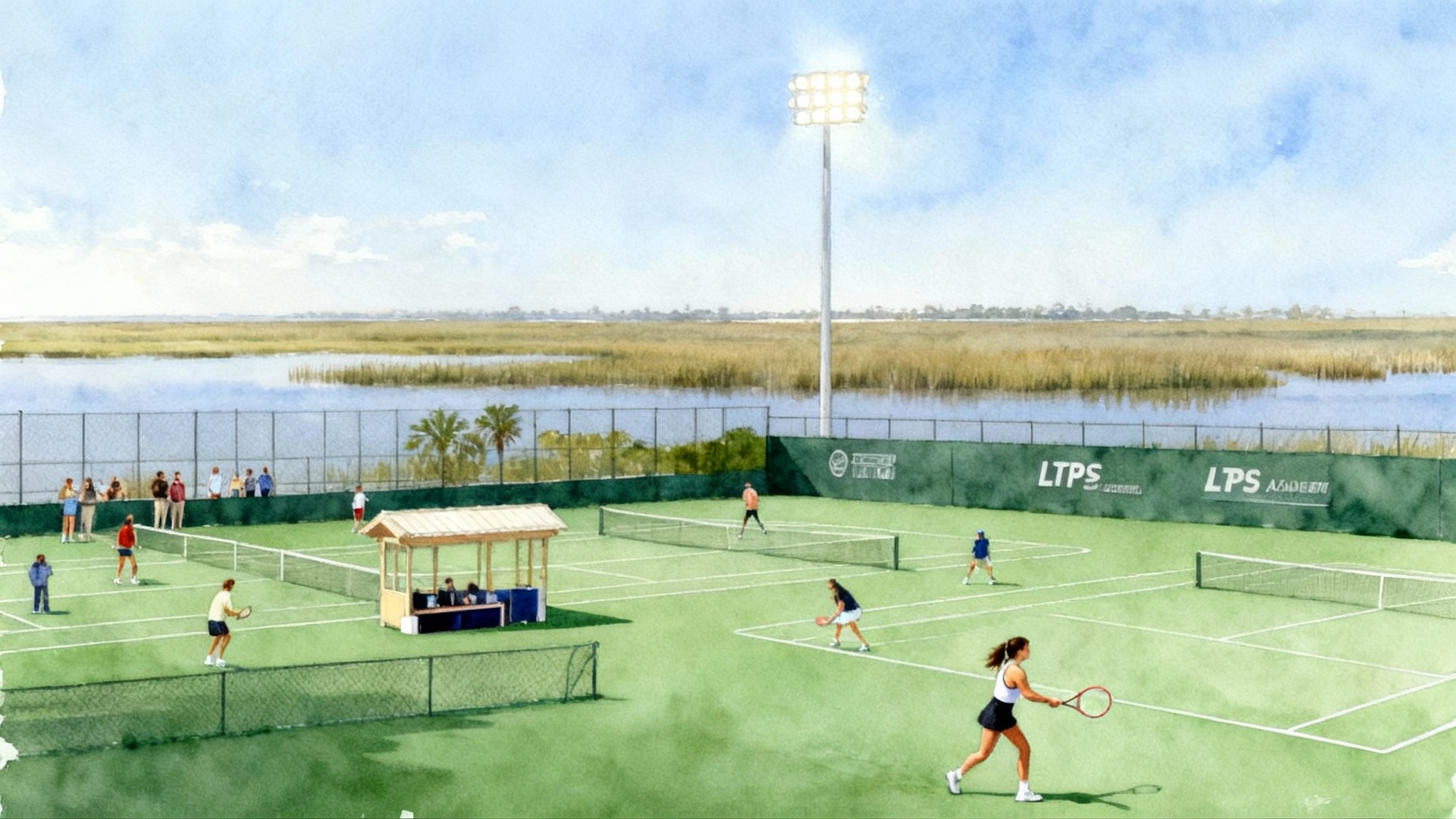
If you watched Coco Gauff lift the 2025 French Open trophy, it is tempting to tell a neat story about destiny. The real map was messier and more useful. It ran from public courts and family-run training in Delray Beach to concentrated, carefully timed blocks at a high-performance base in Biot, France. That map is repeatable for families who want a sustainable climb rather than an expensive sprint.
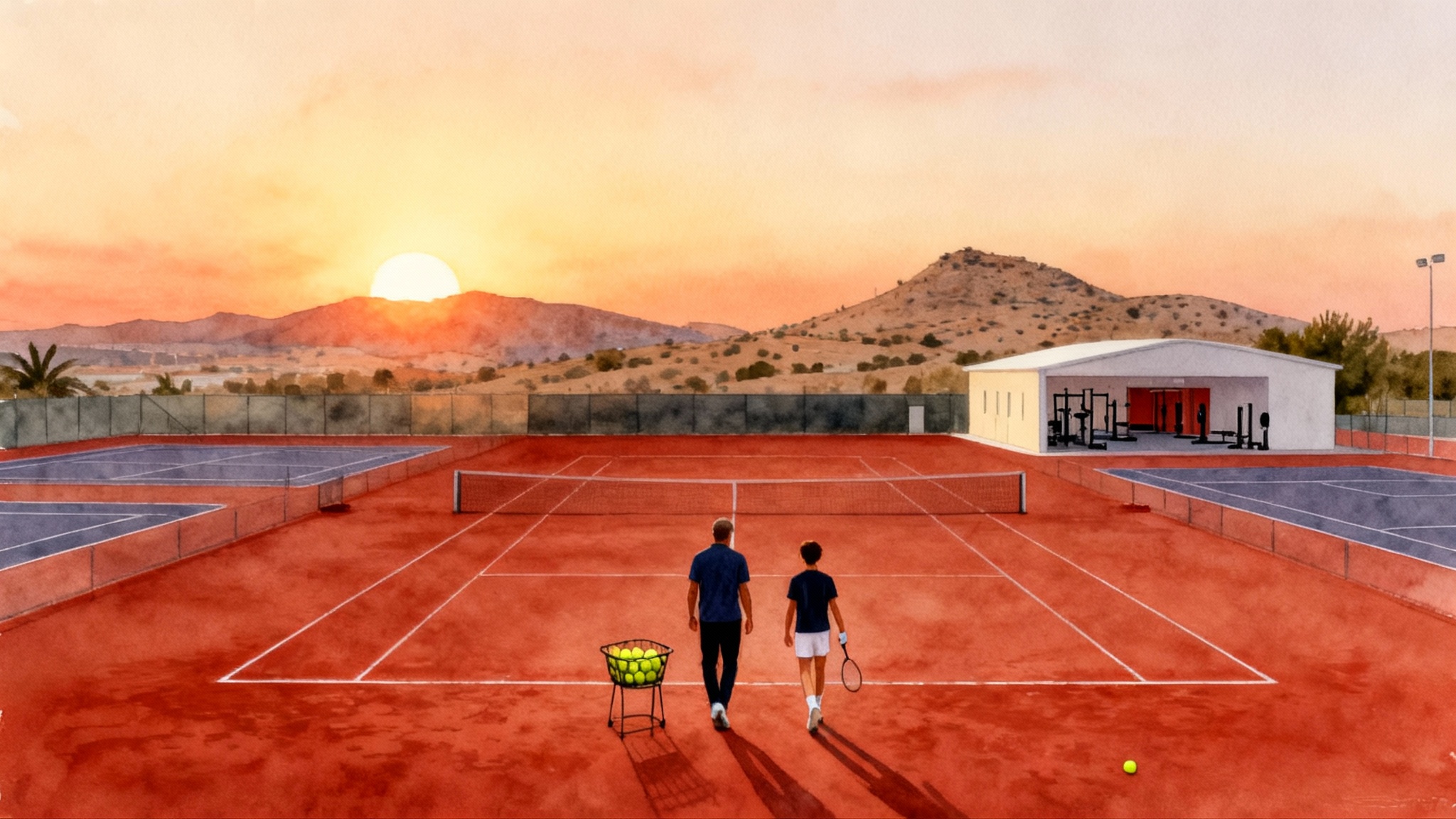
Gauff grew up in a home program that prized whole-athlete development. Before she specialized, she moved her body in many ways, built coordination and balance, and learned competition as a habit rather than an event. When tennis became the focus, her father Corey managed the day-to-day sessions in Florida. The limit was not motivation, it was access. You cannot sharpen a rising junior only on familiar sparring. You need a place where the rally speed, the decision window, and the physical standard mimic what she would face on tour.
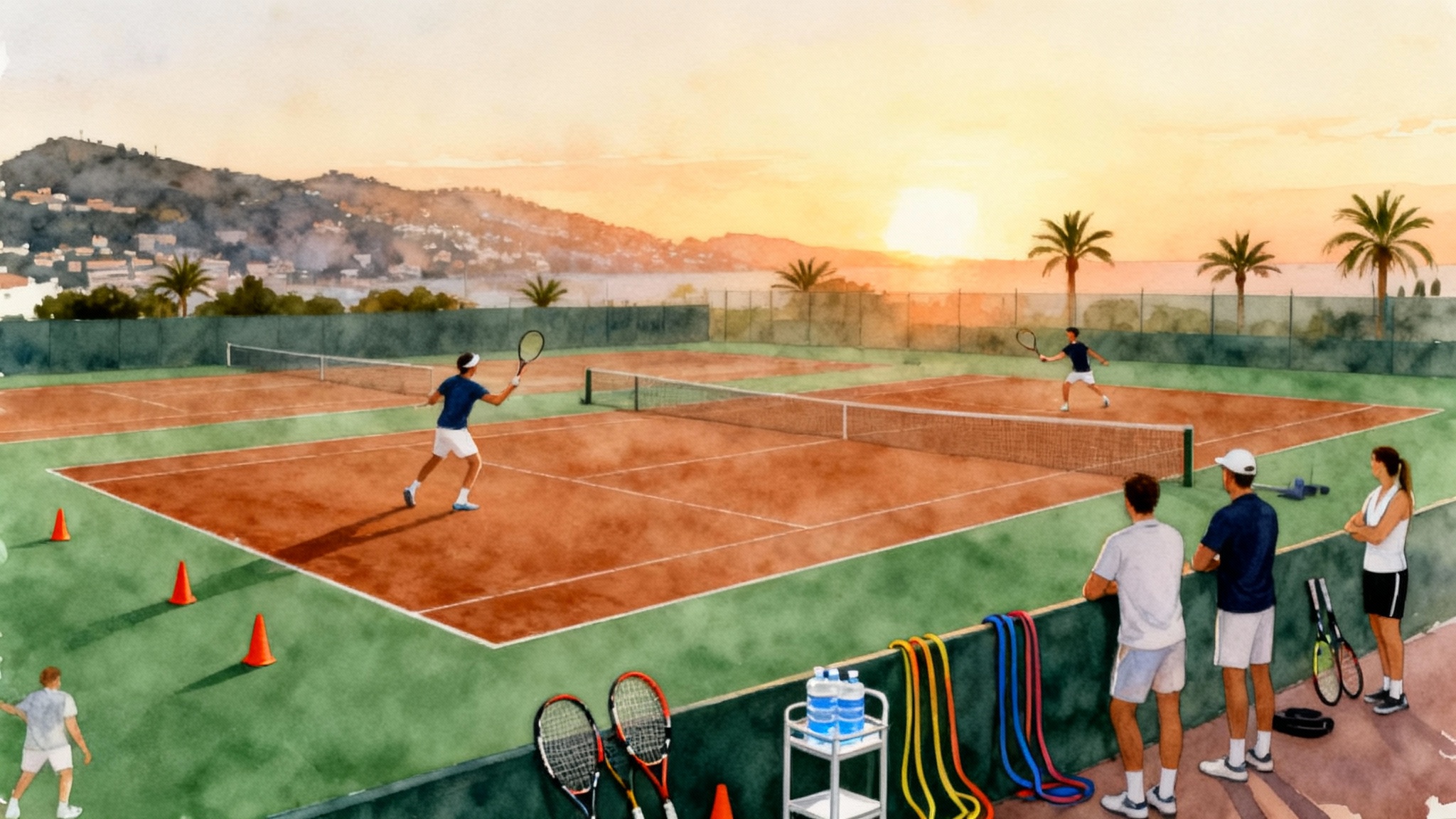
That is why the family added a second pillar: short, high-yield training blocks at the Mouratoglou Academy in Biot. The choice proved prescient. Those blocks, paired with smart coaching decisions in 2023, translated junior pedigree into Grand Slam reality in New York in 2023 and Paris in 2025, where she beat the world number one to win her second major title, as confirmed by the United States Tennis Association’s coverage in June 2025 (Gauff wins at Roland Garros).
Families mapping the Riviera should also compare environments like All In Academy on the Riviera, which blends tour-minded coaching with integrated schooling across two French campuses.
Why Biot, and why not full time
Families often imagine that success requires moving a child overseas year round. Gauff’s path shows the opposite. She did not board full time. She used Biot in blocks to raise the ceiling, then returned to Delray Beach to lock in the gains with her home coach.
Here is the mechanism:
- Block exposure resets the standard. Training next to elite pros recalibrates what “fast” feels like, how deep a neutral ball needs to land, and how often you must turn defense into offense.
- Returning home cements the upgrade. Without the noise of a constant camp, the player and home coach can integrate one or two changes at a time until they become automatic.
- Repeating the loop builds compounding effects. Each trip to Biot starts at a higher baseline, so the same week of work yields more.
This loop made sense for Gauff as a ten year old and still made sense a decade later. The Academy’s environment delivered stimulus. Florida delivered stability. For families who want a Florida option with a true small-group feel, look at Gomez Tennis Academy in Naples.
Inside a Mouratoglou block: what changes and why it sticks
Families ask what is different about the Biot blocks. Three elements matter most.
-
Live-ball intensity
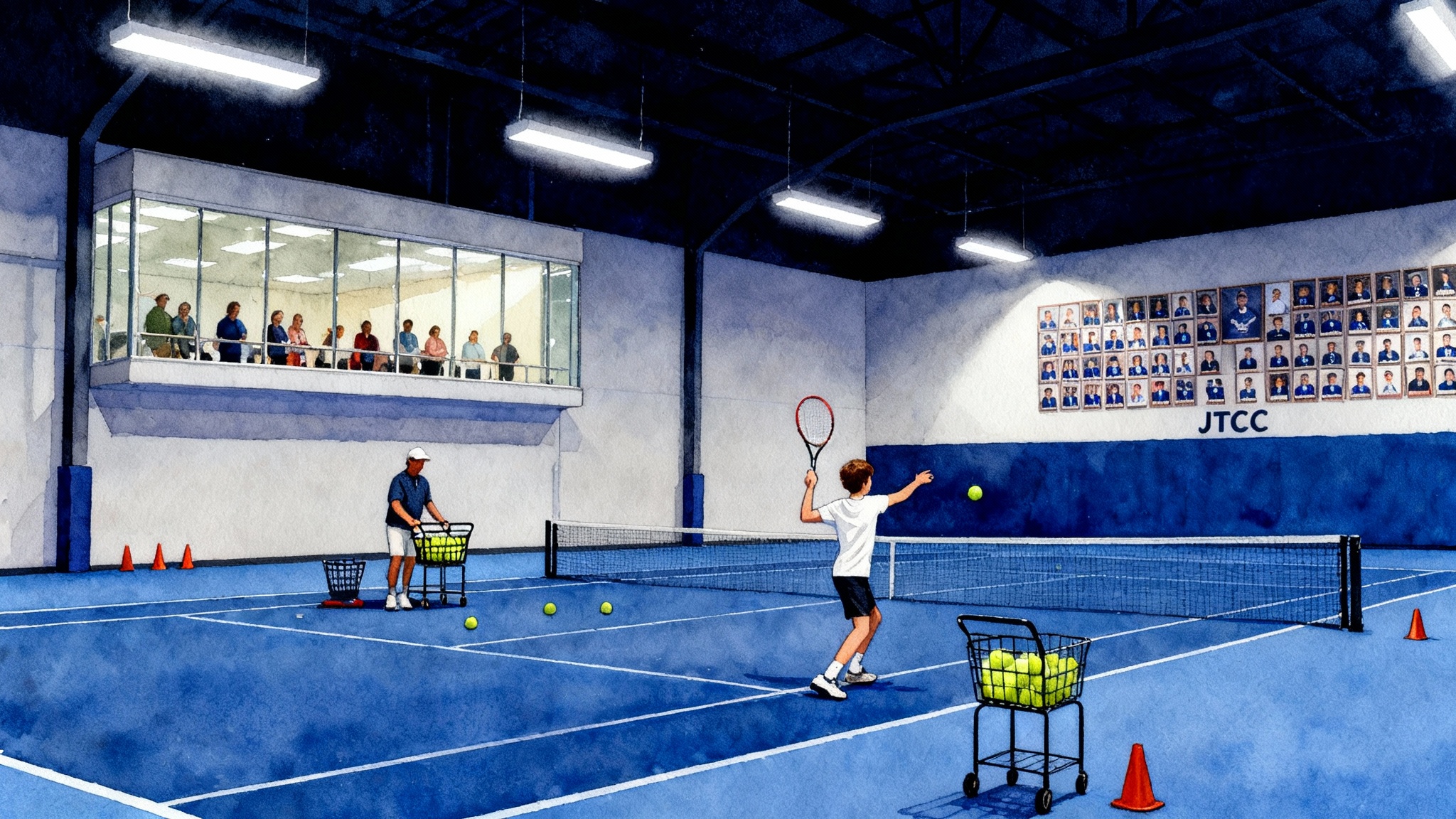
The Academy is designed to make every rally matter. Coaches cap group sizes so each court has a real work-to-rest ratio. You feel it in the pattern design. For example, a standard 15-minute segment might run cross-court forehands at 80 percent pace with targets, then layer in down-the-line changes after five balls, then finish with a two-ball short-ball attack. Nothing is static. Players spend more minutes in point-like patterns than in closed drills. That matters because the brain encodes timing under pressure, not in isolation. -
Pro sparring
Juniors rotate into sets and live drills with older, stronger hitters. The ball comes through heavier, and court positioning punishes hesitation. For a junior defender like young Gauff, that meant learning to take the ball earlier, shorten the backswing on the forehand when rushed, and trust the backhand up the line as an exit from long cross-court exchanges. You do not need twelve months of that. You need enough to change your internal metronome. -
Structured match-play blocks
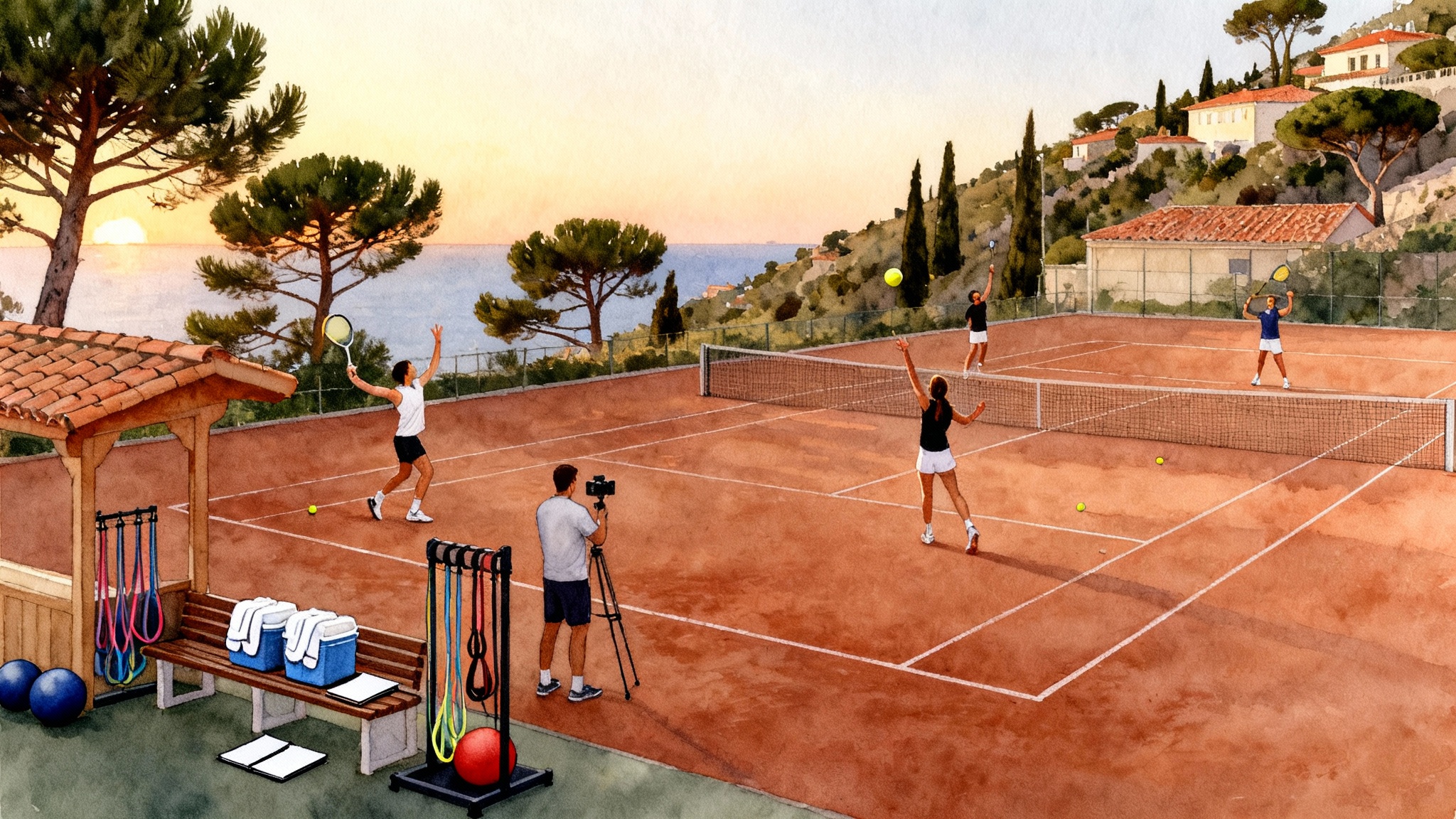
Training weeks end with scored sets under constraints. A coach might award double points for winning a point from inside the baseline, or require a second-serve kick wide on deuce points. The structure builds the exact habits you want to see in tournaments. Players leave with video, benchmarks, and one or two priority adjustments for the next three to six weeks at home.
The scholarship pipeline that made it possible
Access is the choke point for many families. Gauff’s early connection to Patrick Mouratoglou’s Champ’Seed Foundation did two things: it lowered the financial barrier for high-level training and travel, and it plugged her into a network of coaches and sparring partners. The Foundation’s selection model prioritizes potential and need, and it exists to put talented juniors into the right environments regardless of family means. Its alumni list now includes Grand Slam winners and top ten players, and it publicly notes Gauff’s journey from junior champion to major titles in New York and Paris (Champ’Seed Foundation overview).
Key implications for families:
- Scholarships are not charity, they are alignment. Foundations look for families who will execute a plan, communicate, and do the mundane work between camps.
- Application quality matters. Short videos that show live-ball rallies, a clear development plan from the home coach, and specific measurable goals are stronger than highlight montages.
- Use support to buy the right things: sparring, travel to a target block, and a limited number of private sessions with a coach who will also coordinate with your home coach. For additional scholarship pathways, study how RoundGlass Tennis Academy scholarships are integrated into a broader training model.
2023: the coaching pivot that unlocked results
By mid 2023, Gauff and her team made two deliberate choices. First, they sought a voice who could translate her athleticism into repeatable patterns under pressure. Second, they organized her schedule to maximize learning feedback loops between practice blocks and competitive runs.
What changed on court was specific and visible:
- Forehand tempo control. Shorter take-back against pace, earlier contact, and a clearer plan to redirect cross court to down the line without opening the racket face. That cut down the error clusters that used to show up in the middle games of sets.
- Serve structure. A wider mix of first-serve locations and a higher second-serve kick when protecting the ad court, which protected her forehand corner in the next shot.
- Court position. More points started and ended two feet inside the baseline, especially on return games. That flipped her identity from pure counterpuncher to counterpuncher who can initiate.
The payoff came quickly. The 2023 summer produced a streak of titles and, at the United States Open, a first major singles crown. The important part for this article is not the trophy, it is the mechanism. The team picked a small set of changes, stress-tested them in high-level blocks, and then doubled down when they held up under pressure.
Two seasons later in Paris, the same blueprint showed up when she problem-solved through a first-set loss to the world number one. Her second major validated the process as much as the player.
What families can copy right now
Here is a concrete playbook, distilled from the pathway above. Adjust the calendar to your child’s age and level.
- Build around two or three targeted blocks per year
- Timing: 10 to 14 days in December or early January, 10 to 14 days in late spring ahead of clay or hard-court season, and a 7-day pre-US summer tune-up.
- Objective: One technical priority, one tactical priority, one mental cue. If your list is longer, you do not have a plan, you have a wish.
- Keep the home base central
- Assign weekly key performance indicators. Examples: second-serve points won above 49 percent, depth targets that land past the service line 60 percent of the time in cross-court patterns, and one extra successful transition to net per set.
- Film one set per week. Send clips to the academy contact or visiting coach for quick feedback. Ten annotated clips beat one hour of uncut footage.
- Use scholarships surgically
- Apply early with a coach-signed plan that lists the two blocks you want, the goals, and how you will measure progress.
- Spend money first on sparring and match-play during the block, second on two or three private sessions, and last on gear. The return on investment is in decisions per rally, not in cosmetics.
- Balance the voices
- Define roles. The home coach leads daily development. The academy coach is a specialist who sets the stimulus, validates or refutes the plan, and hands back a compact action list.
- Hold a 20-minute three-way call after each block. Summarize gains, pick the next two priorities, and lock the next check-in date. Simple minutes prevent complex misunderstandings.
A model week in Biot for an aspiring top junior
-
Monday
- Morning: Live-ball patterning, 2 on 1 defense to offense, forehand tempo work.
- Afternoon: Strength session focused on lower-body power, medicine-ball rotational throws.
- Evening: Video review, three clips that show the new forehand cue working or failing.
-
Tuesday
- Morning: Serve and first-ball episode, ad-court patterns, second-serve kick up the line.
- Afternoon: Pro sparring set to eight games with constraints, double points for finishing points inside the baseline.
- Evening: Recovery and mobility, five-minute breath work for match activation.
-
Wednesday
- Morning: Return games, middle third court positioning, backhand up the line as an exit play.
- Afternoon: Short-ball conversion plus net coverage, 30 minutes of transition drills.
-
Thursday
- Morning: Scored practice set, coach only speaks at changeovers, player sets goals and tracks them on a card.
- Afternoon: Regeneration lift and pool session.
-
Friday
- Morning: Match-play block, two tiebreak sets with different constraints.
- Afternoon: Debrief with written action list, three priorities and one mental cue for the next four weeks.
-
Saturday
- Morning: Optional hit, serve targets and returns only.
- Afternoon: Travel home.
Myths to ignore and pitfalls to avoid
- Myth: Full-time boarding is mandatory. Reality: What matters is exposure to pro speed and structured match play, then consistent work at home. Blocks can deliver that without uprooting a family.
- Myth: More private lessons equal faster progress. Reality: Two targeted privates inside a week of live ball, pro-level sparring will outproduce daily privates with low rally speed.
- Pitfall: Changing everything at once after a hot week in a new environment. Fix one technical bottleneck, pair it with one tactical habit, and protect the rest of the game.
- Pitfall: Leaving the home coach out of the loop. If the home coach does not buy the plan, the gains will evaporate by the next block.
Budgeting with eyes open
High-performance weeks cost real money. That is why scholarships and sponsorships exist. Families should separate non-negotiables from nice-to-haves.
- Non-negotiables: live-ball group sessions, at least one pro-level sparring block, structured match play with scoring, and physical preparation with strength staff.
- Nice to haves: additional private lessons beyond two or three, extra gear, and add-on classes that do not address the player’s top bottleneck.
Treat every dollar as a vote for decisions under pressure. That mindset keeps spending aligned with performance.
The deeper lesson from Delray Beach and Biot
Gauff’s career is not a parable about one academy or one coach. It is a case study in how to mix stability with stimulus. The family kept a home base where the athlete could be a person first and a player second. They then injected the right dose of world-class pressure at the right times, and they did it repeatedly. The output was not linear, and there were coaching changes and rough patches, but the compounding loop stayed intact. That is what showed up when she closed two major finals from a set down.
If you are mapping a path for your player, think in loops, not leaps. Keep the home coach central. Use a scholarship pipeline to open the right doors. Schedule blocks that force faster decisions and more courageous court positions. Measure, refine, and repeat. The destination you want is not a zip code on the French Riviera. It is the day your player solves a hard match with tools you deliberately built.
That is the quiet architecture beneath the headlines. It started on public courts in Delray Beach, it grew sharper on the courts of Biot, and it became real when the stakes were highest in New York and in Paris.