From Delray to Biot: Mouratoglou, Champ’Seed, and Coco Gauff
Identified by Patrick Mouratoglou at 10 and backed by the Champ’Seed Foundation, Coco Gauff blended short clay-court blocks in Biot with a Delray Beach base. Learn how this hybrid model sped up Women’s Tennis Association readiness.
 Tommy
Tommy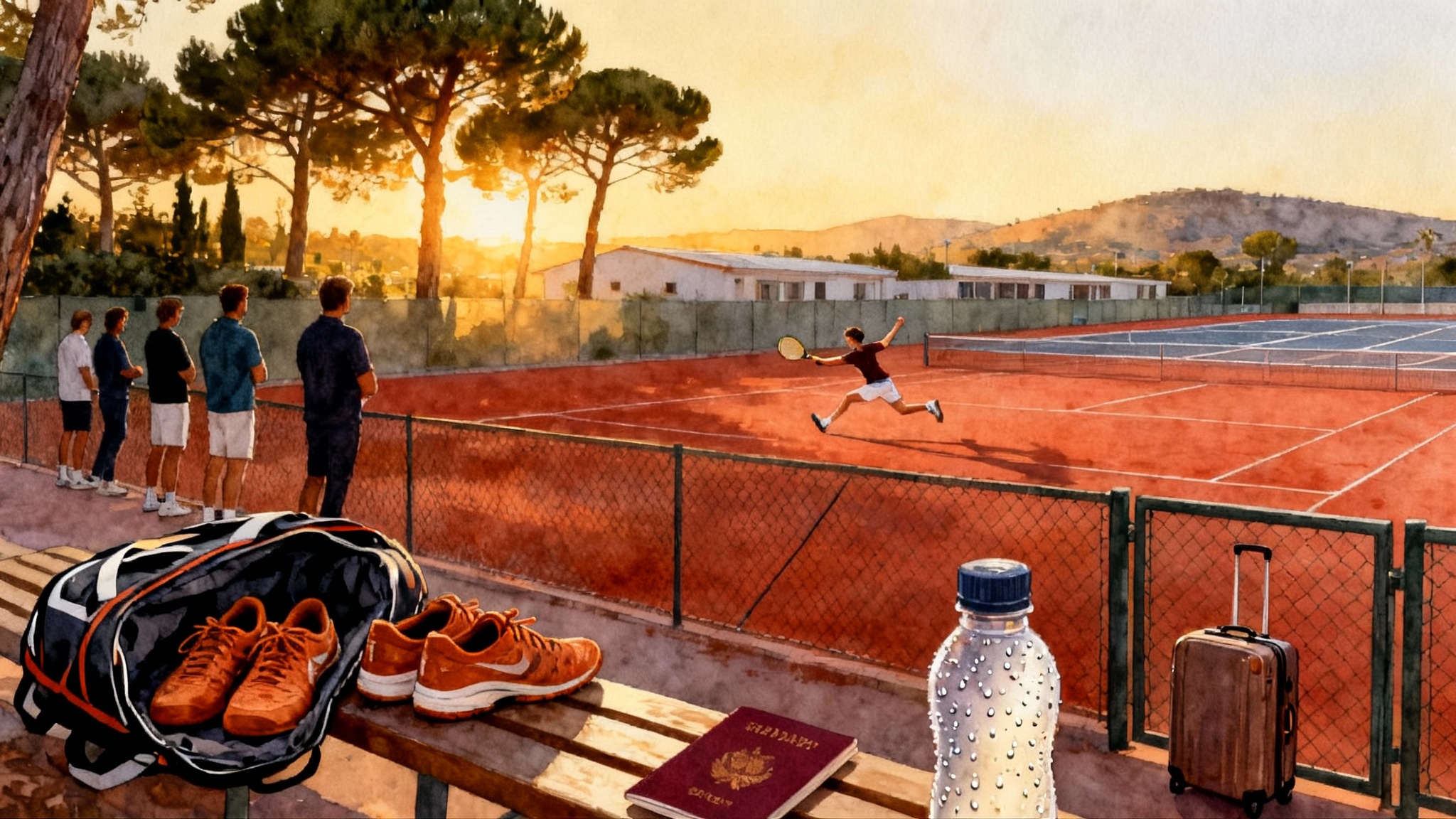
The map from Delray Beach to Biot
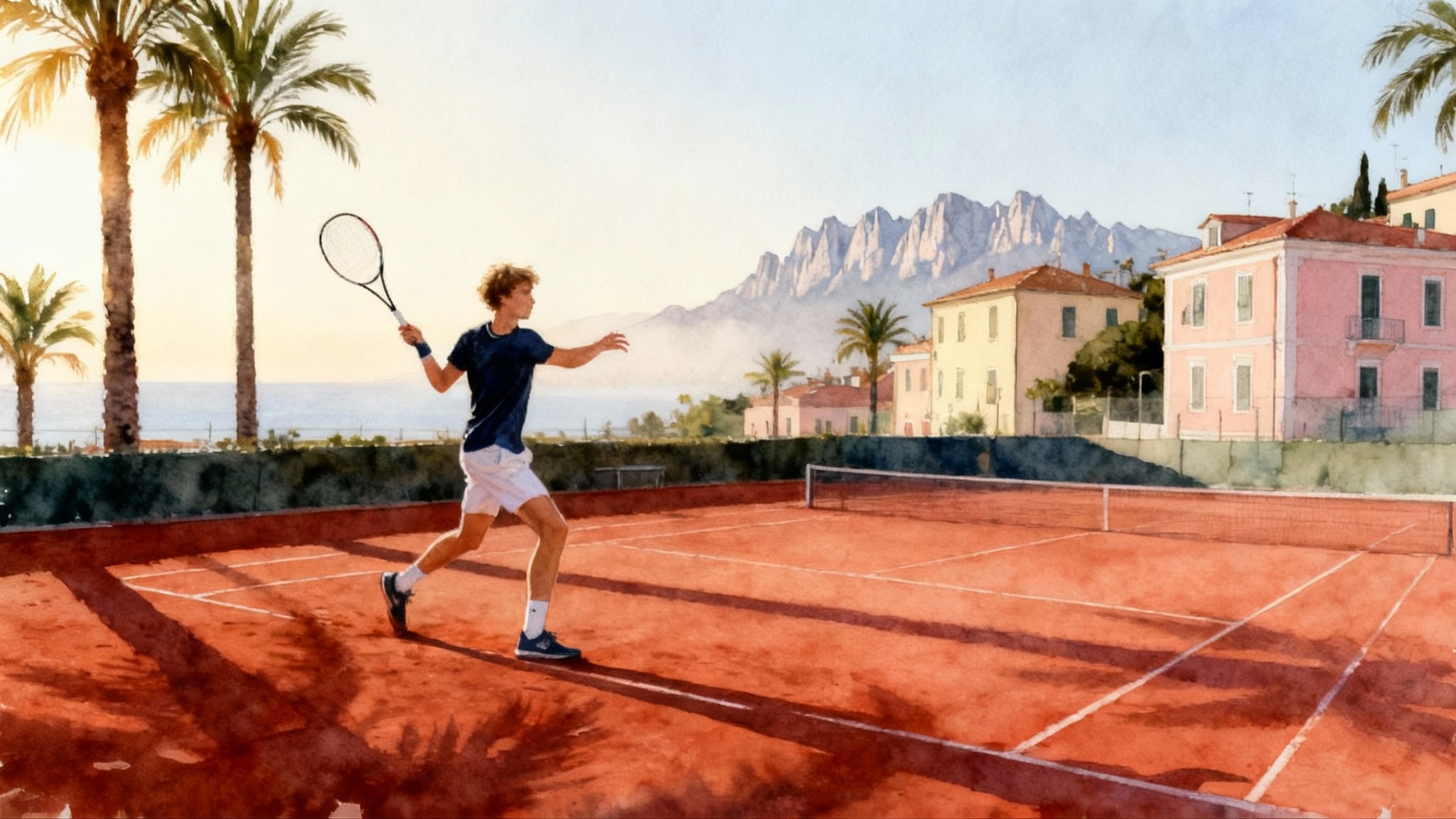
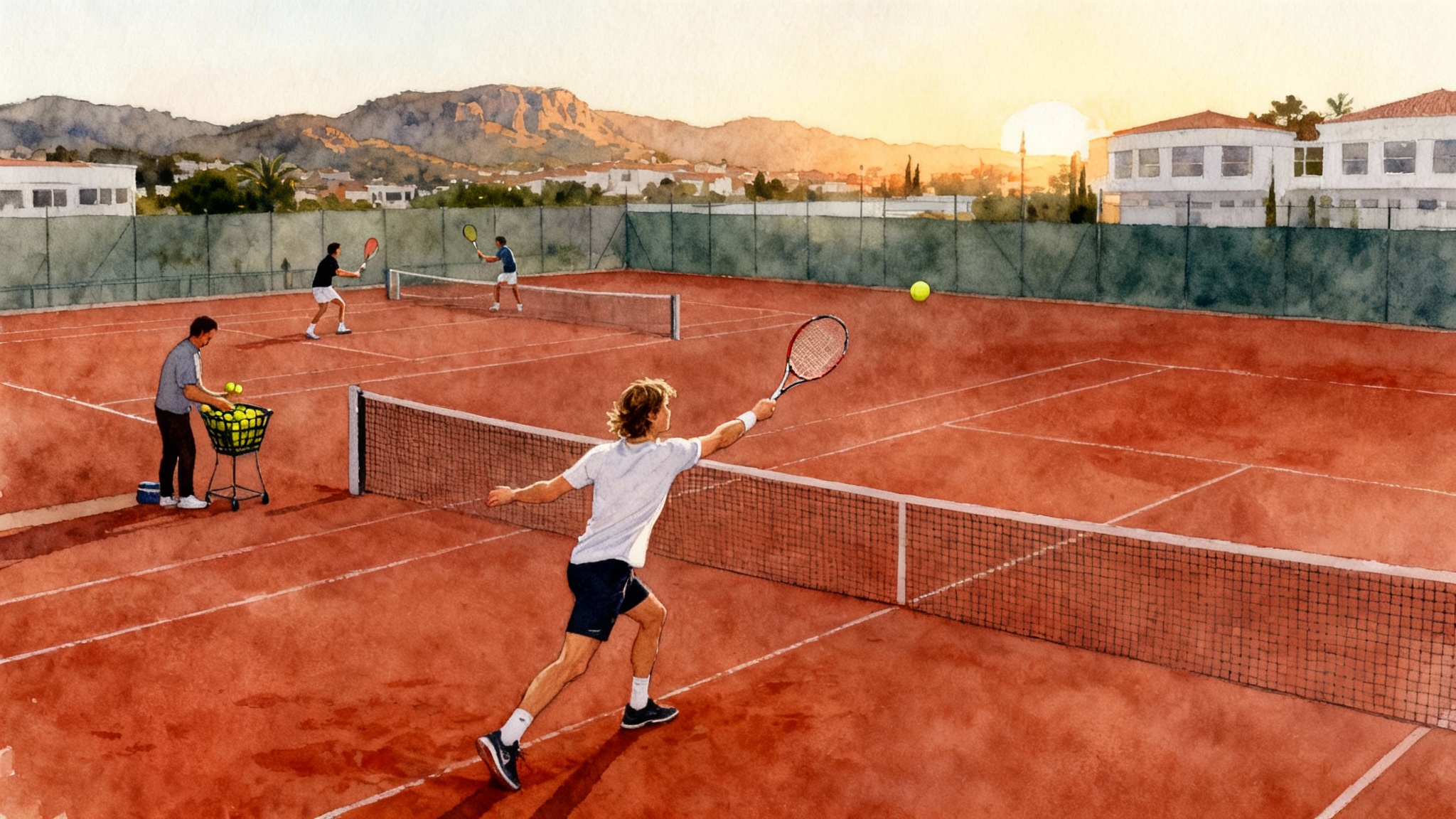
When people talk about Coco Gauff’s rise, they often start with the big stages and the big wins. The real story begins earlier and on two very different surfaces. At home in Delray Beach, Florida, Gauff grew inside a family-first training bubble. Across the Atlantic in Biot, France, she sharpened her tools in intense clay-court blocks at the Mouratoglou Academy, supported financially by the Champ’Seed Foundation. According to Mouratoglou Academy’s profile of Gauff, she was identified by Patrick Mouratoglou at age 10, joined the Champ’Seed program, and returned regularly to Biot for clay preparation under close supervision.
This hybrid academy model is not mythology. It is a repeatable structure for families who want world-class inputs without going all in on a boarding-school life at age 10 or 12. The lesson for parents is practical: scholarships and selective overseas blocks can accelerate development while maintaining a stable home base. For a Florida comparison point, study how Evert Academy forged Madison Keys.
Discovery at ten, support that made training portable
Gauff’s first touchpoint with Biot came after a talent identification process. Families sometimes imagine discovery as a lightning bolt. In reality, it is more like a series of checkpoints: technical screens, footwork tests, practice matches, and long conversations about motivation. She impressed in those checkpoints, earned support from the Champ’Seed Foundation, and began returning to France in clearly defined periods.
For families, the mechanism matters more than the myth. The Academy did not become a permanent address. It became a high-performance lab that Gauff could enter, absorb, and leave with upgrades to be installed back home in Florida.
Why a hybrid academy model works
Think of player development like learning a language. Home is where you build fluency, repetition, and comfort. A short overseas block is total immersion, the place where you are forced to think in the language of higher pace, heavier spin, and smarter patterns. Gauff’s pathway shows four concrete advantages of a hybrid approach:
- Specificity: Each block has a theme. Clay favors movement, patience, and the art of finishing points on the fourth or fifth ball, not just the first strike.
- Intensity without burnout: Two or three weeks at a time can be exhausting in the best way, then the athlete resets at home.
- Clear transfer: Skills learned in France are stress-tested during match play and school-year routines in Florida.
- Shared ownership: The family-coach unit retains the day-to-day plan while the Academy contributes targeted interventions and benchmarking.
As Tennis.com’s report on her blocks notes, Gauff used the Academy in two or three-week stretches while her father, Corey, managed daily coaching and scheduling. For another modular pathway example, see how IMG Academy shaped Sebastian Korda’s rise.
Clay in Biot: what the surface built
Clay does not just change your footwork. It changes your decisions. Gauff’s clay blocks prioritized:
- First-step speed and sliding technique, so defense turns into offense two shots later.
- Rally tolerance, so points are built like paragraphs, not one-liners.
- Height and spin control, so deep, heavy balls pin opponents behind the baseline and open court space.
- Pattern patience, so the player can hold a neutral crosscourt rally, then change direction with margin.
Concrete drill examples parents should expect from a clay block:
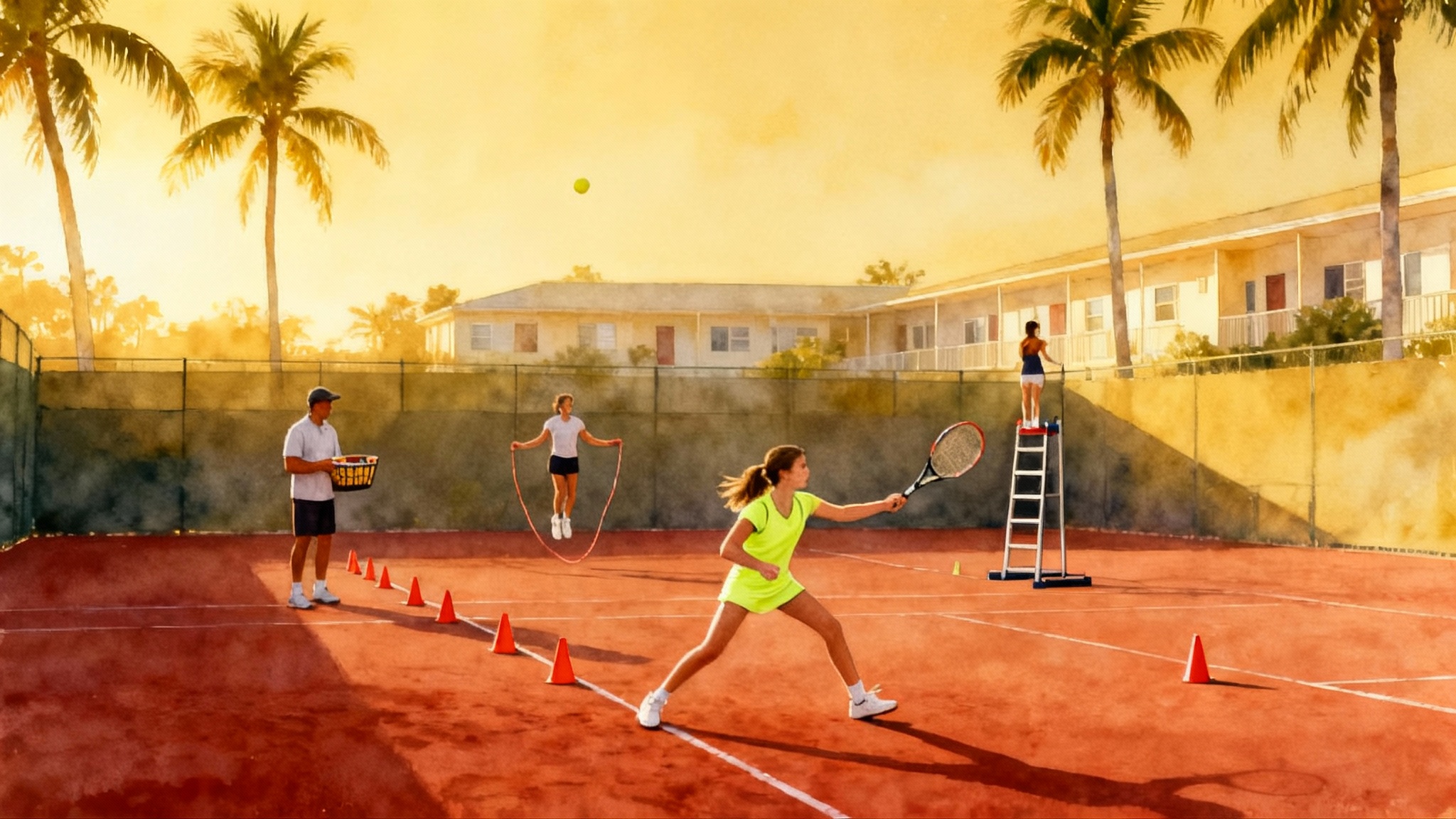
- Crosscourt-to-down-the-line ladder: 12-ball crosscourt forehands at 70 percent pace, then the thirteenth ball changes line with high net clearance, repeated in four sets.
- Serve plus one on clay: Body serve to the deuce side, recover two steps back, roll a heavy inside-out forehand to the backhand corner, then hold court position inside the baseline for the next neutral ball.
- Defensive sprint to transition: Start three meters behind the baseline, retrieve a wide ball with a controlled slide, recover to the middle, then attack a short ball with height rather than speed.
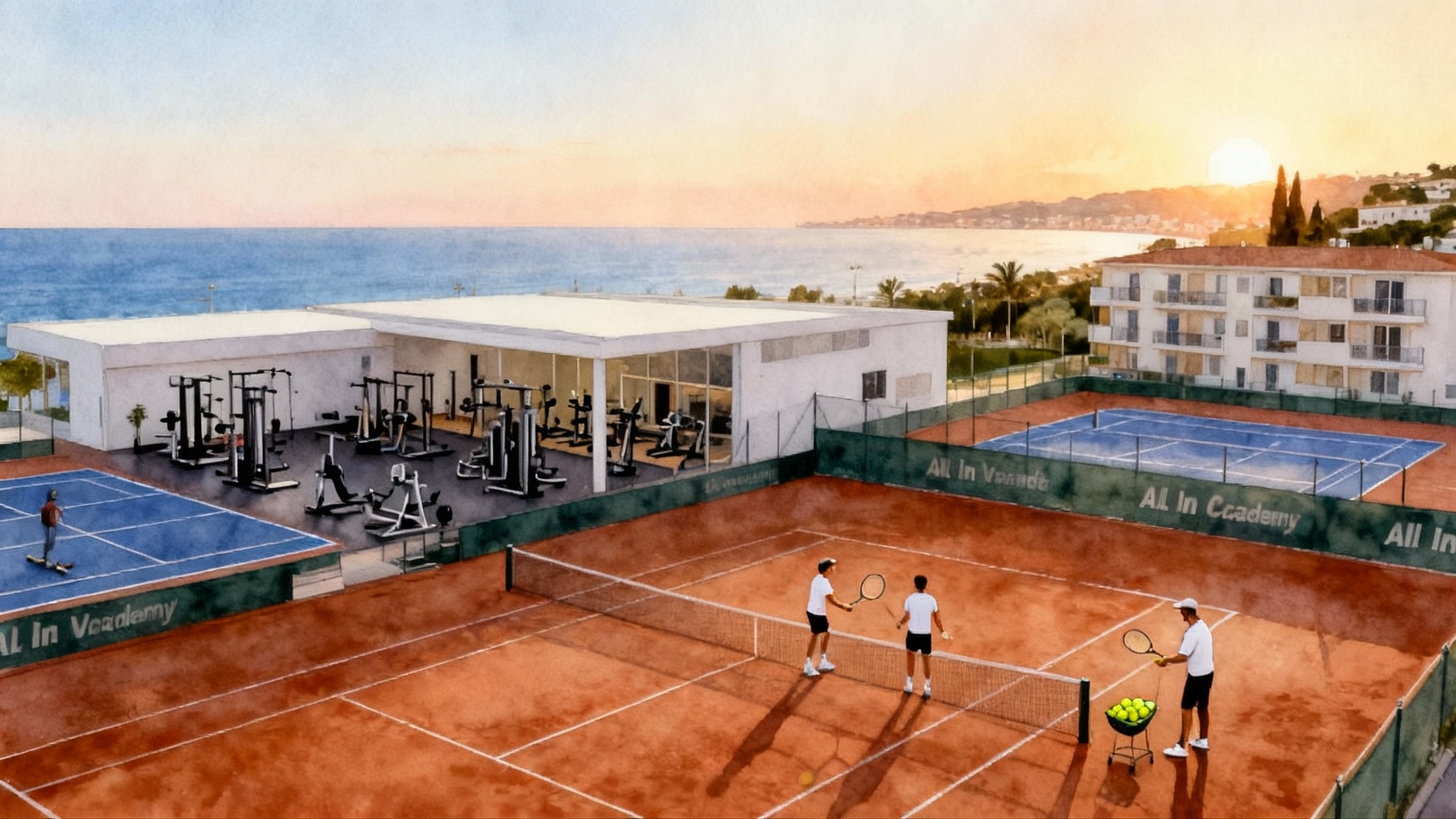
These are not glamorous, but they compound. Clay taught Gauff to value territory, not just targets. That travel-ready skill transfers to hard courts where most junior and professional matches are played. For another Riviera-based case study, explore the All In Academy and Mirra Andreeva case study.
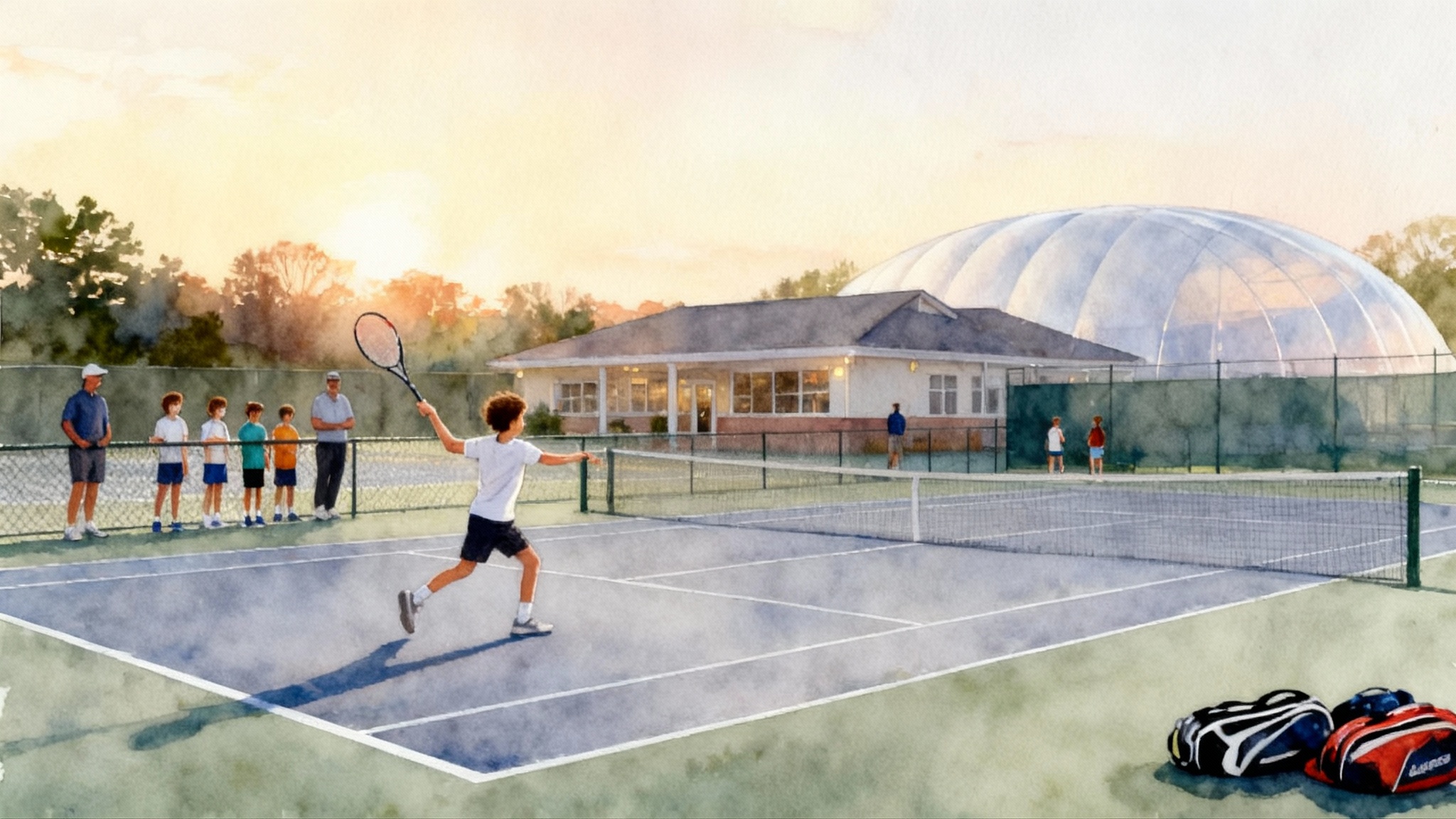
Keeping Delray Beach as home base
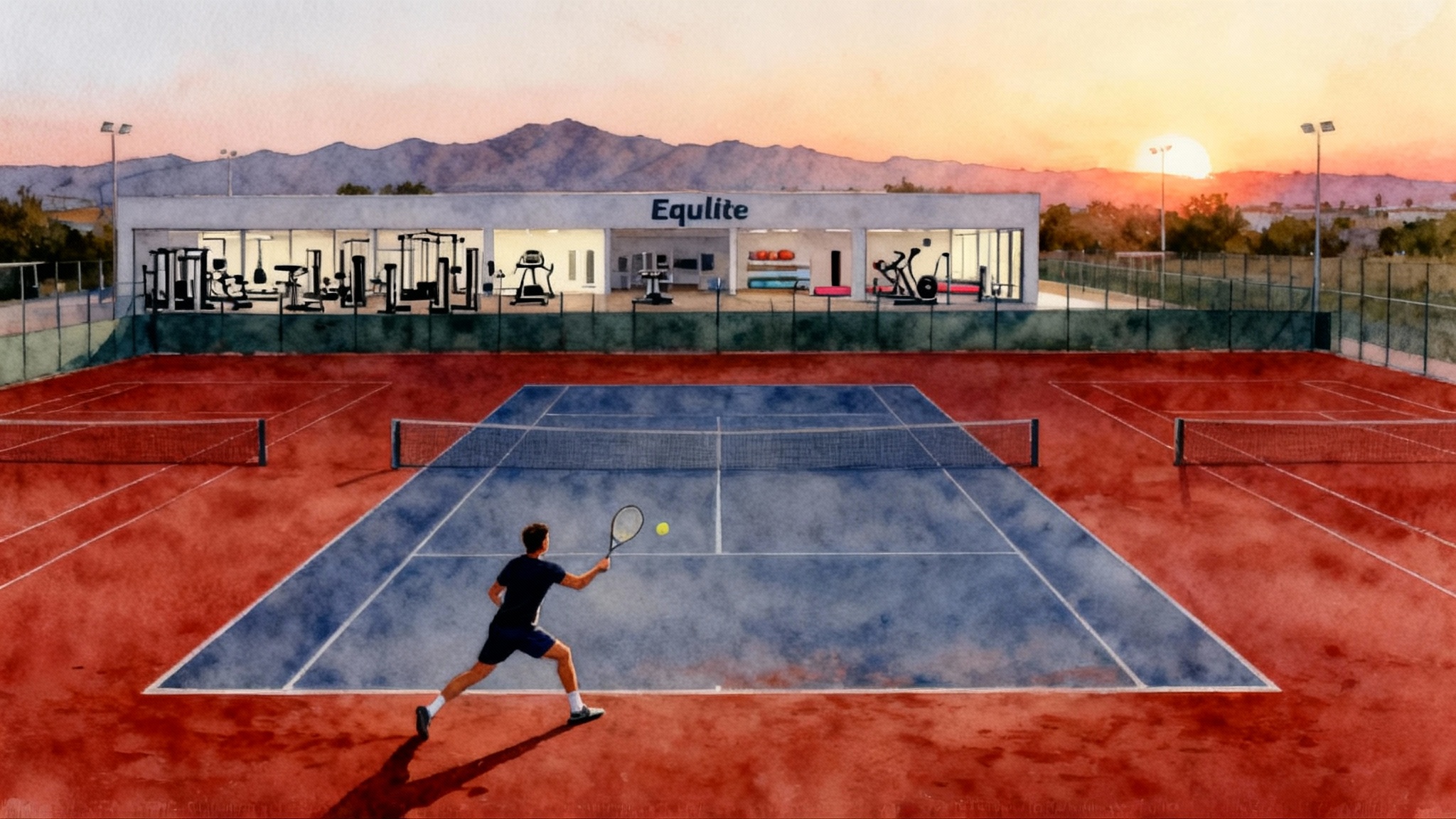
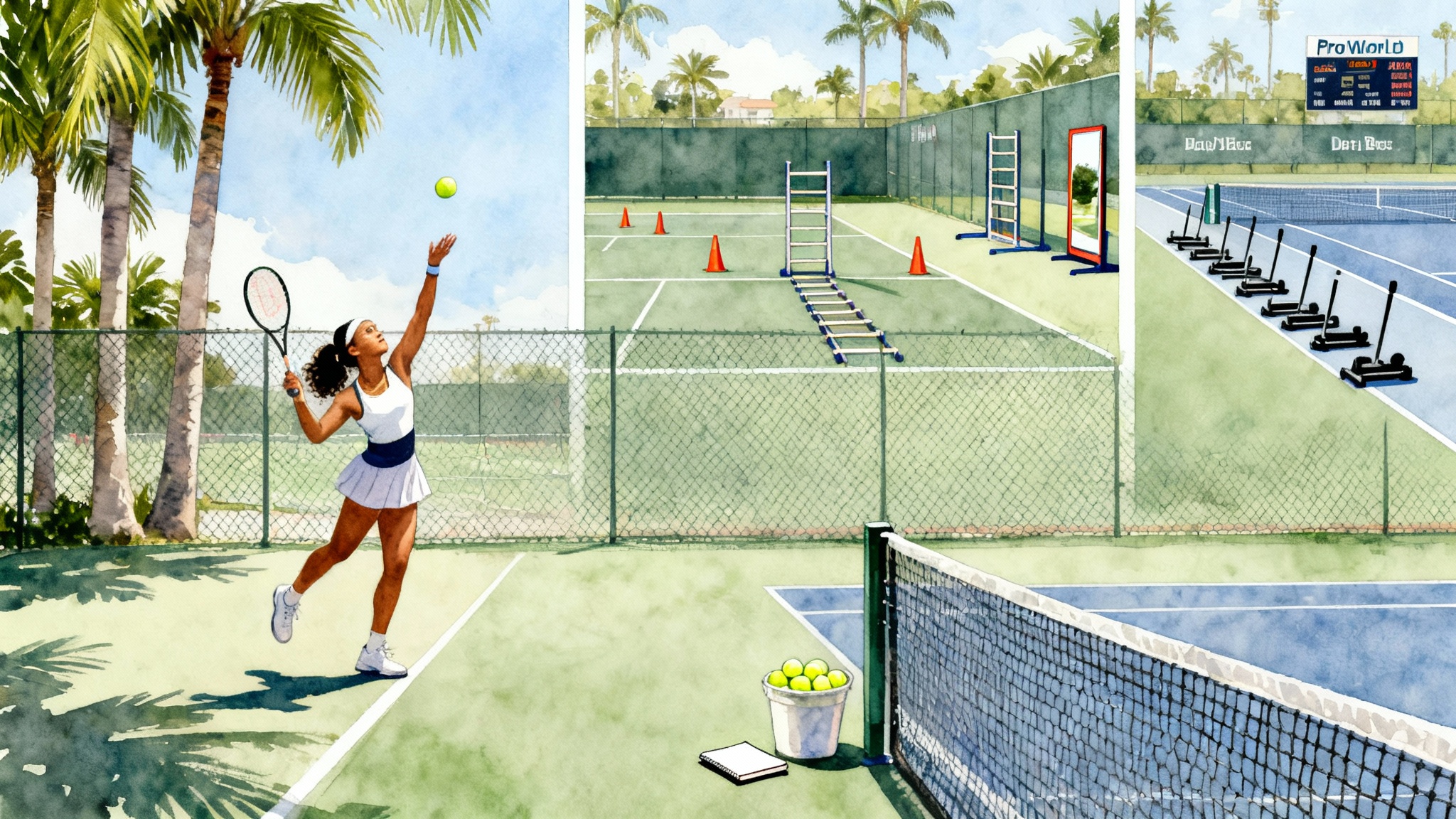
Home anchors everything that blocks cannot. In Florida, the Gauff family handled school planning, scheduling, and the majority of daily reps. Many families underestimate the power of familiar courts and routines. Home is the place to install the upgrade pack. You do not buy a new operating system every month. You update, you test, you stabilize.
Two practical benefits of a Florida base:
- Climate continuity: Outdoor hard-court reps year-round allow for reliable skill maintenance between clay blocks.
- Community and support: Trusted hitting partners, fitness coaches, and family help protect the athlete’s emotional energy.
Parent takeaways: scholarships and financial leverage
Scholarships are not just about covering a bill. They are signals that open doors to international training and tournament networks. Here is how to approach them with intent:
- Build a portfolio, not a plea
- Short video that shows movement, not only winners: four minutes of points on both wings, plus serve rhythm from two angles.
- Objective match play: a recent tournament sheet with opponent ratings or rankings, plus scores. Keep it honest, include losses that show fight.
- Coach letter that explains learning capacity: what the player improved in the last six months and why.
- Align request with Academy strengths
- If you target a clay-centric academy, highlight your readiness for movement training and point construction.
- Specify what you want from the block: for example, serves that land deeper in the box with more height, or footwork improvements on the backhand outside step.
- Ask for a block-first scholarship
- Many academies will consider partial support for two to four weeks, plus a follow-up evaluation. That lets both sides test fit before talking about full-year structures.
- Treat travel as part of the investment
- Plan ahead for flights, local transport, and recovery days after return. Budget time and energy, not only money.
- Keep receipts and results
- After each block, produce a one-page report for the foundation or sponsor: what changed technically, tactically, and physically. The report becomes the basis for future support.
Parent takeaways: structuring overseas blocks without going full-time
Use this simple calendar framework to fit around school and domestic tournament cycles. Think of the year in three thrusts: build, test, and refine.
- January to March: Build strength and serve foundations at home. Add a 10 to 14 day clay tune-up if your spring schedule includes clay events. Focus on rhythm and balance in the toss, and height over net on neutral balls.
- April to June: Two to three weeks in Biot as a dedicated clay immersion. Enter a local tournament the final weekend of the block if appropriate. The goal is not trophies, it is to apply the new patterns under stress.
- July to September: Hard-court stabilization at home, with a lighter five to seven day return trip for check-in only if needed. Use match-play days to measure hold percentage and return depth.
- October to December: Technical clean-up at home, especially volleys and transition patterns. Do not travel unless there is a specific need, like a national team event or development camp.
How long should a first block be? Ten days can introduce and reinforce new movement. Fourteen to 21 days allow repetition with fatigue, which is where sliding, spacing, and height control become automatic. For under-14 players, keep it closer to 10 to 14 days. For under-16 and older, 18 to 21 days can be justified during school breaks.
Parent takeaways: align family and coach roles
Gauff’s pathway showed a clear division of labor. The family unit managed daily plans, while the Academy delivered concentrated upgrades and outside evaluation. You can copy that structure.
- Parent as project manager: handle schedule, sleep, nutrition, and logistics. Do not edit technique from the stands. Collect video and notes, then share with the lead coach weekly.
- Home coach as owner of the long arc: choose the two or three priorities that tie together. Example: backhand contact further in front, return depth above three feet net height, transition forward on short balls.
- Academy as specialist: pick the topic of the block, then let the visiting coaching team take control. Ask for a written exit sheet with two drills, one video clip, and two match cues.
- Player as partner: ask the athlete to write a short self-review three days after returning home. What feels better, what feels strange, what is the first cue they use when stressed.
What to measure, and how
Improvement is not a feeling. It shows up in numbers and repeatable actions. Here is a compact dashboard for a junior on a hybrid path:
- Serve: first serve percentage between 58 and 65 percent in competitive play; double faults under three per set; average starting position on the third shot one step inside the baseline after a short return.
- Return: depth target that lands inside the last third of the court at least six times per set; avoid framed returns on body serves by starting with a split step timed to opponent’s upward toss.
- Rally: 10-ball neutral rally on clay at 70 percent pace without dropping height below net strap; one forced error from the opponent every two patterns on short balls.
- Movement: clean outside step on the forehand and backhand with hips loaded before contact; one controlled slide per defensive point on clay without over-rotation.
Record these in a simple spreadsheet. If the player meets targets in practice but not in matches, the next block should focus on match simulation under pressure.
Budgeting and logistics without guesswork
Families often overspend on the wrong pieces. Instead of adding extra private lessons that duplicate home work, invest in:
- A local tournament during the final weekend of the block. The best learning is the night you pack your bag for a match under unfamiliar conditions.
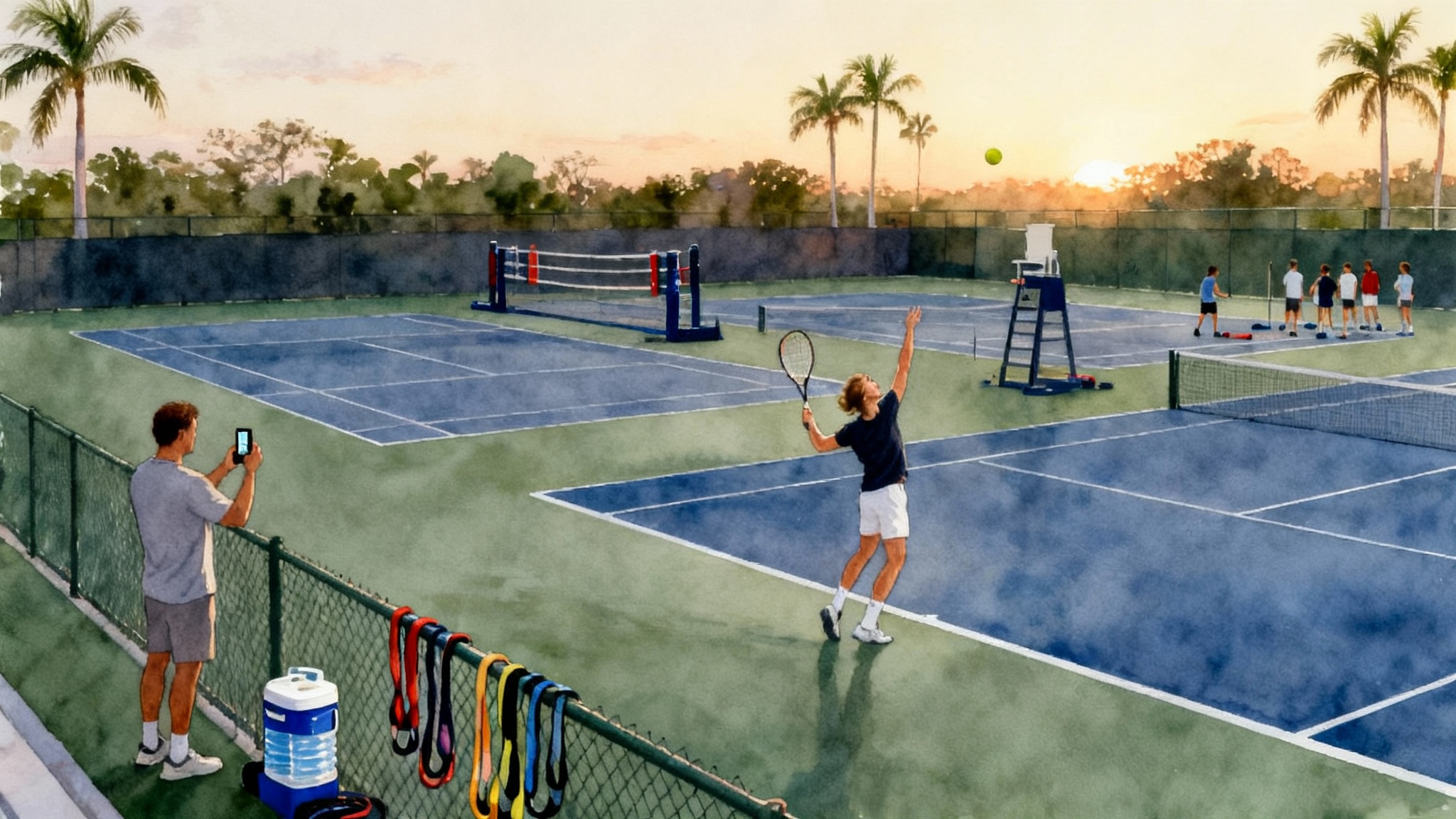
- A fitness assessment at the start of the block and a 10-exercise home plan for the next eight weeks. Strength and posture help translate clay gains to hard courts.
- Video capture from two angles for serves and for one key rally pattern. Take those home. Rewatch and replicate.
Travel tips that save energy:
- Arrive two days before training starts. Day one is for sleep, day two is for an easy hit and equipment check.
- Bring two pairs of clay-specific shoes and one pair of hard-court shoes for gym work. Rotate daily to keep knees happy.
- Preload hydration and simple carbohydrates on the travel day. First two practices should be shorter and more technical.
Common pitfalls and how to avoid them
- Too many goals in one block: choose one technical, one tactical, and one movement priority. That is it.
- Copying a pro’s schedule: the right dose for a 20-year-old is not the right dose for a 13-year-old. Track soreness and sleep, and adjust volume.
- Returning to tournaments too fast: build a two-week runway after an overseas block for adaptation before a high-value event.
A sample two-week Biot block
- Day 1 to 2: Assessments. Serve rhythm, movement tests, baseline spacing. Light sessions only.
- Day 3 to 5: Pattern installation. For example, neutral crosscourt that ends with a forehand change of direction on ball seven or later. Afternoon fitness centered on hips and ankles.
- Day 6: Match simulation. Two short sets with tactical goals only, such as height control and deep middle targets.
- Day 7: Recovery and video review. Ten minutes of serves only, then pool or light bike.
- Day 8 to 10: Pattern reinforcement under fatigue. Add situational starts at 30-30 and deuce. Emphasize return depth and first-step recovery.
- Day 11: Practice set with local sparring partner. One cue per game, no more.
- Day 12 to 13: Tournament entry or match play on site. The goal is decision quality, not winning the draw.
- Day 14: Exit testing and take-home plan. Two drills, two cues, one video angle checklist.
Building your family’s hybrid plan
Use this checklist before you book a flight.
- Do we know the one technical item and one tactical item we want from the block?
- Is our home coach aligned on how to reinforce those items for eight weeks after returning?
- Do we have a realistic school plan for travel windows and catch-up work?
- Are we prepared to track three match metrics when we get home: first serve percentage, return depth success, and rally patience measured by balls per point?
- Do we have a short report template to send to any scholarship or sponsor partner after the block?
What this pathway implies for aspiring pros
Gauff’s path shows that world-class readiness can be modular. Instead of a single big decision to relocate, families can stack smaller decisions that compound. The overseas block supplies friction and new ideas. The home base installs them. Scholarships make the loop financially possible. The family-coach alignment keeps it coherent.
In engineering terms, the hybrid model increases the system’s learning rate without sacrificing stability. You can tune intensity and frequency. You can avoid both extremes of overtravel and overcomfort.
Final thought: make your map before you move
The most valuable lesson from Delray Beach to Biot is not the passport stamp. It is the clarity of roles and the cadence of work. Identify, target, absorb, install, measure, repeat. That is how a junior becomes a pro who knows not only how to hit the ball, but how to build a match and a career. Families do not need a full-time move to chase excellence. They need a map, a rhythm, and a team that knows which jobs are theirs and which jobs belong to the specialists.