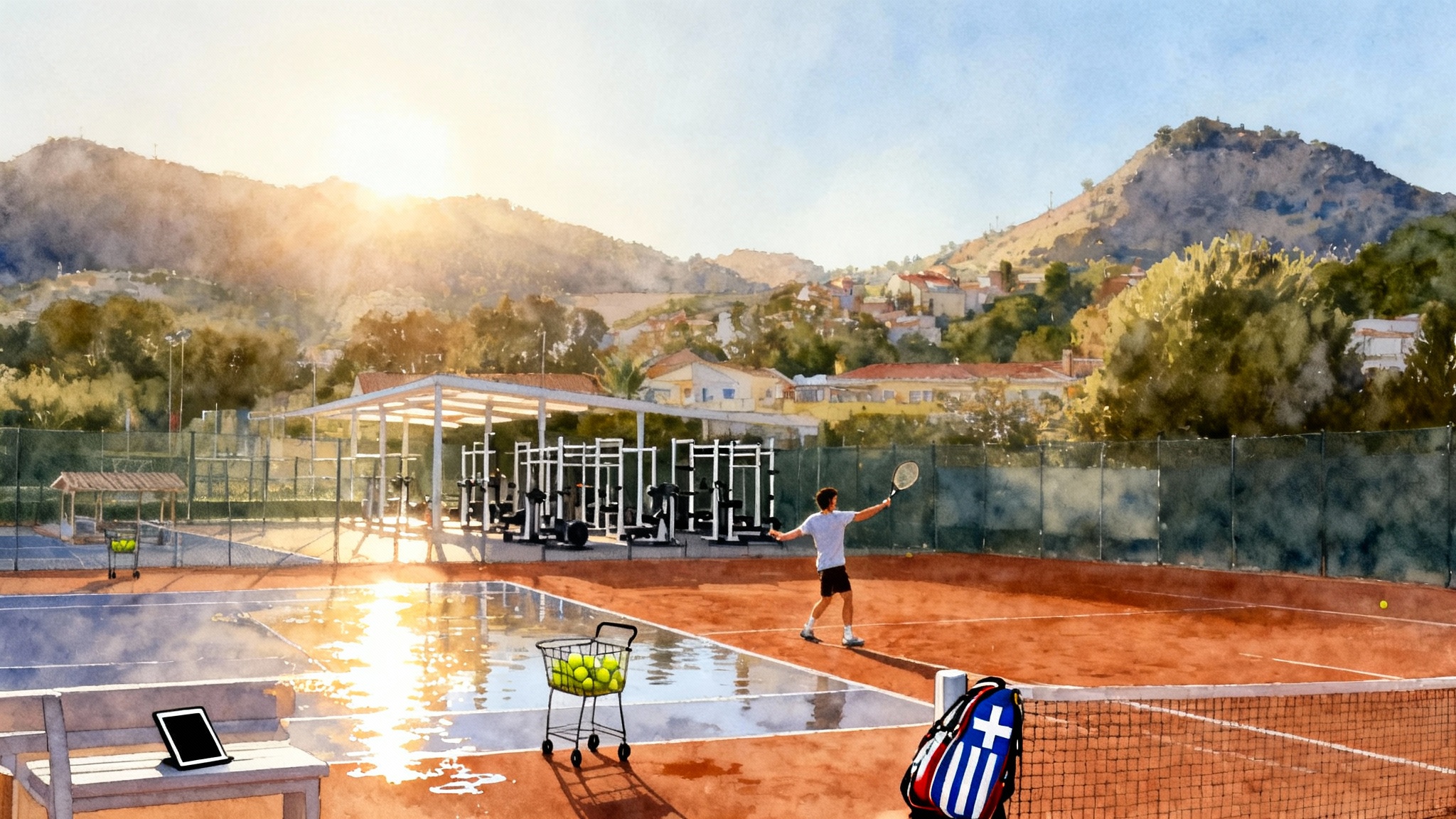
From LTP Academy to the WTA: Emma Navarro’s Charleston Plan
How a hometown ecosystem, one steady coach, a strategic year of college tennis, and smart use of regional pro events turned Charleston’s Emma Navarro into a WTA contender. Here is the blueprint families can copy.
 Tommy
Tommy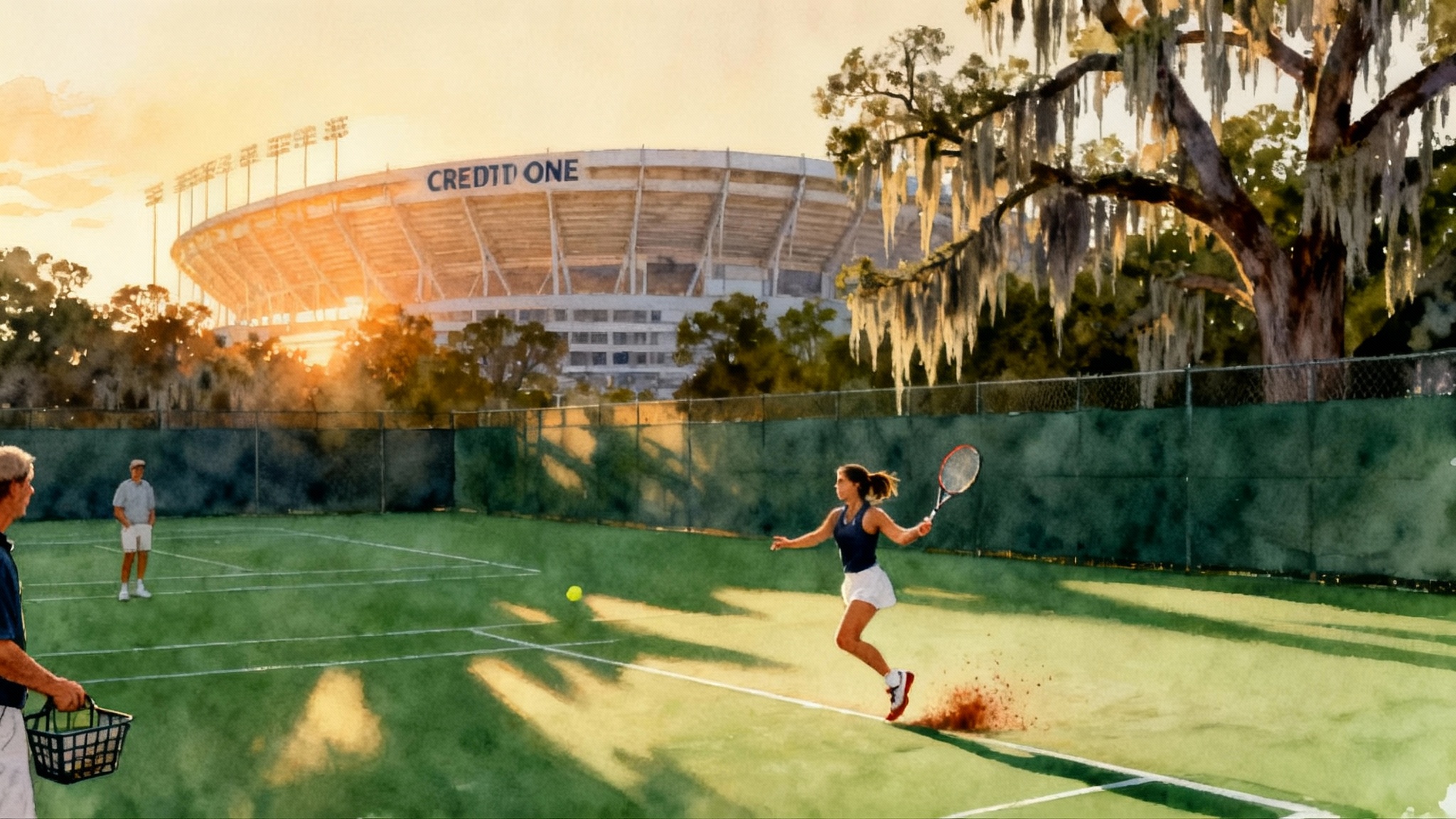
A Charleston blueprint for turning junior promise into pro results
Every player’s path from promising junior to Women’s Tennis Association success looks different, but the clearest blueprints share a few common beams. Emma Navarro’s rise out of Charleston’s LTP Academy is a practical example families can run at home. Navarro trained locally with longtime coach Peter Ayers, made a deliberate one year stop at the University of Virginia to harden her game in dual matches, leaned on International Tennis Federation events hosted in her backyard, and timed the full jump to the tour when her results and body were ready. None of that sounds flashy. All of it is replicable.
For more context on academy‑driven pathways, compare how JTCC built Frances Tiafoe and how Evert Academy forged Madison Keys.
Below we unpack the choices behind that path and translate them into concrete steps parents and players can take.
The home base that does heavy lifting
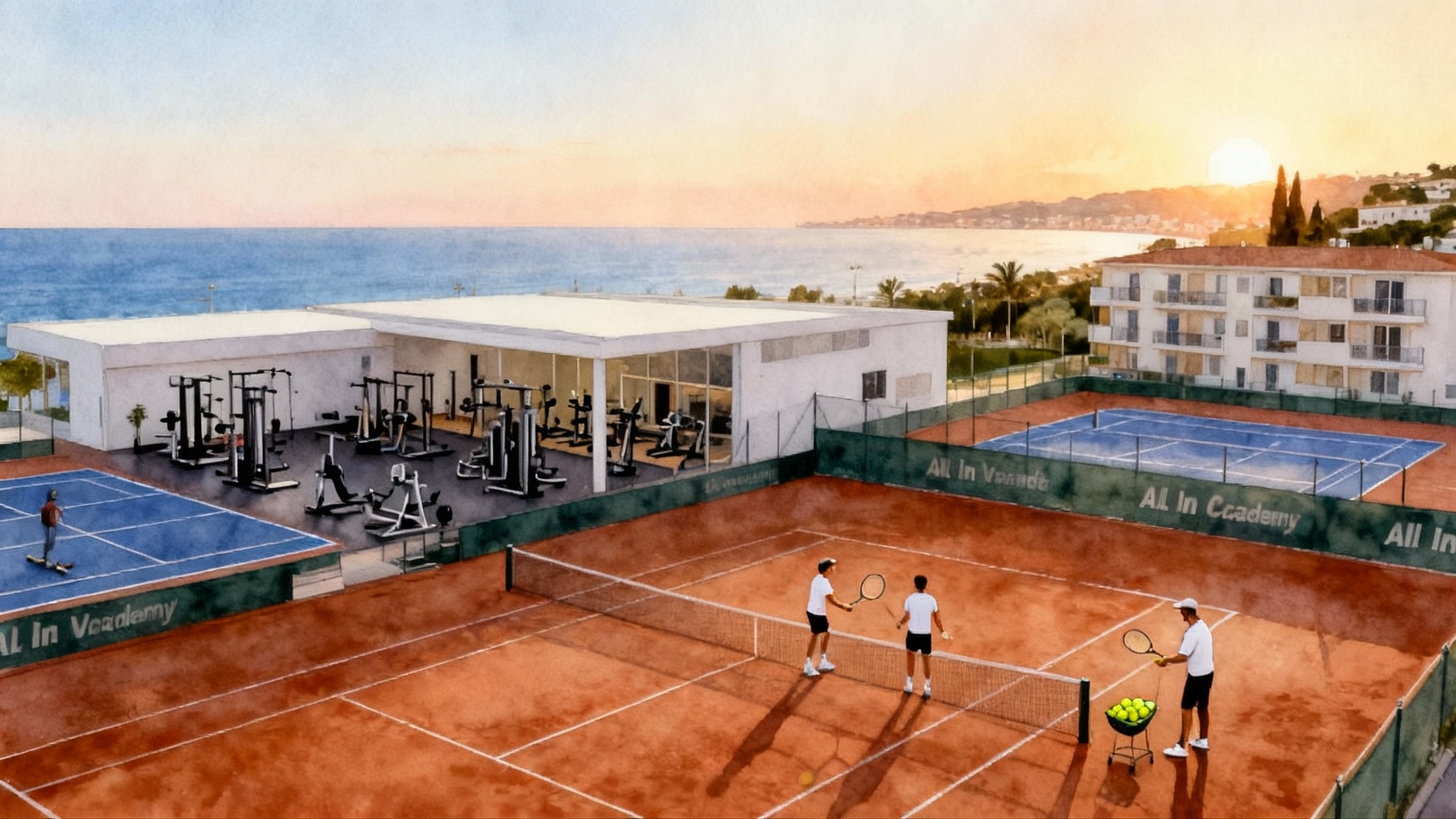
Charleston gave Navarro more than nice weather. LTP Academy operates as an ecosystem rather than a single court and a few weekly lessons. Two sites in the area create a daily rhythm of high performance workouts, live ball sessions, and a constant stream of good practice partners from juniors up through touring pros who pass through for training blocks. Add in tournament infrastructure next door at Credit One Stadium and you get repetition without constant travel.
Why this matters in plain terms: progress compounds when the friction is low. When the gym, physio, stringing, nutrition advice, and sparring partners sit within one drive, a teenage player can stack high quality days without losing energy to logistics. Families can copy this by mapping a local triangle of court time, fitness, and sports medicine, then eliminating commute gaps. If you cannot find all three at one club, stitch them together with a weekly schedule that keeps them within a ten to twenty minute radius.
Coaching continuity, not constant reinvention
Navarro’s relationship with Peter Ayers is the spine of her story. A single coaching voice shaped her junior years, stayed present through college, and traveled with her as she transitioned to the tour. The Women’s Tennis Association lists Ayers on Navarro’s WTA player profile. Continuity does not mean stasis. It means a shared language for the player’s identity that survives hot streaks and slumps.
Families can create the same advantage with a few practical moves:
- Appoint one lead coach who owns the long term plan. Specialist voices are welcome, but the lead coach sets priorities so the player is never chasing five conflicting swing thoughts.
- Write a quarterly game plan. Keep it to one page. Define one technical focus, one tactical theme, and one physical goal. Review it every four weeks.
- Build a feedback loop that spans practice and matches. Use a simple match sheet with three columns: serve patterns, plus one patterns, and problem solving notes. The lead coach updates practice drills based on that sheet.
Coaching churn can feel like action. Continuity is progress.
The deliberate college stop that multiplied match toughness
Navarro did not treat college as a detour. She used it as a controlled lab for pressure and structure. As a University of Virginia freshman in 2021, she won the 2021 NCAA singles title, a milestone that delivered big match reps, a clearer identity under stress, and proof that her physical base could survive compact schedules and dual match intensity.
College tennis offers three advantages many juniors underestimate:
- Reliable pressure. Dual matches create crowds, momentum swings, and a scoreboard that matters every weekend.
- Reps against older, sturdier players. That accelerates physical problem solving.
- A staffed support team on campus. Athletic trainers, strength coaches, and analytics support knit together the weekly routine.
For families, the question is not whether college is right in theory. The question is whether a specific college year will meaningfully advance the player next season. Use these checks:
- Level check. Does the player reliably beat the top two or three players on the college roster in practice sets indoors and outdoors? If not, one season of college can be a high value accelerator.
- Body check. Can the player handle two singles in forty eight hours without a dip in repeatable speed and ball quality by Sunday? If not, college match density helps build that engine.
- Skill gap check. Identify one under pressure skill such as second serve aggression, return contact point discipline, or pattern patience on slow courts. College duals give a weekly crucible to fix it.
Local ITF events as a runway, not a cul de sac
The International Tennis Federation World Tennis Tour sits below the Women’s Tennis Association level and awards the ranking points that unlock larger events. Charleston’s calendar brings those events to the LTP courts, which meant Navarro could step into professional draws with routine instead of jet lag. In April 2023 she won the LTP Charleston Pro Tennis event, a one hundred thousand dollar women’s tournament, on the same clay where she had practiced for years. The familiarity compressed learning. She slept at home, ate the same breakfast, and still gained the points and match tension that matter.
How to copy this if you are not in Charleston:
- Map a six hour radius of ITF tournaments. Build a calendar by quarter. Highlight two events where the surface and climate match your practice base.
- Get realistic about entry. Track the cut lines for the last two seasons. If the player is short on points, plan a qualifying push at a lower level event in the same region one to two weeks prior. Fewer flights, more swings at the ball.
- Budget for the full week including a hitting partner. The point is not only main draw. The point is the two to four matches that create tactical clarity for your next training block.
The support team that stays the same on Monday and on match day
A stable team prevents the chaos that often follows a big result. Navarro’s setup kept the key roles consistent: lead coach, hitting partners who know her patterns, a strength and conditioning coach who knows her baseline tests, and access to sports medicine that understands her training history. On the road, the routines looked like home, which reduces the mental cost of new venues.
Families can build the same backbone without a large budget:
- Identify a local strength coach who can run two tests every month: a repeated sprint test and a medicine ball throw series for rotational power. Track the numbers in a simple sheet.
- Work with a single stringer who knows preferred tensions on each surface and can nudge them up or down based on weather and ball changes.
- Assign travel roles. If a parent is the travel lead, that person handles logistics and hydration prep so the player and coach can spend their energy on scouting and recovery.
Timing the jump to full time pro tennis
Going too early can stall development. Going too late can leave points on the table. Navarro’s timing felt right because her markers lined up across performance, body, and schedule. Use these criteria as a decision filter for your player:
- Results markers. The player wins rounds at the International Tennis Federation one hundred and sixty thousand dollar level or the Women’s Tennis Association one hundred twenty five level and is at least competitive with top one hundred opponents in practice sets. Competitive means balanced break point chances and holding serve at least sixty percent of the time.
- Physical markers. The player repeats two quality practice sessions on travel days without loss of contact point discipline. Ankles, calves, and lumbar spine tolerate four match weeks in six without flare ups.
- Schedule markers. The player can map twelve months of events where at least fifty percent are within one flight and the rest are clustered back to back on the same surface.
If two of these three categories light up green for three straight months, a full time push is reasonable. If any category is red, add a targeted block. For example, if the player’s break point conversion is below forty percent over a month, schedule a local International Tennis Federation event on the surface that best suits her patterns, and build a week of situational point play before it.
What a twelve week block can look like
This sample schedule mirrors the logic of Navarro’s path and assumes a clay court base with access to regional events.
- Weeks 1 to 3, train at home. Two on court sessions and one lift on Monday and Thursday. Live ball Tuesday and Friday. Practice sets Wednesday and Saturday with a serve plus one focus. Sunday is off feet and film review.
- Week 4, local International Tennis Federation event, qualifying through main draw if possible. Keep Monday light, hit half court pattern work. After the event, take a thirty six hour recovery window. Do not rush back into heavy lifts.
- Weeks 5 to 7, training block with an aggression theme. Collect data from the event. Build three specific drills based on the match sheet, for example backhand line to forehand recovery, inside out forehand plus net close, and second serve kick plus forehand cage.
- Week 8, regional International Tennis Federation event one or two states away. Car travel if within six hours. Bring a local hitting partner to avoid unknown warmups.
- Weeks 9 to 10, return home and add speed work. Medicine ball series, short hill sprints, and low volume heavy trap bar deadlifts.
- Weeks 11 to 12, step into a Women’s Tennis Association one hundred twenty five or national level prize money event if the player’s points allow it. If not, repeat the International Tennis Federation level and aim for deeper rounds.
This cadence keeps the feel of home while escalating the stage. It is exactly the kind of structure a local academy can support when it runs clinics, houses a gym, and hosts events. For a European contrast in how training environment shapes identity, study how Piatti built Jannik Sinner.
Technical identity anchored in environment
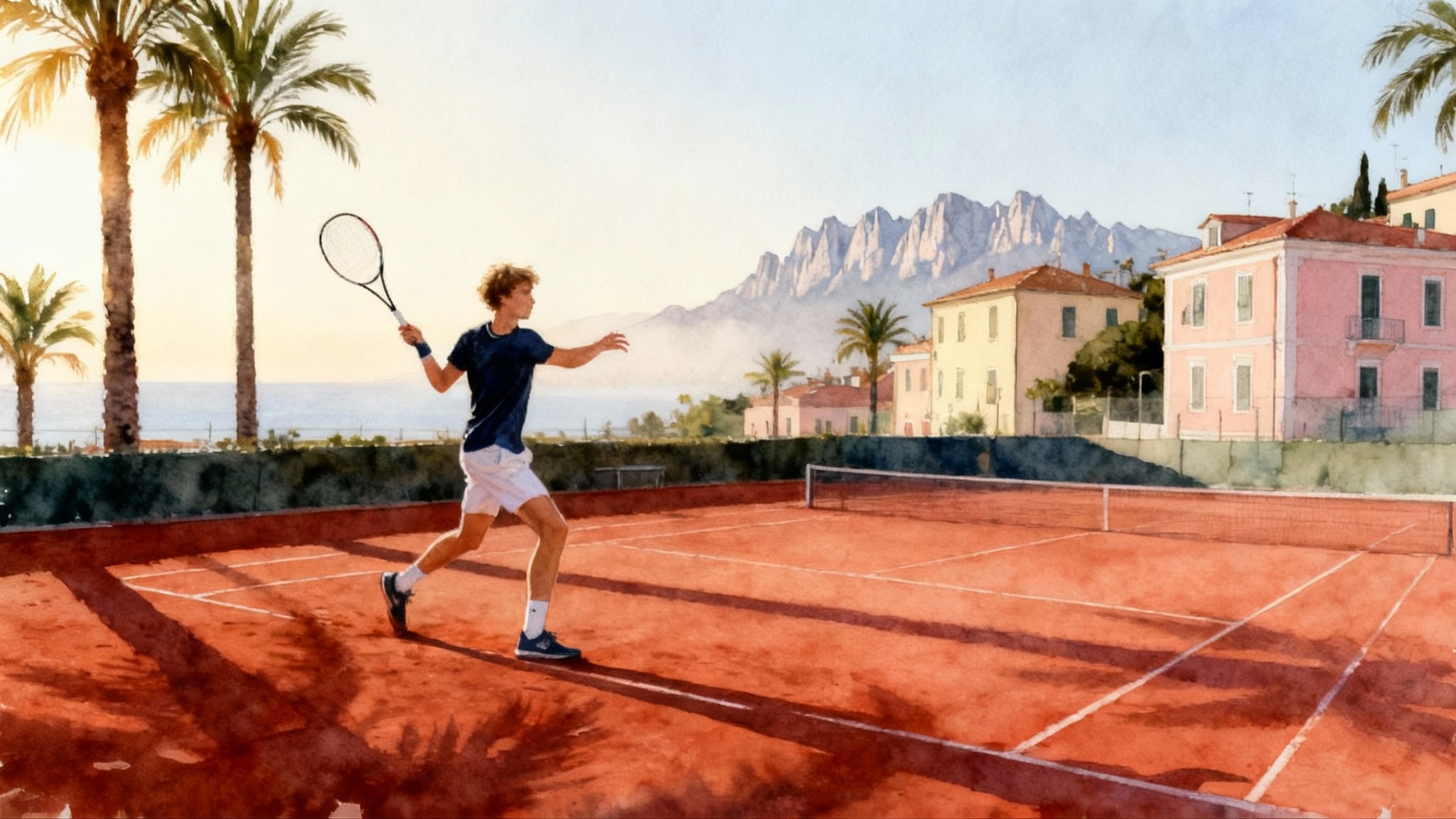
Charleston’s sticky clay rewards patterns that wear opponents down, then turn defense into offense. Navarro’s training baked in shape over the net, a willingness to play one more ball, and selective acceleration off the forehand when space opens. Families should build a technical identity that matches their home courts.
- On slow clay, teach neutral balls with height and heavy legs, then practice the forehand change from crosscourt to line with recovery steps.
- On fast hard courts, teach a flatter return and a first strike serve pattern that uses body serve locations and the first forehand to the opponent’s weaker wing.
- On indoor courts, teach compact swings on both wings and a serve that finds the backhand hip to limit full extension returns.
Identity travels when it grows where you live.
How to work with a hometown tournament
Charleston’s showcase Women’s Tennis Association event sits in the same complex as the academy. That proximity matters even before a player earns a wild card. Families can make a local tournament part of development in three ways:
- Volunteer or observe on outer courts during qualifying weekend. Note how top one hundred players use their first two balls, the time between points, and how they handle windy gaps between stadiums.
- Replicate the environment in practice. If the local event uses green clay or heavy balls, practice with the same ball for two weeks in advance to rehearse contact height and depth control.
- Build relationships with the tournament’s player services team. A respectful ask for a practice court at off hours can give a junior a day in the environment without a main draw credential.
The simplest metric families can track weekly
Win or lose, track two numbers every week starting at age fourteen. First, first serve points won. Second, break points created. The first number reveals whether patterns are built on a stable platform. The second number shows whether neutral rallies are causing enough scoreboard pressure. Navarro’s climb out of Charleston worked because her home practices hardened the first number and her early pro events against familiar opponents increased the second number.
A short case study of scheduling restraint
After that University of Virginia season, Navarro stepped up gradually. She used familiar International Tennis Federation stops at LTP to collect points, then tested Women’s Tennis Association events that fit her surface comfort and travel radius. The template is simple and repeatable: spend two thirds of your matches where you have local advantages and the other third where the ranking math offers upside if you catch form. That balance keeps confidence, fitness, and finances in alignment.
What families can do this month
- Build your triangle. Commit to a nine week experiment where court, gym, and physio live within a short drive. If your club cannot supply all three, combine memberships for the experiment.
- Choose your lead coach. Make one person the decision maker. Agree on the one page quarterly plan and schedule a monthly review.
- Calendar two regional International Tennis Federation events in the next four months. Book refundable travel. Arrange a practice partner now, not a week before.
- Add a pressure day weekly. Set up a two hour match with score, a changeover routine, and a post match debrief. The goal is not volume, the goal is clarity.
The takeaway
Navarro’s path is not a mystery or a product of chance. It is a set of choices that remove friction, keep language consistent, and exchange long flights for local match repetition until the results demand a larger stage. Start where you live, build a small team that speaks one dialect, and let your closest courts do the heavy lifting. If you follow that plan with patience, the distance between your home academy and the Women’s Tennis Association tour is shorter than it looks.