From Villena to World No. 1: How Equelite Built Alcaraz
Carlos Alcaraz left home at 15 to live and train inside JC Ferrero’s Equelite Academy in Villena. Here is how all‑surface training, adult sparring, and integrated physio and fitness forged his style and mindset, and what endures after the 2025 split.
 Tommy
Tommy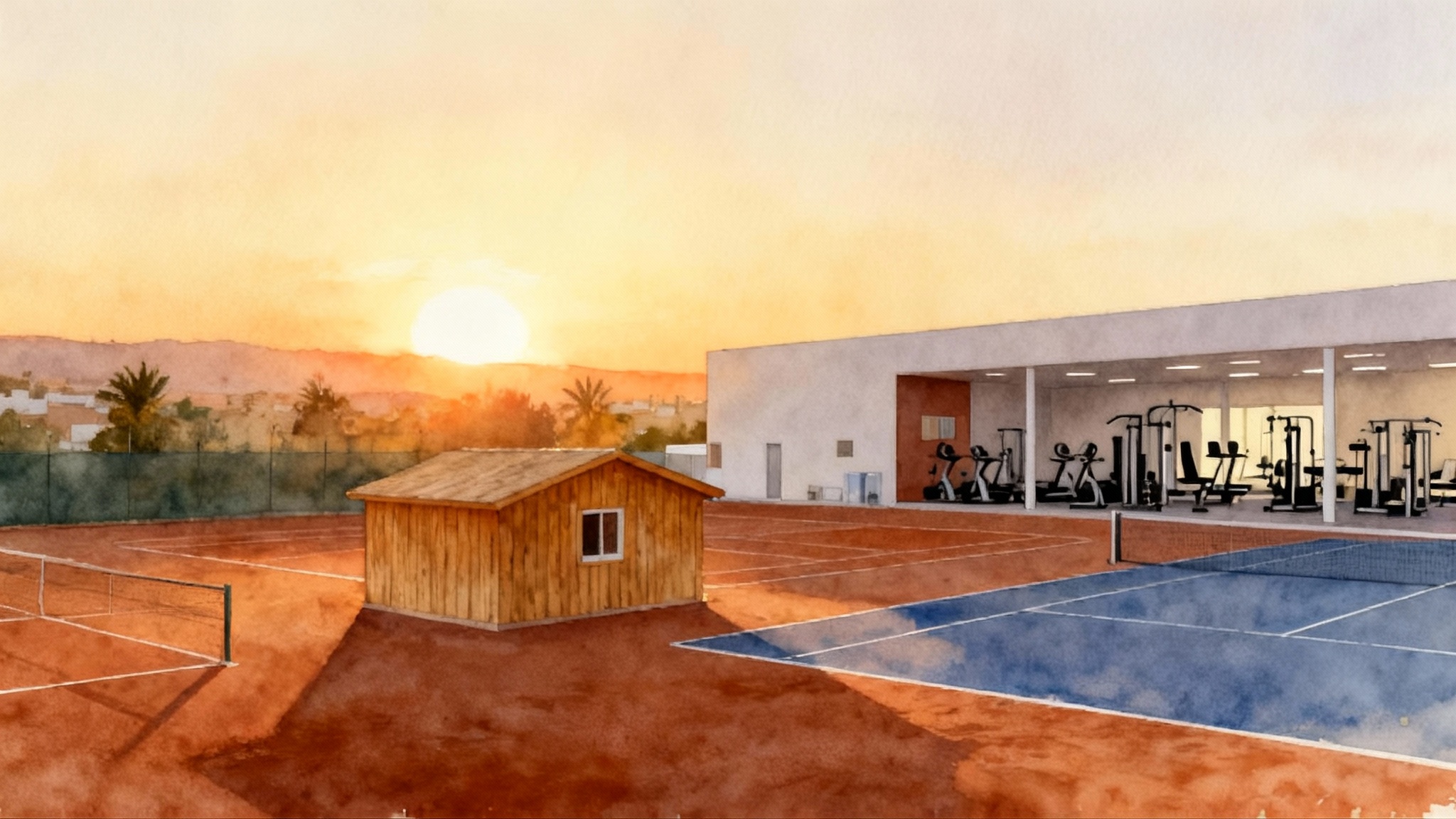
The decision at 15 that changed everything
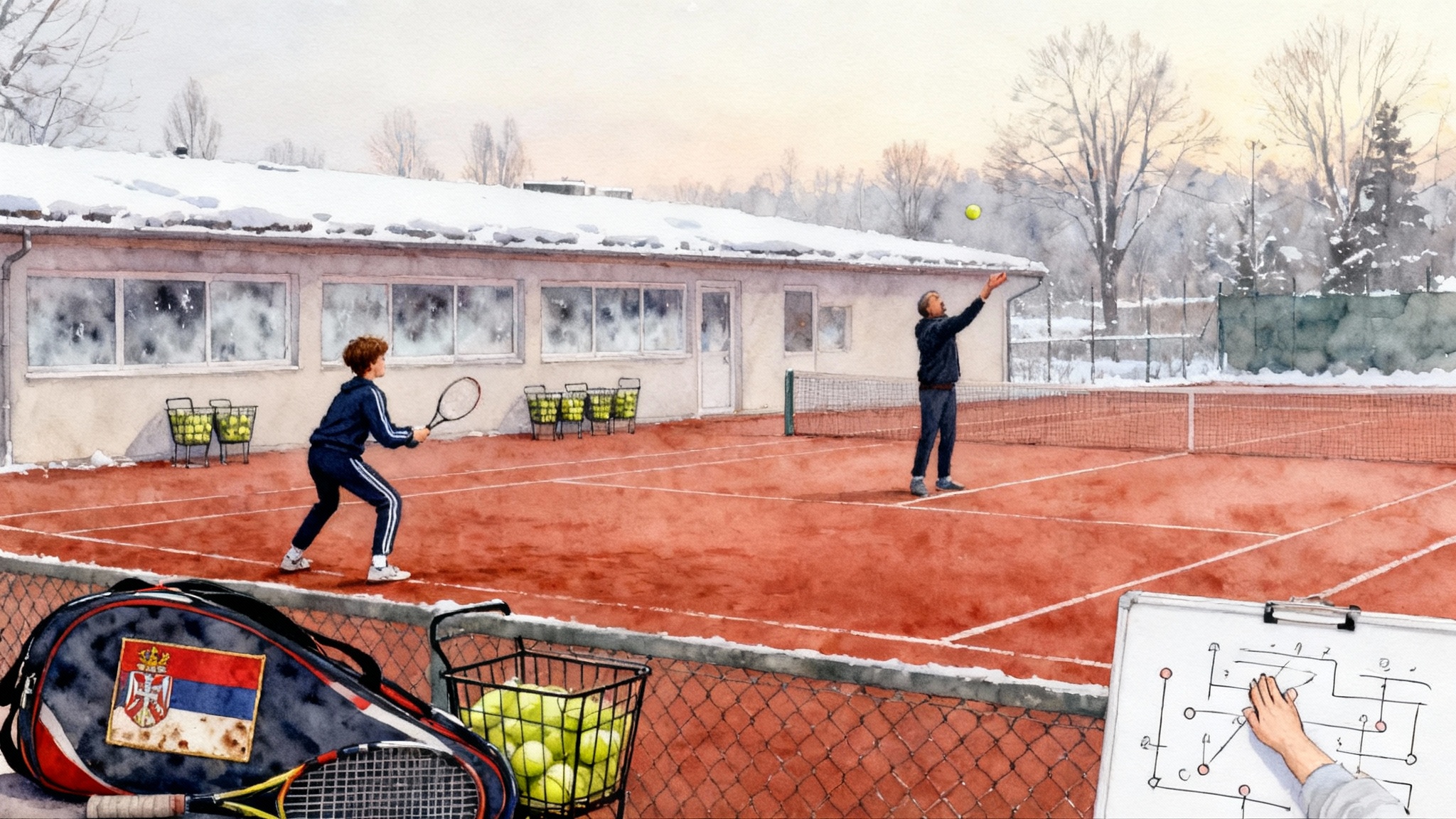
In September of his fifteenth year, Carlos Alcaraz did something most teenagers do not do. He left home in Murcia and moved one hour up the road to live on site at JC Ferrero’s Equelite Academy in Villena. The change was practical and symbolic. Practical, because it cut out the commute and let him stack extra training, recovery, and schoolwork in one place. Symbolic, because it said out loud what his family and coach believed: if he wanted a professional life, he had to live a professional day.
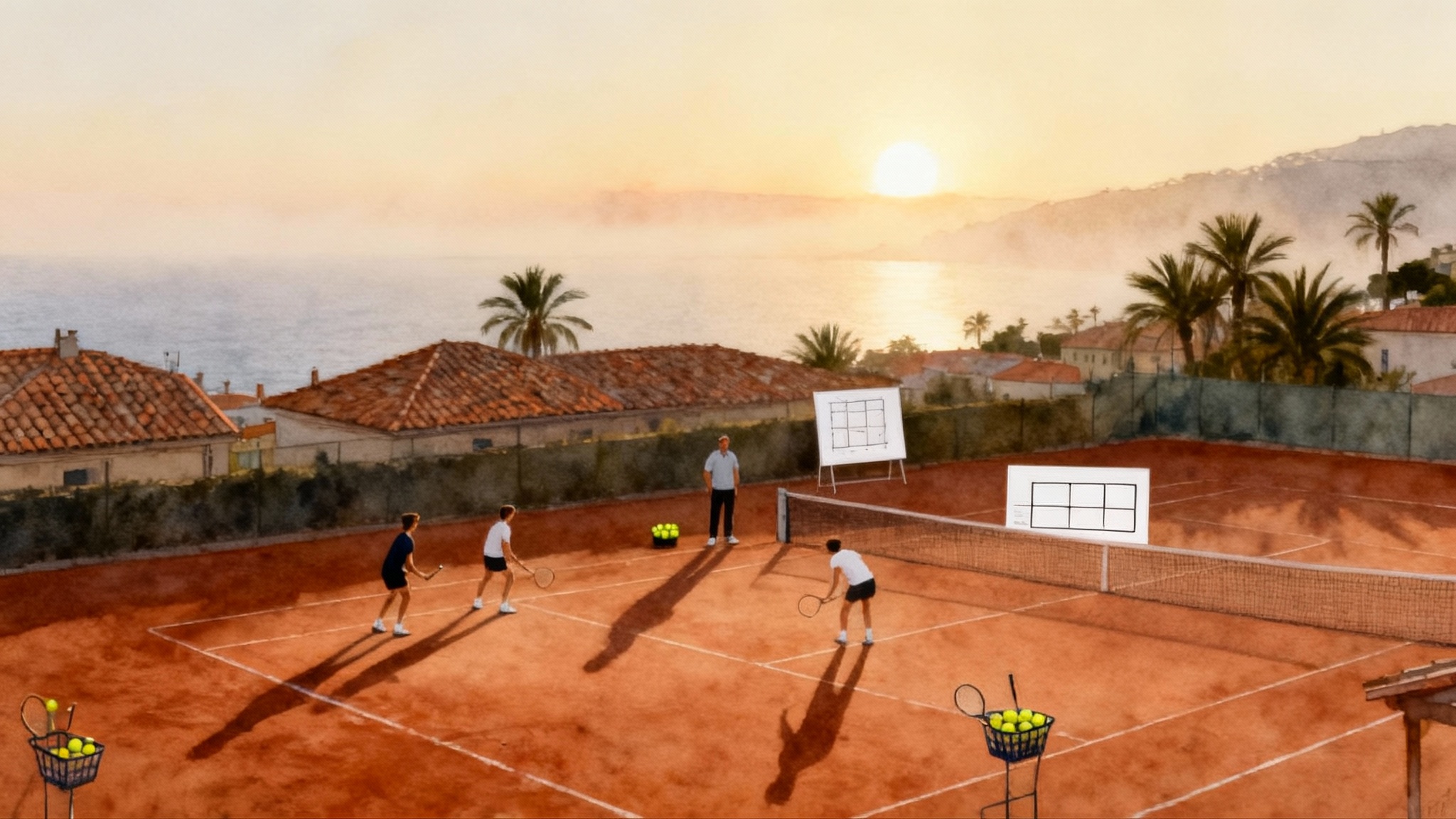
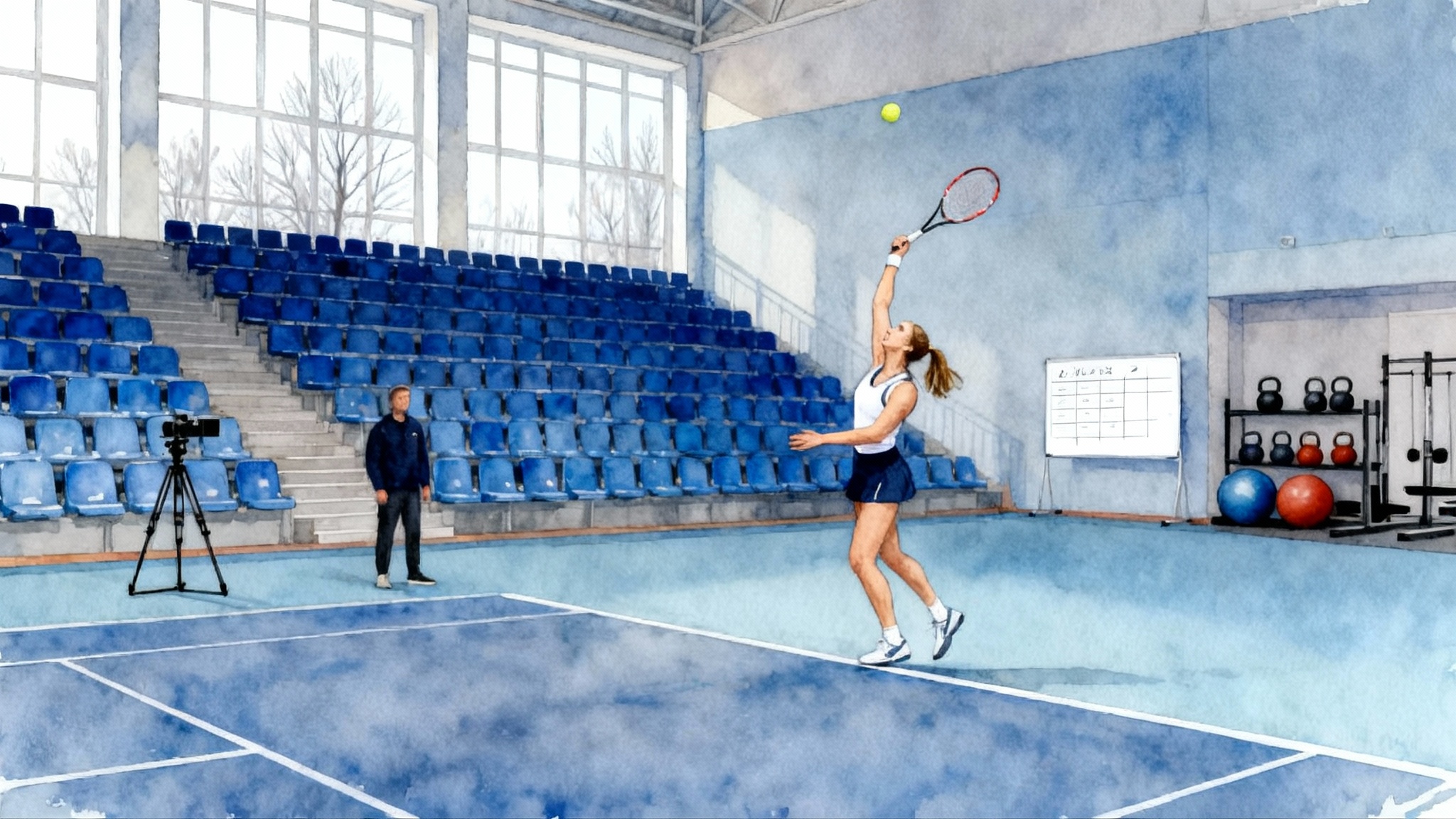
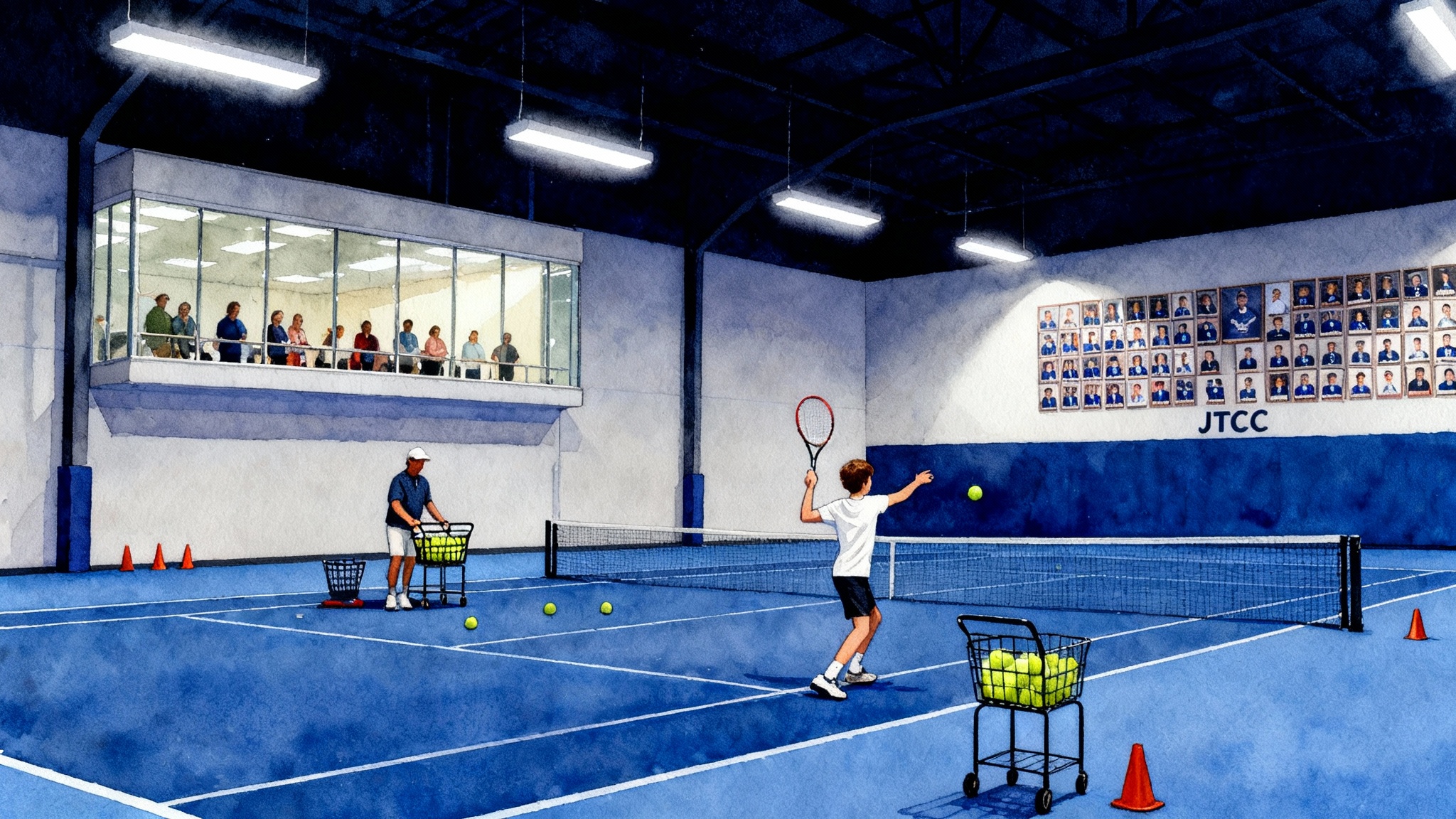
The setup in Villena is not a resort. It is a purpose-built campus with simple player housing near the courts, a gym you can see from the baseline, and a staff that talks to each other before they talk to you. That proximity matters. A 7:30 a.m. mobility session can flow into a two-hour hit, then lunch, then video review, then weights, then treatment, with minimal dead time in between. For a developing player, that rhythm turns one good day into a good week, and good weeks into the kind of body and habits that hold up on tour.
On December 17, 2025, Alcaraz announced that he and Ferrero had ended their seven‑year coaching run. The timing made headlines and matters here because it frames what lasts beyond a coach’s title. See the Reuters report on December 17, 2025.
What Equelite actually built
Parents often hear general phrases about “good environments” and “strong culture.” Here is what Equelite did in concrete terms that translated into world‑class tennis. The approach echoes patterns we have seen in Piatti’s Bordighera blueprint for Sinner and how the Rafa Nadal Academy built Ruud.
1) All‑surface workload, every week
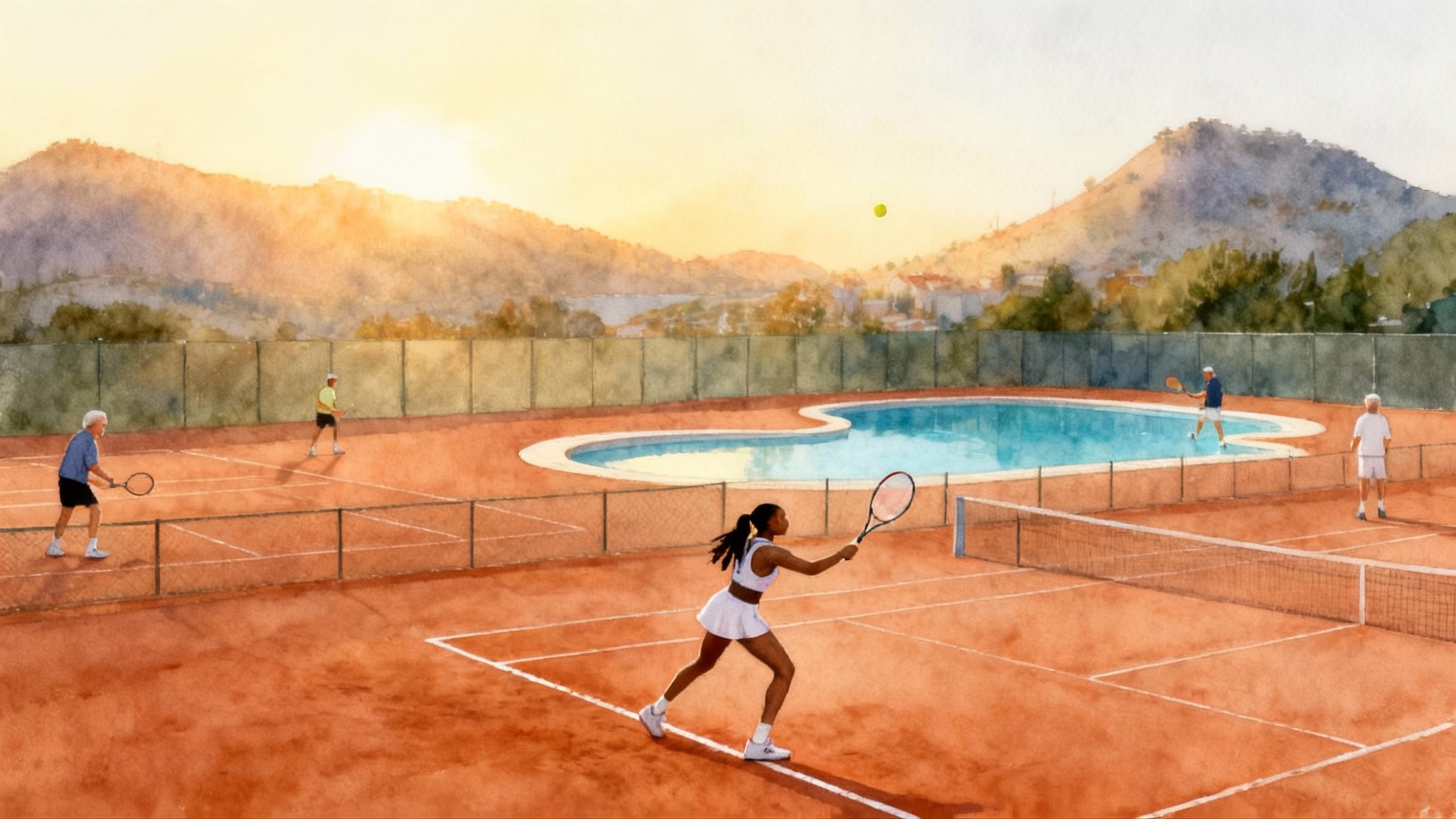
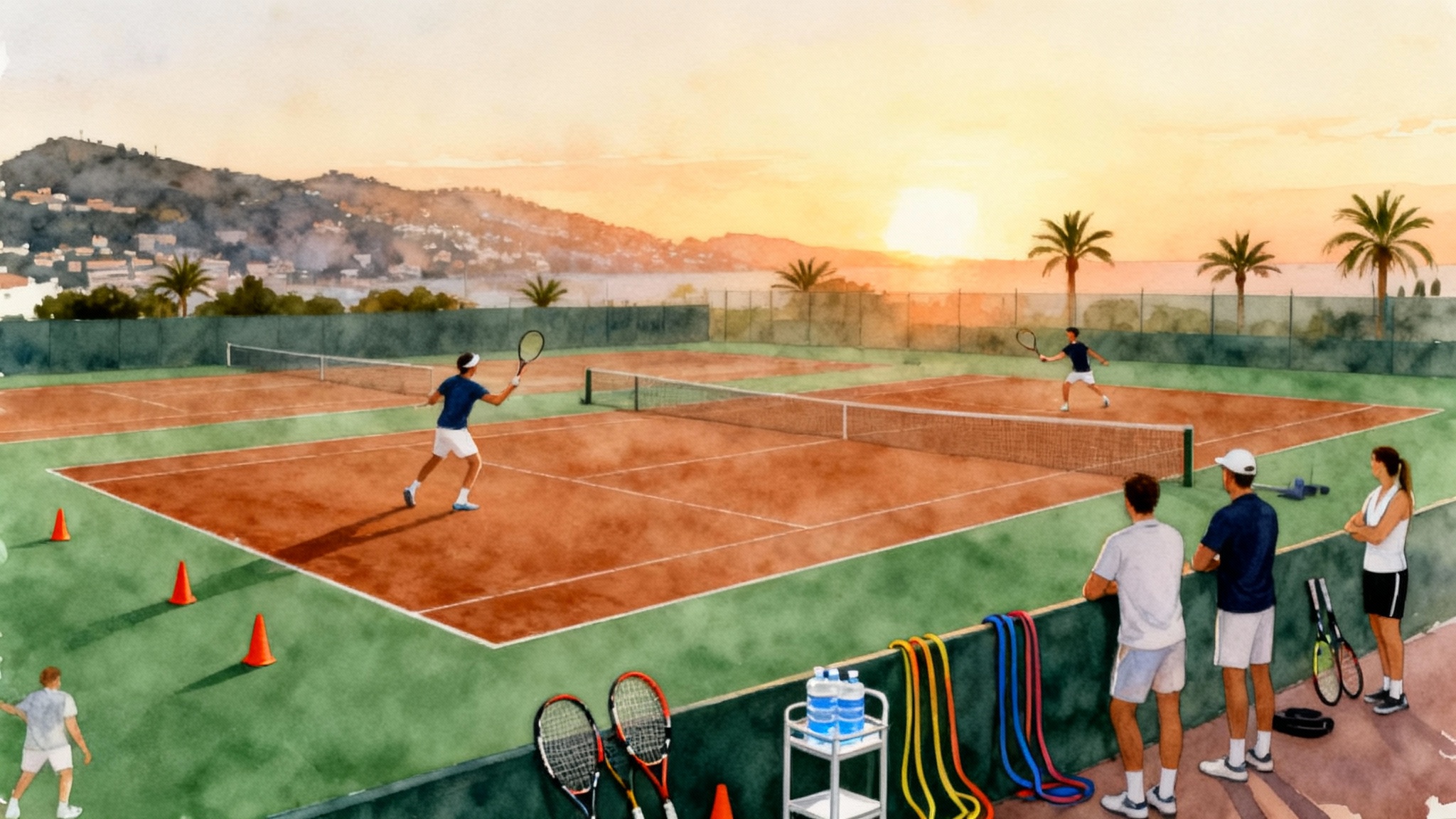
Equelite’s grounds mix hard courts, clay courts, and an artificial grass court. That variety is not a marketing flourish. It is a weekly stress test. On clay, the goals are shape and height, depth control, patience, and knowing when to defend with a heavy crosscourt. On hard, the focus shifts to first‑strike patterns, return position, and landing on balance after taking the ball earlier. The low‑skid turf introduces another puzzle: compromised traction and faster takes, which sharpen the first step and compact the preparation.
Working all three regularly did two things for Alcaraz:
- It made footwork modular. He learned to carry the correct stance width and hip height from surface to surface. That is why his split step looks the same in Paris and New York, even if the ball is doing different things.
- It broadened his pattern library. He was not a clay‑only kid learning to survive on hard later. He was forced to win points in different ways every week, which meant he began to make tactical choices rather than rely on one shot.
You can see the result in his match DNA: a heavy forehand that can arc over the high part of the net, backhand redirects taken early off hard courts, and drop‑shot feel that plays on any surface because it begins with court position and disguises the same shoulder turn as a drive.
2) Adult‑level sparring early and often
Living on site meant that Alcaraz did not just train with players his age. He shared courts, gyms, and breakfast lines with established pros. He hit with Pablo Carreño Busta and other seasoned players who trained in Villena or passed through for pre‑season blocks. That mattered for two reasons.
First, time pressure. Juniors often learn that they can buy an extra half‑step on the back swing or add a casual bounce before the return. Against adults, that half‑step is gone. Adult sparring compresses decision time and punishes lazy spacing. Second, contact quality. Pros do not miss routine balls in practice. When your partner keeps putting the ball on your strings at speed, you repeat correct footwork and make it automatic.
Equelite leaned into this. Sets against older players were normal. Serving targets were set to real standards, not junior baselines. If a forehand sat up in a crosscourt exchange, someone took it down the line. The message embedded itself: your choices must hold up against people who do not give points away.
3) Integrated physio and fitness as a single plan
At Villena, the fitness coach, physiotherapist, and tennis coach treated the same problem. If Carlos’s right hip was tight, the warm‑up changed, the exercises adjusted, and the court work modulated to protect intensity without losing intent. Over months, that approach shifted his body type and movement quality without bulking him out of his natural speed.
Names help make this real. The fitness lead in Villena has long been Alberto Lledó; the lead physiotherapist has been Juanjo Moreno. The point is not the names themselves. It is that they sat in the same meetings, watched the same sessions, and fed each other information. That is how a teenage frame turned into a man who can play five hours and still hit through the court. For a snapshot of those roles during his rise, read the ATP feature on his team.
The skill set that outlives a split
When a coach and player separate, fans focus on who calls the plays next. The more important question is what the player already owns. From Villena, three durable habits travel with Alcaraz, regardless of who holds the title of coach.
-
Surface‑agnostic decision making. Because his base was built on mixed surfaces, he carries a template instead of a script. That shows up in neutral points. He identifies the first short ball on hard courts and takes it early; he lifts higher and buys space on clay; he applies the same disguise to the drop shot by finishing the takeback before showing the grip change. A new coach can refine patterns, but the core reads are his.
-
Training blocks with a target. Ferrero often described how their team would design short, focused blocks to address a specific opponent or scenario. Before New York they might stack return reps on faster courts and weight the first two shots of rally patterns. That habit matters more than any individual drill. It means Alcaraz is comfortable living in a theme for ten to fourteen days, then exiting with a measurable change.
-
Honest feedback loops. Integrated staff create integrated feedback. If recovery markers drop, the plan throttles. If speed holds but shoulder rotation falls off late in sessions, the workload shifts to protect a looming match run. The athlete learns to ask the right questions about his body. That self‑awareness is why he tends to arrive sharp the second week of majors.
These habits survive staff changes because they are not about loyalty. They are about process. You can carry process anywhere.
Inside a day that builds a champion
To understand how Equelite converted a talented teenager into a number one, map a representative training day during a Villena block.
- 7:30 a.m.: mobility, breath work, and low‑level activation. Hip cars, ankle work, light band series. Intent: turn the nervous system on without fatigue.
- 8:15 a.m.: breakfast with hydration targets tracked. Simple, consistent menu. Intent: remove decision friction.
- 9:30–11:30 a.m.: first court session. Theme based. For example, hold baseline on the rise for two balls, then inside‑in forehand through the deuce lane. Serve plus one patterns, alternating deuce and ad. Target accuracy scored by quadrant. Intent: link technique to tactics.
- 12:00–1:00 p.m.: lift. Posterior chain focus; contrast sets for speed. Rotational medicine ball work that mirrors forehand load and unload. Intent: power without weight creep.
- 1:30 p.m.: lunch, then 20–30 minutes of video. Two sequences that went wrong, two that went right. Intent: short, sticky lessons.
- 3:30–5:00 p.m.: second court session. Live sets against an older practice partner. Situational scoring: start at 30‑all, start every game with a second serve, play a breaker that begins with a defensive feed. Intent: transfer training into pressure.
- 5:15–6:00 p.m.: treatment. Manual therapy as needed; tissue quality check; red flags reported to coach and fitness.
- Evening: brief walk, light stretch, dinner, and screens off at a set hour. Intent: protect sleep because that is tomorrow’s training.
Read that day as a system. The system reduces randomness. Repetition makes performance predictable.
What parents can copy when choosing an academy
No family can transplant Villena as a whole. You do not have to. You can evaluate programs using the same levers Equelite pulled. If you prefer a boutique European setup, the Ljubicic Tennis Academy model shows how small‑group coaching and integrated planning can work.
- Surfaces on campus: Ask to see all the courts. A program that lets a teenager train on clay and hard in the same week will grow more adaptable decision makers. If a venue has only one surface, ask how they simulate the others with ball speed, target maps, and footwork constraints.
- Adult sparring access: Request a plan for mixing in older hitters. Not every session should be against peers. A simple standard is one or two sets per week against an adult who makes balls and pushes tempo. If the academy cannot provide that on site, ask how they schedule it nearby.
- Integrated staff and shared notes: Who are the fitness and physio leads, and how often do they meet with the tennis coaches? Ask for an example of how the plan changed last week because of something the physio saw on Tuesday. If they cannot give a real example, integration is buzzword‑only.
- Data you can feel, not just spreadsheets: Juniors need feedback they can act on by tomorrow. Ball‑speed numbers and heart‑rate zones are useful, but they should connect to a cue on court. For instance, aim a forehand through a head‑high window over the doubles line from a specific marker, not just “hit heavier.”
How to structure travel and school without losing the plot
Families fear that a boarding setup means school takes a back seat. It does not have to. The question is not hours. It is rhythm and communication.
- One calendar, three colors: Build a shared calendar with school blocks, travel blocks, and recovery blocks clearly marked. Teachers can only help if they can see crunch weeks coming. A monthly fifteen‑minute call with a school lead prevents most fires.
- Travel with a theme: Every trip should have one technical theme and one tactical theme, written down and reviewed before the first match. For example, “Serve toss consistent at eye level” and “Backhand crosscourt first ball in neutral.” The coach and player then grade those themes, not just the win or loss.
- Keep the circle small on the road: Too many voices kill routines. When traveling, define who gets to speak about tactics, who owns body care, who handles logistics. The player should always know who to ask, and that list should fit on one hand.
Building an all‑court foundation at home
You do not need a European academy to build an all‑court base. You do need intent.
- Rotate surfaces by constraint: If you only have hard courts, simulate clay by playing with a higher net window and forbidding winners before ball five. Simulate grass by shortening points with serve‑plus‑one targets and by narrowing recovery to inside the alley.
- Pattern days, not shot days: Rather than “forehand day,” run “serve body, backhand line, next ball cross” day. Players learn to connect decisions, not collect pretty swings.
- Give the drop shot a home: The drop shot is not a trick. It is a tool that punishes deep court positions. Build it into drills with a rule such as “any rally that goes above ten balls must include one drop attempt.”
- Sparring ladders: Schedule weekly sets with older club players who simply do not miss. The goal is to learn patience and spacing under adult tempo, not to win every set.
After Ferrero: what endures, and what changes
Coaching teams evolve. Titles and roles change. The habits that turned a skinny fifteen‑year‑old into a world number one are less fragile than a headline. Carlos Alcaraz leaves Equelite’s daily oversight with three anchors he can keep anywhere in the world:
- A week that mixes surfaces and forces decisions.
- A hitting pool that includes adults who make the court small.
- A staff conversation that starts with the body and ends with the ball.
New voices may alter emphasis. Perhaps a different coach prefers more return work from inside the baseline or more serve variety out wide in the ad court. Those are refinements. The spine of his game and his day was built in Villena. That spine travels.
A clear checklist for families
If you are considering a program for your player, take this list to your visits.
- Show me the schedule. Where are school, fitness, court time, and recovery, and how do they connect in one day?
- Show me the courts. How many hard, how many clay, and do you run mixed‑surface weeks?
- Show me the sparring plan. How many sets per week with older hitters, and who are they?
- Show me the staff meeting. When did the physio last change the on‑court plan and why?
- Show me the theme. What is the player working on for the next two weeks, and how will you measure it?
A good academy will have real answers, not slogans. If they do, you will know you are buying a process rather than a logo.
The takeaway from Villena
Equelite did not hand Carlos Alcaraz a single magic drill. It handed him a way to live. Rooms close to courts. Courts of different speeds. Partners who hit like grownups. Coaches, trainers, and physios who treat one athlete, not three separate departments. That is why his game looks the same in Paris and New York. That is why a change in coach, even a major one, does not erase the base.
If you are a parent, do not chase names. Chase the day. Ask whether your son or daughter can stack great days in one place, with people who talk to each other and who demand choices that scale to adult tennis. Do that, and your player may not become the next world number one, but they will own an all‑court game built to last. That, in tennis, is the point.