From Spartak to WTA Finals: Rybakina’s Academy Blueprint
Elena Rybakina’s rise runs through Spartak Moscow’s group-first, fitness-forward junior system and a smart shift to targeted individual coaching. Here is the blueprint families can copy to turn solid academy roots into elite results.
 Tommy
Tommy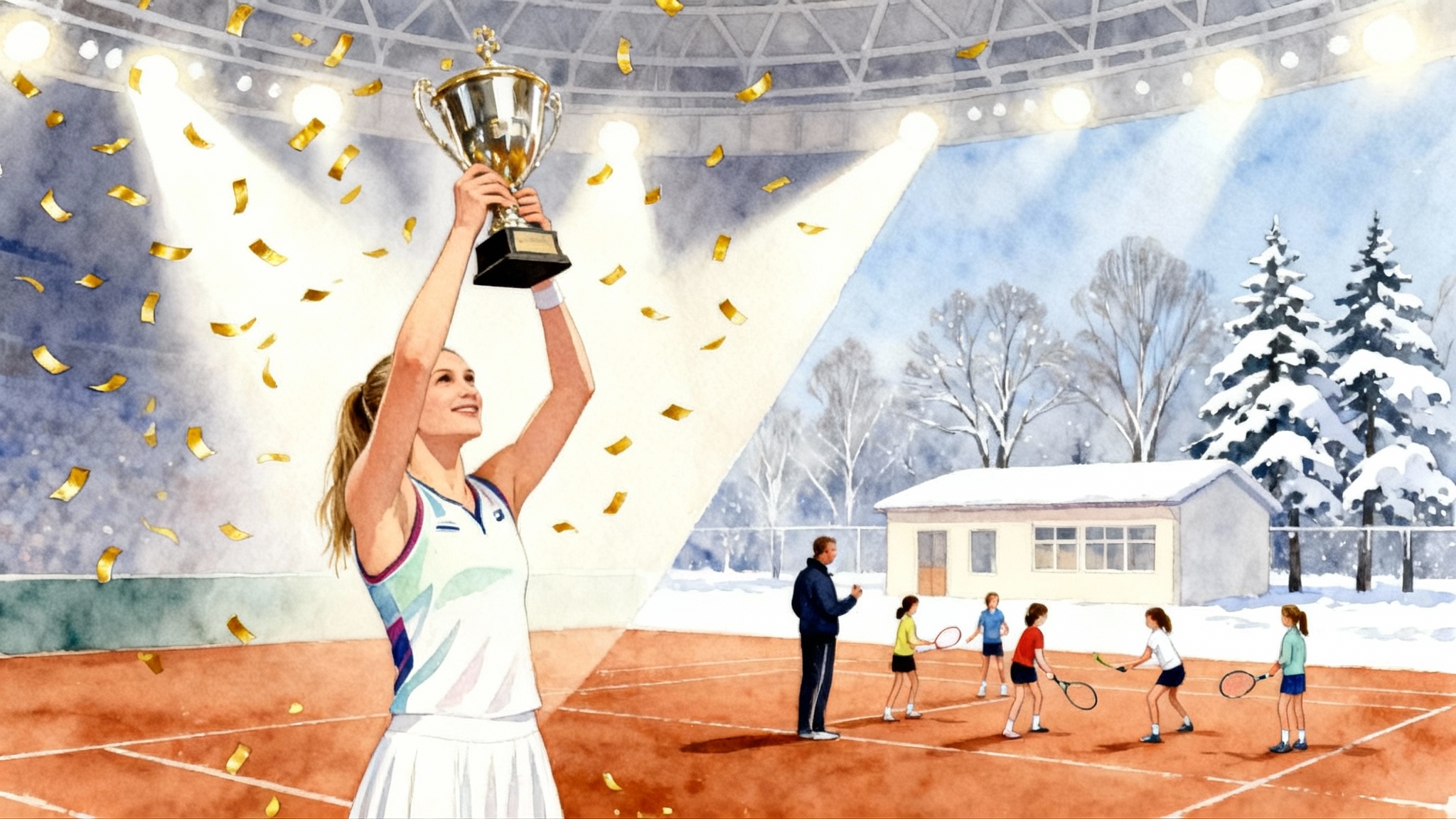
The road from Moscow courts to the season’s last trophy
On November 8, 2025, Elena Rybakina closed her year by beating Aryna Sabalenka to win the Women’s Tennis Association season finale. It was a straight-sets finish and an unbeaten run that capped her most economical, assured tennis to date. The result reads like a late career polish. In reality, the groundwork was poured a decade earlier on the group courts of the Spartak Tennis Club in Moscow. If you look closely, the Riyadh victory is a long echo of those early sessions: high quality repetitions in groups, rigorous physical preparation, and patient timing on when to specialize. For verification of the finish line, see the WTA Finals match report.
For a quick comparison on her rival’s pathway, see Belarus's academy forged Sabalenka.
Note: throughout this article, WTA stands for Women’s Tennis Association.
What Spartak actually builds
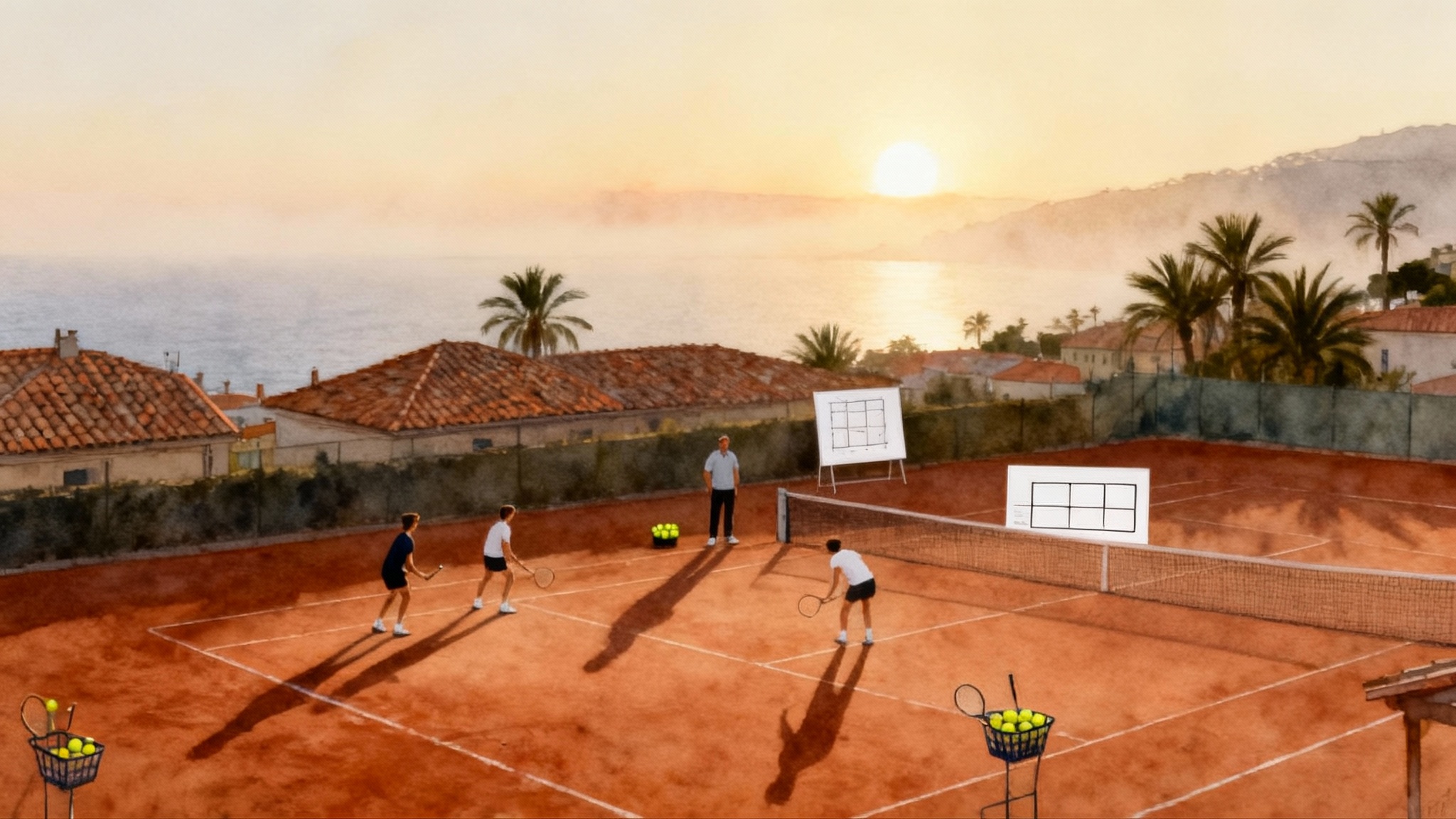
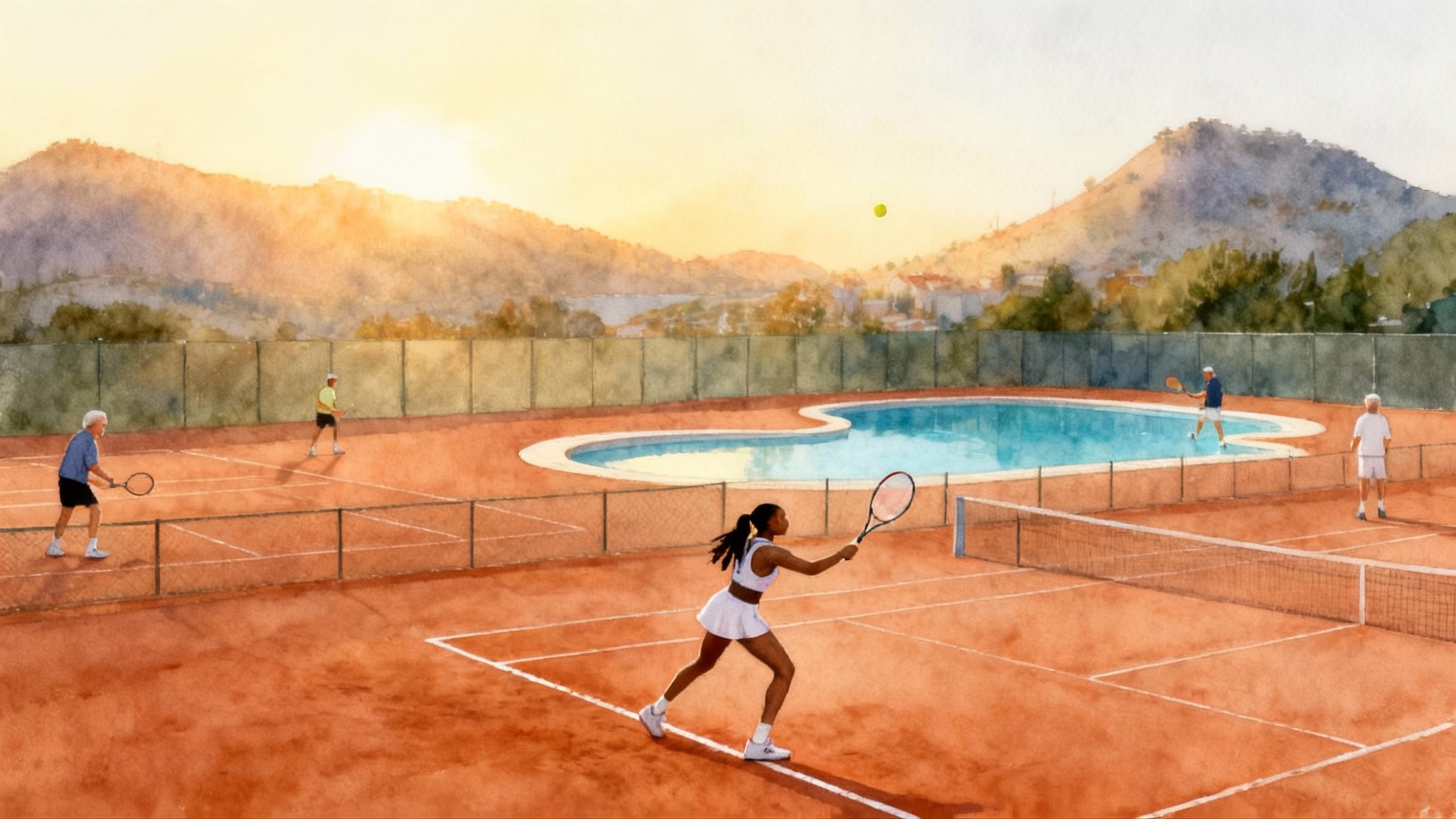
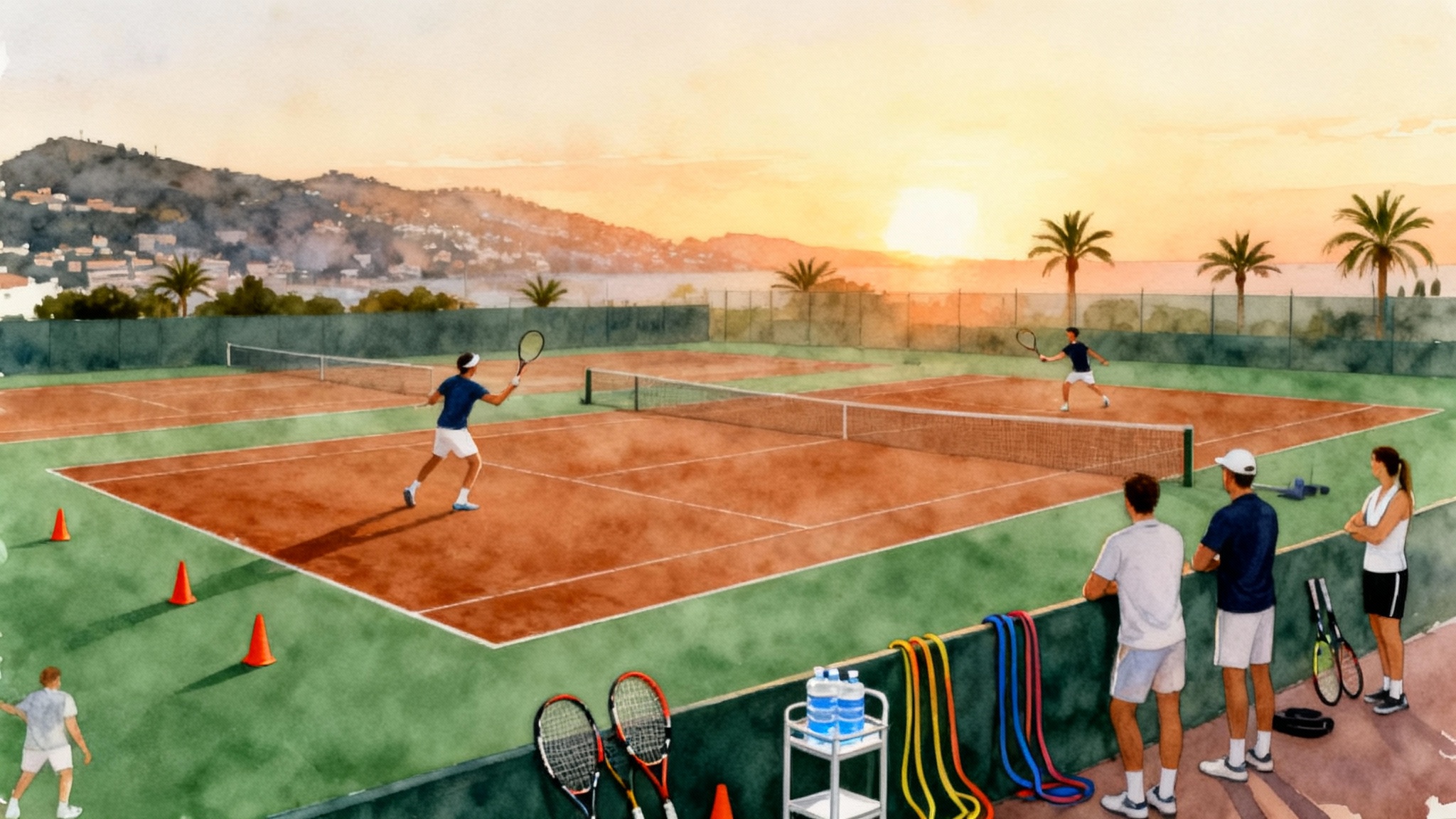
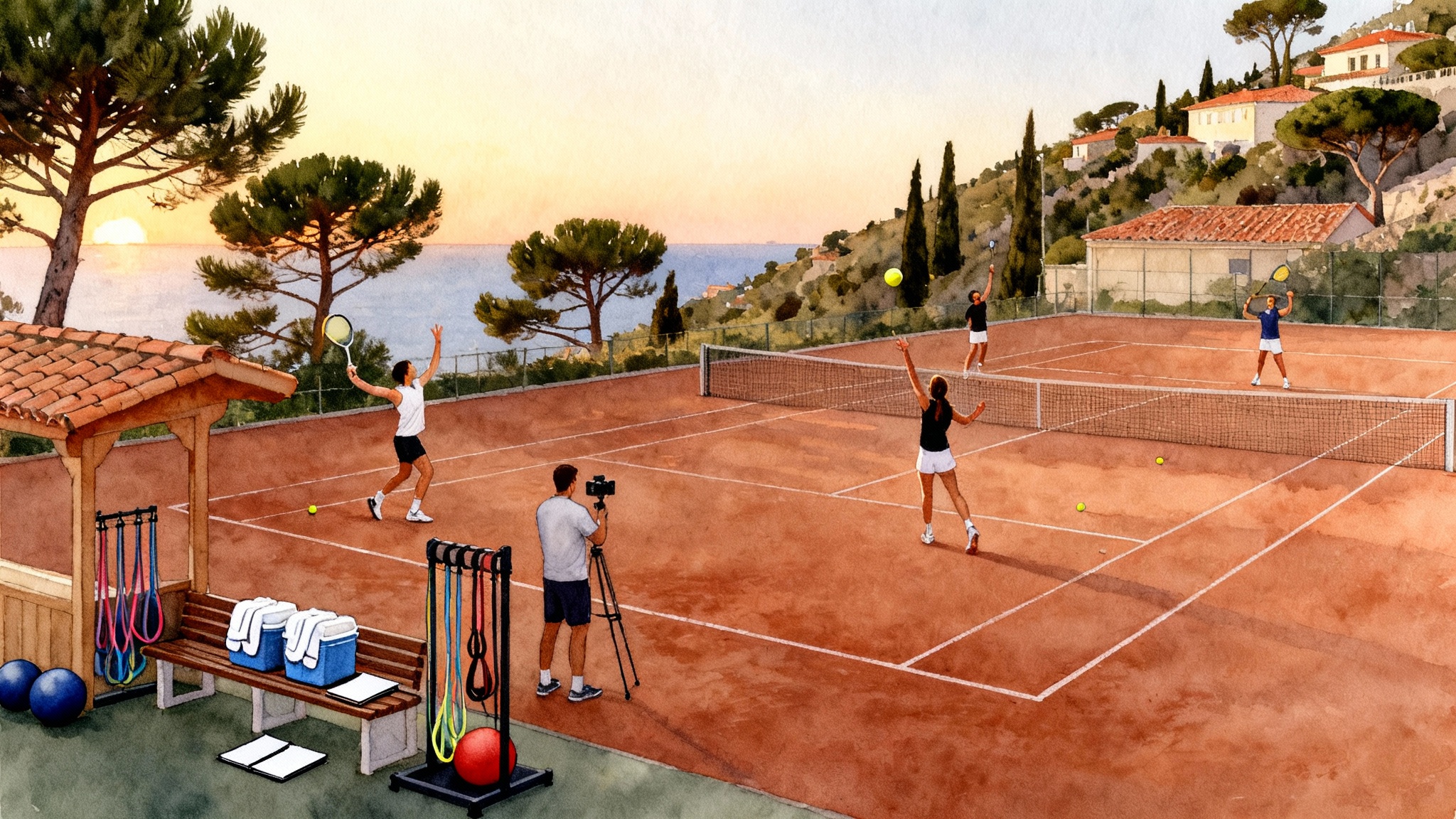
Spartak is not fancy. It is famous. The club’s culture is a blend of veteran coaches, crowded courts, and a training diet that treats fitness as a daily staple rather than a side. As a youngster, Rybakina did not live on a private court. She trained in groups that started around eight players per court when she was younger, then narrowed to four as she got older. Tennis time averaged about two hours a day while fitness work ran closer to three. She balanced this with a regular academic school schedule, which forced efficiency and a clear daily rhythm.
Veteran voices made that structure work. Rybakina’s early development included stints with former top pros Andrei Chesnokov and Evgenia Kulikovskaya. Her physical preparation was guided in part by Irina Kiseleva, a world champion in modern pentathlon. The message to a young teenager was clear: technique lives beside athleticism, not above it. At Spartak, you do not trade one for the other. You stack them.
If you want a sense of the Spartak approach from an outside observer, Kate Fagan’s reporting explains its emphasis on selection, group progression, and methodical volume in plain language: Spartak’s pyramid and group progression.
For another Russian pathway that leaned on structured environments and later specialization, compare how Elite Tennis Center forged Medvedev.
Group training that compounds
Families often ask whether group training is settling for less. Spartak flips that logic. Done well, groups multiply the touches that matter and create peer pressure that improves attention. Three mechanisms make it work:
- Constraint on space forces precision. Four players per court means tighter targets, sharper spacing, and rallies that demand early preparation. The constraint teaches timing and ball recognition without a lecture.
- Shared feedback speeds up learning. When one player solves a contact point or a footwork pattern, three others watch and borrow it immediately. With a good coach, the entire group iterates faster than any one player alone.
- Competitive micro sets normalize pressure. Spartak’s groups use short formats and score often. Players learn to reset quickly and manage small stakes repeatedly, which is exactly what a tiebreak feels like on a big stage.
Picture Riyadh’s second set tiebreak. That calm is not invented in a week. It is rehearsed in hundreds of bite size score situations at practice where the result matters just enough to shape behavior but not enough to paralyze it.
Fitness first, not fitness later
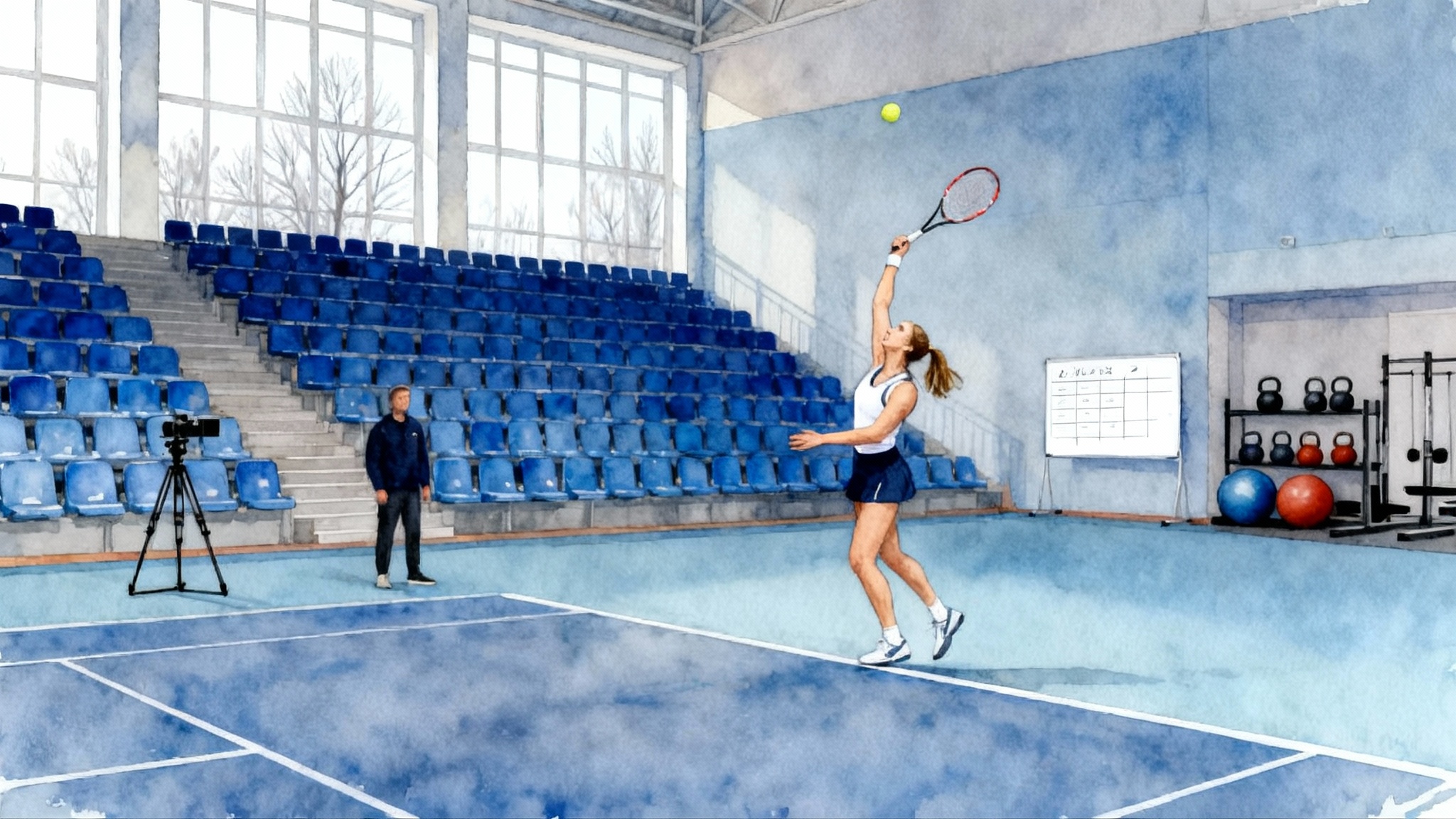
Watch Rybakina serve. The clean lift, the late acceleration, the ability to hold posture under pressure. Those are not just technical choices. They are strength and mobility choices. Spartak’s daily structure placed fitness in front of the technical session, not after it. That means movement patterns and joint preparation were treated like sharpening a blade before cutting, not a chore to check off after.
What does that look like for a junior pathway?
- Ages 8 to 12: two or three strength movement sessions per week focused on coordination, balance, and elastic power. Think low hurdle hops, med ball throws, and crawling patterns. Keep it playful, but measure repeatability and landing control.
- Ages 12 to 14: three to four sessions per week across mobility, strength technique, and conditioning. Begin teaching hinge, squat, push, pull, and carry patterns with strict supervision and low load. Aim for speed of movement and posture first, load later.
- Ages 15 to 17: two to three strength sessions plus two conditioning blocks. Build rotational strength and anti rotation control. Use resisted sprints, lateral bounds, and overhead medicine ball work that map to a service motion and open stance forehand.
Families often delay this because it feels less visible than extra hitting. Spartak treats it as the foundation that allows high quality hitting to show up under fatigue.
The federation choice that unlocked travel and continuity
In 2018, Rybakina chose to represent Kazakhstan. The Kazakhstan Tennis Federation offered resources that made a full professional schedule realistic, from travel support to a staffed training base. The choice was not a shortcut. It was a resource decision. Without travel, a player cannot collect the right matches. Without a team, a player cannot build physical work from month to month. For families, the principle is transferable: you must measure not only the quality of coaching but also the continuity of the entire program. If a different club, federation, or scholarship makes the calendar and staffing stable, that stability often decides whether good training turns into ranking points.
A simple decision matrix helps:
- Map the next 18 months of planned tournaments by surface and region.
- Price the total outlay, including coach travel and recovery blocks, not just flights.
- Score each support option on three axes: competition access, coaching continuity, and medical fitness coverage. Pick the option that maximizes those three, not the one with the biggest brand name.
When to specialize with a private coach
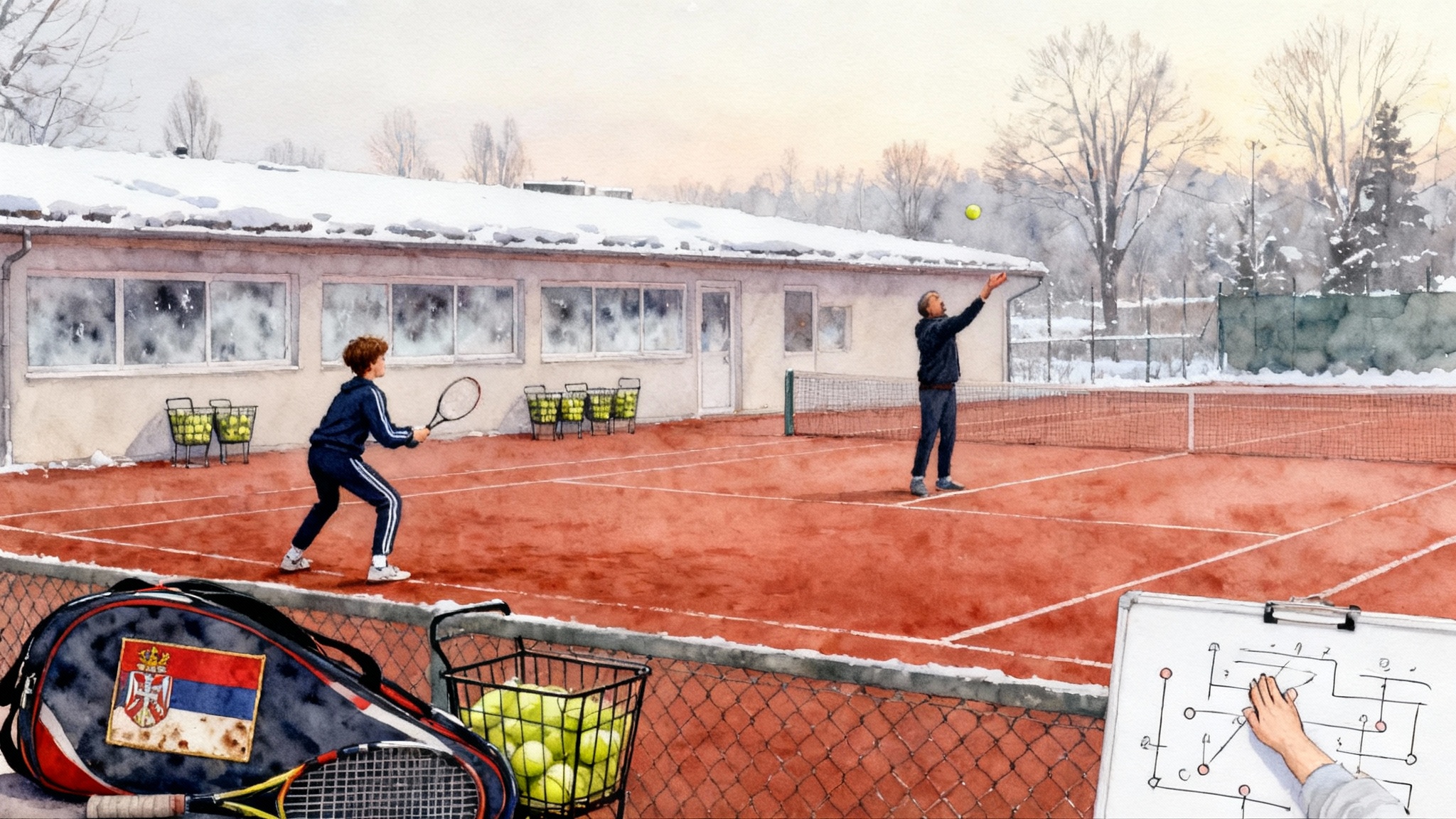
Spartak uses groups to build the base, then adds targeted individual instruction when the player is ready to absorb it. Rybakina followed that arc. She moved from groups to focused individual work late in her teens, hired a private coach who did not travel, then added a traveling coach when the schedule demanded it. The sequence matters.
Why not hire a private coach earlier? Because without a base of movement quality and timing, private time gets wasted on putting out fires that fitness and repetition would have prevented. Why not wait too long? Because the top of the professional pathway requires tournament specific adjustments and opponent scouting that a group setting cannot deliver.
A practical trigger: when a player consistently beats peers in practice sets and can hold one technical theme for an entire week without drift, they are ready for a larger dose of individualized work.
Milestones that trace back to the base
Rybakina’s big results read like a straight line. Wimbledon in 2022. Multiple WTA 1000 titles soon after. And then, the 2025 finish, where she went undefeated at the year end finale. Across those seasons, the same physical signatures repeat: first serve reliability over long matches, balanced power off both wings, and movement that looks taller and calmer than the scoreline. Those traits are not a tactic of the week. They come from years of group timing work and a body that was built to handle it.
This is not to say private coaching is cosmetic. Later, targeted work added serve patterns, return position adjustments, and opponent specific plans. The point is sequence. The private layer stuck because the base was already solid.
What families can copy right now
1) Commit to quality group reps
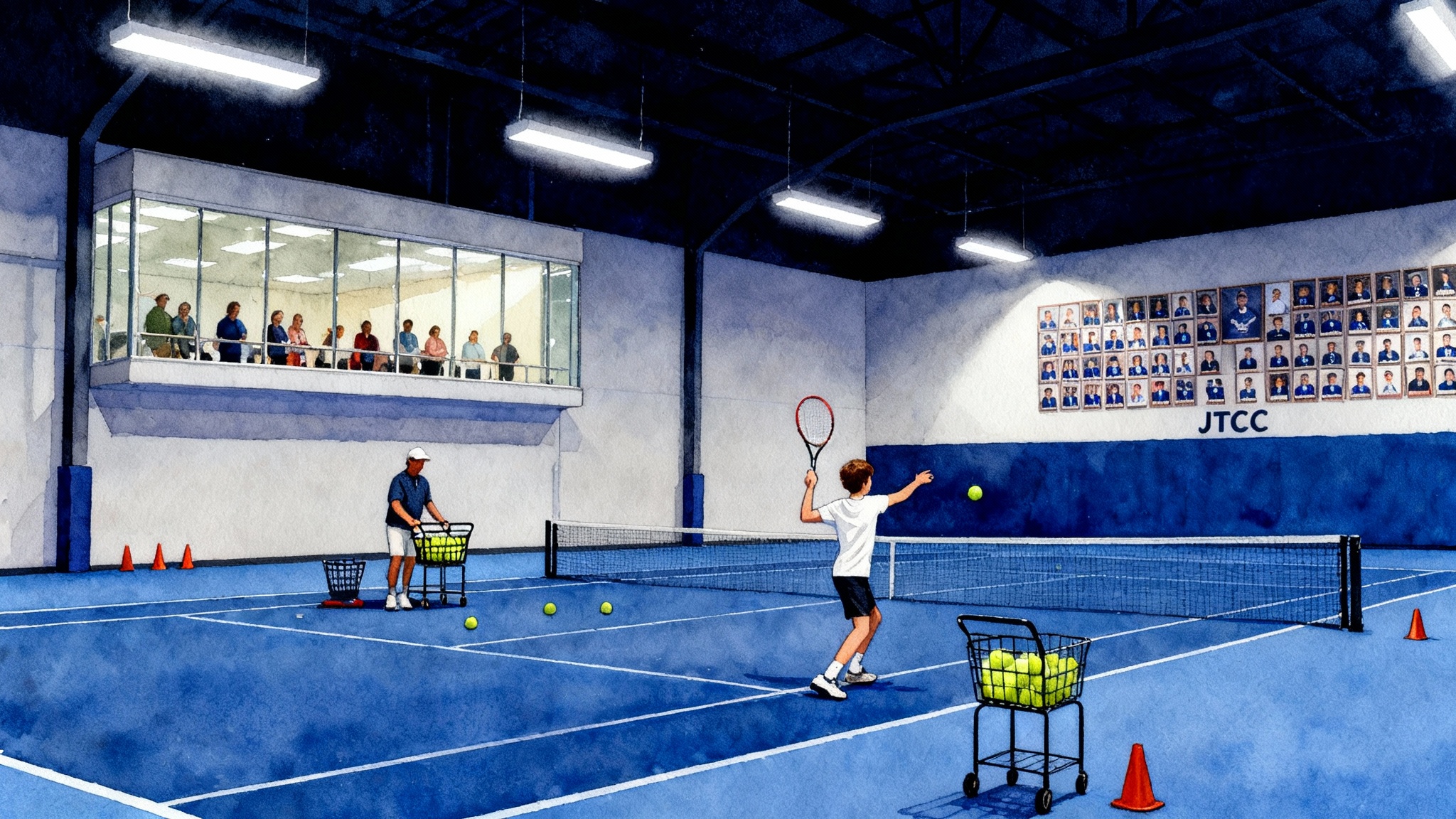
- Target coach to player ratios of 1:4 for players 12 and up, 1:6 for younger. If a group skews larger, insist on stations with clear roles to keep touches high. A small, family run option like the Gomez Tennis Academy 4:1 model shows how this ratio works daily.
- Ask about progressions, not just drills. A good program can show you how the same forehand pattern evolves every 6 to 8 weeks.
2) Front load physical preparation
- Put two mobility strength blocks before tennis on school days. Keep them short, 25 to 35 minutes, and highly specific: ankle mobility, hip control, thoracic rotation, landing mechanics.
- Track three physical markers monthly: standing broad jump, five meter acceleration, and single leg balance with eyes closed. These low tech checks reveal whether the body is gaining useful capacity.
3) Time your specialization
- Use performance triggers, not birthdays. When a player can sustain a single technical cue for an entire week of hitting and shows stable decision making in short scoring formats, add individualized work.
- Keep at least one group session a week even after hiring a private coach. The social speed and peer modeling protect against over coaching.
4) Build a support map, not just a coach list
- Sketch who handles what: tennis, strength, recovery, scheduling, and analytics. If one person must wear two hats, agree on which hat is primary.
- Choose a program that can absorb life reality. If school demands spike, can your team compress tennis without losing the fitness backbone?
A sample week for ages 12 to 14
This template borrows from Spartak’s daily balance and adapts it to a typical school week.
- Monday
- 30 minutes mobility and landing mechanics
- 90 minutes group hitting with a single theme (forehand contact in front, recovery step)
- 15 minutes serve rhythm and toss placement
- Tuesday
- 25 minutes acceleration and lateral movement
- 60 minutes patterns of play in half court
- 30 minutes point play in mini sets to seven
- Wednesday
- 35 minutes strength technique circuit (hinge, squat, push, pull, carry) with light loads
- 75 minutes group rally tolerance and neutral ball depth
- 15 minutes return of serve starting from blocked to random
- Thursday
- 25 minutes mobility and medicine ball throws
- 60 minutes doubles patterns for variety and volleys
- 20 minutes tiebreak practice with clear between point routines
- Friday
- 30 minutes repeat sprint conditioning with heart rate targets
- 90 minutes sparring sets with constraints, such as second serve to the body only
- Saturday
- 45 minutes fun competition block, alternating formats
- Optional 20 minutes video review to tag two clips that match the week’s theme
- Sunday
- Off or light recovery: walk, swim, or mobility circuit
Two anchors keep this week honest. First, every hitting block has one theme. Second, fitness is scheduled before tennis four days out of seven.
How coaches can apply this in the next session
- Use shadow swings before live ball. Five minutes of slow, precise rehearsal builds the movement memory that survives under pressure.
- Mix blocked and random practice. Start with ten fed balls at the same target, then flip to random feeds and live rally to test transfer.
- Score more, shorter. Run three tiebreaks to seven instead of one long set. Record only the first serve percentage and depth on the first ball after serve or return.
- End with two serves under fatigue. After the last rally, every player serves two points while breathing hard. This simulates the only moment that truly matters.
Common pitfalls and how to avoid them
- Big groups with no structure. If you cannot keep a clear rotation, you are not getting the volume you think you are. Insist on station plans with time boxes.
- Fitness without standards. Jogging is not conditioning. Use repeatable tests and progress the work.
- Early private coaching that replaces, not complements, group speed. Keep at least one competitive group each week after you add an individual coach.
- Ignoring the calendar math. If support does not cover travel or recovery, good training will not reach the ranking table. Secure continuity first.
The throughline
Rybakina’s climb from Spartak to the WTA Finals did not depend on magic or a single guru. It depended on a sequence. First, high quality group reps made technique automatic. In parallel, daily fitness built a body that could repeat that technique at speed. When the time was right, targeted individual coaching added precision without erasing the group engine. Finally, federation support choices gave her the continuity to live a complete season. If you keep that order in your own plan, the results compound. A decade from now, your player’s best day can look inevitable for the same reason Rybakina’s did. It will be the natural consequence of a smart foundation that never rushed what needed to grow.