From Minsk to Melbourne: Belarus’s Academy Forged Sabalenka
 Tommy
Tommy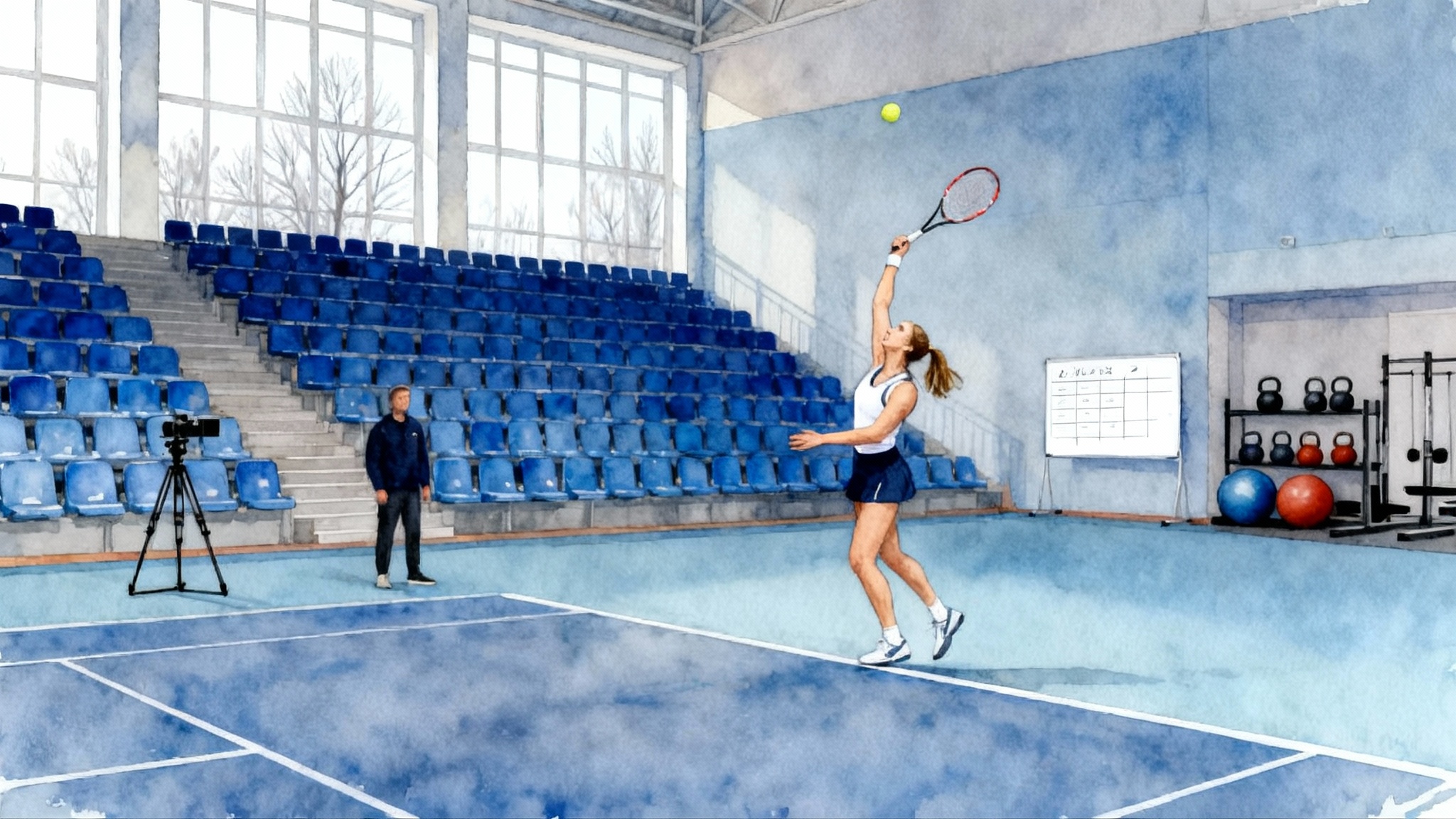
The Minsk engine behind Melbourne triumphs
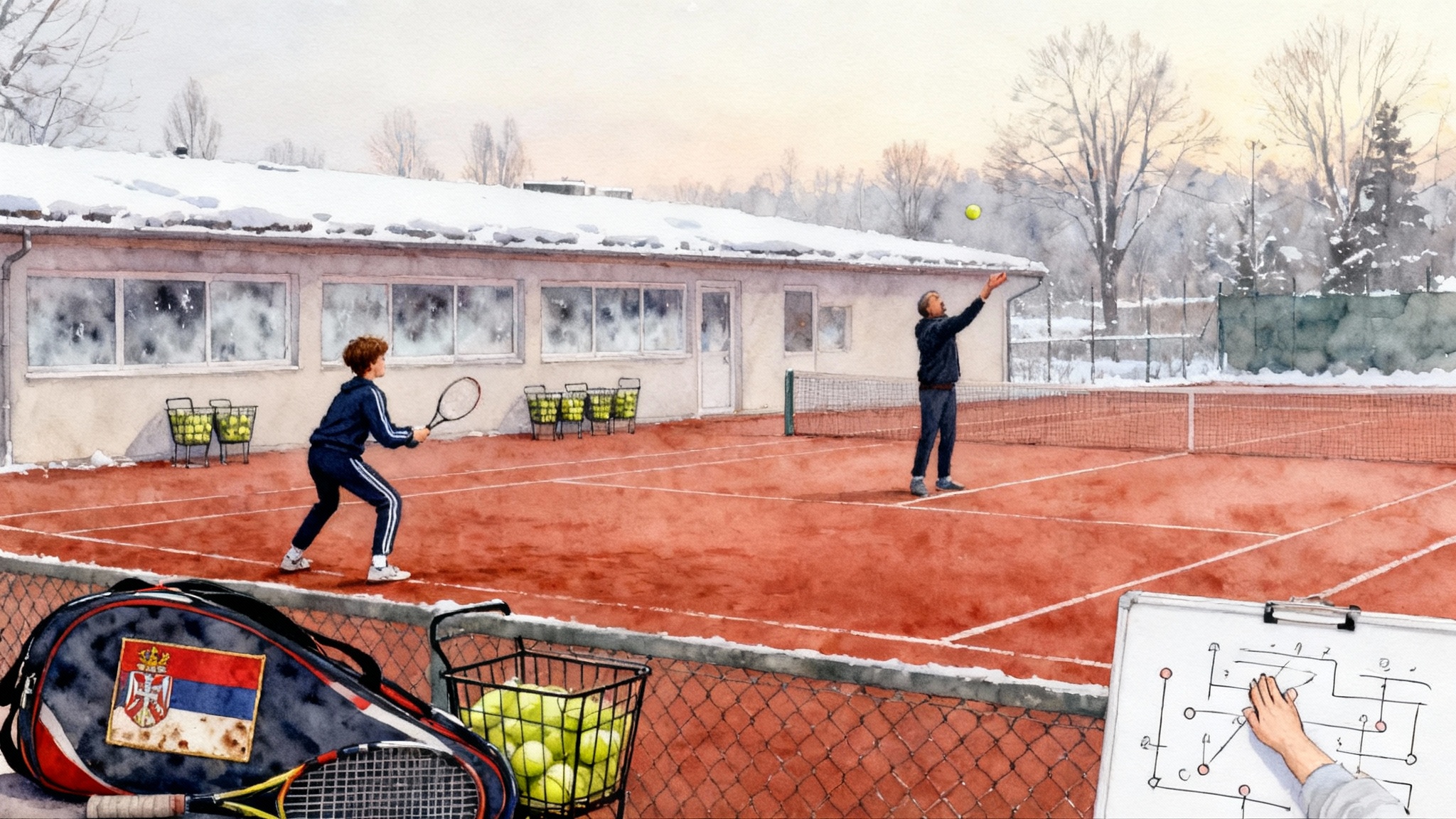
If you follow junior tennis, Aryna Sabalenka looks like an anomaly. She did not collect junior Grand Slam trophies or chase a top junior ranking. Instead, she trained at home in Minsk, joined the national setup, and went straight to professional matches while many peers were still learning how to travel without their parents. She joined Minsk’s National Tennis Academy in 2014 and, a year later, the Belarus Tennis Federation encouraged her camp to skip junior majors and stack real professional repetitions on the International Tennis Federation circuit. That sequence shaped the game you now see under the lights in Melbourne: first-strike serving, heavy redline forehands, and a body built to repeat high-force movements.
This is a story about structure meeting conviction. The structure was Belarus’s National Tennis Academy and its daily rhythm of courts, fitness, and support services. The conviction came from a federation willing to trade junior prestige for the rough‑and‑tumble education of the pro tour. Together they produced a player whose ceiling was defined by what her body, mind, and serve could do, not by an age‑group ranking.
A national academy with a clear job
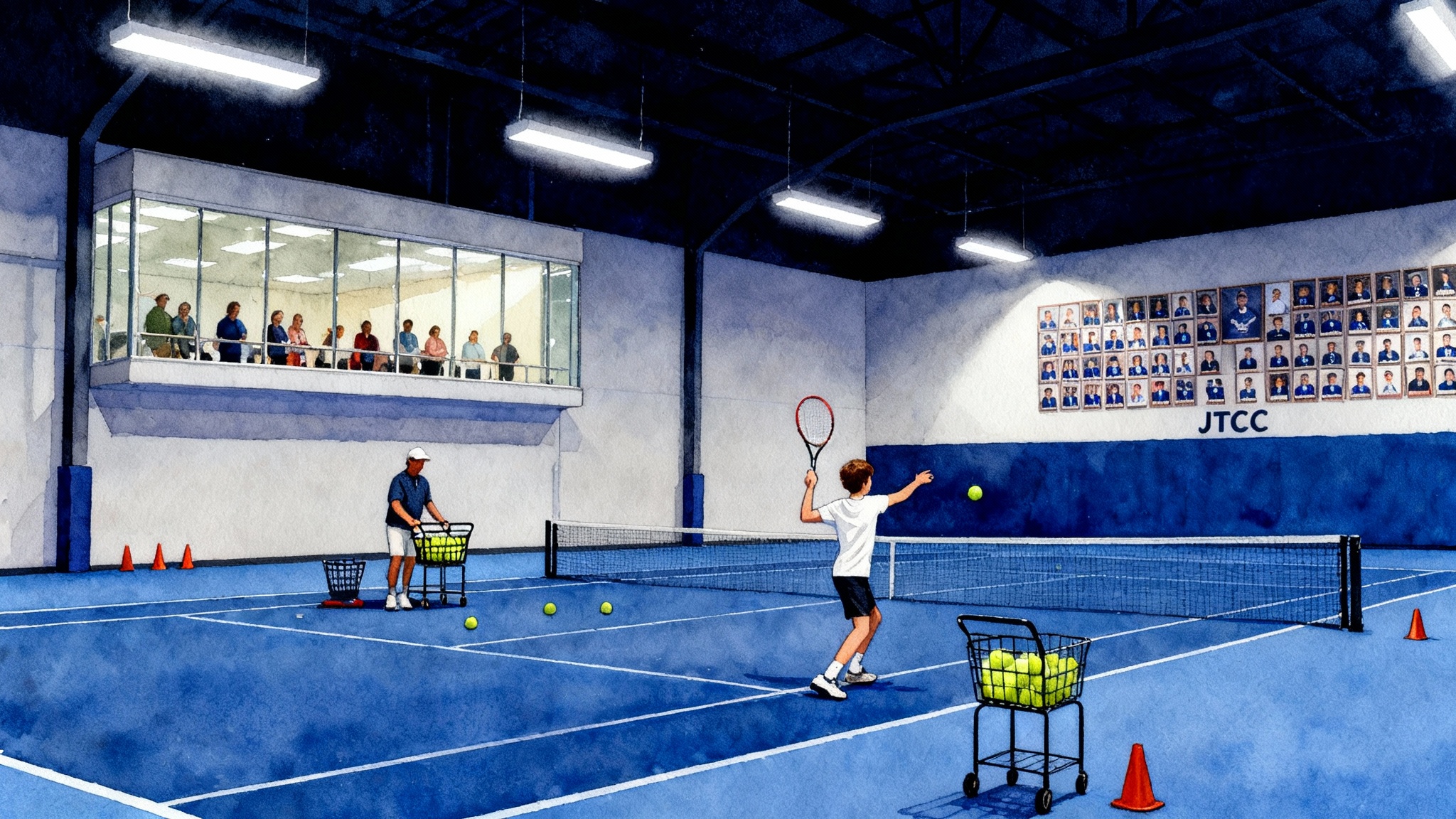
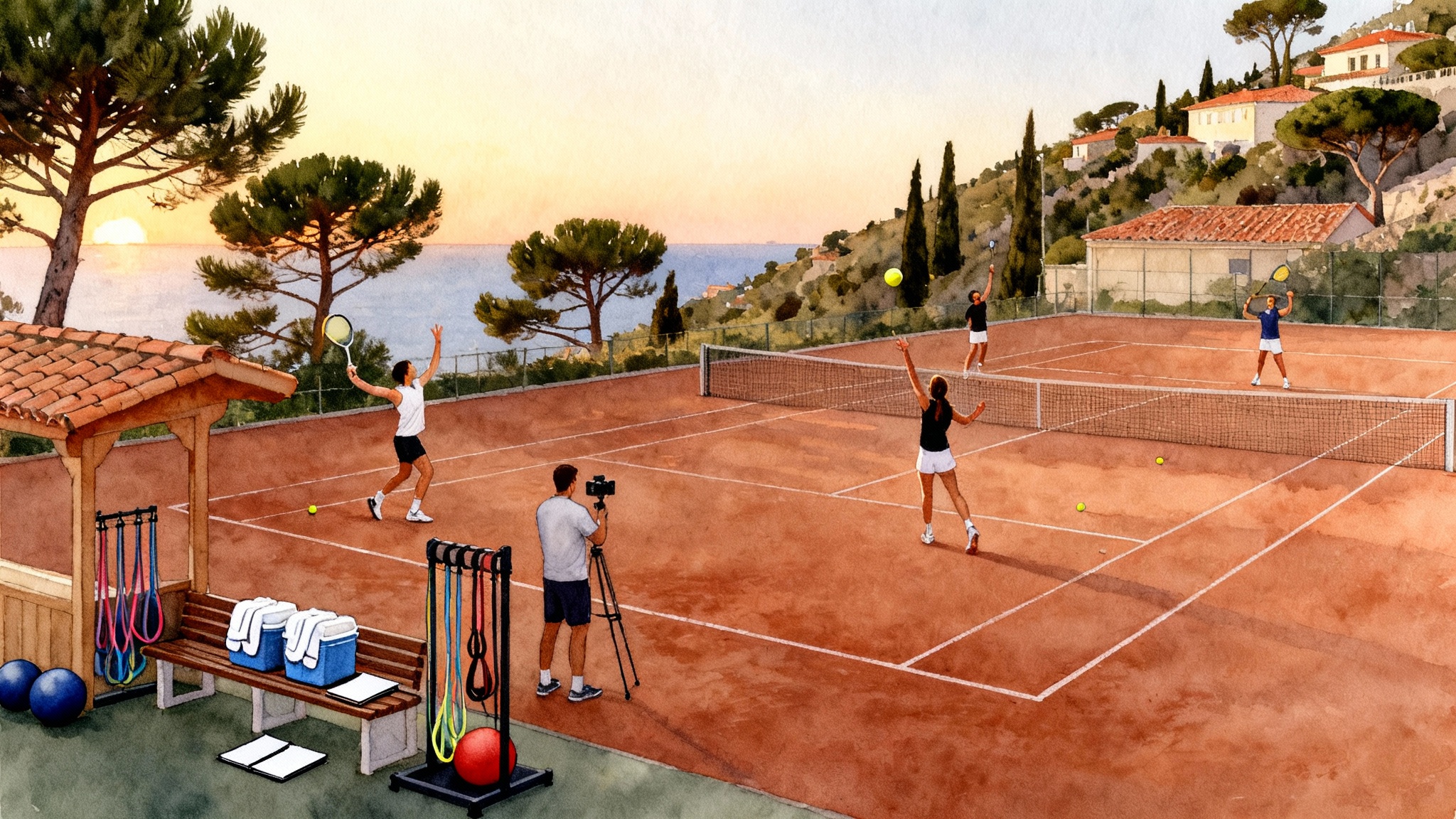
By 2019, European coaches were using the Minsk academy as a case study in how a centralized program can accelerate development, with facilities showcased during a Tennis Europe coaches conference. The point of the place was simple: concentrate talent and expertise so the best Belarusian players train under one roof. That roof covered a mix of indoor and outdoor courts, strength and conditioning areas, treatment rooms, and meeting spaces where coaches could align on plans rather than work in silos. Similar centralization anchored how the Rafa Nadal Academy built Ruud's Top-10 rise.
Think of the academy as a factory that stamps out habits. Players pass through predictable stations: warm up, on‑court, gym, recovery, review. The predictability is a feature, not a bug. It reduces logistical friction for families, standardizes quality, and lets athletes put more effort into the work that actually moves the needle.
For Sabalenka, the stations had a specific purpose: grow the engine and point her tennis at the most repeatable winning patterns. That meant placing the serve at the center, building legs that could load and explode, and treating the forehand as a sledgehammer rather than a paintbrush.
The fork in the road: juniors or pros?
At 16 and 17, most elite players face the same decision: keep chasing junior Grand Slams or go early into professional events. In 2015, Belarus’s federation and Sabalenka’s team chose the latter. The logic fits a simple model.
- What juniors offer: status signals for college or sponsorship, an easier travel bubble, and age‑group success that feels good but can be misleading.
- What low‑level pro events offer: tougher opponents who punish short balls, more decisive patterns, match play with prize money and points that stick, and lessons about travel like stringing racquets in a local shop at 10 p.m. because you play first on.
The Minsk academy could support the chaos that comes with that choice. When Sabalenka returned between trips, the staff did not need a lengthy onboarding. They knew the plan, had her testing metrics, and could re‑establish standards quickly. Instead of using junior events to build confidence, the academy used data and controlled training to reset confidence. Junior prestige was replaced by professional feedback loops.
Parents often ask: is it too soon to play pro events? Here is the filter that academy coaches used and that you can apply.
- Can your player hold serve consistently against older hitters in practice sets? If not, retain juniors while you build serve power and patterns.
- Do they win more points with first strikes than with lengthened rallies? If yes, pro qualifying draws will teach them faster than junior draws.
- Are you measuring recovery and robustness markers such as grip strength, vertical jump, resting heart rate trends, and session ratings on a weekly basis? If not, juniors let you build these systems before the travel load of pros.
Build the body first, then scale the game
Before Sabalenka scaled her results, she scaled her body. The academy treated physical identity as a product you design. Their checklist looked like this:
- Force base: strong posterior chain and legs that can load in a deep trophy stance without collapsing.
- Transfer: trunk stiffness and hip‑shoulder separation so the racquet lags and whips without overusing the shoulder.
- Output: a kinetic chain that turns stored energy into ball speed on serve and forehand.
To get there, the weekly microcycle combined heavy med‑ball throws for rotational power, trap‑bar deadlifts for force, unilateral squats and step‑downs for deceleration control, and sprint mechanics that matched tennis footwork. None of this is novel. What was distinct was the priority: gym work was not a side dish to technique. It was the main course that made technique hold under pressure.
If you coach a junior who wants a pro game, copy that priority. Two practical guidelines:
- Minimum viable strength: by mid‑teens, your player should own a smooth 1.5 times body‑weight trap‑bar deadlift, ten clean pull‑ups, and a single‑leg squat to parallel without valgus collapse. These are not magic numbers. They indicate that the body can accept and return force.
- Power before endurance in season: two or three power sessions per week with low reps and high intent, then maintain with microdoses during tournament runs. Endurance work happens with careful volume on court and through cluster‑set conditioning, not in long slow runs that blunt speed.
Serve first: how the academy designed a weapon
Sabalenka’s serve did not happen by accident. The academy put it at the top of the agenda because it solves multiple problems at once. A big serve shortens points, reduces stress on second shots, and creates predictable balls in the strike zone. A serve‑led blueprint also powered how the Piatti Tennis Center forged Jannik Sinner’s rise.
The technical model they reinforced was simple and measurable.
- Start tall: head stacked over spine, front hip slightly loaded, eyes level.
- Coil without contortion: comfortable shoulder turn, left arm lift that sets the axis, no hunting for a deeper trophy pose than the body can own.
- Jump from the hips: think of launching the belt buckle up and forward, not just extending the knees.
- Land inside the court balanced: finish into the court with the chest facing the target area so the first strike is ready.
A weekly dose might look like this: six sets of eight serves to wide and body targets with radar on first serves and a bounce‑in constraint on seconds to promote arc and spin. Between sets, one block of medicine ball scoop tosses to groove hip drive. The lesson for parents and coaches is not the drill. It is the sequencing. Physical outputs first, feel second, variability third.
Coaching transitions without losing momentum
Big careers rarely travel in straight lines. Sabalenka cycled through coaching voices as her game evolved, ultimately settling with Anton Dubrov as her main coach after earlier stints under Dmitry Tursunov and a brief period with Dieter Kindlmann. What did not change was the academy‑style scaffolding: access to consistent hitting partners, a shared language for cues, and a commitment to the serve‑first identity. When stars change voices, continuity matters, just as it did when Niki Pilic forged Djokovic.
When a player changes coaches, the risk is losing the room: the support structure that keeps training consistent while new ideas are tested. The academy reduced that risk by making sure no single voice held all the knowledge. Lifts were logged, ball‑speed goals were written down, and session templates were saved. New coaches could argue about tactics without ripping out the wiring of the week.
For families outside a national system, you can simulate the same effect with three simple documents:
- A performance ledger: one page that tracks serve speeds, forehand ball speeds, return depth, and first‑strike success rate monthly.
- A strength dashboard: current bests for key movements, readiness metrics, and any pain notes.
- A training map: the standard weekly template with session goals, not just times and locations.
Hand these to any new coach and insist that changes live inside the map. The coach can adjust the route, but the map stays.
Why skipping junior slams worked in this case
Sabalenka’s team did not reject junior Grand Slams out of principle. They made a cold calculation about where she would learn the fastest.
- Her attacking identity needed opponents who could return pace with pace, so her shots had to be heavier and cleaner. That is more common on the pro circuit than in juniors.
- She already had a centralized support system at home, which gave structure between tournaments. That reduced the need to use junior events for rhythm and confidence.
- Her head‑to‑head data in practice and early events suggested a ceiling that would be held back by softer junior balls and longer, more neutral rallies.
This does not generalize to every player. If your athlete wins by consistency more than weight of shot, junior slams may be a better classroom because they build pattern discipline. If your athlete is under‑powered or still growing, pro events can punish bodies that are not ready to absorb force week after week.
A practical playbook for parents
You do not need a national academy to borrow the parts that mattered.
- When to prioritize pro reps over junior prestige
- Use a serve threshold: if your player can average a first serve that earns neutral or advantage balls against older hitting partners and can hold at least 70 percent in practice sets, trial a run of pro qualifying events. If holds are below that, invest in serve development before moving up.
- Schedule micro‑blocks: two or three pro events in a row, then two weeks at home to assess. Ask two questions. Did the player create more first‑strike points than they conceded on return? Did the body bounce back inside 48 hours after matches? If the answer is yes to both, extend the block.
- Do not chase points blindly: pick draws where travel stress is low and surfaces match development goals. Early wins are nice, but a three‑set loss to a veteran who takes the ball early can be more valuable than a junior trophy.
- Build a physical identity early
- Make the gym non‑negotiable: schedule strength and power before technique on heavy days. Miss a hitting session if you must, never the work that raises physical ceilings.
- Test what you train: monthly radar on serve and forehand ball speed, vertical jump, standing broad jump, and medicine ball throw distances. If power numbers slide while volume is high, lesson plans need to shrink.
- Train the serve like a sprinter: short, focused sets with full recovery and crisp intent. Film from behind once a week and compare to your model. If the body cannot hit the positions off court, change the gym, not the cue.
- Manage coaching transitions without losing the support system
- Keep the three documents alive: performance ledger, strength dashboard, training map.
- Define non‑negotiables: for Sabalenka it was serve‑first identity and aggressive court position. Write yours down and make new coaches argue for any change.
- Retain one constant: a hitting partner, fitness coach, or physio who stays through transitions. That person keeps continuity of language and standards when everything else feels new.
What academies everywhere can borrow from Minsk
- Centralize the boring stuff: travel planning, stringing, gym scheduling, and recovery protocols should be standardized so athletes can focus on outputs.
- Build identity before variety: a player with a clear identity can add layers later. Without identity, variety becomes noise.
- Align on metrics: the academy did not debate effort. It tracked outcomes it valued and trained toward them.
From a bus ride in Minsk to Rod Laver Arena
Sabalenka’s origin story starts with a car ride and a local court. The rest is a series of specific choices supported by an operating system. Join a place built for repetition. Pick a pathway that accelerates learning, not status. Build a body that makes your tennis possible. Keep your support network intact even when you change voices.
Do that, and whether your journey leads from Minsk to Melbourne or from your city park to a national championship, the blueprint holds. The path is not about skipping steps. It is about choosing the right steps in the right order, then taking them with conviction.