From Tolyatti to Trnava: Empire Tennis Academy and Kasatkina
 Tommy
Tommy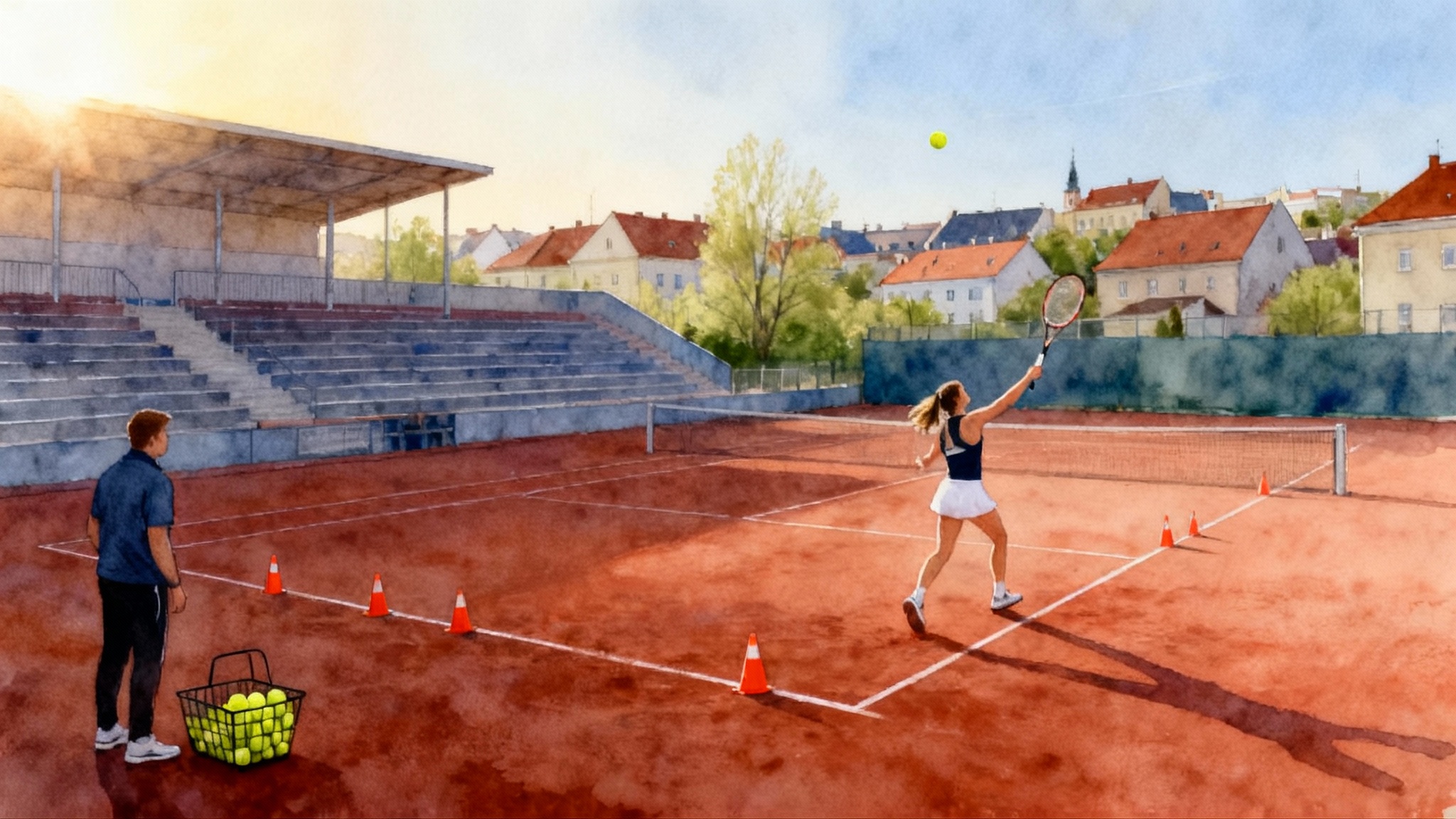
The quiet decision that rewired a career
In 2015, Daria Kasatkina was a gifted teenager from Tolyatti, a Volga River city better known for factories than tennis. She had touch, variety, and a problem that many creative players face. Her game could do many things, which meant it sometimes tried to do everything. The search for a place that would turn creativity into repeatable wins led her to Trnava, Slovakia, and to Empire Tennis Academy under head coach Vladimír Pláteník. For context on results and milestones, see Kasatkina’s WTA player profile.
Trnava was not a grand stage. It was a small city with enough courts, enough quiet, and the right blend of structure and individual attention. Kasatkina did not need hype. She needed volume, feedback, and a training environment calibrated for her style. That move reframed her daily life and set the stage for her first WTA title at Charleston in 2017, a rise into the Top 10, and later deep runs in Paris, including a semifinal at the 2022 French Open. Even as her training bases evolved, including stints in Barcelona and a nationality switch to Australia in 2025, the habits built in Trnava remained the spine of her progress. She marked her first official day as Australian in early April 2025.
This is the story of how an academy’s philosophy matched a player’s identity, and how families can translate those choices into practical decisions.
Why a small city matters when development is the goal
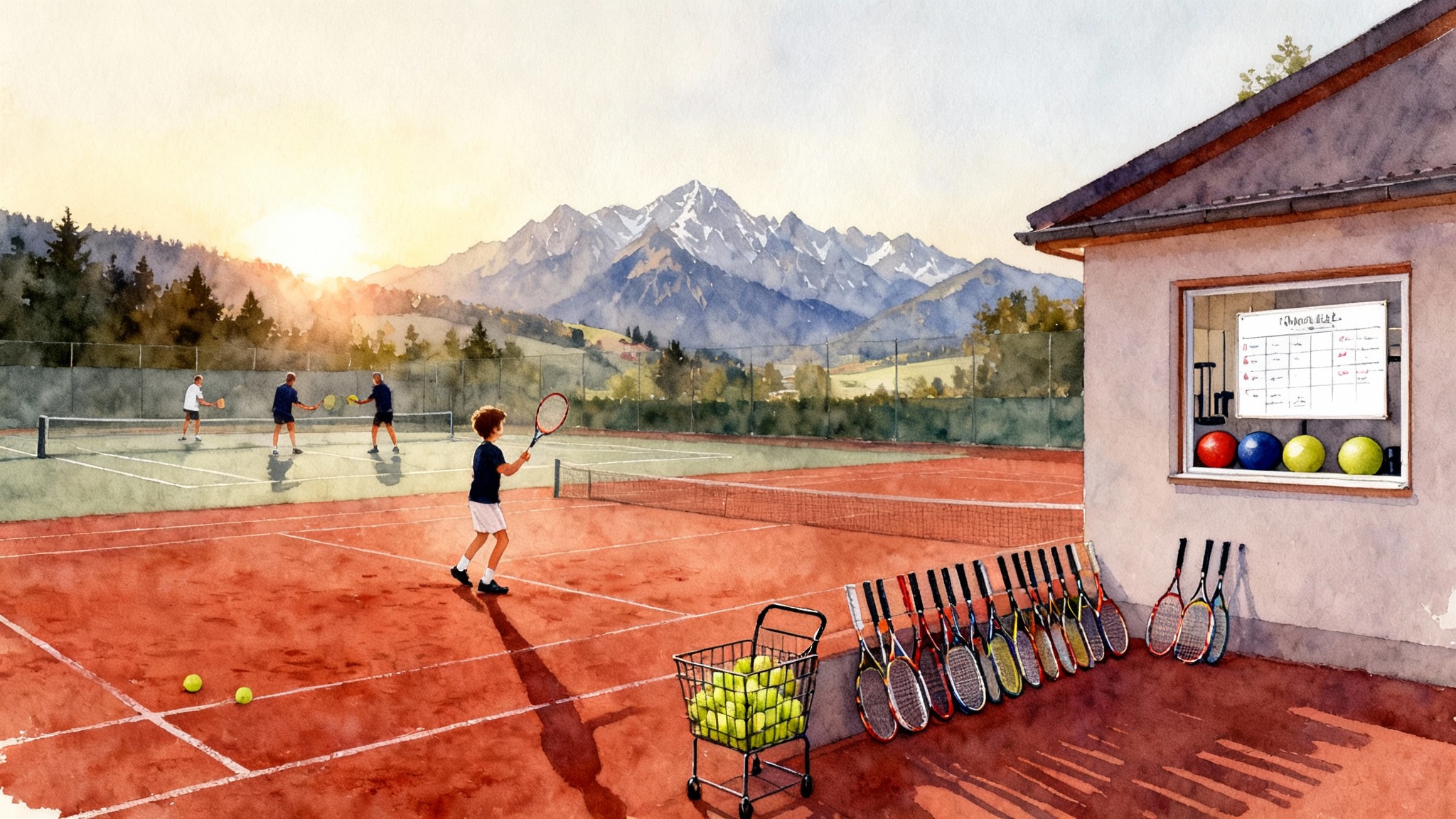
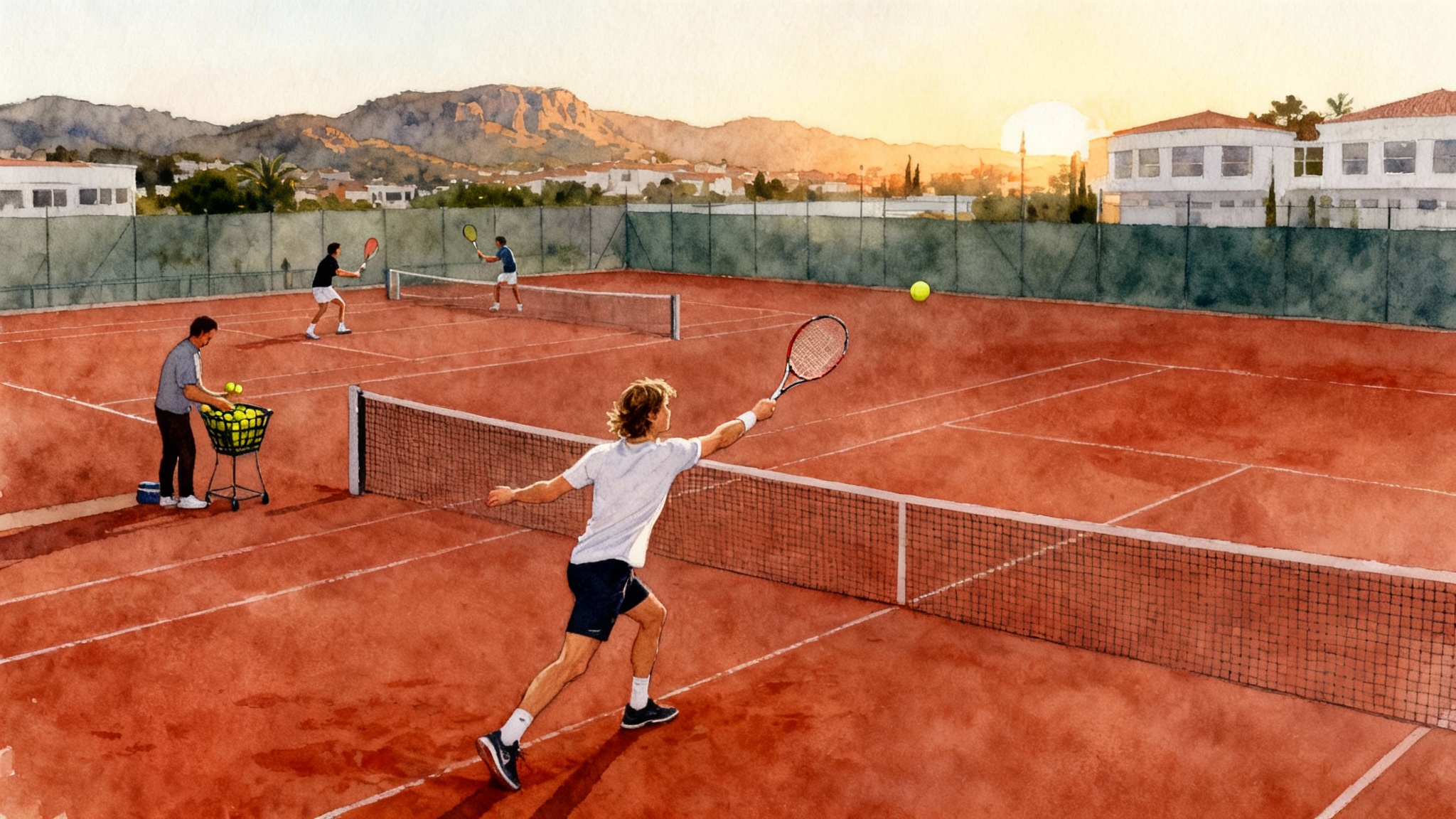
Big cities sell convenience and distraction in equal measure. For a young professional, the decisive advantage of a smaller setting is how it shapes the day. In Trnava the routine was the point. Courts were close to the gym. The gym was close to the physio table. The physio table was a short walk from a quiet room where a player could watch video without interruption. Remove the friction between training blocks and you win back time, focus, and recovery.
Kasatkina’s game thrived on this cadence. She is not a one-speed hitter. She plays points like a problem solver, mixing height, spin, and rhythm to lure errors or create open space. That kind of tennis requires repetitions that are not just numerous but aligned. The small-city campus allowed two things to happen reliably. First, the sessions started on time and connected to each other. Second, feedback arrived in the right order. A footwork focus on court would flow into a gym set that reinforced those movement patterns, which then led into mobility and recovery that kept those gains the next day.
For families, this is the first lesson. The right academy is not always the biggest or the most famous. It is the place where the day is designed for repetition and deliberate recovery. Ask for a written daily schedule, then verify how close the courts, gym, physio, and video setup are to each other. Minutes saved become extra drills, and extra drills become habits. For a good campus reference, study the campus-style model at Tenis Kozerki.
Clay first, and why surface order changes outcomes
One of Empire Tennis Academy’s strengths was a clay-first approach in key training blocks. For a counterpuncher and builder like Kasatkina, clay is a classroom. It slows the ball just enough to reveal poor choices and reward patience. It demands better balance on open-stance exchanges and punishes lazy recovery steps. It teaches shape and height, not just pace.
In practice that meant starting new cycles on clay even if the tour calendar pointed to hard courts later. On clay, Kasatkina could anchor her patterns. Two crosscourt balls to stretch the opponent, then a short-angle variation, then a down-the-line change of direction once the court opened. The surface insisted on the right sequence. It also trained her legs to absorb and re-accelerate in multiple directions, the hidden engine of consistency.
When she later shifted onto green clay in Charleston, and then back to hard courts, the benefits traveled with her. The better the foundation on clay, the more secure her decisions under pressure became. For families and coaches, consider the order of surfaces across a season. If a player’s identity is built on variation and court awareness, let clay do the teaching first, then move to faster courts once the patterns hold under stress.
Integrated fitness that fits the game, not the other way around
An integrated academy separates itself in the gym. With Kasatkina the goal was not to turn a touch player into a slugger. It was to build legs and core strong enough to repeat her patterns across long rallies and long weeks. That meant lateral strength, anti-rotation core work, and deceleration training were not abstractions. They were the hinge between what she practiced on court and how she held up during back-to-back events.
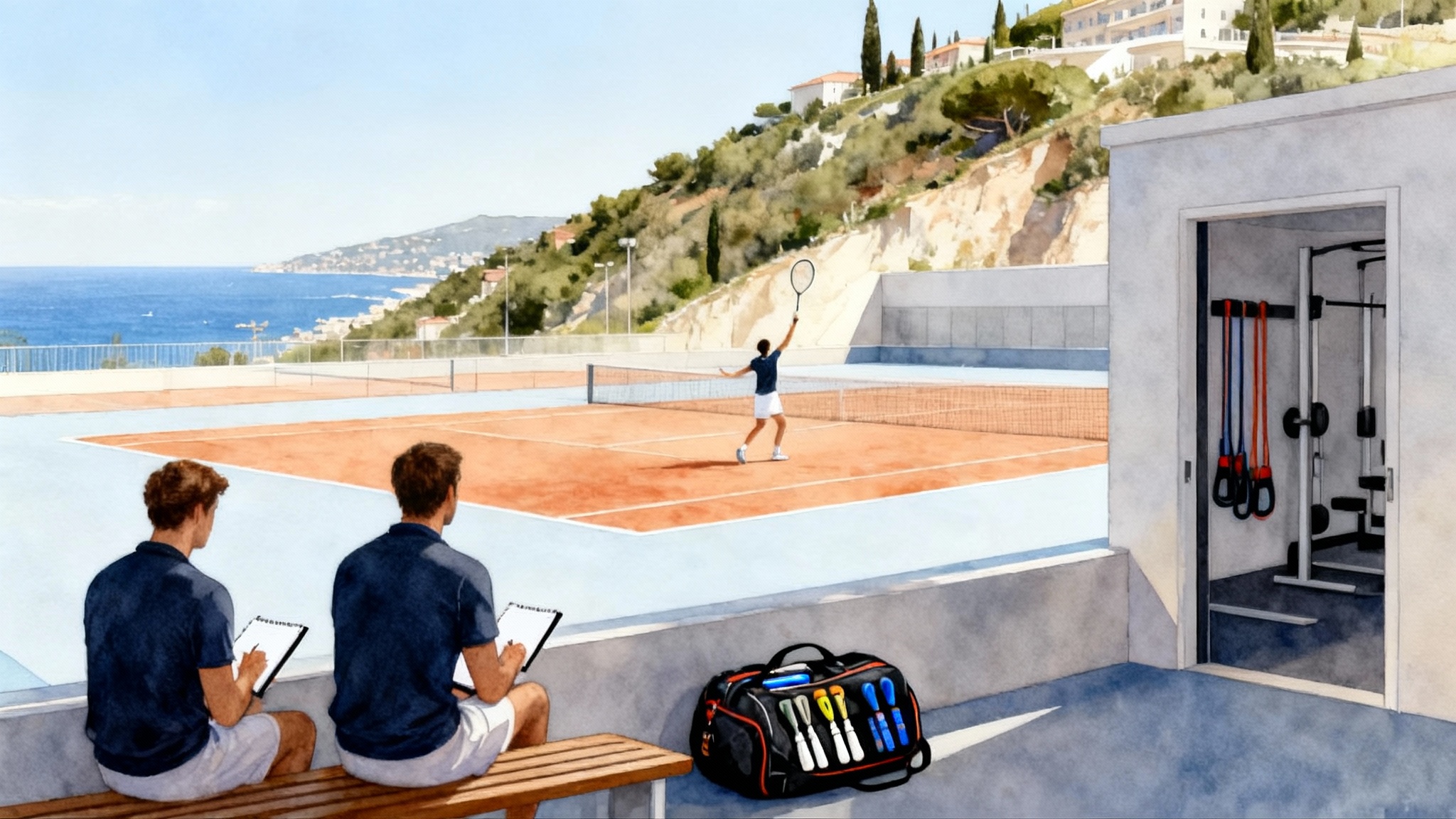
Picture one block devoted to single-leg strength with tempo control, paired with short on-court intervals focused on recovery steps after wide balls. Add in medicine ball work that trains rotary power without compromising joint health. Finish the day with mobility that keeps the ankles supple and the thoracic spine rotating freely. When the gym is across the hallway and the physio knows the weekly plan, these pieces click into a loop that supports performance rather than competing with it.
Families should ask an academy to map a week where the same movement theme shows up in three places. First on court, then in the gym, then again in recovery. If the answer is vague, the integration is not real.
Pressure is a skill, so practice it daily
Match pressure is not a mood. It is a series of specific scenarios that can be rehearsed. Empire Tennis Academy baked that reality into Kasatkina’s day. Competitive sets with consequence were common. Tiebreaker ladders, first-serve percentage targets inside service games, return games starting at 30-40 to simulate immediate jeopardy. Video review followed, not as a punishment, but as a quick look at how the feet and racket prepared under stress.
A creative counterpuncher needs that lab. Variety without purpose can drift. Variety under time pressure sharpens into patterns that win. When Kasatkina stepped into the WTA locker room, she had already invested in those pressure reps. The leap from practice to match was smaller because the sensations were familiar.
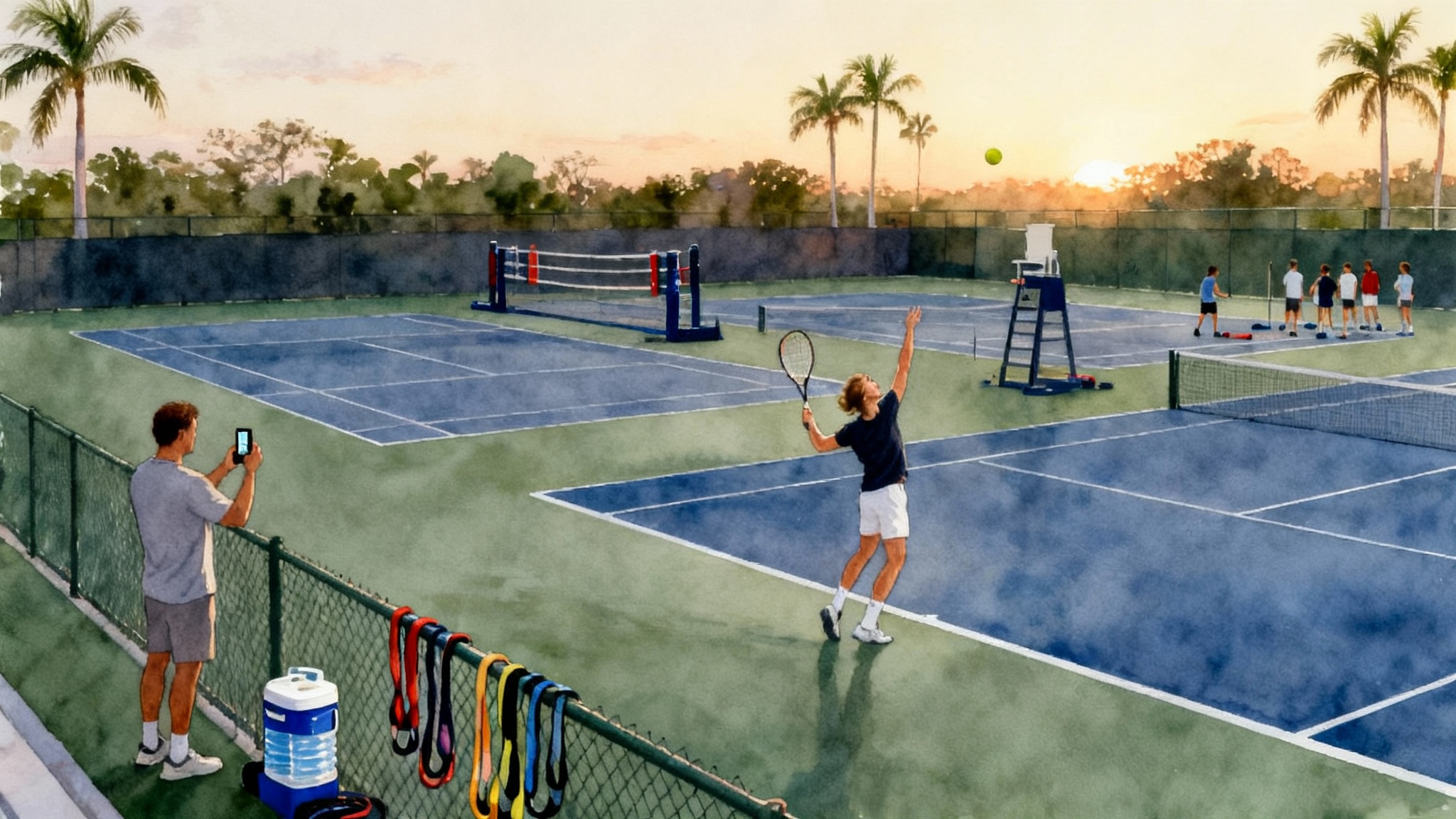
If you are planning a season for a junior or young pro, schedule pressure explicitly. Write it into the training plan the same way you write in serves and backhands. Use score constraints three times a week and film at least one of those sessions, even on a phone. Review the footage for feet, not swings. Most errors under stress start in the legs.
Charleston 2017, and what translated from Trnava
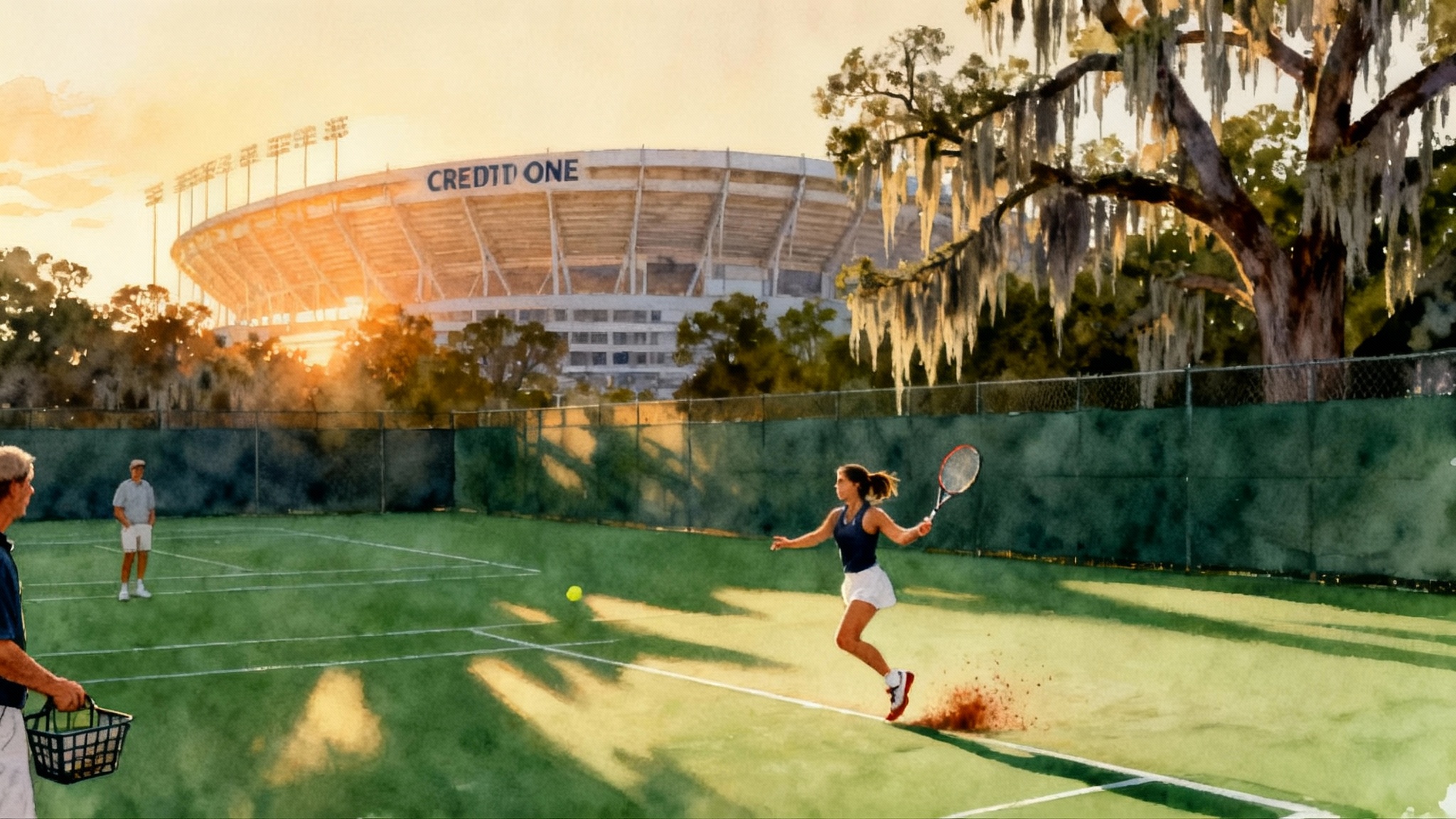
Charleston is an unusual stop. The surface is green clay, grit mixed into hard court, slightly faster than European red clay. The ball skids lower, the wind can bite, and the weather often shifts hour by hour. None of that is friendly to uncertainty. It rewards players who can construct points and reset their balance when the bounce is odd.
Kasatkina’s first tour title in Charleston in 2017 was not an accident. It was a proof of method. The clay-first blocks stabilized her decisions. The integrated fitness plan gave her legs for late rounds. The pressure reps allowed her to manage scoreboard swings. Holding serve in the closing games looked calm because it was rehearsed. The title did more than add a trophy. It showed that her brand of tennis could scale. For more on Charleston-specific planning, see Emma Navarro’s Charleston plan.
The following seasons brought a rise into the Top 10. Results ebb and flow for every pro, yet the best indicator of solidity is the floor, not the ceiling. Even when big runs were interrupted by dips, the building blocks remained. That is what good development does. It makes the baseline level of play more reliable so peaks become more frequent.
Barcelona as an evolution, not a rewrite
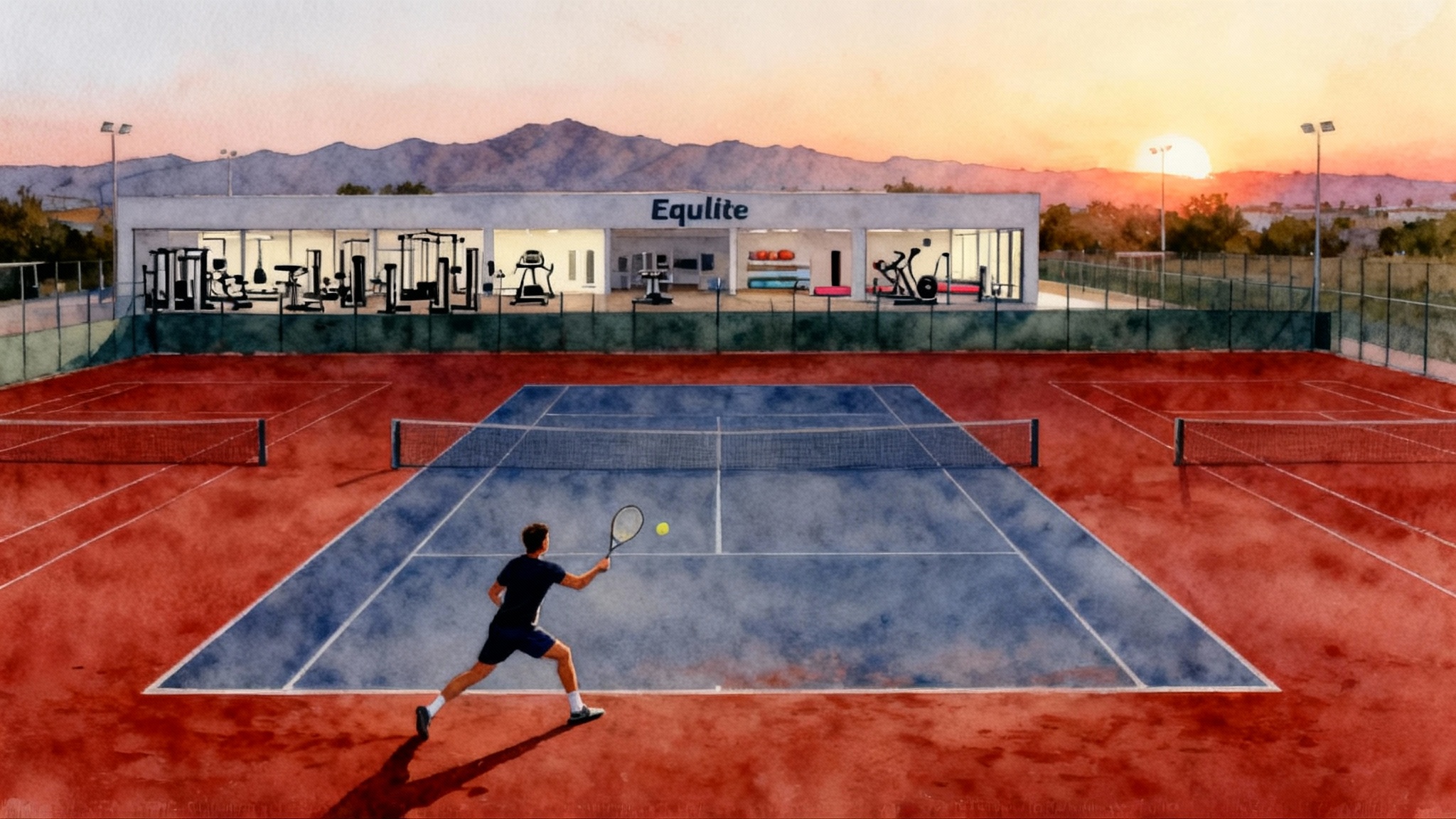
As her career matured, Kasatkina added bases in Barcelona. Spain offered deeper practice pools, frequent hitting with a range of top players, and the habit of playing through rhythm rather than rushing for quick finishes. Importantly, the move did not erase the Trnava foundation. It expanded it. For a Spanish model of clay-first growth, study how Equelite built Carlos Alcaraz.
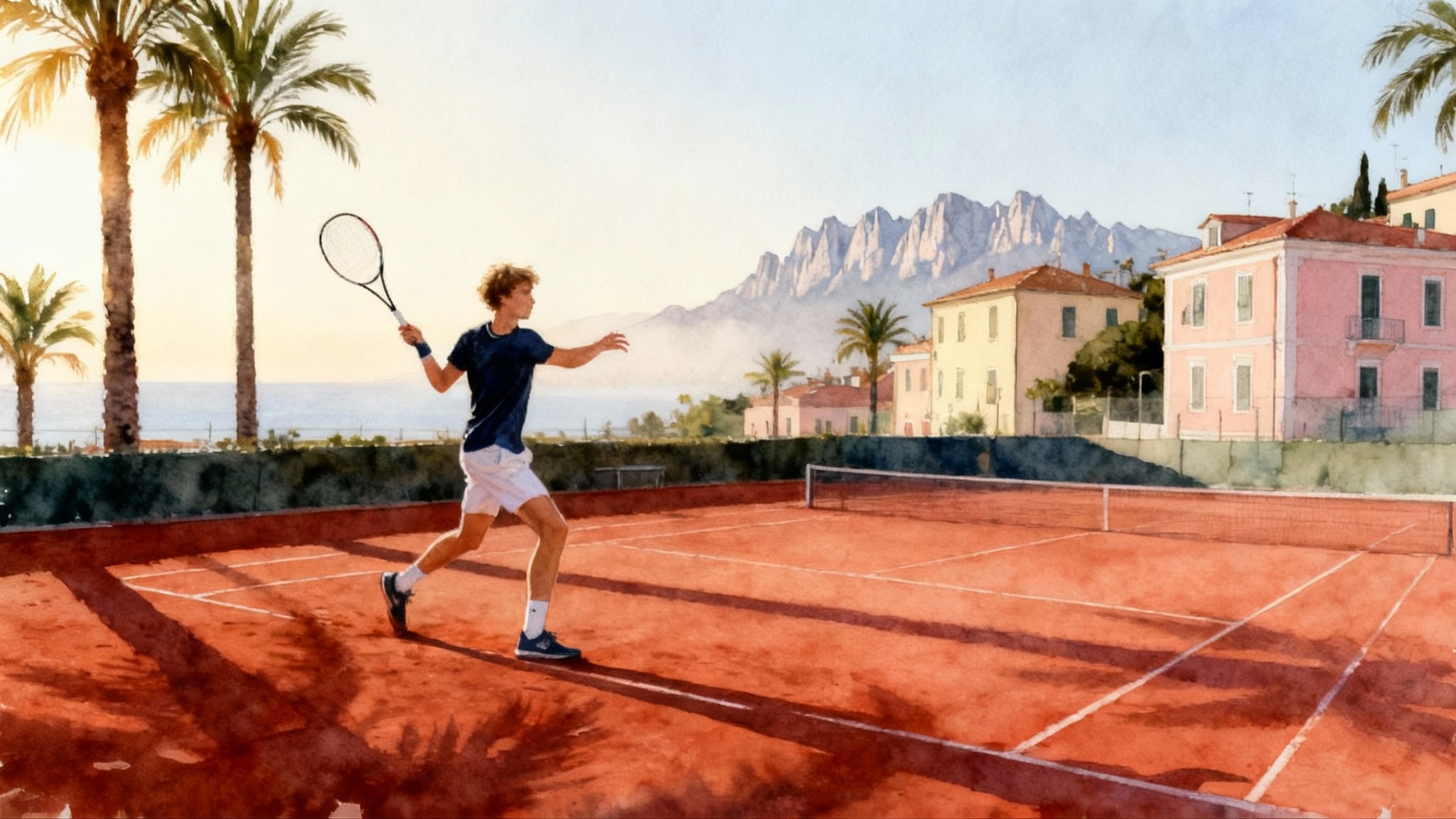
The Spanish training culture extended the clay-first sensibility while bringing higher daily competition. Pattern tolerance improved. Half court drills that forced changes of direction without overhitting kept her connected to what she already did well. The result showed on the biggest stage when she reached the French Open semifinal in 2022. That was a surface-native performance, but it leaned on fitness that survived a long clay swing and on decision making that held up in the second week.
Families often fear that changing bases means starting over. The better frame is to carry the identity forward and plug it into a denser practice ecosystem once the player is ready. That is how a move to a bigger tennis city adds value without turning the dial toward chaos.
A new flag in 2025, and the same developmental spine
In 2025 Kasatkina switched nationality to Australia. Any change of national affiliation carries logistical and emotional weight. The tennis takeaway is simpler. Where a player is registered can influence tax, travel, and federation support, yet it does not replace the daily engine that produces results. The identity set in Trnava, refined in Barcelona, and tested across years on tour still drives her match outcomes. New surroundings can refresh the environment or unlock new resources. They cannot stand in for habits.
For families, the message is to separate brand decisions from training decisions. Nationality, sponsor, and base city are important. The questions that matter most remain about what happens between 8 a.m. and 6 p.m. on a training day.
Practical takeaways for families and coaches
- Choose fit over fame. Visit academies that match the player’s style. For a creative counterpuncher, ask for a plan that emphasizes point construction, footwork under pressure, and surface order. Small cities can be a strength because they remove noise and add hours of focus.
- Demand integrated planning. A weekly plan should show the same movement theme echoed on court, in the gym, and in recovery. Example: lateral strength progressions paired with crosscourt-to-line change drills, followed by ankle and hip mobility in the evening.
- Build clay-first blocks. Even if the short-term calendar leans to hard courts, start new development cycles on clay. Use it to rehearse how to open the court with height and shape, then transfer those patterns to faster surfaces once they hold up under score pressure.
- Rehearse pressure daily. Bake in scoreboard constraints three times a week. Use first-serve percentage targets per game. Start return games at 30-40. Play a cluster of tiebreakers with consequences, like an extra fitness set for the loser. Keep the volume modest but frequent so pressure becomes a texture, not a crisis.
- Sequence tournaments, do not chase them. Group events so that each cluster contains one where the player can go deep on a preferred surface. Protect training weeks after travel blocks. The goal is to stack confidence and ranking points through depth, not scatter them through constant hopping.
- Track simple key indicators. For a player like Kasatkina, monitor first-serve percentage, forehand neutral error rate, and the percentage of points where she earns the first short ball with shape rather than force. Make the numbers visible. The game plan should be built on trends, not hunches.
- Keep variety purposeful. Variety should serve a pattern. Define two or three patterns that the player can run under stress. For instance, backhand crosscourt patterns that set up forehand runarounds to the open court, or short-angle forehand to draw a defensive slice followed by an approach. Film one set a week to confirm that the variety points toward those patterns rather than away from them.
A 12-week blueprint for a creative counterpuncher
Weeks 1 to 4: Clay-first foundation
- Court: Pattern drills at 60 to 70 percent pace, heavy on height and crosscourt depth. Finish with 15 minutes of approach and volley to keep forward options alive.
- Gym: Single-leg strength, anti-rotation core, landing mechanics. Two strength days, one power day, one mobility day.
- Pressure: Two constraint sessions per week. One ladder of tiebreakers, one set with return games starting at 30-40.
- Review: One video session weekly. Check first step and recovery after changes of direction.
Weeks 5 to 8: Transfer to mixed surfaces
- Court: Two days on hard, two on clay. On hard, emphasize taking time away without sacrificing margins. On clay, polish pattern depth and short-angle creation.
- Gym: Maintain strength, add more reactive agility. Medicine ball throws in multiple planes with strict form.
- Pressure: Serve plus one drills with a first-serve percentage target. Play short sets to four with no-ad scoring to simulate tour rhythms.
- Review: Chart neutral error rate by wing. If one side spikes, adjust the next week’s patterns to protect it under stress.
Weeks 9 to 12: Tournament cluster
- Court: Reduce volume, maintain quality. Start sets at 2-2 to create mid-set pressure. One day of pure serve and return focus.
- Gym: Power maintenance, mobility, and travel-proof sessions that fit into 30 minutes.
- Pressure: Pre-match routines standardized. One day before competition, play two short tiebreakers and one 20-ball rally challenge to cement rhythm.
- Review: Daily micro-journal with three items. What felt stable, what frayed, what to repeat tomorrow.
This template is not a one-size answer. It is a starting architecture that respects how a creative player wins. The staging is deliberate. Build, transfer, compete.
What to ask before you move to an academy
- How do you integrate court, gym, and physio in a single day, and can we see the facilities side by side?
- How many pressure sessions per week are scheduled in a normal training block, and what are the specific constraints used?
- What is your clay-first philosophy for players with variety, and how do you transition them to faster courts without losing identity?
- Can you share two recent examples where a player’s schedule was simplified to prioritize depth in tournaments rather than travel volume?
- How will you measure progress weekly without overloading the player with stats?
The best academies answer with clarity and show you the plan on paper. The wrong academies talk in generalities and point to famous names without explaining the work.
The through line from Trnava to today
Kasatkina’s journey did not hinge on a single coach or city. It hinged on the alignment between who she is as a player and what her daily environment asked her to do. Empire Tennis Academy in Trnava gave her a focused routine, clay-first learning, and constant match-pressure rehearsal. Barcelona added density of practice and reinforced surface-native patterns. A new nationality in 2025 shifted the map, not the method.
For families considering a big move, think like a builder. Pick the foundation that fits the player, then add floors as the structure can carry them. Quiet cities can be powerful. Clay can be a teacher. Pressure can be trained. When those pieces line up, a creative game does not just charm. It wins, again and again.