Quezon City to Manacor: How Rafa Nadal Academy Fueled Alex Eala
At 13, Alex Eala left Quezon City for Manacor to live, study, and train at the Rafa Nadal Academy. Clay-first blocks, lefty patterning, and smart scheduling became her toolkit for a 2025 surge that changed her career.
 Tommy
Tommy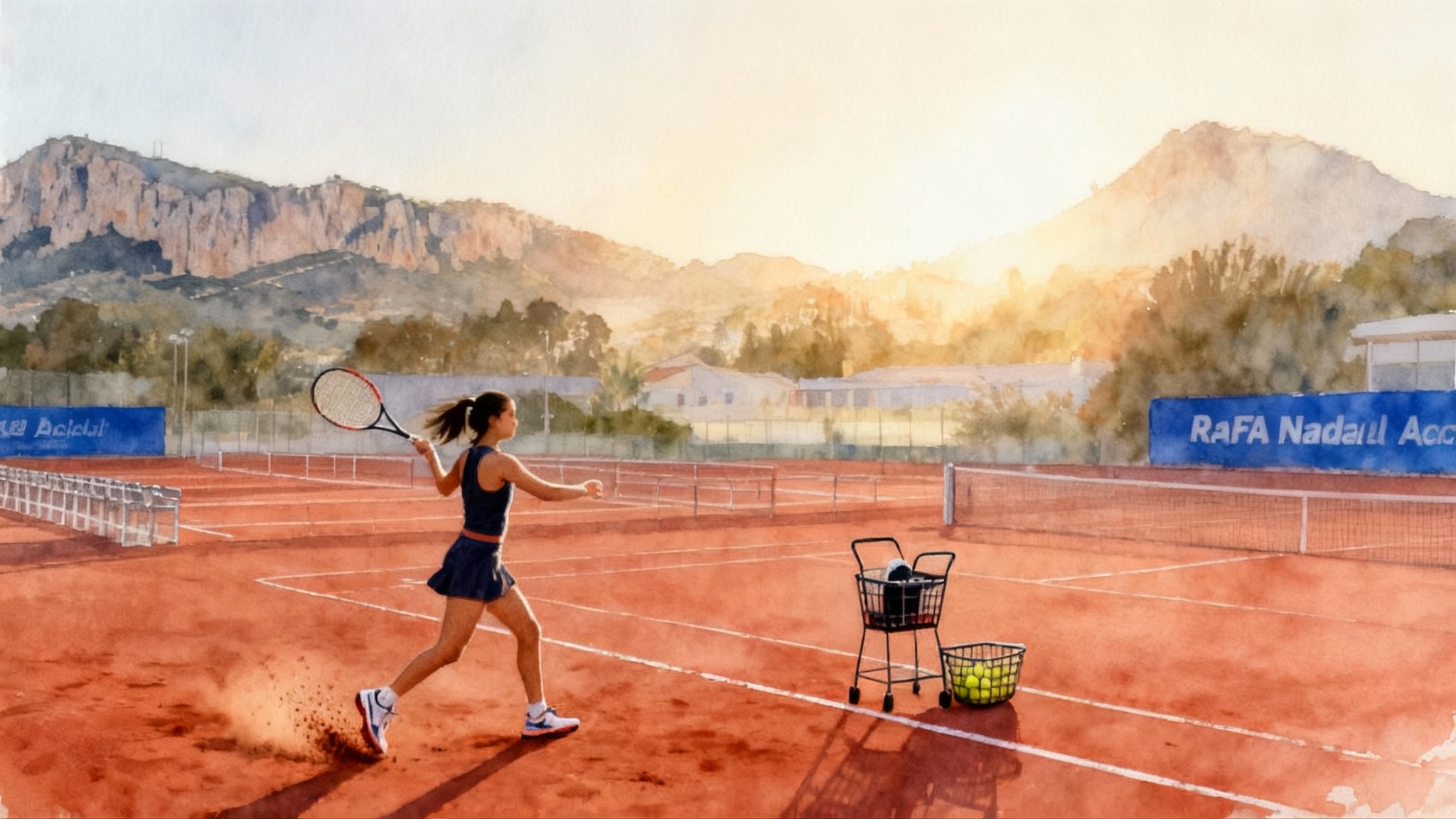
A teenager’s leap that set the table for a breakout
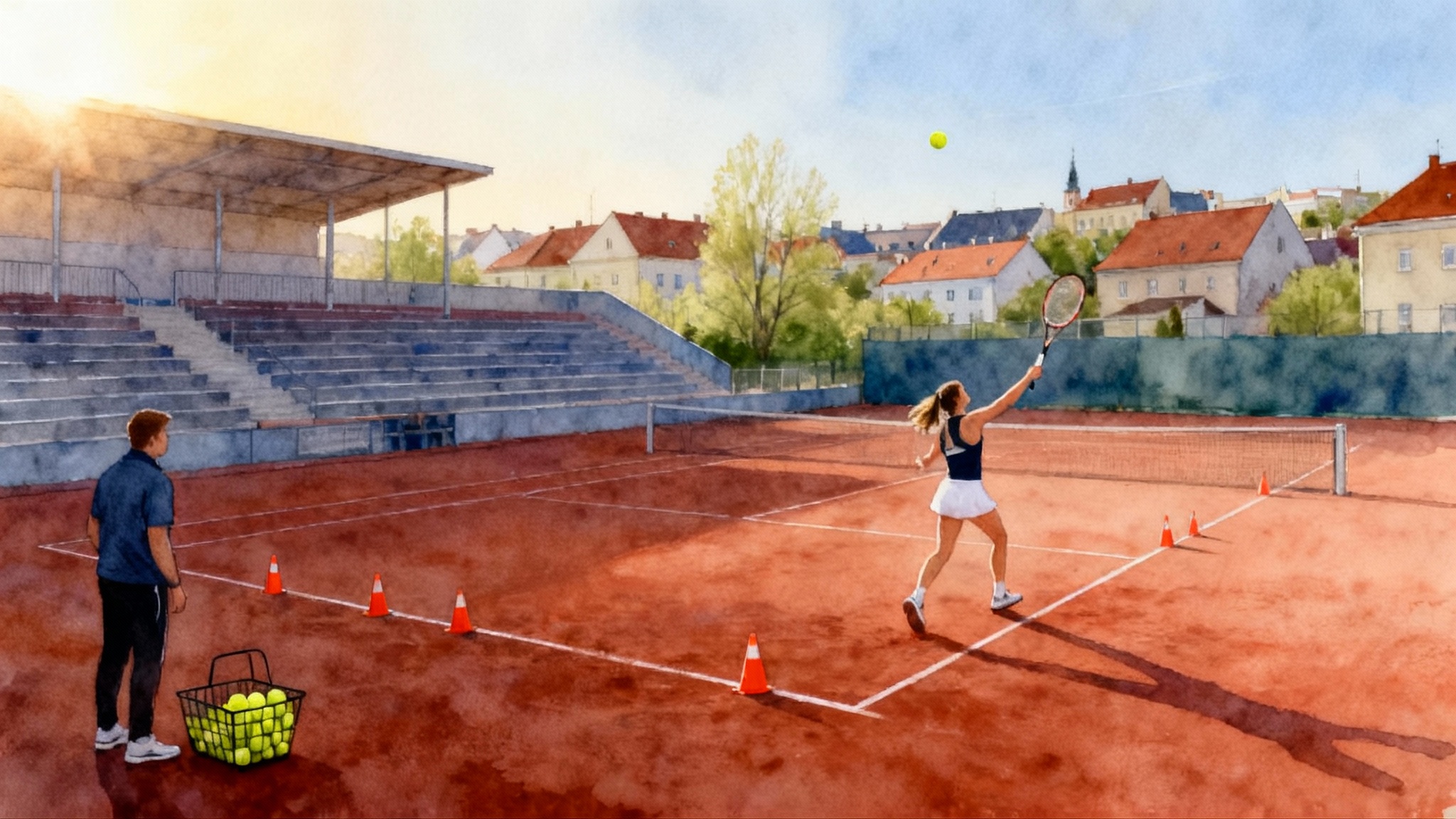
In 2018, a 13-year-old from Quezon City packed for Mallorca. The move was not glamorous. It was a family calculation that combined the reality of limited local competition with the pull of a school-and-training ecosystem built inside the Rafa Nadal Academy in Manacor. Five years later, the same kid, now a composed left-hander with heavy spin and sturdy legs, would stand up to the speed of the WTA Tour and author the kind of results that move a nation.
Before her professional rise, Alex Eala had already proven she could win on a big stage by taking the 2022 United States Open junior singles crown, a first for the Philippines, which gave her credibility and confidence inside the locker room. That title is the cleanest early evidence that her long-term bet in Spain was working United States Open junior champion.
Why Manacor matters: structure that compounds
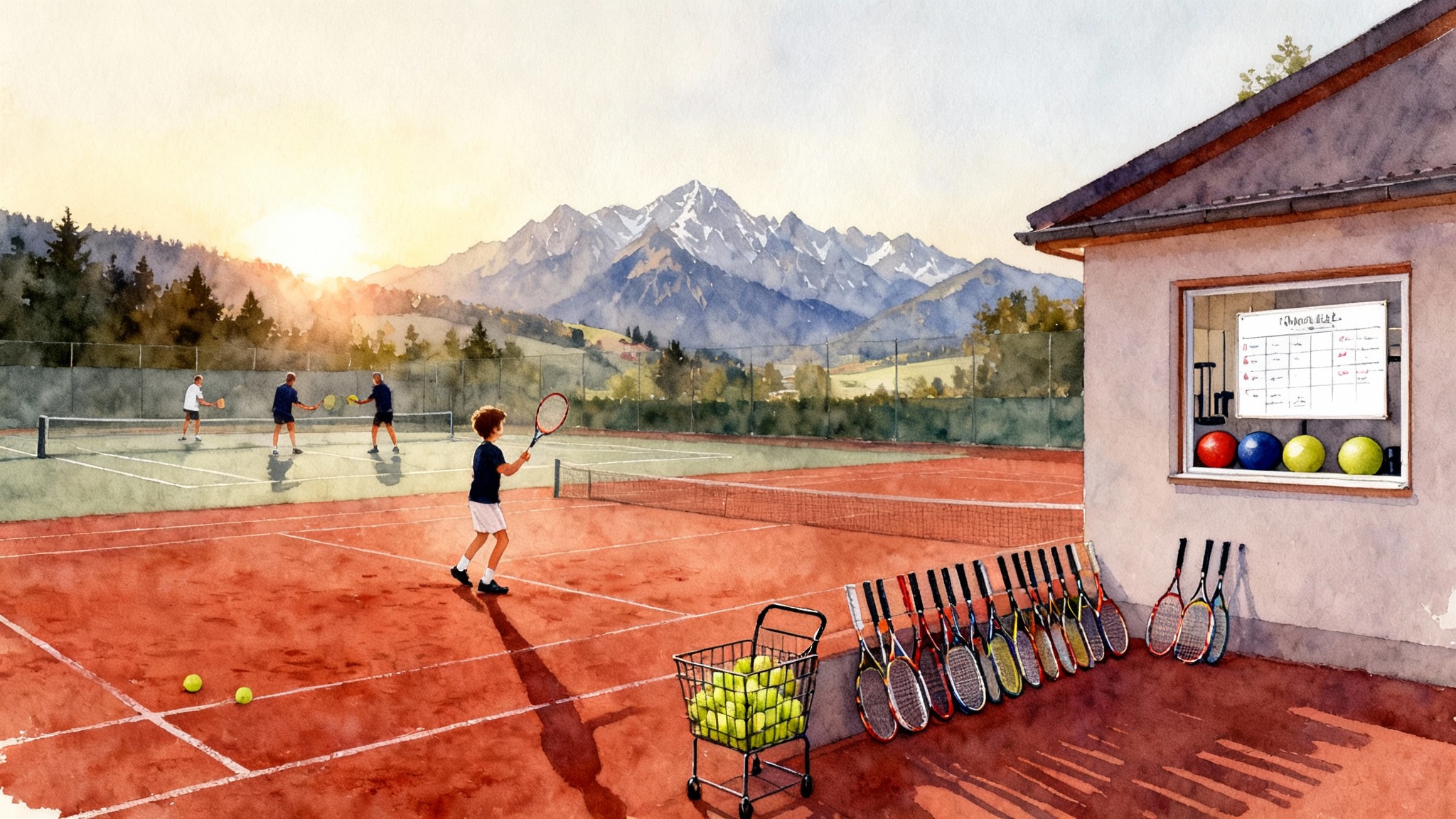
Families often romanticize academies as quick fixes. The best ones are closer to well-run schools for athletes. In Manacor, days are organized to remove friction. Dorm check, breakfast, two high-intensity court blocks, strength and conditioning, treatment, classes, dinner, lights out. That rhythm turns effort into a habit. It also exposes weaknesses repeatedly in controlled settings. If your first-step speed into the forehand corner breaks down in week one, it will be tested again and again until the footwork and ball-striking hold under fatigue.
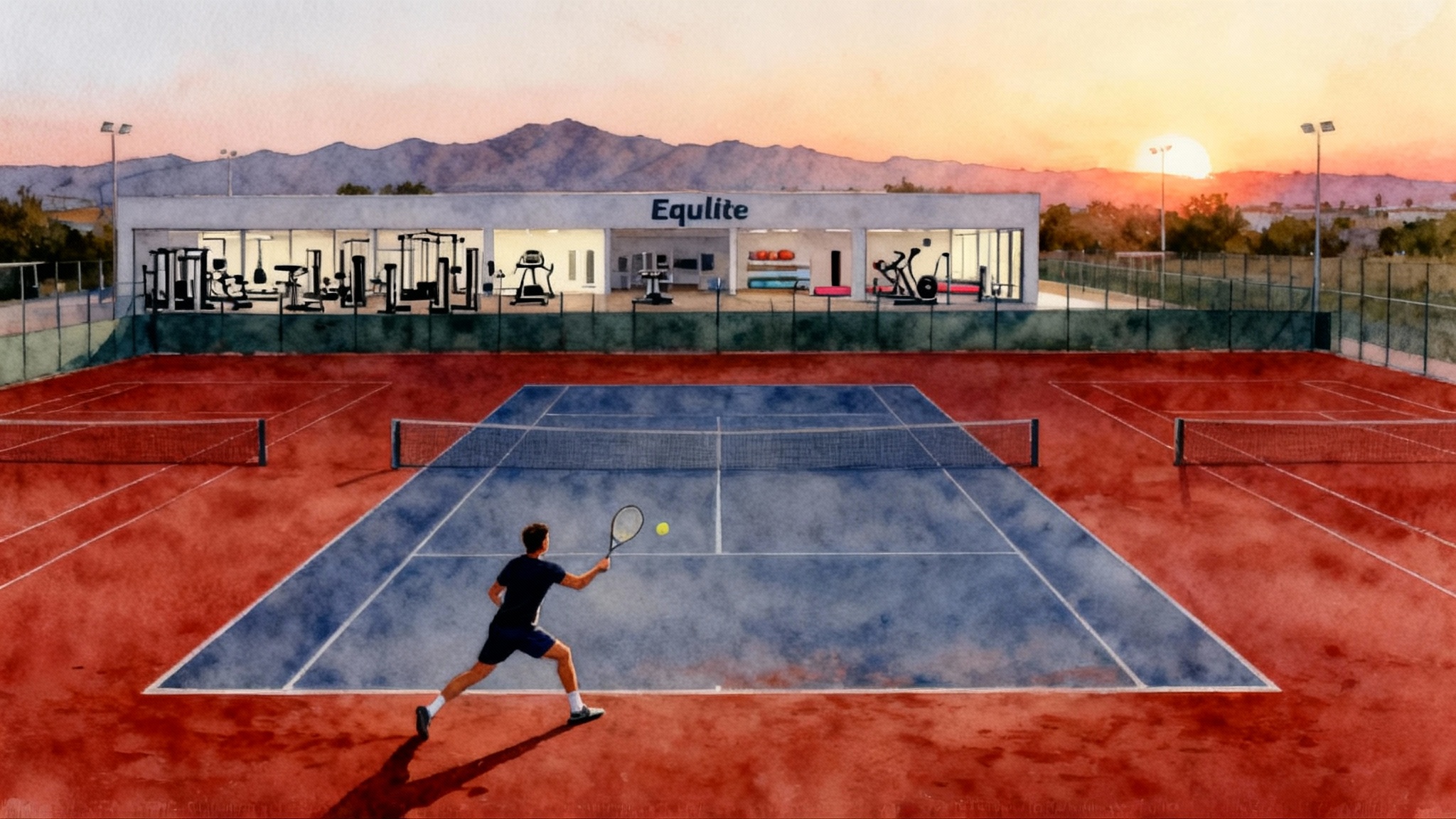
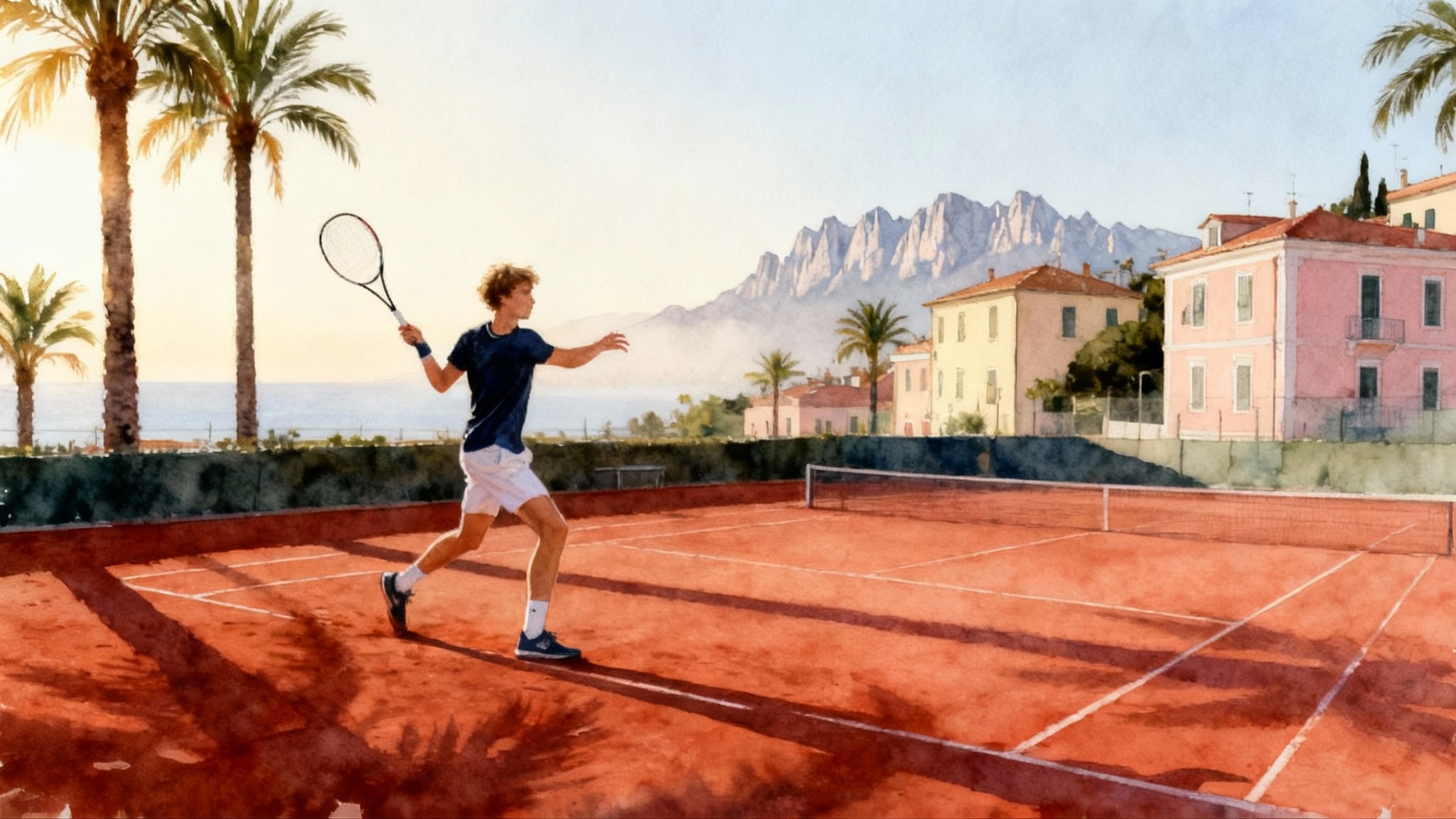
The location helps. Spain builds players on repetition and variation. The academy’s mix of clay and hard courts encourages players to solve problems on slower surfaces, then translate solutions to faster ones. On clay you cannot bluff point construction. You must create a lead with depth and height, move your opponent wide, and finish with margin. That clay education shows later on hard courts when patterns must be executed at higher pace but with the same clarity. You can see similar Spanish-system habits in our look at how Equelite built Carlos Alcaraz.
Clay-first blocks: the invisible base of a hard-court surge
A clay block is not a romantic phrase. It is a chunk of the calendar where most hitting and point play happens on clay to harden movement, patience, and decision making. Eala’s years in Manacor stacked those blocks, especially during growth spurts when coordination is a moving target. Clay rewards the boring skills that win close matches anywhere: closing your stance when you are stretched, playing a defensive forehand with enough height to reset, turning a neutral backhand cross-court rally into a run-around forehand when a shorter ball appears.
Here is a concrete example of how that translates. On a slow court, you practice defending deep to the middle to buy time, then step in on the next ball with your forehand to the open space. On a faster hard court, the time is shorter, but the same two-ball idea still works if your first defensive strike carries depth. Eala’s 2025 hard-court results made sense because the clay habits underneath were sound. The footwork was not decorative. It was repeatable, under stress.
Lefty patterning, made practical
Left-handers have structural advantages if they play to them with discipline. At Manacor, coaches leaned into Eala’s natural strengths and organized her playbook around a few reliable combinations.
-
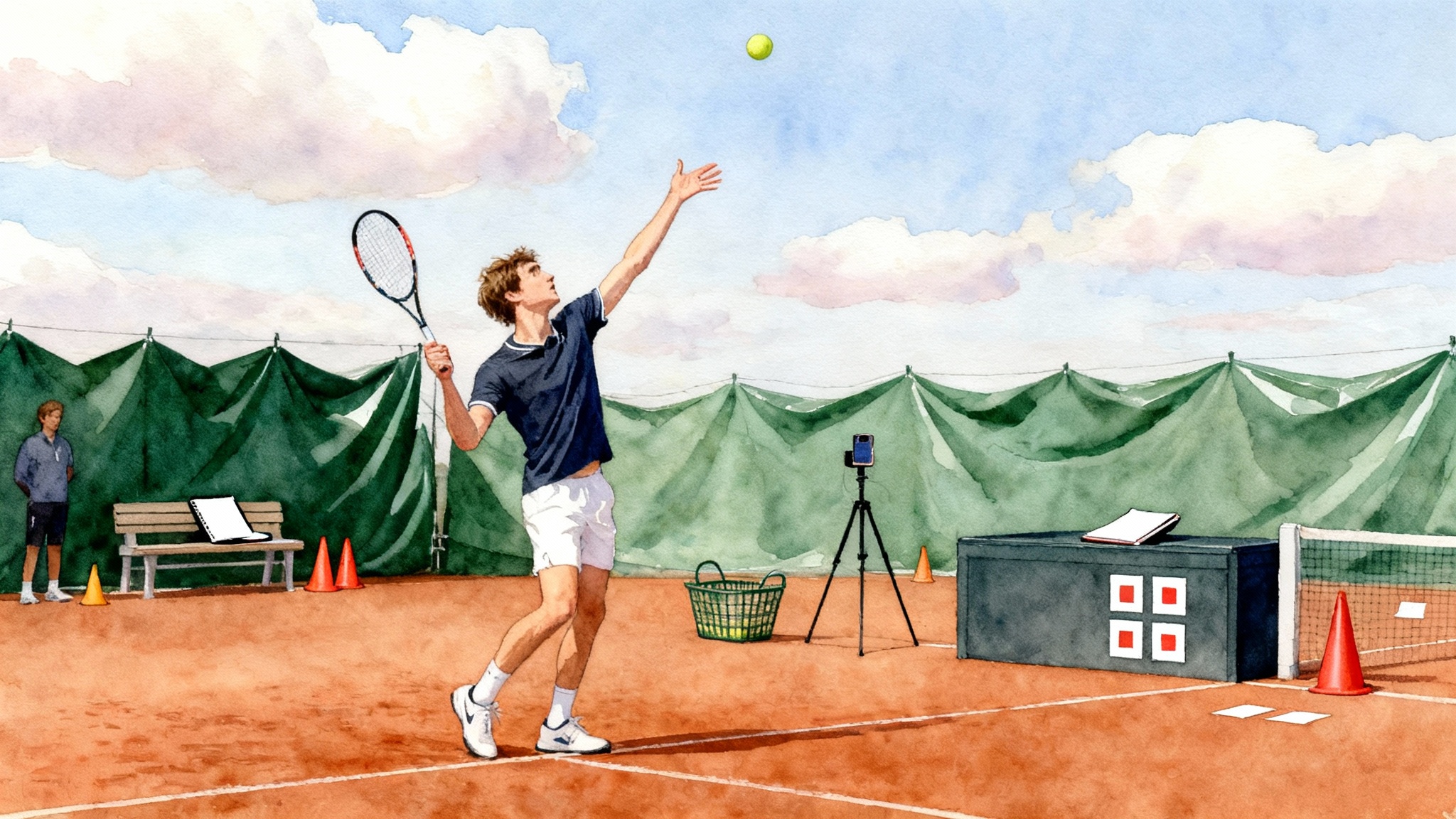
Ad-court serve wide to pull a right-hander off the court, followed by a forehand to the open deuce side. The key is placement first, pace second. If the return comes back neutral through the middle, run around with the forehand and swing heavy cross to re-open the ad side.
-
Deuce-court forehand heavy cross to a right-hander’s backhand until you earn a shorter ball, then shift to an inside-in forehand to the ad corner. That change of direction is where many points break.
-
Backhand down the line as an interruptor. Many left-handers overprotect the backhand. Eala trained the opposite. When a rally gets predictable, she uses a flatter backhand down the line to freeze an opponent’s recovery and create forehand space on the next ball.
These are not trick plays. They are repeatable patterns that let a left-hander control where the next ball is struck. Eala’s 2025 footage shows far fewer low-percentage winners and far more points decided by geometry.
The academy’s approach to planning the ladder
Good academies do not chase every event. They build ladders. Eala’s schedule shows that idea clearly:
-
Use International Tennis Federation and entry-level Women’s Tennis Association 125 events to build ranking points and collect hard match data.
-
Insert a targeted wild card only when recent performances indicate she can defend herself physically and tactically at a higher tier.
-
Group tournaments by region to reduce travel load, and by surface to preserve training themes. For example, run a clay block, then play a clay swing. Or complete a few weeks on hard courts, then take the fitness gains into a North American hard swing.
This laddered approach echoes the planning that powered other breakthroughs, like the way JTCC’s Tiafoe blueprint stacked wins at the right level.
The result is a calendar that compounds learning rather than chopping it into isolated weeks. It also lowers injury risk because training blocks are not constantly interrupted by long flights and abrupt surface changes.
The 2025 payoff: three bright lines
-
Miami Open semifinal as a wild card. The most visible moment was March 2025, when Eala took out heavyweight opposition and reached the last four at a WTA 1000. Her tennis looked less like a hot streak and more like a plan executed at higher speed. The lefty serve patterns held. The forehand patterns held. The defense-to-offense transitions held.
-
First Women’s Tennis Association 125 title. In September, the work translated into a maiden WTA 125 trophy in Guadalajara. Titles at that level matter because they prove you can beat four or five different styles in one week.
-
First Grand Slam main-draw win. In New York, she notched a maiden singles victory in the main draw, a hard, adult win against a seeded opponent to open a major. The sport remembers these firsts, and so do players. Both achievements were documented by the tour itself WTA confirms title and first major win.
Add the earlier junior title in New York to that arc and you get continuity rather than a one-off surprise. The shapes of her points matched the training story from Manacor.
What families can copy, and when to move
Every family considering a move abroad faces three decisions: timing, fit, and financing. Here is a practical way to think about each.
1) Timing the move
-
Signs your player is ready between 12 and 14: they can practice two sessions a day without a drop in technique; they compete weekly without emotional meltdowns that last longer than the match; and they have a baseline national ranking or Universal Tennis Rating that places them in the top tier of their age group.
-
Run a two-week trial first. Use one week to absorb the environment and one week to evaluate. Ask for written feedback that includes both technical and behavioral notes. If the coaches only talk about strokes, you do not have enough information.
-
Keep a six-month runway. If you decide to move, give schools time to process visas and transcripts. Use that window to upgrade physical basics at home. A kid who arrives with clean sprint mechanics, basic strength, and shoulder care habits adapts twice as fast.
2) Choosing the right academy
-
Look for integrated school options. A campus school, like the one inside the Manacor complex, reduces logistical friction. Commuting kills recovery time. An on-site school lets you keep sleep as a non-negotiable.
-
Demand periodization on paper. Ask for the next 12 weeks with specific training blocks by surface, plus where the tournament weeks fit. If an academy cannot show you that plan, they are guessing.
-
Watch a full day unannounced. Sit far from the court. Note coach-to-player ratios, how often coaches correct footwork rather than only ball contact, and whether fitness work has clear progressions instead of random circuits.
-
If you prefer to start closer to home before a bigger move, families in Metro Manila can trial the Philippine Tennis Academy in Alabang to establish habits that travel.
3) Financing it without betting the house
-
Build a layered budget. Tuition, housing, flights, stringing, and physio add up. Put the true annual number on a spreadsheet before you chase scholarships.
-
Cast a wide net. Ask the academy about merit aid or need-based reductions, but do not stop there. Approach your national federation about travel grants. Pitch two or three local companies for modest sponsorships tied to community activations. Small checks compound.
-
Present a professional packet. Include two full match videos, ranking proof, a coach’s letter, and current grades. Sponsors and schools respond to organized families.
Balancing academics with pro ambition
You are not choosing tennis or school. You are choosing a system that lets both exist without chaos.
-
Make the weekly plan visible. Use a single shared calendar with practice hours, school blocks, and recovery listed like classes. If a late match lands on a school-heavy day, swap the next morning’s load rather than skipping it entirely.
-
Protect the two anchors. Sleep is the first anchor. Strength work is the second. Academies can flex class time and even practice volumes, but cutting sleep or strength undoes months of work.
-
Use exam windows as mini off-seasons. Build lighter travel in the two weeks before finals so your player can keep training quality without cognitive overload.
-
Measure school the way you measure tennis. Quarterly academic targets reduce stress. If grades slide, correct the inputs with the same discipline you would apply to a second-serve slump.
-
Keep social skills intentional. Boarding life can narrow a teen’s world. Choose one structured non-tennis activity per term. It protects identity and gives the brain a place to rest.
Translating Manacor’s lessons into your player’s plan
The point of Eala’s story is not that every talented junior should move to Spain. It is that environment, habits, and planning compound.
-
Environment: surround your player with repeatable days. The fewer hidden costs in a schedule, the more energy they have for the main thing.
-
Habits: a clay block is a metaphor for mastering the boring details. If you cannot hold a cross-court rally twenty balls deep in practice, you are not ready for tour-level pace.
-
Planning: build ladders, not leaps. Use the right level of events to collect data and confidence, then pick your wild cards like a calculated risk manager, not a gambler.
If you are considering a move, start here
-
Book a structured trial week. Ask the academy for a skills report that includes: serve targets by quadrant, forehand and backhand depth charts, movement grades, and match-play tendencies.
-
Build a 12-week block at home first. Four weeks of footwork and serve foundations, four weeks of live-ball patterns, four weeks of match play. Arrive in Spain, the United States, or anywhere else with momentum already built.
-
Write down two goals per quarter. One performance metric and one process metric. Example: reduce double faults by twenty percent and complete three recovery sessions per week without fail.
-
After three months, review honestly. Is the player stronger, healthier, and more confident, and do coaches provide clear next steps? If not, change something. The calendar rewards families who adjust rather than cling.
The takeaway
Eala’s 2025 looked like a leap to casual fans. Up close it reads like the output of years spent repeating smart work. Clay-first blocks gave her point structure. Lefty patterns gave her control. Thoughtful scheduling gave her momentum. If you take anything from Quezon City to Manacor to New York, let it be this: you do not need magic. You need the right environment, the right habits, and the courage to pick a ladder and climb it one rung at a time.