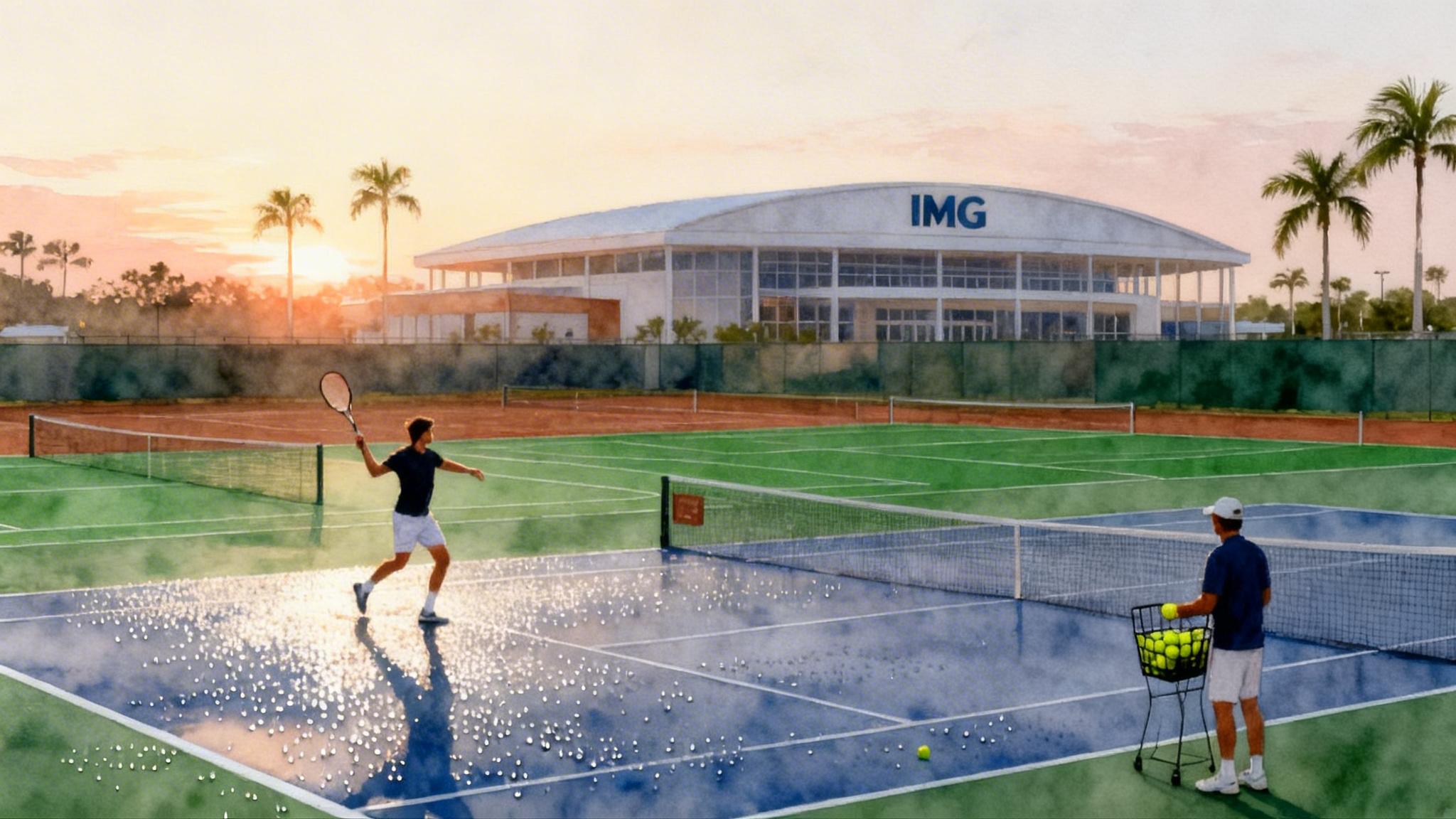
How Champ’Seed Fueled Coco Gauff’s Rise from Delray to WTA
Coco Gauff was identified at age 10 by Patrick Mouratoglou’s Champ'Seed foundation. Smart training blocks at the Mouratoglou Academy, combined with her Florida base and USTA support, helped turn a junior No. 1 into a Grand Slam champion.
 Tommy
Tommy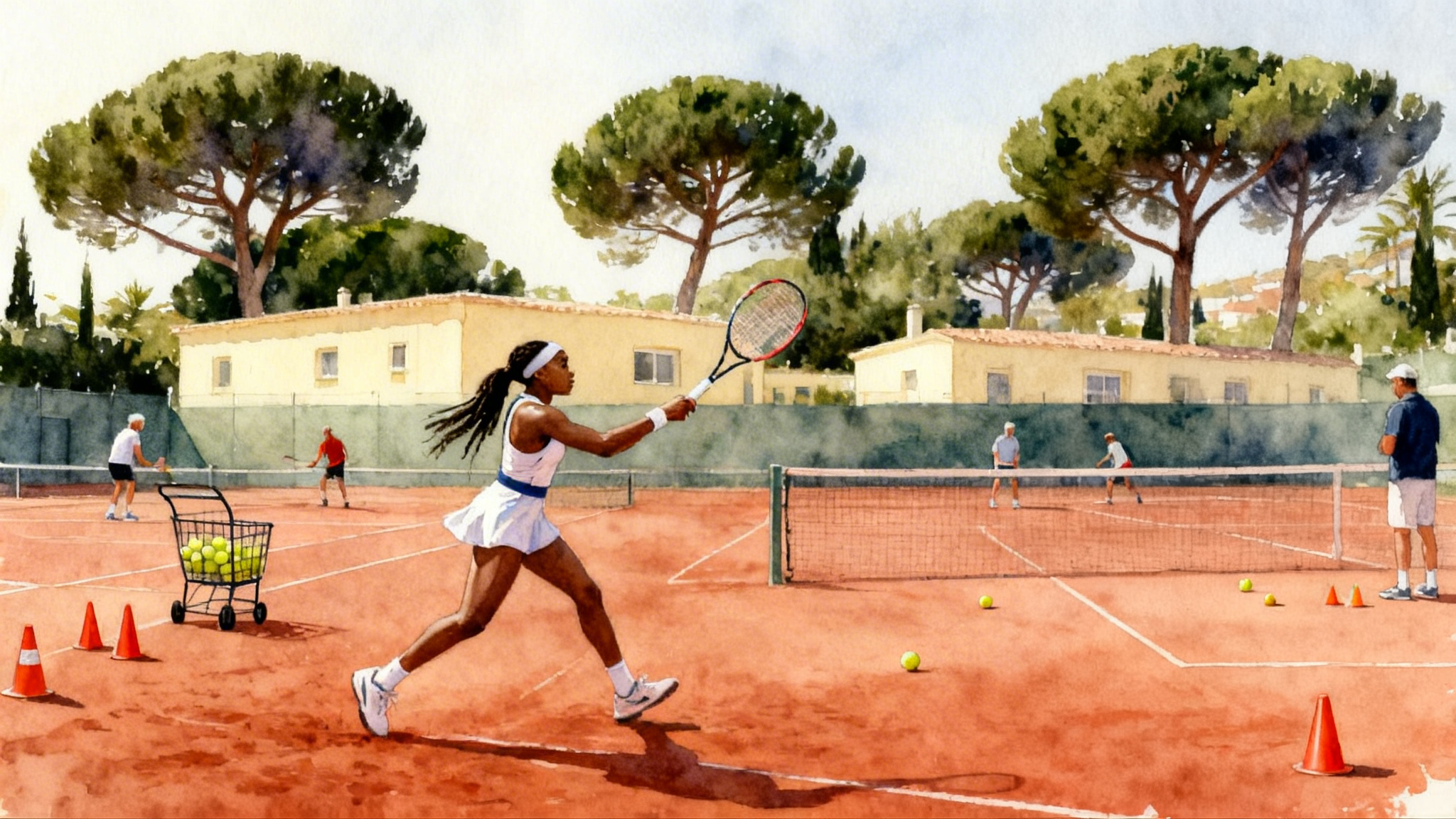
From Delray to Sophia Antipolis: the smart map behind a rocket rise
Parents often imagine a tennis academy as a boarding school that replaces everything a young player already has. Coco Gauff's path shows a different model. Starting in Delray Beach with a tight family unit and strong United States Tennis Association support, then adding targeted training blocks at Patrick Mouratoglou's academy near Sophia Antipolis, she built a blended system that kept her foundation intact while adding world-class stress tests at the right times. The result was speed without hurry: junior world No. 1, a breakthrough at Wimbledon as a teenager, and the composure to lift a first major title in New York.
This is the story of how Champ'Seed and the Mouratoglou Academy functioned as precision accelerators, not total replacements, and what that blueprint means for any parent planning a junior's development.
The early call: identified at 10, but the home base stays put
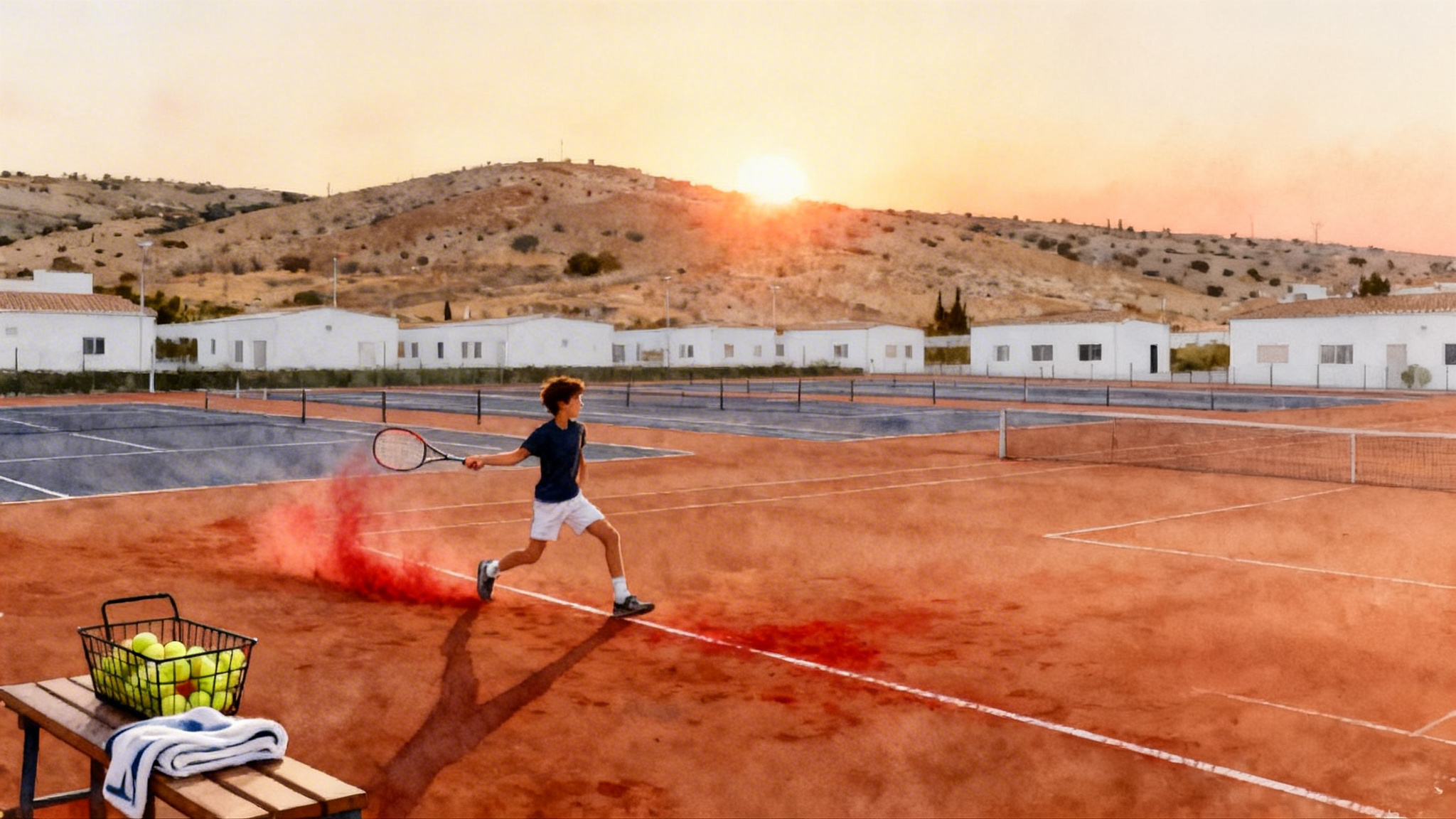
Coco Gauff's family already had a plan. Her father Corey served as primary coach, her mother Candi supported the broader education and structure, and Delray Beach gave her year-round courts and competitive match play. At around age 10, she drew the attention of Patrick Mouratoglou's Champ'Seed foundation, which scouts promising juniors worldwide and invites a small number to train at his academy on the French Riviera. The pitch was not to uproot a family. Instead it was to sharpen edges: short, purposeful stints that exposed a young player to different surfaces, tempo, and professional standards.
Two things stayed constant. First, Corey remained the central voice. Second, Delray stayed home. The academy became a satellite lab, not a new headquarters.
Why Sophia Antipolis mattered: new surfaces, new speed, new eyes
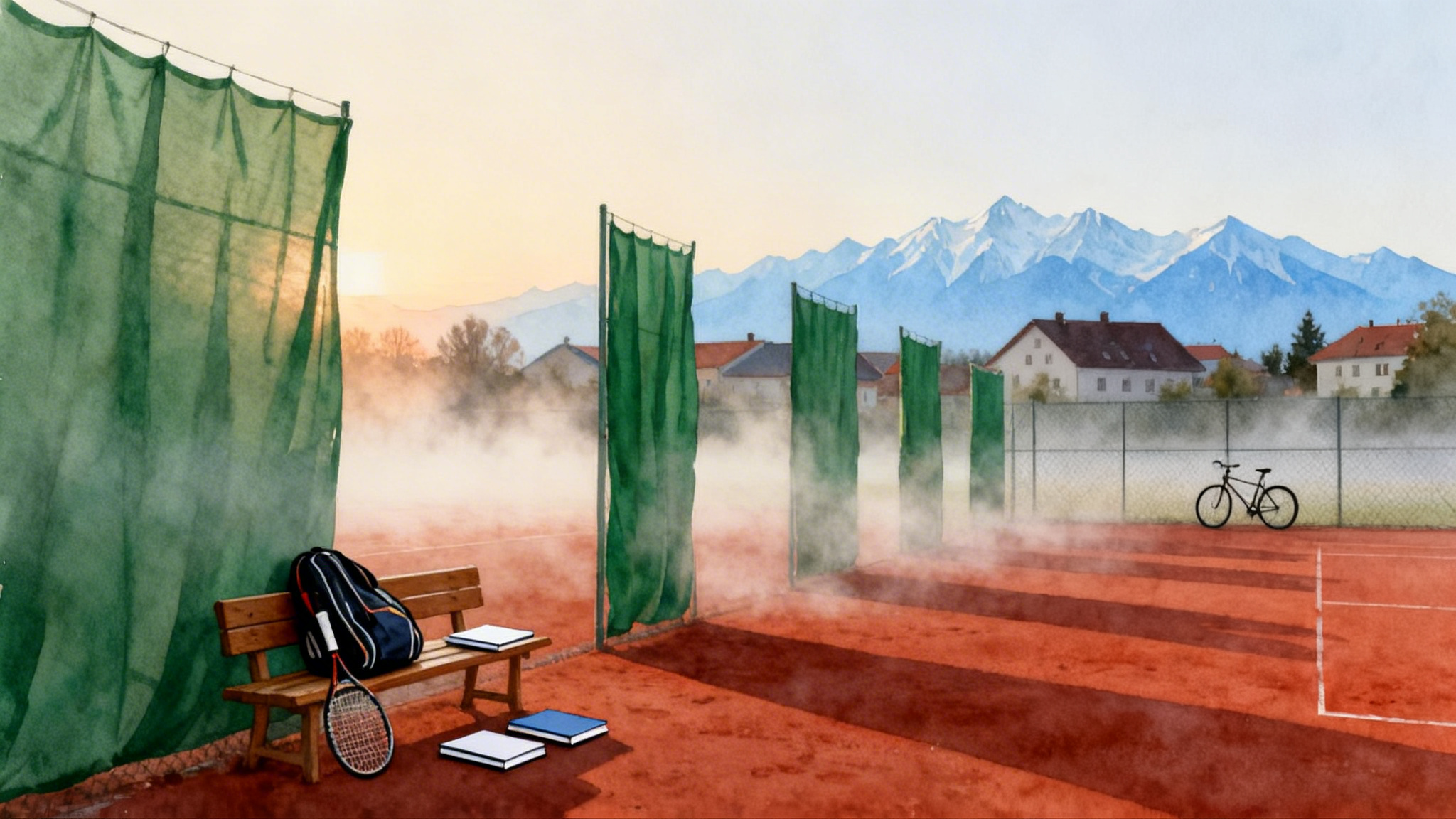
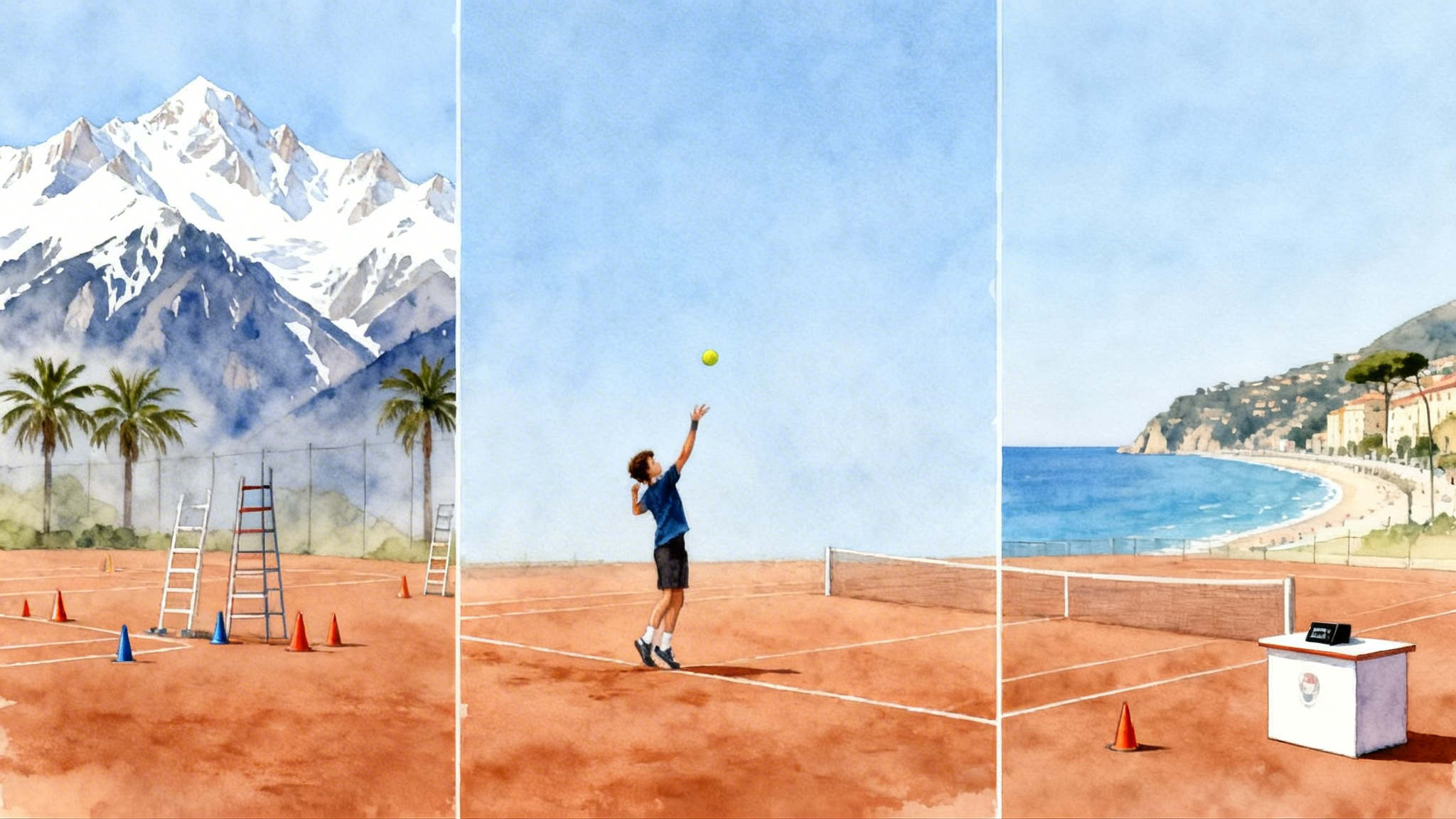
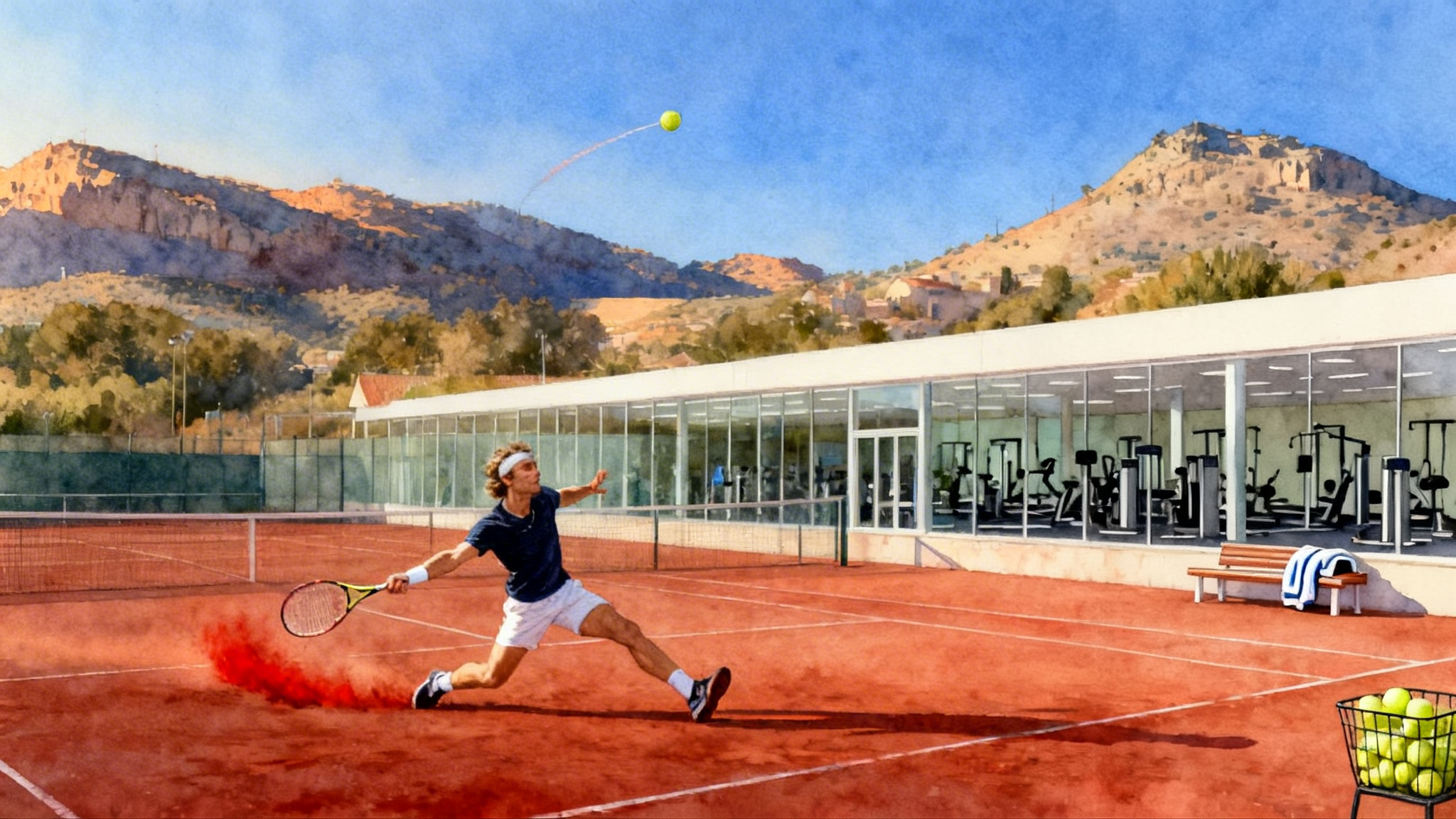
Florida's hard courts teach pace and aggressive first-strike tennis. Southern France adds something different. The academy in Biot, near Sophia Antipolis, puts a junior on red clay that demands longer points, higher fitness, and a heavier, more shape-driven ball. It is like shifting from sprints to middle-distance. You learn to breathe inside points and build patterns.
Those French blocks also introduce a new speed of practice. With pros and elite juniors in the same environment, the ball gets on you faster, the rally tolerance rises, the average quality per ball goes up. The player must solve problems in real time. Gauff's decision to keep returning for these blocks meant that her Florida game kept its pace, while her European weeks stretched her point construction, defense, and patience.
The key choice: keep Dad as primary coach, plug in specialists
Many families fear that an academy will overwrite a parent-coach. Gauff's camp did the opposite. Corey Gauff stayed in charge of the master plan. The academy supplied specialists and partners to run high-return experiments.
- Serve and forehand kinetics: targeted sessions to clean arm path, contact height, and use of the legs through the hit. The goal was not to reconstruct her identity, but to remove friction in her power moves.
- Movement profiling: footwork patterns on clay and hard courts, split-step timing, and first step acceleration. On clay, the focus was sliding to neutral and sliding out of defense; on hard, bracing and stopping power.
- Pattern building: using the backhand crosscourt as a lock, then switching down the line or inside-out forehands to open space. The academy's controlled live ball drills forced those decisions at higher speed.
Each block delivered a report back to Corey. He filtered, adopted what fit, and shelved the rest. That preserved coherence. The athlete heard one main voice while still absorbing best-in-class input.
The clay hypothesis: make hard court weapons work everywhere
Targeting European clay was not only about winning on clay. It was about making hard court weapons more stable. Long, high-spin rallies on red dirt punish sloppy footwork and loose technique. If a forehand leaks under that pressure, it will fail the test quickly. If the backhand recovery step is half a beat late, the player pays for it immediately.
This is why short clay blocks work as a quality filter. You do not need to move abroad. Two to four multiweek windows each year can harden a junior's habits. The clay sneaks lessons back into Florida: better height over the net, improved spacing, smarter defense to offense. When Gauff came home, the point length often felt shorter and her decision making simpler.
Pro sparring: one court over changes everything
At the academy, the peer group is the curriculum. Hitting with seasoned pros or top juniors raises the floor. The ball is heavier, the pace more honest, the tolerance higher. It is like joining a faster lane on the highway; you must merge smoothly or you get dropped. For a complementary skill piece, see our split-step guide to faster reactions.
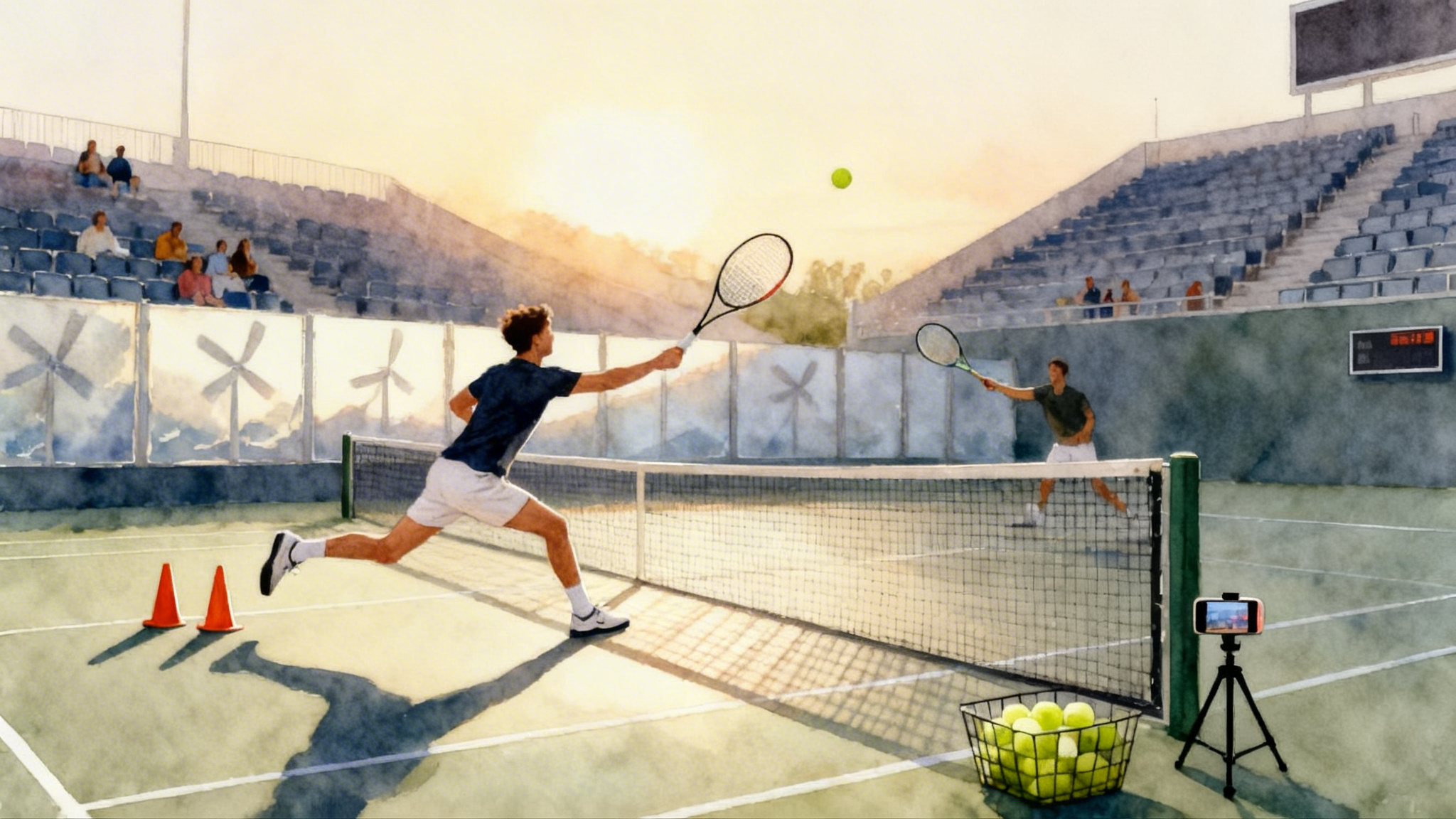
Gauff used that environment to normalize pro speed early. Short sets against older hitters, situational games that start at 30-all or at deuce, return games that begin with a second serve. These formats pressure-test a junior's patterns without the emotional drag of full match days.
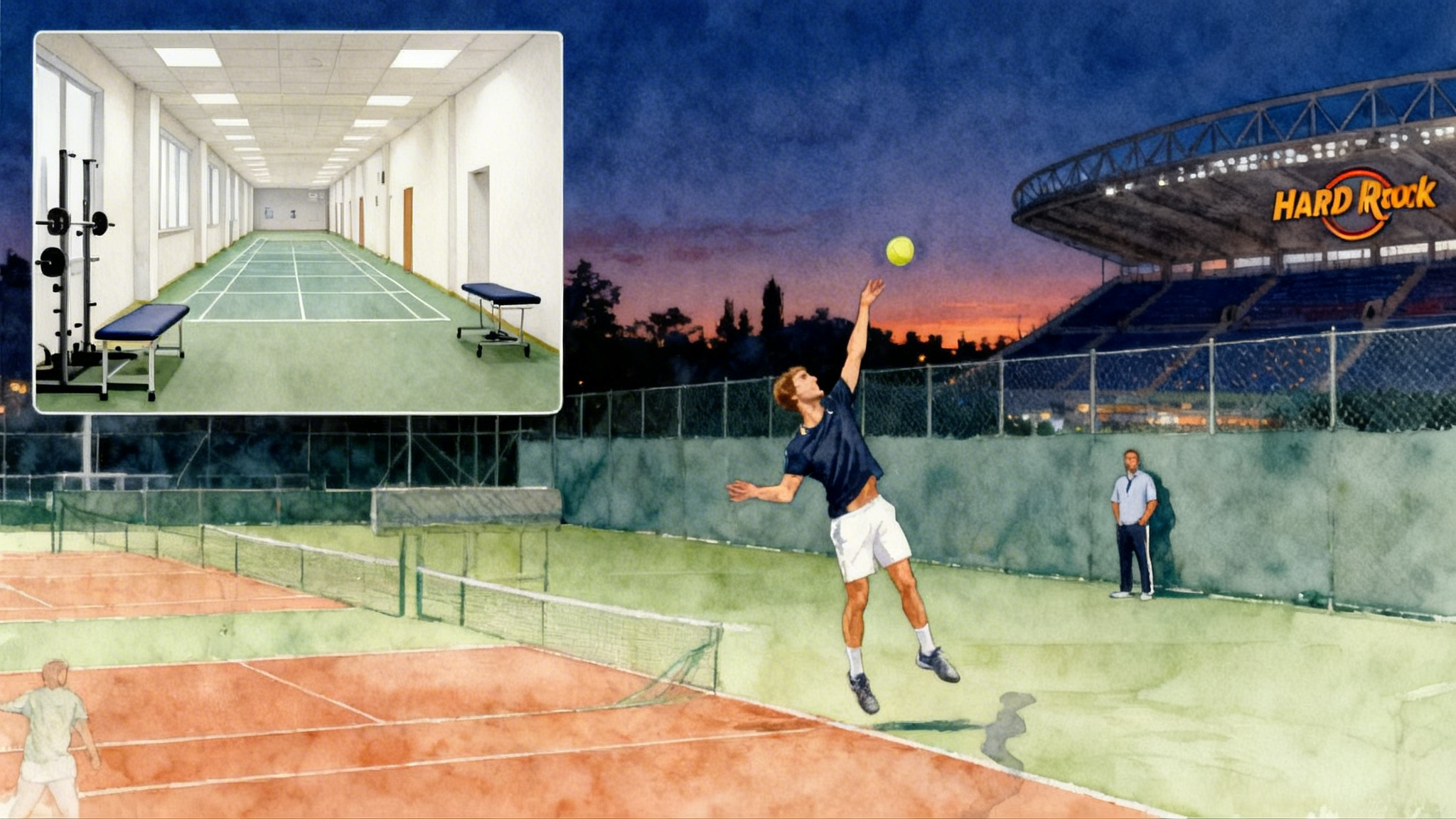
Back in Delray, USTA centers and Florida's deep tournament scene supplied weekly tests. The two ecosystems cross-pollinated. Europe gave a technical and tactical stress test. Florida gave high-frequency reps, confidence, and convenience. If you are Florida-based, Gomez Tennis Academy in Naples offers a practical day-academy option that fits this blended approach.
Diagnostics with a purpose: measure, do not guess
Training blocks only pay off if they sharpen the right blade. The academy introduced consistent measurement so that choices felt less like opinions and more like data.
- Baseline movement screen: 5-10-5 shuttle, 20-meter sprint, repeat sprint ability. The target is not elite times on day one. It is clear baselines and percent gains.
- Serve dashboard: speed ranges for first and second serves, percentage targets by zone, double fault rates over controlled sets. Gauff's heavy first serve became a pillar once the variability tightened.
- Rally quality: average depth past the service line, height window over the net, error distribution under timed drills. On clay, these numbers exposed dips in discipline; on hard, they showed when aggression paid off.
- Video habits: two angles per court, simple tagging of patterns won or lost, and a short clip reel to send home. The point was not pro-level analytics. It was feedback that could be acted on by Corey between trips.
The message for parents is simple. If an academy offers showy technology without a weekly action plan and a one-page report you understand, you are buying a gadget, not performance.
USTA as a force multiplier, not a contradiction
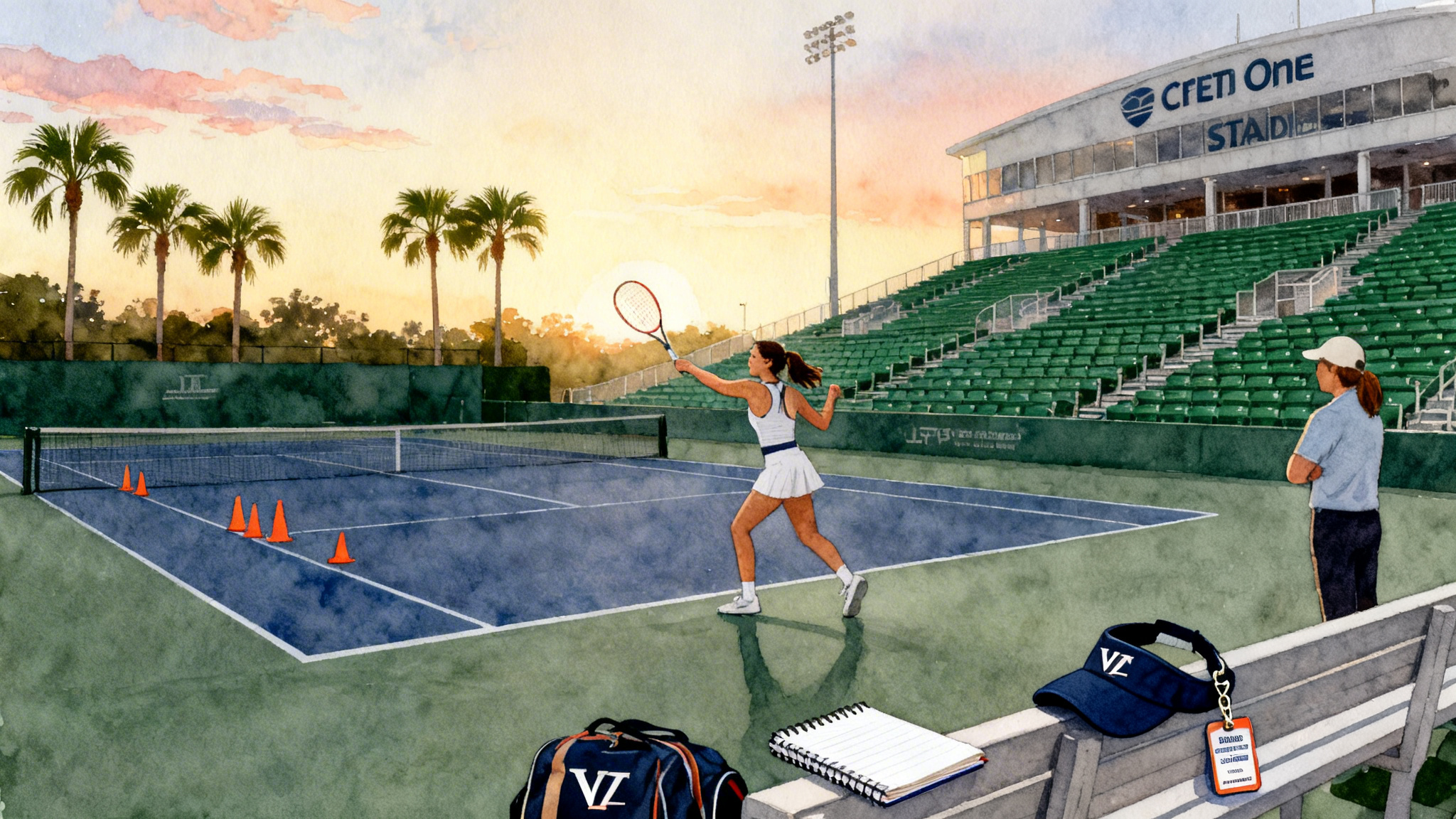
USTA Player Development in Florida gave Gauff access to training blocks, fitness resources, and match play against diverse styles. For many juniors, a national federation and a private academy can compete for influence. Gauff's team turned that into a triangle. Delray was home base and decision center. Sophia Antipolis delivered European skills and pro speed. USTA filled gaps at home, especially during growth spurts and schedule transitions.
The clearest example is travel and tapering. With multiple calendars in play, someone has to protect recovery. The family used the academy blocks as mini-camps, then placed USTA sessions and local events to ramp down or ramp up. That prevented the classic trap of layering everything and burning a junior from both ends.
From junior No. 1 to Grand Slam champion: the throughline
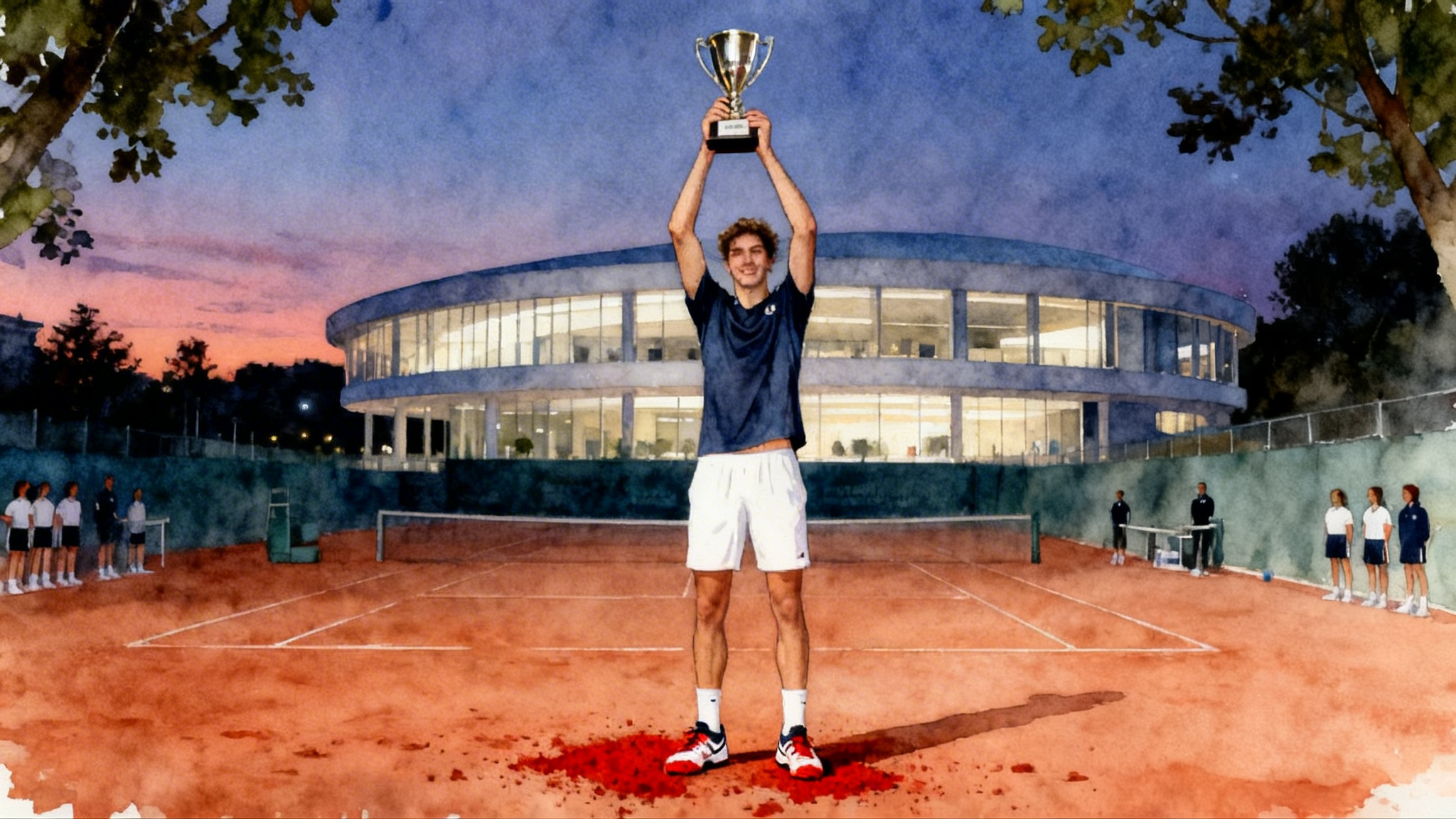
The arc is visible. Junior results topped out with a French Open junior singles title and the No. 1 ranking. The transition to the professional tour accelerated with that early Wimbledon run as a qualifier, then consolidated across the next seasons with deeper runs on hard courts and clay. The first major in New York crowned a player who learned to win points three ways: first strike on hard courts, attrition and shape on clay, and intelligent counterpunching on fast indoor surfaces.
What connects these achievements back to the academy choices is not a single magic drill. It is the operating system: keep the home base and the lead coach, schedule short targeted blocks on different surfaces with pro speed, measure the right things, and come home with a plan. For a parallel case inside France, study how All In Academy fast-tracked Arthur Fils.
A practical blueprint for parents: use academies as accelerators
You do not need a foundation invite to borrow this model. Here is a step-by-step approach that fits many budgets and geographies.
-
Keep one lead coach and a clear job description. If you are the parent-coach, you own the annual plan and the final calls. Specialists give input, not orders. Share a one-page calendar and a simple list of focus areas before any academy trip.
-
Choose the academy for the problem you want to solve. Need patience and shape on the ball, or better sliding mechanics. Pick a place with real clay and coaches who teach point construction. Need more pace and return practice. Find an environment with strong male sparring partners for neutral ball work. Avoid generic weeks that promise everything.
-
Plan two to four short blocks per year. Think of them as mini-camps of 10 to 21 days. Start with one in the spring on clay and one in late summer or early fall on hard. The goal is skill transfer, not relocation.
-
Write down three testable goals for each block. Examples: raise second serve in by six percentage points at target speed; add one crosscourt backhand pattern that holds under six-ball pressure; improve 5-10-5 shuttle time by three percent. If the goal cannot be checked in a week, it belongs on a longer horizon.
-
Demand a simple report at the end. One page that lists what changed, what did not, and three drills to continue at home. Ask for 3 to 5 short video clips with clear labels. If you cannot read the report in five minutes, it will not drive behavior.
-
Treat pro sparring as a controlled shock. Two or three sessions per block against older or stronger hitters are enough. Use formats like 15-minute crosscourt cages, first-to-7 tiebreakers, or return-only games. Protect confidence by avoiding daily beatdowns.
-
Use clay as a truth serum. Even if your local scene is hard court heavy, schedule a clay block each year from age 11 to 16. Long points reveal technical leaks and lazy spacing. Fix them there, then watch hard court performance stabilize.
-
Integrate USTA or national federation resources. Coordinate with federation coaches before and after academy weeks. Share the same goals and reports. Ask them to duplicate two of the academy drills in the following month so the habits do not evaporate.
-
Mind the growth spurt. During rapid height changes, de-emphasize heavy swing changes and high volumes of serving. Shift blocks to movement coordination, core stability, and contact height awareness. Revisit serve speed later.
-
Budget with clarity. Flights and housing can eclipse coaching fees. Build a three-year cost view. Prioritize two excellent blocks per year over six mediocre weeks. Many academies have scholarship paths or partial aid for standouts; ask early and be specific about goals and results.
What to watch for when choosing a foundation or academy
- Selection philosophy: Does the program identify strengths and amplify them, or does it force a mold. Foundations that work focus on the player's natural identity and add polish.
- Coach collaboration: Will they send your coach the practice plans and end-of-week notes. If the answer is no, expect friction.
- Competition access: Can the academy place the player in practice sets or local events across age groups. Proximity to competition matters more than a logo.
- Recovery culture: Do they schedule daily prehab, mobility, and nutrition check-ins. Without this, blocks turn into junk volume.
- Clear progression: Do they use progressions that move from dead ball to live ball to sets, then back to technical consolidation before you leave. Look for a rhythm, not constant redline intensity.
Common mistakes that slow development
- Outsourcing the identity. Changing a forehand or return stance without understanding why it worked at home. Protect the core game while you add options.
- Over-scheduling. Stacking federation camps, academy blocks, and tournaments without deload weeks. Plan recovery with the same intensity as training.
- Chasing star proximity. A photo with a famous pro does not raise a backhand. Judge value by reps at the right speed, not by cameos.
- Ignoring data drift. Gains in serve speed or movement tests can fade within weeks. Schedule home check-ins at 14 and 30 days to keep the edge.
A sample calendar for a 14-year-old aiming high
- January to March: home base period with two local tournaments per month and a weekly fitness screen. Technical theme is serve consistency and first step speed. One three-day USTA mini-camp.
- April to May: two-week clay block in Europe. Goals are sliding to neutral, 10 percent increase in crosscourt height window, and second serve reliability up five percentage points at target speed. One small clay event at the end.
- June to July: return home for hard court consolidation. Video reviews weekly. Protect one deload week. Two regional tournaments.
- August: ten-day hard court block with pro sparring emphasis. Situational sets, return games starting at 30-all, plus serve plus-one patterns.
- September to December: mix of home training and USTA camps. One final short block if needed to sharpen indoors movement. Year ends with testing and next year's plan written.
The takeaway: accelerate with precision, not volume
Coco Gauff's climb did not come from a single address. It came from a system that respected her roots in Delray Beach, added short surges of European clay and pro practice at the Mouratoglou Academy, kept her father as the compass, and measured improvements like a lab. For parents, the lesson is to treat academies as accelerators. Use them to apply the right pressure at the right time, collect clean feedback, and return home with a sharper playbook.
You do not have to move across an ocean to gain what Europe gives, and you do not need to abandon a trusted coach to earn the benefits of a world-class campus. Build the triangle, protect the center, and let targeted blocks do their quiet, compounding work.