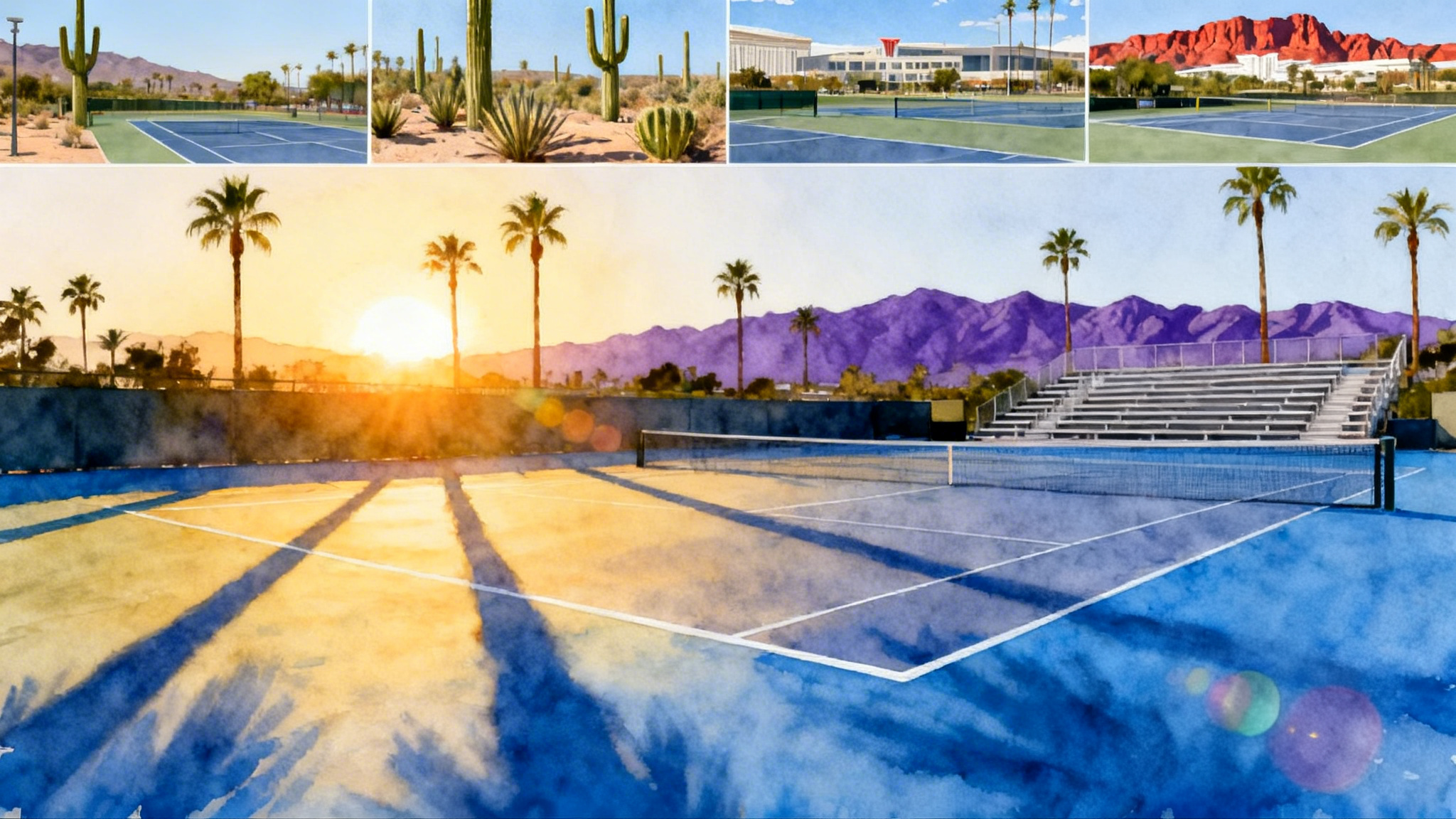
Monsoon-Smart Tennis: Train in India, Thailand, Philippines
A climate-first, month-by-month guide to the best tennis windows in Mohali/Delhi and Bengaluru, Bangkok and Phuket, and Manila and Cebu. Learn heat and rain breakpoints, night tactics, lightning and UV safety, and 2026-ready itineraries.
 Tommy
Tommy
Why a monsoon-smart plan beats guesswork
South and Southeast Asia offer world-class coaching, friendly court culture, and prices that stretch a tennis budget. Weather is the wildcard. Plan to the climate rather than the calendar and your training becomes smoother, safer, and more productive. This guide maps reliable windows for Mohali or Delhi and Bengaluru in India, Bangkok and Phuket in Thailand, and Manila and Cebu in the Philippines. You will also find concrete heat and humidity breakpoints, lightning and ultraviolet safety cues, surface and coverage notes, and sample seven to fourteen day itineraries for travelers from the United States in winter 2026 and for June through September monsoon workarounds.
The climate scoreboard: know your numbers before you book
Think in three variables: wet bulb globe temperature, rainfall probability and intensity, and ultraviolet index.
- Wet bulb globe temperature, or WBGT, blends heat, humidity, and radiant load. For most adult training blocks, WBGT below about 26 Celsius, roughly 79 Fahrenheit, is low risk for acclimated athletes. From 26 to 28 Celsius, moderate risk grows. From 28 to 30 Celsius, shorten sets, double hydration, and schedule early or late. Above 30 Celsius, many academies in the region will pause or move under shade, and you should too. These thresholds help you decide whether you are adding value or simply accumulating heat stress.
- Humidity above 70 percent slows sweat evaporation. Expect your normal two-hour session to feel like three. Bring extra dry overgrips and a second shirt for each hour on court.
- Rainfall risk has two parts: the chance of rain and the burst size. A short tropical cell clears in 30 to 60 minutes on a well-drained acrylic court. A day with a likely 20 to 40 millimeter dump can wash out a half day of outdoor tennis unless you have covered courts.
- Ultraviolet index of 8 to 10 is common from late morning to midafternoon in all six cities. Long sleeves, a light neck gaiter, and a brimmed hat help more than sunscreen alone. Schedule shade breaks every 20 minutes during high ultraviolet hours.
- Lightning safety is nonnegotiable. If thunder follows lightning within 30 seconds, stop play and wait 30 minutes after the last audible thunder. This tends to be a late afternoon issue in Bangkok and Bengaluru during peak monsoon.
Night-session tactics matter. Set alarms around dawn and after sunset. The sweet spots are roughly 6:00 to 8:00 in the morning and 19:00 to 22:00 in the evening. Under lights, choose high-visibility balls, wipe grips every changeover, and expect a thin film of dew on untextured acrylic in the final hour. If your string setup feels boardy in the cool, drop tension by one to two kilograms for night blocks.
Surface and coverage notes:
- Outdoor acrylic hard courts dominate in all six cities. They heat quickly in direct sun, so aim for shade or a covered court at midday.
- Clay is uncommon and can stay slick in rainy seasons. If you find an artificial grass court under shade, it can be an excellent wet-season fallback, but check for traction after showers.
- Covered courts matter most in Bangkok’s and Bengaluru’s monsoon months and during Phuket’s long wet season. Make sure the canopy has clear height for lobs and fans for airflow, not just a tarp.
India: Mohali or Delhi vs Bengaluru
Northern India and southern India play very differently through the year. Plan with that split in mind.
Mohali or Delhi
- January: Cool and often hazy mornings. Midday is crisp and playable. Pack a light layer for warm-ups. Reliability: good.
- February: Prime. Mild, mostly dry, and long training windows. Reliability: excellent.
- March: Warm and dry with rising ultraviolet. Excellent late afternoon sessions. Reliability: very good.
- April: Hot afternoons and growing heat stress. Book dawn and night. Reliability: fair for outdoor blocks if you stay on the clock.
- May: Peak heat. Outdoor midday is not productive. Consider a short Delhi stop only if you commit to 6:00 starts and 20:00 finishes. Reliability: low.
- June: Pre-monsoon heat yields to first bursts of rain late in the month. Humid and unstable. Reliability: low.
- July: Monsoon in full swing with frequent downpours and lightning. Outdoor blocks get chopped up. Reliability: low.
- August: Similar to July. Rains can be intense but between storms you may get a dry hour. Reliability: low.
- September: Storms taper in the second half. Evenings improve. Reliability: fair by late month.
- October: Drying out, warm days, long playable nights. Reliability: very good.
- November: Sweet spot. Dry, comfortable, and consistent. Reliability: excellent.
- December: Cool mornings with occasional fog; midday and early afternoon shine. Reliability: good.
RoundGlass Tennis Academy in Mohali anchors the region with a serious high-performance footprint. Expect modern hard courts, a structured session cadence, and an environment built for progression rather than vacation vibes. If your goal is to measure and move a forehand up a level, the October through March window is your north-star season here.
Bengaluru
- January: Warm, dry, and mild by India standards. Ideal for volume. Reliability: excellent.
- February: Slightly warmer but still very playable. Reliability: excellent.
- March: Warm with higher ultraviolet. Aim for morning and evening. Reliability: very good.
- April: Hot afternoons; nights remain friendly. Reliability: good with schedule discipline.
- May: Pre-monsoon heat spikes with evening thunderstorms building. Reliability: fair.
- June: Southwest monsoon starts to assert. Expect showery afternoons and the odd washout. Plan morning blocks. Reliability: fair.
- July: Regular rain windows, most commonly late day. Covered courts help you keep rhythm. Reliability: fair to good for morning-first schedules.
- August: Similar to July. Humidity is heavy, but overnight and early morning tennis is productive. Reliability: fair to good.
- September: Rains begin to ease late in the month. Reliability: improving.
- October: Some retreating monsoon showers, but the drier second half plays well. Reliability: good.
- November: Dry and comfortable. Reliability: very good.
- December: Peak window returns. Reliability: excellent.
Bengaluru’s elevation and breeze make it a classic monsoon workaround for India. Even in July, a 6:00 to 8:00 block followed by gym or video review keeps the week on track.
Thailand: Bangkok and Phuket
Bangkok
- January: Cool for Bangkok, usually dry. Long, stable sessions. Reliability: excellent.
- February: Warm and dry, still excellent. Reliability: excellent.
- March: Hot season kicks in. Night tennis shines. Reliability: good.
- April: Very hot with occasional build-up storms. Anchor your schedule at dawn and after dark. Reliability: fair to good with strict timing.
- May: Rainy season begins. Expect late-day storms. Covered courts become valuable. Reliability: fair.
- June: Regular thunderstorms, most often mid to late afternoon. Mornings are often open. Reliability: fair.
- July: Similar to June with high humidity. Night windows remain useful. Reliability: fair.
- August: Wet and stormy bursts. Prioritize covered or indoor options. Reliability: fair to low.
- September: Wettest month on average. Keep expectations flexible. Reliability: low.
- October: Rains taper in the back half. Reliability: improving.
- November: Cool-dry season returns. Reliability: very good.
- December: Prime. Reliability: excellent.
Bangkok has a deep ecosystem of private clubs, hotel courts, and covered facilities. If you book lessons, ask specifically for a covered court slot during May through October and confirm lighting quality for night work.
Phuket
- January: Dry season sweet spot. Mornings and afternoons hum along. Reliability: excellent.
- February: Dry and warm. Reliability: excellent.
- March: Hotter but dry, with excellent nights. Reliability: very good.
- April: Hot and sticky. Mornings still play well. Reliability: good with schedule control.
- May: Southwest monsoon starts. Frequent showers and seas get rough. Reliability: low to fair, best in early mornings.
- June: Wet stretches grow. Build in cross-training and recovery days. Reliability: low.
- July: Persistently wet with useful breaks. Covered courts are key. Reliability: low to fair.
- August: Similar to July. Reliability: low to fair.
- September: Often the wettest. Reliability: low.
- October: Transition month with improving second half. Reliability: fair.
- November: Dry season returns. Reliability: very good.
- December: Peak window. Reliability: excellent.
Phuket is perfect for tennis-plus-recovery itineraries in the dry season. Resorts with courts pair well with beach recovery, but in the long wet stretch you need either a covered court commitment or a willingness to mix in gym and video sessions.
Philippines: Manila and Cebu
Manila
- January: Dry, warm, and consistent. Reliability: excellent.
- February: Dry and slightly warmer. Reliability: excellent.
- March: Dry and hot afternoons. Play early or late. Reliability: very good.
- April: Peak heat. Stick to dawn and night. Reliability: good with timing.
- May: Very warm and humid as rains approach. Reliability: fair.
- June: Wet season arrives. Expect storms, mainly later in the day. Reliability: fair to low.
- July: Wet with typhoon risk in some years. Flex time is essential. Reliability: low.
- August: Similar to July. Reliability: low.
- September: Wet with improving odds late. Reliability: low to fair.
- October: Transition month with better second half. Reliability: fair to good.
- November: Dry season returns. Reliability: very good.
- December: Prime. Reliability: excellent.
The Philippine Tennis Academy in Manila is a strong choice for structured blocks, with a local match-play scene that rewards frequent set play. Ask for evening match sets during March and April and morning technique blocks during the wetter months.
Cebu
- January: Generally drier and very playable. Reliability: excellent.
- February: Dry, warm, and consistent. Reliability: excellent.
- March: Warm and bright. Night tennis recommended. Reliability: very good.
- April: Hot. Limit midday to video or mobility. Reliability: good with timing.
- May: Humidity rises and showers start to appear. Reliability: fair.
- June: Wet season influence strengthens. Reliability: fair to low.
- July: Wet with bursts rather than daylong rain. Morning windows often open. Reliability: fair.
- August: Similar to July. Reliability: fair.
- September: Wettest risk. Reliability: low.
- October: Transition with improving late month. Reliability: fair to good.
- November: Drier and stable. Reliability: very good.
- December: Prime. Reliability: excellent.
Cebu’s resort zone on Mactan Island often offers hotel courts and calmer morning wind, which helps serve practice and toss control.
Feature academies and how to book the right slot
- RoundGlass Tennis Academy in Mohali: Best October to March. Ask for morning technical blocks plus late afternoon sets in February and March. In November and December, midday can also be comfortable, which lets you add strength sessions at dawn and convert late afternoon to match play.
- Philippine Tennis Academy in Manila: Best December to March. In April and May, go all-in on night tennis and book two shorter sessions instead of one long one. From June through September, prioritize covered courts and keep a flexible daily plan.
If you are deciding between programs or levels, see how to choose the right tennis academy to fit your goals and schedule.
2026 itineraries you can copy and paste
Note on timing: This article publishes in April 2026. The January to March templates below show exact 2026 dates; if you are planning ahead, shift the same weekday pattern to early 2027. The July and August templates remain upcoming for 2026.
Winter escape, January 2026: Manila focus with a Bengaluru add-on
- Dates: January 10 to January 23, 2026
- Cities: Manila for ten days, Bengaluru for four days
- Why this window: Both cities are in prime dry seasons with manageable heat.
- Outline:
- Jan 10: Fly from West Coast United States to Manila. Overnight flight arrives Jan 11.
- Jan 11: Light hit at 19:00 to wake up the body. Early night.
- Jan 12 to Jan 16: Five-day block with Philippine Tennis Academy. Mornings 7:00 to 9:00 technique plus baskets. Evenings 19:30 to 21:00 match play. Midday gym and mobility.
- Jan 17: Recovery morning, cultural day, or beach day trip. Optional 20:00 doubles set.
- Jan 18 to Jan 19: Two more academy days, tapering volume. Night tennis only on the 19th.
- Jan 20: Fly Manila to Bengaluru. Short 19:00 hit on arrival if fresh.
- Jan 21 to Jan 22: Bengaluru morning blocks 6:30 to 8:30 with set play at 18:30. Expect excellent conditions.
- Jan 23: Fly home via a late evening departure.
- Notes: Book covered court options for contingency, but you should not need them often. Pack light long sleeves for ultraviolet protection.
Winter escape, February 2026: Mohali high-performance camp
- Dates: February 8 to February 21, 2026
- City: Mohali
- Why this window: Northern India’s best tennis weather of the year.
- Outline:
- Feb 8: Fly United States to Delhi, transfer to Mohali the same day.
- Feb 9 to Feb 14: RoundGlass Tennis Academy six-day intensive. Two hours technical every morning, ninety minutes conditioned points in late afternoon. Video review on Feb 12 midday.
- Feb 15: Recovery day with a light 19:00 hit.
- Feb 16 to Feb 20: Five-day follow-up with focus blocks on serve and first-ball patterns.
- Feb 21: Return flight.
- Notes: Expect low rainfall risk. Midday sun still bites; schedule strength and mobility inside between sessions.
Thailand dry-season camp, March 2026: Bangkok plus Phuket
- Dates: March 2 to March 13, 2026
- Cities: Bangkok for six days, Phuket for five days
- Why this window: Dry season in both, with hot afternoons that favor night tennis.
- Outline:
- Mar 2: Arrive Bangkok. Evening acclimation hit at 20:00.
- Mar 3 to Mar 7: Bangkok block. Mornings 6:30 to 8:30, evenings 19:30 to 21:30. Reserve a covered court for at least two afternoon drills in case of pop-up heat stress.
- Mar 8: Fly to Phuket. Sunset doubles set.
- Mar 9 to Mar 12: Phuket mornings 7:00 to 9:00, evenings 19:00 to 21:00. Midday recovery in shade and water.
- Mar 13: Fly home.
- Notes: Pack extra grips and a white hat. Expect very low rain risk and strong ultraviolet from 10:00 to 15:00.
Monsoon workaround, July 2026: Bengaluru base with Bangkok nights
- Dates: July 6 to July 16, 2026
- Cities: Bengaluru for seven days, Bangkok for three nights
- Why this window: You can beat India’s monsoon disruptions with early starts in Bengaluru and finish with reliable night tennis in Bangkok’s covered facilities.
- Outline:
- Jul 6: Land in Bengaluru. Short 19:00 hit if weather allows.
- Jul 7 to Jul 12: Bengaluru mornings 6:15 to 8:15 every day. Most afternoons will see showers or storms, so plan gym, video, or classroom work on patterns and target maps. If a dry slot appears at 17:30, grab a one-hour set.
- Jul 13: Fly to Bangkok. Book a 20:00 covered-court session.
- Jul 14 to Jul 15: Bangkok night blocks 19:30 to 22:00 both days under cover. Mornings are possible 6:00 to 7:30 before storms build.
- Jul 16: Return flight.
- Notes: Confirm covered courts in Bangkok at booking time. In Bengaluru, morning reliability is the backbone of this plan.
Monsoon workaround, August 2026: Cebu mornings with a Manila finisher
- Dates: August 9 to August 18, 2026
- Cities: Cebu for seven days, Manila for two days
- Why this window: Even in the wet season, Cebu often gives you morning tennis windows, and Manila’s covered-court options plus night hours let you salvage late-week volume.
- Outline:
- Aug 9: Arrive Cebu. Evening rest.
- Aug 10 to Aug 15: Cebu morning blocks 6:30 to 8:30 daily. Keep afternoons free for recovery, analysis, and gym. Use any dry 19:00 slot for match play.
- Aug 16: Fly to Manila. 20:00 night session if conditions are safe.
- Aug 17: Manila covered-court doubles set 19:30 to 21:00.
- Aug 18: Fly home.
- Notes: Hold nonrefundable bookings lightly in August. Build in cultural or food tours you can swap into rainy slots.
Packing and booking checklist that actually helps
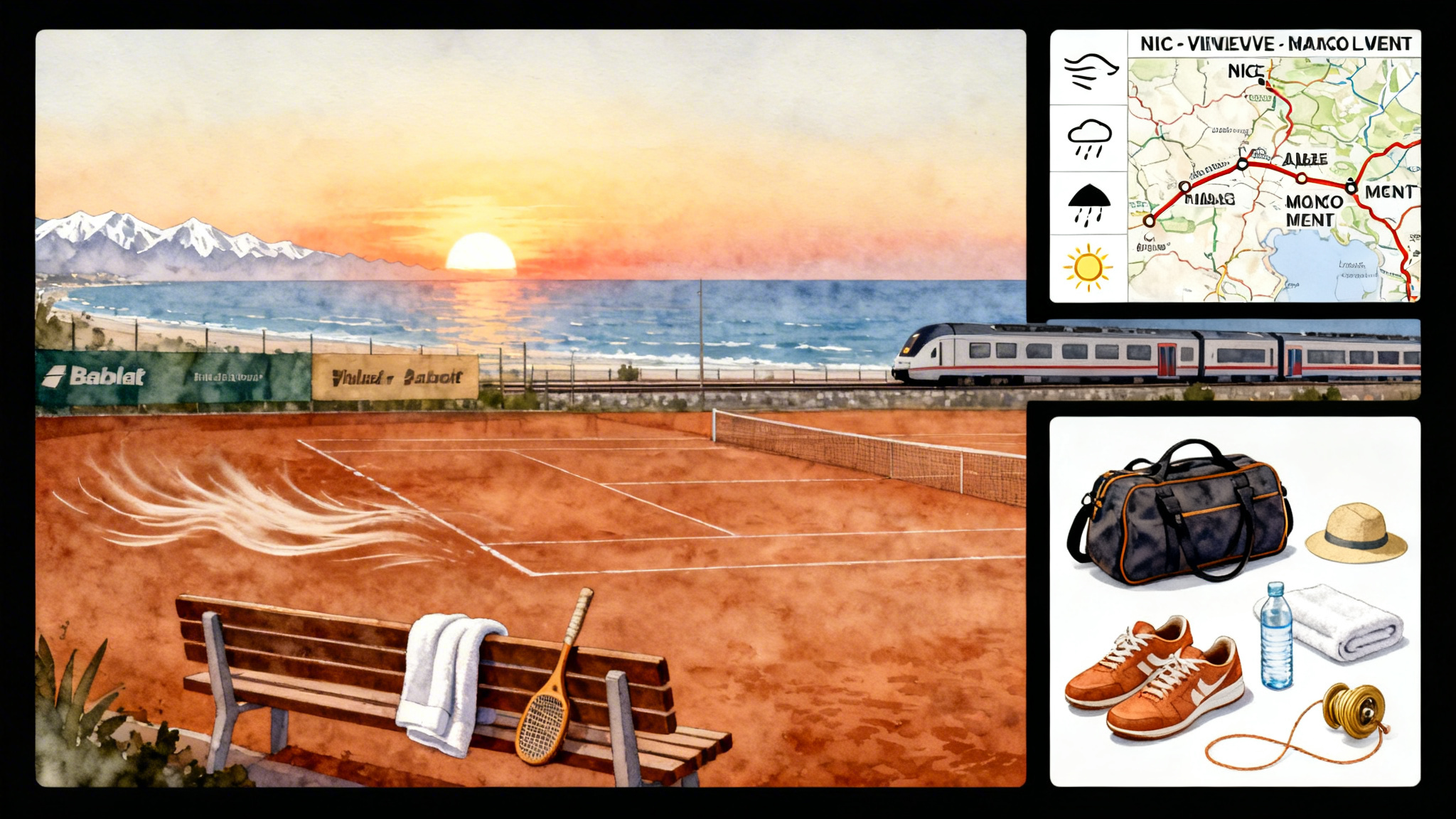
- Reserve covered courts for at least one session in every two during wet months and for midafternoon work in hot months.
- Bring two sets of shoes if you plan double sessions. Rotate to keep grip.
- Overgrips: two per on-court hour in humid months. Rosin or liquid chalk helps second serves late at night when sweat spikes.
- Strings: if you normally play 24 kilograms, consider 22 to 23 kilograms for night-heavy weeks.
- Hydration: a bottle of electrolyte solution per hour on court. Add a small salty snack on changeovers for sessions over ninety minutes.
- Protection: brimmed hat, light long sleeves, neck gaiter, and a rimmed pair of glasses for glare and errant drops during drizzle.
- Insurance and buffers: in monsoon months, leave the last day free as a catch-up window so you do not fly home frustrated.
Bottom lines by city
- Mohali or Delhi: Best October to March. Avoid July and August. Night tennis saves March and April. RoundGlass is your high-performance hub.
- Bengaluru: Best December to March. Usable June to September if you protect mornings and flex afternoons.
- Bangkok: Best November to February. Use covered courts from May to October and lean on night sessions.
- Phuket: Best December to March. May to October is a recovery-forward season unless you secure covered courts.
- Manila: Best December to March. June to September is wet. Night and cover help in April and May.
- Cebu: Best December to March with useful morning windows even in July and August.
A smart finish
Weather does not have to be a barrier between you and a better backhand. Treat the monsoon like a second opponent who plays patterns you can scout. Choose months with the ball in your favor, book covered courts where it counts, and schedule sessions at dawn and under lights. If you adjust the plan to the climate, your 2026 training in India, Thailand, and the Philippines will feel less like a gamble and more like a well-constructed point.