Adriatic Island Tennis: Lošinj’s Spring-to-Fall Clay Retreat
Plan a boutique clay-court camp on Croatia’s Lošinj island from April to October. Learn how Ljubicic Tennis Academy structures small-group training, why the microclimate speeds recovery, and how to travel in smoothly from the U.S. or Europe.
 Tommy
Tommy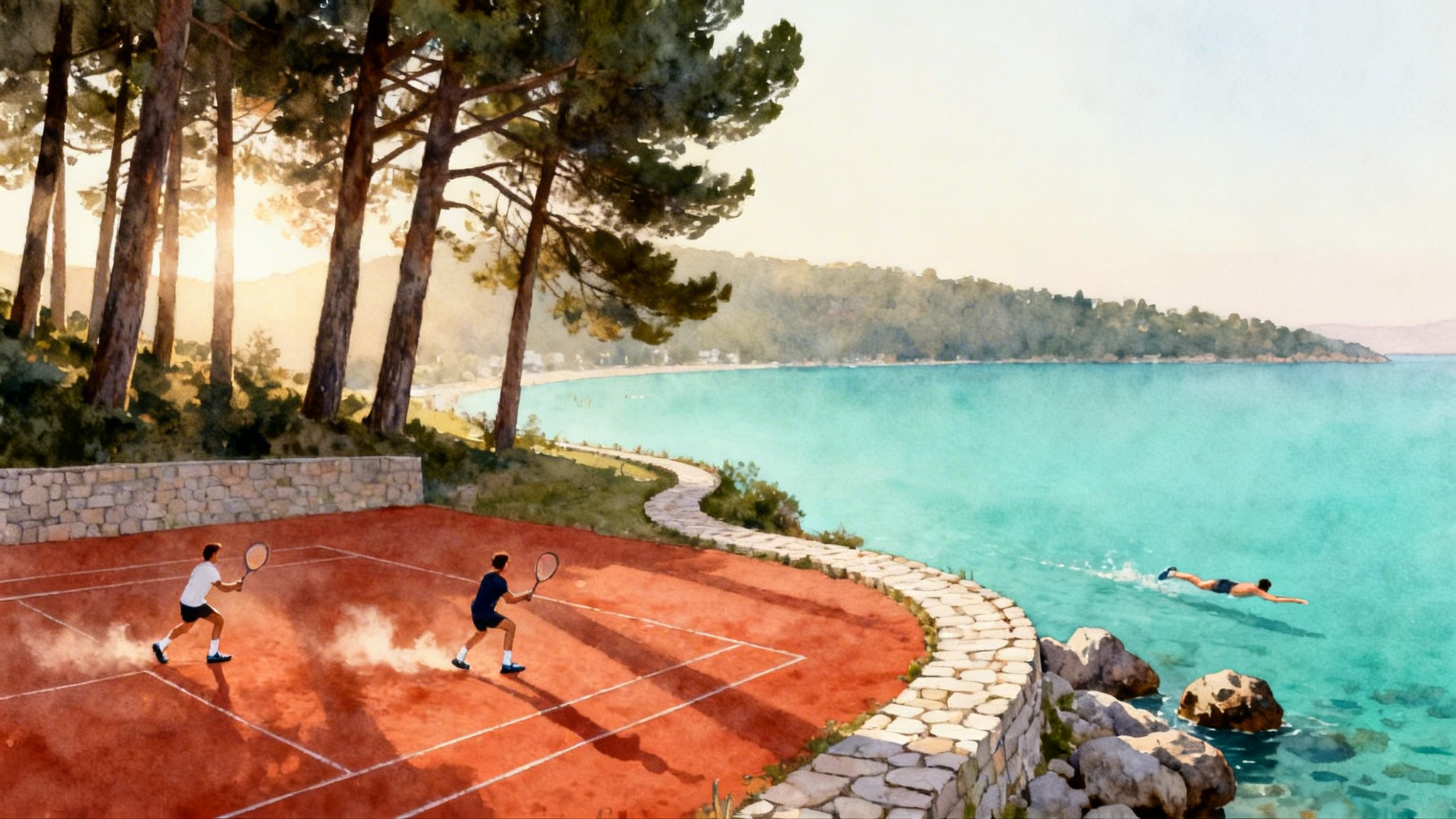
Why Lošinj for clay from April to October
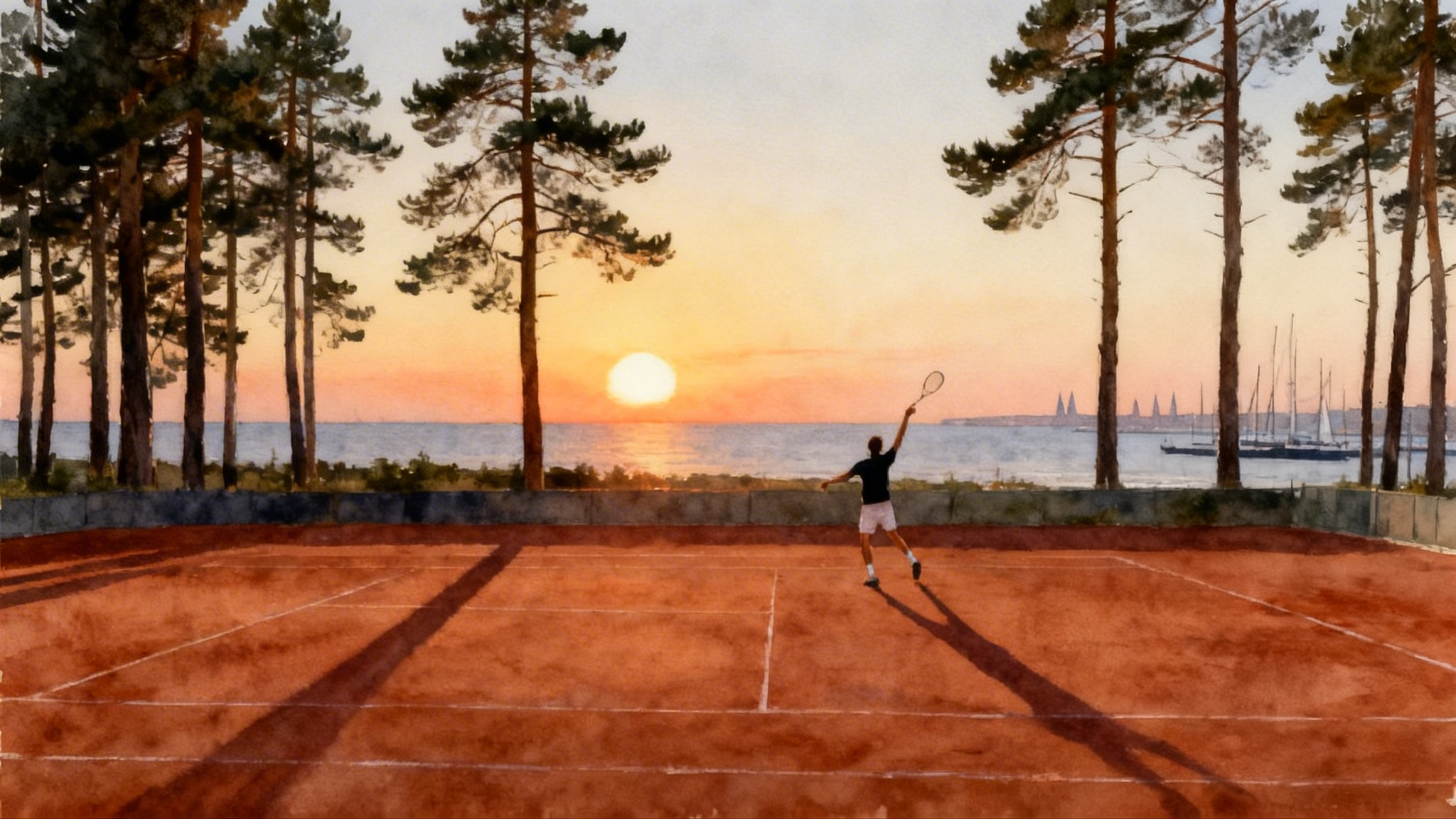
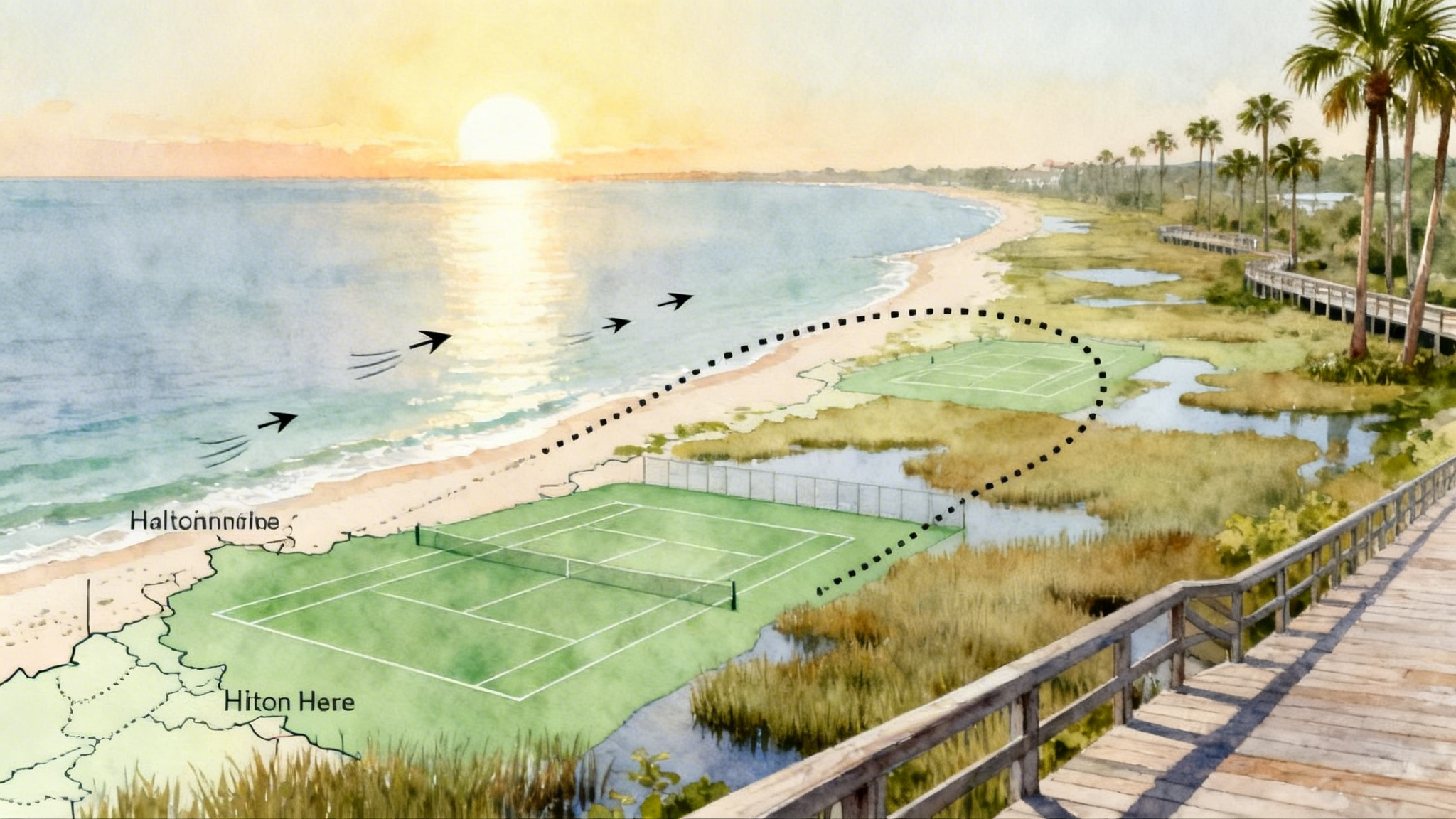
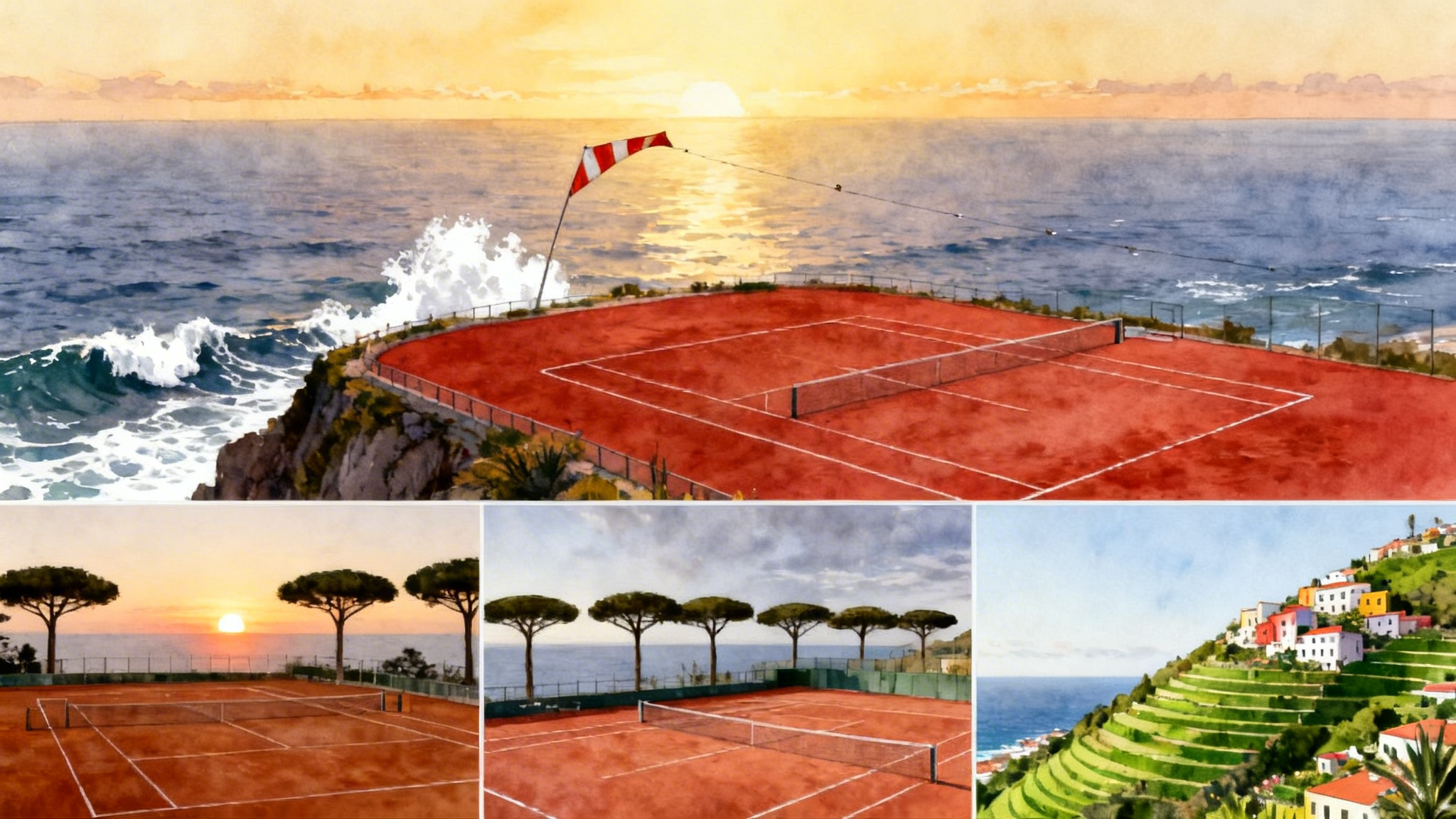
On a map, Lošinj looks like a slender brushstroke laid across the northern Adriatic. On the ground, it feels like an outdoor sports complex built by nature. The island’s climate is mild, the air smells of pine and sea salt, and the shoreline is so close to the courts that a recovery dip becomes a daily habit. Local tourism materials refer to Lošinj’s mild microclimate for good reason: spring is comfortably warm, summer is bright without oppressive humidity, and autumn lingers like a second May. That range makes April through October a natural season for clay-court work.
In tennis terms, that means long rallies without the heat stress that eats into your quality of play. April and May bring crisp mornings and sunny afternoons that reward footwork blocks and rhythm sessions. June through early September offer a canvas for high-intensity point construction and serve repetitions. Late September and October deliver golden-hour training with fewer crowds and equally smooth clay. For another Mediterranean spring option, see our Mallorca spring clay training guide.
The Ljubicic Tennis Academy format: small groups, big learning
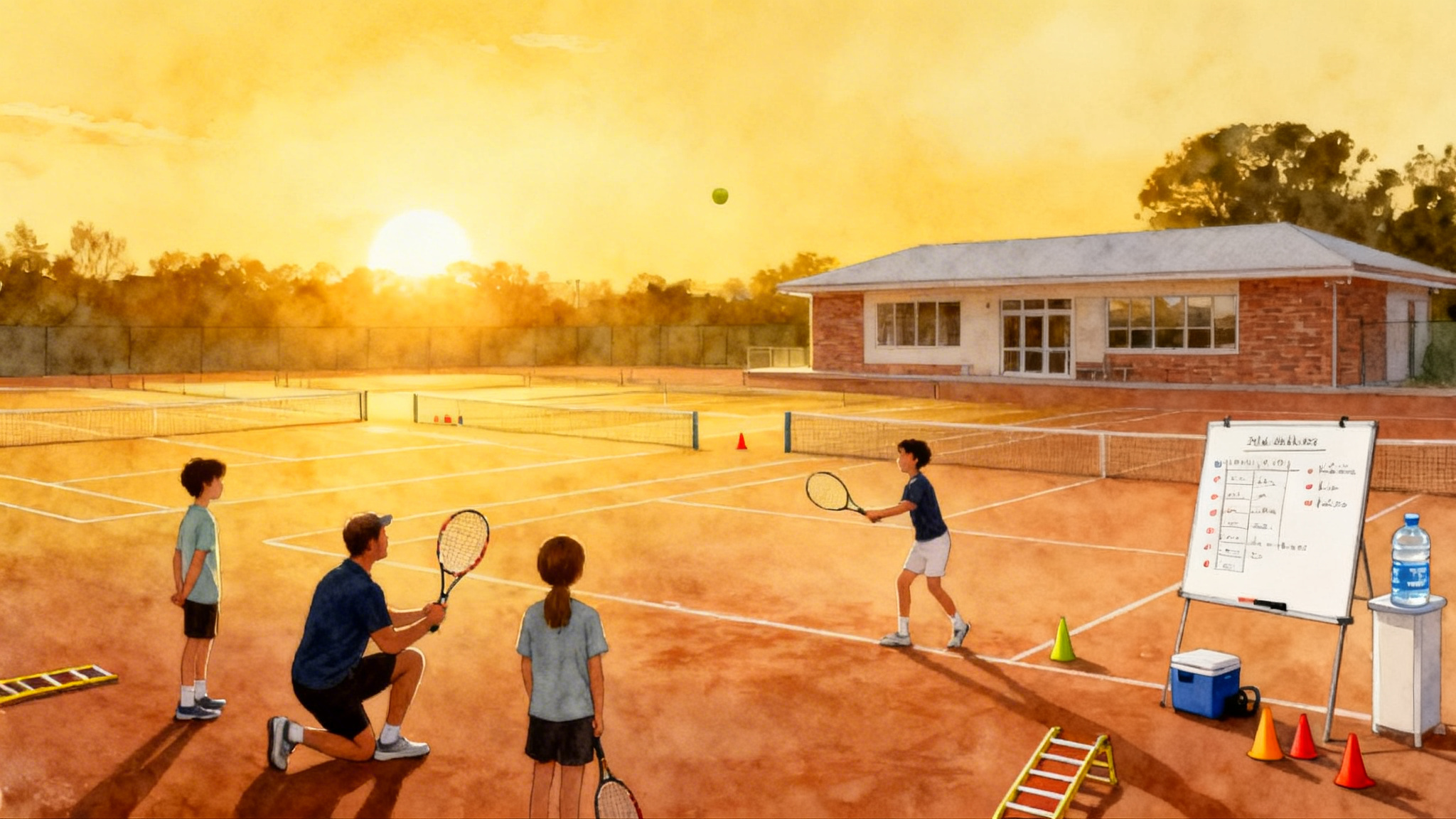
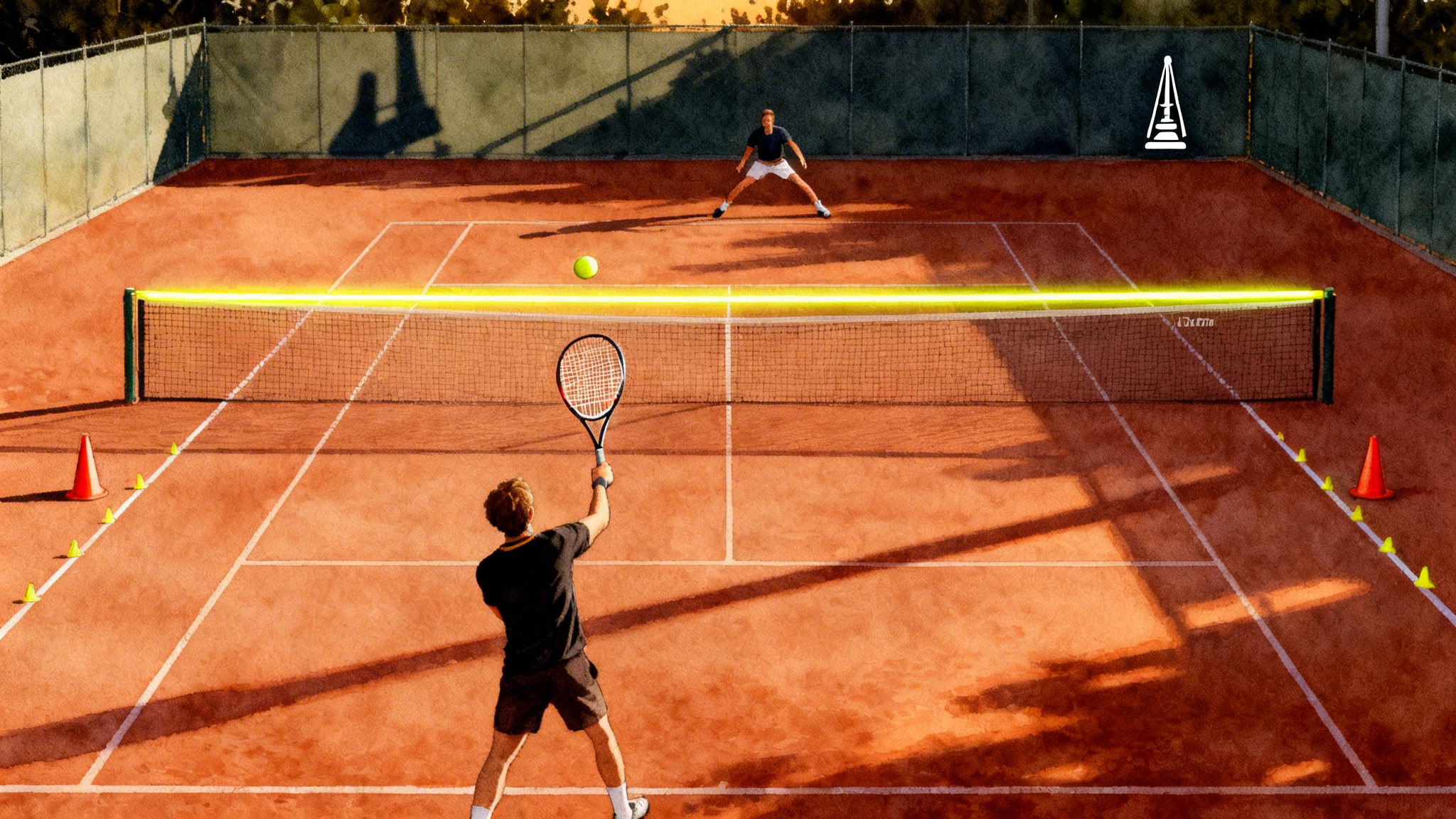
The Ljubicic Tennis Academy on Lošinj is built around boutique cohorts that are small enough to feel like a private camp but social enough to simulate match pressure. Expect three to five players per court with one lead coach and supporting hitters when needed. The design principle is simple: give every player enough ball volume and feedback to engrain patterns, not just experience a vacation workout.
What that looks like in practice:
- Clear technical theme per session. One block might center on neutral forehand depth from the ad side. Another might target second serve shape and margin. If you want a head start, read how to build a forehand that holds up under match pressure.
- Clay-specific patterns. Spanish-style crosscourt windows, inside-out forehand plus court re-positioning, drop shot disguises that work on red dirt rather than hard courts.
- Measured progression. Basket and hand-feed construction early in the week, live rally constraints by midweek, point-based scenarios and pressure drills before departure.
- Video touchpoints. Short, targeted clips captured courtside to confirm improvements in racquet drop, spacing, or contact height. You leave with two or three key cues, not a bloated checklist.
The tone is focused but not austere. Sessions are friendly, the coaching language is plain, and the island’s setting does half the motivational work.
Sea-based recovery that actually changes how you feel tomorrow
On Lošinj, recovery is not a lecture. It is a staircase down to the water after you unlace your clay shoes. Cold seawater makes a noticeable difference in how your legs feel on day three of a camp. Hydrostatic pressure from immersion limits swelling, while the cool temperature blunts soreness. Here is a simple protocol the coaches often suggest after your morning block:
- Rinse clay off at the beach shower. Walk in slowly to waist depth.
- Two minutes standing, then two minutes light movement with slow flutter kicks while holding a rock or floating ring.
- Step out for one minute of sunlight and breathing. Repeat once more if the water is cool enough to feel invigorating but not painful.
If the sea is choppy, swap the immersion for a 10 to 12 minute easy swim along the protected edge of Čikat Bay. The point is not training load. It is circulation without pounding. Pair this with a five minute calf and hip flexor stretch and you will feel like a different player in the afternoon.
Trails and conditioning in a pine forest
Clay rewards legs and lungs. Lošinj’s trails make the conditioning portion pleasant and purposeful. You can thread soft-surface loops under Aleppo pines with sea views flashing between trunks. Three reliable routes:
- Čikat loop, 5 to 6 kilometers: gentle rollers, packed gravel, perfect for pre-session mobility and strides.
- Monte Baston lookout, about 1 kilometer up-and-back from the bay path: short climb to wake up glutes and ankles.
- Veli Lošinj promenade to Rovenska and back, 3 to 4 kilometers: flat stone path for recovery walks after dinner.
Put another way, the island’s terrain nudges you into the kind of light, frequent movement that makes your next heavy clay session more productive.
Travel logistics: how to get to Lošinj from the U.S. and Europe
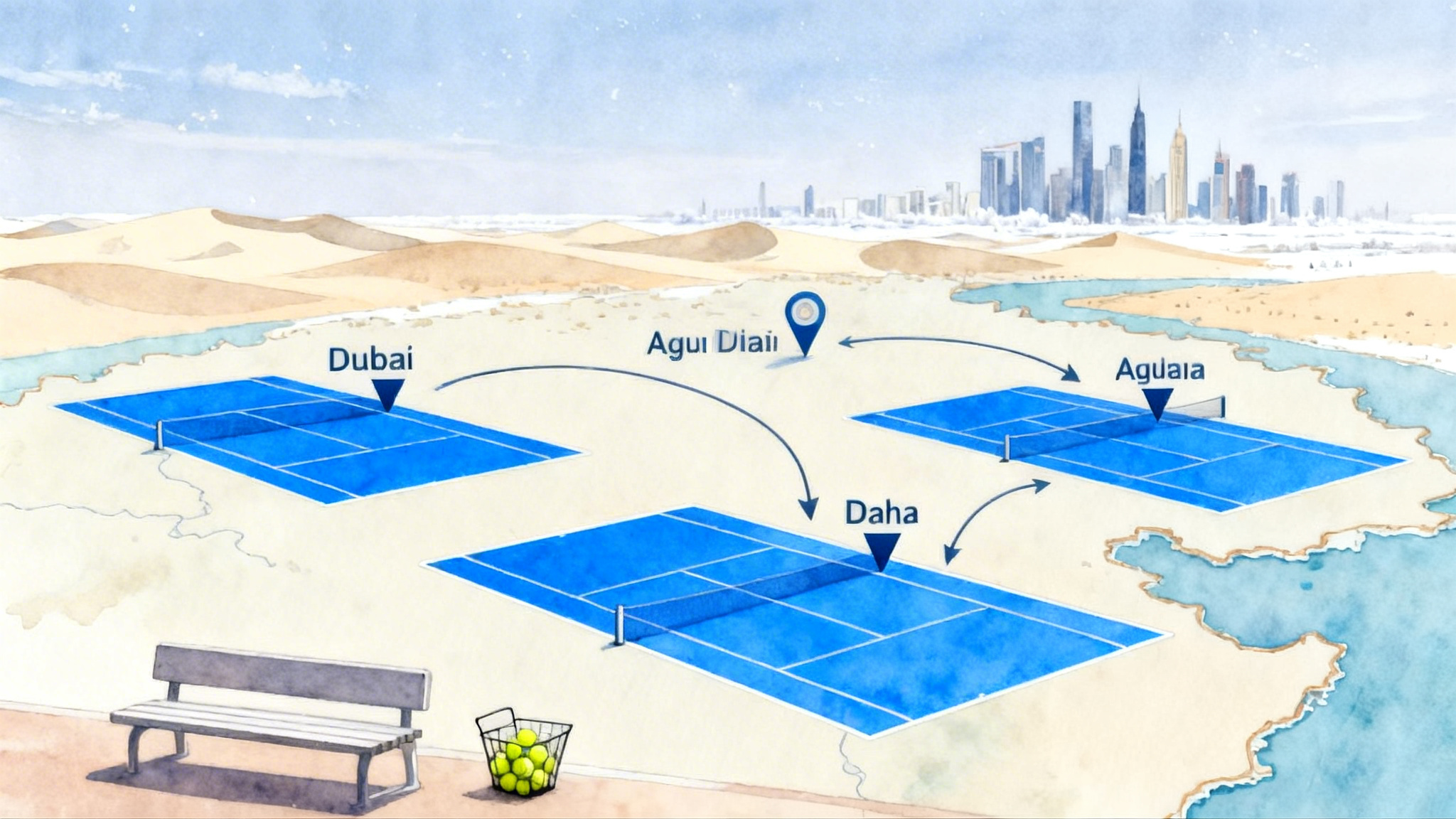
Your goal is to reach Mali Lošinj with minimal friction and the right timing relative to ferry or catamaran schedules. Think in legs rather than one giant leap.
From the United States:
- Fly into a European hub like Frankfurt, Munich, Amsterdam, London, or Paris.
- Connect to one of the nearest Croatian gateways: Zagreb, Rijeka, or Pula. Split and Zadar also work if schedules line up.
- Final leg options:
- Rent a car and drive to the island via ferry. Two main ferry approaches: Valbiska on Krk Island to Merag on Cres, or Brestova in Istria to Porozina on Cres. From either landing, you will drive the scenic spine of Cres and cross a small bridge at Osor to reach Lošinj. Build in time for at least one ferry wait in high season.
- In season, a catamaran service often runs between Rijeka and Mali Lošinj with intermediate stops. It is simple if you travel light and coordinate return timing.
From within Europe:
- Direct seasonal flights into Pula and Rijeka can shave hours off your transit.
- Trains to Rijeka pair well with the catamaran if you prefer not to drive.
Practical tips that reduce friction:
- Book the transatlantic leg to land before midday in Europe. That increases your odds of making an afternoon connection and catching an evening ferry without a hotel stopover.
- Pack a small duffel within your main bag so you can strip down to court essentials for the catamaran and keep larger luggage at your lodging.
- Buy ferry tickets on the ground after you confirm your timing. Schedules are regular, but the exact departure you catch will depend on your drive.
- If you rent a car, reserve an automatic well in advance for July and August. Shoulder months like May, June, September, and October are more flexible but still benefit from early booking.
Where to stay and why proximity matters
Lošinj offers a tight cluster of hotels and apartments near the courts. Being able to walk to training saves decision energy and keeps your day simple. Properties in and around Čikat Bay and Veli Lošinj are practical for both the morning and afternoon blocks with easy access to the sea for recovery.
If you prefer a hotel with wellness amenities, look for spa access and an indoor pool for stormy days in April or October. If you prefer an apartment, choose one with a balcony or terrace so you can stretch and do mobility work at sunrise without hunting for space.
Book windows by season:
- April, May, October: 6 to 8 weeks ahead is usually enough.
- June, September: 8 to 12 weeks recommended.
- July, August: 12 to 16 weeks if you want specific room types or family layouts.
A five-day small-group clay plan you can actually follow
The outline below mirrors how the Ljubicic Tennis Academy tends to structure a boutique week: build a base, sharpen patterns, then pressure test. Adjust times to light and temperature. The blocks assume three to five players per court.
Day 1, Arrival and Foundations
- 07:30: Pine-path mobility, 15 minutes. Ankles, hips, thoracic spine.
- 08:00-10:00: Court block 1. Hand-feed spacing on forehands and backhands, then live rally to crosscourt windows. Emphasis on height over net, heavy legs, and finish through.
- 10:15: Sea immersion, two rounds of two minutes with one minute air break.
- Afternoon off for check-in and a light promenade walk. Early night.
Day 2, Baseline Patterns and Serve Starts
- 07:45: Strides on the Čikat loop, 6 by 80 meters at conversational effort.
- 08:15-10:30: Court block 2. Pattern building: neutral-to-offensive forehand from ad side, outside foot load, recover to center. Serve plus one drill with targets for deep middle and ad-corner patterns. Short video cue on contact height.
- 13:00: Lunch and a 20 minute nap or legs-up recovery.
- 16:00-18:00: Court block 3. Return plus neutral rally. Constraint games to 11 points where you only score on deep crosscourt margins.
- 18:10: Stretch, five minutes hip flexors, three minutes calves.
Day 3, Net Threat and Point Construction
- 08:00-10:30: Court block 4. Transition patterns: drop shot disguise from behind the baseline, plus the follow to the mid-court volley. Backhand slice depth as a pressure valve.
- 10:40: Easy swim along the bay, 10 minutes continuous.
- 16:00-18:00: Court block 5. Situational games starting 15-30 down, or serving at 30-40. Focus on second serve shape and recovery step after contact.
- Evening: Short coach debrief. Pick two cues for tomorrow. Write them on a note card you keep in your string bag.
Day 4, Pressure Day
- 07:30: Light jog, 12 minutes, then three sets of ten meters side-shuffle with racket.
- 08:00-10:30: Court block 6. Long-format points to 21 but with bonus scoring for winning after five or more shots. Spanish ladder drill for fitness under skill constraints.
- 15:30-17:30: Court block 7. Match sets with coaching timeouts. Video a few return games.
- 18:00: Contrast recovery. Two short sea immersions followed by a warm shower and five deep breathing cycles.
Day 5, Consolidation and Graduation
- 08:00-10:00: Court block 8. Serve targets by quadrant, then player-choice points emphasizing week themes.
- 10:15: Sea walk and gratitude stretch. Five minutes total.
- 15:30-17:00: Court block 9. Tie-break sets, 10 point, rotate partners. End with a ceremonial ball can opening you save for a future hit back home.
- Evening: Final debrief with individualized maintenance plan for the next four weeks. You leave with two cues, two patterns, and one fitness habit.
Why this works: the plan starts with controllable reps, layers in decision-making, and culminates in pressure. The sea and trail sessions are short and frequent, which preserves quality in every ball you hit.
Matching your week to island rhythms
- Morning light: In April and October, the first hitting window can feel crisp. Warm up with a short jog before you ask your forehand to accelerate.
- Midday heat: July and August can be bright. If you have a choice, move the longest block to the morning and keep the afternoon tactical.
- Wind days: Clay plus wind is a free lesson in margin. Accept higher net clearance and bigger targets rather than fighting it.
Add match play through nearby ITF events
Croatia hosts a dense calendar of International Tennis Federation World Tennis Tour events that cluster in spring and late summer. Typical host cities within striking distance of Lošinj include Opatija, Rijeka, Poreč, Pula, and Umag on the Istrian coast, as well as Zadar and Split farther south. Schedules shift year to year, so treat your camp dates and the competition calendar as a single puzzle. Confirm details with the official ITF tournament calendar.
Practical ways to bolt on match play:
- Spectate early in the week to absorb competitive rhythms, then schedule practice sets with academy hitters.
- If your level fits, target a qualifying draw at a 15,000 or 25,000 level event that coincides with your dates. Even a couple of qualies matches turn training lessons into lived instincts.
- If your level is recreational or college prep, ask the coaches to arrange sparring sets with local players. A two hour block with a lefty from Rijeka can expose return patterns you did not know you had.
Approximate travel times from Mali Lošinj for planning purposes, including one ferry leg and ordinary traffic:
- Opatija: about 3.5 hours
- Pula or Poreč: around 3.5 to 4 hours
- Umag: roughly 4 hours
- Zadar: 4.5 to 5 hours
The times are not a promise, just a reality check so you do not stack training and competition too tightly on the same day.
Smart packing for clay and sea
- Two pairs of clay-specific shoes. Rotate daily. Your feet and shins will thank you.
- Overgrips and a small towel you do not mind turning brick red.
- Strings you already like, plus one experiment. Clay rewards spin and trajectory, but control trumps novelty in a five day block.
- A soft tissue kit: mini roller, lacrosse ball, two light resistance bands.
- A compact swimsuit, microfiber towel, and a dry bag so sea recovery is not a debate.
- Sunscreen and a light cap for the morning glare.
- A thin notebook. After each session, write three bullets: cue, pattern, next step. That habit turns a camp into a plan.
Budgeting and booking without guesswork
- Flights: shoulder months often price friendlier than peak summer, and midweek departures tend to be cheaper.
- Car rental: reserve early and confirm ferry policies for taking rental cars onto islands.
- Lodging: proximity to the courts saves money you would otherwise spend on taxis and time you would otherwise spend in transit.
- Academy fees: small-group programs typically cost less per hour of coaching than private sessions while still delivering personalized feedback. If you want one private lesson, schedule it on day three after the coaches have seen you in live play.
Who thrives on this island setup
- Juniors who need clay literacy before European summer circuits.
- College players sharpening patterns and shot tolerance.
- Adults who want a training holiday that still feels like a holiday. Clay in the morning, clear water in the afternoon, a short evening walk, and early sleep.
The common thread is intent. Lošinj grants environment. The academy provides structure. Your job is to show up and repeat quality reps.
The takeaway
If you want a spring-to-fall clay reset that blends serious training with a setting that restores you between sessions, Lošinj is a rare fit. The microclimate keeps the courts playable and your body fresh. The sea is your recovery room. The trails are your cardio. And the Ljubicic Tennis Academy turns a week into real improvement. Choose dates between April and October, plan your travel legs like a relay, and give yourself a five day window to build, sharpen, and test. You will leave with more than a tan line around your socks. You will leave with patterns that hold up anywhere you play next.