Return of Serve Mastery: A 3-Week Read, React, Contact Plan
 Tommy
Tommy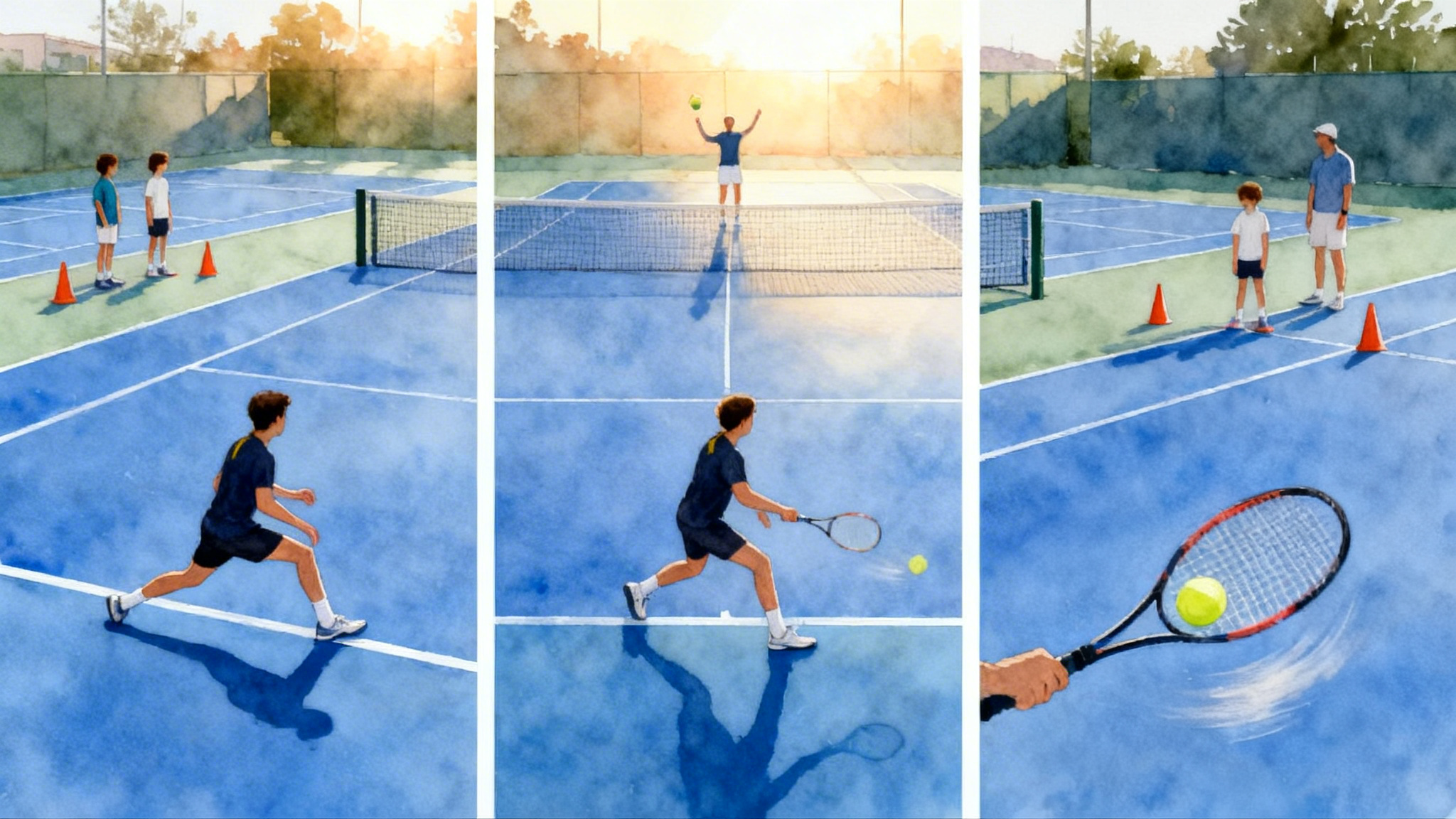
Why the return decides more matches than you think
A great serve gets the headlines. A great return wins you the quiet points that tilt a set. The return of serve is the only tennis shot that always starts in the same situation. You know the ball is coming from across the net, you know the server has two attempts, and you control your preparation window. That makes it a coachable, repeatable, and trackable skill for every age group.
This article gives you a three week, level based system that blends technique, fitness, and game application. You will learn how to read, how to react, and how to make clean contact under pressure. We include junior, parent guided, and adult progressions with printable practice plans, plus an optional on court lab in Spicewood that converts drills into match ready reps. By the end of three weeks you will know how to aim your returns, when to use patterns against first and second serves, and how to measure hold and break percentages so you can see real movement in your rating.
The core framework: Read, React, Contact
The best returners do three things well and they do them in order.
- Read: pick up the ball early and extract simple clues. Watch the server’s toss height and position, racquet path, and shoulder turn. Expect two main directions, not four. Start with a bias to your backhand unless you have a clear forehand read.
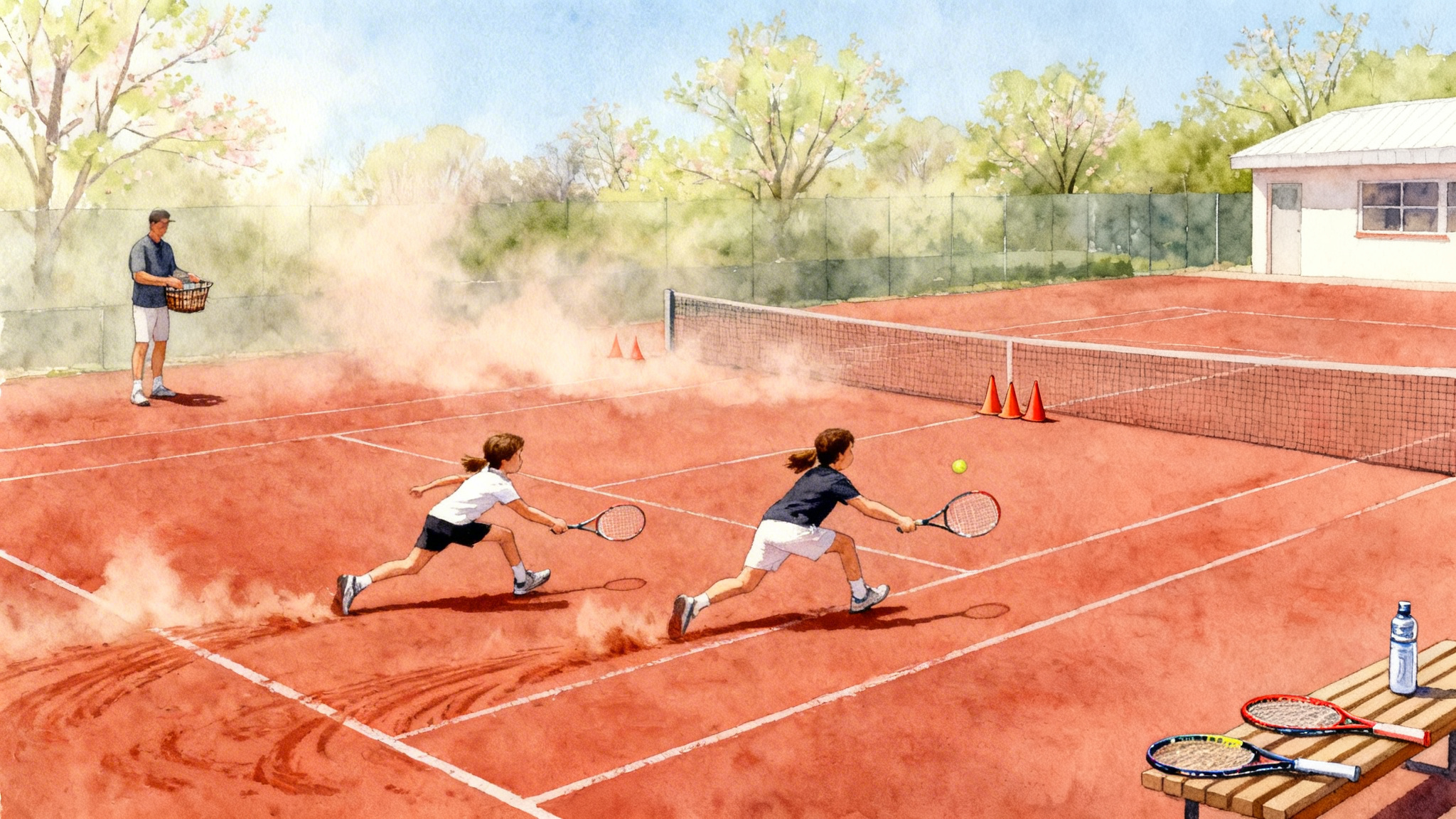
- React: move with a small hop into a split step timed to the server’s hit, then organize feet with one efficient adjustment step. Let the ball come to you. Your goal is to arrive balanced and on time, not to chase.
- Contact: make a short, calm swing. Unit turn, set the racquet, and let the serve’s speed do the work. Imagine you are bunting a fast pitch down the line. You are not building a rally forehand. You are sending a fast ball back faster with simple geometry.
Keep these three words in your head during practice. They are your checklist before every return.
The 3 week, level based system at a glance
- Week 1: Foundations. Learn to time the split step, make a compact unit turn, and find a contact point you can repeat. All drills are blocked and predictable.
- Week 2: Speed and simplicity. Add live pace and random direction while keeping the swing path short. Introduce low amplitude plyometrics and deceleration to protect joints while you gain reactivity.
- Week 3: Decision and pressure. Play patterns against first and second serves, add targets and scoring, and track hold and break numbers. You will feel match stress in rehearsed situations.
Each week has three levels so different players can enter at an appropriate starting point.
- Level 1: New or returning to tennis. Also good for red, orange, and green ball juniors.
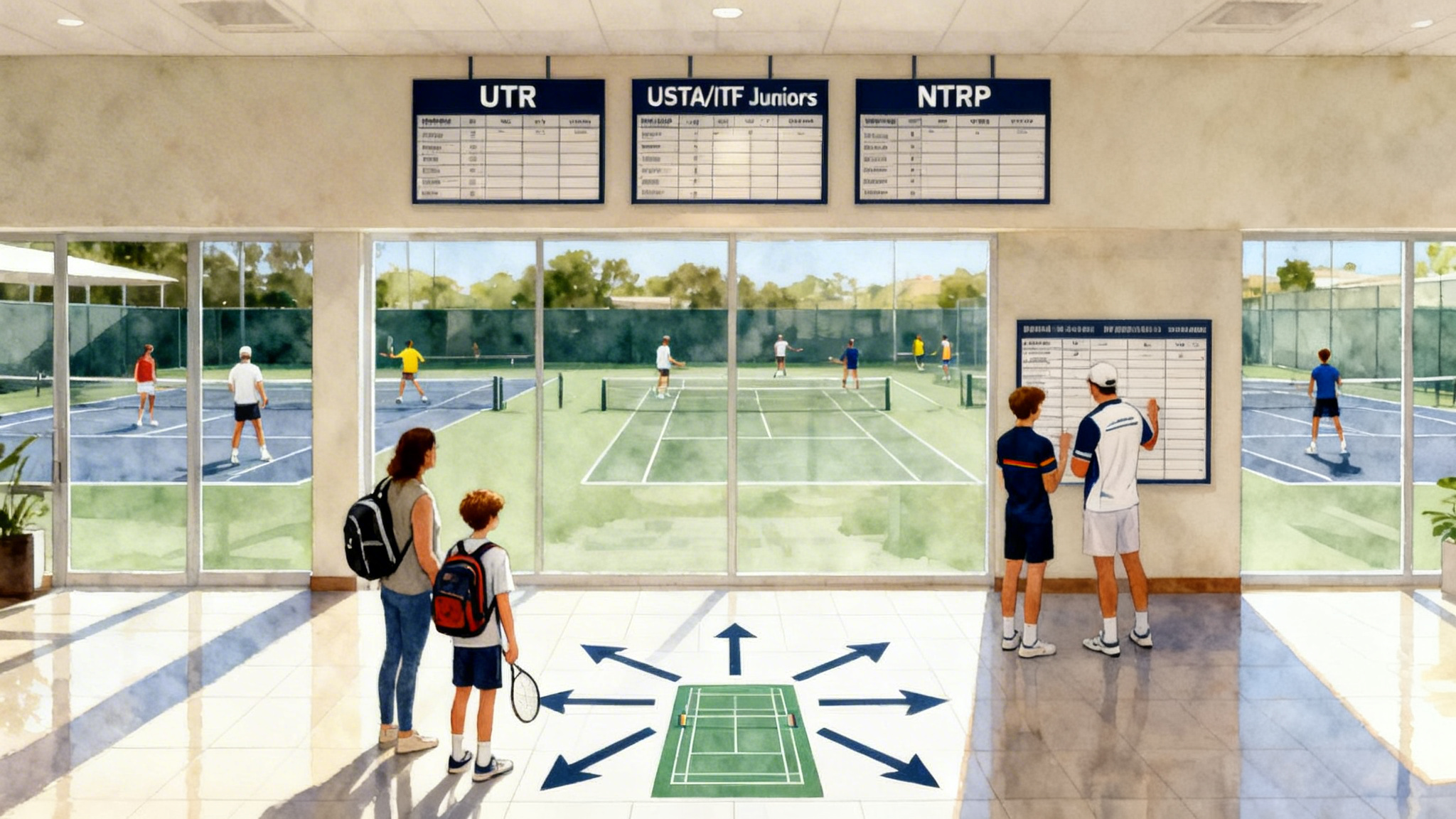
- Level 2: Club competitors, National Tennis Rating Program 3.0 to 4.0, and high school varsity.
- Level 3: National Tennis Rating Program 4.5 plus, college bound juniors, and tournament adults.
Technique that travels from practice court to match court
Three mechanics move the needle fast.
- Split step timing: think lift, land, launch. Lift as the server starts the racquet drop, land as the racquet meets the ball, launch into your first step as the ball leaves the strings. If you land after the hit you will always be late.
- Unit turn: rotate shoulders as one piece, set the racquet with the strings facing the net, and keep the non hitting hand on the throat longer than you think. That hand is your steering wheel.
- Compact swing path: picture a pocket swing no longer than the width of your hips. Your racquet travels back six to ten inches, forward through the ball, and finishes no higher than the chin. Compact beats pretty on returns.
If you struggle with high pace, try a choked up grip for a session. Move your hand a finger width higher. Shorter lever, shorter time to contact, easier control.
Fitness inside the tennis: move fast, land soft, stop on balance
We use low amplitude plyometrics that fit into live return reps. The goal is to train the stretch shorten cycle and stopping control without trashing your legs.
- Reactive footwork: two to three fast in place steps into the split step. Think of dribbling your feet lightly like a basketball.
- Low amplitude plyometrics: pogo hops, lateral line hops, and low hurdle shuffles. Ground contacts stay under 30 per block. Quality beats volume.
- Deceleration and landing: stick the first step after contact, especially on wide returns. Quiet landings tell you your joints are absorbing force well. Loud landings mean scale back.
Apply a simple rule. If you cannot hold still for one count after the return, your movement was not under control. If you want a baseline for movement quality, run the quick checks inside our at-home fitness tests.
Target zones and simple patterns
Start with three targets that work against almost every server.
- Deep middle: safest height and longest court. Perfect against big first serves.
- Crosscourt to server’s backhand: makes the next ball uncomfortable and buys time.
- Short angle chip: steals the net on second serves and forces a sprint.
Two patterns are enough for three weeks.
- Against first serves: deep middle on both wings. If the server is right handed and loves the wide serve in the deuce court, shift your starting position a half step wider and send the ball back deep middle again. Take away their favorite.
- Against second serves: commit to forehand body or backhand chip short angle. Pre decide during the toss. A clear plan beats a reactive guess.
Week 1: Foundations and confidence
Session structure for all levels: 10 minutes warm up, 20 minutes blocked drilling, 10 minutes fitness inserts, 15 minutes guided live feeds, 5 minutes cool down.
-
Level 1
- Shadow returns: 3 sets of 10 on each wing. Check lift, land, launch rhythm.
- Partner toss and catch: partner stands at service line and tosses to your forehand and backhand. You catch with the racquet. Aim to land your split step as the toss leaves the hand.
- Short court bump: stand on the service line and bunt balls back to the opposite service line. Focus on compact swing and clean contact.
- Fitness insert: 2 sets of 10 pogo hops, 2 sets of 5 stick landings per side. Rest 60 seconds between sets.
-
Level 2
- Feed and freeze: coach or partner stands on a chair and hand feeds from baseline height. Hit returns then freeze the finish for one count. Alternate wings.
- Serve cooperatives: partner hits medium serves to deuce side only. You call Read, React, or Contact out loud depending on the moment you are in. Five balls, then switch.
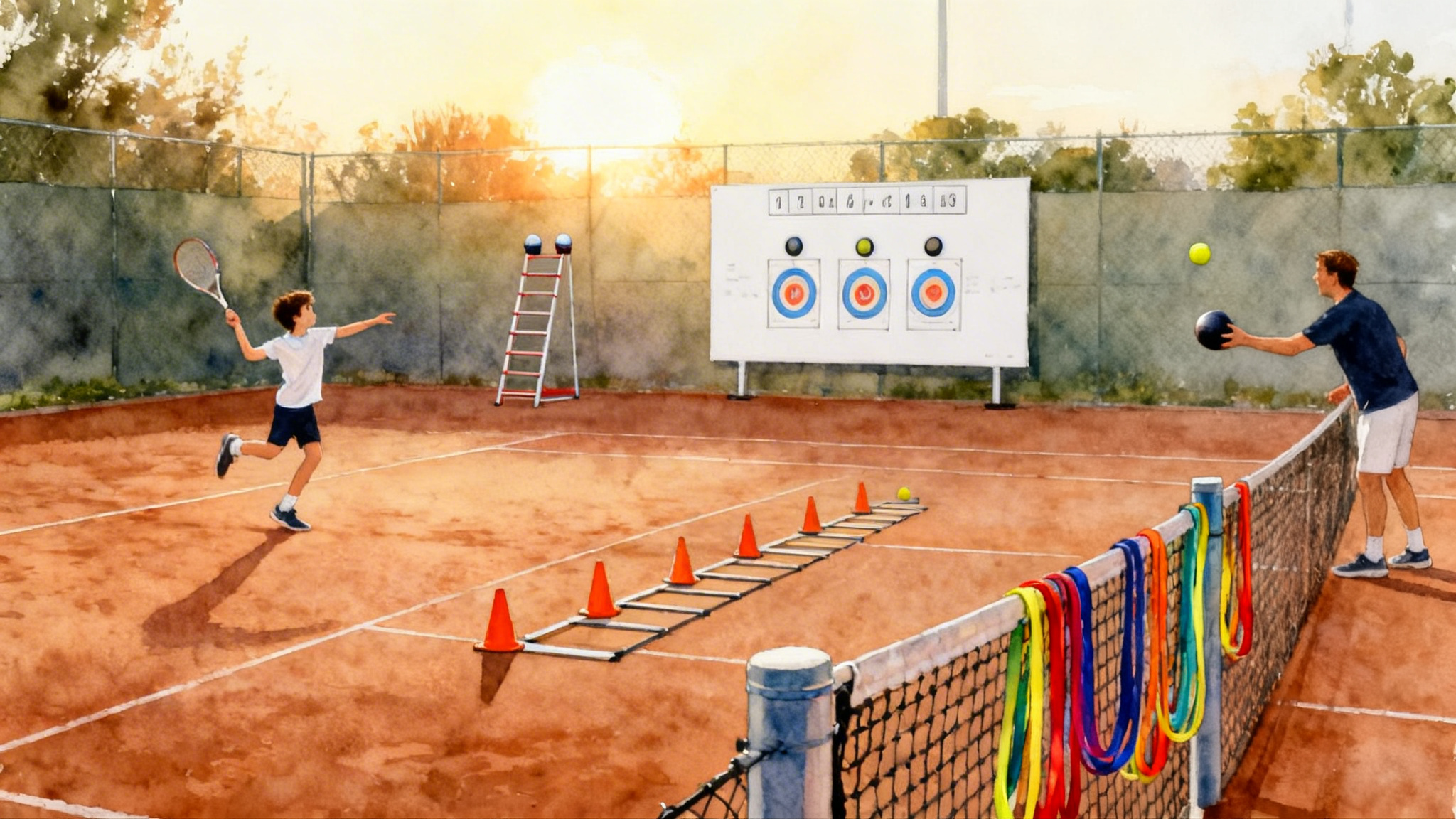
- Target ladder: place cones at deep middle and crosscourt backhand. Score 1 for deep middle, 2 for crosscourt backhand. First to 11.
- Fitness insert: lateral line hops 3 by 10 seconds, then stick the landing.
-
Level 3
- Pace tolerance: partner hits first serves at 70 to 80 percent. You aim only deep middle. Track make percentage in sets of 10.
- Backhand body defense: start with backhand grip and racquet above the ball. Partner serves body. Your only goal is center contact and depth.
- Contact speed drill: have a friend call Go at random during toss. You must be in the air for your split step as Go is called. This builds reactive timing.
- Fitness insert: low hurdle skims, 2 by 20 seconds, then deceleration sticks on the first step after contact.
Juniors and parent guided pairs can use foam or red balls to start. Adults should start with green or regular felt depending on comfort.
Week 2: Speed and simplicity
You will keep the same session structure and increase unpredictability.
-
Level 1
- Random toss: partner now tosses left or right at the last moment. You split and catch. Keep a calm head.
- Service line returns: partner serves from inside the baseline at half pace to quicken your read without full ball speed.
- Two target game: only deep middle and backhand crosscourt. First to 15 with a bonus point if you stick the landing after contact.
- Fitness insert: two by 15 seconds reactive foot fire followed by a single step stick.
-
Level 2
- Alternating courts: deuce then ad, random direction serves at 60 to 70 percent. Keep the same compact swing.
- Second serve attack: partner double faults if second serve lands short. You must step inside baseline and take short backswings. Track points won attacking short serves.
- Edge of the lane: set a cone one racquet length inside each singles line. Anything you return inside the two cones scores 2. Outside the cones scores 1. Net or long is 0.
- Fitness insert: lateral bounds, 2 by 6 each side, focus on soft landings.
-
Level 3
- Late read challenge: partner hides direction by delaying shoulder turn. Your job is to stay neutral longer, then make one crisp adjustment step. Track clean contacts.
- Jam busting: start from neutral. Partner serves into your hip pocket. Use a block return with a short finish. No more than eight reps per set.
- Return plus one: after your return, play out one neutral ball only. You win the point by neutralizing and holding the middle. This prevents overhitting.
- Fitness insert: mini depth jumps from a 6 inch step, 2 by 6, then one step deceleration stick.
Week 3: Decision and pressure
We will now simulate match stress and measure.
-
Level 1
- Serve predictability game: partner must hit two serves to the same side before changing. You call it early and aim deep middle. Keep score to 21.
- Second serve commitment: every second serve you must step in. If you retreat you lose 1 point even if you make the ball. Teaches courage with structure.
-
Level 2
- Pattern pockets: place three cone targets. Deep middle, backhand crosscourt, and short angle. On first serves you can only use deep middle. On second serves you must select short angle or crosscourt and say it before the toss.
- Pressure ladders: you need two consecutive return makes to move up a ladder of targets. Miss and you go down. Builds resilience.
-
Level 3
- Scored return games: play a best of seven tiebreak where you return every point and start each return point at 15 love down. The server has the edge. Your job is to earn even.
- Break or bust: you get two return games to break. If you fail, you perform a short conditioning block. Stakes sharpen focus. Keep it positive and brief.
Age specific tracks
Juniors
- Keep language simple. Read means eyes on toss. React means hop and first step. Contact means short finish.
- Use red or orange balls for the first six sessions, then green balls. Shorten court if needed to keep contact clean.
- Scoring that rewards bravery on second serves keeps juniors from blocking without intent. Give bonus points for stepping in.
Parent guided pairs
- Use a cone to mark the landing spot for the split step. Reset there every rep so the child sees consistency.
- Toss from the service line, then progress to soft serves. Keep the child in ready position between reps.
- End every session with three shadow returns where the child says Read, React, Contact out loud. It locks the habit.
Adults
- Place two grips of lead tape under the throat for a session if your racquet feels unstable. Added swing weight can calm the return. Remove it if your shoulder complains.
- If you slice the backhand return, rehearse a continental grip with a vertical face, then feel the edge of the racquet lead through the ball. Your cue is smooth and down the line of flight.
- Late on forehands often comes from a big loop. Practice the pocket swing with the racquet head never dropping behind your hip.
Printable practice plans
Want the on-court worksheets, diagrams, and logs in one file? Download the 3-week practice plans bundle and print the set.
Optional on court lab in Spicewood
Turn drills into pressure tested reps in a live setting. Our 90 minute Return Lab runs with six players per court. You rotate through three stations.
- Station 1: Read and React. Live serves at varied speeds with a focus on split step timing and first adjustment step. You will practice the lift, land, launch sequence.
- Station 2: Contact and Targets. Two target lanes and a depth box. You will hit measured sets of 10 and log make percentage by wing.
- Station 3: Patterns and Pressure. First serve pattern to deep middle, second serve commitment pattern, and a tiebreaker where you return every point.
To join an upcoming session or ask about dates, contact Legend Tennis Academy in Spicewood.
How to measure progress you can trust
Two numbers tell the story.
- Hold percentage: service games won divided by service games played times one hundred. You are not serving in this program, but a stronger return improves your next service game by shaping patterns and momentum.
- Break percentage: return games won divided by return games played times one hundred. Track this weekly.
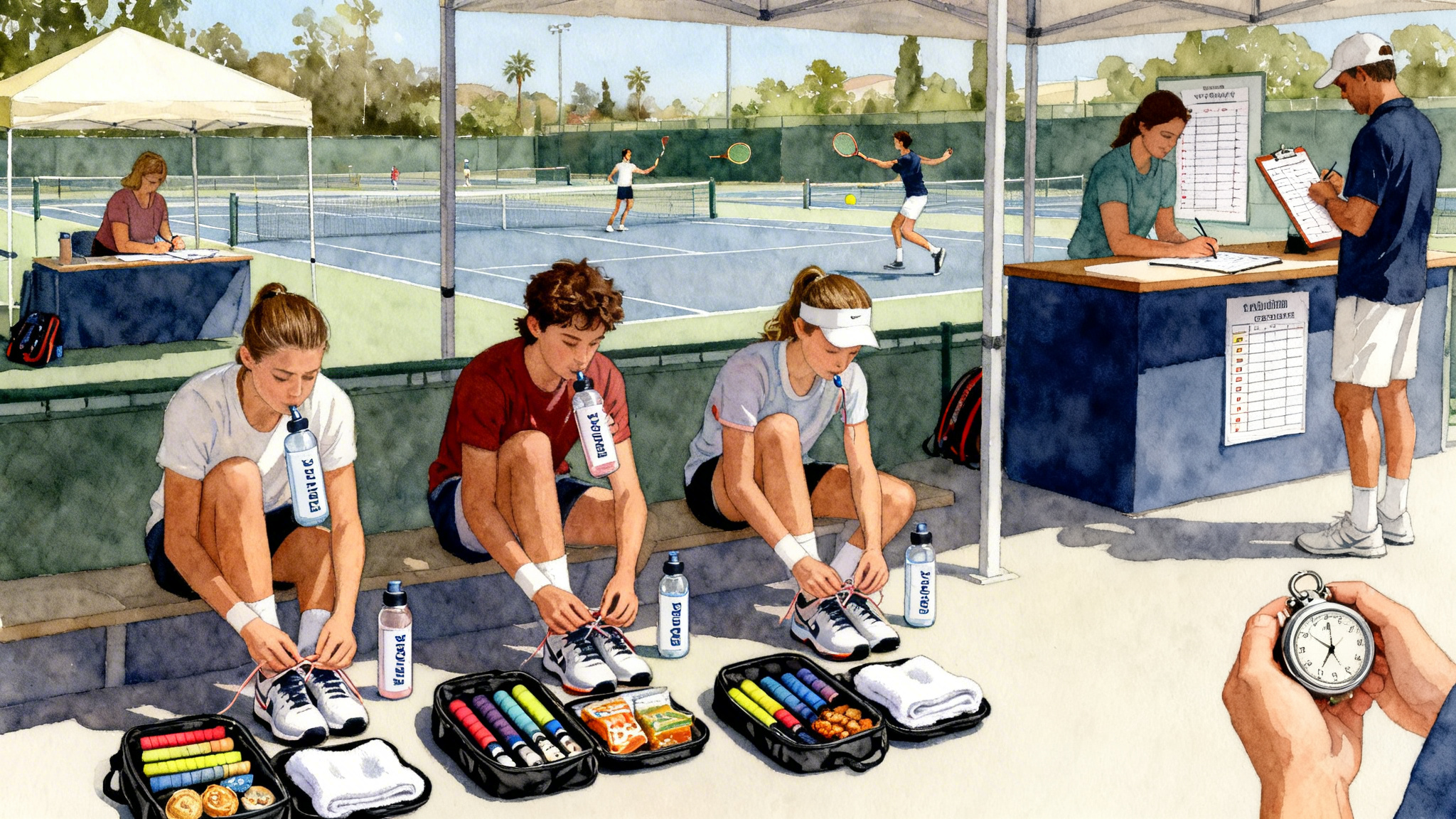
Use a simple match log. Write down total return games, breaks, and notes about which target worked best. If you track ratings, Universal Tennis Rating and National Tennis Rating Program both move slowly, but you should see more return games extended and more short points won by week three. For match day routines that support consistent numbers, see our tournament day blueprint.
Troubleshooting the common return misses
- Late every time: start your split step earlier. Land as the server hits, not after. Shorten your backswing by half for a week.
- Floating long: soften your grip to a 4 out of 10 at contact. Aim deep middle with a lower net clearance. Compact swing only.
- Framed contacts: lock eyes on the ball until you hear it on the strings. Most players look up a fraction early. Say hit in your head at contact.
- Jammed at the body: start a half step farther back and bias your grip toward backhand. The backhand blocks body serves better.
- Second serve attack errors: step in but swing short. Think send not spin. You can add shape later.
Equipment and court setup made simple
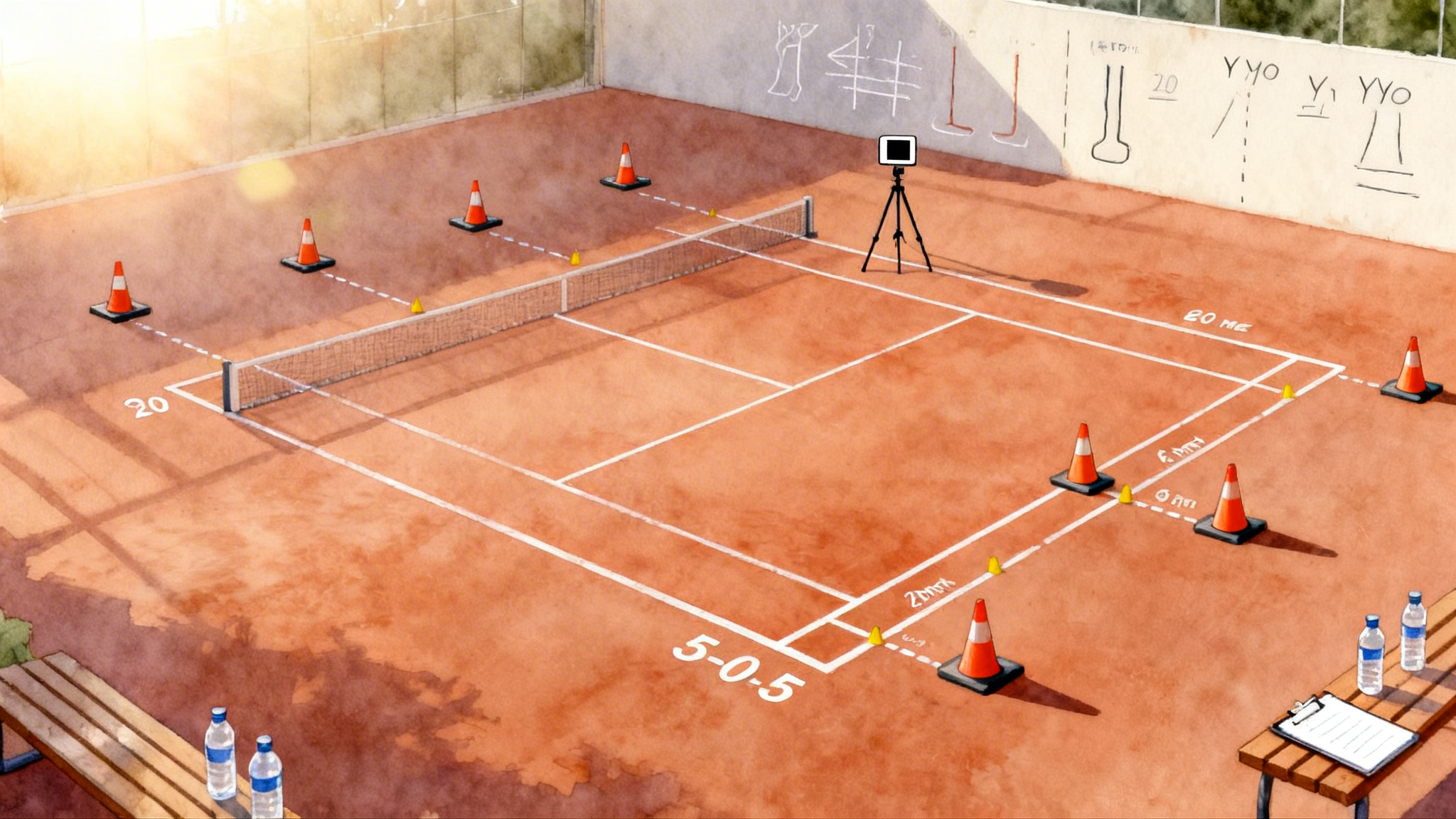
- 6 to 8 cones for targets.
- Painter’s tape for a depth box three feet inside the baseline.
- Two mini hurdles or a rope for low hops.
- A camera or phone tripod for quick angle checks.
- A friend or coach who likes to serve.
If you have a ball machine, set oscillation to random and speed to a level that mimics a firm second serve. If not, partner serving is better because you get the read from the toss and shoulder turn.
Sample 30 minute micro session you can repeat
- Warm up: 4 minutes mini tennis, 1 minute shadow returns.
- Blocked returns: 3 by 6 to the backhand, 3 by 6 to the forehand. Freeze finish.
- Fitness insert: 2 by 15 seconds foot fire into a split step, then stick landings.
- Random returns: 4 by 6 random serves at 60 percent. Score to target lanes.
- Pressure finisher: tiebreak to 7 where you start 0 to 2 behind in points.
- Notes: mark your best target for the day and one feel cue for the next session.
What success feels like by the end of week three
- Your split step happens without thought. You feel on time instead of rushed.
- You see the toss and shoulder and get an early read more often.
- Your contact is cleaner, and the ball leaves without drama. You stop trying to hit a winner unless the serve is weak.
- Your partner notices more deep middle returns that start neutral rallies on your terms.
- Your match log shows a higher break percentage and longer return points won with short patterns.
Closing thought
Anyone can learn to read sooner, react cleaner, and make calmer contact. Start with a small hop and a small swing. Trust your targets. Use structure to make bravery feel normal. Give the return three focused weeks and it will quietly become the shot that saves your service games and steals your opponent’s.