Smart 2026 Tennis Calendars for Juniors, College, Adults
Build a 2026 tennis season that wins without burnout. Use our step by step planner to combine fitness periodization, technique blocks, and match play. Choose the right USTA, ITF, and UTR events, set ratios, and recover well.
 Tommy
Tommy
Why scheduling smarter prevents burnout in 2026
Tennis has more opportunities than ever, which is both a gift and a trap. Players scroll through tournament calendars, sign up for everything that looks good, then wonder why forehands flatten out in June and motivation dips in August. A smart calendar protects energy, turns training into measurable gains, and gives match play the best chance to reflect true ability. The key is planning the year as a sequence of focused blocks rather than a string of random weekends.
Below is a practical, step by step guide to build a 2026 season that balances fitness, technique, and competition. You will find sample calendars for four profiles, recovery standards you can apply immediately, clear red flag thresholds, and a worksheet you can review with your coach. Choose what fits, edit what does not, and make the plan serve your goals and your life.
Step by step season planner
Step 1: Audit your 2025 to set the 2026 baseline
- Write down the number of matches played, weeks missed for injury or illness, and the three tournaments where you felt your best. Note when school exams or work deadlines hit.
- Circle two weaknesses exposed repeatedly in matches. Those will become early season technique themes.
- Record average weekly training hours in three buckets: fitness, on court drills, and live points or practice sets.
Step 2: Define the primary 2026 goal by player type
- Under 12 and Under 16: skill development is the goal. Championships are welcome outcomes, not the plan itself.
- High school player aiming at college: build a strong match record at events that college coaches actually scan, and peak during showcase windows.
- Adult league player: improve rating and win local playoffs while staying healthy for family and work.
Write the goal in one sentence. Example: “Finish top 25 in section at United States Tennis Association Level 4 events by October.” Keep it concrete.
Step 3: Choose tournaments by goal and travel radius
Use events that match your level and your resources.
- United States Tennis Association junior events are organized by levels, which affect ranking points and typical draw strength. Read the current structure on the USTA junior tournaments overview and select events that are competitive but winnable.
- International Tennis Federation junior events can help stronger teens who need international points and experience, but they require more travel and recovery.
- Universal Tennis Rating events are flexible for match volume and can be placed in training blocks to test progress without heavy travel.
Set a realistic travel radius by month. For exam periods or busy work weeks, keep events within a 60 to 90 minute drive. For summer peaks, you might accept one higher travel event if it advances your goal.
Step 4: Set training to competition ratios
Think in four week blocks. Ratios vary by age, experience, and time of year, but here are starting points:
- Under 12: three training weeks to one competition week during most of the year. Two to one during summer.
- Under 16: two training weeks to one competition week during most of the year. One to one during targeted peak windows.
- High school college aspiring: two to one in the build phase, one to one from late spring to early fall, then back to two to one in post season development.
- Adult league: one to one microcycles during league season, two to one in off season.
A training week includes technique, fitness, and controlled practice sets. A competition week includes a tournament or two match play days and a sharp taper.
Step 5: Build technique, fitness, and recovery into each block
Use a simple periodization pattern so every four weeks has a rhythm:
- Week 1, Load: strength emphasis, ball control and footwork fundamentals, limited match play.
- Week 2, Specific: speed and change of direction, serve and return patterns, live points.
- Week 3, Sharpen: mobility and elastic work, pattern combinations, two match play days.
- Week 4, Compete or Deload: tournament or controlled deload, with extra mobility and sleep.
Fitness buckets and examples:
- Strength: split squats, trap bar deadlifts, resisted rotations, two sessions per week in load weeks.
- Speed: three to five second first step sprints, lateral shuffles to drop steps, once or twice per week.
- Mobility: hips and thoracic spine sequences after practice, short daily routines.
Technique blocks and examples:
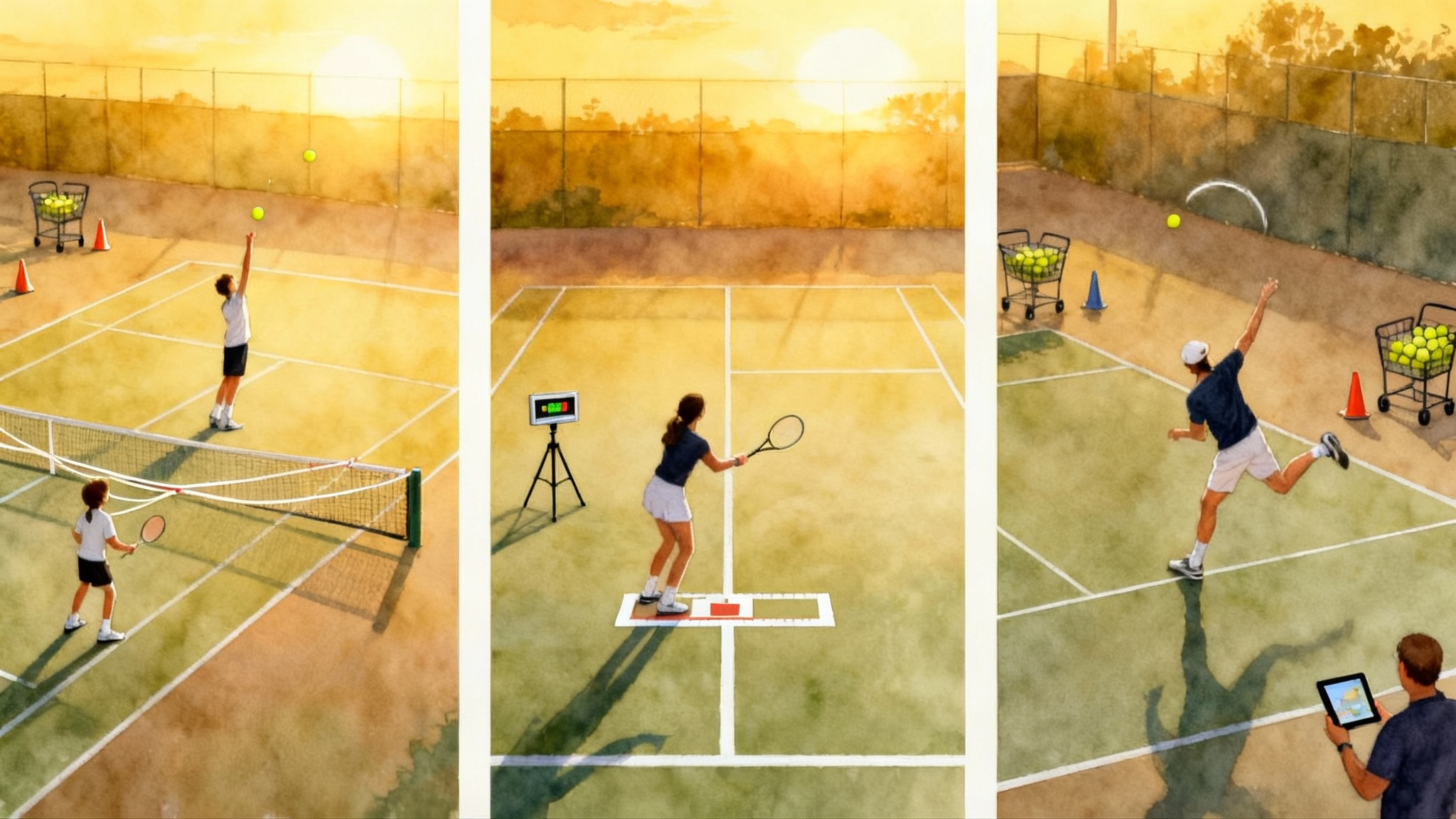
- Serve month: 150 to 200 quality serves per week across two or three sessions, targets and second serve variety. For detail and safe progressions, see the Serve Development 2026 guide.
- Backhand month: crosscourt depth drill, line change, then defend to attack live points.
- Transition month: short ball approach, split step timing at service line, first volley depth. For footwork timing cues, use the Split-Step Timing 2026 blueprint.
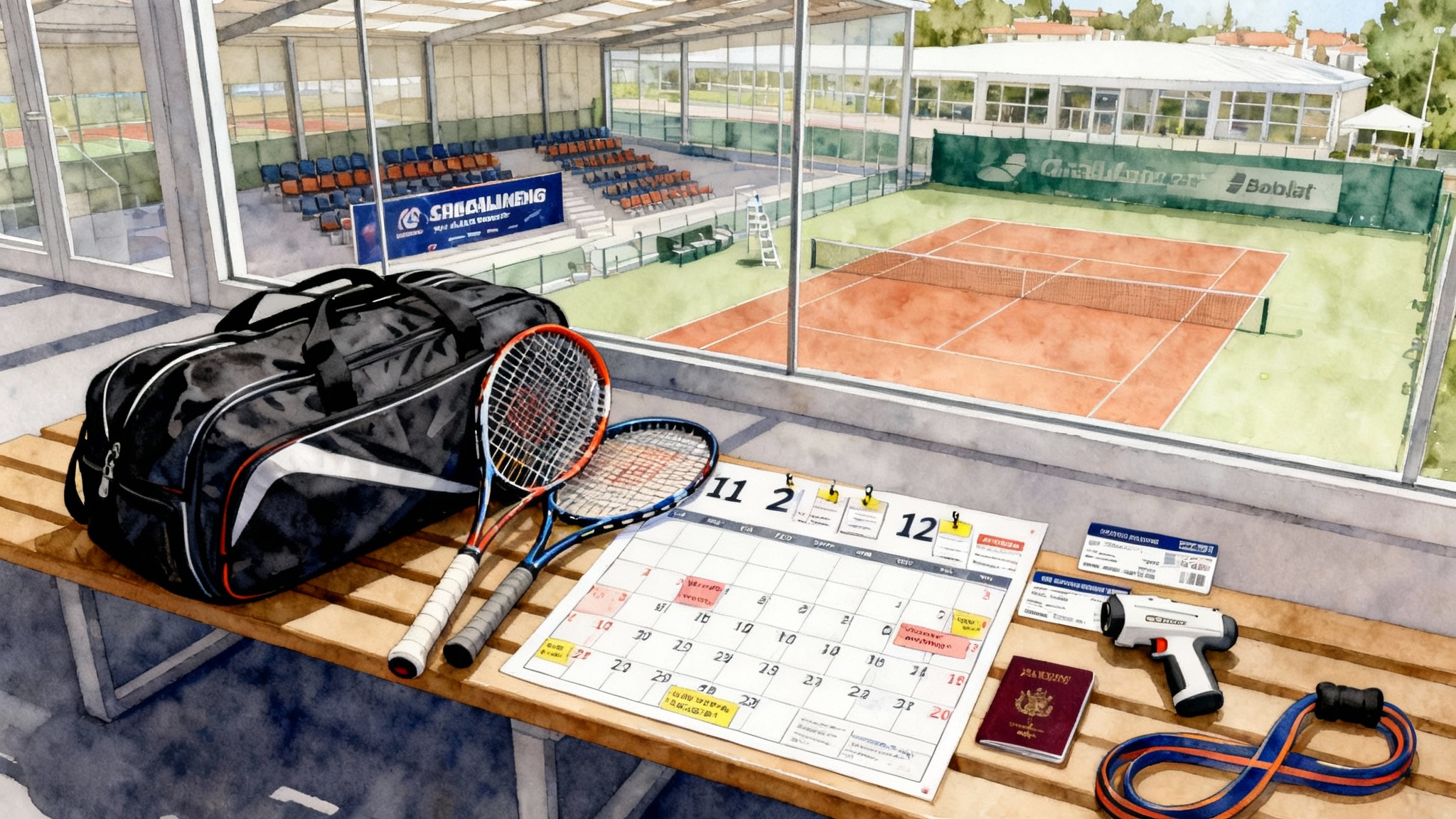
Step 6: Lock logistics with a real calendar
Place school exams, family travel, and work deadlines first. Add the training blocks. Then choose tournaments that fit the planned competition weeks. If a bucket overflows, cut, do not cram.
Step 7: Review monthly and after each competition
Add simple metrics: match count, sets won, serve percentage, body mass change from hydration checks, sleep hours. Update the plan each month based on those facts, not on hunches.
How to pick USTA, ITF, and UTR events without guesswork
- United States Tennis Association: pick the lowest level where you can make the second round most of the time. Bump up a level after two events where you win at least two main draw matches or one main draw win and a strong back draw.
- International Tennis Federation: conserve travel. Select a two event swing within a single trip, with three to four training days in between. If you cannot schedule that, wait.
- Universal Tennis Rating: place UTR events inside training blocks to pressure test new skills. Choose draws with four or more matches guaranteed.
When in doubt, match event level to your recent match performance, not to your highest day in practice.
Recovery standards that go on the calendar
Recovery is not a wish list. Treat it like practice.
- Sleep: aim for recommended ranges for your age group. Read the recommended sleep durations and schedule bedtimes that meet your number most nights.
- Hydration: start sessions well hydrated, check light colored urine, and weigh before and after the longest practice of the week. Replace each kilogram lost with about 1.5 liters of fluids over the next four hours, along with electrolytes from sports drinks or salty food.
- Heat readiness: build a 10 to 14 day acclimation if you have a hot weather event, start with shorter sessions, add shade and iced towels, and schedule extra water breaks. If the day is unusually hot and humid, shift the session earlier or later when possible.
- Travel recovery: before flights, schedule a full body mobility session and a brisk 20 minute walk on arrival. Keep the first practice light with extra serves, overheads, and movement patterns rather than grinding rallies.
Red flag workload thresholds
Use these to know when to pause, not push.
- Any player: two weeks in a row with fewer than six hours of sleep per night for three or more nights each week.
- Under 12: more than three tournament weekends in a row or more than 16 sets in 14 days.
- Under 16: more than four consecutive tournament weekends or more than 22 sets in 14 days without a deload.
- High school college aspiring: more than 12 competitive matches in a 21 day window or more than three trips across time zones in six weeks.
- Adult league: new joint pain that lasts more than 48 hours after matches, or more than four match days in a seven day window while working full time.
If a red flag triggers, take a deload week. Reduce total volume by 40 to 50 percent, keep movement quality high, and protect sleep.
Four sample 2026 calendars
These outlines show how the pieces fit. Adjust dates to local school terms and league schedules. Training days assume two to three on court sessions plus two gym sessions in training weeks, with lighter work during competition weeks.
Under 12 sample calendar
- January to February: three training weeks to one competition week pattern. Technique focus on serve and forehand shape. One local USTA Level 6 event each month within 60 minutes.
- March: training block with speed and footwork emphasis, two UTR match days near the end of the month.
- April: one USTA Level 5 event if results support it. Keep travel short.
- May: deload week, then a training block with transition play.
- June to July: summer two to one ratio. Two tournaments total, one Level 6 and one Level 5. Add swim days for heat relief.
- August: light training around vacation or camp, one UTR event with guaranteed matches.
- September to October: back to school three to one ratio. Technique focus on backhand and return. One tournament each month.
- November: short training block, then family time.
- December: fun skills month. Target practice, doubles patterns, and one in house match day.
Metrics to track: total sets per month under 20, sleep average at or above nine hours, zero consecutive tournament months.
Under 16 sample calendar
- January: two training weeks, then a USTA Level 5 or strong UTR event. Fitness emphasis on strength base and mobility.
- February: two tournaments if local and on back to back weekends, otherwise one tournament and a mini block. Technique focus on first serve percentage and inside forehand.
- March to April: two to one ratio. Add one ITF event only if within a reasonable drive or paired with a second event in the same region.
- May: deload, then a three week sharpen block with practice sets and specific fitness tests like timed shuttles.
- June to July: one to one ratio in summer. Two higher level events, Level 4 or ITF if appropriate, separated by at least ten days.
- August: travel light, one UTR event, strength reset with unilateral work.
- September to October: two to one ratio. One tournament each month, focus on school balance.
- November: short block to address the biggest gap from the season, then one fun doubles event.
- December: testing week, then rest days with light movement.
Metrics to track: no more than 24 sets in any 14 day period, none of the last three tournaments without at least one day off before and after, and weekly mobility sessions logged.
High school, college aspiring sample calendar
- January: build phase. Two to one ratio. Strength and aerobic capacity. Two UTR events for match volume, zero heavy travel.
- February: first USTA Level 4 or Level 3 that aligns with the goal. Insert a taper and protect sleep.
- March: two training weeks then one college showcase or a higher level sectional event. Film two matches.
- April: one to one ratio begins. Serve and return month. One UTR event as a tune up, then a Level 3 or ITF if appropriate.
- May: exams and prom season. Keep travel radius under 90 minutes. One tournament only.
- June to July: peak window. One to one ratio. Choose two or three events that college coaches tend to watch in your region. Split the travel into two trips at most and place a rest week between them.
- August: deload and skill tune. Light tournament schedule or none if school starts early.
- September to October: one to one or two to one based on school load. One key event each month plus a UTR for volume.
- November: short development block for a technical rebuild, backed by strength.
- December: rest, applications, and letters. Add doubles fun events.
Metrics to track: serve percentage, return points won, morning subjective energy, and weekly Rate of Perceived Exertion entries on a 1 to 10 scale. Pause if two weeks average at or above 7 while sleep falls below eight hours.
Adult USTA league sample calendar
- January to February: off season. Two to one ratio. Strength twice per week, singles and doubles patterns once each week, one practice set on weekends.
- March to May: league season. One to one microcycles. Early week light technique, midweek speed and mobility, weekend match. Insert a bye week every four weeks with only drilling and mobility.
- June: brief rebuild. Add one local flex league or UTR for singles volume if needed.
- July to August: heat smart schedule with earlier practice times, one match day per week, and more hydration checks.
- September to October: playoffs or fall league. Keep the one to one rhythm.
- November to December: maintenance. One match day every two weeks, joyful play, and strength twice per week.
Metrics to track: aches that last more than 48 hours, back to back match days, and step count trends. If work stress spikes, take the deload week.
The one page worksheet to print and take to a coach
Use this checklist once per month. Bring it to a meeting and make changes together.
- Goal sentence for 2026:
- Primary surfaces and travel radius by month:
- Technique block for the month:
- Fitness main focus this month: strength, speed, mobility, or recovery
- Planned tournament or match play days:
- Sleep target and average last month:
- Hydration check result on longest day: body mass change and plan
- Red flags seen: sets per 14 days, consecutive tournament weekends, pain notes
- Adjustments for next month: cut, add, or move
You can also start with our simple template inside the app. Use the season planning worksheet and share it with your coach.
How to adapt the plan when life happens
- If illness or injury strikes, reduce volume by half for at least one week after you feel normal. Use mobility and easy rallying first, then rebuild speed and strength.
- If form dips, keep the calendar but change the daily mix. Double your technical reps on the two biggest leaks and reduce match play for ten to fourteen days.
- If confidence is low, insert a guaranteed match format UTR event or schedule in house matches where you can work on the first four shots.
Optional planning consults in Austin
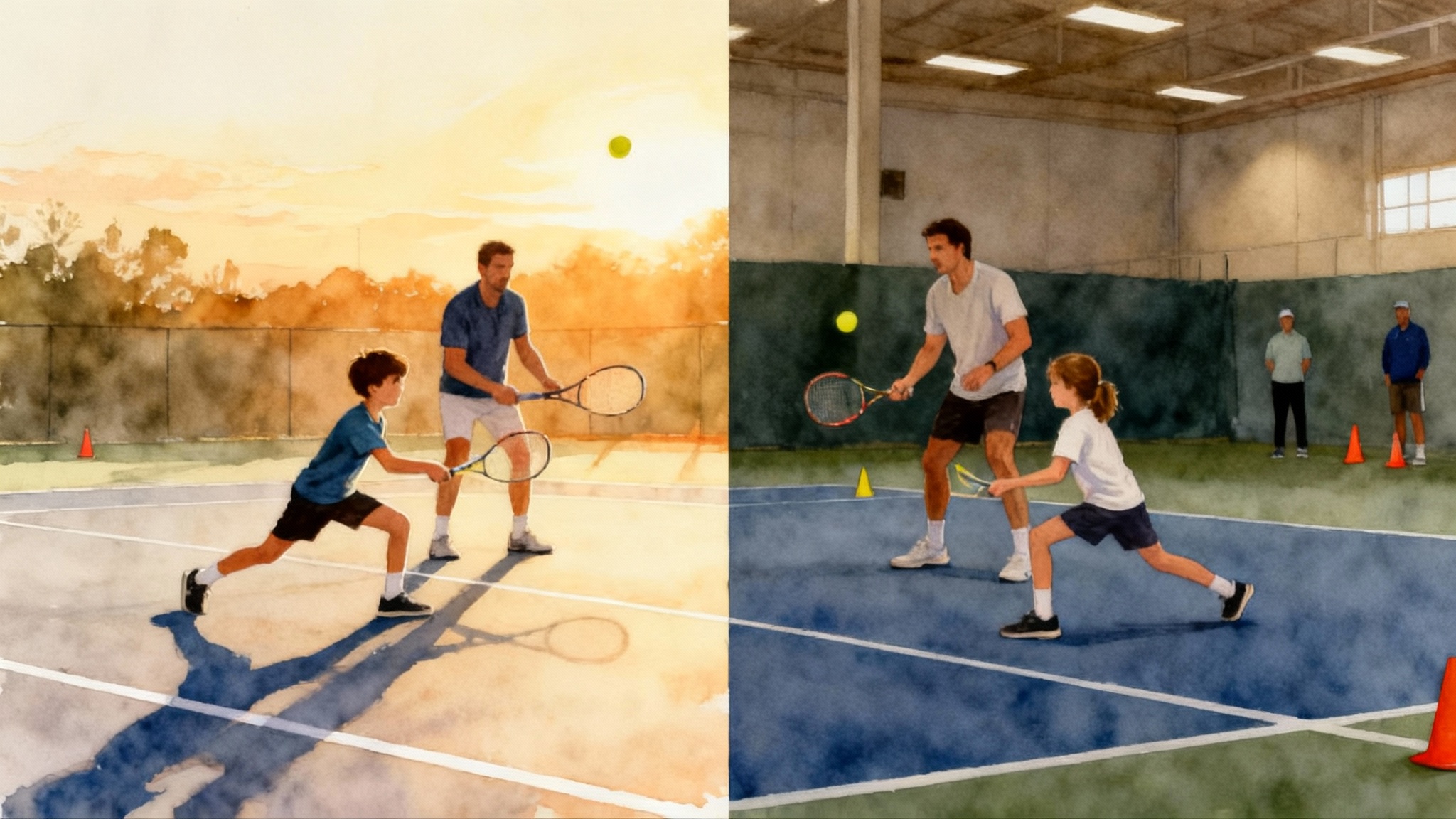
If you want a second set of eyes, book an optional planning session at Legend Tennis Academy in Austin. A coach will map your training to the calendar you already built, highlight red flags, and suggest two technical themes for your next block. Start with a short intake and leave with a calendar you believe in. You can request a slot on our Legend Tennis Academy planning consult.
Final thought
A great tennis year is not about doing more. It is about doing the right work at the right time, then protecting the recovery that makes that work count. Build your 2026 plan with a clear goal, honest ratios, and simple standards. When you do, matches in July and October will look like the player you trained to become, not the player who ran out of fuel.