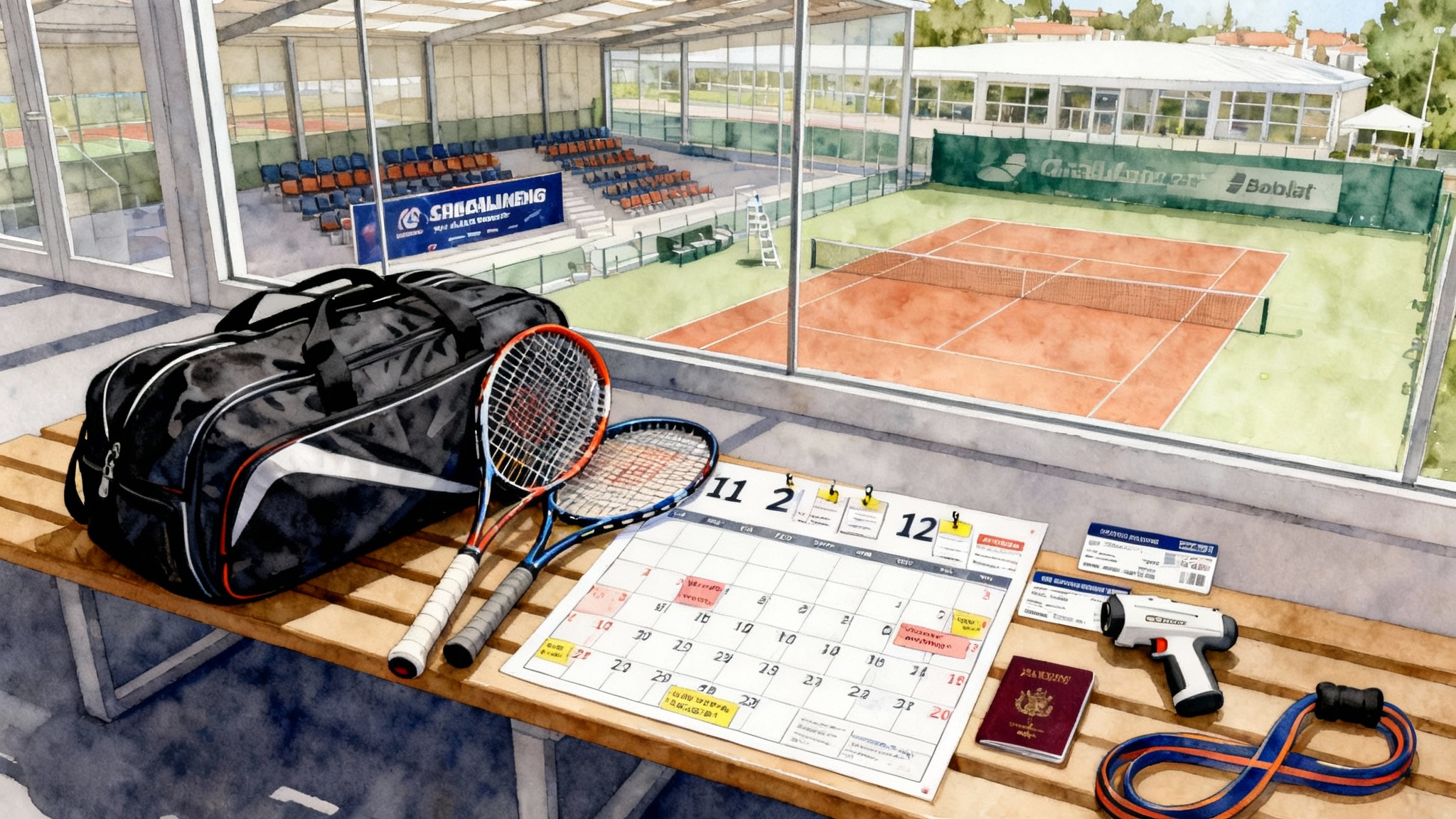
Tennis Tournament Fueling: Hydration, Nutrition, Cramp Control
A practical, science-backed guide to fuel tournament days in spring and summer 2026. Use heat index to set fluids and sodium, time your carbs, know when adults can use caffeine, stop cramps fast, and recover within 24 hours.
 Tommy
Tommy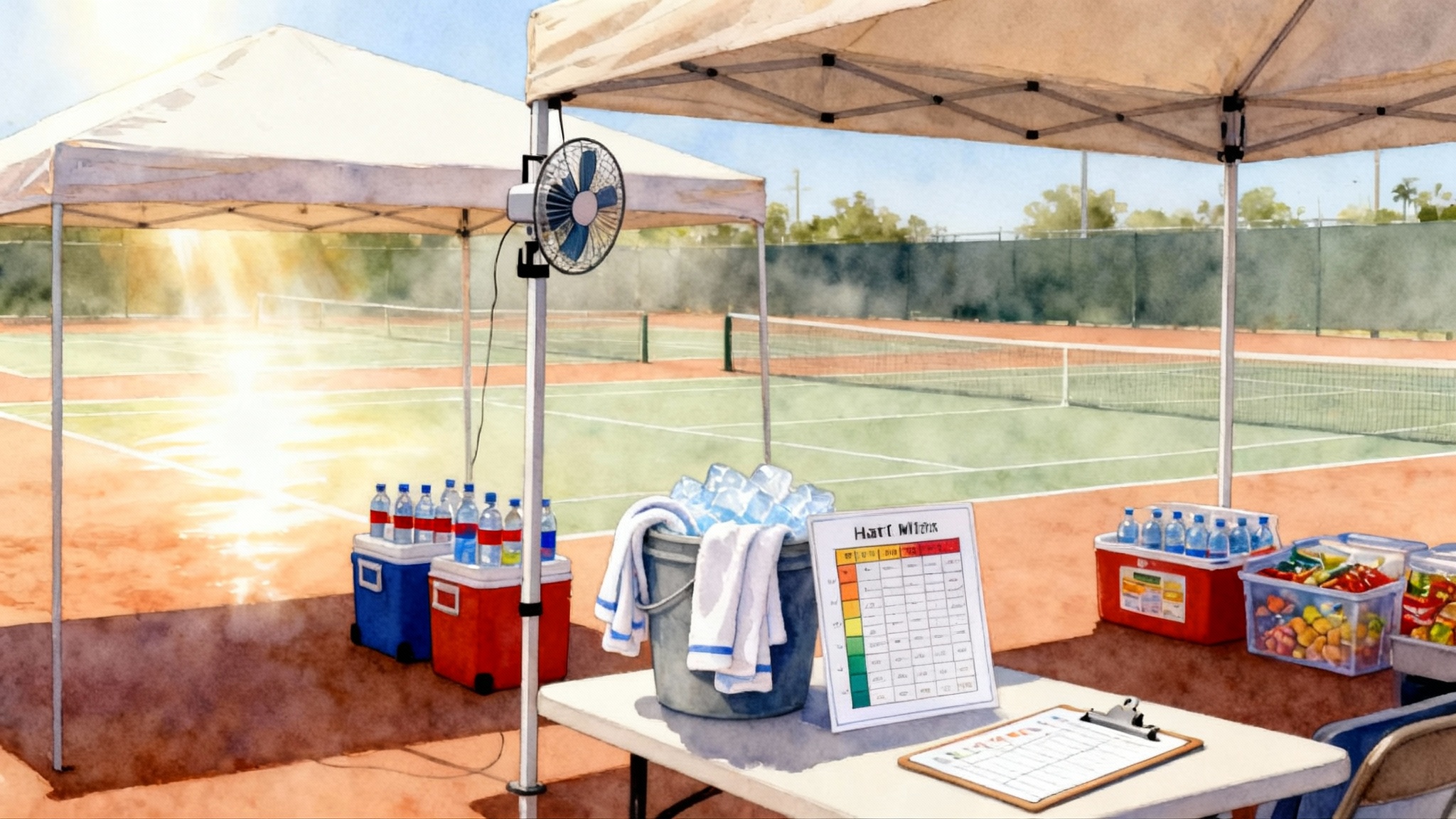
Why spring–summer tournament fueling is different
Heat, humidity, long waits between matches, and back-to-back play change what your body needs. Tennis in spring and summer asks you to balance three things at once: fluids to replace sweat, sodium to hold those fluids and support nerve function, and carbohydrate to keep your legs and brain sharp.
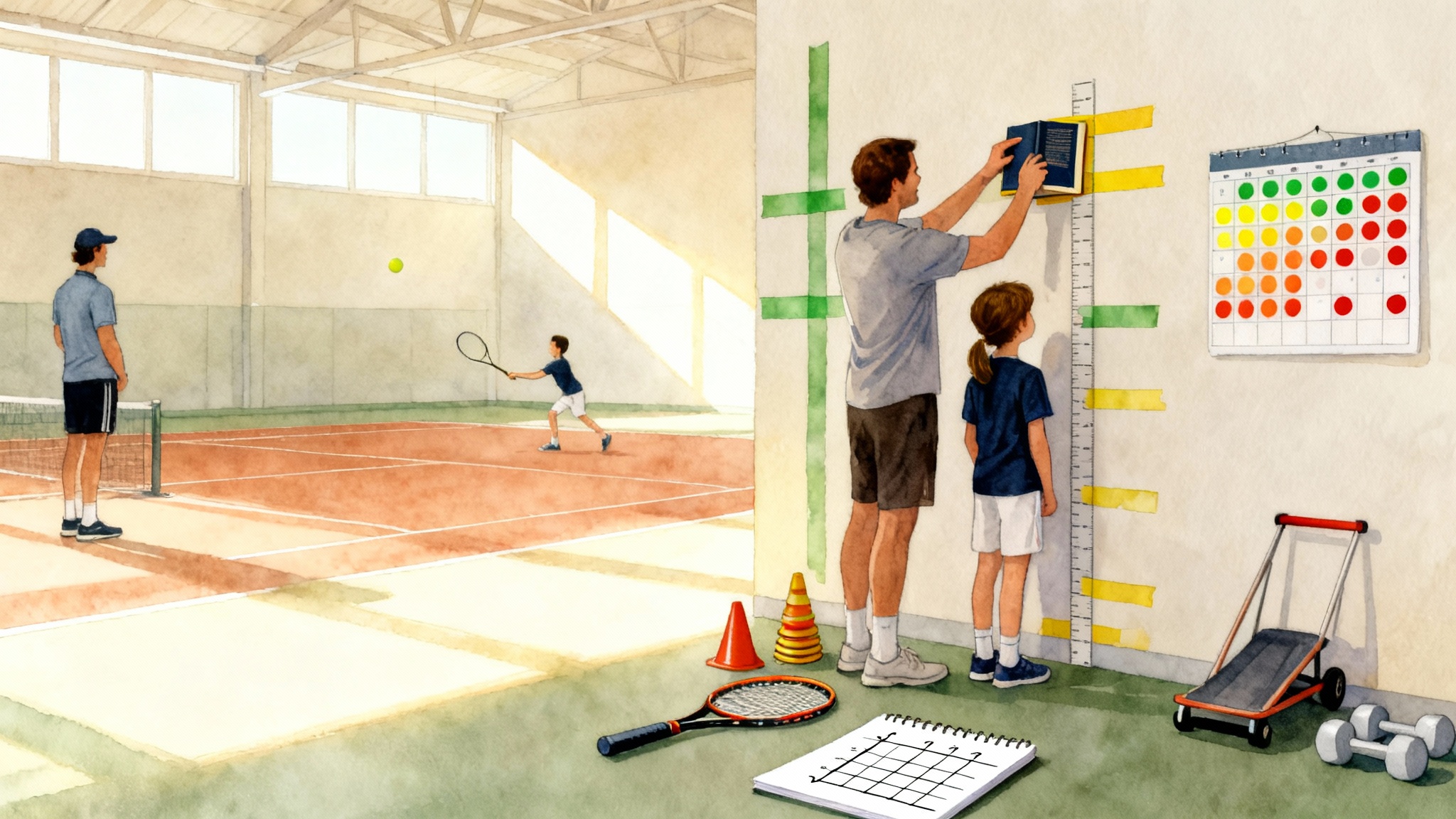
If you are moving outside for the first time this year, see our indoor-to-outdoor 3-week plan to ramp safely.
This guide turns those ideas into clear numbers you can use on tournament day, with specific plans for juniors, parents who pack the coolers, and adult players who might consider caffeine. You will also find a Texas-summer sidebar so families can copy a courtside hydration setup that works when the heat is unforgiving.
Start with the heat index
The heat index combines temperature and humidity to estimate how hot it feels. Plan your fueling to the heat index, not just the thermometer. See the National Weather Service heat index chart to identify your day’s risk level.
- Caution (about 80–90 Fahrenheit): Warm, manageable conditions
- Extreme Caution (about 90–103 Fahrenheit): Higher sweat rates, rising risk
- Danger (about 103–124 Fahrenheit): Fast fatigue, cramp risk climbs
- Extreme Danger (125 Fahrenheit and above): Very high risk, aggressive cooling and strict limits essential
Build smarter schedules and rest days with our 2026 tennis calendars guide.
Your tournament-day targets at a glance
Think in milliliters per kilogram of body mass so the same rules scale for a 40 kilogram junior and an 80 kilogram adult. Use a home scale the week before to learn your body weight.
-
Pre-match hydration
- 4 hours before first ball: 5–7 mL/kg of fluid. Example: 50 kg junior drinks 250–350 mL; 80 kg adult drinks 400–560 mL.
- If urine remains dark after 2 hours, add 2–3 mL/kg. Small, steady sips work better than chugging.
- 10–20 minutes before play: 200–300 mL of a drink with sodium.
-
During play (per hour), adjust to heat index
- Caution: 5–7 mL/kg fluid per hour; 300–500 mg sodium per hour; 30 g carbohydrate per hour.
- Extreme Caution: 7–10 mL/kg fluid per hour; 500–800 mg sodium per hour; 30–60 g carbohydrate per hour.
- Danger: 9–13 mL/kg fluid per hour; 800–1000 mg sodium per hour; 45–60 g carbohydrate per hour; use ice towels and shade every changeover.
- Extreme Danger: 10–15 mL/kg fluid per hour only with close monitoring; 900–1200 mg sodium per hour; 45–60 g carbohydrate per hour; consider rescheduling if allowed. If you feel dizzy, confused, or stop sweating, stop and seek medical help.
-
Between matches
- Replace 125–150 percent of fluid lost. A simple rule: 1 kilogram of body mass lost equals about 1 liter of fluid to drink over the next 2–4 hours. Add sodium so you retain what you drink.
-
Carbohydrate targets
- Under 60 minutes total court time: about 30 g per hour.
- 60–150 minutes: 30–60 g per hour.
- Long, hot days with multiple matches: 45–60 g per hour is a smart ceiling for most juniors and adults without stomach issues.
Choose sports drinks and electrolyte mixes that list sodium clearly. In moderate heat, look for 300–700 mg sodium per liter. In hotter conditions, consider 700–1200 mg per liter by mixing a higher-sodium product, adding electrolyte tablets, or pairing sports drink with salted foods. Heavy sweaters often see salt on hats and shirts. They usually need the higher end of sodium ranges.
Tip for parents: in real-world tennis, players rarely measure mL or mg on court. Pre-portion bottles and snacks. Label each bottle with its sodium and carbohydrate content. Teach your player that two long swallows at every changeover roughly equals 150–200 mL.
Age-appropriate caffeine guidance
Caffeine can help alertness and perceived effort for some adults, but it is not for juniors. Children and adolescents should avoid caffeine on match days. For healthy adults who already tolerate caffeine:
- Dose: 1–3 mg/kg, 45–60 minutes before the first match. For an 80 kg adult that is 80–240 mg. Start at the low end if you are new to caffeine in sport.
- Daily ceiling: stay under 400 mg total for the day. See FDA guidance on caffeine limits for context.
- Timing: avoid caffeine within 8 hours of planned bedtime. Sleep loss hurts performance more than caffeine helps it.
- Skip caffeine if you get jitters, you are playing in Extreme Danger heat, you are pregnant, or you have been told to avoid it by a clinician.
Sample breakfasts that work
Match-day breakfasts should be familiar, contain a clear carbohydrate base, include some protein, and incorporate sodium. Aim to finish a full breakfast 2–3 hours before your first warm-up.
- Sweet oatmeal bowl: 1 cup cooked oats, banana, honey, cinnamon, a spoon of peanut butter, pinch of salt. Add a 300 mL sports drink if the heat index will exceed Extreme Caution.
- Bagel and egg: toasted bagel with egg and a slice of cheese, plus an orange. Lightly salt the egg. Sip 300–500 mL of electrolyte drink.
- Rice and eggs: warm rice with soy sauce, two scrambled eggs, watermelon slices sprinkled with a little salt. Add 300 mL of water.
- Yogurt parfait: Greek yogurt, berries, granola, honey, and a small handful of pretzels on the side to add sodium. Sip an electrolyte drink.
If you must eat closer to play, keep it lighter and higher in carbohydrates:
- 60–90 minutes before: applesauce pouch and pretzels; or a rice cake with jam plus a small sports drink.
- 30–45 minutes before: half a banana and a few chews; or a small carton of chocolate milk if you tolerate dairy in the heat.
Packable courtside snacks
These travel well in a small cooler or racket bag. Mix sweet and salty options, and pre-portion in snack bags.
- Bananas, clementines, dates
- Applesauce or fruit puree pouches
- Salted pretzels or crackers
- Energy chews or blocks marked 20–25 g carbohydrate per serving
- Rice cakes with jam and a little peanut butter
- Small tortillas rolled with turkey and cheese
- Trail mix with salted nuts and a few chocolate chips
- Yogurt tubes or drinkable yogurt in a cooler
- Salted watermelon or orange wedges in containers
- Broth-based drink in a thermos for players who struggle with sweet flavors
How to drink on court without overdoing it
More is not always better. Drinking only water and drinking far beyond thirst can both cause problems.
- Use sodium. Sodium supports fluid absorption and helps you keep what you drink. Plain water alone is fine for cool days and short matches, but it is not enough when the heat index climbs.
- Avoid bloating. If your stomach sloshes or you feel bloated, slow down fluid intake for 5–10 minutes, switch to a higher-sodium drink, and take small sips every changeover.
- Ceiling for most players. Try not to exceed 1 liter per hour for long periods unless you have measured sweat rates and practiced this strategy. Small players and slower sweaters usually need less.
Between-match fueling timelines
Tournament schedules are unpredictable. Use these timelines to adapt.
-
If the next match starts in under 60 minutes
- Fluids: 5–7 mL/kg in the first 20 minutes after the match with sodium.
- Carbohydrate: 30–40 g from quick options such as chews, applesauce, or a banana with pretzels.
- Cooling: 2–3 minutes in shade with a cold towel on neck, forearms, and calves. Gentle calf and quad stretches.
-
If the next match starts in 1–2 hours
- Fluids: Replace 125–150 percent of losses in small servings. For a 1 kg loss, target about 1.25–1.5 liters across the first 90 minutes post-match with sodium.
- Carbohydrate: 1.0 g/kg in the first hour after finishing. A sandwich with turkey, cheese, and mustard plus a sports drink covers both carbs and sodium.
- Protein: 20–30 g to support muscle repair and appetite control. Greek yogurt, chocolate milk, or a small shake works.
-
If the next match starts in 2–4 hours
- Fluids: continue to sip 3–5 mL/kg per hour with sodium.
- Carbohydrate: a real-food meal at 1.0–1.2 g/kg carbs with salt. Rice bowl with chicken, beans, salsa, and chips is a reliable choice.
- Rest: 20–30 minute nap if you sleep well under pressure. Set two alarms.
A practical cramps triage plan
Cramps come from a mix of fatigue, heat, and electrolyte imbalance. Treat all three.
- Stop in shade for a brief reset. Sit or lean, loosen your grip on the handle, and slow your breathing. Apply a cold towel to the neck and shoulders.
- Gentle stretch plus activation. If the calf cramps, slowly dorsiflex the ankle with the knee straight. For the quad, pull heel to glute while keeping knees together. Hold 10–15 seconds, ease off, repeat.
- Rapid sodium and fluid. In hot conditions, aim for 500–700 mg sodium with 300–500 mL of fluid over 5–10 minutes. Choose a high-sodium sports drink or pair a salt capsule with an electrolyte drink. Add 15–25 g of quick carbohydrate if the match will continue.
- Cool the muscle. Keep the cold towel on the cramping area and fan the skin. Some players respond to a small shot of mouth-puckering liquid such as pickle juice. If you try this, limit to a 30–60 mL swig and chase with your normal drink.
- Reassess. If cramps spread, you feel dizzy or nauseated, or you cannot control the muscle within a few minutes, stop and seek medical help.
Practice the triage plan in training so it is automatic on match day.
Texas-summer sidebar: the Legend Tennis Academy courtside setup you can copy
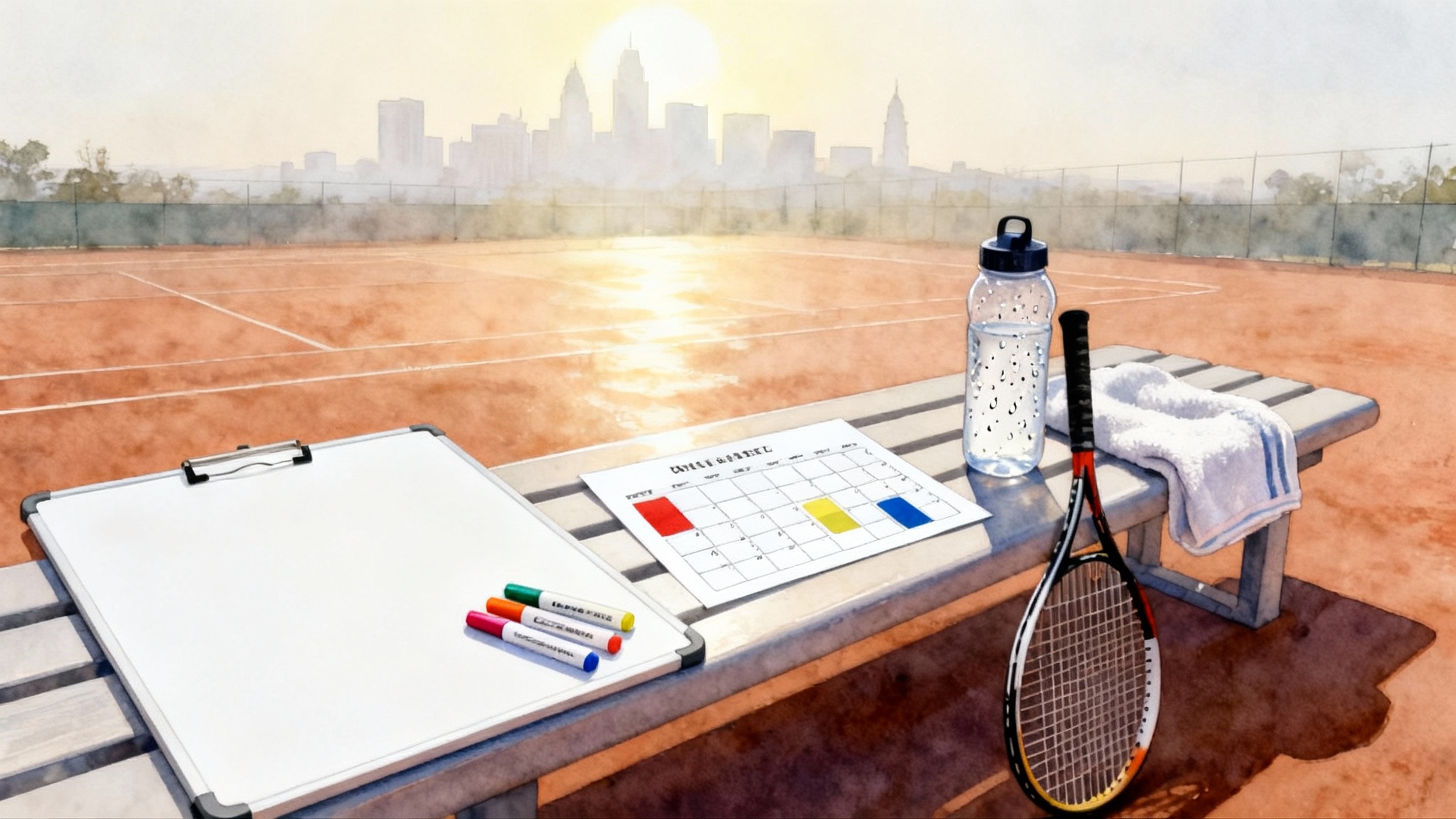
Central and south Texas summers are honest. The sun is high, the air is heavy, and courts radiate heat. Here is a simple courtside hydration kit that mirrors what well-run programs in Texas use so families can build the same system at local events.
-
Shade and airflow
- One 10 by 10 foot pop-up canopy per two courts
- Two battery fans hooked to the canopy legs
- A laminated sign with the day’s heat index color and targets
-
Cold and wet
- Two 5 gallon coolers: one with water and ice, one with high-sodium sports drink
- A mesh laundry bag of clean towels soaking in an ice-and-water cooler for neck wraps
- A small spray bottle for misting forearms and face
-
Measured bottles and labels
- Pre-filled 500 mL bottles labeled by color tape:
- Blue tape: 500 mL, 350 mg sodium, 30 g carbs
- Red tape: 500 mL, 600 mg sodium, 30 g carbs
- A simple laminated card shows how many bottles per hour at each heat index level for a 40 kg junior, 60 kg teen, and 80 kg adult
- Pre-filled 500 mL bottles labeled by color tape:
-
Salty, simple food
- Pretzel tubs, salted rice cakes, salted watermelon cups, and applesauce pouches
- A cooler bin with turkey-and-cheese roll-ups and drinkable yogurt
-
Optional tracking
- A small digital scale on a rubber mat for voluntary pre and post weights
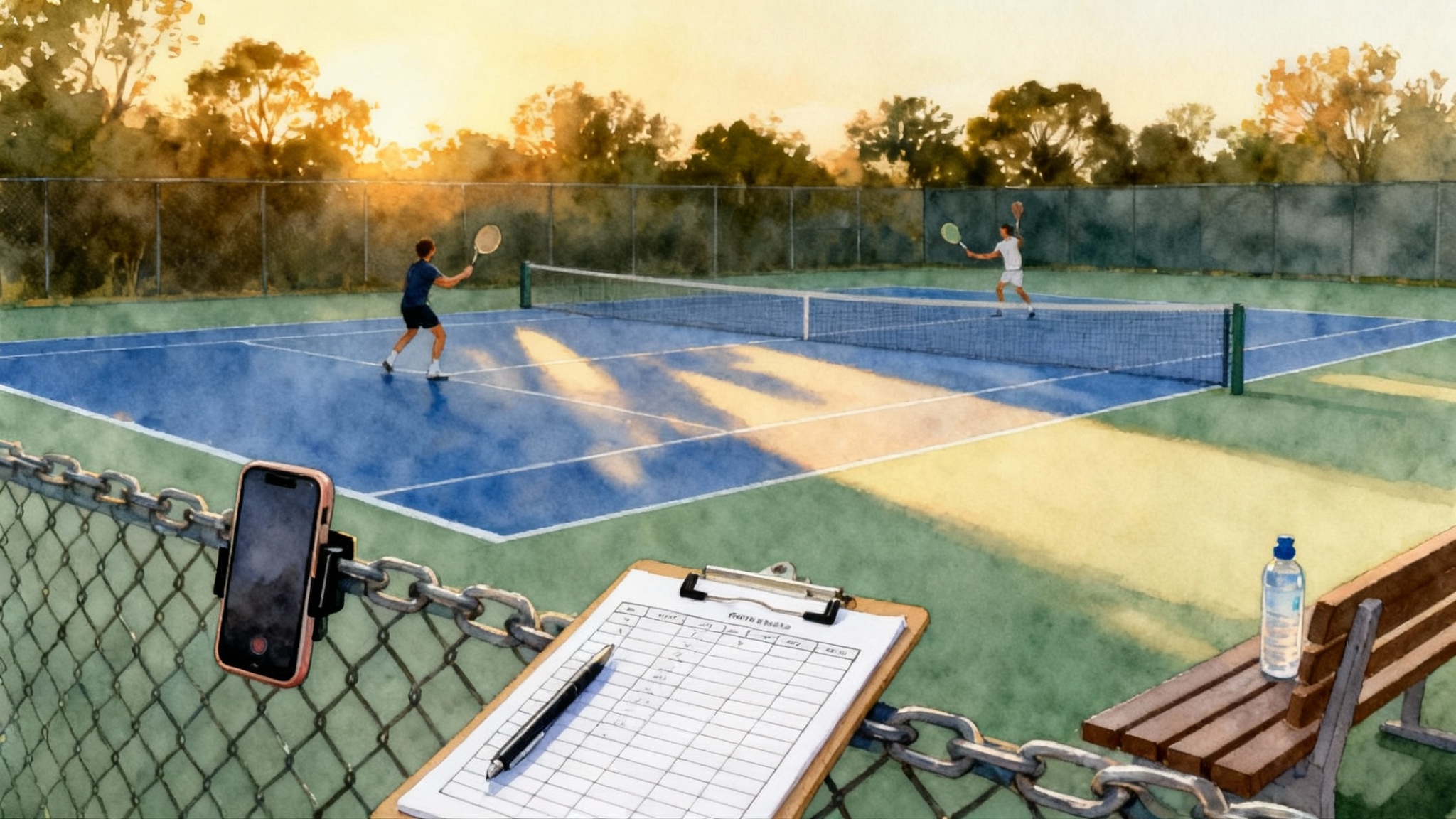
- A clipboard with checkboxes: heat index, start time, fluid bottles taken, cramps yes or no, recovery plan
Make a family version by scaling down: one soft cooler, two pre-mixed bottle types, a handful of salted snacks, and two ice towels in zip bags. The key is pre-labeling and a written plan so the player does not have to decide while tired.
Safety notes on sodium and supplements
- Sodium is performance-supporting in heat, but it is not a contest. If you have high blood pressure, kidney disease, or you have been told to limit sodium, ask your clinician how to adapt these ranges.
- If you use salt capsules, always take them with fluid and food. Start low in practice before tournament day.
- Mix brands based on taste and stomach comfort. Products like Gatorade, Pedialyte Sport, Skratch Labs, Liquid I.V., LMNT, and Nuun offer different sodium levels and flavors. Choose what your athlete will actually drink in the heat.
A 12–24 hour recovery routine
Your tournament is often a two-day story. Recover well to earn a fresh start the next morning.
-
0–2 hours after the last match
- Fluids: drink 1.25–1.5 liters per kilogram of body mass lost over the next two hours, with sodium mixed in.
- Carbohydrate: 1.0–1.2 g/kg to refill muscle glycogen. Rice bowl, pasta with meat sauce, or burrito with beans and rice works.
- Protein: 20–40 g to support repair. Add a glass of milk, yogurt, chicken, or tofu.
- Cooling: cold shower or cool bath for 5–10 minutes if you still feel overheated.
-
2–6 hours after
- Keep sipping a higher-sodium drink if your urine is still dark or you feel cramp-prone.
- Light mobility: 10 minutes for ankles, hips, thoracic spine, and shoulders. Gentle foam rolling only if it relaxes you.
- Short nap: 20–30 minutes, finish before early evening.
-
Evening meal and sleep
- Balanced dinner: plenty of carbs, a palm of protein, a thumb of fats, a fist of vegetables. Salt the meal.
- If you are a heavy sweater, drink 300–500 mL of electrolyte drink before bed.
- Sleep: adults aim for 7–9 hours; teens aim for 9–11 hours. Keep room cool and dark. Put the phone outside the bedroom.
-
Morning-of reset
- Check urine color. Pale lemonade is the goal.
- Eat a familiar breakfast 2–3 hours before warm-up.
- Confirm bottle counts, sodium levels, and snack plan. Write them on tape on your bag.
Simple practice plan to dial this in
- One month out: weigh before and after two hard practices in warm conditions to estimate sweat rate. If you lose 1 kg in an hour, aim to drink about 1 liter per hour in similar heat with sodium.
- Two weeks out: rehearse your between-match routine on a two-session practice day, including the exact snacks and drinks you plan to use.
- One week out: lock in your bottle labeling, snack portions, and cramps triage kit in your bag. Do not test new products at your first summer event.
For juniors, parents, and adults at a glance
- Juniors: no caffeine, learn bottle counts by color code, practice cramp triage, tell a coach if you feel off.
- Parents: pre-portion and label; plan shade; do not coach during cramps beyond the triage steps allowed by event rules.
- Adults: test caffeine only if you already tolerate it; protect sleep; be strict about heat-index targets and stop early if symptoms escalate.
The bottom line
Tournament days are won by boring, repeatable habits. Scale fluids to body mass and heat, front-load sodium so you keep what you drink, feed your muscles small and often, and have a rehearsed plan if cramps show up. Copy a simple courtside setup that removes guesswork. Do these things and you will not just survive summer tournaments. You will be the player who still moves well when the bracket gets thin.