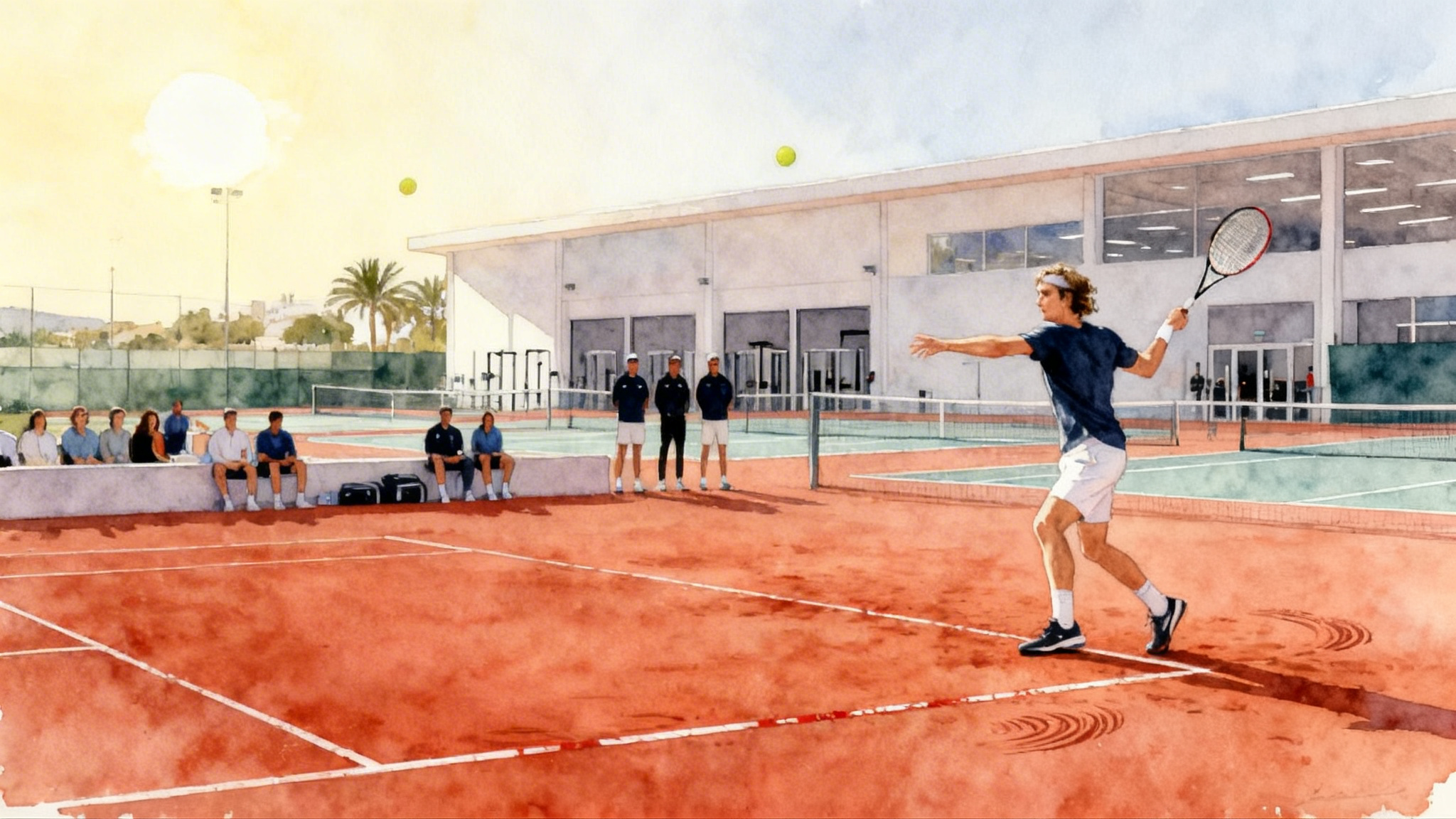
From College Park to Center Court: How JTCC Forged Tiafoe
Frances Tiafoe’s rise began at the Junior Tennis Champions Center in Maryland, where scholarships, dense match play, and mentorship built his base before USTA Player Development and a handpicked pro team accelerated his jump to the tour.
 Tommy
Tommy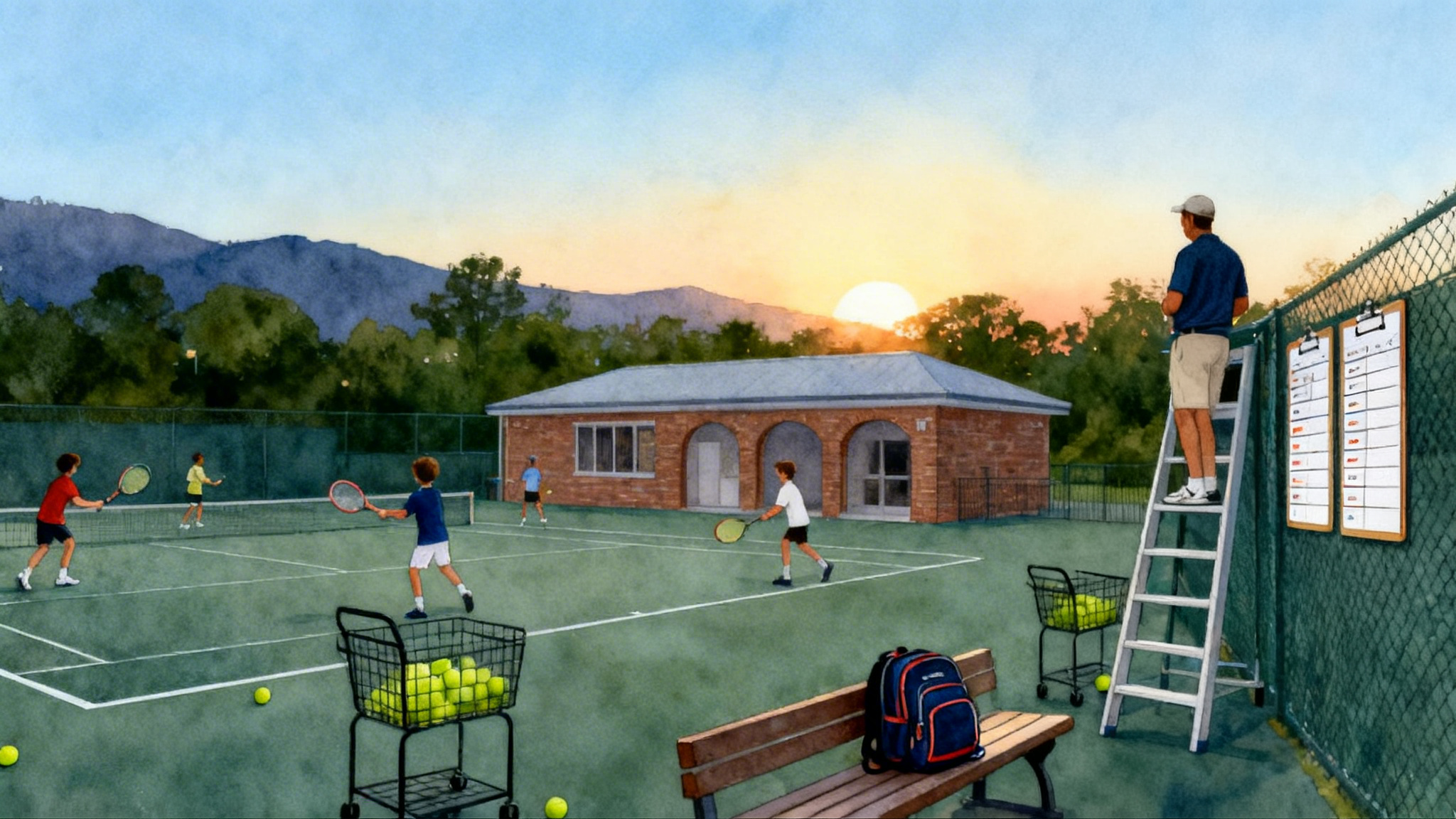
The pathway that turned access into advantage
Every tennis parent has a version of the same worry. Do we need to uproot our family to chase elite training, or can a young player thrive where we live? Frances Tiafoe’s story offers a concrete blueprint. His climb from the Junior Tennis Champions Center in College Park, Maryland to the top tier of the Association of Tennis Professionals Tour began with a community-driven academy model that emphasized access, deliberate competition volume, and mentorship. The next phase was a precise handoff to national resources, then a targeted pro team that refined his game for the biggest stages.
What follows is less a fairy tale and more a system you can adapt. Tiafoe’s journey shows how to build a foundation locally, when to widen the circle, and how to know it is time for an individualized professional setup.
Step one: a community-rooted academy that removes friction
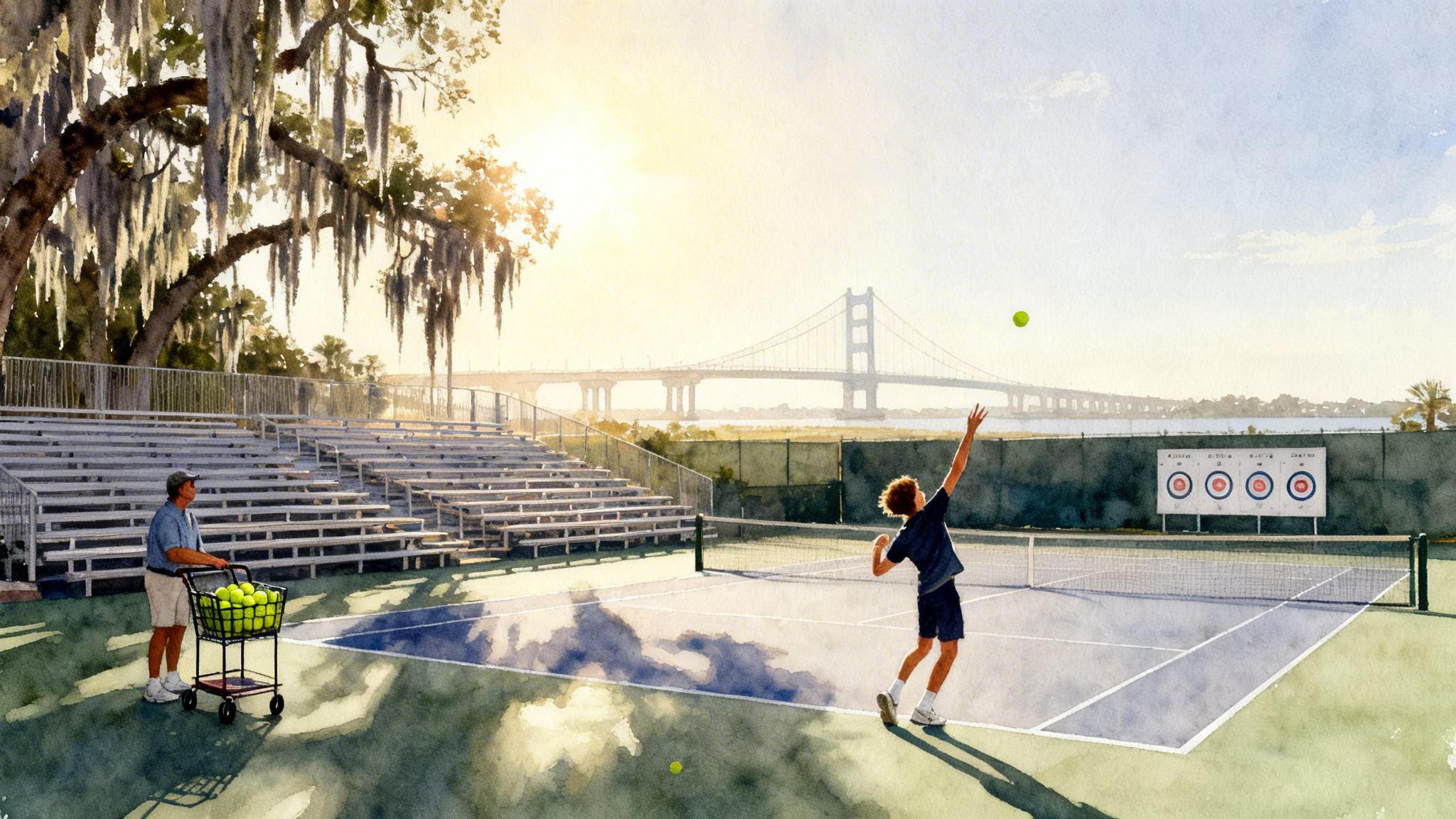
The Junior Tennis Champions Center, known as JTCC, is built on a simple premise. If you remove barriers to entry and create daily competition, talent can emerge from anywhere. JTCC offers need-based scholarships, school support, and a training culture that treats competitive play as homework, not as a special occasion. Read their own description of mission and outreach in the JTCC community programs page. Programs with similar community roots include the Milwaukee Tennis and Education Foundation.
Three elements mattered for Tiafoe at this stage:
- Scholarships that buy time and repetitions
Time on court and consistent coaching turn curiosity into skill. JTCC’s scholarships are not just discounts. They are time machines. They free a family from the constant calculation of cost per hour and unlock a simple rule of development: more high-quality touches on the ball, more diverse patterns learned.
A scholarship at a center like JTCC does more than cover lessons. It usually comes with study hall support, fitness sessions, and a peer group that practices with purpose. That ecosystem produces thousands of small wins that compound into durable habits.
- Dense match play that turns skills into solutions
Tiafoe’s junior years featured an unusual amount of in-house competition. JTCC treated sets like labs. Players had ladders, weekly challenge matches, and practice sets played under constraints. One day a player could only serve to the body. Another day depth targets were marked and every short ball carried a penalty. Repetition met creativity.
This density matters because a match is not a skills exam. It is a problem-solving session under a clock. The more different problems you see at 10, 12, 14 years old, the calmer you feel when the stakes rise.
- Mentorship that normalizes ambition
Mentorship is performance osmosis. Tiafoe trained around older juniors and pros who shared the same courts. That closeness refines taste. A young player learns what a top forehand sounds like, what a focused practice looks like, and how to rebound after a rough day. Coaches become translators between goals and daily choices, and older peers make those choices feel ordinary.
The skill stack JTCC built first
Before national teams or major sponsors, JTCC helped Tiafoe stack the essentials:
- Ball tolerance and tempo control: high-rep drilling and live-ball rally games that teach a player to handle pace without rushing.
- Patterns that travel: crosscourt-heavy patterns on both wings, and a serve plus first-strike sequence that holds up on slow and fast courts.
- Court position habit: learning when to step forward to take time away and when to create space to reset.
- Match repetition under pressure: a weekly rhythm of sets where scorekeeping is part of training, not an afterthought.
- Emotional regulation: coaches who treat competitive days as learning days, so wins and losses both carry homework.
By the time a player owns those pieces, outside support can add refinement rather than rescue.
Step two: widening the circle with national support
As results stacked up, Tiafoe’s world expanded. The United States Tennis Association’s national resources became relevant. At this stage the question shifts from “Can we get enough quality reps?” to “Can we assemble the right expertise and competition at the right times?” The United States Tennis Association operates a broad development system based at its training hub in Orlando. For a sense of the environment and facilities that support this phase, explore the USTA National Campus resources. For a parallel academy-to-pro bridge, see how IMG Academy built Korda.
Here is what typically changes when a player like Tiafoe taps national support:
- More targeted coaching: specialists in serve mechanics, return patterns, and transition play supplement the home base coaching. The point is not to replace the academy identity. It is to tighten a couple of screws that move the needle on the pro ladder.
- Smarter scheduling: national coaches map a calendar that maximizes ranking opportunities and surface exposure while protecting health. The goal is not volume for volume’s sake. It is the right 18 to 22 events that build a player’s rating and confidence.
- Access to better practice sets: training blocks place rising players in hits with tour-level speed. A week of practice where the average ball is five miles per hour faster recalibrates what “neutral” feels like.
- Performance services: coordinated fitness testing, nutrition planning, and sports psychology. The most valuable element is integration. Data from weight room, heart rate monitors, and match analysis feed into a single plan.
JTCC to national support is a handoff, not a divorce. Parents serve as translators. The player keeps the daily habits that got them here while borrowing specialized tools for the next jump.
Step three: the individualized pro team
When junior results turn into tour entries, the center of gravity shifts again. Tiafoe’s next leap came with a tighter pro team that clarified his identity and simplified decisions. On the men’s tour the margins are small. At this point, a player benefits from a lead coach who understands the player’s patterns in match play, a strength coach who manages a long season, and a physio who keeps day-to-day training possible. Video analysis and scouting become weekly tasks. For how a European academy turns junior strengths into pro identity, study how Ferrero Academy forged Alcaraz.
What changes most at this stage is not the volume of work. It is the precision of the work. The team decides which forehands to live with and which to change, which return positions pay off against heavy kick servers, when to press at 15-30, and when to invest in a longer point to fatigue a defender.
Parents still matter here, but the role lightens. You move from scheduling and logistics to culture and guardrails. You make sure the player’s environment still feels like the game is the prize, not the trappings around it.
What parents can copy without relocating
You do not need to move to Maryland to borrow the JTCC playbook. Here are practical ways to recreate the same advantages at home.
- Access resources without leaving your city
- Scholarships and grants: ask local academies about need-based aid and work-study options. Look at civic foundations and community tennis associations. Many centers quietly underwrite court time for hungry players.
- Public school coordination: partner with your player’s school to cluster classes in morning or afternoon blocks so training can be consistent. A letter from a coach that outlines goals and structure often opens doors.
- Host-club arrangements: even if you train elsewhere, set up two standing weekly sessions at a club with stronger players. Barter with sparring value. Strong juniors help clubs by raising the practice standard.
- Remote coaching: if a specialist you like is in another state, use video sharing for technical check-ins every two weeks. A five-clip playlist that isolates the same stroke from the same camera angle is gold for tracking.
- Build heavy local competition volume
- Ladder and set nights: organize a Friday match night with a small buy-in so there is skin in the game. Score every set and keep a running ladder. Demand variety. Rotate opponents across ages and styles.
- Constraint sets: copy the JTCC habit. One set with second serves only. One set where every rally must hit a depth target before going big. One set where players cannot finish at the net until ball three.
- UTR and sectional events: use your area’s Universal Tennis Rating and USTA section calendars to stack 18 to 22 events in a year. Start with reachable draws to build confidence, then stretch into tougher fields. The mixture matters.
- Cross-practice with college teams: reach out to local college programs for occasional joint sessions. Many coaches welcome juniors for competitive drills during off days.
- Time the move from academy structure to a pro team
- Use three readiness tests:
- Competitive markers: your player consistently goes deep in national-level events and holds their own in practice against players with professional points.
- Physical markers: they can handle three matches in two days without breakdown in speed or posture, and they repeat gym lifts and sprint times under fatigue.
- Emotional markers: they self-initiate film review, ask for scouting, and can stay on plan for a full set even when down on the scoreboard.
- Stage the transition:
- Phase A: keep the academy as the base but add a specialist coach for one weekly block. Test chemistry on two travel weeks.
- Phase B: commit to a lead coach, but retain academy access for sparring and logistics. Run a 12-week trial with clear goals.
- Phase C: move to a full pro team only when the player’s schedule is mostly professional events and the local ecosystem cannot consistently provide training partners at that speed.
A 12-month blueprint you can adapt
Think of the year in four quarters. Each quarter has a theme and a measurable outcome.
-
Quarter 1: Skill consolidation and conditioning
- Theme: build base fitness and footwork patterns; clean up serve routines and return starts.
- Action: three skill blocks per week, two constraint-set match days, one strength session, one sprint session, one competition weekend per month.
- Outcome: first-serve percentage climbs five points; return position choices shrink double faults against kick servers.
-
Quarter 2: Competition density and travel rehearsal
- Theme: play three events in six weeks; practice travel routines as if on tour.
- Action: two local tournaments and one sectional event; morning hit and afternoon lift on non-match days.
- Outcome: hold plus break numbers improve; player can describe two winning patterns in words and show them on video.
-
Quarter 3: Surface exposure and specialist tune-ups
- Theme: two weeks with a serving specialist or transition-play coach; add a different surface if possible.
- Action: film serve sessions from baseline and side view; schedule one event on a different surface to stretch patterns.
- Outcome: second-serve points won climbs three points; approach-shot depth improves by a foot on average.
-
Quarter 4: Reflection and pro-simulation block
- Theme: five-week training block that simulates tour rhythm; one exhibition match with a live chair and crowd noise.
- Action: three practice matches a week with scouting reports; one gym max week; one deload week.
- Outcome: player enters the new year with a clear identity paragraph that reads, “My game wins when…”
What coaches and academies can learn from JTCC
- Scholarships are performance investments: they seed cohorts. When players of different ages share time on court, the younger ones borrow standards, and the older ones internalize leadership.
- Match play is curriculum, not reward: sets resolve technique debates faster than endless drills. Design constraints that tutor the stroke inside the competitive choice.
- Mentorship is a program feature, not luck: schedule overlaps between top juniors and pros so the lessons flow without speeches.
- Handshakes, not silos: build relationships with national programs and college teams. A warm introduction doubles the value of a training block later.
How Tiafoe’s path answers the relocation question
Parents often ask if they must move to a global hotspot to give a child a chance. Tiafoe’s path says no. Start by maximizing what you can control locally: access to hours through scholarships and creative partnerships, a weekly rhythm of meaningful sets, and mentors who make big goals feel normal. Then widen the circle intentionally when results and maturity say the player is ready for specialists and higher-speed training.
A move can make sense later, but it should serve a known need, not a vague fear of missing out. The order matters: build the foundation first, then add the floors.
The finish line that keeps moving
Frances Tiafoe did not arrive on center court by accident. He reached it by stacking advantages that any family can attempt to recreate. A scholarship that bought hours. Daily sets that taught solutions. Mentors who set standards. Then a measured handoff to national resources and a tight pro team that sharpened what was already there.
The lesson for parents is practical. You do not need everything on day one. You need the next useful piece and a way to repeat it. Build the court time. Fill it with matches. Surround your player with examples a little better than they are. When the circle widens, choose tools that solve specific problems. That is how a journey from a local club to the world’s biggest stadiums begins, one set at a time.